100+
Global B2B Destination Ports
22.8%
Max Module Efficiency
6,000+
LFP Cell Lifecycles (@80% DoD)
<24h
Direct Engineering Turnaround
High-Yield Certified Generation & Storage Fleet
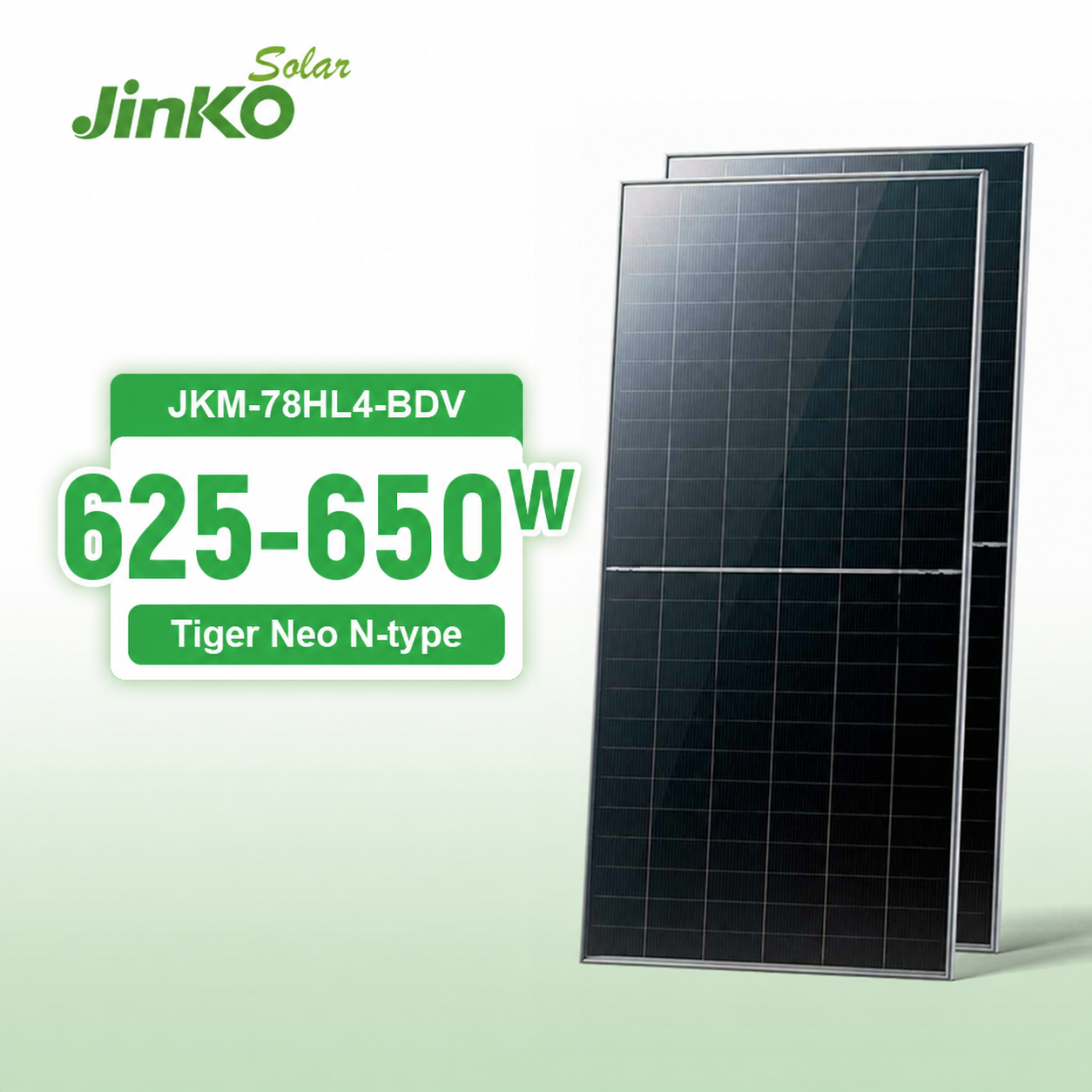
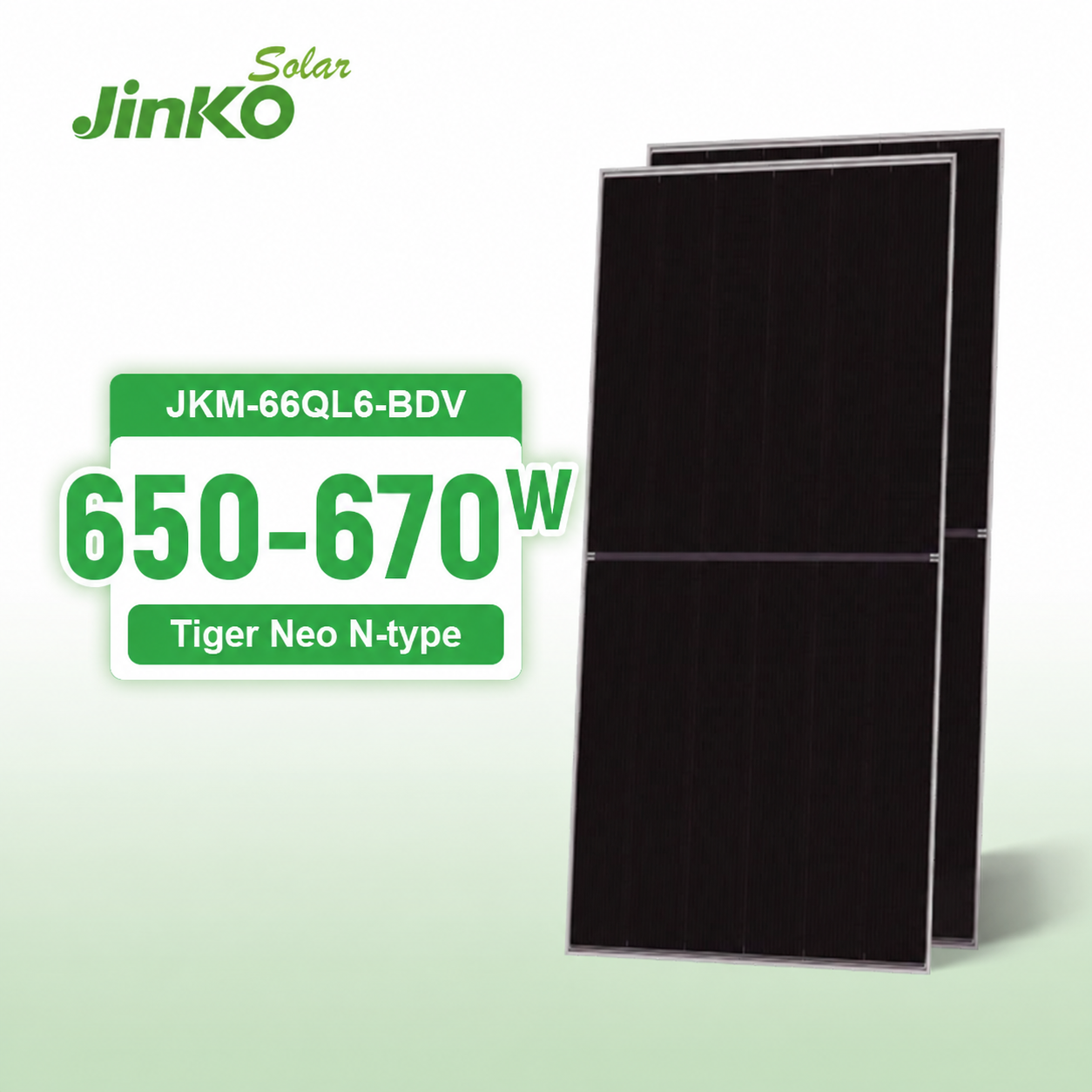
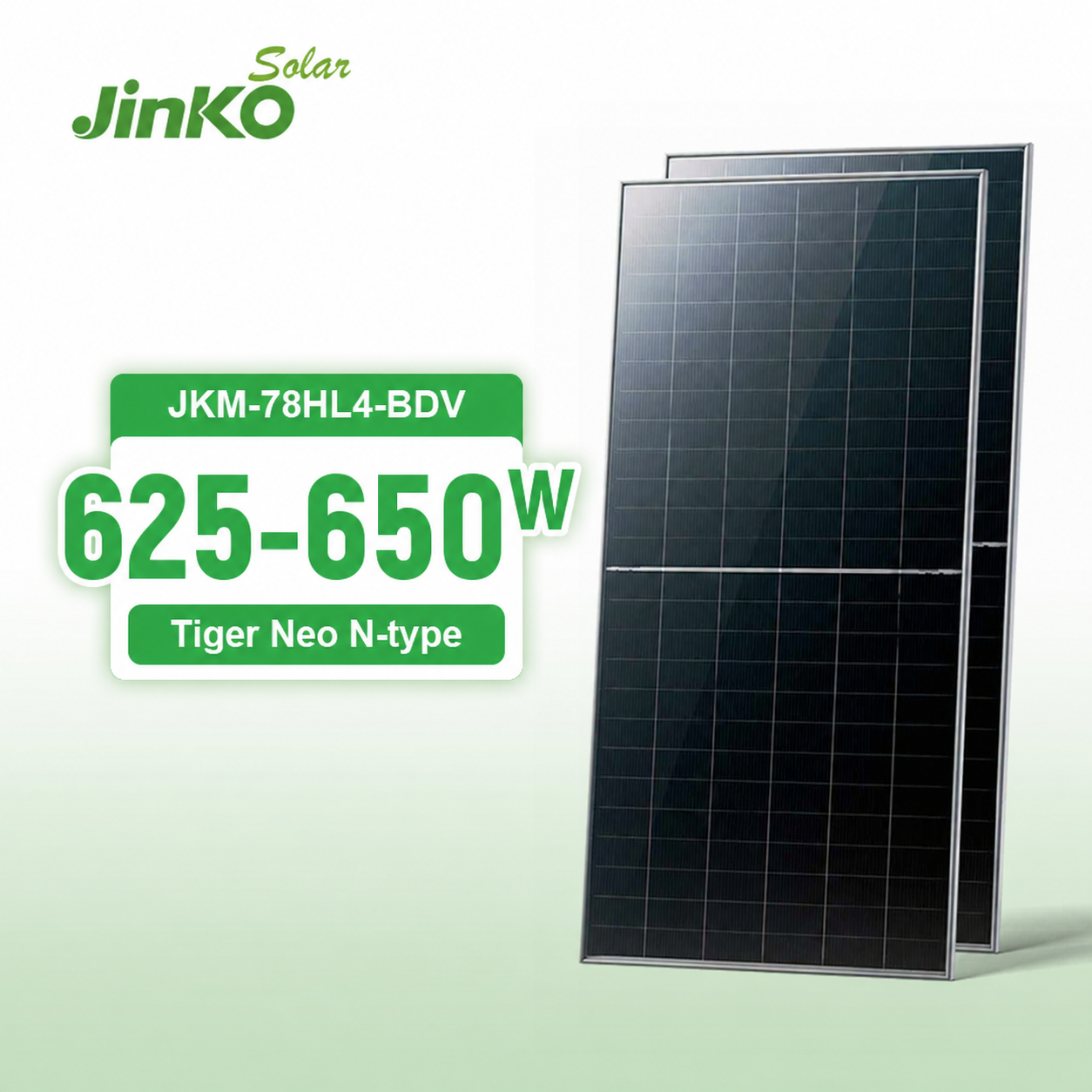
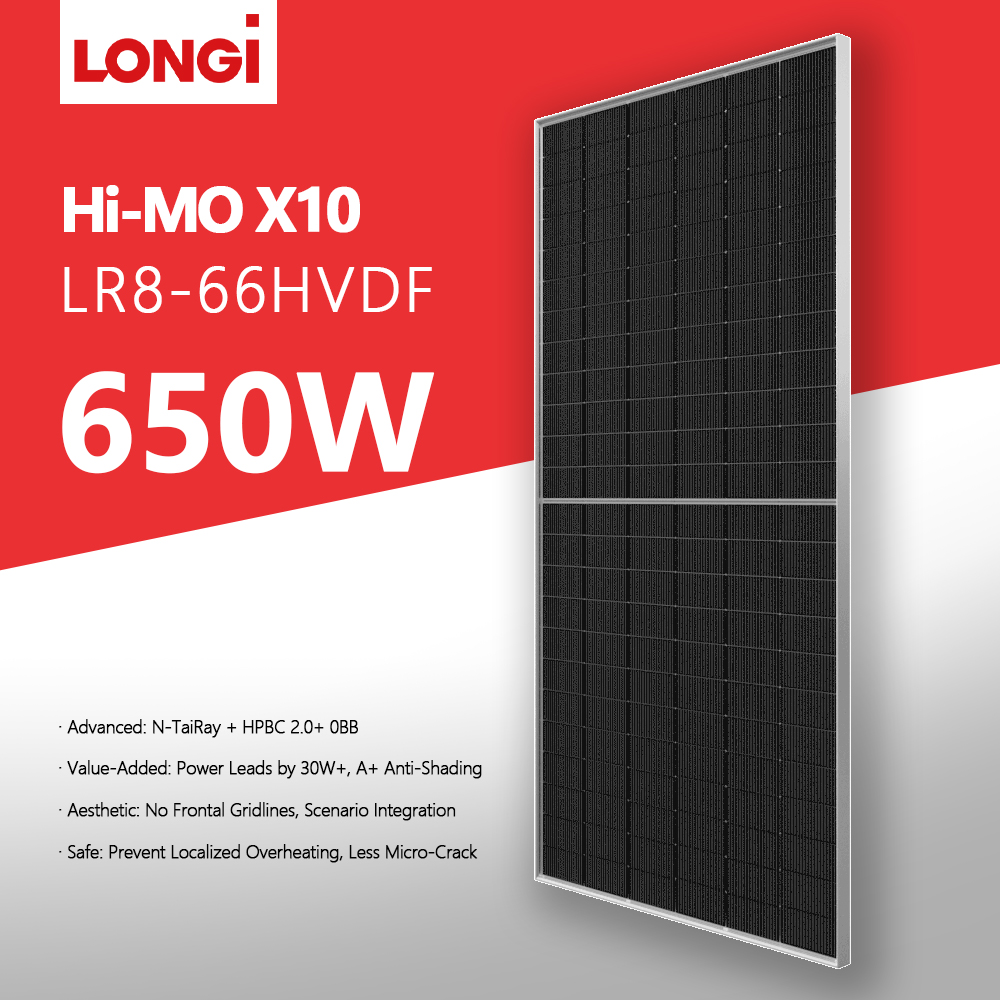
Precision-engineered N-Type TOPCon bifacial modules, high-voltage LFP racks, and integrated inverter pairings meeting strict CE, IEC, and UN38.3 standards.
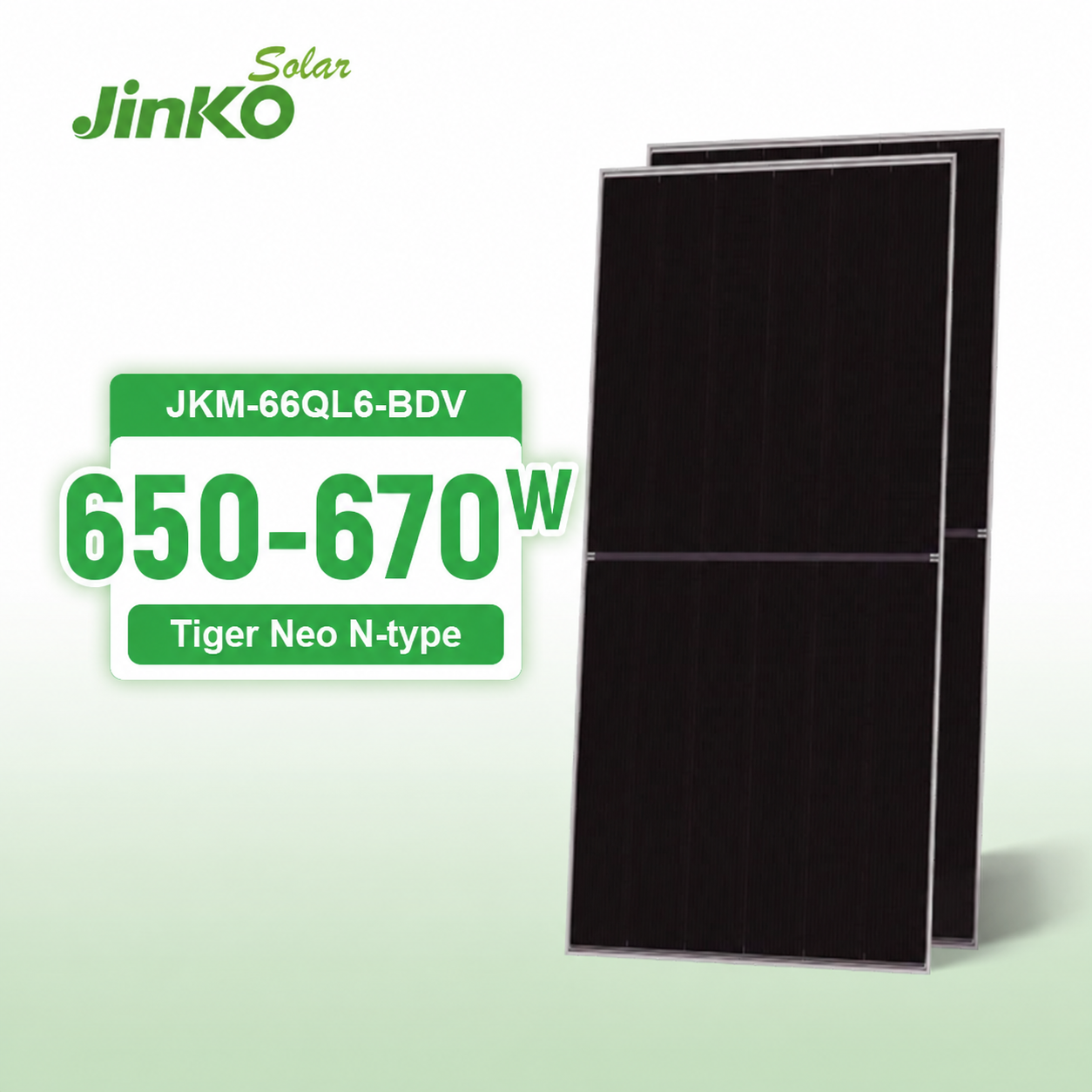
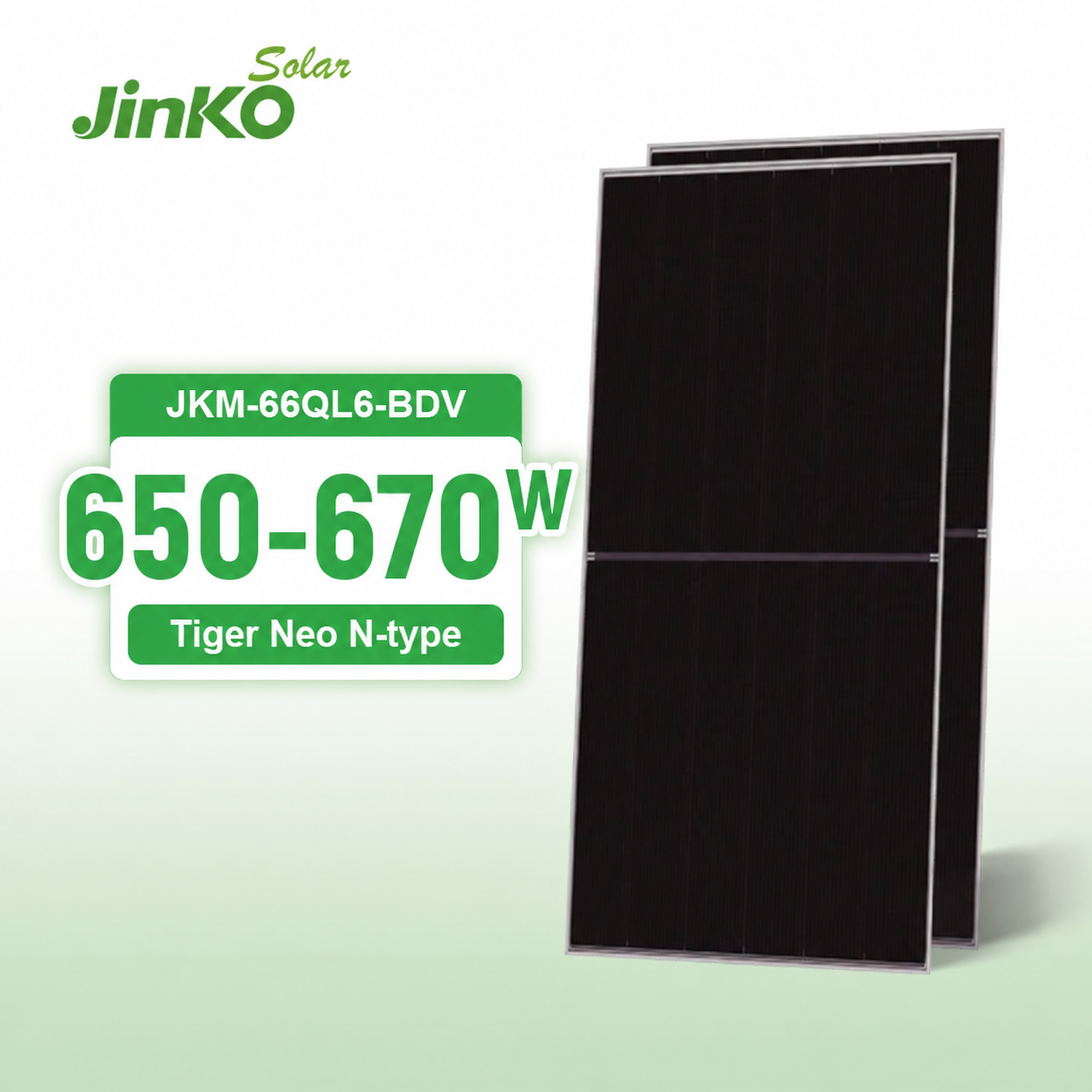
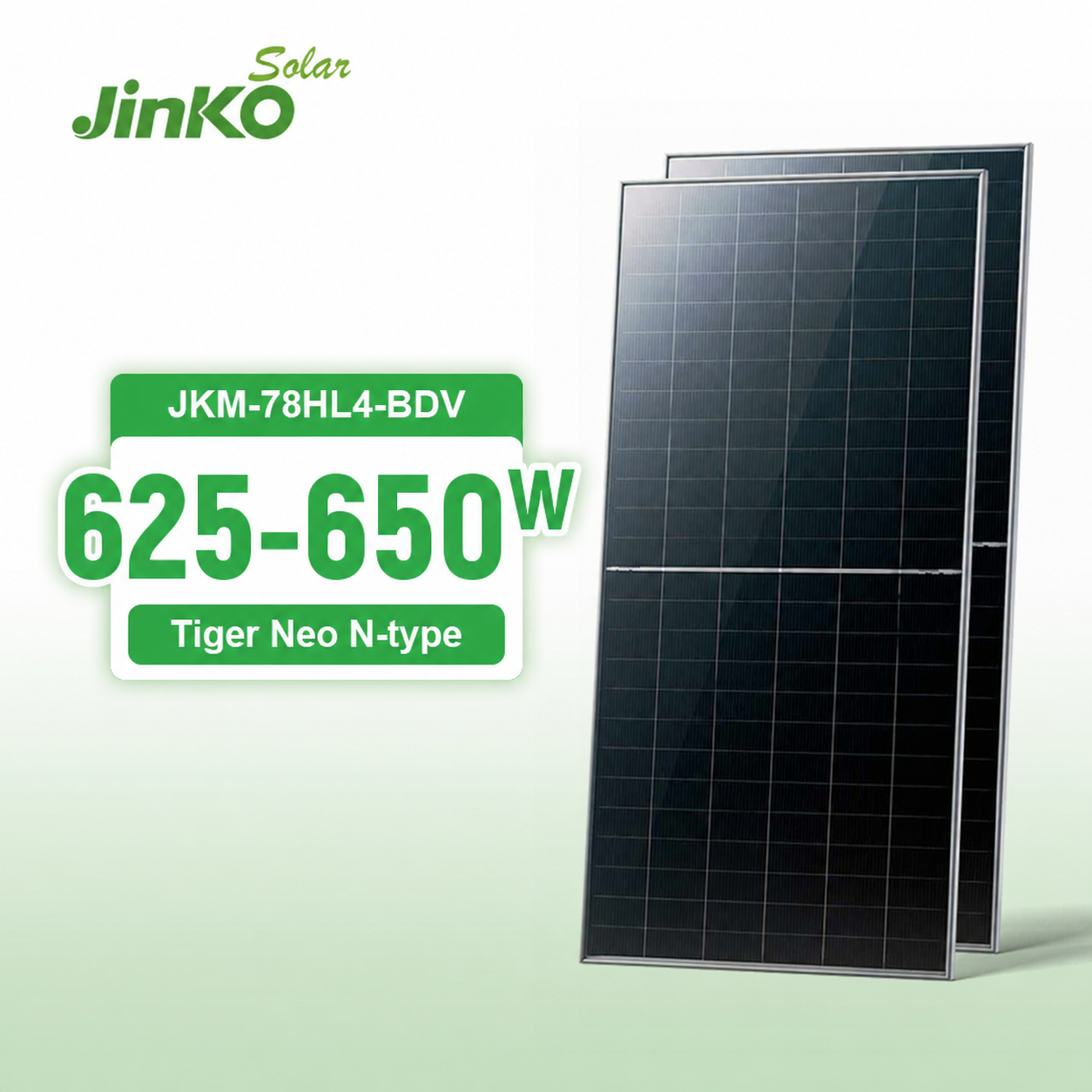
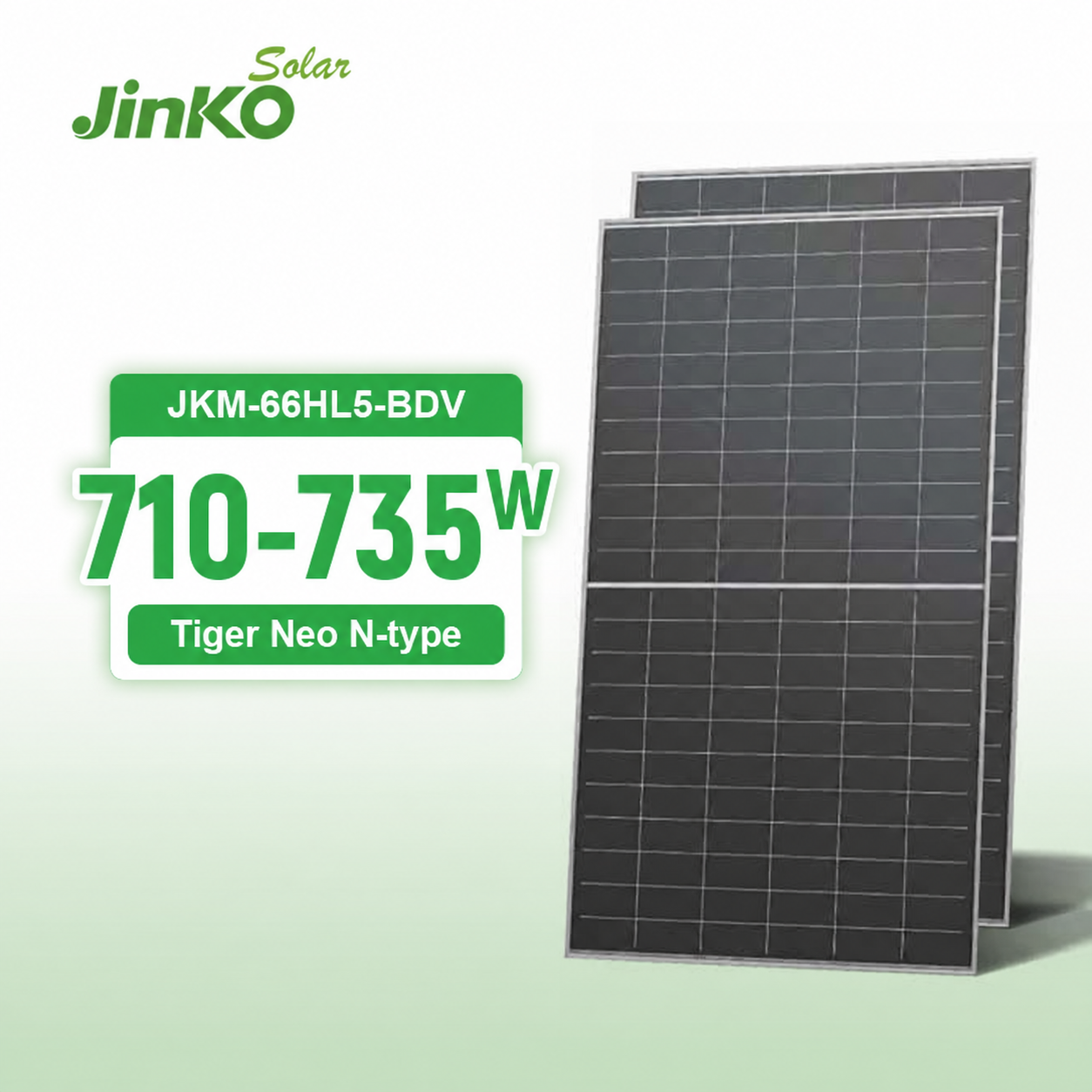
Need Complete Turnkey Matching for These Modules?
We match string inverters, hybrid controllers, and low/high-voltage LFP rack enclosures with matched BMS protocols.
Get CatalogThe Architecture of Modern Energy Storage: Engineering Reliability & Verification
How Hangzhou VOLT New Energy bridges the technical gap between utility generation, battery chemical safety, and inverter control software.
In the transition toward 24/7 dispatched green power, selecting an unverified battery supplier creates severe financial and operational exposure. A system is never simply a battery enclosure or an isolated array of photovoltaic modules; it is an integrated electrochemical, thermal, and electrical ecosystem. Without native hardware-level compatibility, systems encounter communication timeouts, unsynchronized state-of-charge (SoC) calculations, and irreversible cell degradation. As a CE-certified manufacturer and global supply integrator based in Hangzhou, China, VOLT New Energy directly solves these critical compatibility vectors.
Full-Chain Interoperability
We eliminate "BMS Handshake Failures". Every battery pack leaves our testing floor flashed with verified CAN/RS485 communication protocols precisely matched to Tier-1 inverters including Deye, Growatt, and Solis, guaranteeing error-free plug-and-play commissioning on site.
Grade-A LiFePO4 Prismatic Cells
We exclusively integrate certified prismatic Lithium Iron Phosphate cells manufactured under rigorous cleanroom conditions. Providing inherently stable olivine crystal chemistry that guarantees thermal runaway resistance up to 270°C without risk of explosive oxygen release.
Verified Multi-Standard Compliance
All hardware suites comply with European CE Machinery and Low Voltage Directives, IEC 62619 for industrial lithium storage safety, IEC 61215/61730 for module performance, and UN38.3 maritime dangerous goods transport safety standards.
Factory Operations, Assembly, and Export Quality Control
Our quality verification processes reflect the practical requirements of utility EPCs and commercial installers who cannot afford project commissioning delays. While trading intermediaries merely forward cartons, VOLT New Energy operates an on-site, rigorous verification loop inside our Zhejiang facility.
 Automated Cell Sorting & Laser Welding
 100% Pre-Shipment Burn-In & Cycling
 Class 9 Dangerous Goods Containerization
 BMS Telemetry & Inverter Firmware Matching
Every single battery bank undergoes strict cell capacity grading, internal resistance sorting (IR delta < 0.05mΩ), and automated laser busbar welding. Prior to palletization, units undergo full-cycle charge-discharge stress tests and insulation resistance logging. These digital records are paired with batch serial numbers and made available to our buyers before release, ensuring transparency from factory to container.
Electrochemical Storage Comparison: Selecting the Optimal Technology
Procurement directors frequently balance upfront CapEx against total lifecycle value when evaluating LiFePO4 against deep-cycle GEL installations. The table below illustrates the operational parameters across typical commercial load profiles:
| Evaluation Parameter | Prismatic LFP Battery (LiFePO4) | Deep Cycle Colloidal GEL Battery | High-Voltage (HV) Stack Architecture |
|---|---|---|---|
| Nominal Lifecycle (to 80% EoL) | 6,000+ Cycles (@ 0.5C / 25°C) | 1,200 – 1,800 Cycles (@ 0.2C / 25°C) | 6,000 – 8,000 Cycles |
| Usable Depth of Discharge (DoD) | 90% – 95% | 50% – 60% Maximum | 90% – 95% |
| System Round-Trip Efficiency (RTE) | > 95% | ~ 82% - 85% | > 97% (Direct DC-bus connection) |
| BMS Telemetry & Control | Active CAN/RS485 Dual Protection | Passive / External Shunt Only | Master-Slave Industrial BMS Architecture |
| Energy Density vs Weight | ~130-160 Wh/kg (Lightweight) | ~35-45 Wh/kg (Extremely Heavy) | High modular spatial efficiency |
| Primary Target Application | Daily Solar Cycling, Arbitrage, Peak Shaving | Standby Telecom, Rare Outage UPS | Commercial Microgrids & Utility Peak Shifting |
Strategic Procurement & Technological Trends in Battery Energy Storage (2025–2030)
Energy storage procurement is shifting rapidly from fragmented component sourcing to integrated, performance-guaranteed assets. Key structural trends shaping procurement requirements include:
- Standardization on 314Ah+ High-Capacity Cells: The industry is transitioning from legacy 280Ah cells to 314Ah formats within the same physical enclosure footprint. This reduces system balance-of-plant (BOP) costs, decreases internal terminal interconnects by over 12%, and streamlines containerized C&I deployments.
- High-Voltage (HV) Decentralization: While low-voltage 48V/51.2V architectures remain practical for small-scale residential setups, commercial projects are transitioning to 600V–1000V DC bus rails. Higher operating voltages reduce transmission thermal losses ($I^2R$), minimize cable cross-section requirements, and yield direct system efficiency gains over 2.5%.
- Liquid-Cooled Thermal Uniformity: As charge-discharge rates climb to 1C and 2C for frequency regulation contracts, conventional forced-air cooling creates temperature gradients exceeding 8°C across the pack. Advanced liquid-cooling cold plates now maintain inter-cell temperature deltas within 2.5°C, extending pack operational lifespan by over 20%.
- Digital Twin & Cloud Battery Telemetry: Modern procurement frameworks prioritize batteries with direct IoT gateway integration. Remote automated state-of-health (SoH) diagnostics allow off-site engineers to adjust charge thresholds before cell imbalance causes unexpected inverter trips.
VOLT New Energy tracks these developments by offering tailored hardware configurations. Whether fulfilling consolidated multi-product containers (PV panels, inverters, and batteries packed together to save ocean freight) or shipping dedicated multi-megawatt battery racks, our engineering team manages the complete supply chain from factory testing to port clearance.
Frequently Asked Procurement & Engineering Questions
Direct technical answers addressing system sizing, safety certifications, and international logistics.
What specific documentation is provided to clear CE customs and safety compliance?
Every CE-certified shipment is accompanied by the official EU Declaration of Conformity (DoC), covering both the Low Voltage Directive (LVD 2014/35/EU) and Electromagnetic Compatibility Directive (EMC 2014/30/EU). In addition, for battery storage units, we provide third-party IEC 62619 safety test reports, full UN38.3 transport safety certification dossiers (including drop tests, thermal vibration, and shock testing), and current 16-point Material Safety Data Sheets (MSDS) verified by accredited inspection agencies.
How does VOLT ensure zero communication conflict between batteries and third-party inverters?
Rather than relying on generic multi-protocol DIP switches, our engineering facility conducts pre-shipment hardware handshake validations. We load the precise firmware version and pin-out cable configuration corresponding to your inverter brand (e.g., Deye CAN protocol, Growatt RS485, Victron VE.Can, or Solis). Physical loopback testing is performed to confirm automated recognition, dynamic charge/discharge current limit configuration, and error-free telemetry reporting before packing.
Can we consolidate PV panels, inverters, and battery banks into a single container?
Yes. One of our core advantages as an integrated Zhejiang exporter is multi-line consolidation. We coordinate Class 9 Dangerous Goods maritime packing for lithium batteries alongside non-hazardous cargo (such as Jinko photovoltaic modules and hybrid inverters) inside unified container manifests. This significantly lowers overall ocean freight charges, eliminates multiple local terminal handling fees, and ensures all project components arrive simultaneously on site.
What is the warranty settlement process in case of field cell performance degradation?
Our storage solutions carry comprehensive manufacturer-backed performance warranties (typically 5 to 10 years depending on the model and cycling profile). Because every unit’s internal cell production batch, serial number, and pre-shipment flash test data are archived in our database, warranty validation does not require complex teardowns. If a module falls below warrantied capacity under specified operational conditions, replacement BMS boards or cell modules are shipped directly from our inventory.
How does depth-of-discharge (DoD) impact the Levelized Cost of Storage (LCOS)?
While Lead-Acid or GEL systems appear cheaper initially, their actual usable capacity is restricted to 50% to prevent rapid plate sulfation, yielding an effective cost per usable kWh nearly double their face value. LiFePO4 batteries routinely operate safely at 80% to 90% DoD over 6,000 cycles. Factoring in higher round-trip efficiency (95% vs 82%) and zero maintenance downtime, LiFePO4 provides a significantly lower Levelized Cost of Storage (LCOS) across any 5- to 15-year operational window.
Ready to Build Your Reliable Energy Storage Portfolio?
Contact our engineering desk today for verified data sheets, complete factory-gate pricing matrices, and custom system sizing support.
Get Catalog