



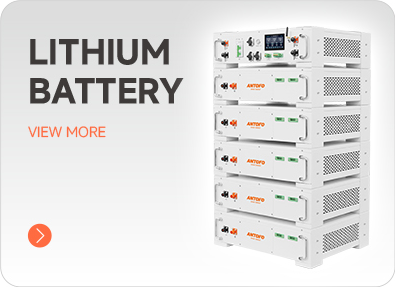
VOLT 51.2V Wall-Mount LFP
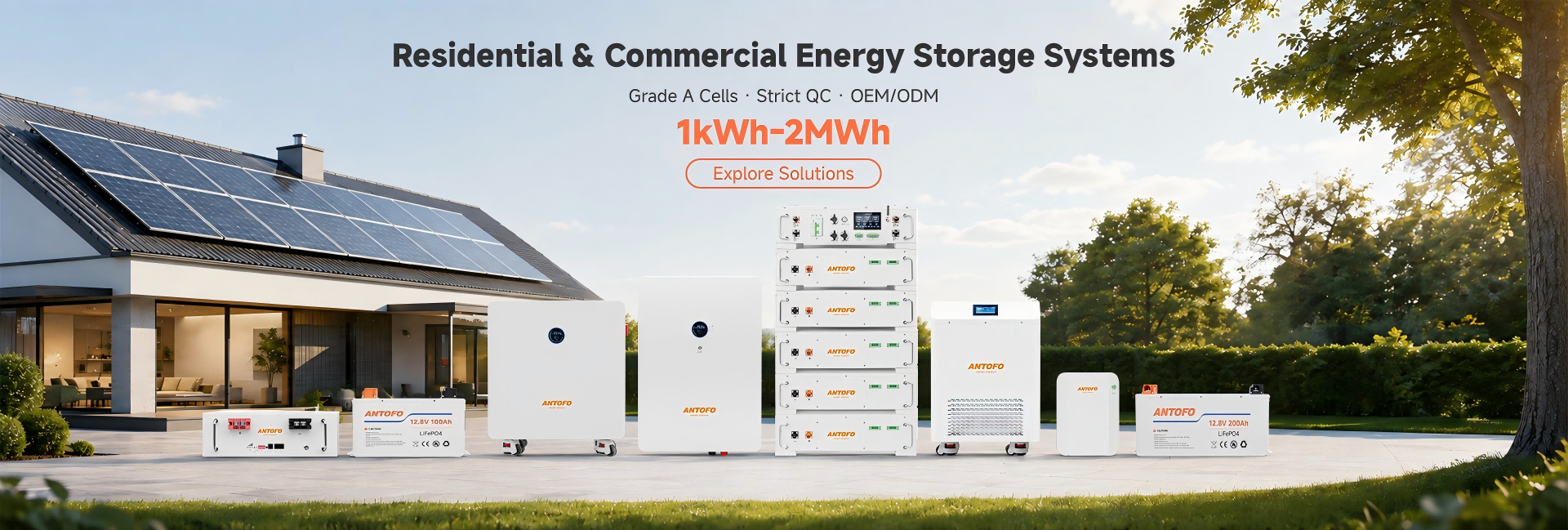
5.12kWh to 10.24kWh modular units featuring Tier-1 automotive cells, active multi-tier BMS safety, CAN/RS485 auto-addressing, and 15-unit parallel capability for expandable home storage.
Explore Wall-MountIn modern photovoltaic distribution, navigating a Residential Energy Storage System (RESS) requires much more than comparing upfront cell costs per kilowatt-hour. Global renewable procurement directors, wholesale distributors, and EPC engineering teams face volatile utility tariff regimes, transitioning grid-connection standards, and strict fire prevention safety mandates. Sourcing reliable residential energy storage demands an end-to-end engineering mindset.
At Hangzhou VOLT New Energy Technology Co., Ltd., we eliminate systemic procurement friction. From our headquarters in Zhejiang, China, we operate as a dedicated solar supplier and system integrator, bridging tier-1 cell manufacturing with proven inverter communications. Whether your market prioritizes self-consumption optimization under complex dynamic tariffs or critical off-grid resilience against unstable infrastructure, this guide covers the core architectural benchmarks, product selections, future technology shifts, and international sourcing criteria needed to maximize lifetime return on investment.
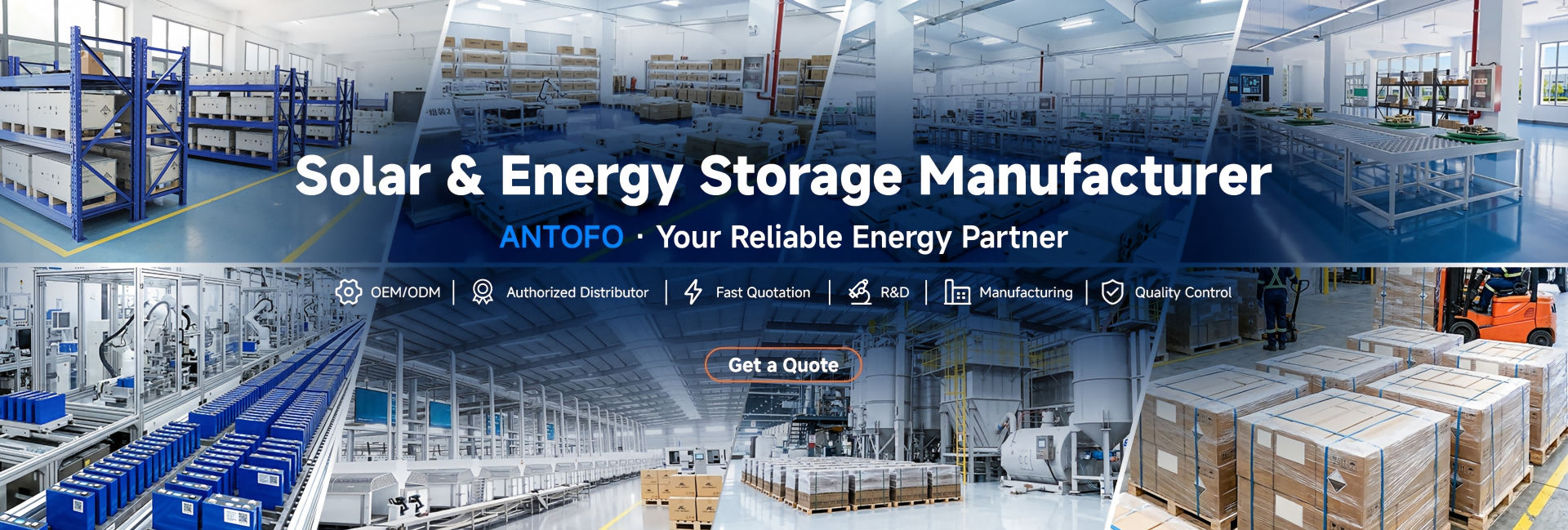
Factory QC & Integration Hub 


Field-proven, fully integrated packages designed to prevent on-site installer troubleshooting, simplify commissioning, and optimize Levelized Cost of Storage (LCOS).

5.12kWh to 10.24kWh modular units featuring Tier-1 automotive cells, active multi-tier BMS safety, CAN/RS485 auto-addressing, and 15-unit parallel capability for expandable home storage.
Explore Wall-Mount
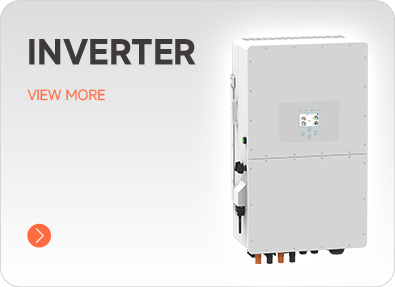
Market-leading single and three-phase hybrid inverters with dual MPPTs, seamless <4ms UPS-grade switching, diesel generator auxiliary support, and advanced peak-shaving scheduling.
Explore Deye Inverters
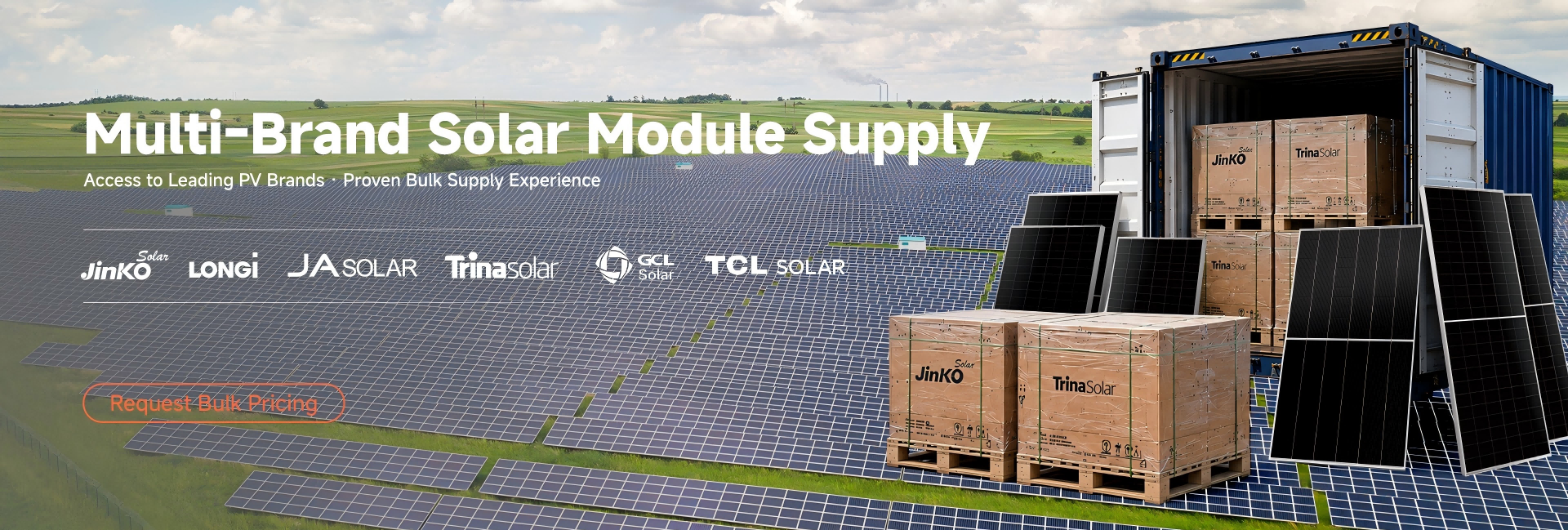
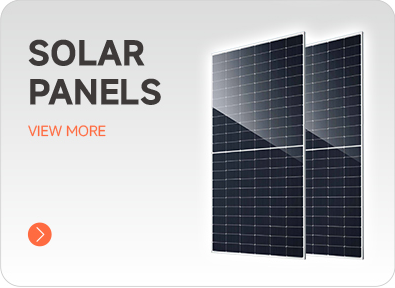
High-efficiency TOPCon mono-crystalline panels delivering 430W to 585W with ultra-low degradation rates, exceptional low-light yield, and superior high-temperature coefficients.
Explore Jinko Panels
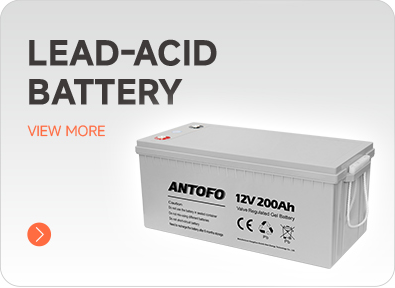
Heavy-duty valve-regulated sealed GEL batteries offering rugged thermal stability, resistance to deep-discharge shock, and zero maintenance for budget-conscious rural backup setups.
Explore GEL Series
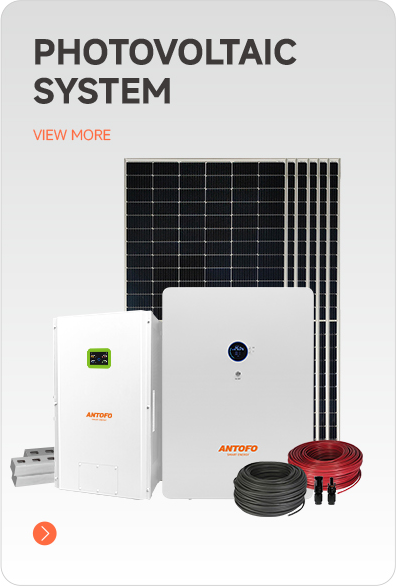
Engineered packages combining PV panels, hybrid inverters, LiFePO4 packs, DC isolation boxes, matched battery cables, and comprehensive single-line wiring schematics ready for commissioning.
Explore Turnkey KitsNeed a customized capacity sizing calculation? Speak directly with our technical application engineers.
How progressive solar equipment distributors, wholesalers, and project developers maintain competitive margins amid technological evolution and regulatory transitions.
1. Shift Toward High-Voltage (HV) Architecture: While 48V low-voltage systems dominate mass-market deployments, demand for High-Voltage residential systems (150V to 600V+) is surging across Europe and North America. HV systems reduce transmission amperage, decrease cable cross-sections, reduce thermal losses, and enable conversion efficiencies exceeding 97.5%—ideal for heat pump integrations and heavy three-phase HVAC loads.
2. Smart Cloud Energy Management (EMS) & Dynamic Tariffs: Modern RESS units are no longer passive battery banks; they function as decentralized power stations. Intelligent BMS units with real-time AI dispatch dynamically adjust charge/discharge cycles based on day-ahead wholesale electricity pricing (such as Nord Pool), weather forecasts, and domestic EV charging schedules.
3. Transition from 100Ah to High-Capacity 280Ah/314Ah Prismatic Cells: Commercial-grade energy storage cell technologies are migrating rapidly into residential enclosures. By adopting larger form-factor 280Ah and 314Ah lithium iron phosphate cells, manufacturers reduce mechanical interconnection points, decrease internal wiring complexity, and minimize BMS monitoring channels, enhancing long-term operational stability.
4. Enhanced Thermal Safety and Multi-Level Fire Suppression: Stricter global certifications such as UL9540A and updated IEC standards demand rigorous thermal runaway mitigation. Next-generation residential modules integrate ceramic aerogel insulation blankets between cells, directional pressure relief valves, and localized aerosol fire extinguishers within sealed enclosures.
1. Decoupling from Single-Source Monopolies: Distributors are actively pivoting away from closed proprietary brand ecosystems that lock them into single-supplier components. Sourcing open-architecture lithium storage packs that seamlessly switch between Deye, Victron, Growatt, and Luxpower inverters prevents inventory stagnation and minimizes supply-chain vulnerability.
2. Multi-Product Container Consolidation: Purchasing individual components from fragmented suppliers drives up customs processing fees, multiplies ocean freight surcharges, and creates administrative overhead. Global importers increasingly favor partners like Hangzhou VOLT New Energy that offer consolidated mixed-container logistics combining panels, inverters, storage batteries, and balance-of-system hardware.
3. Strict Enforcement of Battery Traceability: As regulatory standards such as the EU Battery Passport gain traction, industrial buyers require transparent traceability. Discerning procurement managers verify battery serial numbers, test certificates, and cell-matching metrics before balance payments are settled to avoid substandard B-grade cells.
4. Demand for Comprehensive Sizing Support: With solar storage systems entering mainstream adoption, distributors need supplier-backed pre-sales engineering. Suppliers must provide regional irradiation modeling, discharge duration curves, and precise inverter sizing schematics to empower local installation contractors.
Choosing between Lithium Iron Phosphate (LiFePO4) and sealed Deep-Cycle GEL chemistry forms a core purchasing decision. Each serves unique operational conditions and budgetary profiles:
| Engineering Parameter | VOLT LiFePO4 (LFP) Series | Deep-Cycle GEL Series | Procurement Decision Impact |
|---|---|---|---|
| Cycle Life (@ 80% DoD) | 6,000 – 8,000 Cycles | 1,200 – 1,800 Cycles | LFP delivers a dramatically lower lifetime LCOS over 10–15 years. |
| Usable Depth of Discharge (DoD) | 90% – 95% Usable | 50% Recommended (Max 70%) | A 10kWh LFP pack replaces up to a 20kWh nominal GEL battery bank. |
| Weight-to-Energy Density | 110 – 140 Wh/kg (Lightweight) | 30 – 40 Wh/kg (Heavy) | LFP saves structural floor loading and enables single-technician wall-mount installation. |
| Round-Trip Efficiency (RTE) | 95% – 98% | 80% – 85% | Minimizes energy losses during solar charging and inverter inversion. |
| Optimal Deployment Profile | Daily cycling, tariff arbitrage, microgrids | Emergency backup, telecom, off-grid budget | GEL is optimal where daily cycling is infrequent and upfront CAPEX is constrained. |
We eliminate technical discrepancies, logistical delays, and communication barriers, ensuring every residential energy storage system performs reliably from day one.

Every battery module undergo hardware-level CAN and RS485 communication testing against Deye and mainstream hybrid inverters before dispatch, eliminating BMS communication errors on site.

Our quality assurance includes cell barcode validation, internal resistance (IR) matching, high-voltage insulation tests, and full discharge cycle verification backed by comprehensive photographic reports.

As experienced lithium battery exporters, we maintain UN38.3 test summaries, MSDS, and drop-tested UN packaging. We expertly consolidate mixed containers of panels, inverters, and batteries under certified marine protocols.

Our dedicated application engineering team provides customized load profile modeling, string matching, complete wiring schematics, and bilingual remote technical support for overseas EPC partners.
Countries & regions reliably powered through our global network of solar distributors, EPCs, and certified installation specialists.
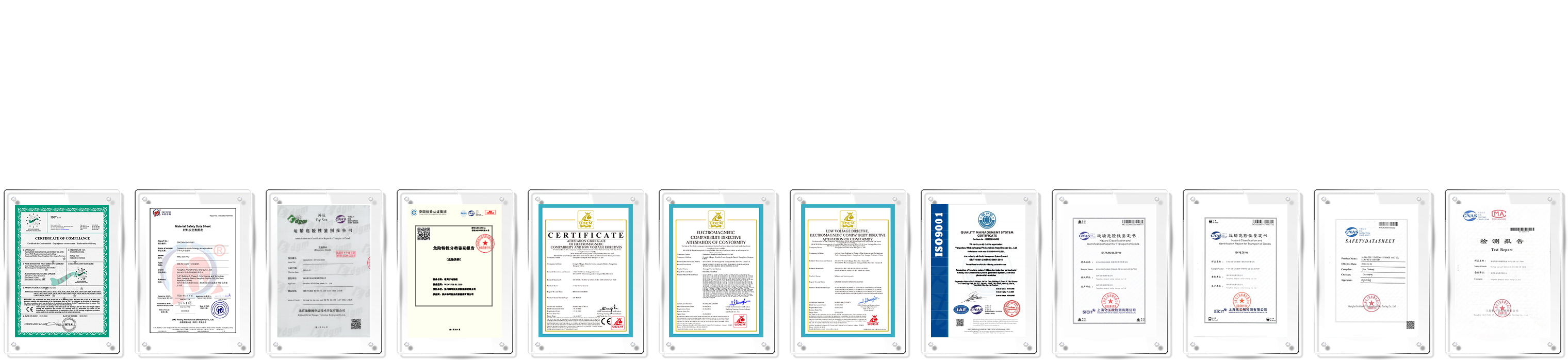
We supply verified equipment certified to international grid and electrical safety codes, simplifying project approvals and regional interconnection compliance.
Full European LVD, EMC & RED Compliance
Secondary Lithium Safety Standards
Inverter & Pack Independent Verification
Marine Dangerous Goods Transport Approval
PV Module Quality & Design Safety
Traceable Quality Management Systems
Real-world configurations showcasing reliable self-consumption, grid backup, and off-grid performance across diverse climates.


Designed for self-consumption optimization under dynamic net-billing, supporting complete winter household heating backup.


Retrofitting existing residential PV systems with Deye hybrid inverters and stacked high-density LiFePO4 batteries to maximize EV charging self-sufficiency.


Hybrid inverter integrated with 15kWh LiFePO4 bank and automated diesel generator start, delivering 24/7 power in remote mountain regions.


5kW inverter with high-durability deep-cycle storage, providing instant backup during frequent rolling utility outages and cutting generator fuel expenses by 85%.
Connecting with regional distributors, showcasing live battery-inverter handshakes, and discussing local grid-code adaptations.


Clear, technical answers to the most common questions raised by international distributors, engineers, and project buyers.
Share your project specifications, target market parameters, or wholesale volume requirements. Our technical sales team will provide an integrated system sizing model, protocol validation matrix, and export shipping quotation within 24 hours.