What Global B2B Buyers Must Know Before Procuring Deep-Cycle GEL Batteries: Engineering Reality, Total Cost of Ownership, and Next-Generation Technology Trends
While global supply chains have seen rapid lithium commercialization, deep-cycle colloidal GEL battery technology remains an unyielding cornerstone for industrial energy systems across high-heat belts, off-grid infrastructure, and telecommunications networks. For solar EPC contractors, regional distributors, and project developers, answering the procurement dilemma is not simply about comparing purchase price against cycle counts. It requires understanding thermodynamic electrolyte behavior under cyclic stress, partial state of charge (PSoC) durability, zero-BMS failure risks, and the lifecycle logistics economics governed by international maritime compliance.
Author: Technical Procurement Engineering GroupUpdated: 2025 Sourcing CycleHangzhou VOLT New Energy Technology Co., Ltd.
Engineered GEL Battery Recommendations for B2B Procurement
Not all VRLA batteries are manufactured equally. Understanding true thixotropic silica gel chemistry versus standard micro-porous glass mat separators protects capital investments from premature thermal dry-out.
Standard Solar Block
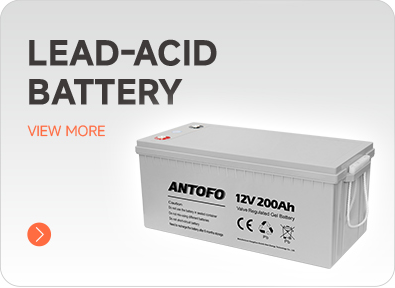
12V 100Ah Deep Cycle GEL
Engineered with high-tin lead alloy grids and fumed silica electrolyte for remote BTS telecom towers and small off-grid cabins. High resistance to plate sulfation.
The industry benchmark for 24V and 48V residential hybrid storage banks. Delivers 1,200+ cycles at 50% DoD with superior charge acceptance in erratic solar windows.
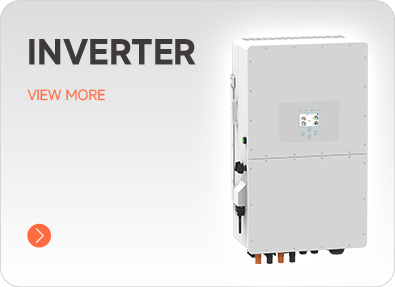
Pre-configured charging curves for GEL storage banks. Features programmable lead-acid stage absorption, float thresholds, and thermal probe compensation.
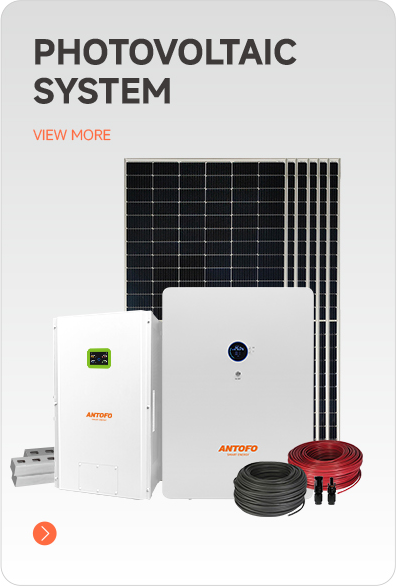
Pre-engineered package containing Tier-1 Jinko PV modules, pure sine wave inverter, matched GEL bank, DC circuit breakers, and interconnecting copper links.
Future Procurement Trends in GEL Battery Technologies
Global procurement patterns for industrial electrochemical storage show structural resilience across four core operational vectors through 2030.
Market Shift 01
Lead-Carbon Composite Integration
Modern industrial energy storage is rapidly adopting lead-carbon negative plate doping within conventional colloidal GEL casings. By embedding capacitive activated carbon materials into the negative active material (NAM), the battery suppresses irreversible lead sulfation during deep dynamic partial state of charge (PSoC) operation. B2B buyers in high-cycling solar installations are pivoting to lead-carbon GEL hybrids to double service cycle life without incurring the steep software and capital overheads associated with lithium conversion.
Market Shift 02
High-Ambient Thermodynamic Resilience
In equatorial markets such as the Middle East, Sub-Saharan Africa, and Southeast Asia, ambient battery container temperatures consistently exceed 42°C. While lithium batteries require air-conditioned enclosures that consume 15% to 25% of generated solar yield, silica GEL chemistry features immense thermal inertia. The large thermal mass of colloidal electrolyte dissipates internal joule heating evenly, preventing localized hot spots and eliminating premature thermal dry-out.
Market Shift 03
BMS-Free Reliability for Critical Infrastructure
A growing purchasing driver among municipal, military, and telecom EPCs is electronic vulnerability. Advanced lithium batteries rely completely on complex Battery Management System (BMS) microcontrollers, MOSFET contactors, and CANbus communication lines. In harsh off-grid deployments exposed to severe lightning transients, electrostatic discharge, or grid spikes, BMS failure renders an entire bank inoperable. GEL batteries rely on self-regulating electrochemical physics, delivering uninterrupted baseline power with zero software failure surface.
Market Shift 04
Circular Economy & ESG Scrap Compliance
European, North American, and Australasian corporate governance guidelines increasingly mandate documented product stewardship. Lead-acid and colloidal GEL batteries maintain the world’s most efficient industrial closed-loop recycling ecosystem, exceeding 98% material recovery rates through automated hydrometallurgical refiners. With established scrap cash-back structures across virtually every global commercial port, project developers offset balance-sheet end-of-life decommission liabilities before the project even breaks ground.
Consolidate Your Solar Generation, Conversion, and GEL Storage in One Container
Eliminate mismatched inverter charging profiles, missing inter-cell links, and separate freight billing. Hangzhou VOLT New Energy Technology Co., Ltd. consolidates deep-cycle GEL banks, Deye hybrid inverters, and high-efficiency Jinko solar panels directly from our Hangzhou distribution center.
The Chemical Architecture Behind True Colloidal GEL
Standard valve-regulated lead-acid (VRLA) batteries frequently suffer early capacity degradation under continuous deep discharge cycling. The fundamental vulnerability stems from acid stratification: as sulfuric acid participates in discharge, higher-density concentrated acid settles at the bottom of the plate bundle, accelerating bottom plate grid corrosion while starving the upper plate surface of electrolyte.
In our true deep-cycle GEL batteries, a high-purity pyrogenic fumed silica powder is dispersed into dilute sulfuric acid during automated vacuum filling. The resulting colloidal solution forms a three-dimensional, cross-linked thixotropic gel structure after initial curing. This complete immobilization achieves three decisive engineering advantages:
Elimination of Stratification: Acid density remains strictly uniform from top to bottom throughout cyclic charge and discharge phases.
Self-Healing Micro-Cracks: As internal oxygen recombination occurs during overcharge, microscopic fissures form inside the silica gel, facilitating safe, closed internal gas recombination efficiency above 99%.
Radial Heavy-Duty Grid Casting: Plates are cast using proprietary lead-calcium-tin-aluminum quaternary alloys with dense crystalline structure, counteracting grid creep and positive active material shedding under 80% Depth of Discharge (DoD).
Strategic Sourcing Answers for GEL Battery Importers
Engineered technical solutions addressing direct inquiries submitted by international project developers, logistics managers, and EPC engineers.
Why do deep-cycle GEL batteries continue to outcompete lithium in specific off-grid geographic markets?
Deep-cycle GEL batteries excel without requiring an active electronic Battery Management System (BMS) that can fail in ambient temperatures above 45°C or below -15°C. Their thixotropic colloidal electrolyte prevents acid stratification and thermal runaway, offering intrinsic thermodynamic stability, predictable non-hazardous sea freight shipping (exempt from Class 9 dangerous goods compliance), and simple scrap value recovery via mature global lead recycling infrastructures. This makes them ideal for remote rural mini-grids, desert telecommunications, and budgetary municipal infrastructure.
How does partial state of charge (PSoC) impact GEL battery longevity compared to standard AGM batteries?
In solar PV setups with variable daily irradiation, batteries frequently dwell in a partial state of charge without receiving a 100% full recharge cycle. Standard AGM batteries experience rapid negative plate sulfation and electrolyte stratification in these conditions. True colloidal GEL batteries immobilize sulfuric acid inside a silica gel matrix, eliminating electrolyte stratification and allowing sulfate micro-crystals to dissolve during subsequent recharge cycles, yielding 2 to 3 times the cyclic lifespan under PSoC stress.
What are the exact charging parameters required to prevent thermal dry-out in GEL batteries?
GEL batteries demand precise voltage regulation: absorption voltage must be maintained between 14.1V and 14.4V (for 12V blocks at 25°C), while float voltage should stay between 13.5V and 13.8V. Equalization charging must never exceed 14.4V to avoid micro-crack rupture in the gel matrix and venting through pressure relief valves (VRLA). Negative temperature compensation (-3 to -4 mV/°C/cell) on hybrid inverters like Deye is critical to avoid thermal dry-out in tropical climates. Hangzhou VOLT New Energy coordinates these setpoints directly on your accompanying inverters prior to export.
How should EPCs evaluate C-rating specifications when sizing GEL banks for inductive motor loads?
GEL battery capacity is standardized at C10 or C20 discharge rates (e.g., 200Ah delivered over 10 or 20 hours). High inductive inrush currents from pumps or compressors (C1 to C3 rates) trigger Peukert's effect, temporarily reducing usable amp-hour yield. EPCs should size battery banks so maximum continuous load discharge stays below 0.2C (C5 equivalent), pairing with pure sine wave hybrid inverters capable of handling peak surge currents without pulling the DC bus beneath cut-off thresholds.
How does Hangzhou VOLT New Energy guarantee cell consistency across large 48V, 96V, and 384V strings?
To stop premature string breakdown caused by single-cell impedance divergence, Hangzhou VOLT New Energy conducts computerized static open-circuit voltage (OCV) matching (delta < 5mV) and automated AC internal resistance grouping (delta < 0.2 mΩ) prior to pallet packaging. We supply matched cross-link interconnects and full batch test logs with every container to eliminate string drift during early cycling.
Why Tier-1 Importers Rely on Hangzhou VOLT New Energy
We eliminate friction across the international energy hardware value chain by enforcing rigorous engineering verifications and consolidated turnkey logistics.
Batch Electrochemical QC
Every GEL batch undergoes automated high-rate discharge testing, post-seal air-pressure leak checks, and strict internal resistance grading to guarantee system string balance.
Optimized Container Stowage
GEL batteries present high mass density. Our operations team uses heavy-duty fumigated wooden pallets, strapping, and custom floor-weight distribution plans to maximize 20GP container payload up to shipping lines' structural caps.
Verified Inverter Matching
We eliminate commissioning headaches by matching your GEL bank with Deye inverter firmware presets, delivering tailored charging stage profiles and temperature probes in the same packing slip.
Engineering Support
Our Hangzhou engineering team produces custom string wiring diagrams, calculates autonomy times against worst-case seasonal irradiation, and assists your field teams in English.
Global Deployments
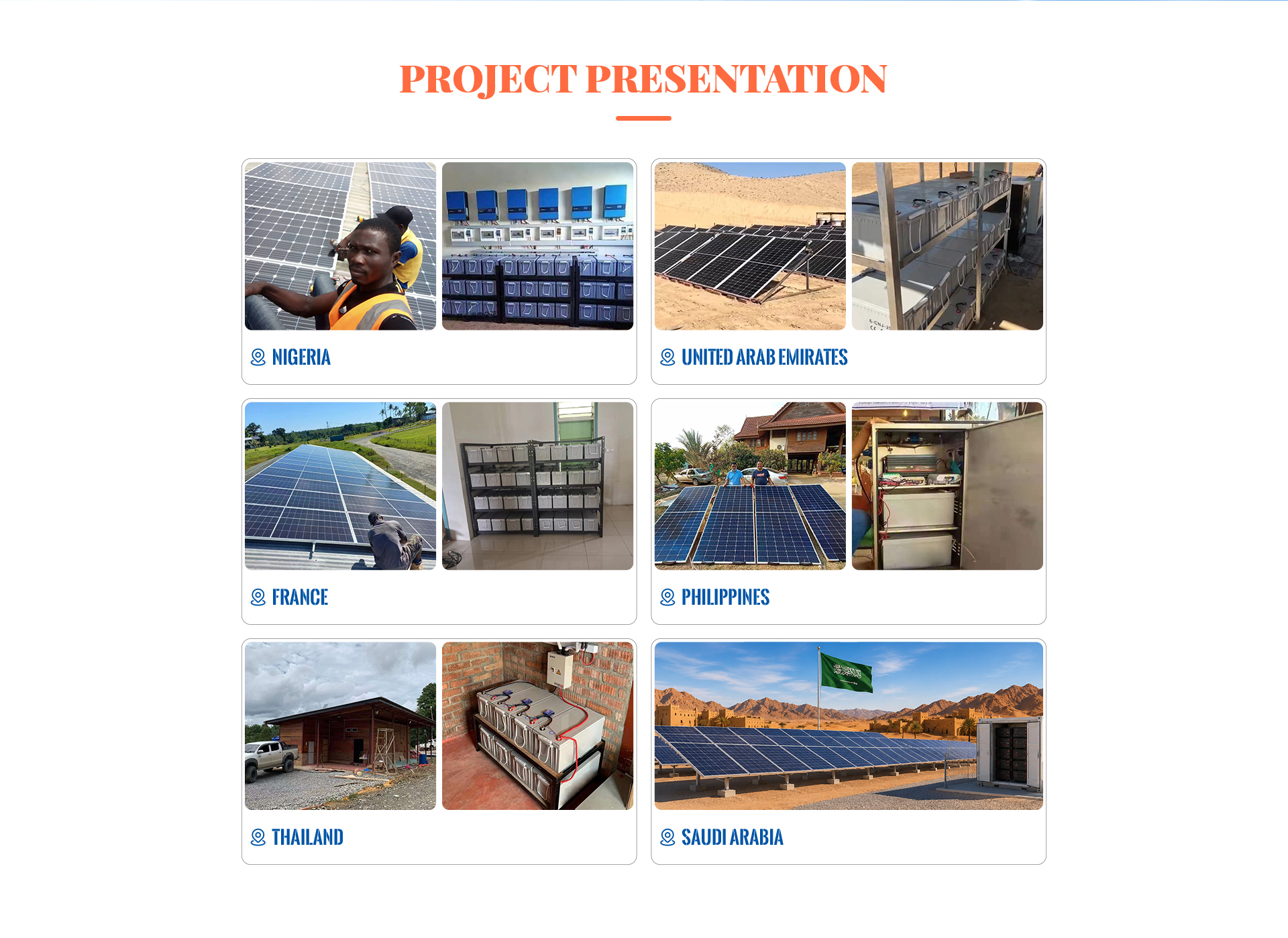
Field Verified in 100+ Countries
Real-world evidence of our deep-cycle GEL and complete energy storage architectures operating in demanding global microgrids.
Request technical datasheets, certified test reports, and FOB/CIF volume pricing. Our application engineering team responds with complete battery bank sizing and inverter compatibility checks within 24 hours.