Blog

10 Best Solar Panel Suppliers for Global Buyers in 2026
Global buyers entering the 2026 market face a crowded field of Solar Panel suppliers, shifting prices, and uneven product claims. Scale is growing quickly. IRENA’s Renewable Capacity Statistics 2024 reports that solar added about 346 gigawatts worldwide in 2023, roughly 73% of all new renewable capacity. That figure signals opportunity, but it does not prove that every supplier can deliver dependable modules, clear documentation, or consistent after-sales support.
The International Energy Agency’s Renewables 2024 report also points to solar’s central role in continued renewable growth. IEA Executive Director Fatih Birol described the shift this way: “Solar PV is the new king of electricity markets around the world.” His observation captures the momentum. It does not settle the buying decision. Buyers still need to check independently verified performance data, factory capacity, warranty terms, shipping timelines, and responsiveness when a batch arrives with damage.
Details matter. A polished brochure cannot replace a traceable test report or a realistic delivery schedule. Nor does the lowest quotation always represent the lowest project cost. This guide compares ten suppliers for global buyers in 2026, focusing on practical considerations rather than promotional claims. Supplier capabilities change, and public information can be incomplete. Treat each profile as a starting point, then verify current certifications, references, and commercial terms directly before committing.
Read more »
 By:Elowen
- November 1, 2026
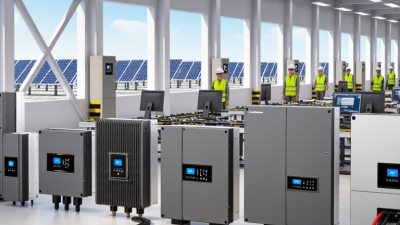
China Best Solar Inverter Manufacturers for Global Buyers
Choosing among China’s best Solar Inverter manufacturers requires more than comparing prices or catalog specifications. Global buyers need dependable conversion efficiency, stable grid performance, responsive support, and evidence of long-term quality. A promising supplier should explain its product range clearly, from residential hybrid inverters to large commercial and utility-scale systems.
Details matter. This introduction examines manufacturers through practical buying criteria, including factory experience, research capability, production controls, warranty terms, and international project records. It also considers certifications, communication quality, monitoring platforms, and spare-part availability. These factors can affect installation time and operating costs as much as the inverter’s rated output. A factory visit, sample test, or technical call may reveal more than polished marketing material.
Reliable evidence is essential. Buyers should verify certificates with recognized testing bodies, confirm protection functions, and request performance data under realistic temperatures and load conditions. A supplier may claim high efficiency, yet the result can change with installation design, battery pairing, and local grid conditions. No ranking can replace professional due diligence. Some comparisons remain difficult because manufacturers publish different test methods and warranty exclusions. That is worth admitting.
The companies discussed in this guide are viewed from a global buyer’s perspective. Their strengths may differ across technology, market coverage, customization, and after-sales service. The best choice is rarely the cheapest offer. It is the manufacturer that can support a safe, compatible, and financially sound project from specification to years of operation. That standard is demanding, but necessary.
Read more »
By:Elowen
- October 27, 2026
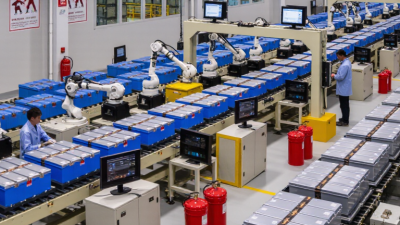
China Top Lithium Battery Manufacturers for Global Buyers
China has become a major sourcing base for global Lithium Battery buyers. Its manufacturers support electric vehicles, solar storage, medical equipment, industrial tools, and backup power systems. Yet factory scale alone does not prove reliability. A polished showroom can hide weak process control.
Experienced buyers inspect more than product photographs. They review cell chemistry, energy density, cycle life, thermal management, protection systems, and production traceability. They also examine test reports, warranty terms, communication speed, and after-sales support. Small details matter. A clean welding line, labeled cells, and consistent batch records often reveal more than a sales presentation.
Professor John B. Goodenough, a pioneer of lithium-ion technology, emphasized that a battery should “store a lot of energy in a small volume.” That principle remains important, but modern procurement demands more. Safety, service life, responsible materials, and application fit must be measured together. A high-capacity pack may still disappoint if it overheats, degrades quickly, or cannot receive technical support.
This guide introduces China’s top Lithium Battery manufacturers for global buyers. It compares their capabilities, product focus, certifications, customization experience, and export readiness. The discussion also considers an uncomfortable reality: supplier rankings can change quickly. Market reputation is useful, but it is never enough. Buyers should verify current documents, request samples, and test performance under real operating conditions before signing a large contract. Mistakes remain possible, even with careful research.
Read more »
By:Elowen
- October 21, 2026
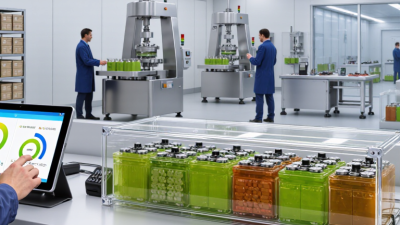
2026 Top Colloidal Battery Suppliers for Global Buyers
Choosing a reliable Colloidal Battery supplier requires more than comparing prices on a product page. Global buyers need evidence, technical clarity, and dependable after-sales support. This guide introduces leading suppliers for 2026 and examines how they perform in real purchasing conditions.
Dr. D. Pavlov, a respected lead-acid battery researcher, described the technology this way: “A lead-acid battery is a complex electrochemical system, not simply a container for stored energy.” That perspective matters. A colloidal battery uses gelled electrolyte, which can reduce leakage risks and support stable operation in backup power, solar storage, telecommunications, and mobility applications. However, performance still depends on plate design, gel formulation, charging control, temperature, and installation quality.
Details matter.
Our supplier review considers manufacturing experience, published test data, quality certifications, warranty terms, export capability, and technical response times. It also examines practical specifications, including cycle life, discharge depth, operating temperature, terminal design, and expected service conditions. Buyers should verify whether laboratory claims match field results. A long warranty alone proves little.
Some suppliers communicate clearly. Others leave important figures vague. That deserves attention. Product names can also create confusion, especially when gel, AGM, and conventional sealed lead-acid batteries appear together. This article therefore avoids ranking companies by marketing language alone. It focuses on verifiable capabilities and buyer suitability.
The market is improving, but it is not perfect. Supplier documentation may vary by region, and independent testing remains valuable. Use this guide as a practical starting point, then request current datasheets, sample policies, compliance records, and written quotations before making a global purchase.
Read more »
By:Elowen
- October 21, 2026
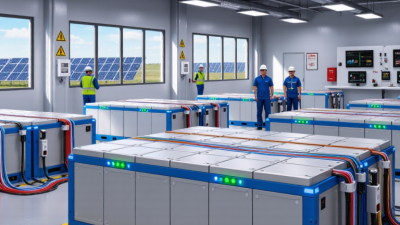
How to Choose the Right Energy Storage System?
Choosing the right Energy Storage System is not simply a matter of comparing battery prices. It requires a clear understanding of your site, energy goals, and operating conditions. A home, factory, hospital, and solar farm may need completely different solutions.
Begin with the load profile. Measure when electricity is used, how much power is required, and how long backup must last. A battery that supports lights and refrigeration may not support industrial motors. The difference matters. Review battery chemistry, usable capacity, round-trip efficiency, response speed, and expected cycle life. Lithium iron phosphate systems often provide strong thermal stability, while other chemistries may suit different space or performance requirements.
Safety comes first.
Look for proven protection systems, thermal monitoring, qualified installation, and relevant certifications. Ask suppliers for test reports, warranty terms, degradation estimates, and service response times. A low purchase price can hide expensive replacements or complicated maintenance. Climate also matters. Heat, humidity, dust, and freezing temperatures can reduce performance without proper controls.
Independent assessments and manufacturer data should guide the decision. However, no checklist is flawless. Real projects often reveal missing information, especially around expansion plans and emergency procedures. Leave room for professional inspection and conservative design. The best Energy Storage System balances safety, reliability, total ownership cost, and future flexibility. It should work on an ordinary Tuesday, not only in a polished sales presentation.
Read more »
By:Elowen
- October 21, 2026