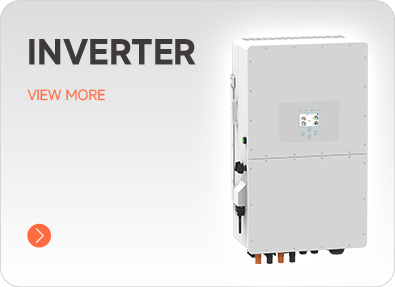
Residential Storage
Deye Low-Voltage Hybrid Inverter (3kW–16kW)
48V/51.2V battery compatibility, dual MPPT, 4ms UPS transfer, and smart generator auto-start for resilient off-grid and self-consumption setups.
Technical Specs
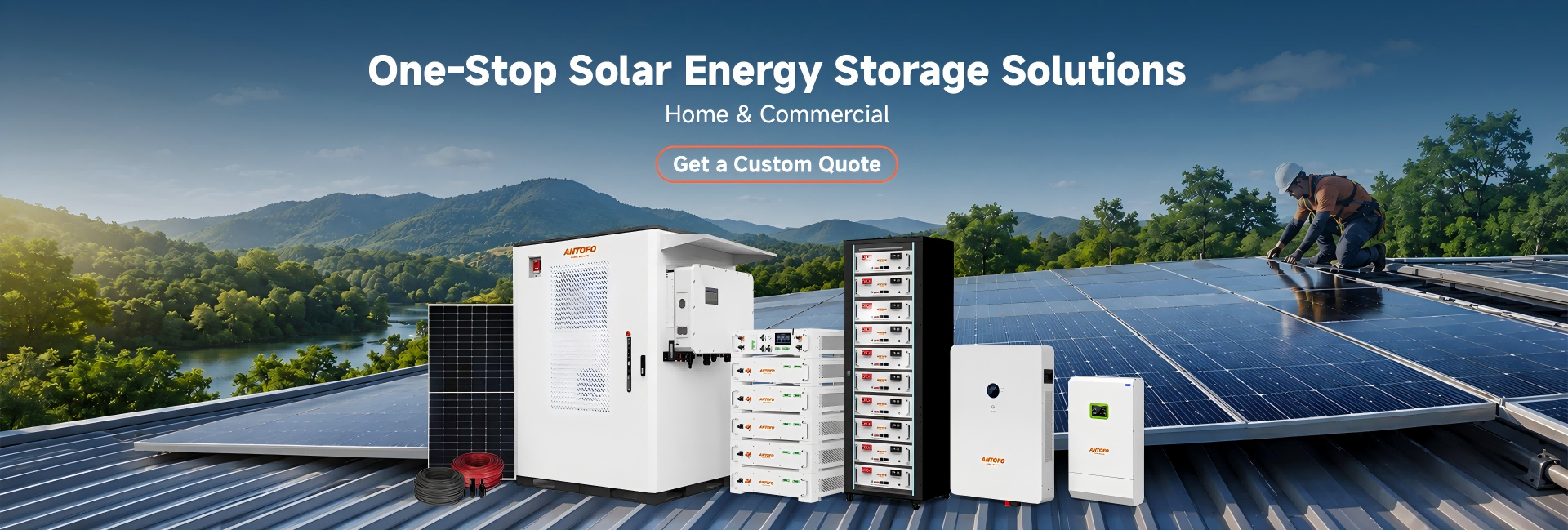
As modern PV architectures transition from passive unidirectional power converters into distributed energy orchestrators, international EPC contractors, solar distributors, and procurement teams face critical technological crossroads. Sourcing the right solar inverter demands deep scrutiny beyond nameplate kilowatt capacity: it requires solving closed-loop BMS communication handshaking, wide MPPT voltage windows, dynamic grid-forming stability, and complex customs documentation.
At Hangzhou VOLT New Energy Technology Co., Ltd., we bridge the gap between factory production lines and overseas field installations. We pre-test every batch for CAN/RS485 communication protocols, harmonic distortion, thermal dissipation limits, and export compliance before dispatching to over 100 countries.
 Inverter Testing & Compatibility Lab



Whether configuring high-yield residential microgrids, industrial peak-shaving energy storage, or unstable rural agricultural setups, our verified portfolio delivers maximum uptime, minimal conversion losses, and guaranteed battery synchronization.
48V/51.2V battery compatibility, dual MPPT, 4ms UPS transfer, and smart generator auto-start for resilient off-grid and self-consumption setups.
Technical SpecsEngineered for 160V–800V high-voltage battery banks. Features 100% unbalanced phase output, parallel stacking to 16 units, and integrated smart EMS.
Technical Specs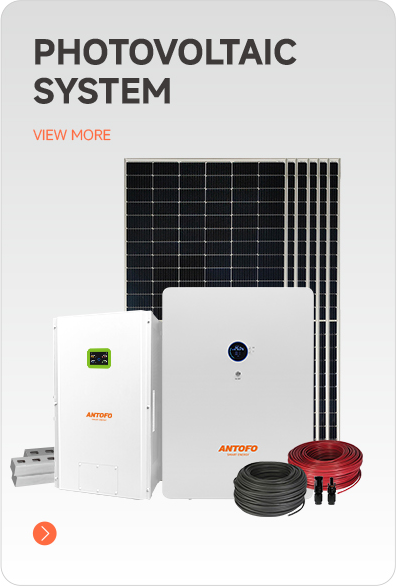
High surge capacity (2x rated power), wide 60V–500V MPPT tracking, battery-less operation mode, and parallel multi-inverter synchronization.
Technical Specs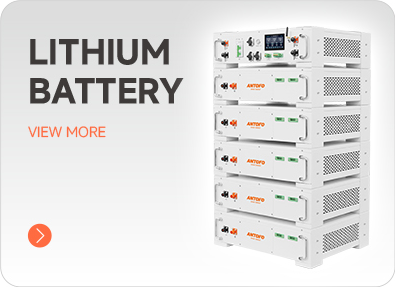
Pre-wired modular cabinet integrating hybrid solar inverters with 5kWh–30kWh LiFePO4 batteries, reducing on-site installation labor by 65%.
Technical Specs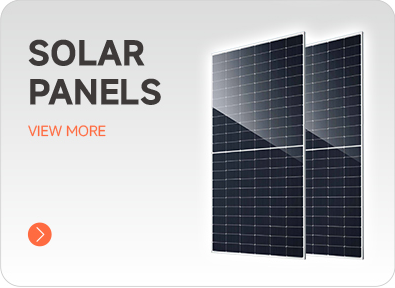
Up to 8 MPPTs, 98.8% max efficiency, integrated AFCI 3.0 arc-fault detection, Type II SPD protection, and PID recovery for utility generation.
Technical SpecsProcurement directors and EPC project engineers are no longer purchasing isolated solar inverters based solely on cost-per-watt. Industry dynamics are shifting toward system-level interoperability, regulatory longevity, and lifecycle reliability.
While low-voltage 48V solar inverters dominate entry-level residential projects due to inherent low touch-voltage safety, international procurement is overwhelmingly pivoting toward high-voltage (HV) battery-coupled systems (200V–1000V). HV topology slashes electrical transmission currents by up to 80% for equivalent power delivery, enabling lighter gauge copper wiring, substantially lower thermal losses, and improved round-trip inverter conversion efficiency (reaching >97.6%). For systems above 10kW, procurement analysis indicates a 14% lower Levelized Cost of Storage (LCOS) over a 10-year operating cycle.
Global grid operators in Europe (EN 50549-1, VDE-AR-N 4105), North America (UL 1741 SB / IEEE 1547-2018), and Latin America have phased out basic disconnect protection in favor of active grid-support functions. Modern solar inverter tenders mandate automated reactive power regulation (cos phi curve adjustments), frequency-watt droop response, low-voltage ride-through (LVRT), and dynamic zero-export limitation via CT sensors or RS485 smart meters. Importers who source non-certified inventory face immediate grid interconnection rejection and commercial liabilities.
Fragmented procurement—buying solar inverters from one vendor, lithium batteries from another, and mounting rails or PV modules elsewhere—creates acute logistical inefficiencies, conflicting freight declarations, and finger-pointing when communication fails. Forward-thinking distributors now favor factory-integrator hubs capable of packaging Tier-1 inverters, Class 9 DG lithium storage batteries, and PV panels in a single verified container under cohesive customs documentation and verified pinout diagrams.
With volatile wholesale electricity pricing, inverters are being procured as energy arbitrage centers. Sourcing criteria now require native compatibility with dynamic Time-of-Use (TOU) schedules, peak shaving algorithms, Virtual Power Plant (VPP) Modbus TCP protocols, and generator automated dispatch. Hardware lacking robust open API or Modbus-RTU documentation is rapidly falling behind in tenders throughout Germany, Poland, South Africa, and Australia.
Purchasing solar inverters without factory-level testing of the designated battery brand's BMS protocol causes up to 73% of residential commissioning delays. Hangzhou VOLT New Energy eliminates this operational overhead by performing end-to-end hardware validation on every order before export.
Deep-dive analysis into semiconductor innovations, safety micro-controllers, and microgrid topology driving modern PV energy conversion efficiency.
The industry migration from legacy Silicon IGBTs to third-generation wide-bandgap Silicon Carbide (SiC) MOSFETs represents a generational efficiency milestone. SiC switches slash reverse-recovery energy losses by up to 70% and tolerate switching frequencies in excess of 50kHz. For distributors, this yields solar inverters that are 35% lighter, require smaller magnetic inductor cores, generate significantly less thermal waste, and achieve European weighted conversion efficiencies exceeding 98.4%.
Traditional solar inverters operate exclusively in grid-following (GFL) mode, measuring utility voltage phase angles via Phase-Locked Loops (PLL) to inject current. In high-renewable penetration zones and unstable microgrids, GFL units trip under severe frequency deviations. New-generation solar inverters from VOLT New Energy integrate grid-forming (GFM) firmware, functioning as voltage sources with programmable virtual inertia, enabling 100% black-start capability and autonomous diesel-generator synchronization.
DC electrical arc faults remain the leading cause of rooftop PV fire hazards. Advanced solar inverters now feature onboard digital signal processors (DSP) trained on extensive arc-fault machine learning datasets. The integrated AFCI 3.0 system continuously samples frequency domain ripples on the DC bus, detecting low-energy series and parallel arcs within 100ms and disconnecting array power up to 2.5 times faster than UL 1699B safety standards mandate.
Solar inverters are transforming into holistic building power managers. Through localized SG Ready interfaces and bidirectional ISO 15118 protocol support, modern inverters orchestrate smart heat pump throttling during peak solar irradiance hours and allow electric vehicles to function as ancillary battery storage (Vehicle-to-Home / Vehicle-to-Grid) during peak utility pricing periods.
| Inverter Topology | Target Application | DC Voltage Input Window | Max Peak Efficiency | Battery Coupling | Best Suited For |
|---|---|---|---|---|---|
| Single-Phase Low-Voltage Hybrid | Residential Rooftops | 90V – 500V (Dual MPPT) | 97.6% | 40V – 60V (LFP / GEL) | Self-consumption, brownout backup, 3kW–8kW loads |
| Three-Phase High-Voltage Hybrid | Luxury Homes & Small Commercial | 180V – 1000V (Dual/Triple MPPT) | 98.4% | 160V – 800V Stacked HV | Unbalanced phase loads, C&I peak-shaving, 10kW–50kW |
| Heavy-Duty Off-Grid Inverter | Farms, Telecom, Island Microgrids | 60V – 500V (Wide MPPT) | 95.5% | 24V / 48V DC Bank | Generator pairing, 100% off-grid sites, zero utility grid |
| Commercial String Inverter | Agricultural & Industrial Ground Mounts | 200V – 1100V (Up to 8 MPPTs) | 98.8% | AC-Coupled ESS Compatible | Large utility generation, factory self-generation, export plants |
Overcoming cross-border procurement challenges requires technical transparency, verified hardware compatibility, and relentless quality control before goods depart China.
Never deal with "BMS Communication Error F58" on job sites. Every solar inverter is matched to your specific lithium battery profile with pre-configured CAN/RS485 baud rates, pinout wiring, and DIP switch guides.
Each batch undergoes insulation resistance testing, full-load burn-in cycles, ground continuity checks, and physical aesthetic inspections. You receive HD photos and engineering test reports prior to container sealing.
Maximize shipping efficiency by consolidating solar inverters, Jinko N-type panels, LFP batteries, DC isolators, and pre-crimped PV cables in one container with UN38.3, MSDS, and Class 9 maritime clearance.
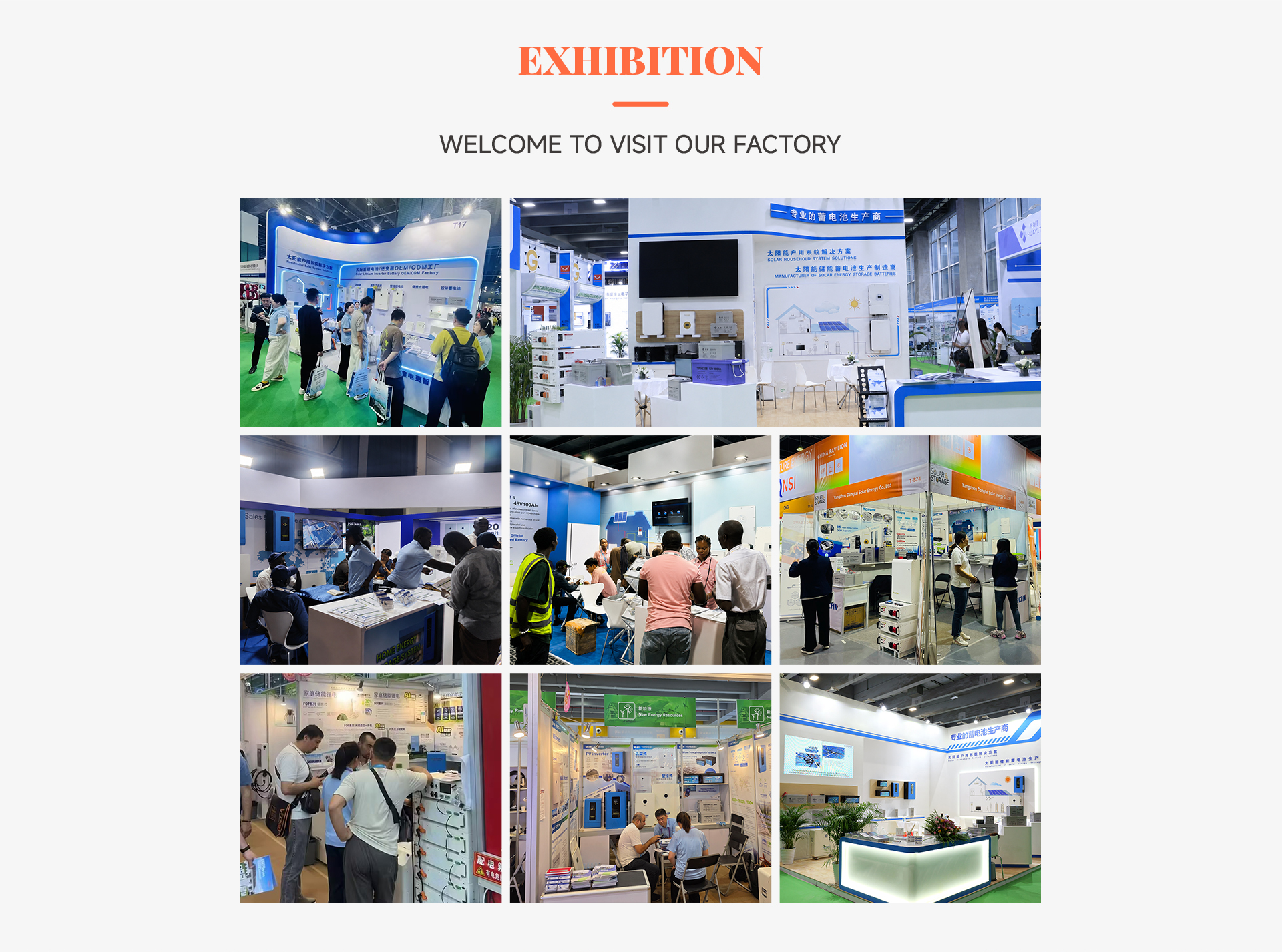
Our Hangzhou engineering team speaks fluent technical English. We deliver customized single-line wiring diagrams (SLD), MPPT string sizing calculators, and direct video support for local installer crews.
Direct technical and operational answers to common solar inverter procurement, sizing, and logistics queries.
For modern hybrid solar inverters, a DC/AC oversizing ratio of 1.3:1 to 1.6:1 is strongly recommended. For example, pairing 13kW to 16kW of solar panels with a 10kW hybrid inverter allows the system to reach maximum generation capacity earlier in the morning and sustain it later into the evening.
Unlike pure grid-tied inverters that clip excess DC power, a hybrid inverter routes surplus DC generation above the AC export ceiling directly into charging the battery storage bank, ensuring zero clipped energy loss while optimizing overall system LCOE.
BMS communication errors (typically triggering inverter alarms such as Deye's F58 error) stem from mismatched CAN bus identifier addresses, differing baud rates (such as 250kbps vs 500kbps), or misaligned RJ45 pinout assignments (e.g., whether CAN-H is mapped to Pin 4 or Pin 5).
Hangzhou VOLT New Energy Technology Co., Ltd. resolves this by performing physical hardware handshaking tests at our facility prior to dispatch. We flash matched firmware versions, establish the exact communication cable wiring, and document the specific inverter lithium mode settings (e.g., Lithium Mode 00 for Pylontech or Mode 03 for specific proprietary protocols) on your packing checklist.
Regulatory entry requirements vary significantly by target destination:
European Union: Inverters require CE-LVD (EN 62109-1/-2) for electrical safety and CE-EMC (EN 61000 series) for electromagnetic compatibility. Furthermore, local grid interconnection requires country-specific certificates: VDE-AR-N 4105 for Germany, UNE 217001 / UNE 217002 for Spain, and EN 50549-1/-2 for widespread EU member adoption.
North America: Requires UL 1741 SB / SA, IEEE 1547-2018 compliance, and CSA standards, coupled with rapid shutdown compliance under NEC 2020/2023.
All certification documents from certified testing bodies (TÜV Rheinland, TÜV SÜD, Intertek) are provided alongside your commercial quotation for seamless grid pre-approval.
Solar inverters supplied by Hangzhou VOLT New Energy carry standard 5-year or 10-year manufacturer warranties backed by serial number tracking registered on the date of dispatch. In the rare event of a component failure, our technical support team diagnoses the fault via remote data logs within 24 hours.
For modular component faults (such as communication boards, internal cooling fans, or control modules), replacement parts are air-freighted immediately at zero cost. For high-volume distributor contracts, we include replacement buffer units and essential spare parts kits directly in the original shipping container.
Yes. Our Deye low-voltage and high-voltage hybrid solar inverters support parallel chaining of up to 16 units on a synchronized AC bus. Single-phase units can be grouped and phase-staggered into three-phase systems, or paralleled on single-phase lines to supply heavy residential loads up to 120kW.
All paralleled units communicate via high-speed parallel CAN cables to balance load sharing dynamically and coordinate uniform charging of centralized or distributed battery modules.
Inverters are precision electronic systems vulnerable to transit resonance and ocean humidity. Each inverter is packed in high-density customized EPE foam cradles inside reinforced multi-wall corrugated cartons, sealed with waterproof PE vacuum barriers.
Cartons are secured onto ISPM-15 heat-treated fumigation-free export pallets, edge-protected with heavy-duty corner boards, and completely stretch-wrapped and strapped. Container loading is conducted under internal supervision to ensure weight distribution complies with maritime safety codes.
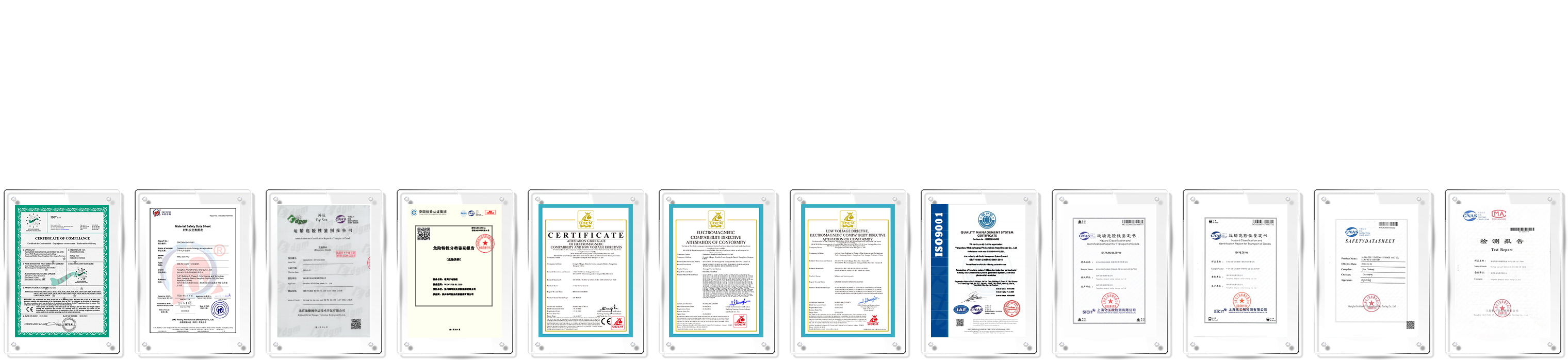
Every solar inverter in our catalog is backed by complete, authentic lab test reports from TÜV, Intertek, and SGS to guarantee expedited import clearance and grid authorization.
EN 62109 LVD & EN 61000 EMC
Certified Safety & Grid Code Tests
Safety of Power Converters for PV
German & European Grid Standards
Inverter, Converter & Interconnection
Factory Quality Management Systems

Case studies from residential energy independence to heavy commercial peak shaving, engineered and supplied by VOLT New Energy.
Three-phase Deye hybrid inverter paired with 20kWh LFP wall battery, providing 100% self-sufficiency and zero export limitation.
50kW High-Voltage commercial hybrid inverter paired with stacked HV storage modules for automated peak shaving and TOU load shifting.
Three 8kW off-grid pure sine inverters paralleled with diesel generator auto-synchronization for remote fruit orchard water pumping.
Parallel 16kW hybrid solar inverter setup replacing 14 hours of daily diesel generator run-time for a manufacturing hub.
Hangzhou VOLT New Energy Technology Co., Ltd. coordinates sea freight, rail express, and customs clearance logistics directly to regional ports worldwide.
Send us your project load profile, required battery chemistry, and grid interconnection standards. Our engineering team prepares a comprehensive quotation, protocol validation report, and freight estimate within 24 hours.