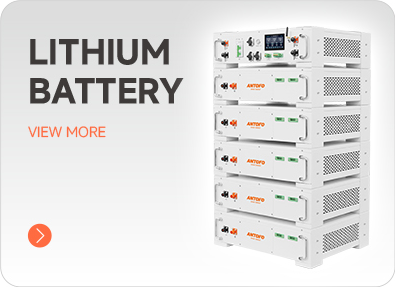
Standard Server Rack
51.2V 100Ah / 200Ah Rack Unit
Standard 19-inch 3U/4U enclosure engineered with 16S prismatic cells. Features front-facing CAN/RS485 ports, breakers, and multi-unit addressing switches.
Explore Rack Units

As international utility developers, EPC contractors, and regional distributors migrate away from cobalt-rich chemistries and legacy lead-acid banks, the global energy storage sector has firmly converged on LFP Battery (Lithium Iron Phosphate, LiFePO4) technology. This shift is driven by thermodynamic stability, superior cycle longevity, and modular scaling flexibility.
At Hangzhou VOLT New Energy Technology Co., Ltd., we eliminate the technical uncertainties and field commissioning hazards that frequently compromise stationary storage installations. A successful commercial or residential battery integration demands far more than raw nominal ampere-hour ratings. Sourcing teams must examine cell grading standards, internal BMS hardware architecture, thermal management topologies, and digital communication parity with power conversion systems (PCS).
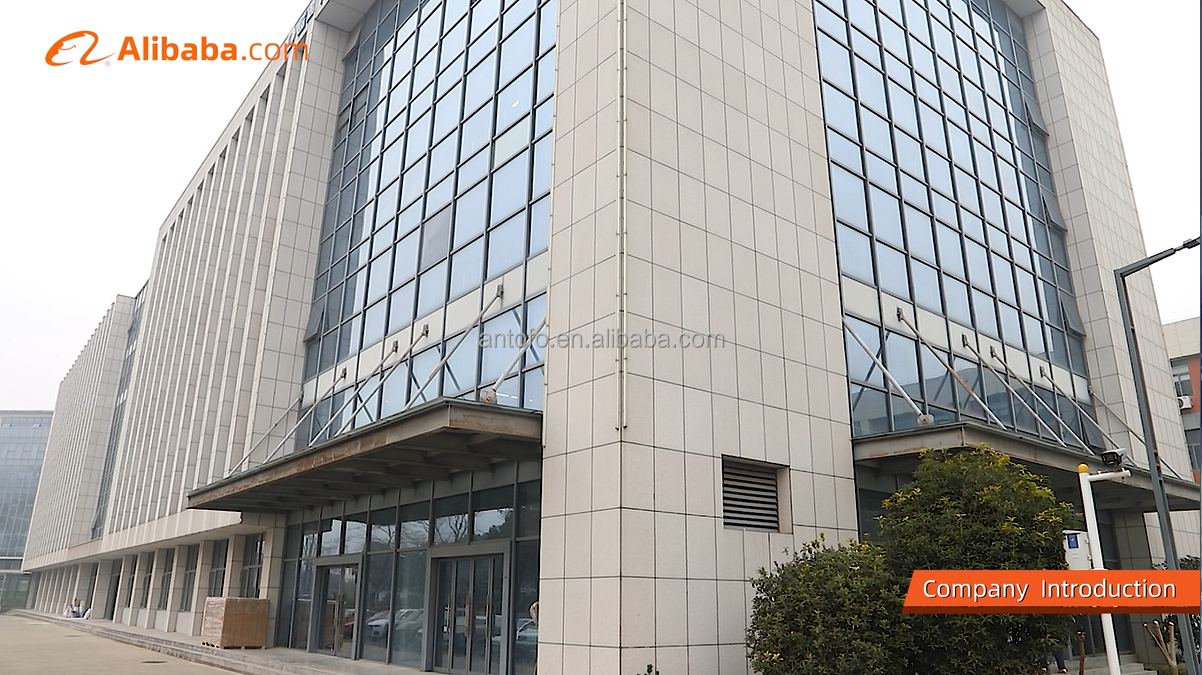 Factory Quality Verification & Testing Facility
| Performance Metric | Hangzhou VOLT Tier-1 LFP Battery | Standard Generic LiFePO4 Packs | Deep-Cycle GEL / AGM Lead-Acid |
|---|---|---|---|
| Cycle Life (80% DoD @ 25°C) | ✔ 6,000 – 8,500 Cycles | 2,500 – 4,000 Cycles (Grade B/Repurposed) | 800 – 1,200 Cycles (50% DoD limit) |
| Thermal Runaway Threshold | ✔ > 270°C (No Oxygen Liberation) | > 220°C (Marginal cell separator safety) | N/A (Hydrogen off-gassing explosion risk) |
| BMS Communications | ✔ Dual CAN/RS485 Multi-Protocol Flash | Fixed single-protocol or unverified open-loop | None (Voltage-threshold cut-off only) |
| Usable Energy Efficiency (RTE) | ✔ ≥ 95.5% Round-Trip Efficiency | 88.0% – 91.5% | 72.0% – 78.0% (Substantial thermal waste) |
| Weight-to-Energy Density | ✔ 110 – 140 Wh/kg (Compact Footprint) | 85 – 100 Wh/kg | 30 – 40 Wh/kg (3.5x heavier footprint) |
| Expected Operational Lifespan | ✔ 15+ Calendar Years | 5 – 7 Calendar Years | 2 – 4 Calendar Years |



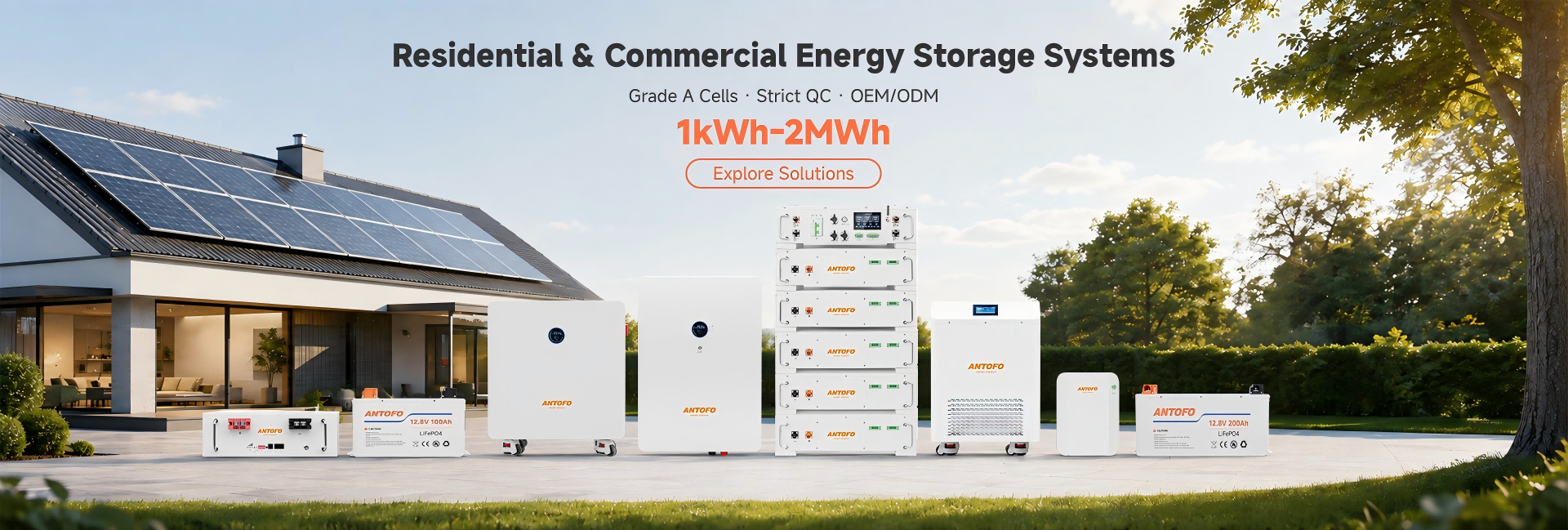
Every commercial application presents distinct physical and electrical constraints. We assemble and supply four primary architectural tiers of LFP storage systems designed for plug-and-play field performance.
Standard 19-inch 3U/4U enclosure engineered with 16S prismatic cells. Features front-facing CAN/RS485 ports, breakers, and multi-unit addressing switches.
Explore Rack UnitsIP65 ultra-thin aluminum alloy chassis for indoor/outdoor domestic backup. Built-in high-current DC circuit protection and LCD touch telemetry interface.
Explore Wall-Mount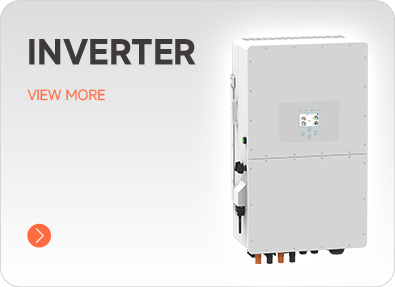
Low-voltage (48V) and high-voltage (160V-800V) hybrid inverters paired seamlessly with our LFP protocols to deliver under 4ms UPS transfer speeds.
Explore Inverters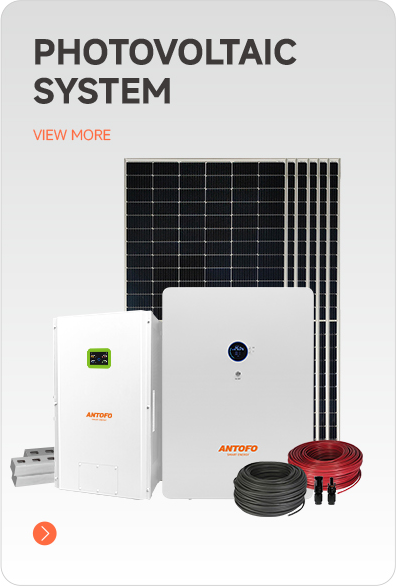
Series-connected master-slave architecture operating from 200V to 800V DC. Ideal for commercial peak shaving, industrial microgrids, and EV charging hubs.
Explore HV Systems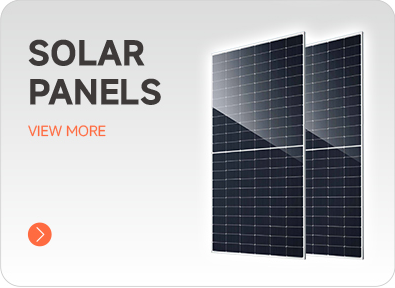
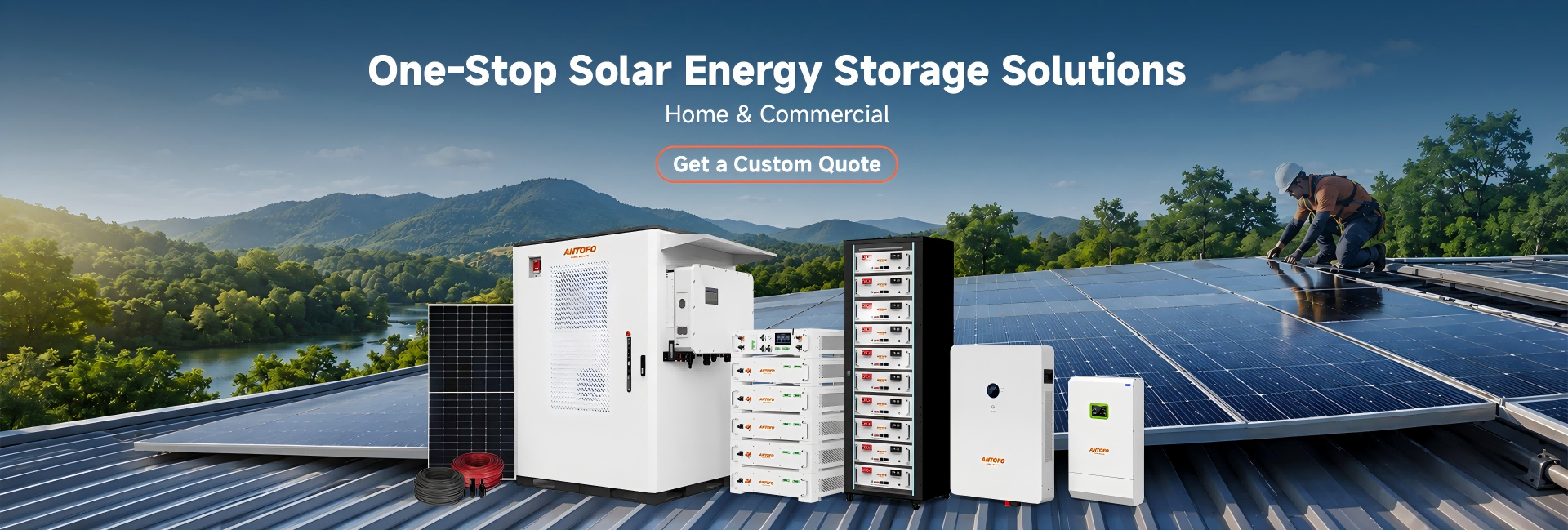
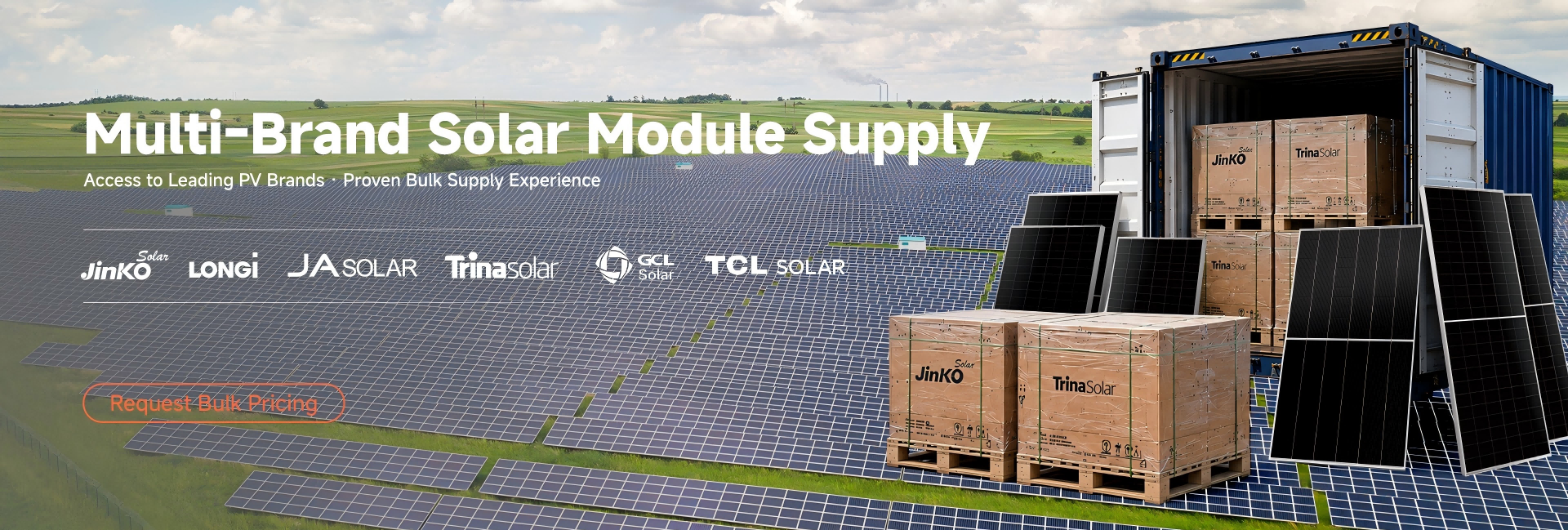
Comprehensive solar packages bundling Tier-1 Jinko N-Type panels, Deye inverters, and VOLT LFP battery cabinets with pre-wired combiner assemblies.
Explore Turnkey KitsProcurement directors require forward-looking visibility into cost structures, cell form factors, and safety legislation. Here is how the global LFP landscape is shifting over the next 3 to 5 years.
While 50Ah and 100Ah prismatic cells historically dominated residential storage, the commercial and industrial sector is standardizing on ultra-large capacity 280Ah and 314Ah cells. This transition reduces physical inter-cell copper busbar connections by over 50%, minimizing electrical resistance points and reducing factory manufacturing costs per kilowatt-hour.
Procurement Implication: Sourcing 314Ah based rack modules allows EPCs to achieve higher energy density within standard shipping container footprints, lowering balance-of-system (BOS) capital expenditures by 12% to 18%.
Global regulatory bodies, notably within the European Union (EU 2023/1542), are enforcing stringent carbon footprint declarations, recycled lithium content quotas, and digital "Battery Passports" tracking raw material provenance from cell extraction to decommissioning.
Procurement Implication: Importers must partner with forward-thinking suppliers like Hangzhou VOLT New Energy that maintain verifiable supply chain documentation, ISO-certified manufacturing records, and transparent Tier-1 cell sourcing channels.
The traditional 48V low-voltage paradigm faces physical ampacity limits when scaled beyond 30kW continuous power. The industry is rapidly adopting High-Voltage (HV) LFP configurations operating between 300V and 800V DC directly matched to three-phase hybrid inverters.
Procurement Implication: High-voltage architectures reduce cable thickness, minimize copper line losses by up to 8.5%, and boost total inverter round-trip power conversion efficiency during rapid charging/discharging cycles.
Passive cell balancing (bleeding excess energy as thermal heat) is becoming obsolete in high-capacity systems. Modern LFP systems incorporate bidirectional active balancing (transferring charge from high to low cells at 1A to 5A currents), accompanied by IoT cloud telemetry for cell-level SOH prediction.
Procurement Implication: Active balancing preserves battery cluster capacity uniformity over thousands of cycles, virtually eliminating early cluster shutdowns caused by isolated lagging cells.
NFPA 855 and UL 9540A testing have heightened safety requirements. Modern LFP system packaging is integrating internal micro-aerosol fire suppression canisters, multi-point temperature sensors, and aerosol-releasing thermal triggers inside every module.
Procurement Implication: Built-in suppression systems drastically expedite local fire department permits, easing insurance underwriting for large residential and commercial building retrofits.
Savvy global procurement officers no longer judge batteries by initial FOB price per kilowatt-hour ($/kWh). Purchasing strategies now focus on Levelized Cost of Storage ($/kWh-delivered-throughput over lifecycle), factoring in warranty depth, round-trip efficiency, and degradation slope.
Procurement Implication: High-grade LFP units with verified 6,000+ cycle guarantees deliver up to 40% lower true project lifetime costs compared to cut-rate packs built with downgraded secondary cells.
International B2B transactions carry serious technical and logistical risks: mismatched BMS firmware, damaged lithium shipments, and unresponsive after-sales support. Hangzhou VOLT New Energy Technology Co., Ltd. was structured specifically to solve these procurement pain points.
Every LFP module batch undergoes live bench testing with Deye and other PCS units. We lock in baud rates, CAN identifiers, and DIP addressing configurations before goods leave our factory.
We source only original Tier-1 automotive prismatic cells with factory laser-etched QR codes. Our lab verifies AC internal resistance (≤0.35mΩ) and voltage consistency across all cells.

UN38.3 test summaries, maritime Dangerous Goods declarations (IMO Class 9, UN3480), and shock-absorbent wooden packing ensure trouble-free customs clearance worldwide.

From CAD electrical schematics and breaker sizing to custom wiring diagrams and remote BMS firmware configuration, our senior engineers work directly with your installation crew.
Countries and regions where EPCs, utilities, and telecom operators rely on Hangzhou VOLT New Energy LFP systems to maintain uncompromised power security.
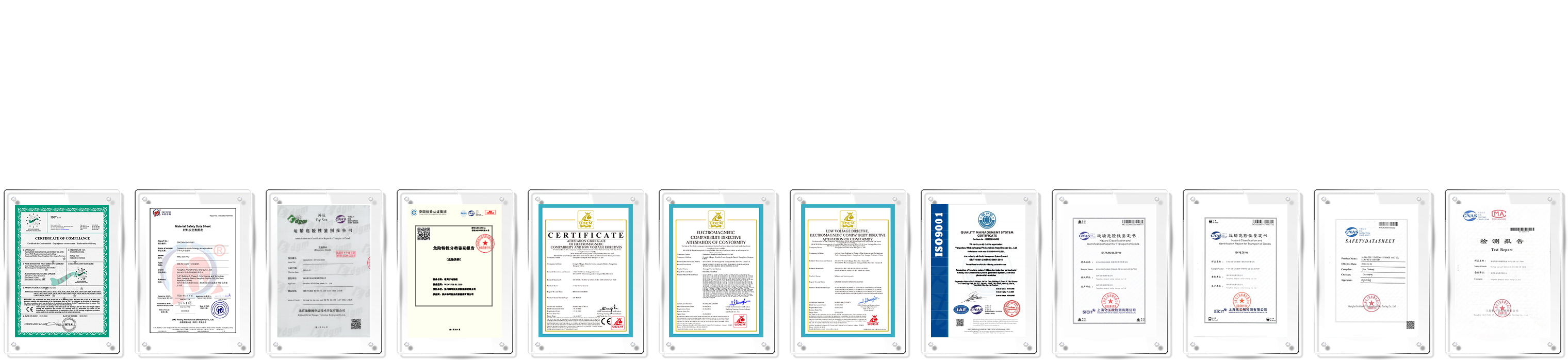
Customs impounds and insurance refusals result from substandard battery documentation. Every LFP battery model exported by VOLT is accompanied by authentic, verifiable international test reports.
Lithium transport shock, altitude & impact test
Industrial lithium secondary cell safety mandate
European electrical & electromagnetic compliance
Stationary energy storage battery safety standard
Complete 16-section maritime safety documentation
Certified factory quality management operations

Review real-world performance parameters and system configurations deployed across diverse climatic zones and operational environments.
Parallel bank of twelve 51.2V 200Ah rack modules coupled to a Deye 50kW hybrid PCS, trimming factory grid peak charges by 38%.

Wall-mounted 15kWh LiFePO4 battery array linked via CANbus to a 10kW three-phase inverter, driving home solar autonomy past 82%.
High-capacity 60kWh LFP cabinet powering heavy deep-well irrigation pumps with zero voltage sag under motor startup surge conditions.
Daily cycling LFP battery bank reducing corporate office generator run-time from 14 hours down to zero, achieving payback inside 18 months.
We engage directly with procurement executives and solar project designers across major international renewable energy trade exhibitions.

Procuring industrial lithium iron phosphate batteries requires clarity on cell grading, communication pin-outs, degradation, and shipping classifications. Here are technical answers to key questions asked by international buyers.
Send us your project specifications, target load parameters, or hybrid inverter requirements. Our Hangzhou technical team will prepare an integrated configuration proposal, single-line wiring diagram, and logistics quotation within 24 hours.
Verified Client Reviews