High-Yield N-Type TOPCon PV Modules & Pure Sine Wave Interoperability
To ensure total electrical synchronization between solar PV generation, pure sine wave power inversion, and lithium battery banks, our factory pre-tests every batch against peak surge ratings, reactive loads, and rigorous thermal cycle profiles.
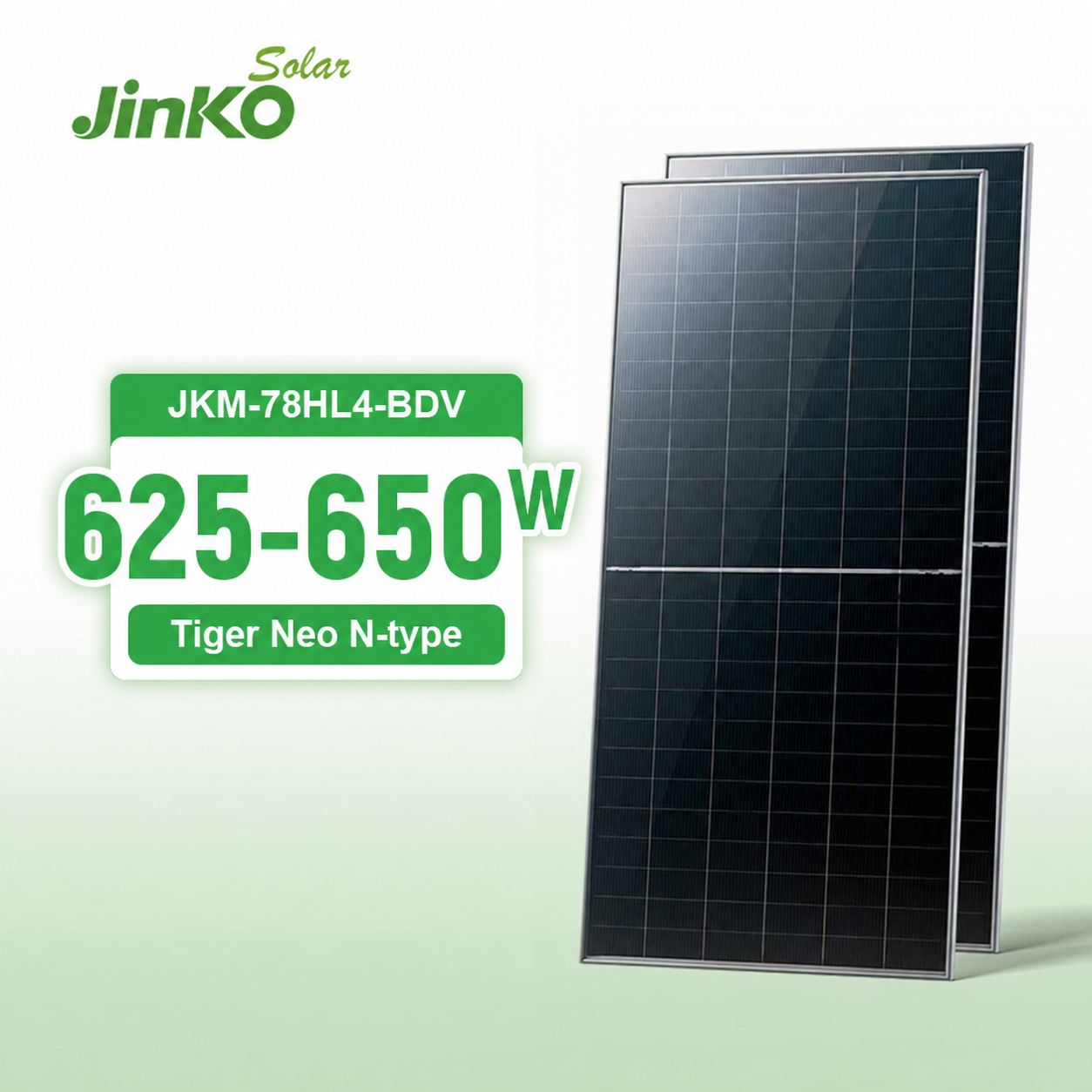
Jinko N Type Bifacial Pv Modules 630W 625W 635W Double Glass High Efficiency Solar Panel Stock
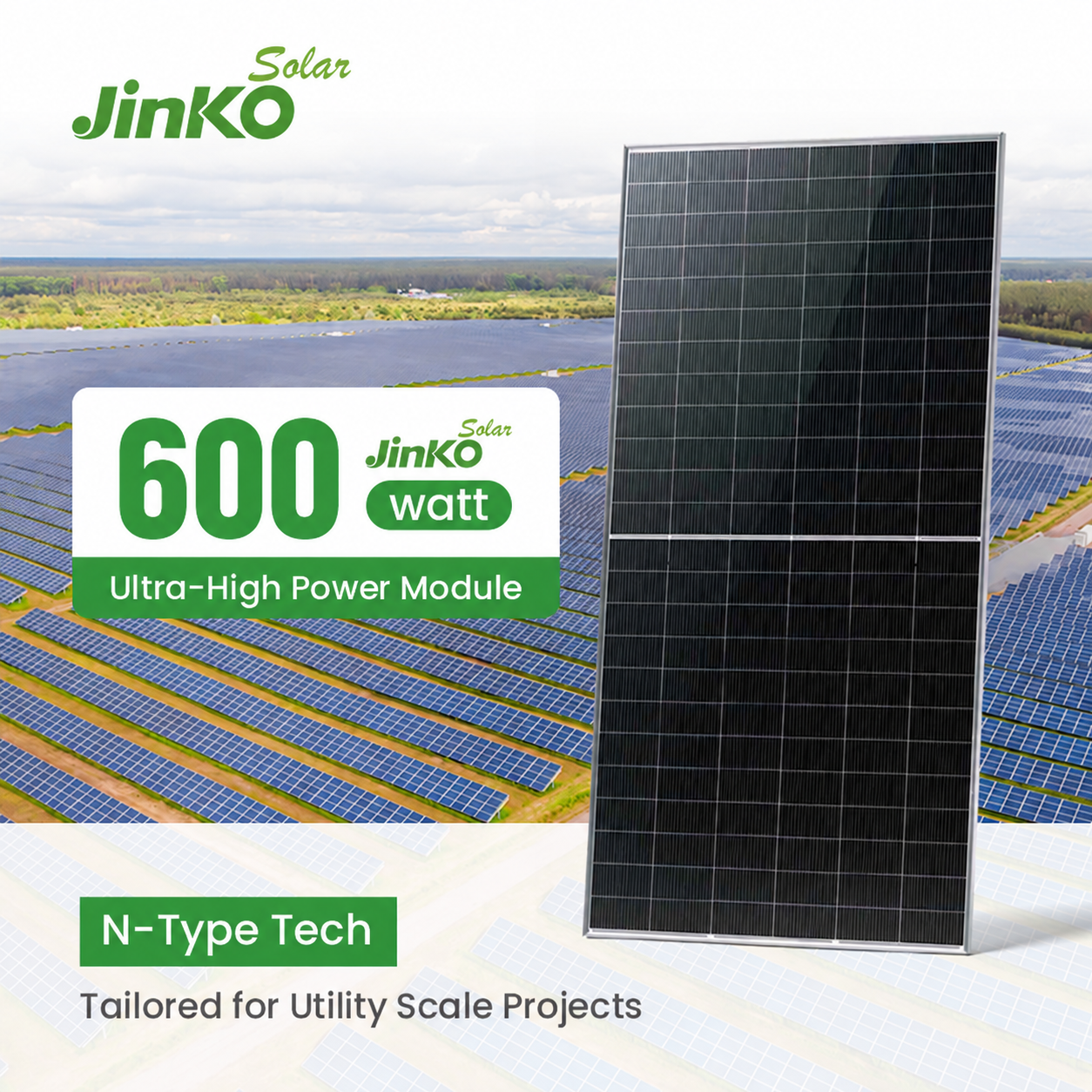
Jinko N Type Bifacial Solar Panels 585W 590W 575WTOPCon Monocrystalline High Efficiency PV Module for Home
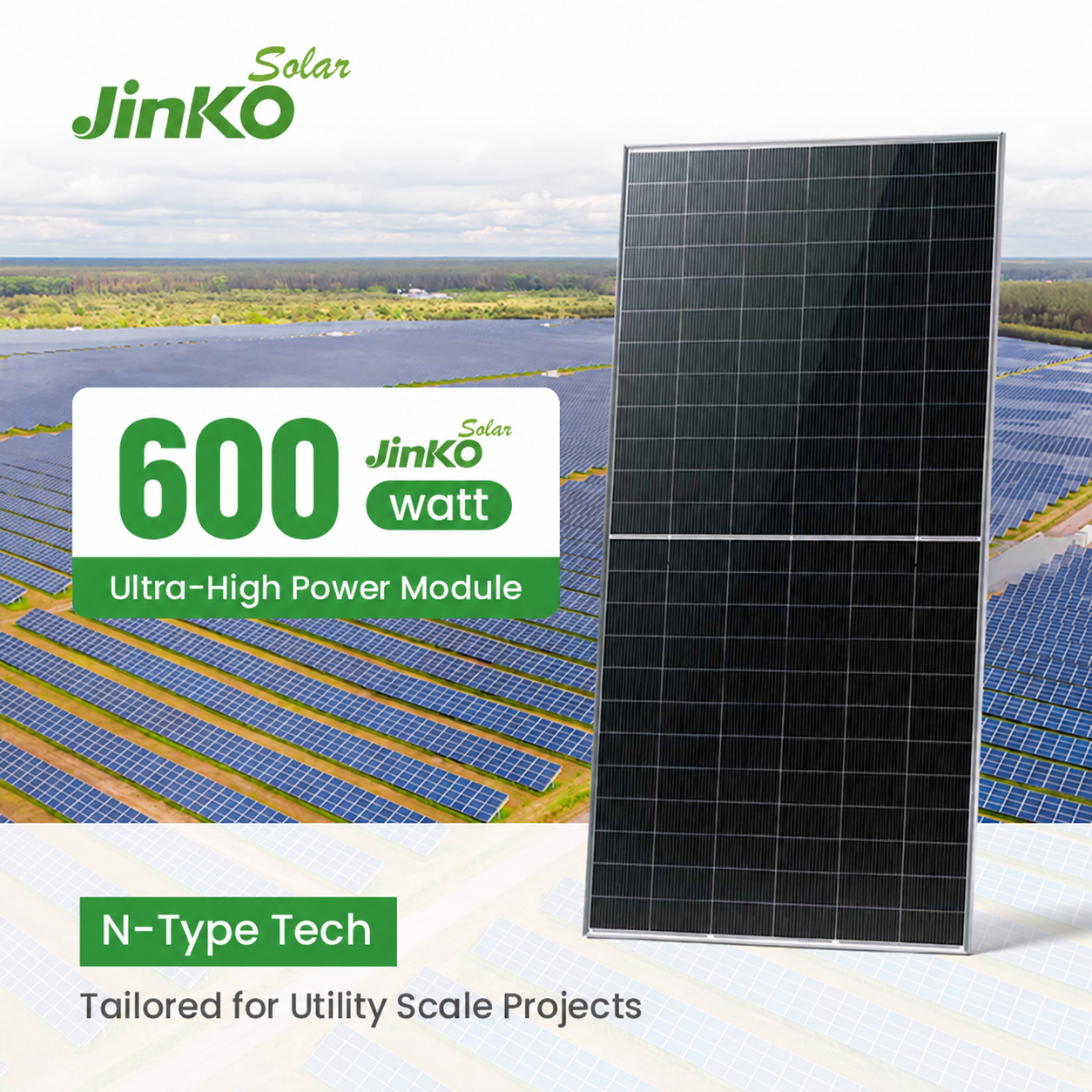
Jinko N Type Bifacial 600W 580W 590W Dual Glass Photovoltaic Solar Panel for Industrial
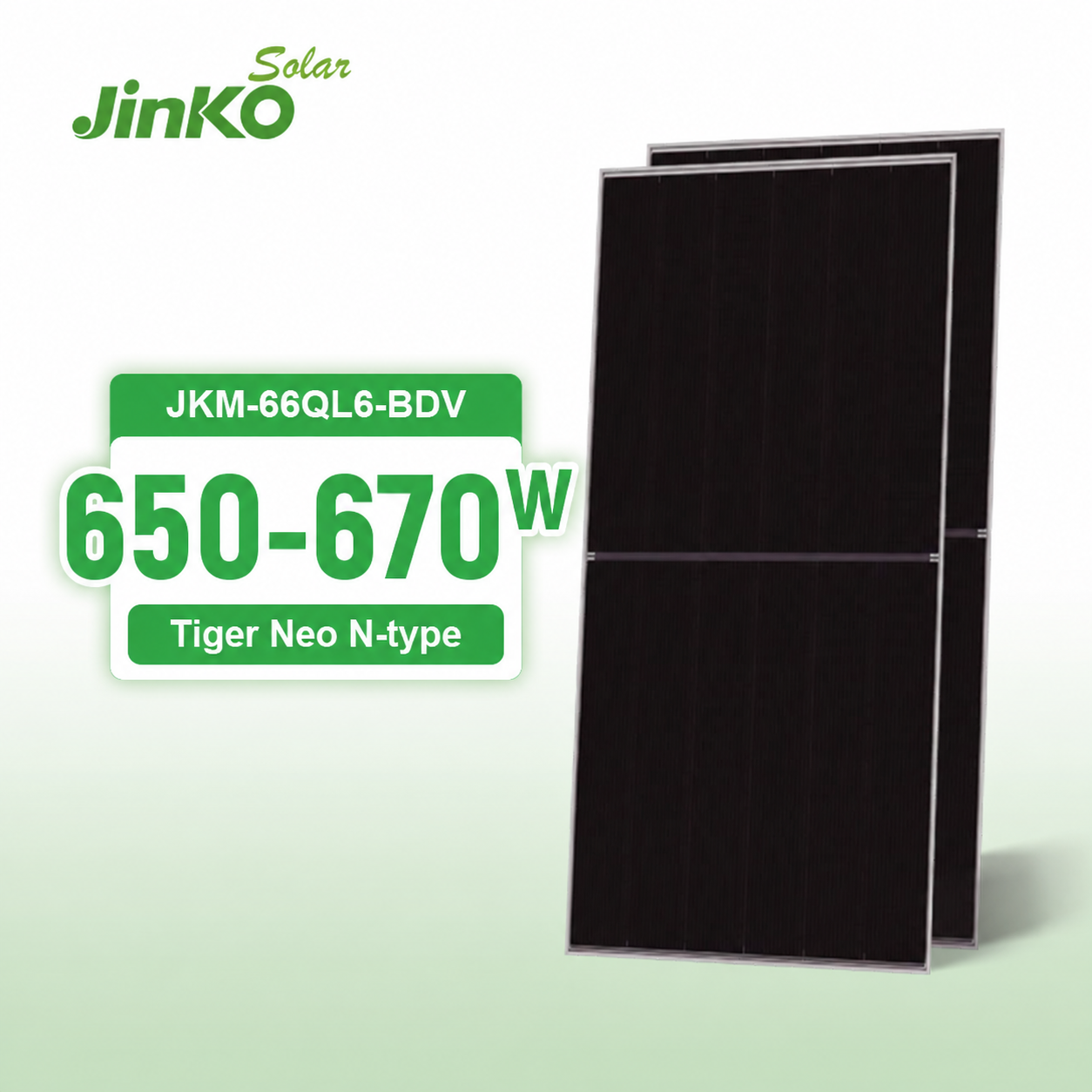
Jinko Bifacial Panneau Solaire 650 w 650W 660W 670W Dual Glass Monocrystalline Solar Module for Rooftop
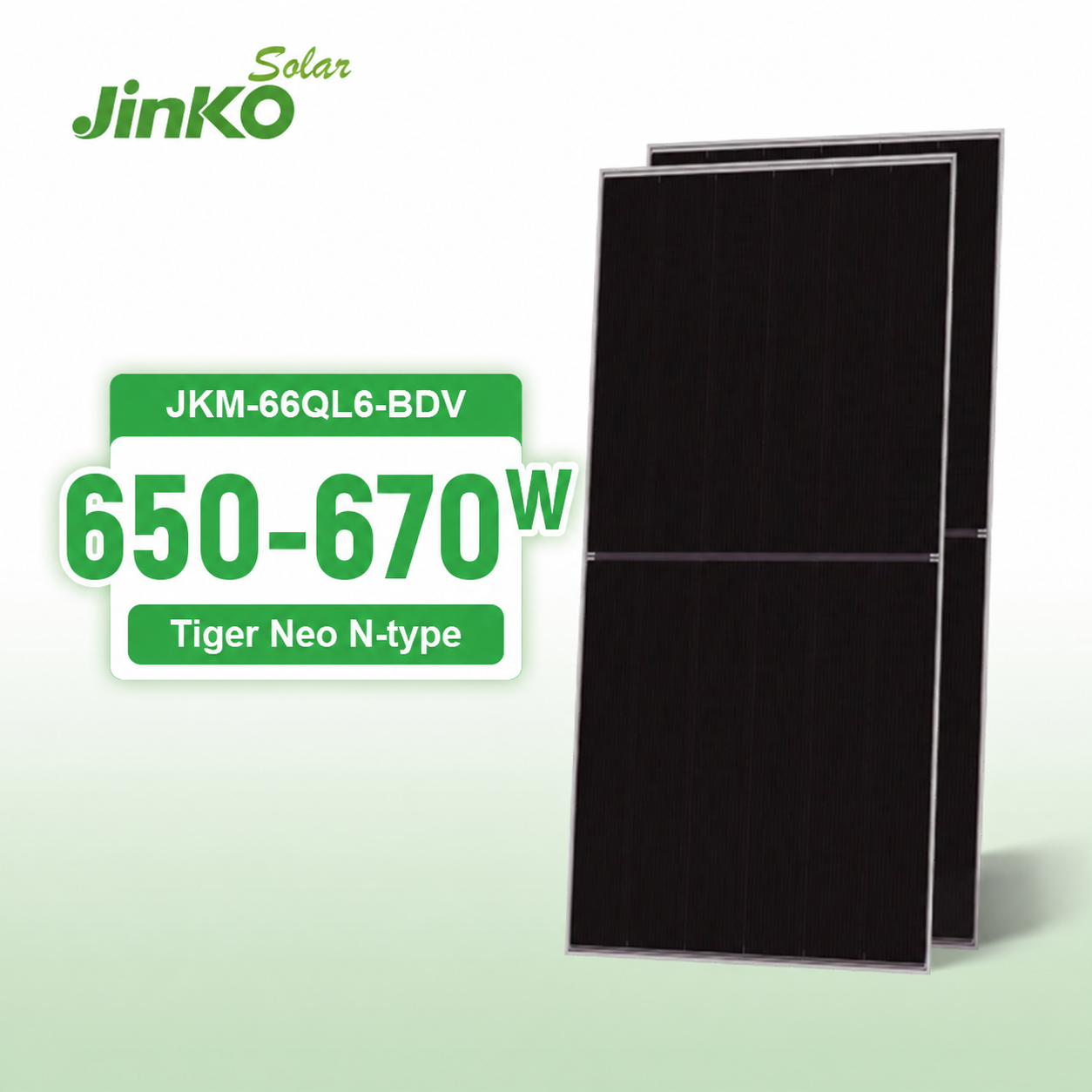
Jinko Wholesale Pv Modules 650W 660W 670W Bifacial Double Glass N Type Solar Panel for Farm
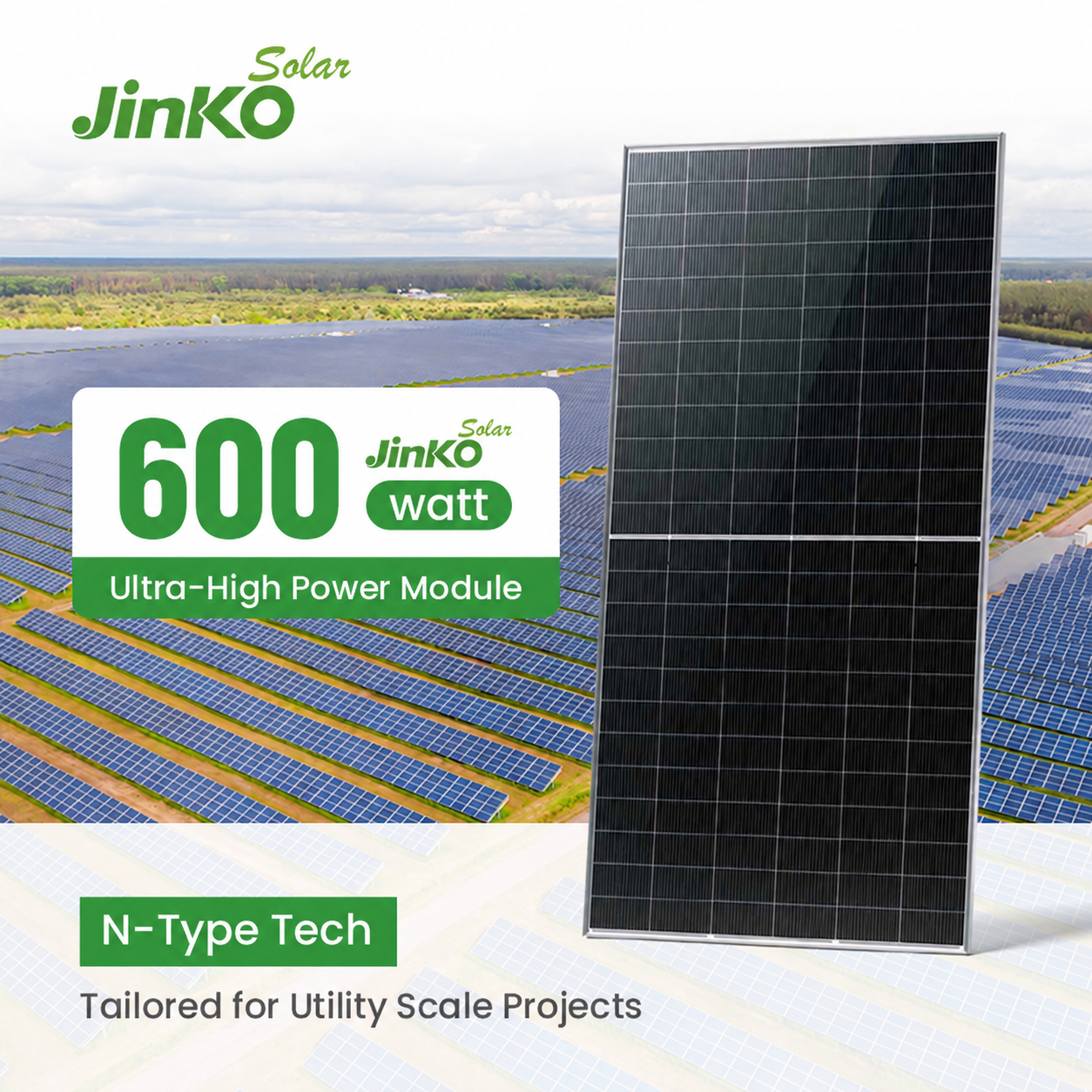
Jinko High Efficiency Bifacial 600W 585W 575W 595W Double Glass N Type Solar Panel in Stock
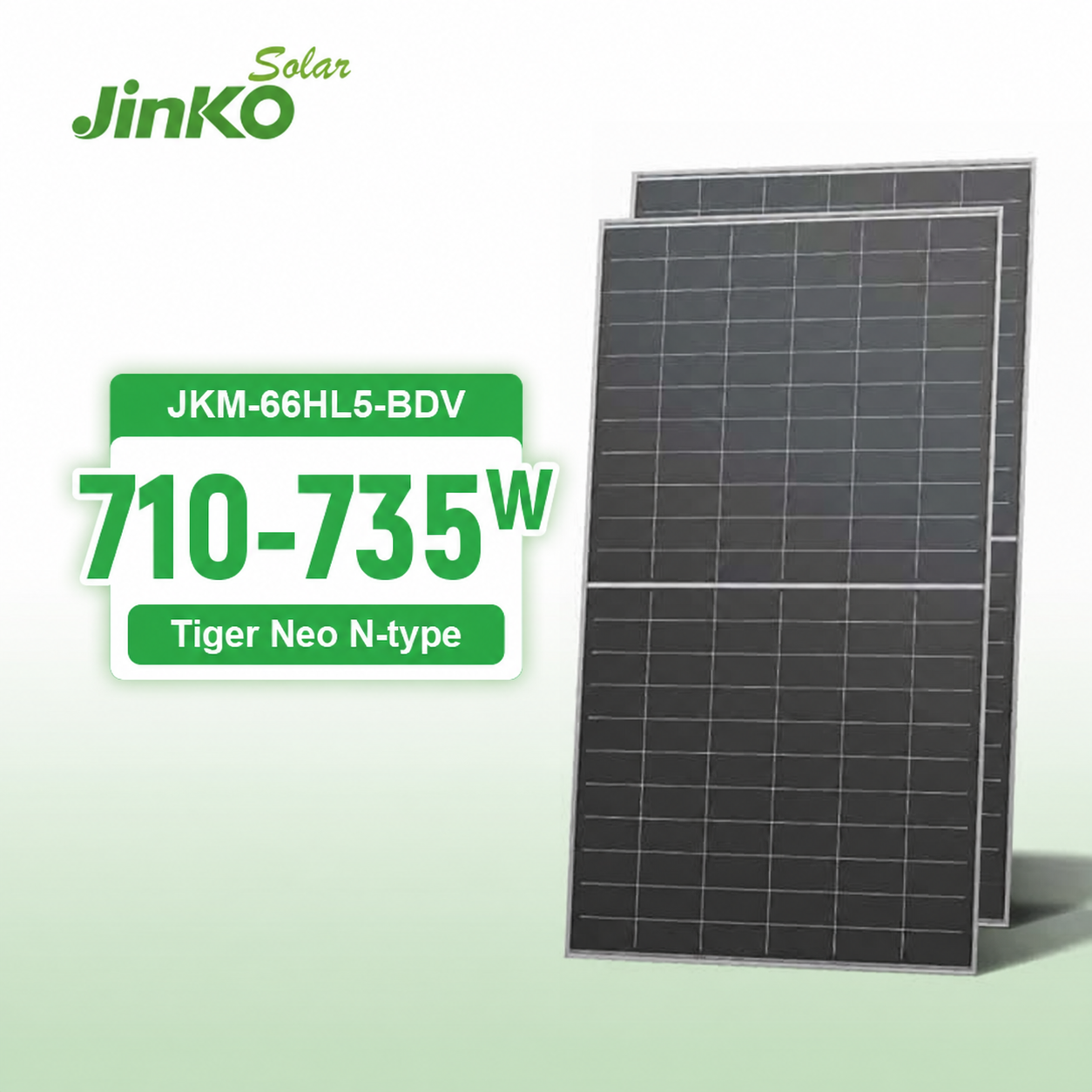
Jinko N Type Solar Panels 700W 710W 730W 725W Wholesale Price TOPCon Bifacial Photovoltaic Module for Commercial
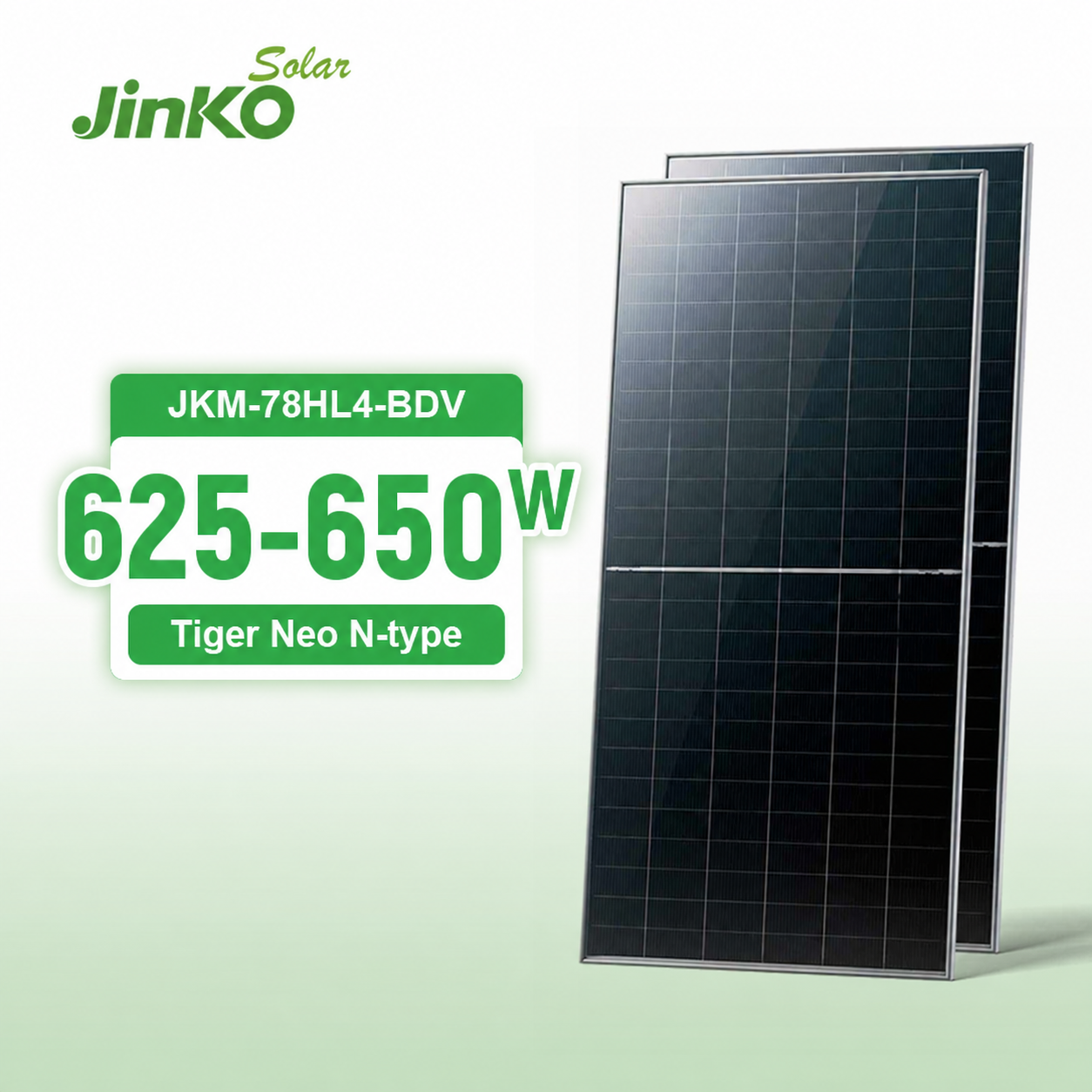
Jinko N Type Pv Module 650W 625W 645W Bifacial Photovoltaic Module Panneau Solaire for Commercial
Why CE Certified Pure Sine Wave Inverters Are Non-Negotiable for Critical Infrastructure
In power electronics manufacturing, the disparity between modified sine wave and true pure sine wave inversion directly determines load longevity, thermal losses, electromagnetic interference (EMI), and grid stability compliance under European CE Directives.
Harmonic Distortion (THD < 3%)
Inductive and sensitive electronic loads (such as variable frequency drives, medical equipment, server racks, and refrigeration compressors) suffer heavy eddy-current losses when driven by modified or square waveforms.
- Low total harmonic distortion (<3% linear, <5% non-linear loads) prevents thermal buildup in motor windings.
- Eliminates audible humming in transformers and prevents false tripping of sensitive residual current devices (RCDs).
- Compliant with EN 61000-3-2 and EN 61000-3-12 harmonic emission thresholds.
CE Directive Compliance (LVD & EMC)
A legitimate CE-marked inverter exported to the European Union and EEA markets must comply rigorously with both the Low Voltage Directive (2014/35/EU) and Electromagnetic Compatibility Directive (2014/30/EU).
- EN 62109-1 / EN 62109-2: Safety of power converters for use in photovoltaic power systems.
- EN 61000-6-1 / 6-3: Immunity and residential emission control avoiding disruption to telecom lines.
- Full galvanized isolation between DC bus input and AC output ensuring absolute galvanic barrier protection.
Wide Input Voltage & High Surge Capacity
Industrial electric motors draw inrush currents between 300% to 500% of nominal rating during startup. Our inverters integrate dynamic peak capacitors and robust power semiconductors.
- Delivers continuous 200% surge rating for 10 full seconds without dropping phase voltage.
- Integrated DSP (Digital Signal Processor) dynamically adjusts PWM duty cycle within sub-millisecond intervals.
- Supports lead-carbon, deep-cycle GEL, and high-rate LiFePO4 battery discharge envelopes (40V–60V DC input).
| Performance Vector | Factory Pure Sine Wave (VOLT CE Spec) | Modified Sine / Quasi-Sine Inverters | Industrial Value Impact |
|---|---|---|---|
| Waveform Quality & THD | Clean Sinusoidal (<2.8% THD) | Stepped Square Wave (35%–45% THD) | Zero motor overheat; 100% load compatibility |
| Conversion Efficiency | 94.5% – 96.8% Peak | 82.0% – 88.0% Peak | Saves 80–140 kWh/month on continuous duty cycles |
| Crest Factor & Inrush Support | 3:1 Crest Factor (3x Inrush Surge) | 1.2:1 Limited Peak Surge | Reliably starts HVAC, pumps, air compressors |
| Safety Standard & LVD Testing | EN 62109-1/-2, IEC 62477-1 | Basic unverified assembly / non-LVD | Complies with commercial insurance policies in EU |
| Switching Speed (UPS Bypass) | < 4ms – 8ms (Zero Droop) | > 25ms – 50ms (Intermittent Drop) | Zero data center reset; continuous telecom uptime |
Future Sourcing Trends for Pure Sine Wave Inverters & Energy Storage
B2B energy procurement is evolving rapidly from purchasing standalone hardware boxes to demanding integrated, microgrid-capable, software-governed conversion platforms. Importers and EPCs must align with four macro trends to safeguard their capital expenditure.
Wideband SiC & GaN Semiconductors
Silicon Carbide (SiC) and Gallium Nitride (GaN) switching components are replacing silicon IGBTs. Sourcing SiC-driven pure sine inverters reduces switching losses by 65%, eliminates bulky heatsinks, and enables power density beyond 1.2 kW/kg.
Deep BMS Protocol Interoperability
Buyers no longer accept proprietary communication silos. Procurement orders now mandate CAN 2.0B, RS485 Modbus, and SunSpec compatibility to interface directly with major LFP brands (CATL, BYD, EVE, Pylontech, Deye, ANTOFO) without third-party converters.
Multi-Energy Hybrid Autonomy
Modern tenders demand inverters with built-in dual-relay ATS (Automatic Transfer Switch) and smart generator dry-contact triggers. This allows seamless transitions between PV strings, energy storage batteries, utility grid, and auxiliary backup generators.
Pre-Packaged Containerized Consolidations
To avoid split customs shipments and hazardous material clearance bottlenecks, Tier-1 buyers increasingly procure full containers consolidating Tier-1 N-type bifacial modules, CE pure sine inverters, and Class 9 UN38.3 lithium batteries in a single customs entry.
Next-Generation Advancements in Pure Sine Power Conversion
From grid-following inverters to autonomous grid-forming virtual synchronous generators (VSG), the future of renewable inversion bridges the stability gap in weak utility grids and isolated island installations.
Grid-Forming (GFM) Topology
Conventional inverters require an existing grid voltage to lock onto. Grid-forming pure sine inverters synthesize their own voltage and frequency reference, behaving like a physical rotating turbine.
- Provides synthetic inertia during sudden load changes or grid blackout events.
- Black-start capability enables zero-voltage microgrid restart without diesel excitation.
- Compliant with updated EN 50549-1 and VDE-AR-N 4105 grid interconnection standards.
Bidirectional DC Coupling & Dual MPPT
High-efficiency conversion topology unites MPPT charge controlling and high-frequency DC-to-AC inversion into an unified, high-voltage bus architecture (up to 500V–800V DC).
- Reduces copper cable gauge requirements by 60%, minimizing balance-of-system (BOS) capital costs.
- Enables bidirectional charging: draws power from grid at low nighttime tariffs and discharges during peak hours.
- Integrated AFCI (Arc Fault Circuit Interrupter) microsecond shutdown algorithms.
Hermetic Dynamic Thermal Architecture
Operating in tropical, desert, and high-salinity maritime zones exposes electronics to catastrophic dust and corrosive humidity ingress.
- Die-cast aluminum enclosures with IP65 / IP66 ingress protection and conformal coating on all PCBA assemblies.
- Isolated heat-dissipation airflow tunnels separate sensitive electronics from external cooling channels.
- Derating curve optimization: maintains full 100% pure sine continuous rating up to 50°C ambient temperature.
Hangzhou VOLT New Energy: Your Trusted Supply Chain & Export Partner
Located in the heart of Zhejiang’s high-tech industrial cluster, Hangzhou VOLT New Energy Technology Co., Ltd. delivers engineered, field-validated solar energy storage equipment to B2B distributors and contractors across 100+ nations.
Countries Supplied
Exporting across Europe (Germany, Poland, Spain, Italy), Latin America (Chile, Brazil), Africa (Nigeria, Kenya, South Africa), and Asia-Pacific with comprehensive customs compliance.
Pre-Shipment Protocol Matching
Zero "BMS Communication Fault" tolerance on delivery. Every inverter and LFP lithium battery pairing is burn-in tested on our automated benches for CAN/RS485 handshake validation before crating.
Class 9 Dangerous Goods Sea Freight
Complete export qualification: UN38.3 test reports, MSDS certifications, safe transport maritime certificates, and DG-rated packaging for safe, delay-free clearance in destination ports.
Direct Engineering Support
Multilingual technical team providing load profiling, single-line wiring diagrams, string calculation, and remote firmware commissioning across global time zones.
Frequently Asked Questions by Importers, EPCs & Distributors
Detailed engineering and compliance clarifications to assist technical procurement teams during supplier evaluation and contract negotiations.
1. What specific testing and documentation verify that an inverter is truly CE certified and not self-declared without validation? +
1. Low Voltage Directive (LVD 2014/35/EU): Testing under EN 62109-1 (general safety for PV power converters) and EN 62109-2 (particular requirements for inverters). These confirm clearance, creepage distances, protective bonding, insulation resistance, and abnormal thermal conditions.
2. Electromagnetic Compatibility Directive (EMC 2014/30/EU): Testing under EN 61000-6-1 / EN 61000-6-3 (residential) or EN 61000-6-2 / EN 61000-6-4 (industrial). This guarantees the inverter does not inject harmful electromagnetic noise into public grids or disrupt wireless communications. We provide complete third-party test reports, Declaration of Conformity (DoC), and factory circuit schematics with every contract.
2. What is the difference between Low-Frequency (LF) and High-Frequency (HF) pure sine wave inverters in industrial applications? +
Low-Frequency Inverters (LF): Utilize heavy toroidal or laminated copper transformers. They offer unmatched surge durability (up to 300% for 20 seconds), excellent inductive load handling (pumps, industrial chillers, CNC spindles), and inherent galvanic isolation. However, they are heavier and carry higher freight costs.
High-Frequency Inverters (HF): Utilize high-speed switching electronic MOSFETs/IGBTs with compact ferrite cores. They achieve higher peak efficiency (96%+), weigh roughly one-third of LF units, and reduce balance-of-system shipping expenses. For residential rooftop solar, HF is the standard; for rugged off-grid mining, marine, or telecom base stations, LF remains the benchmark.
3. How does our factory guarantee seamless CAN/RS485 communication between inverters and LFP battery management systems? +
Step 1 (Protocol Handshake): The inverter’s control firmware is pre-configured with the exact BMS protocol (e.g., Pylontech, Deye, VOLT ANTOFO, Seplos, Pace).
Step 2 (Custom Pin-Out Pinning): We supply RJ45 communication cables mapped specifically to the pin assignment of your battery port (e.g., CAN High on Pin 4 vs Pin 5).
Step 3 (Live Load Bench Testing): Each set is run through an automated charge-discharge cycle to verify that State of Charge (SOC), cell voltage limiters, and charge current cutoff are dynamically governed by the battery BMS in closed loop.
4. Can we mix and consolidate Jinko N-Type panels, pure sine wave inverters, and LFP batteries into a single export container? +
We coordinate the consolidation in our export warehouse: mounting structures and solar panels on bottom tiers, inverters in shockproof intermediate pallets, and certified DG crated batteries with thermal insulation. You receive one consolidated bill of lading (B/L), one packing list, and one customs document package, drastically reducing port terminal handling fees.
5. What thermal derating factor and operating temperature limits apply to pure sine inverters in tropical or desert climates? +
Units feature dual ball-bearing brushless fans with PWM speed regulation, IP65 sealed outer compartments, and isolated cooling channels to prevent dust accumulation on high-voltage PCBA tracks.
6. What is the standard factory warranty and RMA replacement procedure for international buyers? +
Every unit is barcoded with an individual serialized tracking record. In the rare event of a component failure:
1. The buyer submits error log codes and video via our engineering ticketing portal.
2. Our factory diagnoses the issue within 24 hours.
3. Plug-and-play mainboards, control boards, or replacement units are dispatched by express air freight (DHL/FedEx) at zero product cost to ensure minimal customer downtime.
7. What is the minimum order quantity (MOQ) and production lead time for OEM/ODM pure sine inverters? +
Request Direct Factory Quotations & Engineering Consultation
Send your project requirements, target grid specifications (220V/230V/240V or 110V/120V, 50Hz/60Hz), load profiles, and container schedules. Our technical engineering division will generate a comprehensive single-line diagram, verified BOM, and competitive FOB/CIF quotation within 24 hours.