High-Yield Generators & Matched Solar Modules
Verified configurations ready for utility-scale solar farms, commercial rooftop arrays, and off-grid microgrid generator applications with verified CE, IEC, and TÜV documentation.
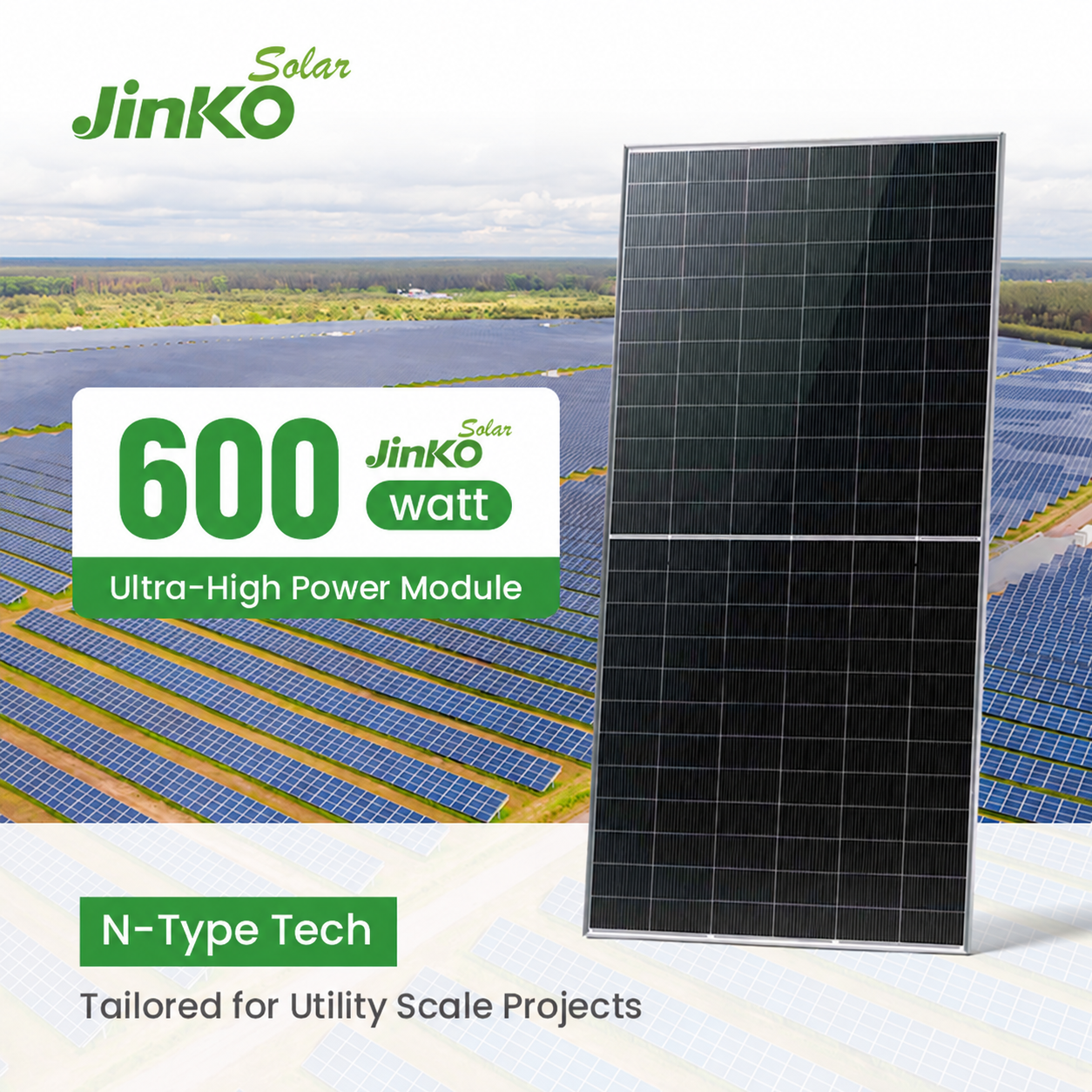
Jinko Solar Panels 580W 590W 600W N-Type Double Glass High Efficiency Panel
- 580W–600W Ultra-High Output
- Dual-Glass Anti-PID Encapsulation
- Commercial Rooftop & Ground Mount
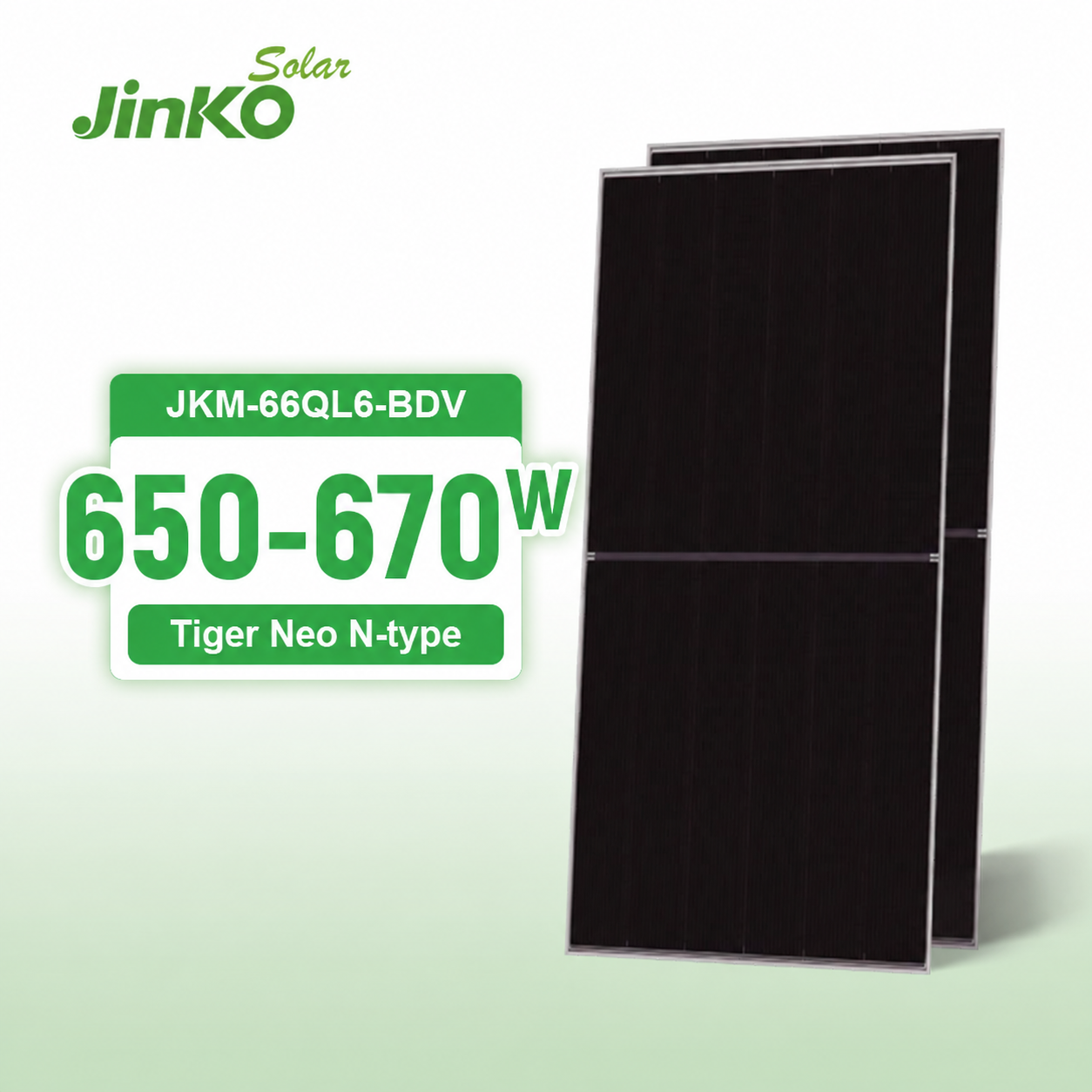
Jinko N-Type Bifacial 650W 660W 670W TOPCon Double Glass PV Module
- Up to 670W Module Rating
- Up to 80% Bifaciality Factor
- High Albedo Ground Applications
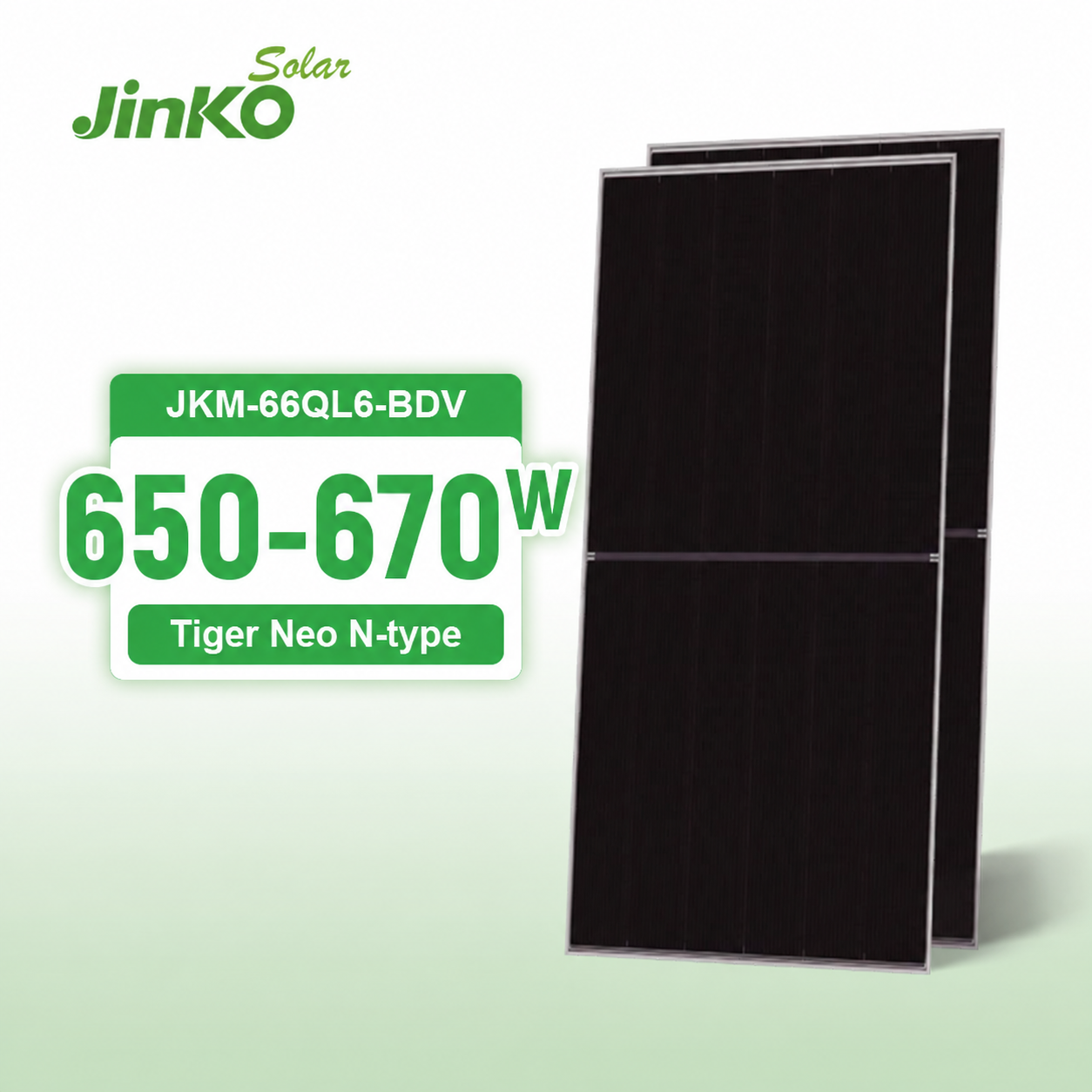
Jinko Bifacial Panneau Solaire 650W 660W 670W Dual Glass Monocrystalline
- 210mm Large-Format Silicon Wafer
- Superior Low-Light Irradiance Curve
- Large C&I Industrial Rooftops
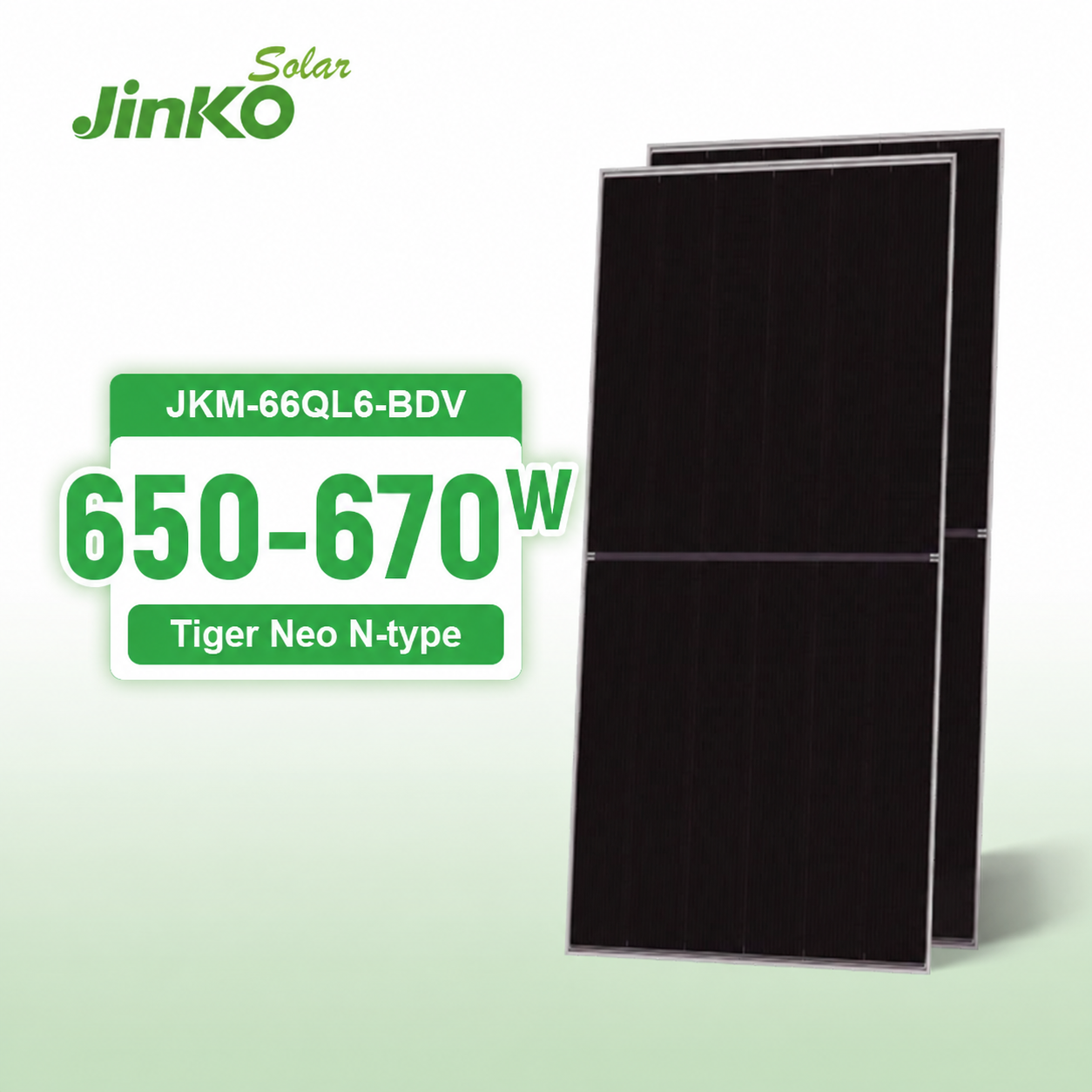
Jinko Monocrystalline 650W-670W Bifacial Dual Glass Solar Module
- SMBB Multi-Busbar Technology
- Severe Weather Resistance (5400Pa)
- High Reliability Micro-crack Proof
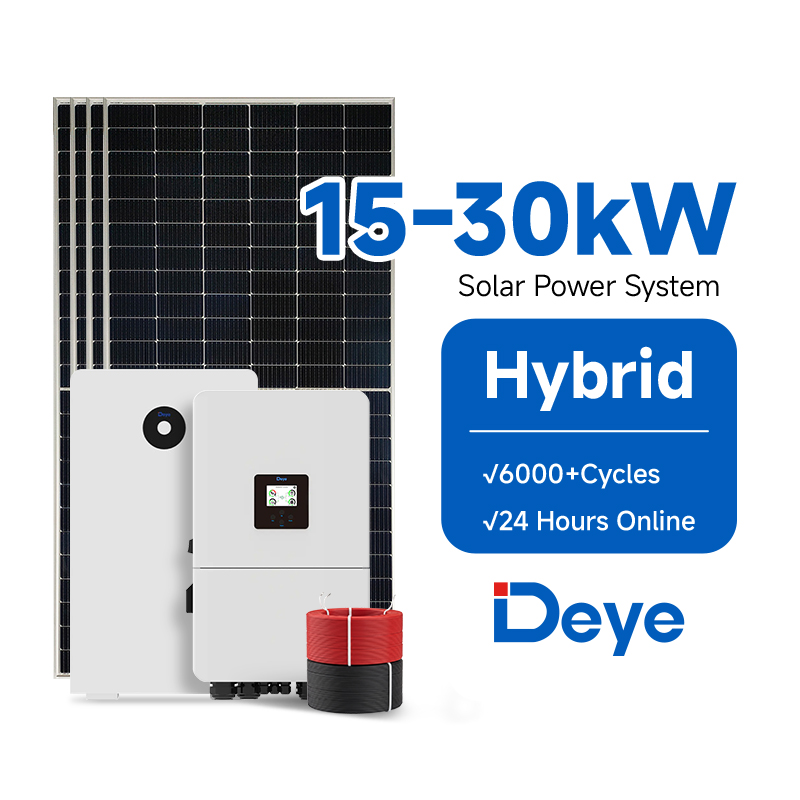
Deye Low Voltage Hybrid Inverter ESS 5kW–30kW Solar Generator System
- 48V/51.2V Low Voltage Safety
- Diesel Generator Integration Port
- Uninterrupted 4ms UPS Switchover
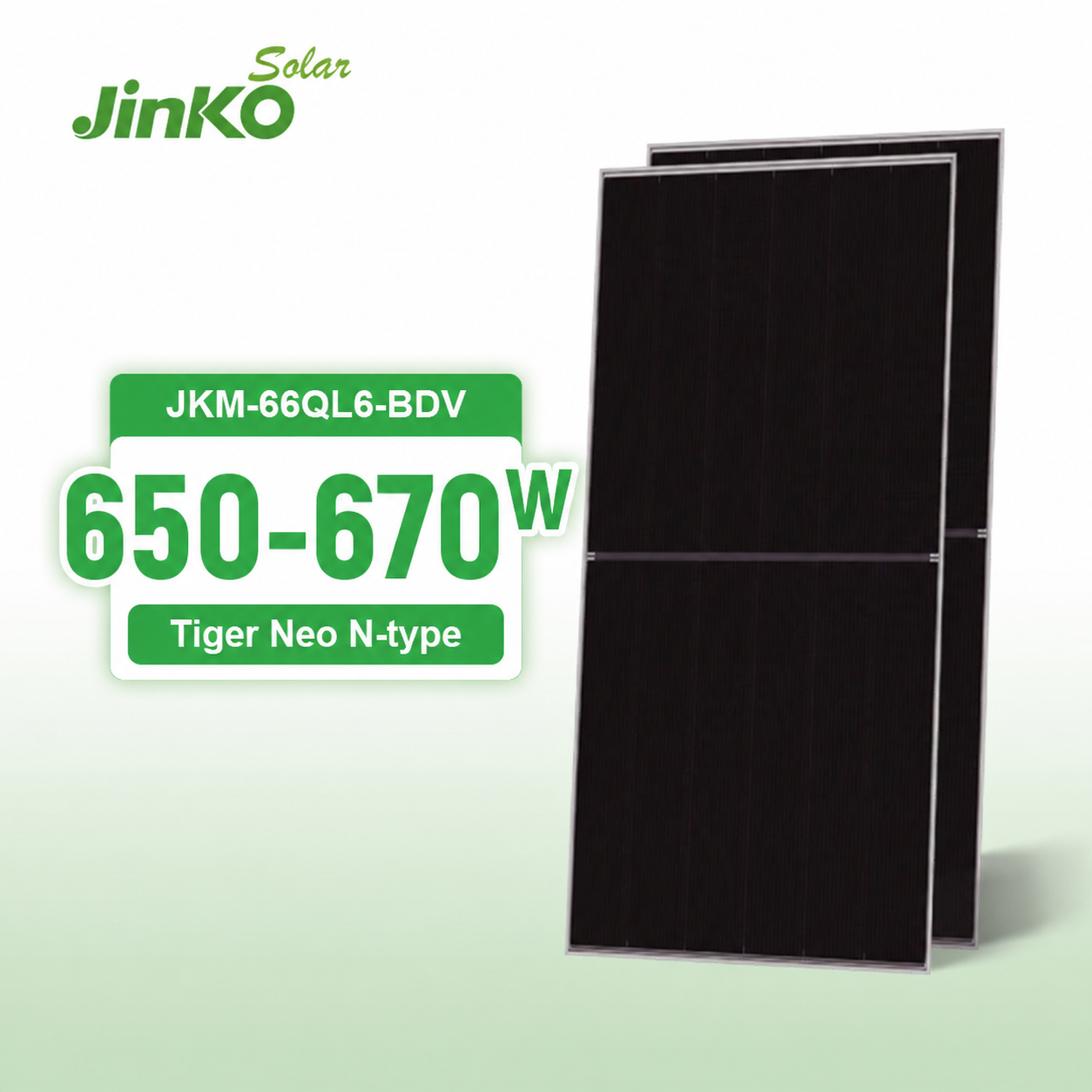
Jinko N-Type Bifacial PV Modules 650W-670W Double Glass Solar Generator Array
- Lower Temperature Coeff (-0.30%/°C)
- First-Year Degradation < 1.0%
- Engineered for Tropical & Desert Yields
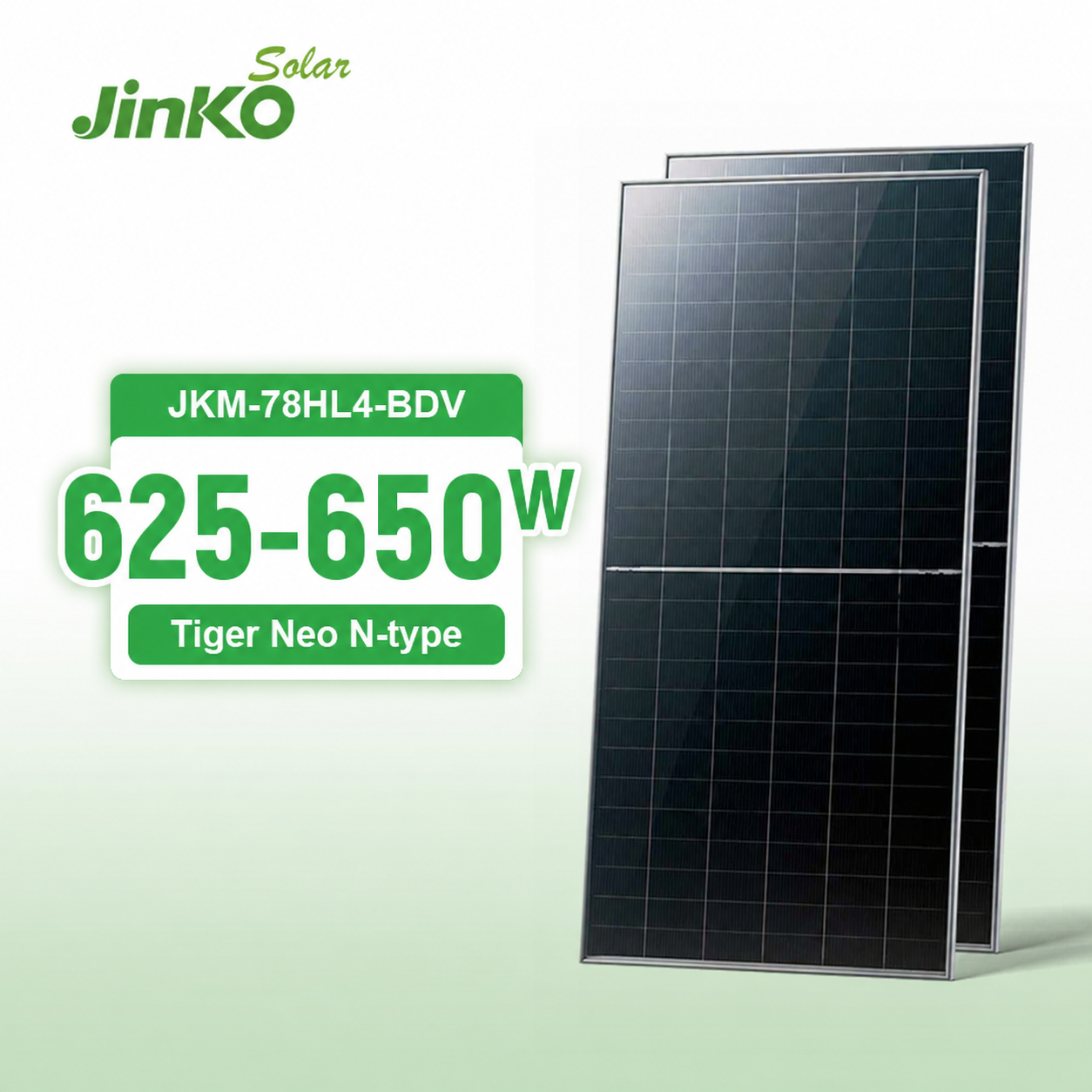
Jinko Bulk In-Stock 625W 630W 640W TOPCon Bifacial Monocrystalline Module
- Immediate Warehouse Dispatch
- Class-A Flash Tested Sorting
- Full Container Load (FCL) Pricing
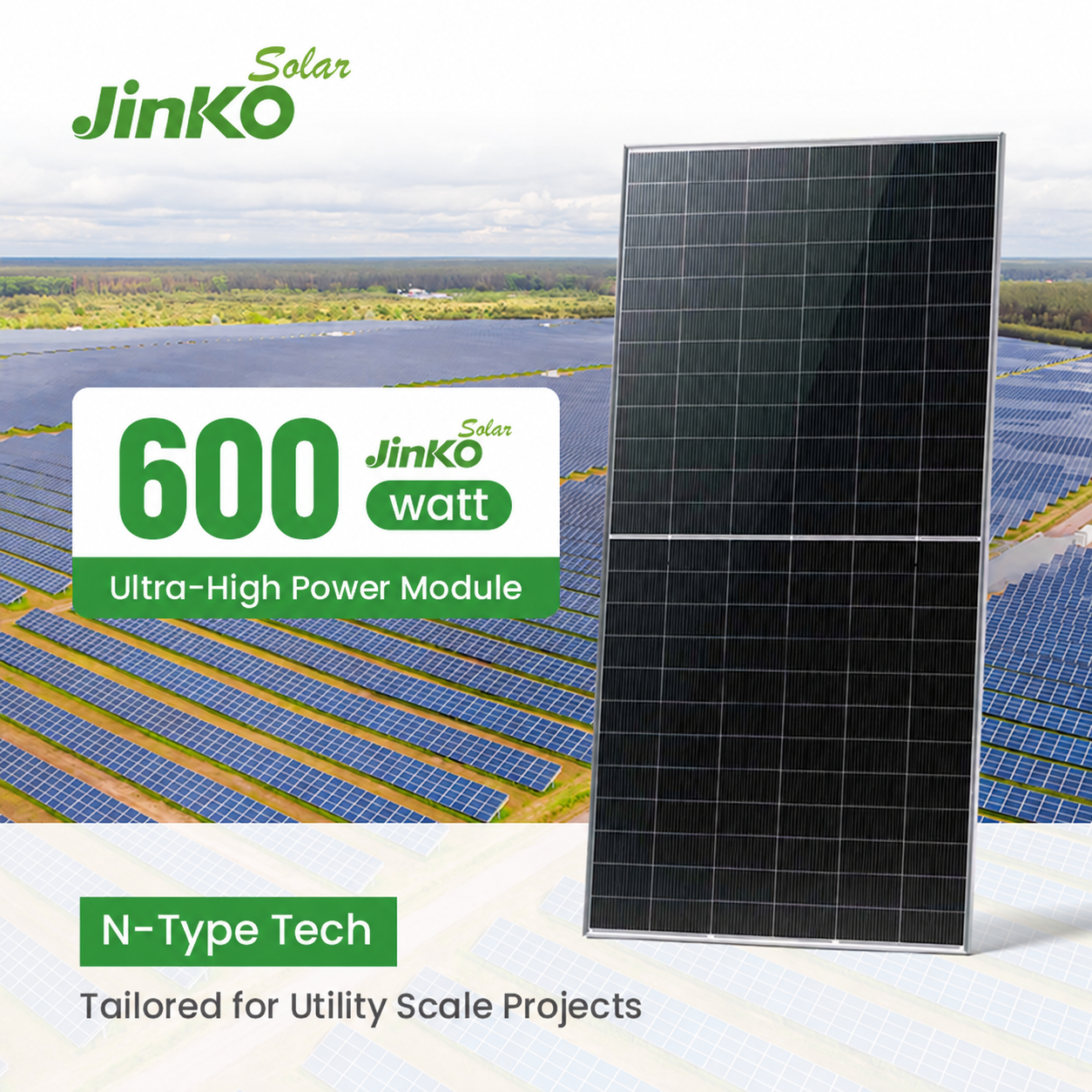
Jinko N-Type 580W-600W Bifacial Monocrystalline Module for Solar Plants
- 30-Year Linear Power Warranty
- 1500V DC System Voltage Rating
- Optimized BOS Balance-of-System Costs
Why Tier-1 Solar Buyers Partner with VOLT New Energy
Cross-border procurement risks usually stem from miscommunication, mismatched communication protocols, and defective Dangerous Goods packaging. Our operational structure is architected to eliminate these pitfalls completely.
Pre-Commissioned Protocol Matching
We eliminate "Error 04" and BMS communication failures. Every battery bank is pre-paired with Deye/Solis/Growatt inverters via closed-loop CAN2.0B / RS485 Modbus RTU before packing.
Class 9 DG Logistics Compliance
Lithium iron phosphate (LiFePO4) storage involves strict international ocean and rail transport criteria. We provide complete UN38.3 test reports, certified MSDS, and certified DG packaging.
Harmonized CE & Grid Documentation
Our complete systems and components carry validated CE certificates conforming to EN IEC 62109-1/-2, EN 61000-6 series, and IEC 62619, speeding up local European & global utility approvals.
Consolidated FCL System Cargo
Avoid high individual freight margins. We consolidate matched tier-1 Jinko N-type panels, Deye hybrid inverters, racking systems, and LFP batteries into unified container loads with wiring schematics.
Precision Manufacturing, System Integration & Testing Base
From our headquarters in Hangzhou, Zhejiang, we operate dedicated integration bays and testing stations where automated battery cell sorters, internal resistance analyzers, and high-voltage burn-in chambers ensure zero-defect shipment for overseas projects.
- Cell sorting within ±0.005V and ±0.1mΩ internal resistance tolerance.
- High-temperature aging stress testing across full charge/discharge profiles.
- Live video audit & serial number logging before container ocean sealing.

Global Sourcing Trends in Solar Power Generators & Storage
The international solar generator landscape has evolved from simple portable consumer units into heavy-duty, grid-forming C&I microgrid systems. Leading EPC contractors and B2B distributors are restructuring their supply chains based on three core structural trends.
Single-Source Turnkey Kits vs. Multi-Vendor Procurement
Procuring solar modules, inverters, and lithium storage banks from disparate suppliers introduces critical operational risks: mismatched DC string voltages, conflicting BMS firmware protocols, and disputed warranty responsibility during system faults. Enterprise buyers are pivoting toward single-source procurement partners who guarantee factory-level integration.
- Guaranteed CAN/RS485 handshake out of the container.
- Unified Balance-of-System (BOS) documentation and single point of warranty.
- Consolidated logistics cutting ocean freight and customs brokerage fees by 18–25%.
Shift from NMC Chemistry to Ultra-Safe LiFePO4 (LFP) Cells
Driven by strict European fire regulations and international maritime transport safeguards, commercial and residential solar power generators are standardizing exclusively on Lithium Iron Phosphate (LiFePO4). LFP chemistry eliminates the risk of thermal runaway oxygen release inherent in ternary lithium chemistries while doubling usable lifecycle performance.
- Thermal decomposition threshold above 270°C vs. 150°C for NMC cells.
- Extended cycle life exceeding 6,000 cycles at 80% Depth of Discharge (DoD).
- Compliance with IEC 62619, UL 9540A, and CE Machinery Directives.
Carbon Border Adjustment (CBAM) & ESG Traceability
European and North American regulatory bodies require comprehensive lifecycle emissions reporting. Solar power generator factories and PV module manufacturers must now provide full supply-chain visibility, from metallurgical-grade silicon extraction down to cell fabrication and battery pack assembly, to bypass severe carbon penalty tariffs.
- Certified ISO 14001 environmental management system compliance.
- Detailed carbon footprint documentation per kilowatt-hour of generator capacity.
- RoHS-compliant non-hazardous material certifications across all circuitry.
Technological Frontiers in Solar Generator Engineering
Understanding emerging technological shifts allows EPC contractors and commercial buyers to procure assets that avoid rapid obsolescence and deliver the lowest Levelized Cost of Energy (LCOE).
N-Type Tunnel Oxide Passivated Contact (TOPCon)
N-Type TOPCon technology has decisively overtaken legacy P-Type PERC. With zero light-induced degradation (LID), lower temperature coefficients (-0.30%/°C), and bifaciality ratings of up to 80-85%, TOPCon arrays generate up to 5-7% more energy per installed watt.
Grid-Forming & Black Start Inverters
Modern hybrid generators no longer merely follow the existing electrical grid (grid-following). Advanced digital signal processors (DSPs) in Deye hybrid systems provide true grid-forming capability, establishing independent voltage and frequency references during complete blackouts.
High-Voltage (HV) DC Bus Efficiency
While residential micro-systems maintain 48V low-voltage safety architectures, commercial solar generators are rapidly shifting to 400V–800V high-voltage DC architectures. Elevating DC bus voltage reduces current, mitigates copper losses, and boosts round-trip efficiency to >96%.
Multi-Stage Active Safety & Aerosol Suppression
Safety has progressed from passive fuses to AI-driven active diagnostics. Advanced BMS architectures utilize electrochemical impedance spectroscopy (EIS) to identify internal dendrite formation, coupled with automated localized Novec aerosol fire suppression canisters inside every module.
CE Certification Directives for Solar Power Equipment
A authentic CE declaration is not merely a label; it requires rigorous conformity to specific European harmonized directives. Understanding these criteria protects importers from customs seizure and financial liability.
Low Voltage Directive (LVD)
Mandates electrical equipment safety between 50–1000V AC and 75–1500V DC. Evaluated under EN IEC 62109-1/-2 for inverter isolation, dielectric clearance, and shock protection.
Electromagnetic Compatibility (EMC)
Ensures solar power generators do not emit disruptive electromagnetic interference into local power grids or telecommunications. Tested under EN 61000-6-1/-2/-3/-4.
Radio Equipment Directive (RED)
Crucial for modern solar generators featuring Wi-Fi, 4G, or Bluetooth remote telemetry monitoring gateways, ensuring safe radio frequency power levels and data encryption integrity.
Industrial Secondary Lithium Battery Safety
Verifies battery cell and pack resistance against propagation, short-circuit, overcharge, over-discharge, mechanical drop, and localized thermal abuse.
Frequently Asked Questions by Importers & EPC Engineers
Direct technical answers addressing the operational, financial, and logistical queries encountered during commercial solar generator sourcing.
How do you resolve protocol handshake mismatches between third-party batteries and hybrid inverters?
Communication faults (such as CAN communication timeouts or unacknowledged IDs) happen when the BMS and inverter use differing firmware baud rates or register addresses. At VOLT New Energy, we program the BMS CAN/RS485 firmware to match your chosen inverter brand (Deye, Solis, Victron, etc.) at the factory. We physically connect and run a complete closed-loop charge/discharge cycle test before shipping, supplying you with verified DIP switch configurations and RJ45 pinout charts.
What documentation is legally required to clear customs for Lithium Iron Phosphate (LiFePO4) generators?
Because LiFePO4 batteries are classified as Class 9 Miscellaneous Dangerous Goods (UN3480 or UN3481 when packed with equipment), customs clearance requires: (1) A certified UN38.3 test summary confirming vibration, shock, altitude, and thermal safety; (2) An official 16-section Safety Data Sheet (MSDS); (3) Dangerous Goods Declaration (DGD) and certified maritime packaging certificates. VOLT New Energy furnishes complete document dossiers for smooth entry through European, American, and global ports.
Why choose N-Type TOPCon bifacial modules over standard P-Type PERC modules for solar generators?
N-Type TOPCon offers three substantial commercial benefits: First, zero Light Induced Degradation (LID) ensures first-year power loss is under 1.0% (compared to ~2.0% in PERC). Second, the lower temperature coefficient of -0.30%/°C generates significantly higher energy yields in hot climates. Third, a bifaciality factor of ~80% allows the backside of the module to absorb reflected irradiance from gravel, concrete, or sand, increasing real-world power harvest by an additional 10% to 25%.
Can hybrid solar generators seamlessly integrate with existing backup diesel generators?
Yes. Our Deye hybrid inverter series includes a dedicated smart load / auxiliary input port designed specifically for diesel generator synchronization. The system can automatically start the diesel generator via dry contact signals when the battery State of Charge (SoC) falls below a pre-set threshold. It allows the diesel generator to run at its peak fuel-efficiency band while simultaneously supplying the load and recharging the LFP battery bank.
What is the difference between Low-Voltage (48V) and High-Voltage (HV) battery generator configurations?
Low-voltage (48V/51.2V) architectures are standard for residential and small commercial setups up to 30kW. They are inherently safer to install, easier to expand in parallel, and feature accessible component availability. High-voltage (150V–800V DC) systems are engineered for large commercial and industrial (C&I) demands; by elevating the DC bus voltage, they reduce operating amperage, allowing thinner copper cabling, generating less heat, and delivering higher overall conversion efficiency.
How does VOLT New Energy manage factory warranty claims for overseas buyers?
Every single component—solar module, inverter, and battery module—is cataloged by individual serial number prior to packaging. In the unlikely event of hardware failure, our engineering team conducts remote diagnostic data logging within 24 hours. Because we partner directly with Tier-1 manufacturers (like Jinko and Deye) and manufacture our own ANTOFO series storage lines, replacement boards, modular BMS cards, or replacement units are dispatched directly via air courier without lengthy administrative delays.
What is the Mean Time Between Failures (MTBF) and design lifespan of your complete solar generator kits?
Our solar generators are engineered for a 15- to 25-year operational lifecycle. Jinko N-Type PV panels feature a 30-year linear power warranty guaranteeing at least 87.4% output at Year 30. Deye hybrid inverters are rated with an MTBF of >100,000 operational hours. Our Grade-A LiFePO4 battery cells deliver over 6,000 full charge/discharge cycles at 80% Depth of Discharge (DoD) before reaching 80% remaining capacity, providing roughly 15 years of daily cycling.
Can we mix solar modules, inverters, and battery banks within a single consolidated container order?
Yes. Consolidating full turnkey systems is our signature strength. Rather than booking three separate high-risk LCL shipments from disparate factories, VOLT New Energy packages matched Jinko solar panels, Deye inverters, custom-sized LFP batteries, MC4 cabling, DC breakers, and roof mounting structures into a single unified 20GP or 40HQ container, fully optimized for weight distribution and marine safety.
Request a Matched Solar Generator Sizing & Quotation
Send our senior engineering team your site load specifications, backup requirements, and target destination. We will deliver a comprehensive proposal with full single-line wiring diagrams, compatibility confirmations, and competitive B2B factory pricing within 24 hours.
Send an Inquiry