
100+
Export Nations & Global Grid Compliances
6,000+
LiFePO4 Deep-Cycles @ 80% DoD Retention
100%
BMS-to-PCS Pre-Commission Match Ratio
<24h
Rapid Engineering Diagnostic Response
Direct Sourcing Catalog
High-Performance Telecom & Commercial Solar Storage Modules
Engineered for telecommunication base transceiver stations (BTS), edge-computing nodes, and critical utility microgrids. Fully integrated with ultra-low thermal drift n-Type TOPCon bifacial crystalline modules.

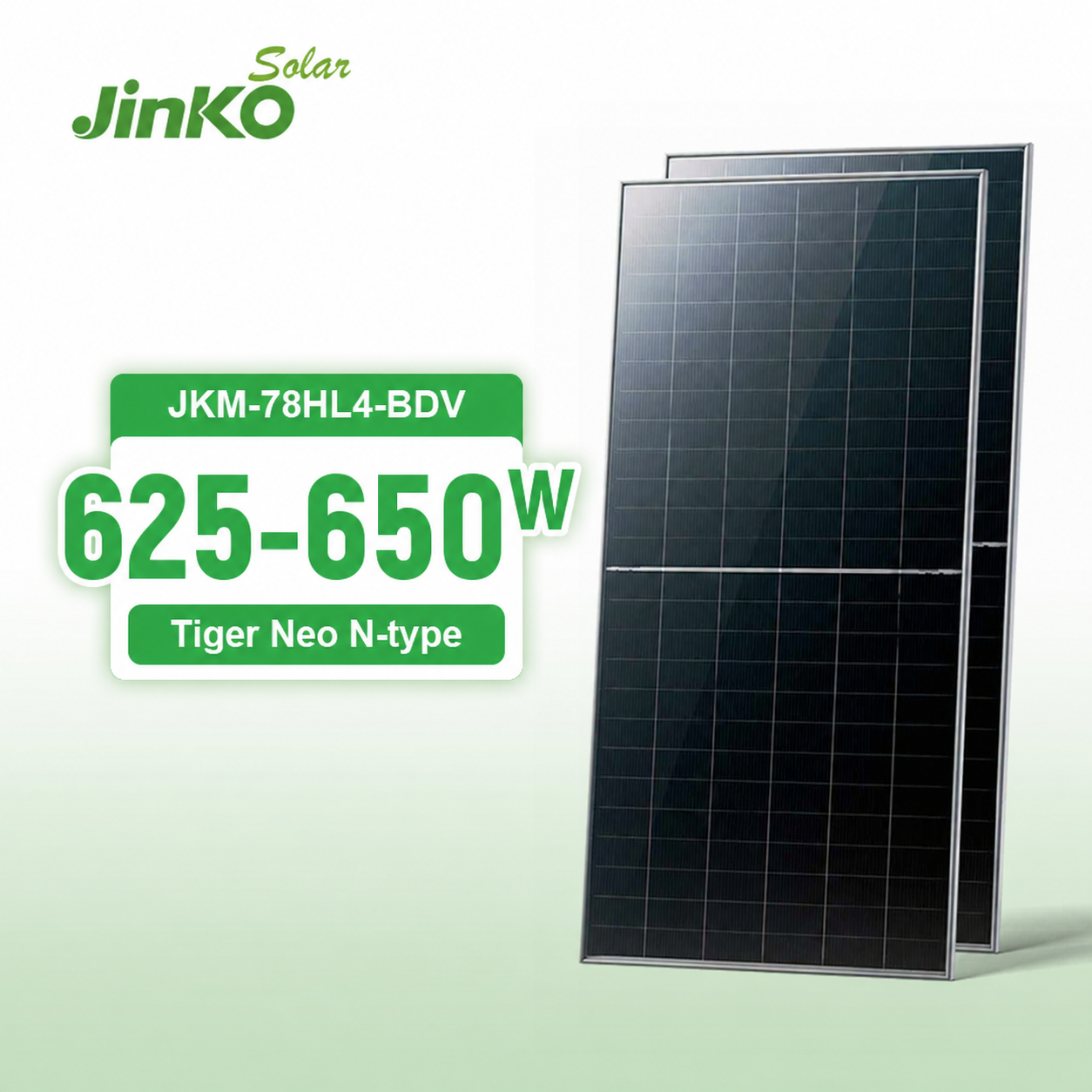
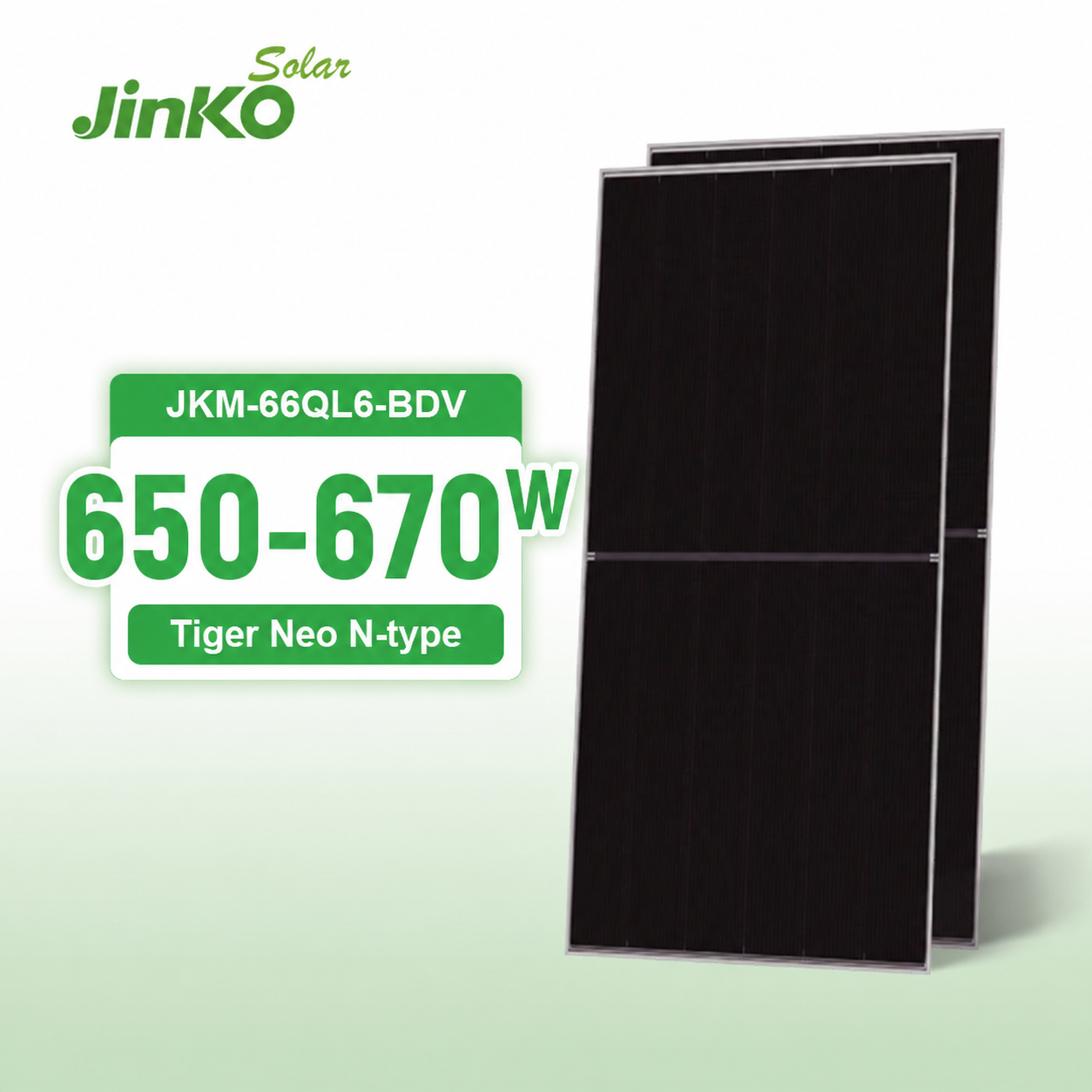
Anti-PID / Heavy Snow 5400Pa
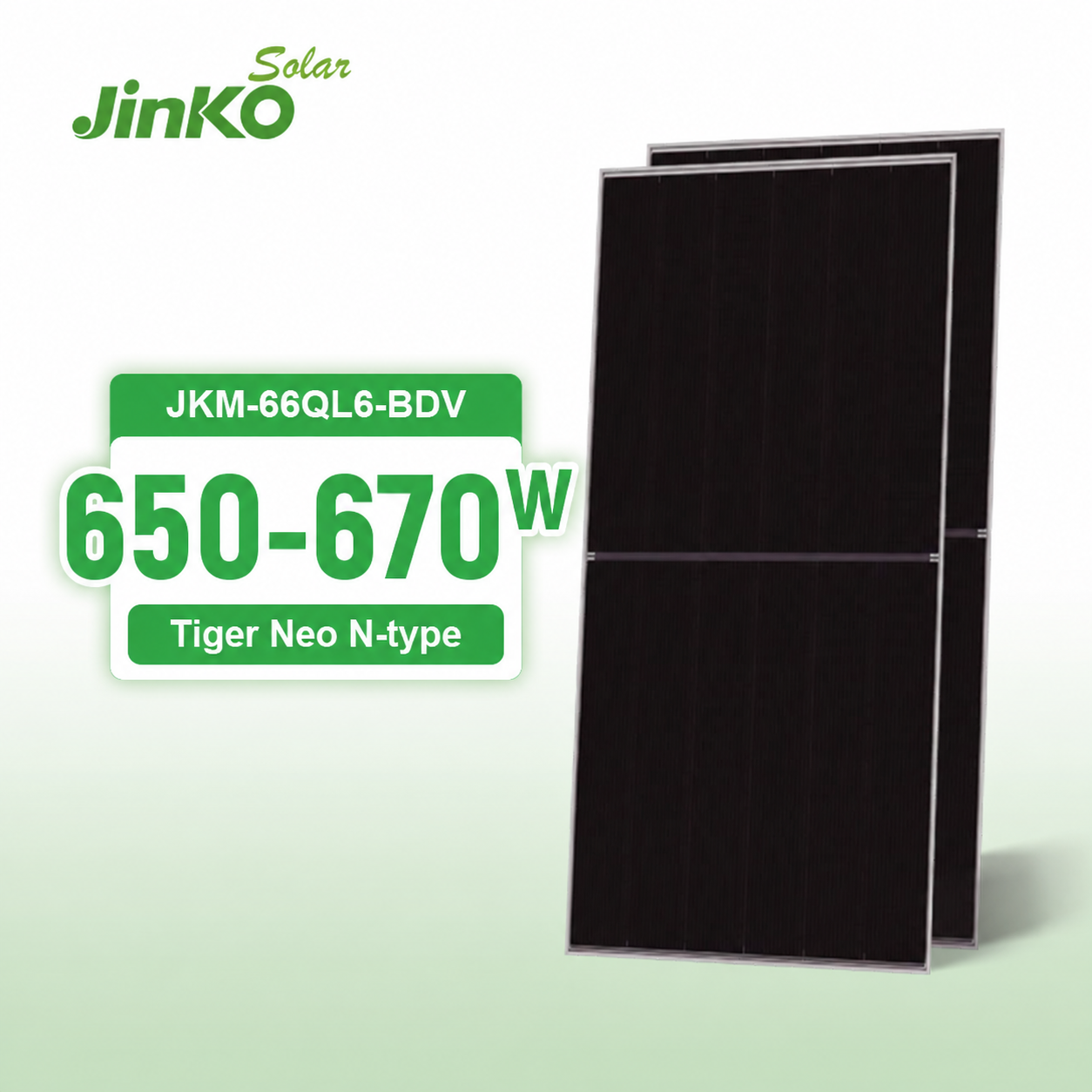
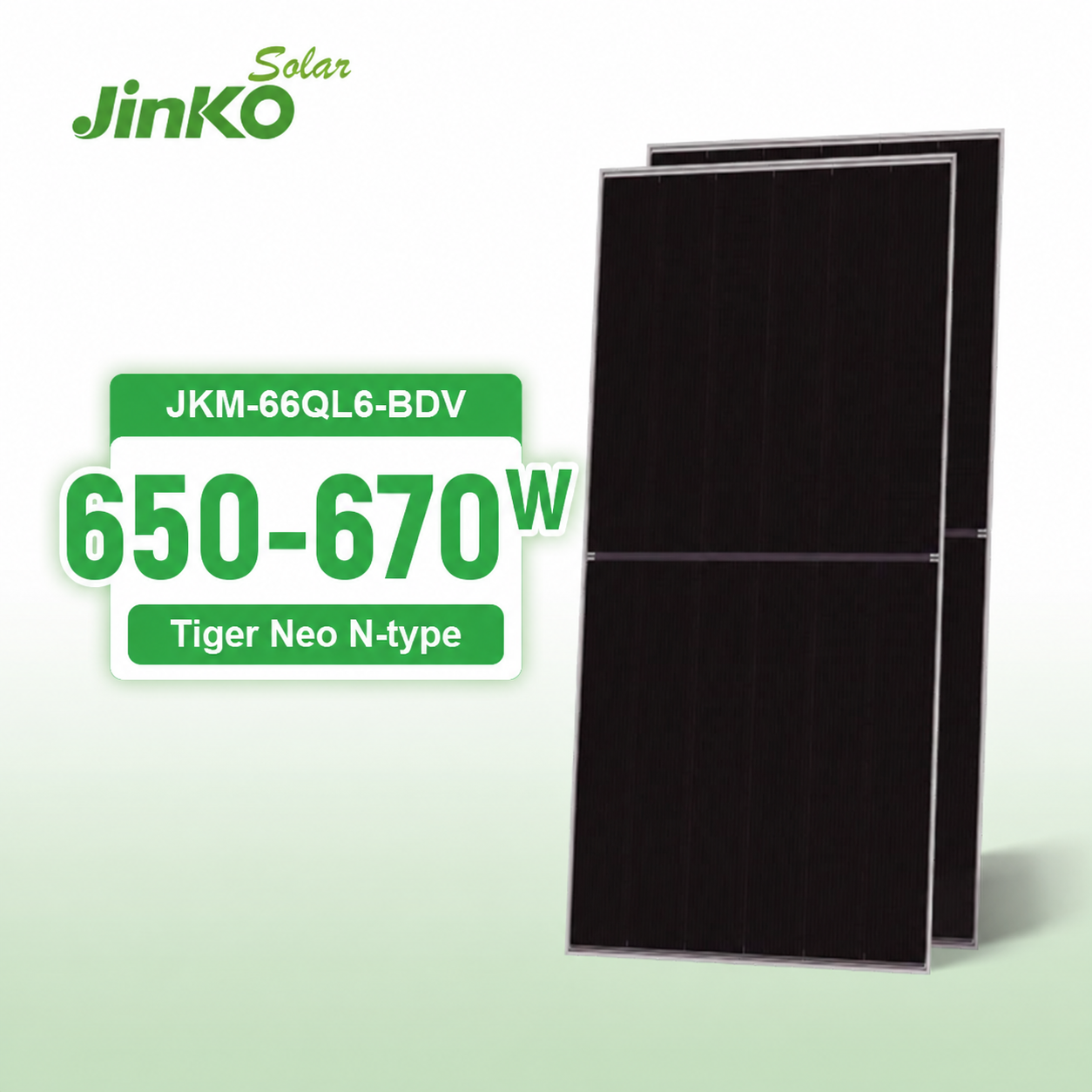
Jinko Bifacial Panneau Solaire 650W 660W 670W Dual Glass Monocrystalline Solar Module
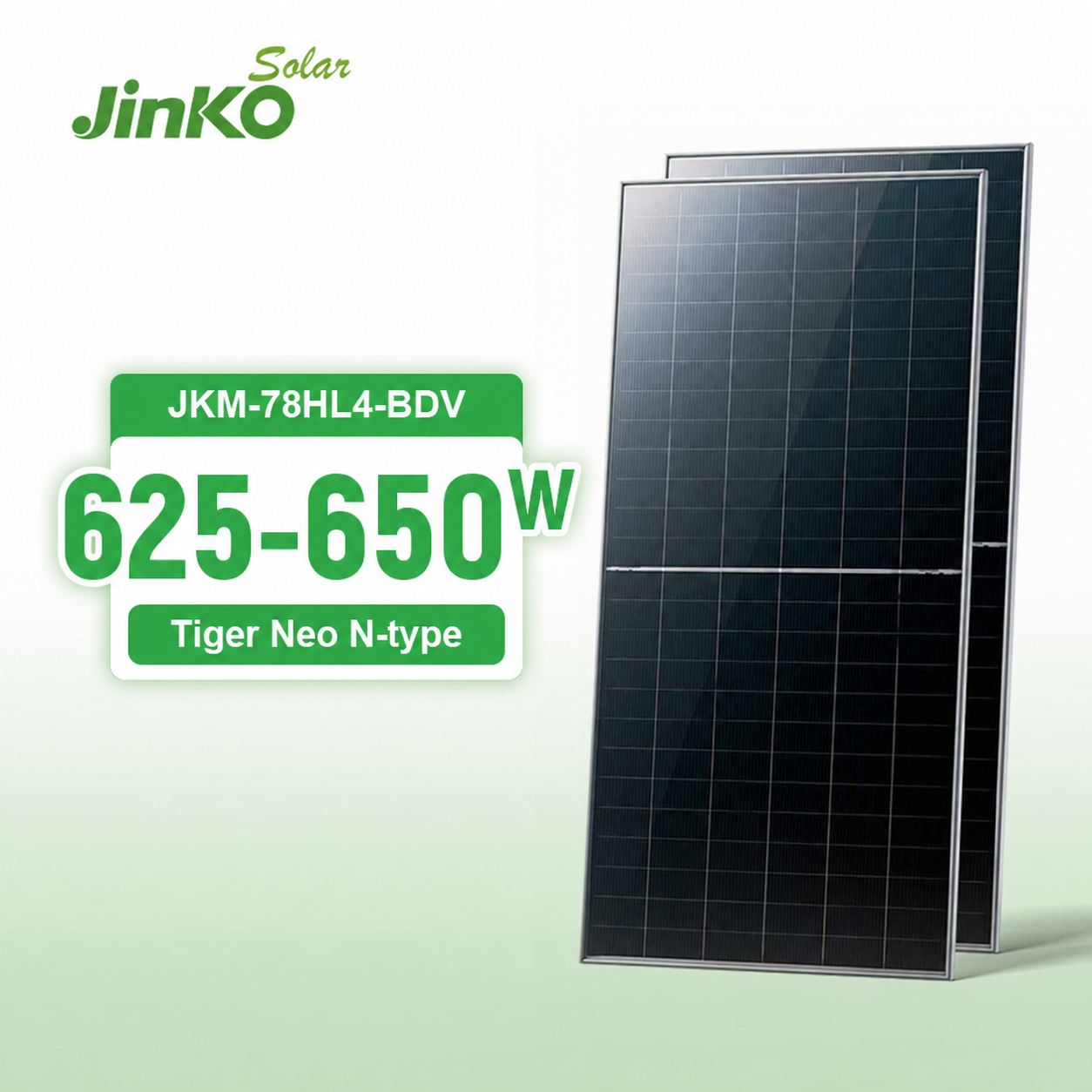
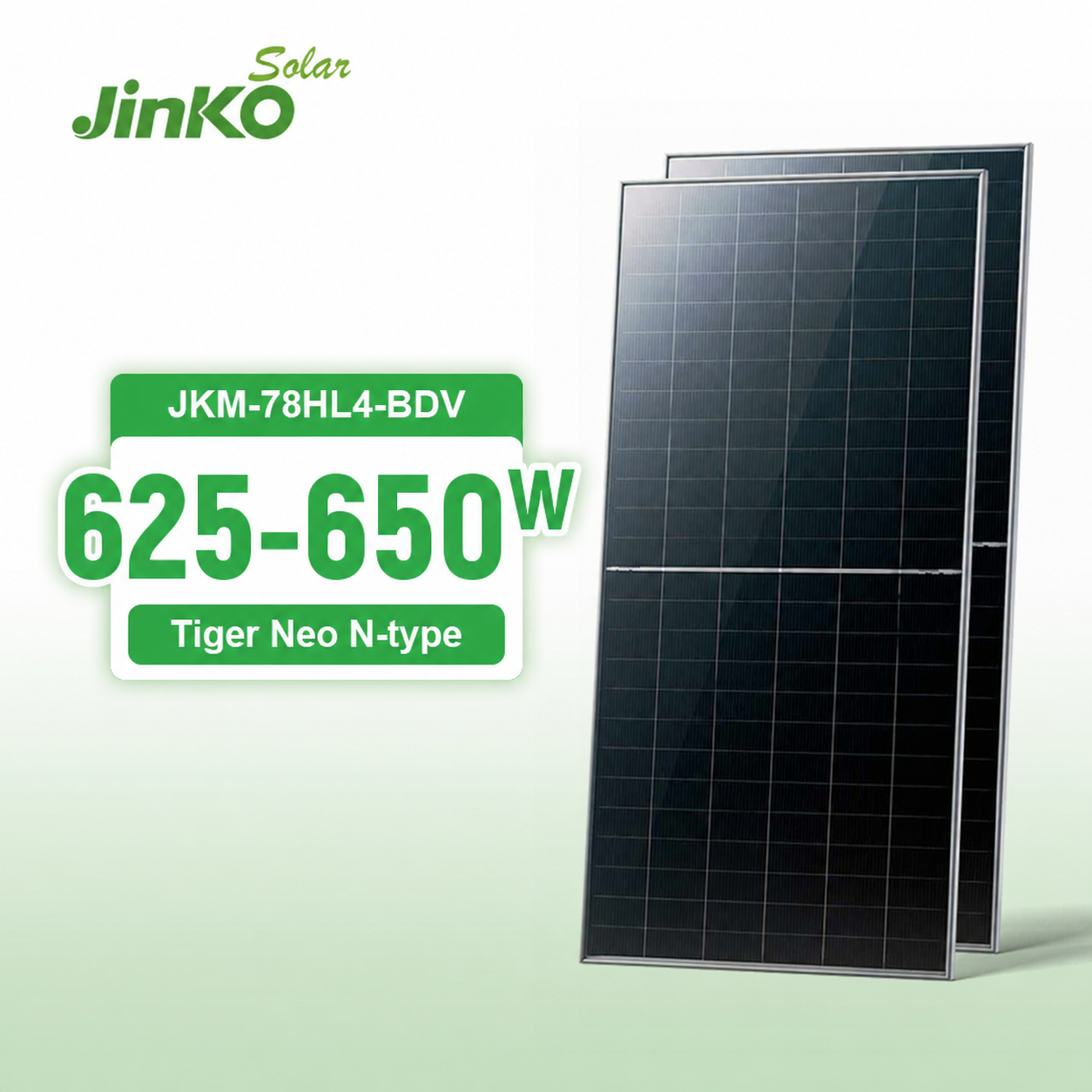
625W - 635W Fast Fulfillment
Jinko N Type Bifacial Pv Modules 630W 625W 635W Double Glass Solar Panel Ready Stock
Technical Specification Whitepaper
Engineering Analysis: Telecom LiFePO4 vs. Deep-Cycle GEL in Off-Grid Microgrids
Modern telecom site infrastructure requires high rate discharge capabilities, non-ventilated rack installations, and operational endurance under extreme thermal fluctuations (-20°C to +55°C).
| Evaluation Parameter | Telecom LiFePO4 (LFP) Rack Modules | Deep-Cycle Colloidal GEL Battery | Telecom EPC Impact |
|---|---|---|---|
| Cycle Life (80% Depth of Discharge) | 6,000 – 8,000 Cycles | 1,200 – 1,800 Cycles | LFP eliminates replacement truck-rolls for 10+ years of uninterrupted BTS service. |
| Volumetric Energy Density (Wh/L) | 220 – 280 Wh/L | 70 – 90 Wh/L | Standard 19-inch 3U/4U rack profile fits directly within existing telecom cabinets. |
| BMS Communication & Telemetry | Dual CAN / RS485 / Modbus SNMP | Passive (External shunts needed) | Enables real-time remote cell voltage, SoH, SoC, and thermal telemetry via telecom NOC. |
| Round-Trip Efficiency (RTE) | 95% - 98% | 80% - 85% | Saves 12-15% of PV solar field size needed to replenish daily site discharge. |
| Thermal Runaway Temperature | Exothermic Breakdown >270°C | Thermal runaways under continuous overcharge | Inherent safety chemistry eliminates site fire mitigation requirements under CE/IEC 62619. |
*Data benchmarked across standard 48V/51.2V 100Ah-200Ah telecom server rack units operating under standard BTS environmental standards.
Industry Procurement Vector
Future Telecom Battery Backup Sourcing Trends (2025–2030)
Global network operators (MNOs) and tower companies (TowerCos) are transitioning away from CAPEX-driven procurement toward Total Cost of Ownership (TCO) optimization and distributed grid-interactive telecom power networks.
Smart Peak Shaving & Virtual Power Plant (VPP) Integration
Telecom battery backup is transforming from passive insurance into dynamic revenue-generating infrastructure. Modern hybrid inverters allow base stations to arbitrage peak utility rates and supply surplus battery capacity to frequency regulation microgrids via integrated CAN/RS485 telemetry without jeopardizing reserve runtime.
Hybridized Solar-Diesel Eradication
Tower companies face strict ESG mandates to eliminate diesel genset runtime. Procuring 630W+ TOPCon bifacial modules paired with high-voltage and 48V low-voltage LiFePO4 arrays allows off-grid telecom installations to achieve 92%+ solar autonomy, eliminating remote fuel logistical dependencies and recurring OPEX liabilities.
Modular High-Density Hot-Swappable Stacks
Next-generation BTS site designs demand 100Ah/200Ah rack-mounted units featuring auto-addressing BMS nodes and active cell-balancing architecture. Engineering procurement specifies hot-swappable redundancy that allows battery modules to be serviced or expanded up to 15-32 parallel tiers without dropping critical network transmission loads.
Global Supply Advantage
Why EPCs & Telecom Operators Partner with VOLT New Energy
Direct integration capabilities eliminate intermediate supply-chain failures. We bridge tier-1 cell manufacturing, Deye power electronics synchronization, and certified international logistics into a single point of accountability.

BMS Protocol Pre-Configuration
Zero on-site firmware failures. We verify and configure CAN, RS485, and Modbus protocol handshake compatibility between battery BMS and inverters (Deye, Victron, Growatt) before cargo dispatch.

Factory-Level OCV/IR Sorting
Every battery pack undergoes internal resistance matching, high-voltage insulation tests, and actual 0.5C/1C charge-discharge validation to guarantee cell consistency across multi-tier parallel strings.

Full Class 9 DG Shipping Compliance
Complete maritime compliance with UN38.3, MSDS, and certified UN-rated packaging. We consolidate mixed loads of tier-1 solar panels, inverters, and battery banks into single containerized shipments.

B2B System Sizing & Design
Our electrical engineering team provides complete PV-to-Storage capacity sizing, single-line wiring diagrams (SLD), and DC protection coordination tailored to your regional irradiance and BTS load profile.
Technical Clarifications
Telecom Battery Backup Procurement FAQ
Critical technical and contractual considerations addressed directly by our power engineering and compliance team.
What specific standards govern the CE certification of telecom lithium backup batteries?
CE compliance for telecom lithium battery systems encompasses two primary directives: the Low Voltage Directive (LVD 2014/35/EU) and the Electromagnetic Compatibility Directive (EMC 2014/30/EU). In technical practice, our products adhere strictly to IEC 62619 (safety requirements for secondary lithium cells and batteries for use in industrial applications) and EN 61000-6-2/4 (immunity and emission standards for industrial environments). For systems integrated with inverters, compliance with EN 62109-1/2 is also verified.
How does the battery management system (BMS) handle multi-pack parallel expansion on high-capacity BTS sites?
Our telecom server rack battery modules feature dual master-slave communication architecture via CAN and RS485. Up to 15 to 32 packs can be connected in parallel without external controllers. The master BMS automatically assigns node addresses, calculates aggregate State of Charge (SoC), manages dynamic charge rate limiting to prevent inrush currents between packs of unequal potential, and reports unified telemetry to the site supervisory controller or Deye hybrid inverter.
Can deep-cycle GEL batteries and LiFePO4 batteries be connected simultaneously to the same hybrid inverter?
Direct parallel wiring of GEL and LiFePO4 batteries on a shared DC bus is strongly discouraged because their internal impedances, open-circuit voltage curves, and charging profiles (constant current/constant voltage vs. multi-stage absorption/float) differ fundamentally. Doing so causes the lower-voltage chemistry to continuously draw current from the other, leading to accelerated degradation. However, modern Deye hybrid inverters can isolate DC inputs or manage phased migration through multi-port configurations during site upgrades.
What are the strict documentation requirements for importing Class 9 dangerous goods lithium batteries?
International maritime shipping of lithium storage units under UN 3480 (Class 9) requires a full verification dossier: the official UN 38.3 test summary report (covering altitude simulation, thermal tests, vibration, shock, external short circuit, impact, and overcharge), a certified 16-section Material Safety Data Sheet (MSDS), a valid Transport Inspection Certificate, and the Dangerous Goods Packing Declaration. VOLT New Energy supplies the complete documentation package to your designated customs broker prior to vessel loading.
What steps are taken to guarantee communication between the battery BMS and on-site solar inverters?
Before physical packing, our technicians configure the BMS firmware to match your specified power conversion system (e.g., Deye, Schneider, SMA, Victron). We match the exact pin-outs for RJ45 connectors (CAN_H, CAN_L, RS485_A, RS485_B), set hardware DIP switches, and perform a live handshake bench test. We deliver the shipment with a custom wiring schematic and documented parameter checklist, ensuring the battery is automatically recognized upon initial startup.
Consult with Our Telecom Power Engineering Specialists
Whether you are engineering a high-density 48V telecom battery swap, designing a containerized off-grid microgrid, or consolidating mixed container shipments of Tier-1 solar modules and LiFePO4 rack batteries, our technical team provides swift, engineered solutions.