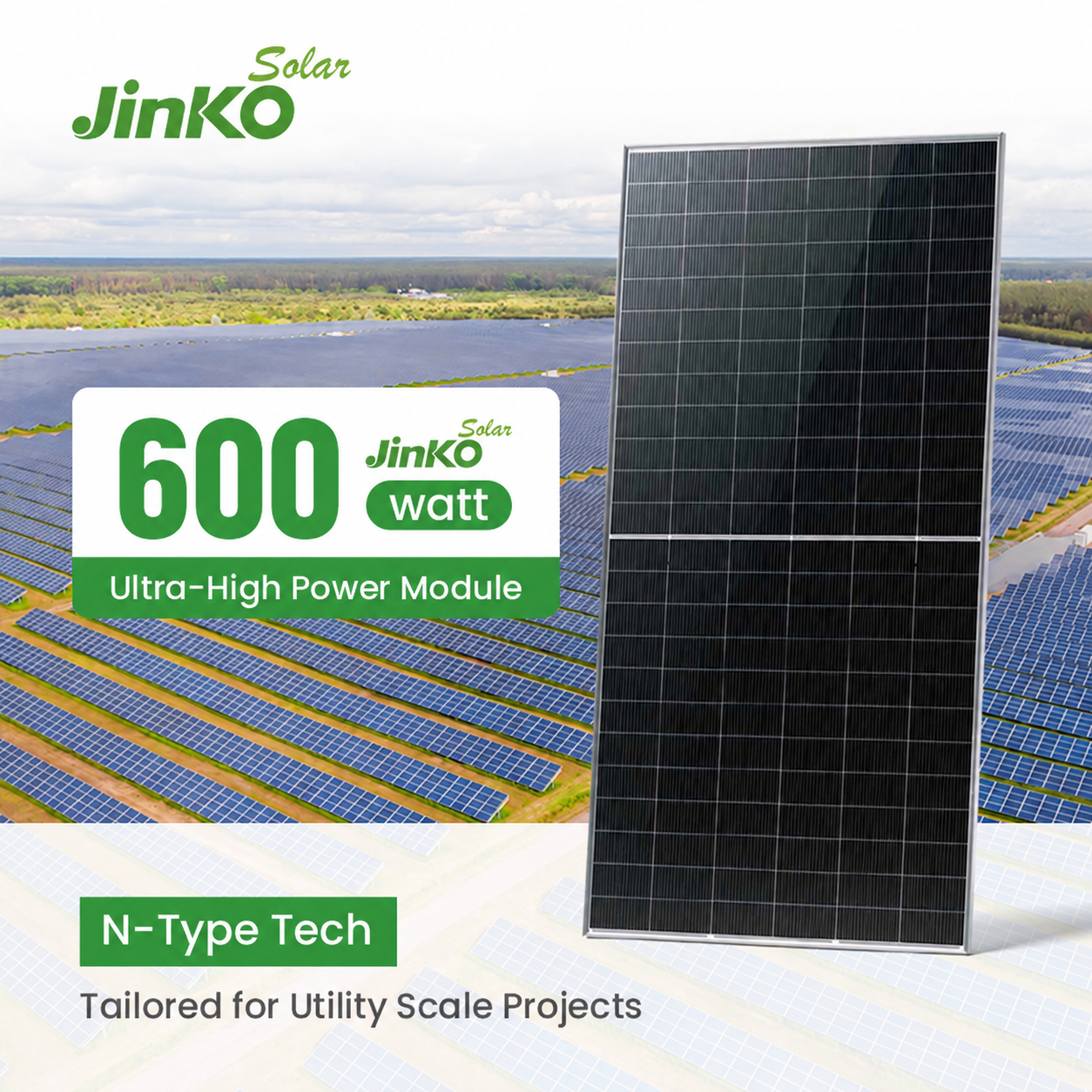
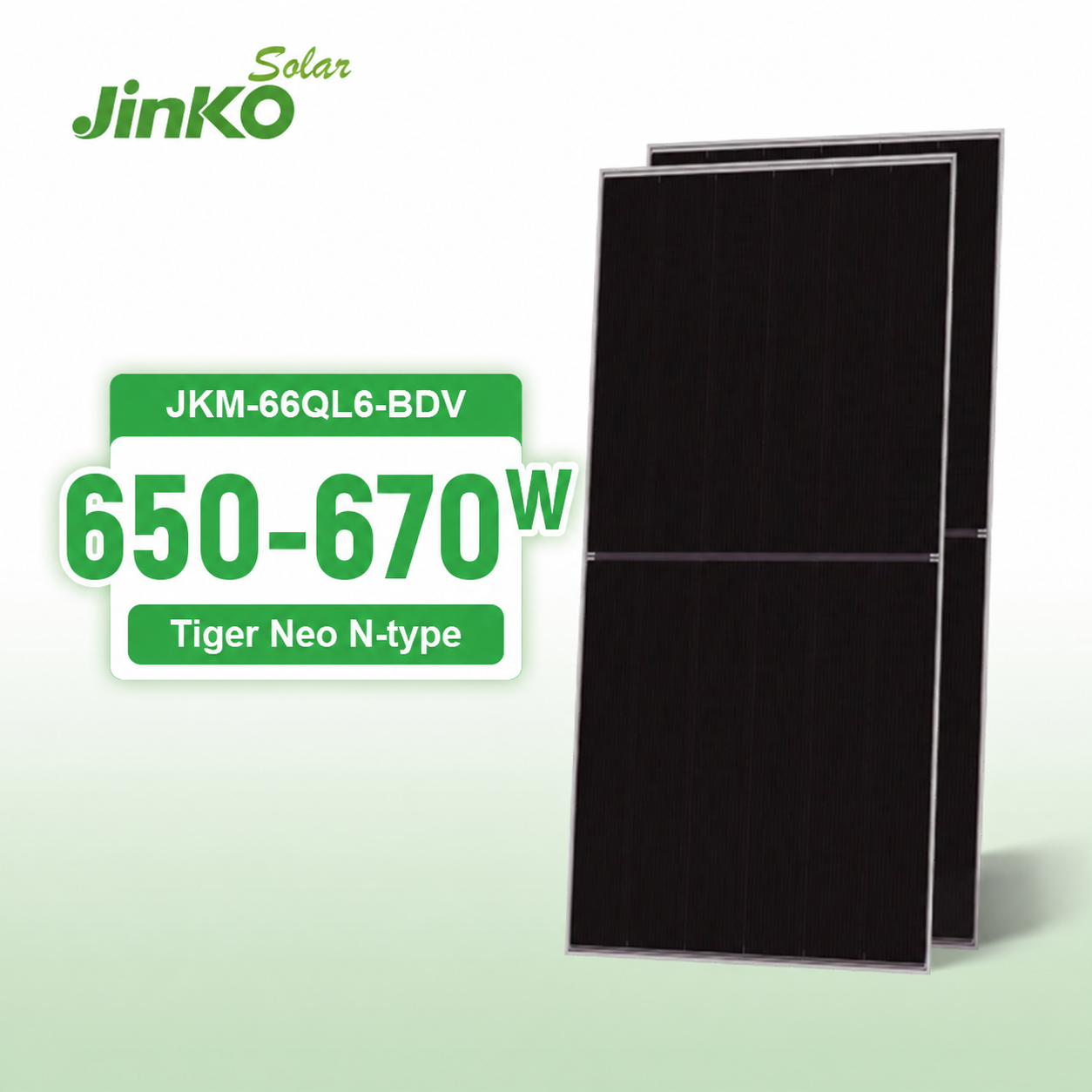
N-Type Bifacial
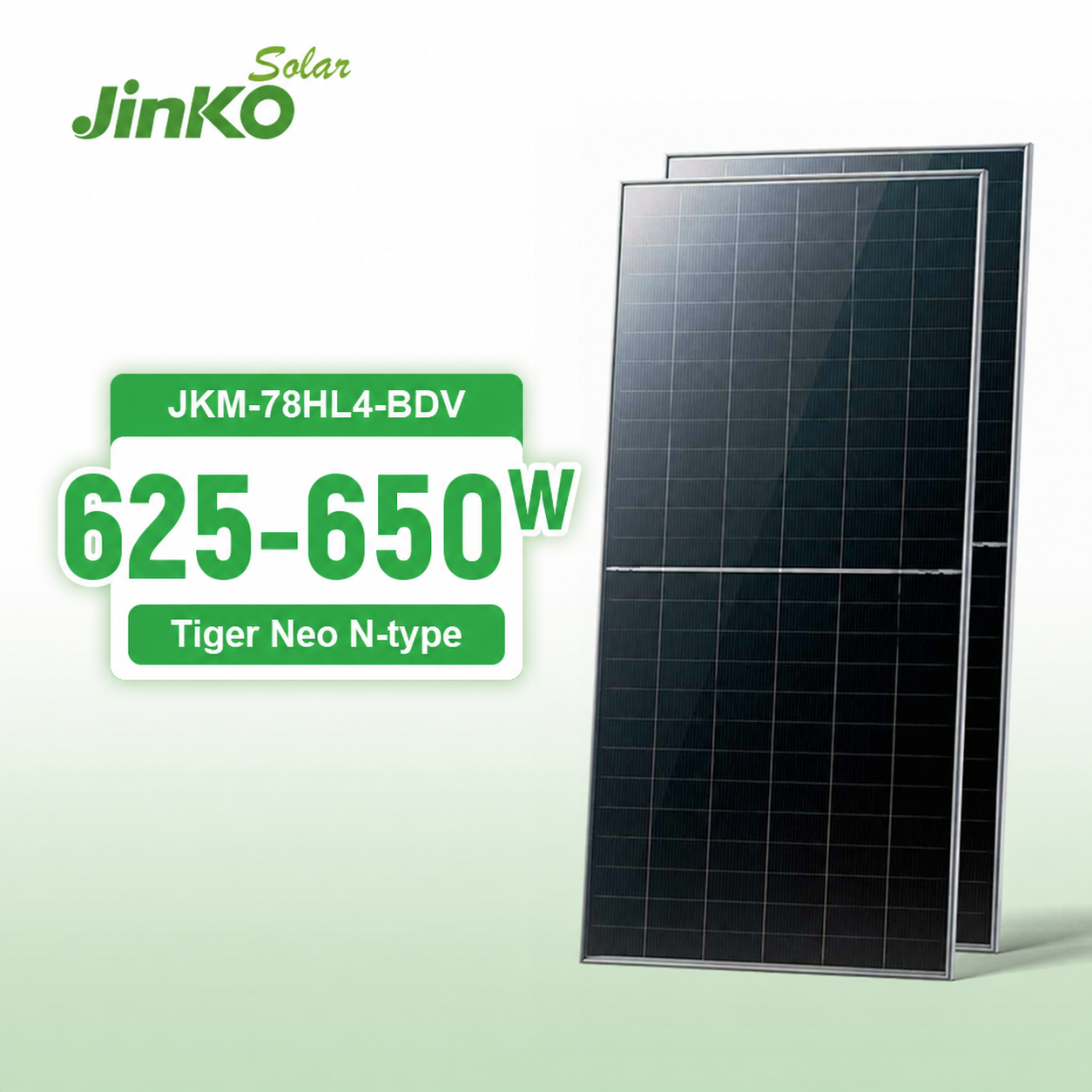
Pre-engineered solar generation units systematically matched with low-voltage and high-voltage wall-mounted lithium energy storage units for utility, residential, and commercial microgrids.
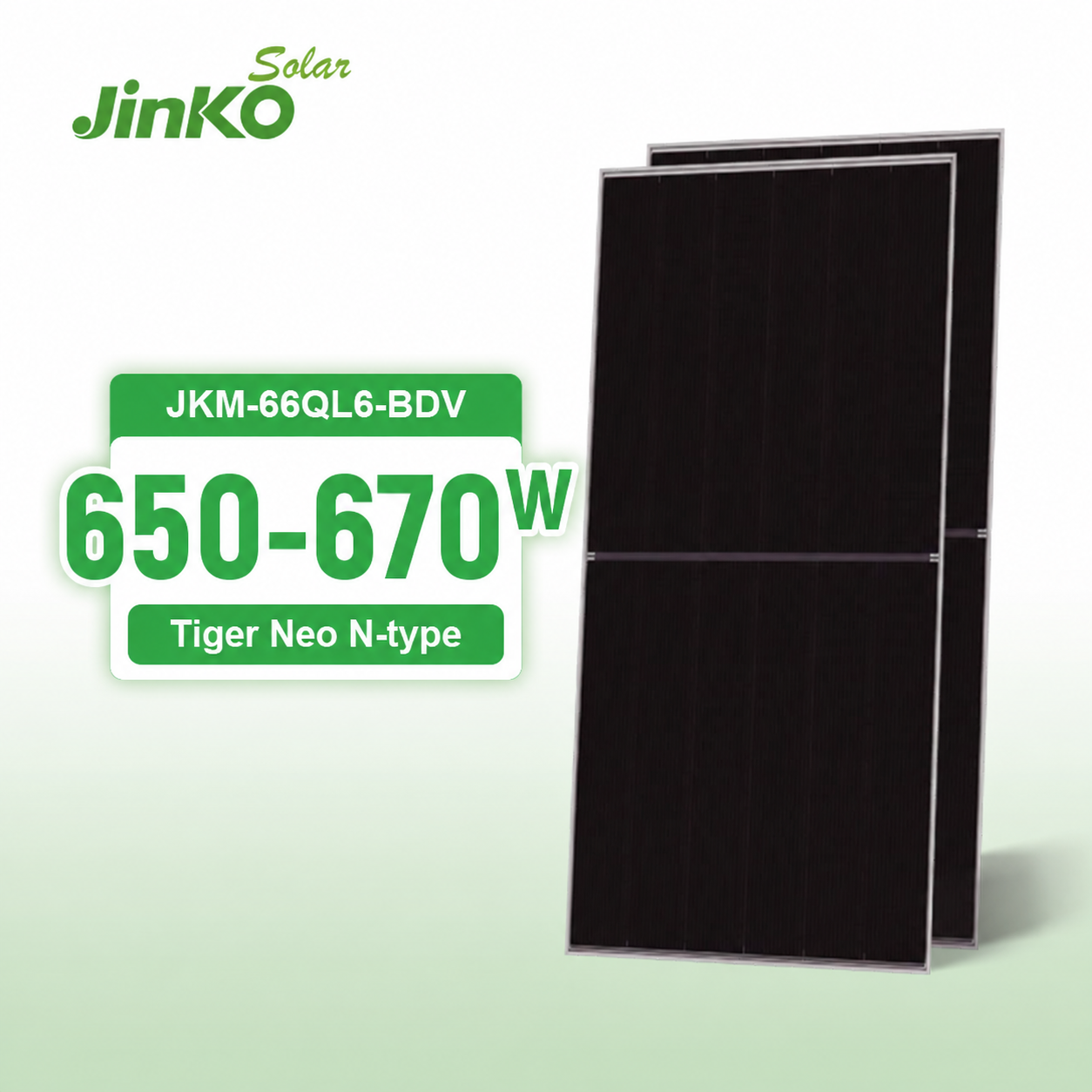
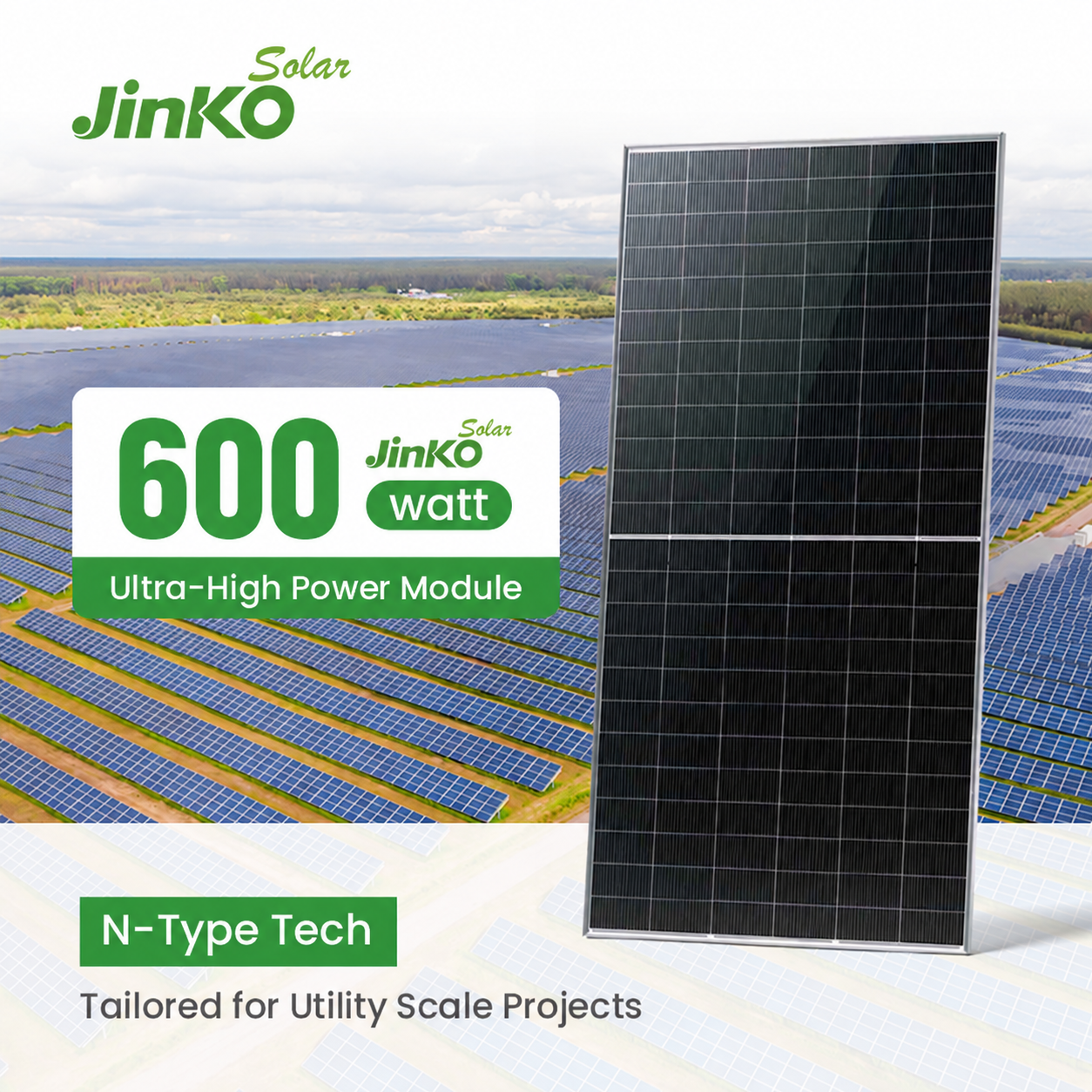
A deep exploration into Lithium Iron Phosphate (LiFePO4) cell topologies, integrated Battery Management Systems (BMS), thermal runway mitigation, and European regulatory harmonisation.
Wall-mounted energy storage systems (ESS) demand the highest energy density within stringent volumetric boundaries, alongside absolute functional safety in indoor living or garage environments. Certified Chinese export factories have transitioned almost exclusively from cylindrical formats to automotive-grade Grade-A Prismatic Lithium Iron Phosphate (LiFePO4) chemistry. Unlike ternary lithium (NMC/NCA), LiFePO4 displays an inherently robust olivine crystalline structure (PO4 tetrahedron) that remains thermally stable up to 480°C, drastically minimizing the probability of thermal runaway under mechanical puncture, overcharging, or short-circuit abuse.
From an electrochemical lifecycle perspective, prismatic LFP cells in certified residential wall packs achieve over 6,000 continuous full discharge-charge cycles at 80% Depth of Discharge (DoD) under nominal 25°C conditions, equating to a 15-year operational lifespan. Furthermore, modern wall units maintain internal cell compression frameworks that retard solid electrolyte interphase (SEI) layer delamination and volumetric swelling over years of deep cycling.
Aviation-grade aluminum casing combined with dedicated graphite thermal pads ensures uniform heat dissipation without the mechanical failure points or noise associated with active cooling fans.
Automotive-level master-slave digital architecture performing dynamic passive balancing, sub-millivolt individual cell monitoring, and real-time state of health (SoH) algorithmic calculation.
Redundant electrical safety integration comprising bi-directional pyro-fuses, programmable solid-state MOSFET contactors, and integrated aerosol-based fire suppression capsules inside the pack.
Affixing a valid CE Marking to a residential wall mounted battery is not merely an administrative declaration; it is a legally binding commitment to the European Union's New Legislative Framework. For battery exporters, compliance encompasses the Low Voltage Directive (LVD 2014/35/EU), Electromagnetic Compatibility Directive (EMC 2014/30/EU), and the EU Battery Regulation (Regulation EU 2023/1542).
Central to European customs clearance and local utility commissioning is adherence to IEC 62619:2022 (Secondary lithium cells and batteries for use in industrial and stationary applications). This standard validates extreme criteria: propagation tests verifying that a single cell forced into thermal runaway will not propagate cascade fires to adjacent cells; drop tests simulating installation hazards; and electronic control logic testing confirming failure safety under loss of sensor feedback.
| Compliance Standard | Testing Scope & Target Verification | Commercial / Customs Impact |
|---|---|---|
| EN IEC 61000-6-1 / 6-3 (EMC) | Immunity against high-frequency grid harmonics, ESD protection up to 8kV, and radiated emission caps. | Guarantees inverter and home electronic equipment co-exist without signal degradation or spurious trip-offs. |
| IEC 62619 / EN 62619 | Thermal runaway non-propagation, severe overcharge tolerance, external short-circuit endurance at 55°C. | Mandatory baseline for insurance approval and residential installation licensing across the EU, UK, and Australia. |
| UN 38.3 (Revision 7) | Altitude simulation, thermal shock cycling (-40°C to +72°C), vibration, 50G impact shock, external short circuit. | Prerequisite for International Maritime Organization (IMO) Class 9 Dangerous Goods maritime export booking. |
| CE LVD (EN 62477-1 / EN 62040-1) | Creepage distance, insulation resistance exceeding 100MΩ at 1000V DC, and mechanical touch-safe IP rating. | Ensures compliance with European Union product safety directives, avoiding immediate port detention or product recall. |
How international solar procurement managers, EPC distributors, and renewable asset developers are structuring supply contracts to navigate grid shifts, voltage changes, and digital tracking.
While low-voltage (48V / 51.2V) 100Ah-200Ah wall systems remain the gold standard for decentralized, retrofitted residential arrays due to intrinsic touch-safety and simpler DC cabling, procurement forecasts demonstrate a significant shift toward High Voltage (HV) modular architectures (200V - 600V DC). The engineering rationale stems directly from Ohm's Law (P = I²R). By stepping up nominal pack voltages to harmonize directly with hybrid inverter internal DC-link buses, current load decreases by four- to five-fold. This enables:
• Reduction of copper busbar and cable cross-section requirements from 50mm² down to 6mm² - dramatically cutting installation bill-of-materials (BOM).
• Enhanced round-trip energy conversion efficiency (RTE) from typical 92-94% up to 97.5%, mitigating round-trip inverter buck-boost switching thermal losses.
• Symmetrical high-speed EV charging and heat pump surge load response without triggering micro-overcurrent trip points.
Historically, the primary cause of after-sales RMA claims has been closed-loop communication mismatches between off-brand lithium batteries and tier-1 hybrid inverters (e.g., Deye, Growatt, Victron, GoodWe, Solis, SMA). Procurement leaders no longer tolerate locked, proprietary communication protocols. Leading Chinese export manufacturers now pre-load auto-detecting multi-protocol EEPROM microcontrollers within the wall unit BMS.
Through automatic pin-out handshaking or user-selectable DIP switches, the wall battery seamlessly alternates its CANbus and RS-485 packet structures between Pylontech, Deye, or SMA communication dialects in under 30 seconds, virtually eliminating job-site contractor configuration delays.
In adherence to the phased mandates of the European Union Battery Regulation, institutional purchasers are demanding traceable QR-linked Digital Battery Passports. Commencing in 2026/2027, every wall-mounted battery exported to the EU must display a verifiable digital ledger recording: raw material origin (ethical cobalt/lithium extraction proofs), recycled content percentages (minimum thresholds for nickel, cobalt, and lithium), and carbon intensity footprint (kg CO2-eq per kWh lifecycle). Factored procurement agreements executed today must incorporate certified supply-chain auditing directly at the cell-manufacturing tier.
Bridging the operational divide between tier-1 manufacturing hubs and international job sites through verified engineering checks, export logistics expertise, and end-to-end component matching.
Every single wall-mount battery and inverter batch undergoes actual CAN/RS485 closed-loop pairing on physical testing benches prior to pallet strapping, guaranteeing plug-and-play field commissioning.
We supply authenticated, lab-verified test reports including complete CE (LVD/EMC), IEC 62619, IEC 61215/61730, UN38.3, and sea-freight maritime MSDS packages under the importer's compliance requirements.
Specialized Class 9 hazardous cargo handling allows buyers to bundle high-efficiency solar modules, Deye hybrid inverters, and wall-mounted LFP batteries into consolidated, space-optimized 40HQ containers.
Our Hangzhou engineering center offers project-specific load sizing, array calculation, single-line diagrams (SLD), and remote fault telemetry diagnostic assistance for B2B engineering networks.
Clear, unhedged answers to technical, commercial, and shipping questions asked by distributors, EPC contractors, and procurement departments.
Whether you require full container consolidation of bifacial TOPCon modules, matched Deye hybrid inverters, or custom OEM-branded wall mounted LFP batteries with verified CE compliance, our engineers are ready to build your Bill of Materials.