Flagship High-Yield Photovoltaic Modules
Direct factory supply of high-efficiency monocrystalline, bifacial dual glass, and flexible-compatible N-type TOPCon solar modules. Rigorously tested for extreme environmental tolerance and high energy yields.
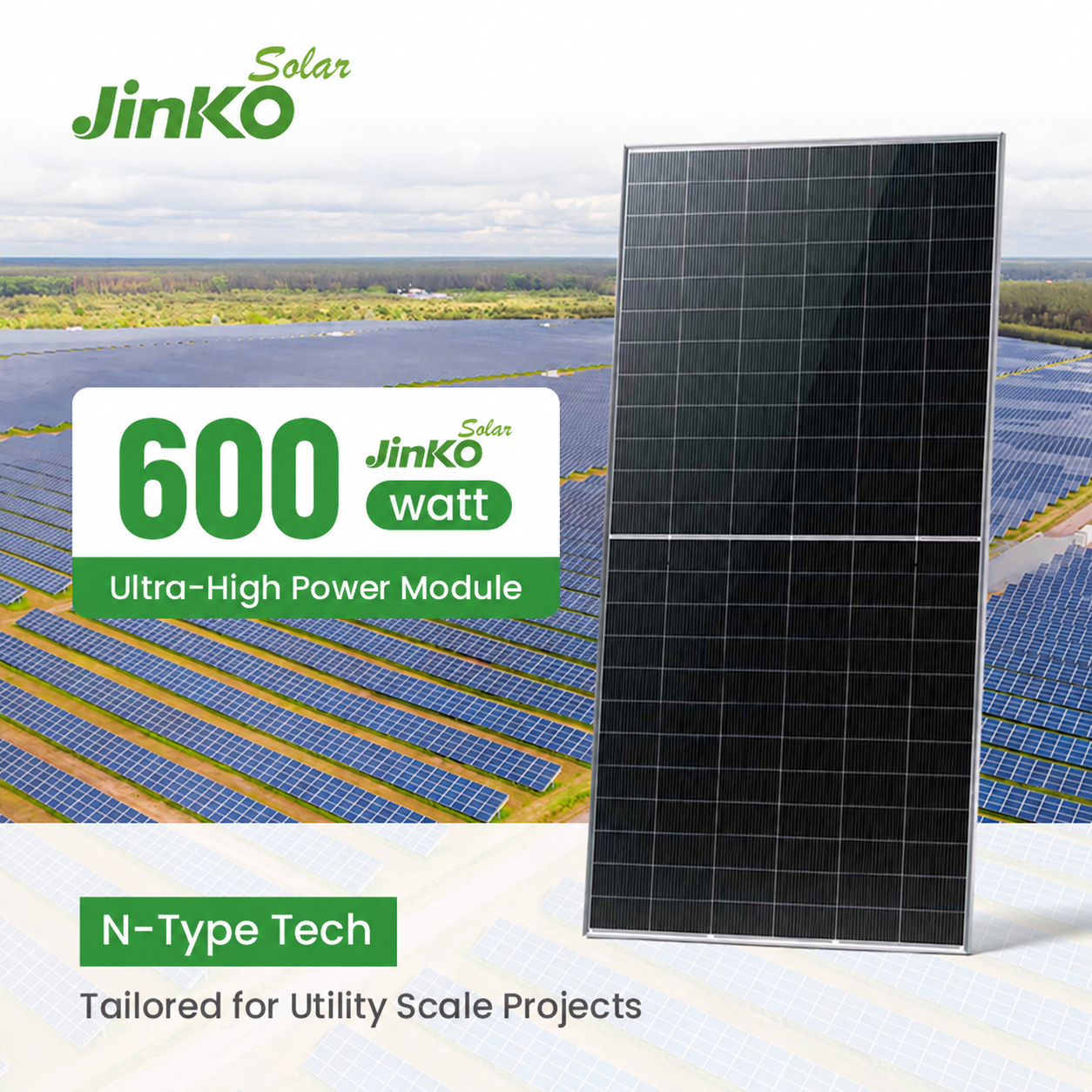
Jinko Pv Panels Wholesale 600w 580W 590W Bifacial Dual Glass Monocrystalline Solar Module
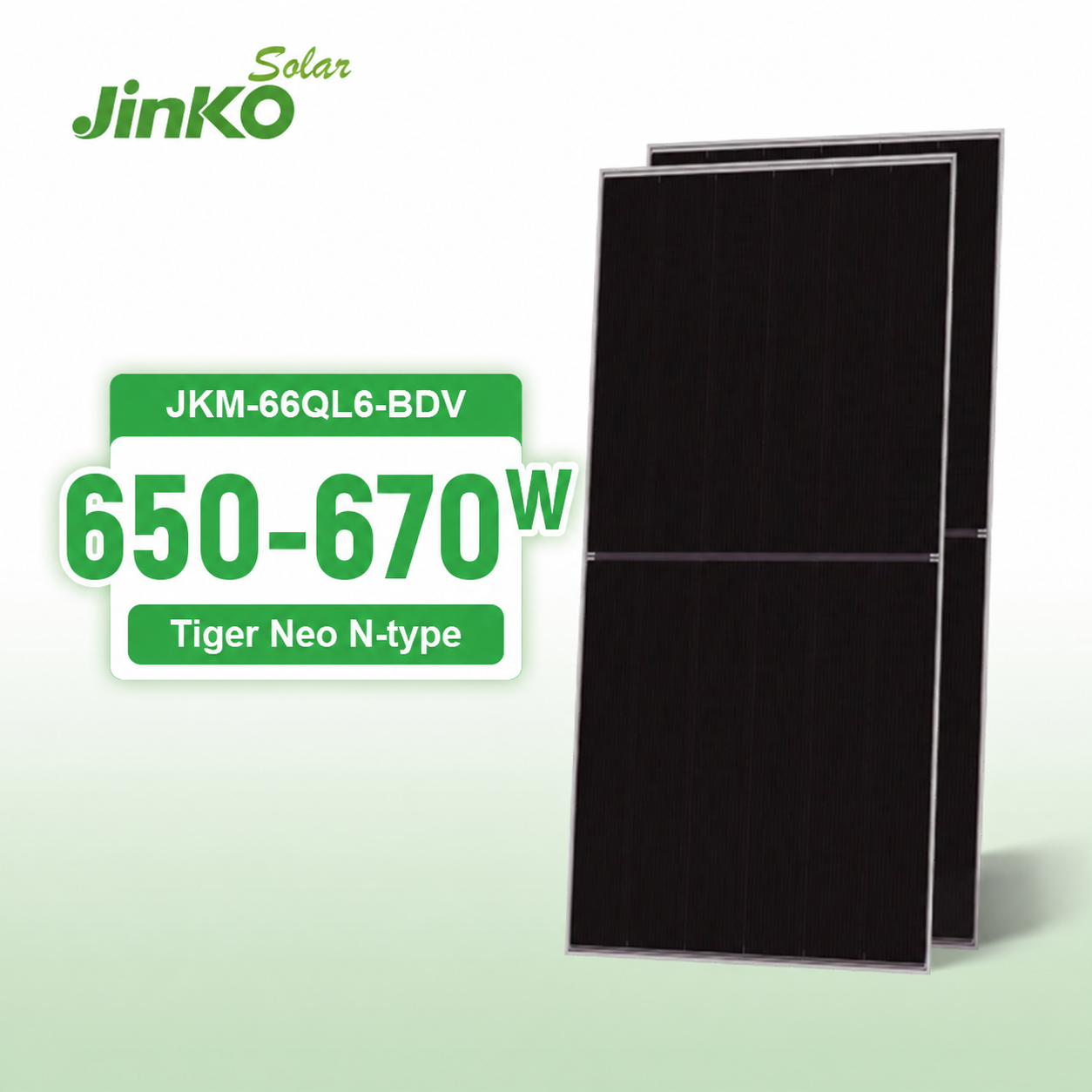
Jinko Wholesale Pv Modules 650W 660W 670W Bifacial Double Glass N Type Solar Panel for Farm
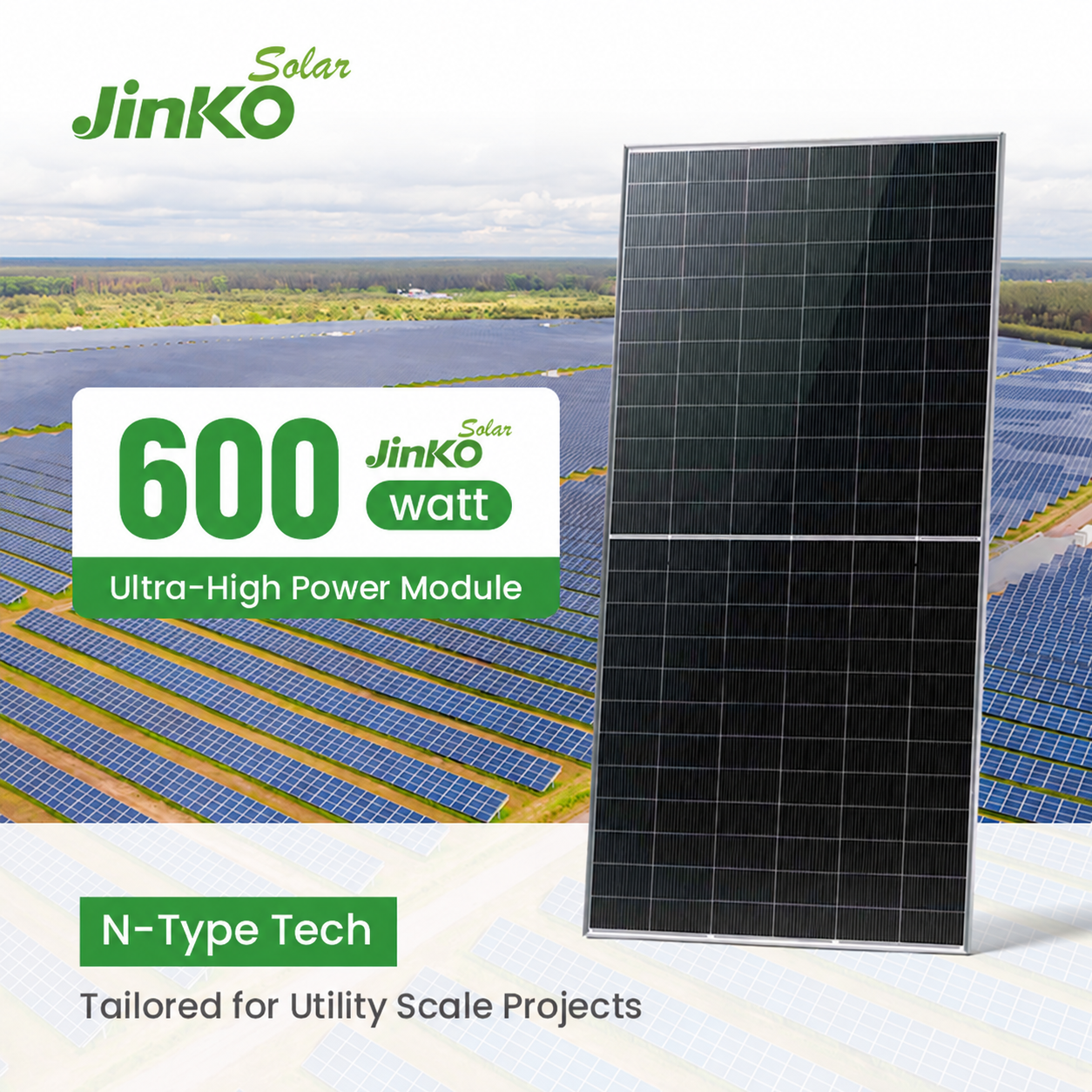
Jinko Solar Panels 580W 590W 600W 600 W N Type Double Glass High Efficiency Solar Panel for Commercial
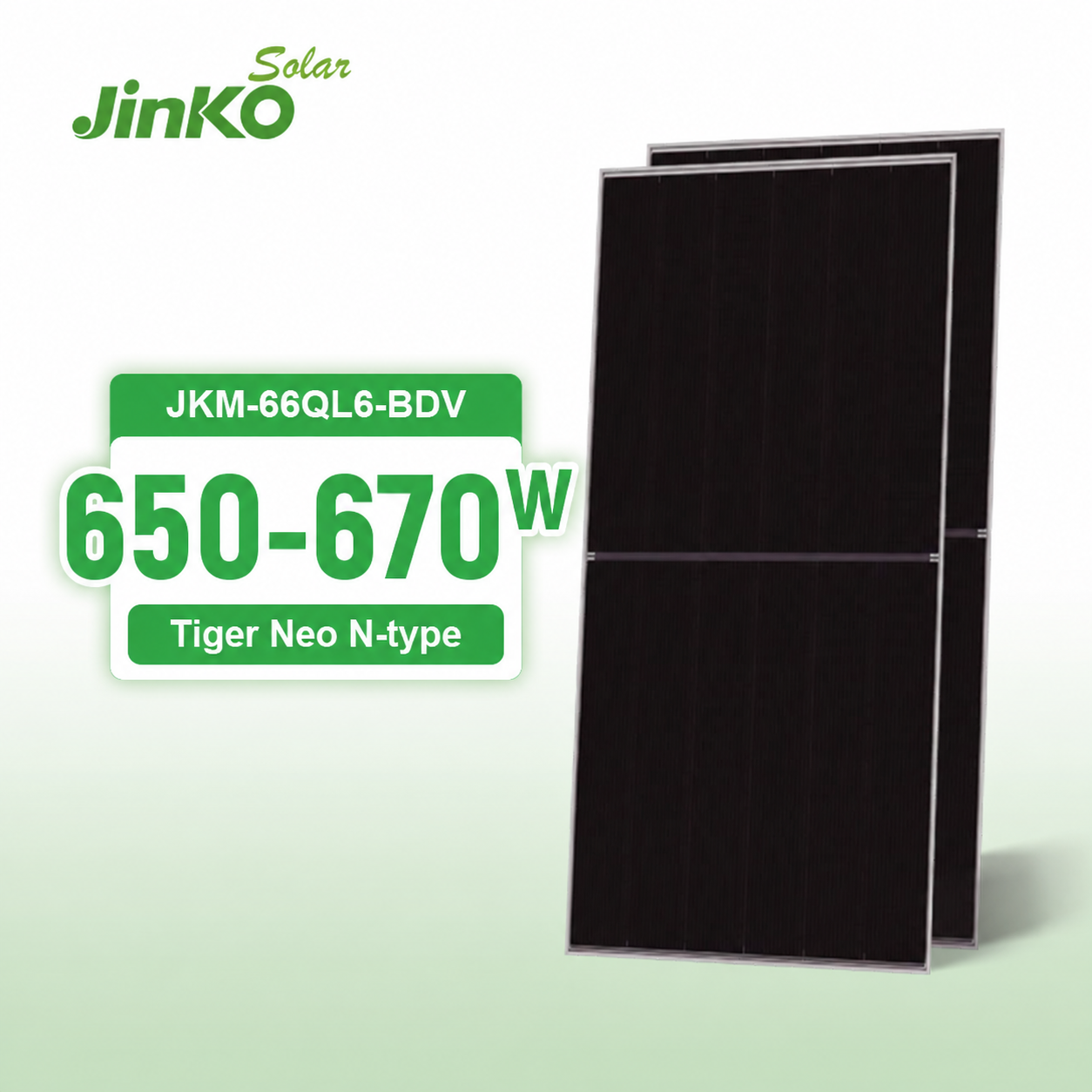
Jinko Bifacial Panneau Solaire 650 w 650W 660W 670W Dual Glass Monocrystalline Solar Module for Rooftop
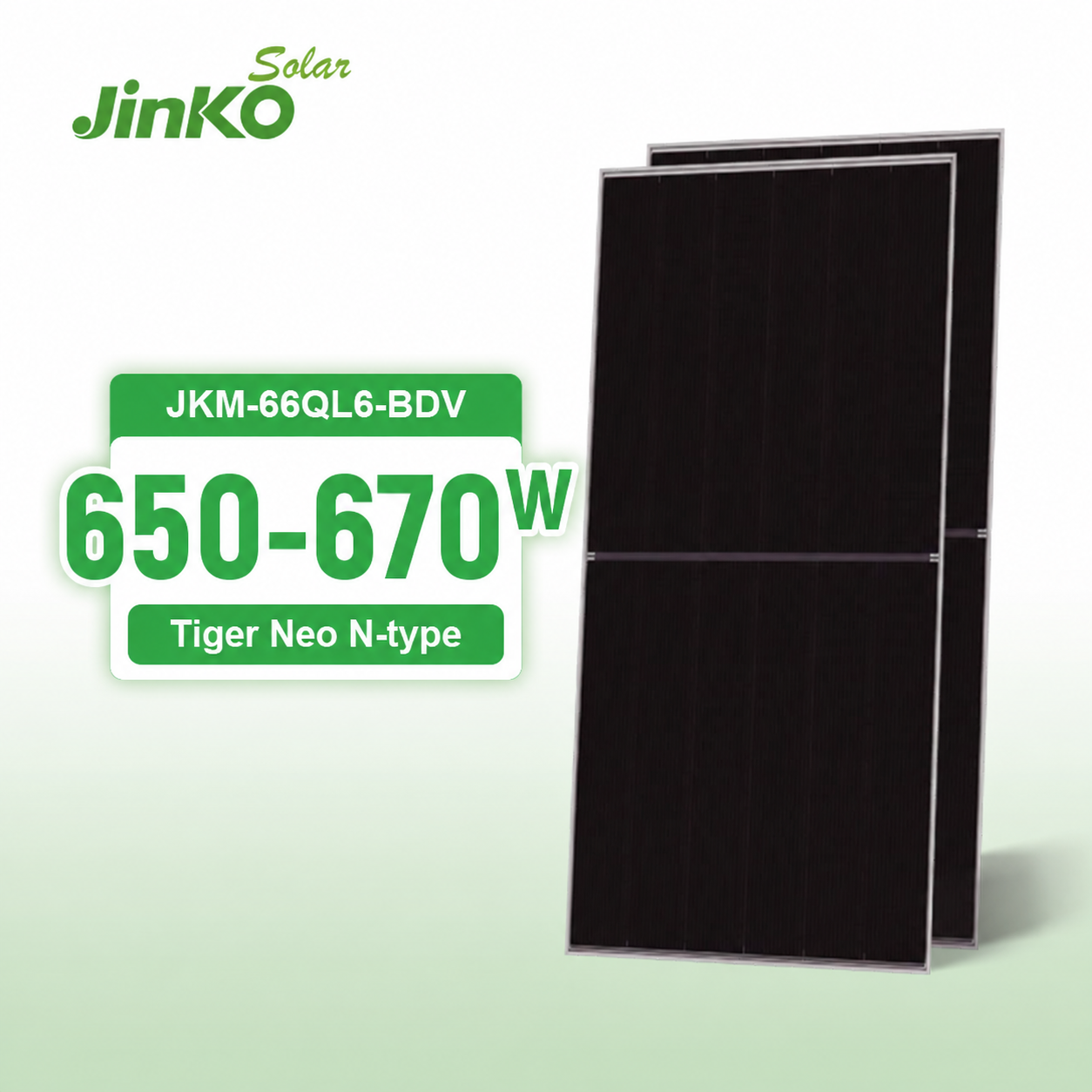
Jinko N Type Solar Panels Bifacial 650W 660W 670W TOPCon Double Glass High Efficiency Solar Module for House
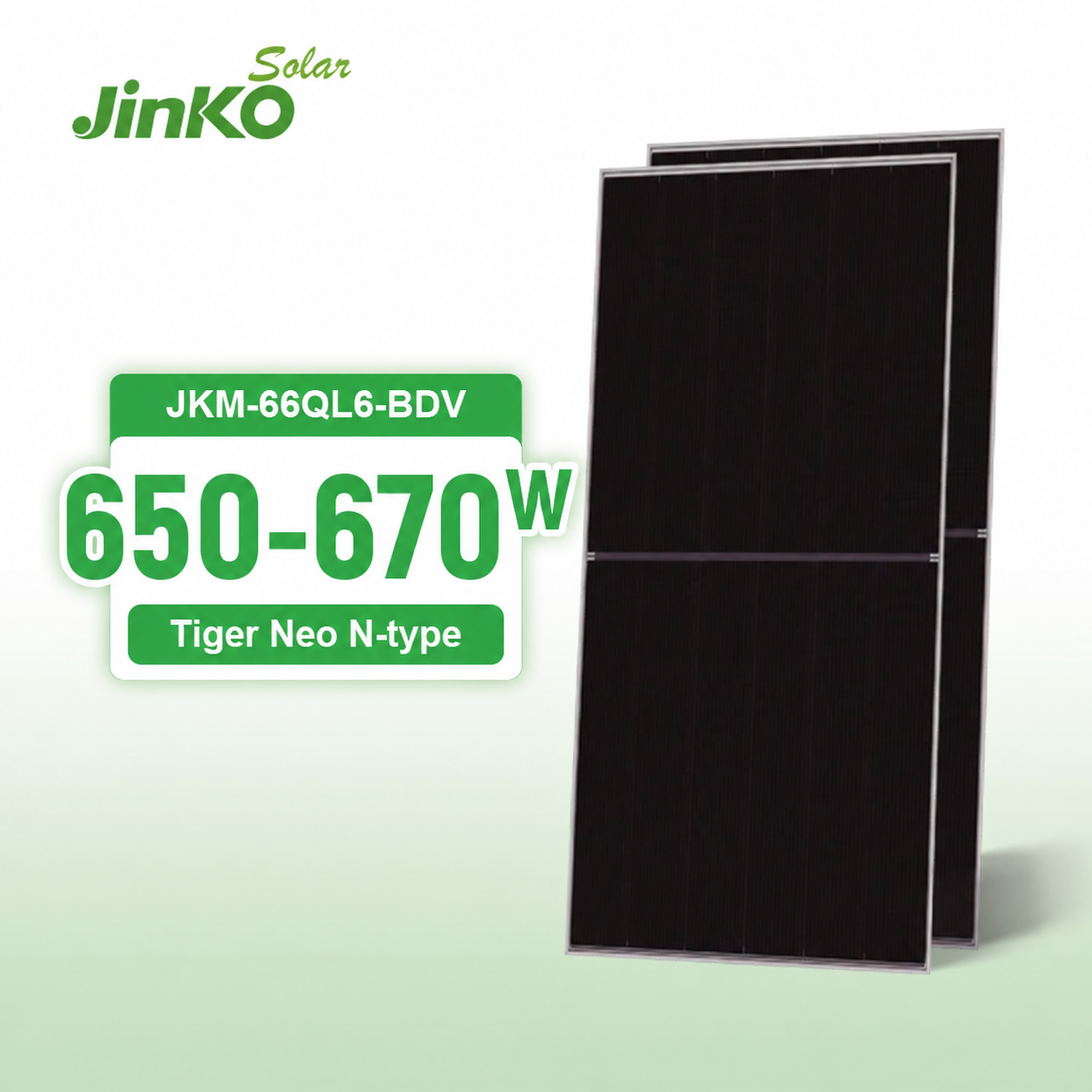
Jinko TOPCon Bifacial Paneles Solares 650 w 650W 660W 670W Monocrystalline High Efficiency PV Panel for Solar Farm
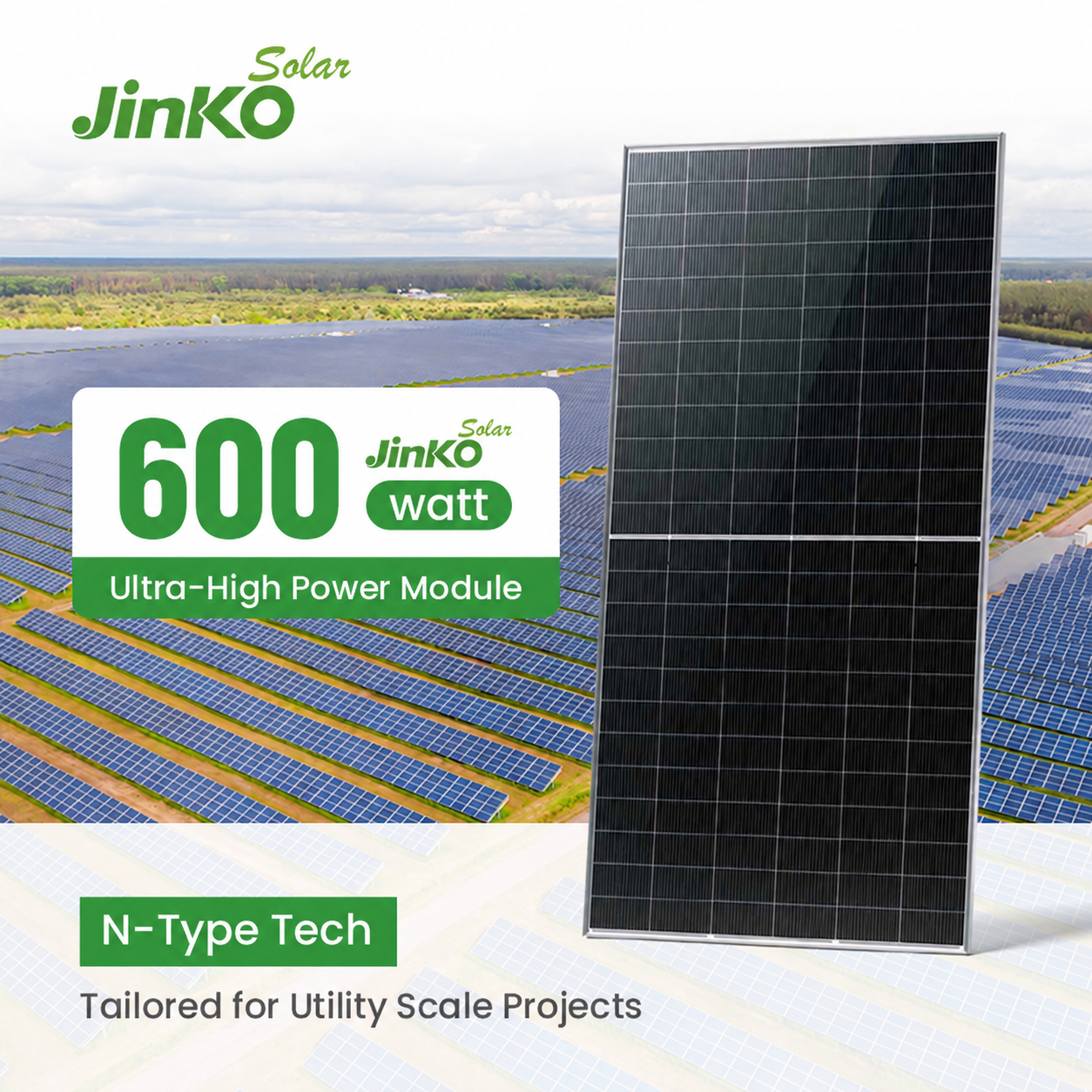
Jinko High Efficiency Bifacial 600W 585W 575W 595W Double Glass N Type Solar Panel in Stock
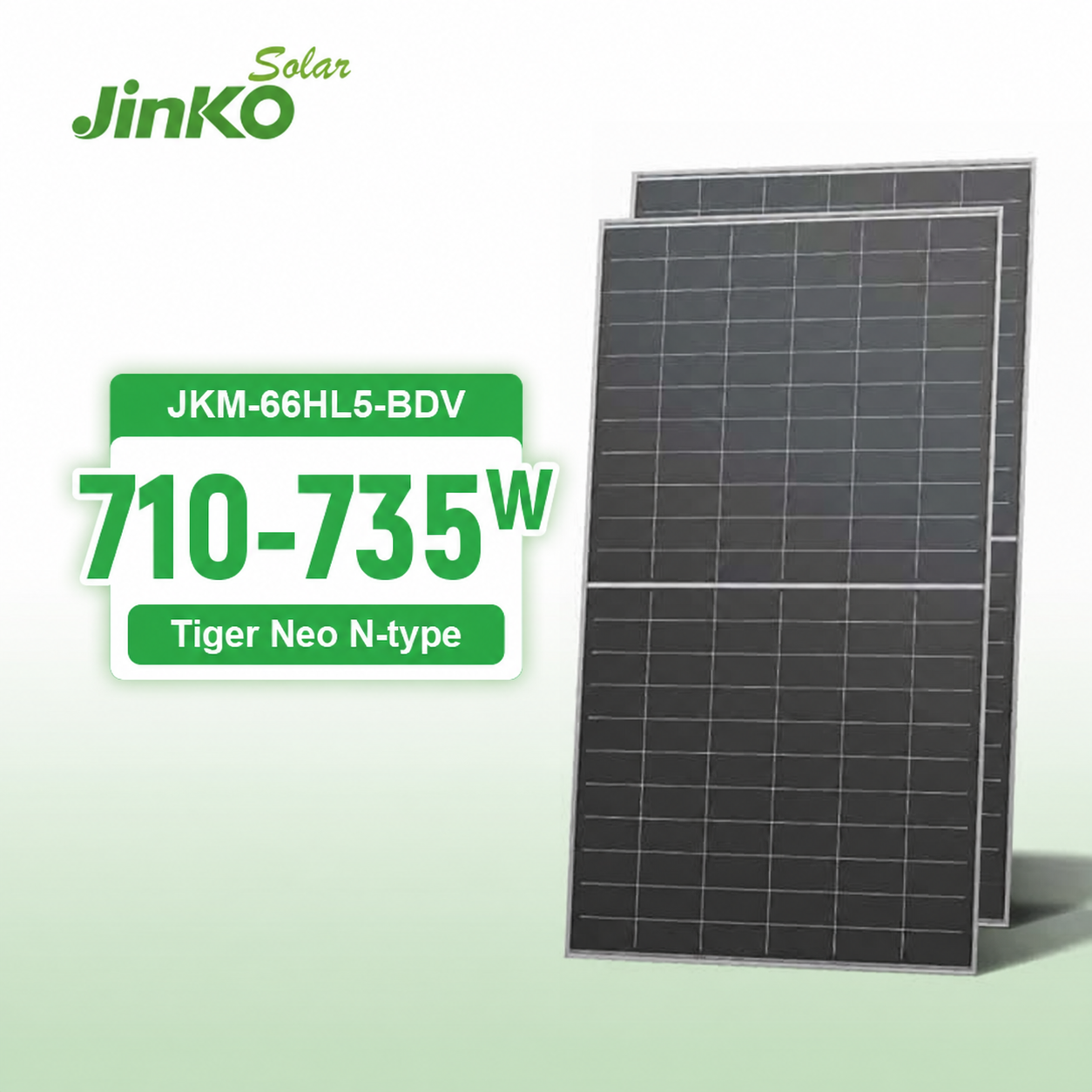
Jinko N Type Solar Panels 700W 710W 730W 725W Wholesale Price TOPCon Bifacial Photovoltaic Module for Commercial
Executive Engineering Whitepaper: The Evolution of China's Flexible & Lightweight Solar Export Industry
The global energy landscape is experiencing an accelerated technological migration toward distributed photovoltaic architecture. In this paradigm, conventional rigid solar panels—encased in heavy tempered float glass and extruded aluminum frames weighing anywhere from 20 to 32 kilograms per module—are frequently constrained by structural load restrictions. Aging industrial warehouses, metal standing-seam roofs with low structural reserve margins (often under 10–15 kg/m²), curved building-integrated photovoltaic (BIPV) facades, refrigerated transport vehicles, marine yachts, and mobile off-grid habitats cannot support traditional dual-glass assemblies without exorbitant substructure reinforcement costs.
As the world's preeminent manufacturing epicenter for photovoltaic technology, China's flexible solar panel manufacturers and Tier-1 module exporters have fundamentally re-engineered crystalline silicon encapsulation. By replacing heavy tempered glass with multi-layer fluoropolymer films (such as ultraviolet-stabilized ETFE) and high-modulus organic composite backsheets, Chinese manufacturing clusters have created ultra-lightweight, semi-flexible solar panels weighing merely 2.8 to 4.2 kilograms per square meter—representing an unprecedented 70% to 80% reduction in dead load.
"Procuring flexible and lightweight photovoltaic modules is not merely an exercise in substituting bill-of-materials; it requires deep physical coordination between polymer thermal expansion, cell micro-crack resilience under cyclic wind loading, and electrical compatibility with modern maximum power point tracking (MPPT) hybrid inverters."
Cell Topologies in Next-Generation Flexible PV: From PERC to N-Type TOPCon and HJT
Historically, early generations of flexible solar panels utilized standard p-type PERC monocrystalline cells or thin-film amorphous silicon. These architectures presented engineering compromises: amorphous silicon suffered from inferior stabilized solar-to-electric conversion efficiency (typically 8% to 12%), while standard p-type silicon wafers cracked under moderate curvature radii due to internal mechanical stress and brittle busbar soldering.
Modern Chinese tier-1 engineering integrates ultra-thin, high-efficiency N-type Tunnel Oxide Passivated Contact (TOPCon) and Heterojunction with Intrinsic Thin-layer (HJT) silicon wafers. Because N-type wafers possess zero light-induced degradation (LID) and an exceptionally favorable temperature coefficient (as low as -0.29%/°C to -0.30%/°C), they maintain sustained energy yields in tropical and high-insolation rooftop environments. Furthermore, state-of-the-art flexible module production incorporates shingled cell arrangements and Multi-Busbar (MBB) / Super Multi-Busbar (SMBB) micro-ribbon matrices. By reducing individual cell dimensions into micro-strips connected via conductive adhesive (ECA) rather than conventional high-temperature copper soldering, the localized mechanical tensile strain is mitigated, enabling bending radii down to R = 0.3m to 0.5m without inducing silicon fracture or cell insulation breakdown.
Comparative Performance Matrix: Rigid Glass vs. ETFE Lightweight Flexible Modules
When engineering distributed commercial or mobile arrays, procurement directors must weigh structural trade-offs against long-term levelized cost of energy (LCOE). The following matrix delineates operational parameters between standard dual-glass modules and advanced ETFE-encapsulated flexible solar modules engineered in China:
| Engineering Metric | Standard Dual-Glass Rigid Module | Advanced China Flexible ETFE Module | Procurement Impact |
|---|---|---|---|
| Module Weight (kg/m²) | 12.0 – 15.5 kg/m² | 2.8 – 4.2 kg/m² | Eliminates Roof Reinforcement |
| Encapsulation Front Sheet | 2.0mm / 3.2mm Tempered Glass | Multi-layer Optical ETFE Polymer | Impact Resistant & Shatterproof |
| Bending Radius Capability | 0 mm (Rigid, Non-yielding) | 300 mm – 500 mm (Curved Surface) | Direct Curved / BIPV Adhesion |
| Mounting Hardware Requirement | Heavy Al Railing, Clamps, Ballasts | Structural Adhesive, Direct Bonding, Eyelets | -50% BOS Balance of System Costs |
| Cell Interconnect Topology | Round Copper Ribbon (16BB) | Shingled ECA or Micro-Wire Mesh | Suppresses Micro-Crack Hotspots |
| Aerodynamic Wind Load Profile | High drag; Requires wind deflectors | Flush surface; Low turbulence profile | Ideal for Transport, RV & Marine |
| Fire Resistance Certification | Class A (UL 790 / IEC 61730) | Class B / Flame-retardant POE/Backsheet | Requires verified CE/IEC test protocols |
Critical Procurement Trends Reshaping the Flexible Solar Supply Chain
Procuring commercial solar components from Chinese manufacturers involves a far more rigorous approach than simple price-per-watt comparisons. Over the past twenty-four months, structural changes across international energy regulations, maritime shipping compliances, and system-level BOS requirements have driven three defining trends:
1. The Transition from PET/TPE to Long-Life ETFE & POE Encapsulation
In the entry-level consumer segment, low-cost flexible panels often employ PET (Polyethylene Terephthalate) front sheets. In outdoor utility or commercial environments, PET degrades rapidly under solar ultraviolet radiation, developing delamination, browning, micro-fissures, and catastrophic moisture ingress within 24 to 36 months. Enterprise B2B buyers now mandate Ethylene Tetrafluoroethylene (ETFE) fluoropolymer encapsulation. High-grade ETFE exhibits near-total UV transparency (over 95% transmission), self-cleaning non-stick surface properties (preventing particulate and soot accumulation), and chemical resistance to industrial airborne salts and ammonia. When paired with cross-linked Polyolefin Elastomer (POE) rather than standard EVA, the water vapor transmission rate (WVTR) drops by nearly an order of magnitude, drastically mitigating potential-induced degradation (PID).
2. Full Turnkey Compatibility with Hybrid Storage & Inverter Infrastructure
A frequent pain point for EPC contractors importing solar panels into European, Latin American, or African jurisdictions is electrical impedance mismatching at the inverter input. Flexible and ultra-high-power modules operate with specific current-voltage profiles: modules exceeding 600W to 700W present open-circuit voltages (Voc) around 40V to 52V and maximum power currents (Imp) reaching 13A to 18A. If paired with legacy string inverters limited to 11A or 12A DC inputs, the system suffers severe clipping losses.
Leading Chinese exporters have evolved from standalone panel fabricators into comprehensive system integrators. As exemplified by Hangzhou VOLT New Energy, tier-one supply agreements incorporate pre-tested electrical synchronization between high-yield modules, deep-cycle GEL / LFP lithium energy storage systems, and advanced hybrid inverters (such as Deye single-phase and three-phase platforms). Protocol alignment—including CAN and RS485 communication testing, maximum power point tracking (MPPT) voltage window matching, and pre-configured battery charge curves—ensures plug-and-play installation without field failure.
3. Direct Factory Audits, Supply Chain Traceability, and Dangerous Goods Shipping
With stringent customs regulations such as the European Union's Carbon Border Adjustment Mechanism (CBAM) and US supply chain transparency directives, international buyers require verifiable factory testing certificates, raw material origin tracking (from quartz to ingot, wafer, cell, and finished module), and strict adherence to dangerous goods packaging. While standard solar panels ship under non-hazardous freight classifications, turnkey solar-plus-storage orders containing LFP batteries require Class 9 DG packaging, certified UN38.3 vibration/shock testing, and manufacturer-endorsed Material Safety Data Sheets (MSDS). Having an established integration partner in Hangzhou, Zhejiang simplifies export documentation and consolidation into cohesive 20-foot and 40-foot HQ container freight.
Technological Frontiers in Flexible Photovoltaics
Key scientific and structural breakthroughs defining next-generation flexible and lightweight crystalline solar modules over the 2025-2030 horizon.
Heterojunction (HJT) Thin-Wafer Thinned Silicon
By thinning monocrystalline silicon wafers down to 90–110 microns and applying amorphous silicon passivation layers on both sides, HJT delivers intrinsic flexibility while breaking 24.5% cell efficiency thresholds. Symmetrical cell structures drastically reduce thermal bow stress during dynamic diurnal cycling.
Conductive Backsheet Interconnects (MWT / BC)
Metal Wrap Through (MWT) and Back-Contact (BC) architectures eliminate busbars and solder pads from the module's sun-facing surface entirely. All electrical interconnections occur via a rear multi-layer conductive foil, reducing front shading losses while neutralizing cell fracture risks induced by localized thermal soldering stresses.
Aero-Dynamic Polymer Structural Glazing (BAPV/BIPV)
Integration of direct architectural adhesives (high-modulus structural silicones and modified silane polymers) allows frameless flexible panels to bond directly to corrugated zinc-aluminum roofing without mechanical penetration. This eliminates roof perforation leaks and withstands wind uplift forces up to 2400 Pascals.
Why Engineering Buyers Partner with VOLT New Energy
Hangzhou VOLT New Energy Technology Co., Ltd. resolves the three most pervasive risks in international solar procurement: component electrical incompatibility, logistical damage, and fragmented after-sales support.

Verified Pre-Shipment Protocols
Every batch of solar panels, Deye inverters, and LFP storage batteries undergoes closed-loop testing. We confirm matching BMS communication protocols (CAN / RS485), cable pinouts, and MPPT operating windows prior to factory release.

Stringent QA & EL Flash Inspection
We deploy electroluminescence (EL) crack detection and flash testing across 100% of panels to guarantee zero hidden micro-fractures, zero dead-cell strings, and guaranteed positive power output tolerance (0 ~ +3%).

Turnkey Container Logistics
We consolidate modules, mounting brackets, hybrid inverters, balance-of-system cabling, and Class 9 DG dangerous-goods battery packs into single 20'GP or 40'HQ containers, eliminating multi-vendor handling fees.

Full Engineering System Sizing
Our bilingual technical engineering desk provides electrical single-line diagrams (SLD), array sizing calculations, ballast-free adhesion plans, and 24-hour turnaround on warranty resolution across four continents.
Frequently Asked Questions by B2B Importers
Direct technical answers addressing mechanical limits, installation thermodynamics, electrical balance-of-system matching, and containerized transport.
What is the maximum permissible bending radius for flexible crystalline solar panels without voiding warranty?
For standard high-efficiency monocrystalline flexible modules utilizing 182mm (M10) or 210mm (G12) half-cut wafers, the certified minimum bending radius typically ranges between 0.30 meters (300 mm) to 0.50 meters (500 mm), corresponding to an arc curvature angle of roughly 30 degrees. Exceeding this curvature limit induces localized tensile stress in the crystalline silicon matrix, causing micro-fracturing along the cell edges and busbar solder joints.
Always inspect the manufacturer’s structural engineering tolerance certificate. Panels utilizing multi-wire shingled topologies with electrically conductive adhesive (ECA) can tolerate higher dynamic deflection than conventional ribbon-soldered assemblies.
How do ETFE and PET encapsulation materials differ in long-term outdoor degradation?
PET (Polyethylene Terephthalate) is an organic polymer susceptible to ultraviolet photon chain scission. In high solar insolation regions (over 1,600 kWh/m²/year), PET yellowing and delamination typically commence within 24 to 36 months, reducing optical transmission and triggering moisture-induced corrosion of cell silver metallization.
ETFE (Ethylene Tetrafluoroethylene) is a high-grade fluoropolymer featuring an inert molecular structure. It provides over 95% light transmission, exhibits no UV discoloration over a 15-to-25-year lifespan, resists chemical corrosion from industrial sulfur and marine salt spray (IEC 61701 compliant), and possesses natural self-cleaning properties that reduce soiling derating by up to 12%.
How is heat dissipation handled when flexible solar panels are bonded directly to roofs without an air gap?
Direct adhesive mounting on low-slope corrugated metal roofs eliminates the 50–100mm convective cooling air gap inherent to rigid racking. In peak summer conditions, module operating temperatures can reach 65°C to 75°C. To mitigate thermal yield suppression, enterprise buyers should specify N-type TOPCon or HJT cells, which feature ultra-low temperature coefficients of Pmax (-0.29% to -0.30%/°C), compared to legacy p-type PERC (-0.35% to -0.38%/°C).
Additionally, applying thermally conductive structural adhesives (such as modified polyurethane with high thermal dissipation ratings) helps conduct heat away from the cell backsheet into the metal roof substructure.
What mounting method is recommended for flexible modules on commercial low-load roofs: adhesive or mechanical grommets?
For stationary commercial and industrial (C&I) roofs, full-surface structural adhesive tape (such as high-bond acrylic foam tapes or silane-modified polymers) is strictly recommended. Structural adhesive bonding distributes wind uplift loads evenly across the entire surface area, eliminating point-load stresses and preventing flutter that can lead to micro-cracking.
Stainless steel eyelets or grommets are intended solely for temporary, mobile, or marine applications (canvas bimini tops, RV roofs, expedition vehicles). Using grommets on large stationary installations allows wind to catch underneath the panel, inducing flutter and potential fatigue failure at fixing points under storm conditions.
How are high-wattage panels (580W - 730W) matched with hybrid storage inverters?
Modern ultra-high-power modules (such as our Jinko 650W to 730W N-Type series) deliver short-circuit currents (Isc) between 16A and 18.5A. When pairing these modules with hybrid inverters (e.g., Deye 8kW/10kW/12kW low-voltage or high-voltage three-phase models), ensure the inverter's MPPT input channel supports maximum continuous input currents of at least 20A to 26A.
Hangzhou VOLT New Energy's engineering department performs comprehensive PVsyst string calculations for every buyer, verifying that open-circuit string voltage at extreme local low temperatures (Voc at -10°C) never exceeds the inverter’s maximum DC bus limit (typically 800V or 1000V DC).
What international test certificates are required to clear European and North American customs?
For European Union ports, PV modules must possess valid CE declarations conforming to the Low Voltage Directive (LVD 2014/35/EU) and Electromagnetic Compatibility Directive (EMC 2014/30/EU), supported by third-party test reports from accredited bodies (TÜV Rheinland, TÜV SÜD, or SGS) in accordance with IEC 61215:2021 (design qualification) and IEC 61730:2023 (safety qualification).
When shipping turnkey systems containing lithium iron phosphate (LiFePO4) battery packs, the carrier and port authority require UN38.3 test summaries, Material Safety Data Sheets (MSDS), and Dangerous Goods (DG) packaging declarations for IMO Class 9 maritime transport. VOLT provides all pre-cleared documentation sets with every bill of lading.
What is the standard container loading density and packaging safety protocol for export?
Rigid dual-glass panels are packed vertically in heavy-duty composite corrugated cartons on solid fumigated wooden pallets (ISPM-15 compliant), typically with 31 or 36 panels per pallet, securing 620 to 720 panels per 40-foot HQ container with internal strapping, corner angle protectors, and desiccant packs to prevent transit micro-cracking.
Flexible ETFE modules feature significantly higher volumetric packing density: because they lack heavy aluminum frames, up to 1,800 to 2,400 flexible modules can be packed per 40'HQ container. This dramatic volume efficiency reduces sea-freight shipping costs per watt by as much as 60% to 75% compared to traditional rigid modules.
Ready to Engineer Your High-Yield Solar Project?
Consult with Hangzhou VOLT New Energy’s engineering team. Whether you require lightweight flexible ETFE arrays for specialized roof loads or megawatt-scale N-type TOPCon dual-glass shipments, our specialists deliver verified electrical compatibility, full compliance documentation, and rapid port dispatch within 24 hours.
Inquire Now