Flagship Generation & ESS Building Blocks in Stock
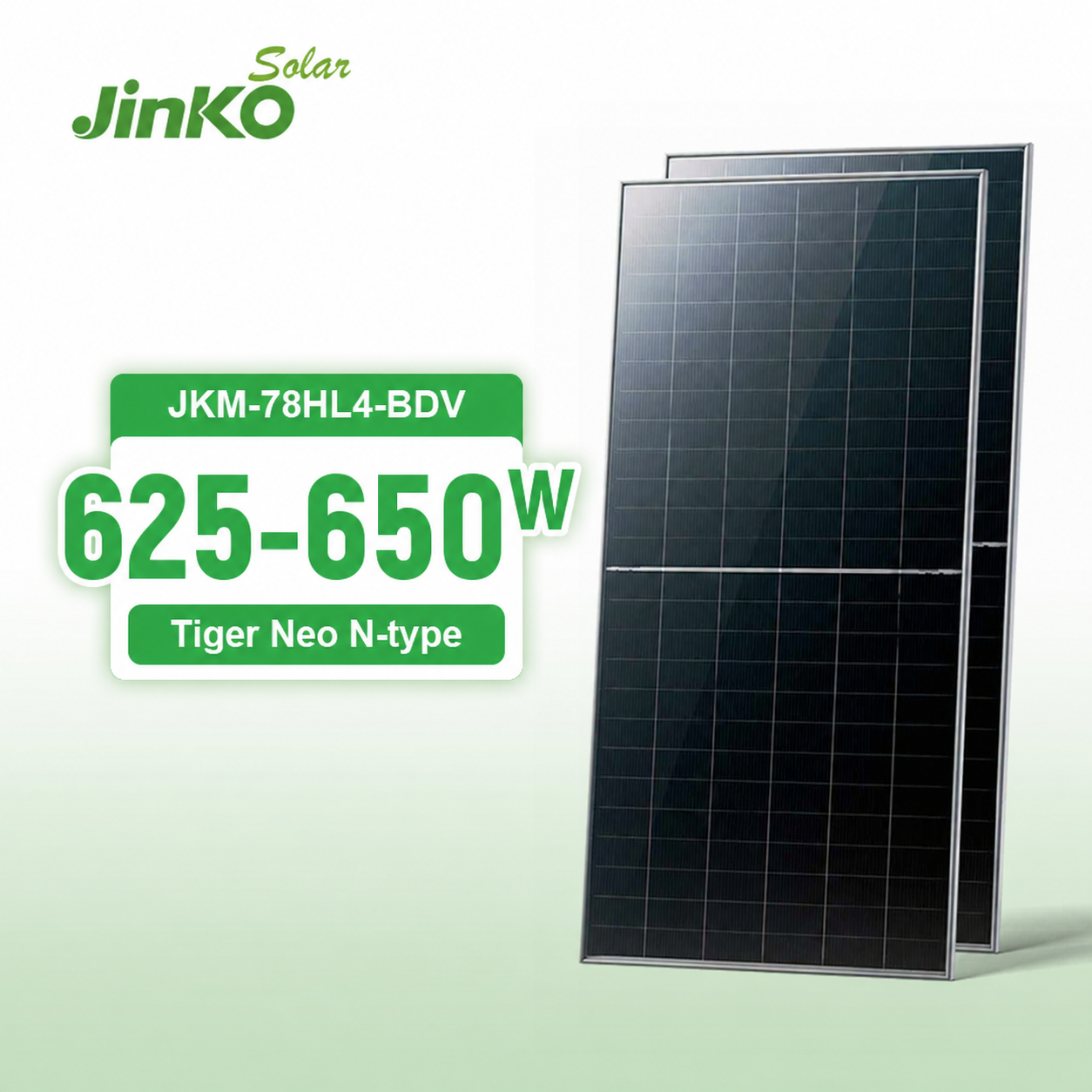
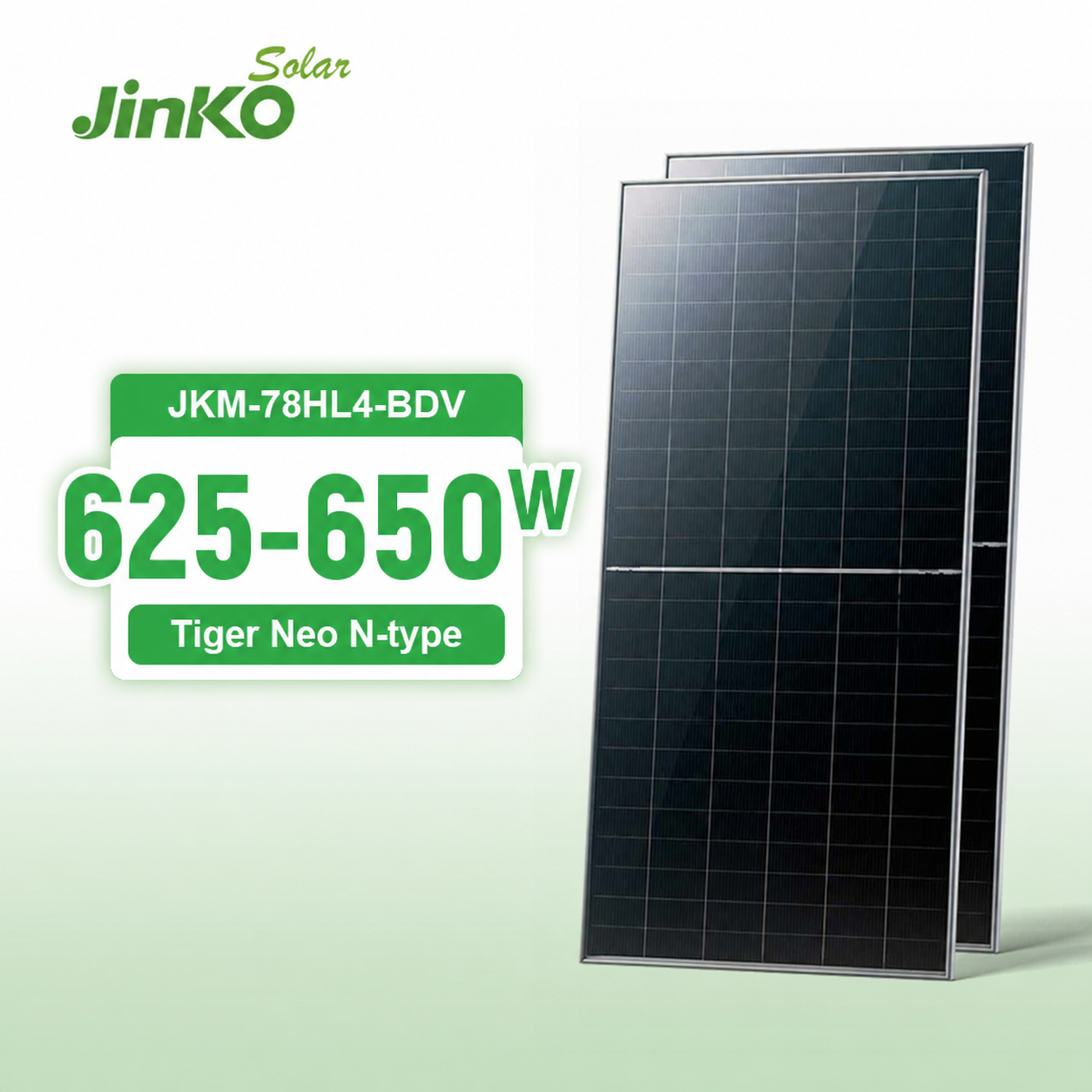
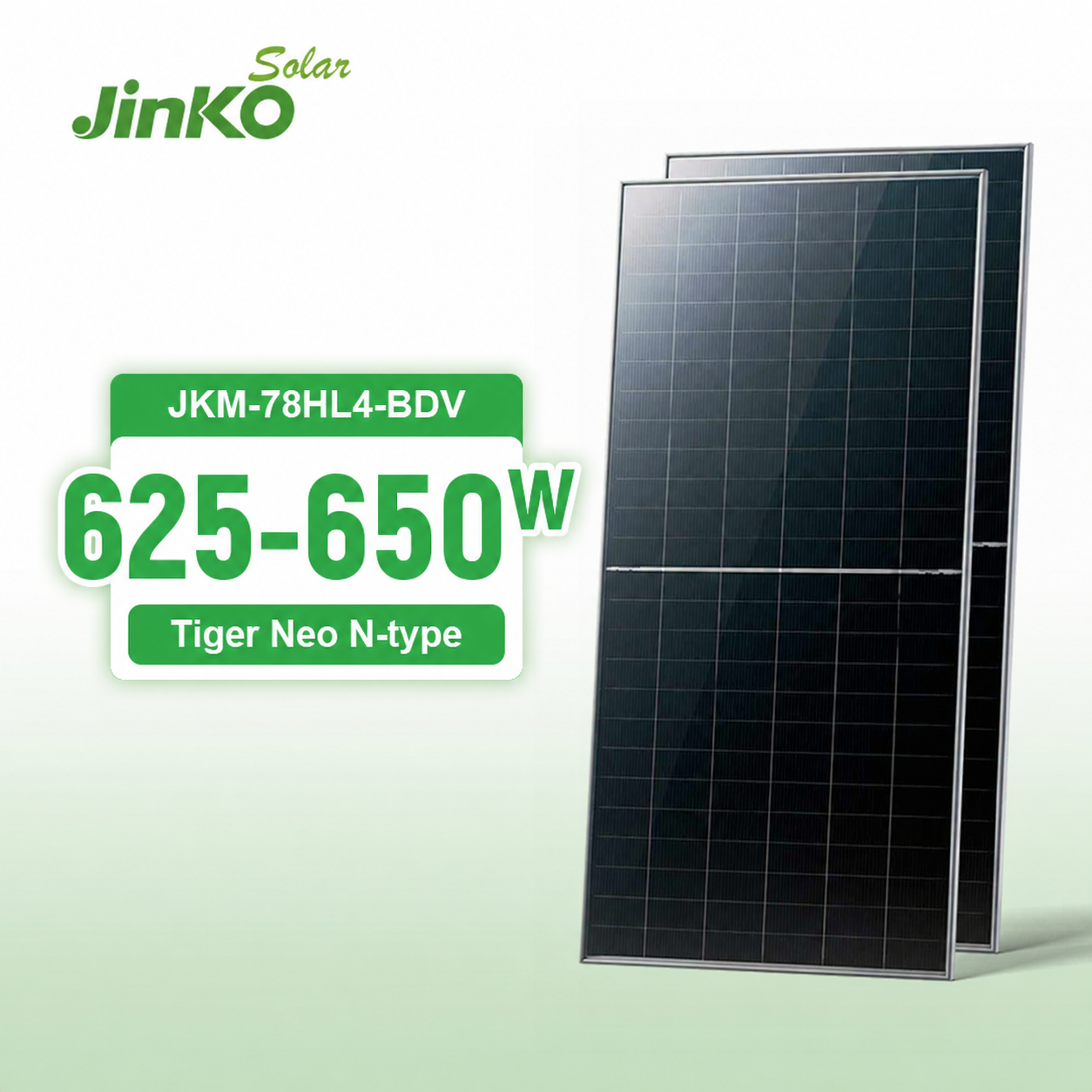
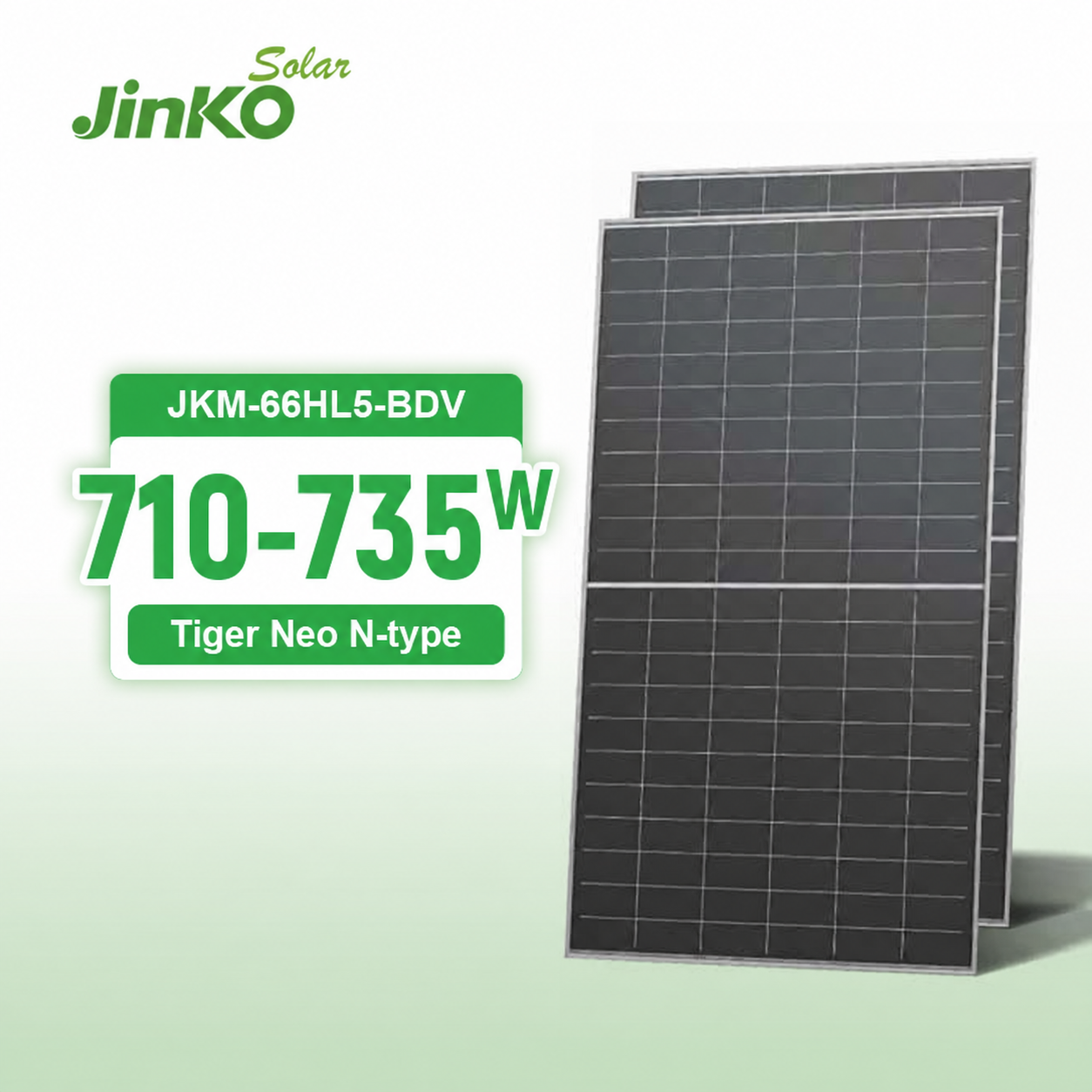
High-yield N-Type TOPCon bifacial modules coupled with modern energy storage systems deliver an optimized Levelized Cost of Energy (LCOE) and storage (LCOS). The 8 factory-certified module models below represent our prime export series engineered for seamless DC bus coupling with commercial and residential hybrid inverters.
Architectural Anatomy: Engineering Closed-Loop Solar + ESS Ecosystems
Procuring energy storage equipment on the international wholesale market has transformed. International engineering, procurement, and construction (EPC) firms no longer treat photovoltaic modules, power conversion systems (PCS), and electrochemical batteries as discrete purchases. In modern microgrids and high-penetration solar installations, the defining criterion for return on investment is system-level integration efficiency.
When specifying an Integrated Solar Energy Storage System (ESS) manufactured in China, buyers must balance the trade-offs between DC-coupled and AC-coupled topologies. In a high-efficiency DC-coupled hybrid architecture (such as Deye 5kW-50kW low-voltage and high-voltage three-phase hybrid inverters paired with Tier-1 lithium iron phosphate rack modules), PV generation directly charges the battery bus via internal Maximum Power Point Trackers (MPPT) without redundant DC-AC-DC conversion steps. This topology yields round-trip conversion efficiencies exceeding 95.5%, preserving vital kilowatt-hours that would otherwise be lost as heat in auxiliary transformer windings.
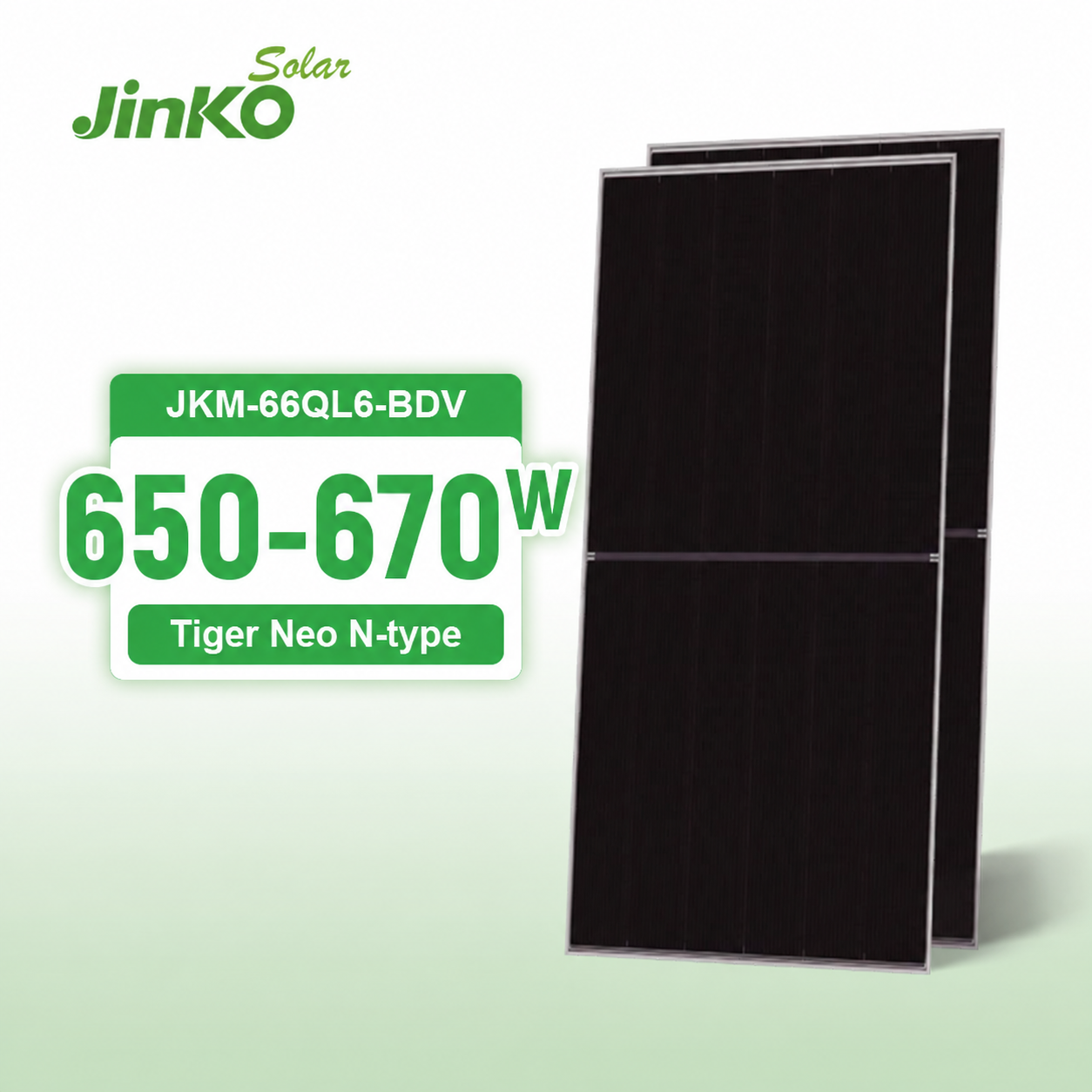
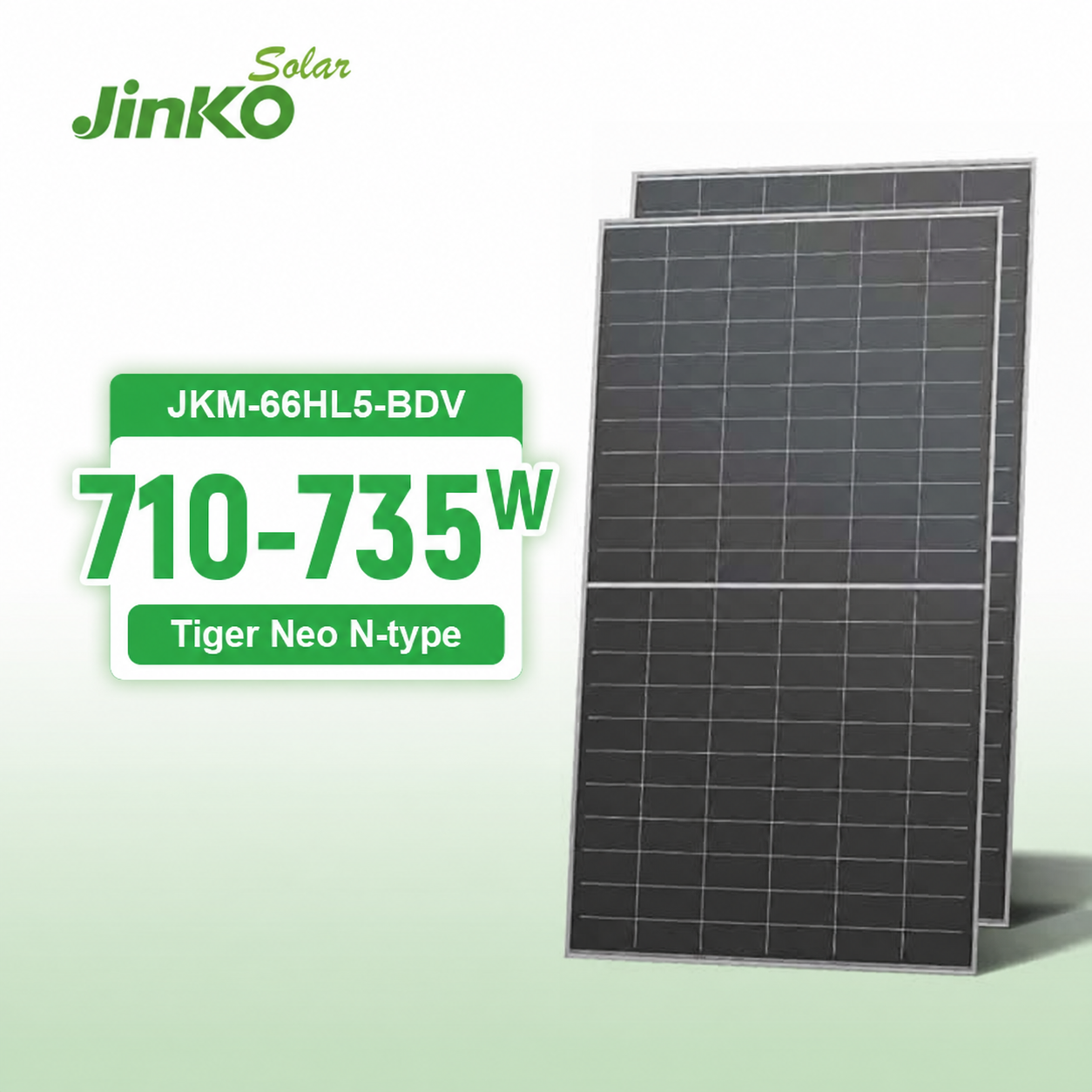
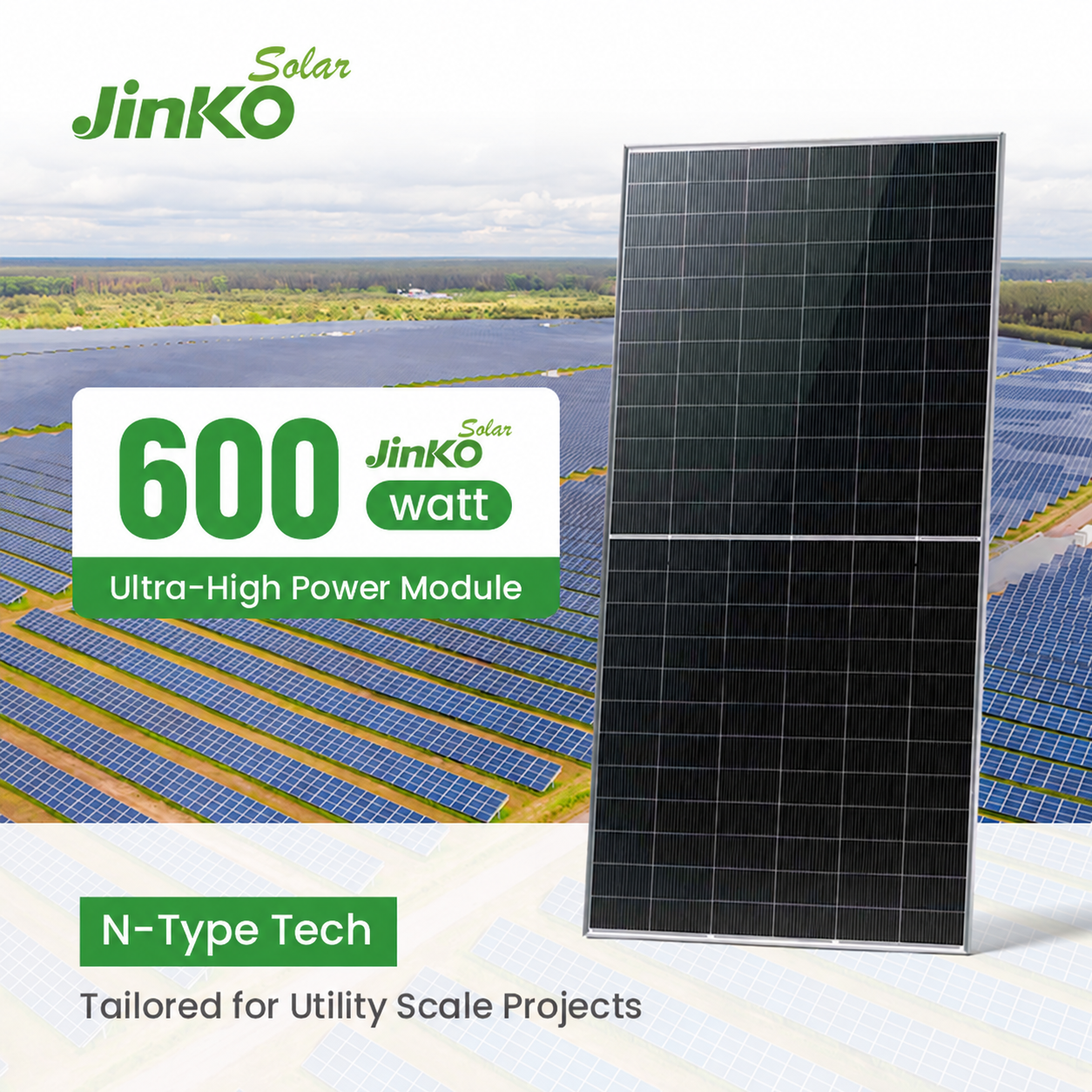
Conversely, AC-coupled storage architecture remains the premier solution for brownfield retrofits, where utility-scale or rooftop photovoltaic arrays (utilizing the Jinko 630W-730W bifacial TOPCon modules showcased above) are already connected to centralized string inverters. Here, integration depends upon millisecond-level frequency-shift power control and anti-islanding mechanisms. A truly qualified China ESS exporter does not merely drop-ship pallets of cells; they calculate system-level short-circuit ratios, fault currents, DC pre-charge resistance thresholds, and match thermal management profiles to the specific climate profile of the destination country.
| Architecture Parameter | DC-Coupled Solar ESS (Hybrid) | AC-Coupled Solar ESS (Retrofit) | Utility Containerized ESS (BESS) |
|---|---|---|---|
| Typical Battery Bus Voltage | 48V/51.2V (LV) or 160V-800V (HV) | 400V - 900V High Voltage | 1000V - 1500V DC Standard Bus |
| Round-Trip Efficiency (RTE) | 94.5% - 96.2% (Direct MPPT Charge) | 88.0% - 91.5% (Dual Conversion) | 86.5% - 90.0% (Transformer Included) |
| BMS Protocol Standard | CAN 2.0B / RS485 (Custom Registers) | Modbus TCP / SunSpec Standard | IEC 61850 / Modbus TCP / SCADA |
| Optimal Field Applications | New Residential, Commercial Rooftops | Existing Grid-tied PV Expansion | Peak Shaving, Frequency Regulation |
| Hangzhou VOLT Validation | 100% Pre-Tested | Field Synced | Custom Sized |
Next-Generation Procurement Trends for Global B2B Importers (2025–2030)
Global supply dynamics in energy storage manufacturing are experiencing unprecedented shifts driven by material science, manufacturing automation, and stringent safety standards in target regions such as the European Union, North America, Australia, and South Africa. B2B buyers who rely on outdated specifications face margin compression and inventory obsolescence. Below are the macro trends dominating international ESS procurement:
1. Transition from 280Ah to 314Ah+ Prismatic Cells
The global baseline for commercial and utility stationary storage has decisively transitioned from traditional 280Ah cells to high-density 314Ah and 500Ah+ LiFePO4 cells. This jump elevates rack-level volumetric energy density by over 14%, reducing logistics shipping container footprint and freight cost per kilowatt-hour.
- Standardized 20ft container capacity reaches 5.0MWh+
- Reduced balance of system (BOS) wiring and inter-cell busbars
- Cycle life upgraded from 6,000 cycles to 8,000–10,000 cycles @ 80% DoD
2. High-Voltage (HV) Stack Domination in Residential
While low-voltage 48V/51.2V systems retain popularity for budget installations and telecom basestations due to electrical simplicity, residential and light-commercial procurement is rapidly switching to modular stacked HV battery towers (200V–600V DC).
- Drastically reduced cable thickness and conduction heat losses (I²R)
- Simpler, rapid click-and-play installation without heavy copper lugs
- Direct compatibility with three-phase whole-home backup inverters
3. Strict Regulatory Sourcing: UL 9540A & NFPA 855
Importers can no longer clear customs or obtain municipal installation permits with standard generic CE declarations. Sourcing contracts now mandate rigorous thermal runaway propagation testing protocols and advanced multi-tier fire suppression integration.
- Cell-level, module-level, and unit-level fire propagation suppression
- Integrated aerosol or Novec 1230 automatic fire suppression valves
- Multi-gas sensors detecting early venting of CO, H2, and hydrocarbons
Technological Evolution: Cell Chemistries, Smart BMS & TOPCon Synergy
The core performance of an integrated storage system lies at the convergence of three foundational engineering disciplines: electrochemical cell design, active battery balancing, and high-irradiance photovoltaic generation.
1. Electrochemical Longevity & Cell Chemistry Selection: While deep-cycle GEL colloidal batteries still provide an economical, non-flammable solution for remote telecommunication sites and off-grid desert water pumping stations (operating across -20°C to 55°C without complex HVAC), Lithium Iron Phosphate (LiFePO4) has become the undisputed champion of cyclical energy applications. Chinese gigafactories have optimized cathode morphology via carbon-coating techniques that inhibit iron dissolution and preserve cathode active mass over decade-long deployments. When paired with high-purity synthetic graphite anodes, these cells withstand daily 1C discharge rates with negligible thermal stress.
2. Evolution to Active Smart BMS Management: Traditional passive balancing dissipates surplus energy from high-voltage cells as heat through bleeding resistors—a process restricted to minimal currents (typically 50mA–100mA). When managing large 200Ah–314Ah cells, passive balancing fails to prevent cell divergence over hundreds of charge-discharge cycles, reducing usable string capacity. VOLT New Energy leverages advanced inductive and capacitive bi-directional active balancing BMS architectures capable of dynamically transferring up to 2A to 5A of charge from higher-state-of-charge (SoC) cells to lower-SoC cells in real time. This maintains string homogeneity, maximizes extractable energy, and extends pack lifespan by over 20%.
3. TOPCon N-Type Bifacial PV Array Symbiosis: Solar panels are the energy pump of any ESS. The transition from P-Type PERC to N-Type TOPCon (Tunnel Oxide Passivated Contact)—exemplified by the Jinko 630W to 730W modules supplied by VOLT—delivers critical advantages for battery charging profiles:
- Superior Low-Light & Morning Performance: TOPCon cells exhibit a lower band-gap barrier, initiating inverter MPPT wake-up earlier in the morning and maintaining charge current later into dusk. This directly reduces battery depth-of-discharge (DoD) duration during early morning demand peaks.
- Lower Temperature Coefficient (-0.30%/°C): In high-temperature deployment regions (Middle East, Latin America, Southeast Asia), TOPCon panels retain higher operational voltage, ensuring that the DC bus voltage never drops below the hybrid inverter's minimum battery charging threshold.
- Up to 80% Bifaciality Coefficient: Generating additional wattage from ground albedo reflections delivers surplus power directly to the battery bank without requiring additional roof or ground rack footprint.
Why Global EPCs & Distributors Partner with VOLT New Energy
Based in Hangzhou, Zhejiang—the central manufacturing and technology corridor of China's clean energy cluster—Hangzhou VOLT New Energy Technology Co., Ltd. serves as a reliable engineering, consolidation, and export partner for international B2B buyers across 100+ nations. We eliminate the friction, risks, and communication hurdles common to cross-border solar equipment procurement.
B2B Procurement FAQ: Expert Answers for International Importers
Critical operational, electrical, and legal clarifications compiled by our export engineering team to streamline your procurement due diligence:
1. How does VOLT guarantee communication compatibility between lithium batteries and hybrid inverters? +
2. What is the difference in operational life and ROI between LFP and deep-cycle GEL batteries? +
3. What regulatory export documentation accompanies shipments of integrated ESS equipment? +
4. Can we mix tier-1 solar panels, inverters, and battery racks inside a single export container? +
5. How should an engineering team size the PV-to-battery ratio for off-grid and backup installations? +
6. What is the process for processing warranty claims and replacement components overseas? +
Ready to Engineer or Procure Your Next Solar ESS Container?
Partner with China's leading integrated solar energy storage system manufacturer and exporter. Submit your load profile, project capacity requirements, or target bill of materials, and our engineering team will provide a factory-direct proforma quotation, system compatibility matrix, and shipping timeline within 24 hours.