Engineered Solar Power Modules for Integrated Storage
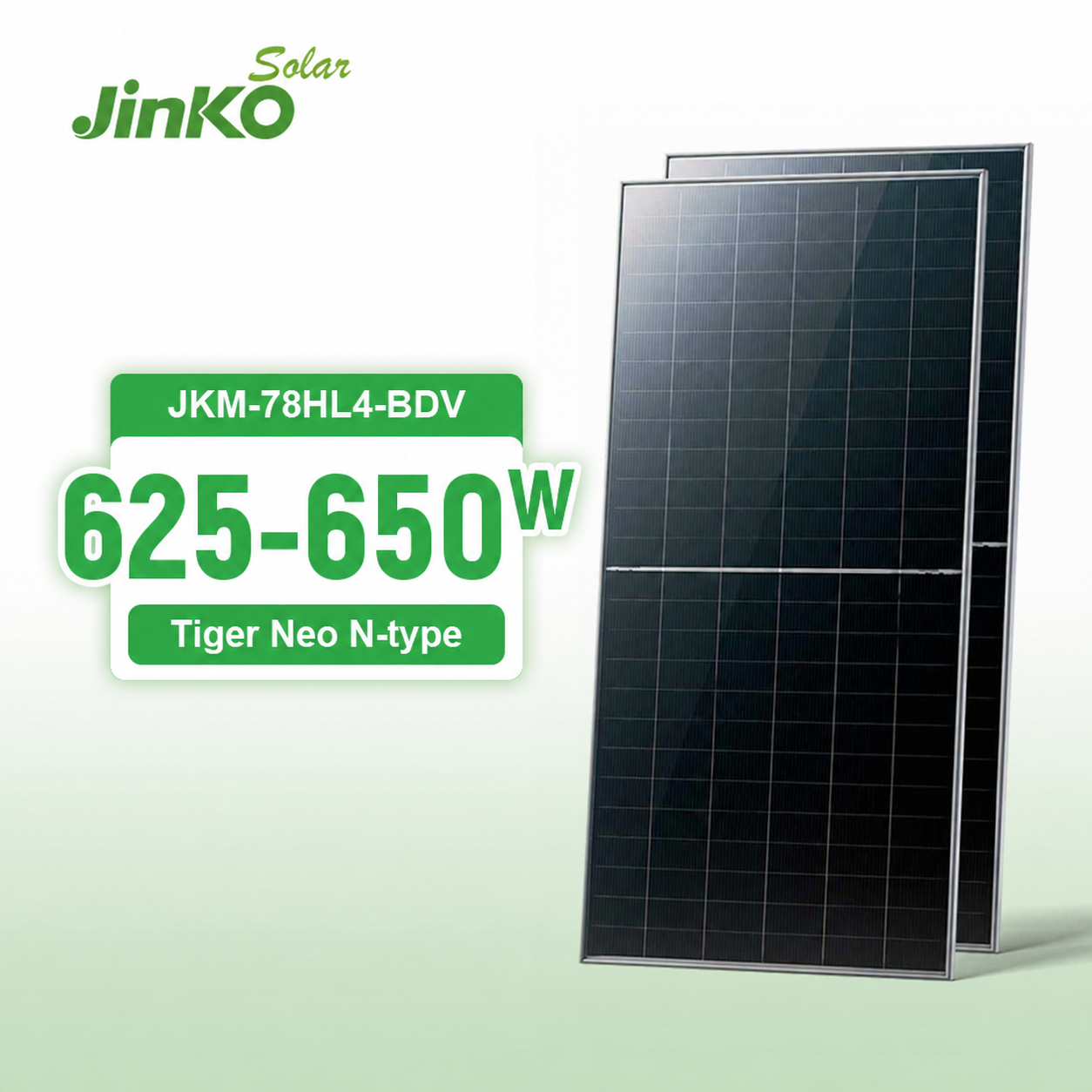
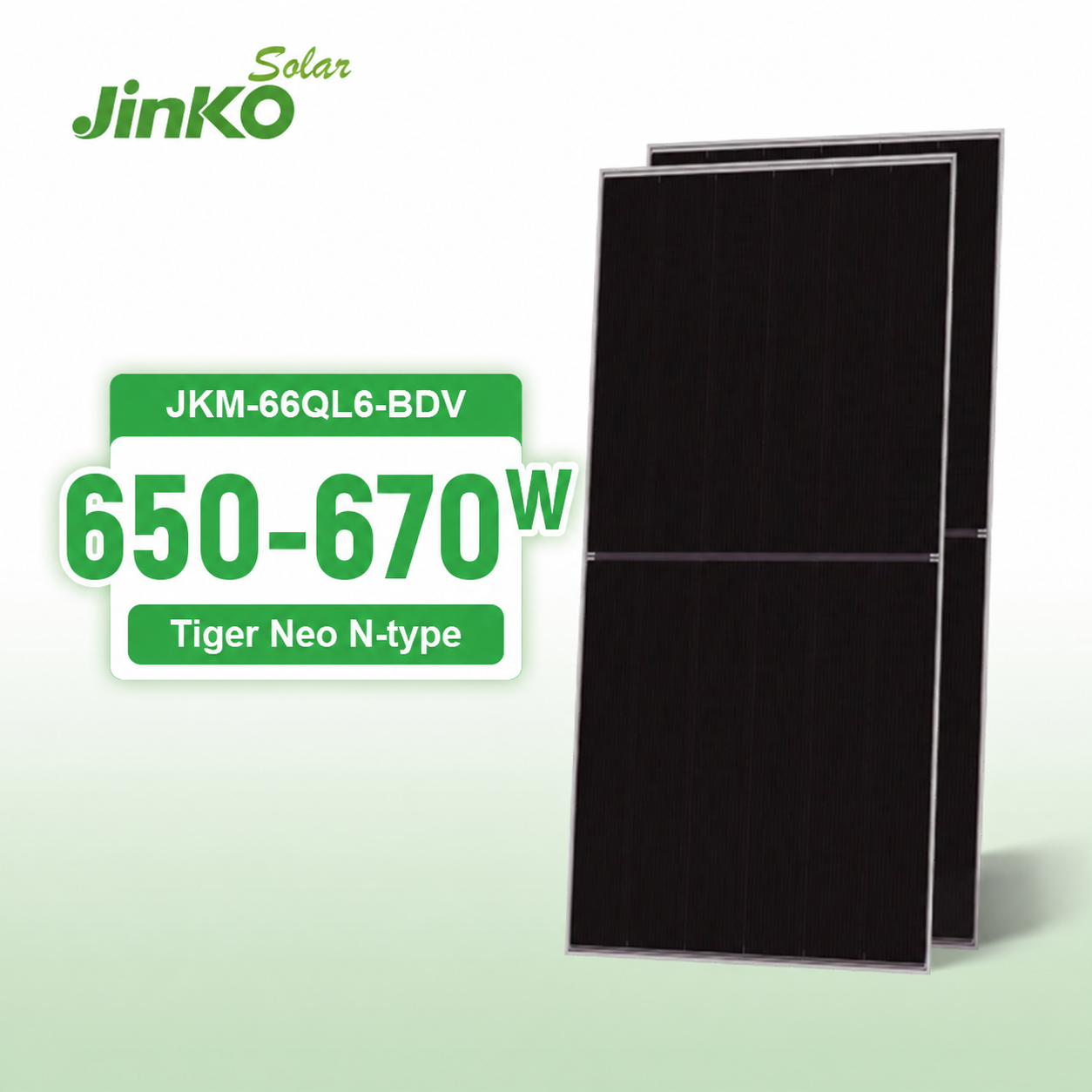
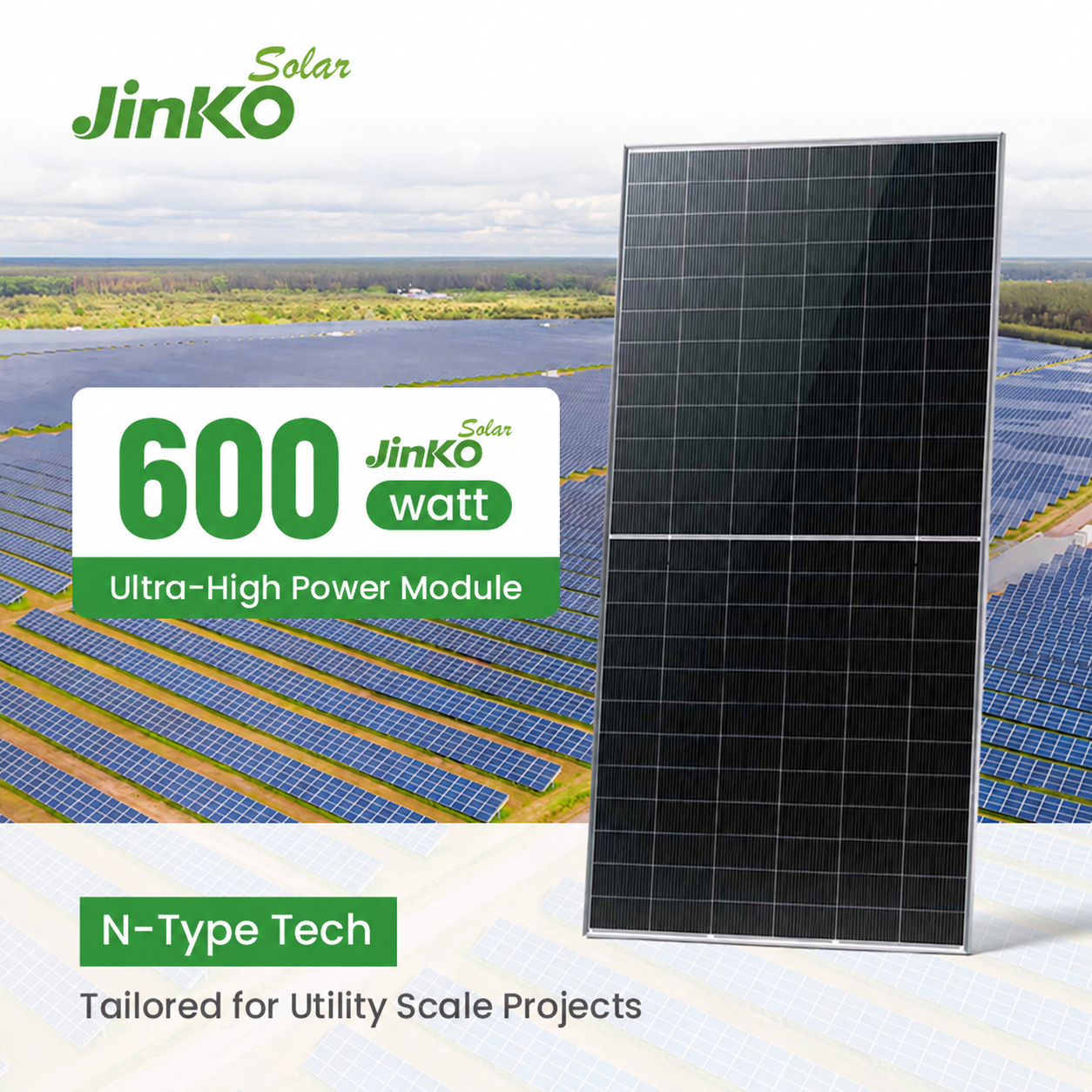
Direct OEM & Tier-1 distribution modules engineered to match high-reliability valve-regulated lead-acid (VRLA), AGM, and energy storage configurations worldwide.
State of Solar AGM & Energy Storage Manufacturing in China
An authoritative whitepaper breakdown of lead-calcium chemistry, micro-porous glass mat separators, and procurement risk mitigation for EPC engineers.
As global distributed generation accelerates, selecting the correct electrochemical storage technology remains decisive for project bankability. While lithium iron phosphate (LiFePO4) commands major market presence in high-density installations, Solar AGM (Absorbent Glass Mat) batteries, alongside specialized Valve-Regulated Lead-Acid (VRLA) and Deep-Cycle Gel chemistries, represent a highly dependable, chemically stable, and non-hazardous solution across severe temperature extremes, base transceiver stations (BTS), off-grid agricultural setups, and micro-grid installations.
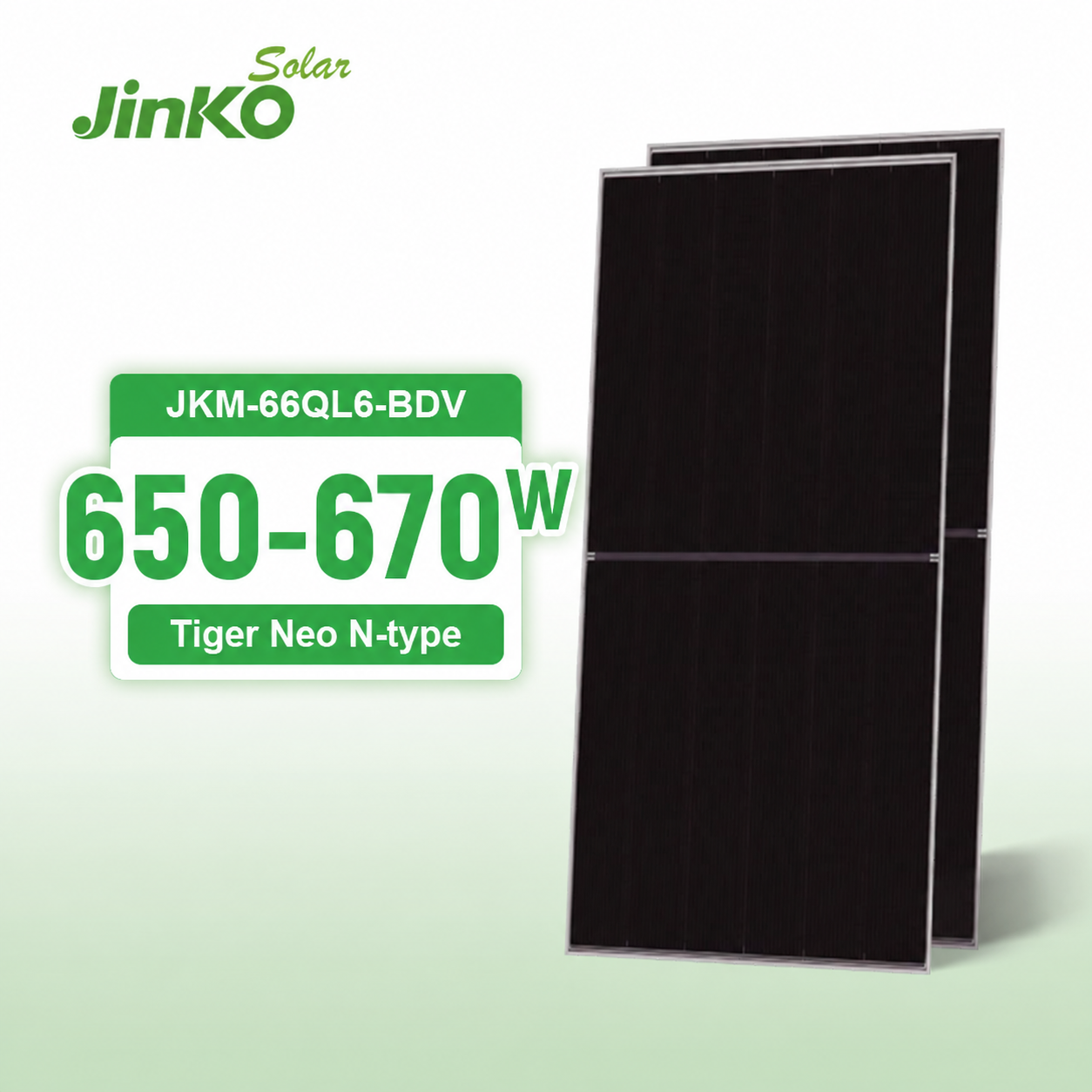
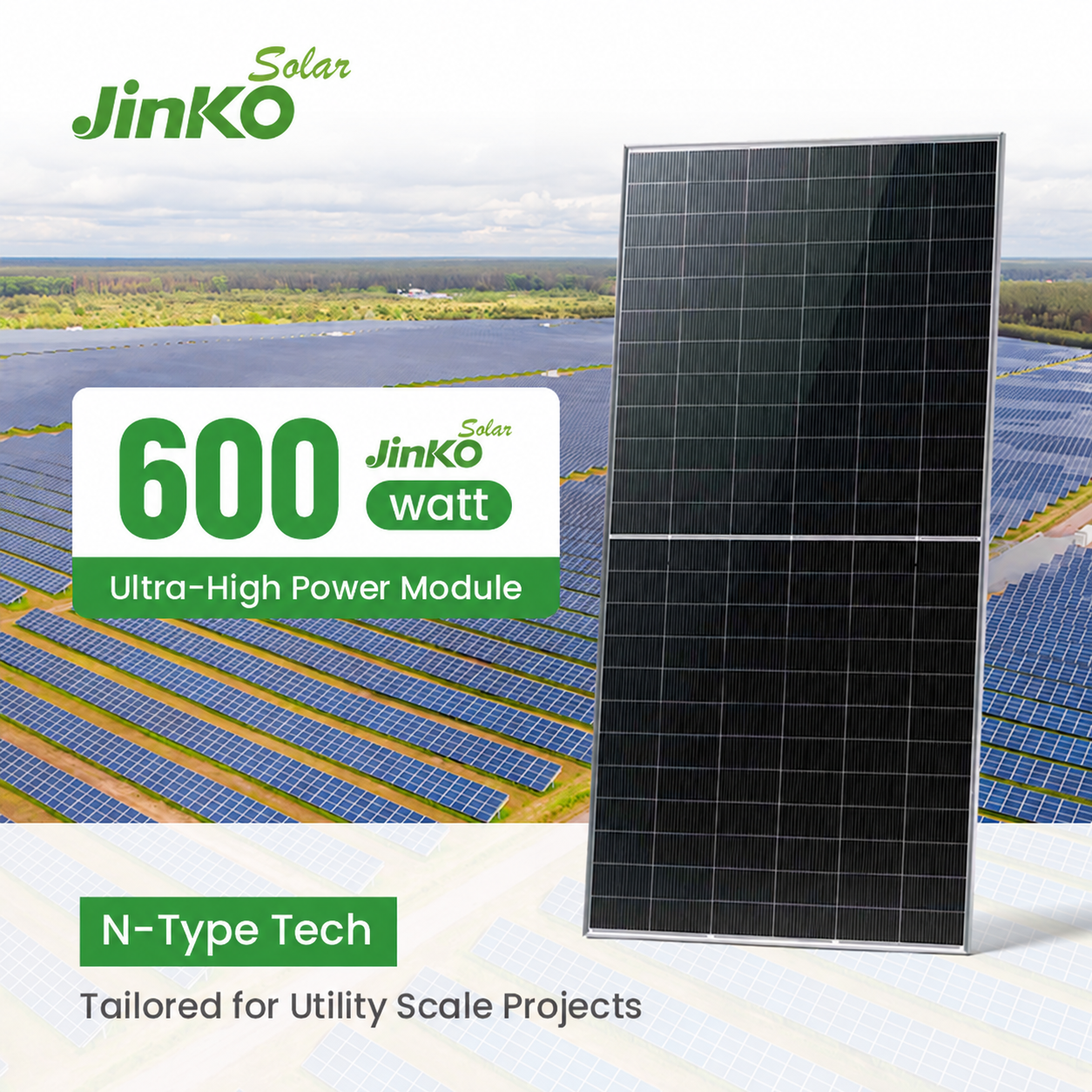
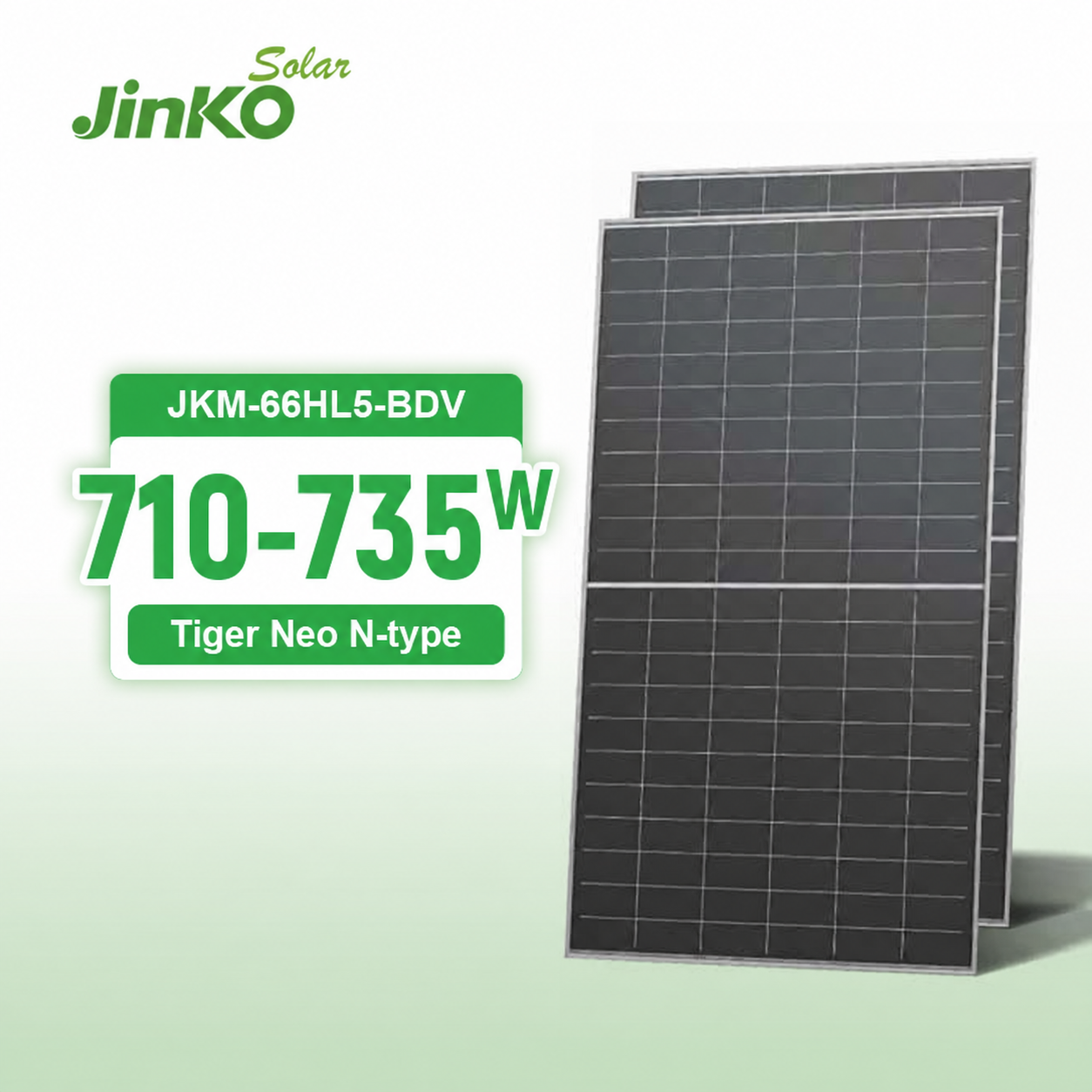
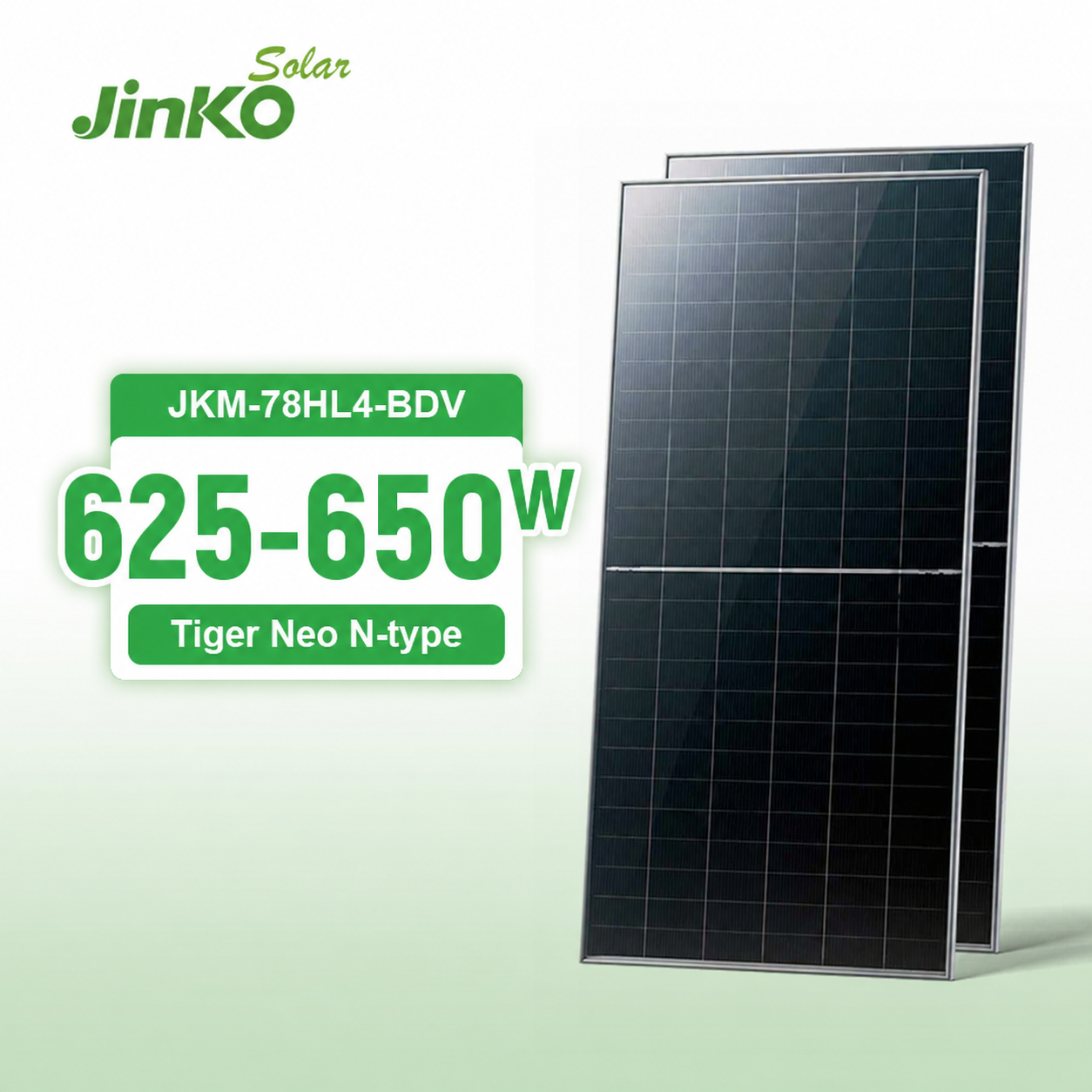
China continues to host the world's most consolidated industrial supply chain for both advanced lead-based active materials and high-efficiency photovoltaic modules. For overseas distributors, EPC contractors, and wholesale buyers, navigating the vendor matrix of China Best Solar AGM Battery Manufacturers & Factories requires evaluating metallurgical purity, acid concentration management, valve pressure tolerances, and full compatibility with hybrid inverters such as Deye and high-power bifacial N-type PV modules like Jinko.
Why Global Importers Partner with Hangzhou VOLT New Energy
We bridge high-volume Chinese manufacturing with rigorous international quality standards, verified compatibility, and turnkey container optimization.
Pre-Shipment Protocol Verification
BMS and charge controller incompatibility causes widespread field commissioning delays. VOLT New Energy performs comprehensive electrical and charge curve testing before goods leave the factory floor, confirming absorption, float, and equalization parameters against inverters such as Deye to prevent system shutdown errors.
Unified Mixed-Container Logistics
Importing isolated components drives up ocean freight and customs brokerage fees. We engineer turnkey multi-product consolidation inside unified 20GP/40HQ shipping containers, cleanly consolidating Jinko bifacial panels, Deye inverters, and heavy AGM/GEL storage banks with full maritime DG documentation.
End-to-End Customs Compliance
All battery lines comply with stringent transport testing, carrying verifiable IEC 62619, CE, UN38.3, MSDS, and ISO 9001 factory documentation. We provide authentic third-party testing reports that eliminate customs delays across European, Latin American, African, and Middle Eastern ports of entry.
Comparative Engineering: Solar AGM vs. Deep-Cycle GEL vs. LFP
A direct engineering matrix to determine lifecycle cost, depth of discharge, and environmental resilience across operating regimes.
| Technical Parameter | Standard Solar AGM | Deep-Cycle Colloidal GEL | LFP (LiFePO4) Storage |
|---|---|---|---|
| Internal Electrolyte Medium | Fine glass micro-fiber mat absorber | Thixotropic fumed silica sulfuric gel | Liquid electrolyte with organic solvents |
| Cycle Life (50% DoD @ 25°C) | 650 – 900 Cycles | 1,200 – 1,800 Cycles | 4,500 – 6,000+ Cycles |
| Thermal Runaway Sensitivity | Low (Self-limiting, safe venting) | Ultra-Low (Broadest thermal inertia) | BMS Dependent (Cell safety valves) |
| Low Temperature Tolerance | High (-20°C with nominal derating) | Excellent (-25°C to 50°C operational) | Requires internal heating sub-zero |
| Initial Capital Expenditure (CapEx) | Lowest (Base benchmark) | Moderate (+18% to +25% vs AGM) | Highest (+120% to +180% vs AGM) |
| Dangerous Goods Sea Freight | Standard Non-Spillable (Class 8 exempt) | Standard Non-Hazardous Cargo | Class 9 DG (UN3480 / UN3481) |
| Maintenance & Upkeep | Zero (Hermetically sealed VRLA) | Zero (Recombinant gas technology) | Zero (BMS controlled cell balancing) |
Future Sourcing & Technological Trends in Lead & Hybrid Storage
Strategic dynamics transforming the Chinese industrial battery ecosystem over the 2025–2030 horizon.
Lead-Carbon Plate Evolution
Top-tier Chinese battery plants are aggressively transitioning legacy AGM designs to Lead-Carbon chemistry. By infusing negative active materials with capacitive activated carbon, these cells suppress negative plate sulfation under Partial State of Charge (PSoC), increasing cycle capability by up to 200% for microgrid installations.
High-Purity Virgin Lead Refining
Environmental governance in China has consolidated manufacturing into automated, large-scale facilities. Export-grade AGM producers now utilize primary virgin lead ingots with 99.994% minimum purity, sharply limiting self-discharge rates to less than 2.5% per month and delivering a shelf-life exceeding 12 months prior to freshening charges.
Closed-Loop Circular Economy Compliance
Stringent ESG criteria across Europe and North America demand high recycling recovery ratios. VRLA and AGM architectures achieve global recycling rates over 98%, far exceeding current hydrometallurgical recovery rates for lithium cells, positioning AGM as a resilient compliance hedge for municipal and public utility projects.
Frequently Asked Questions for B2B Importers
Operational insights directly answering engineering, logistics, and system integration inquiries.
What distinguishes a true Solar Deep-Cycle AGM battery from an automotive starting AGM battery?
How do Deye hybrid inverters manage charging profiles for AGM and Lead-Acid battery banks?
What are the international shipping regulations and maritime classifications for AGM vs. Lithium batteries?
How does VOLT New Energy ensure product consistency across large-volume OEM production runs?
Can I safely combine Jinko bifacial solar modules with AGM energy storage banks?
Build an Integrated Solar & Storage Solution
Work with our technical engineers to design a fully matched photovoltaic kit, complete with Jinko N-type modules, Deye hybrid inverters, and high-reliability storage banks tailored to your project requirements.