Featured Tier-1 Photovoltaic Modules for Micro Inverter Deployments
Direct factory supply pairing ultra-high-efficiency dual-glass TOPCon bifacial modules with high-input-current micro inverter topologies for commercial, industrial, and residential architectures.
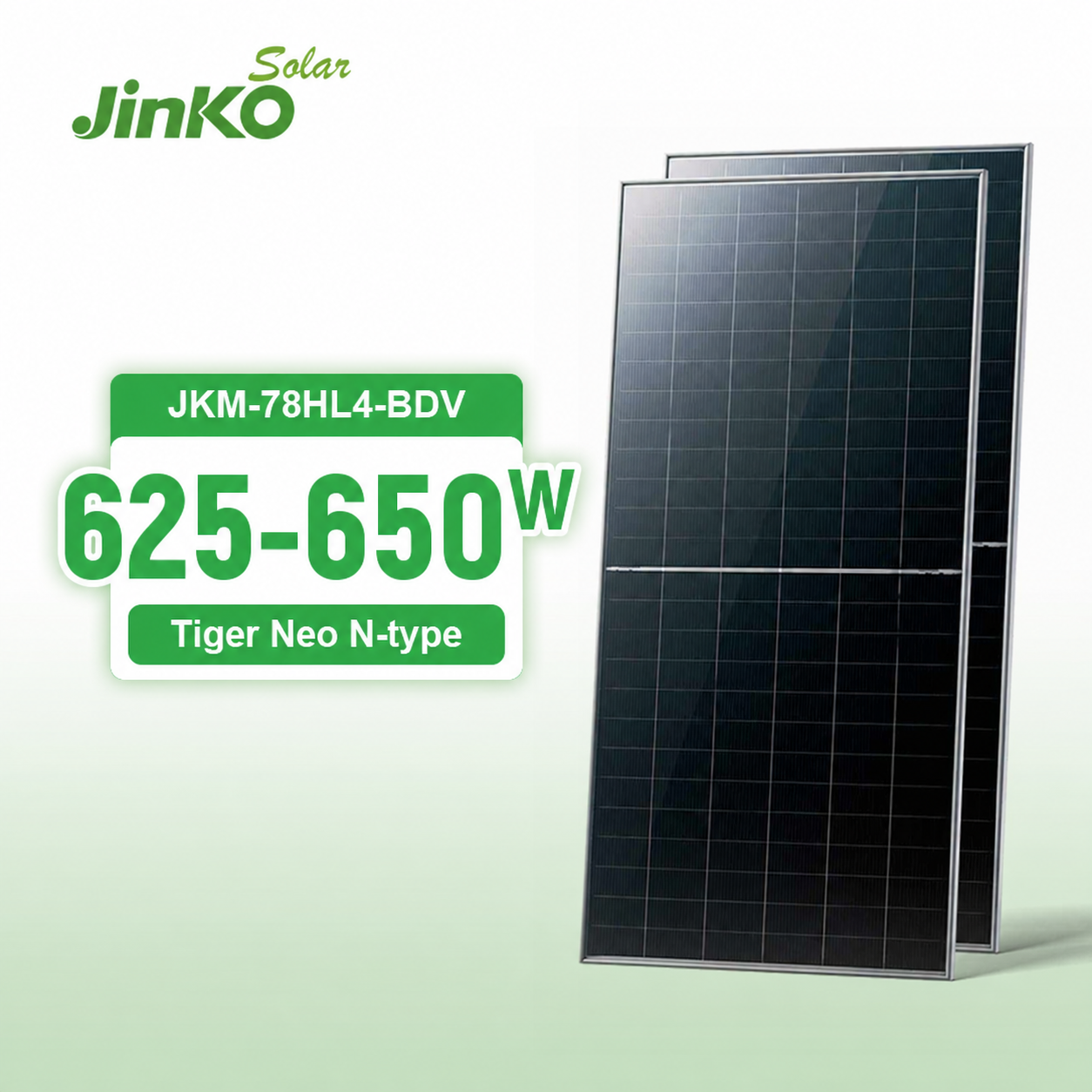
Jinko N Type Pv Module 650W 625W 645W Bifacial Commercial Module
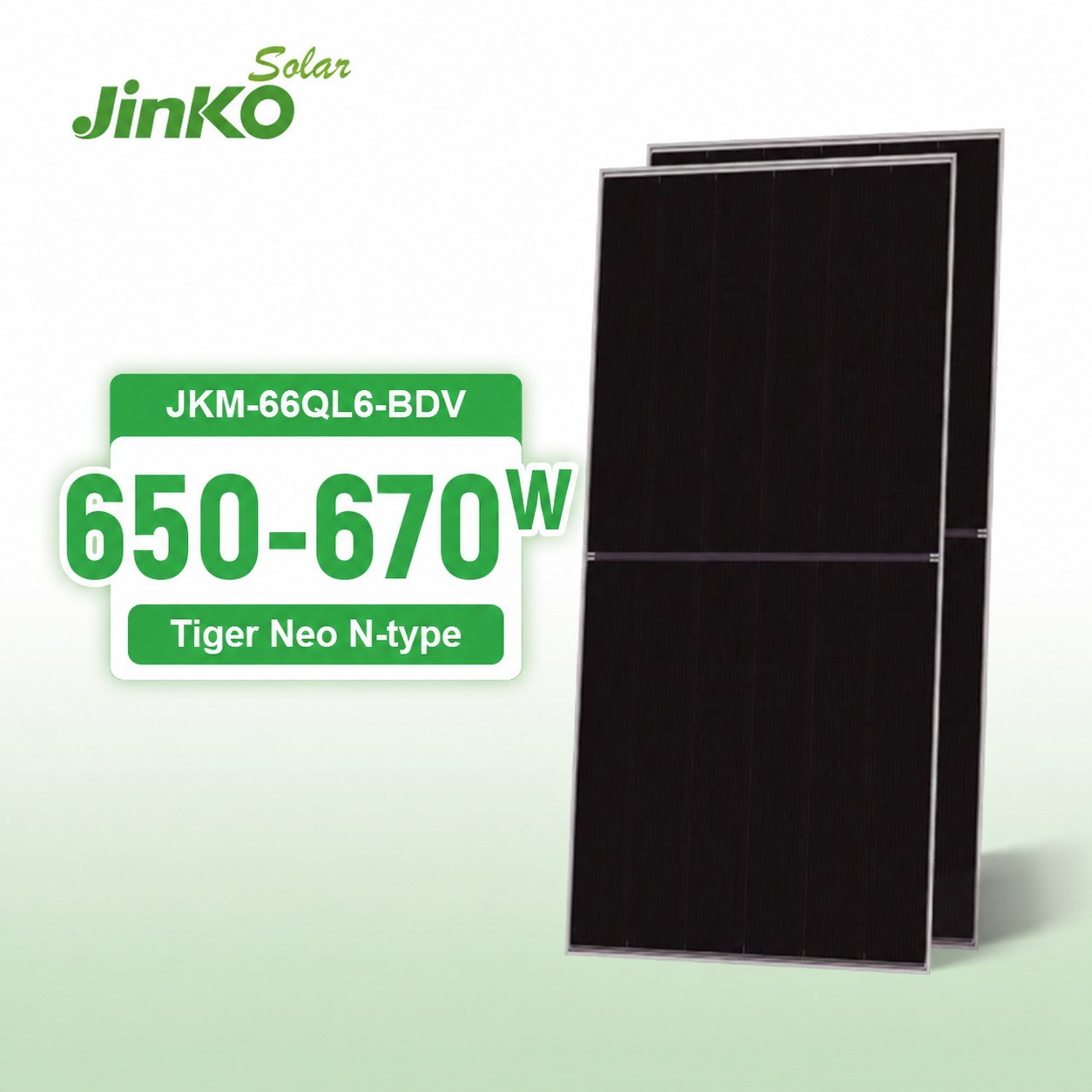
Jinko Panneau Solaire 660w 650W 670W N Type Industrial Dual Glass Panel
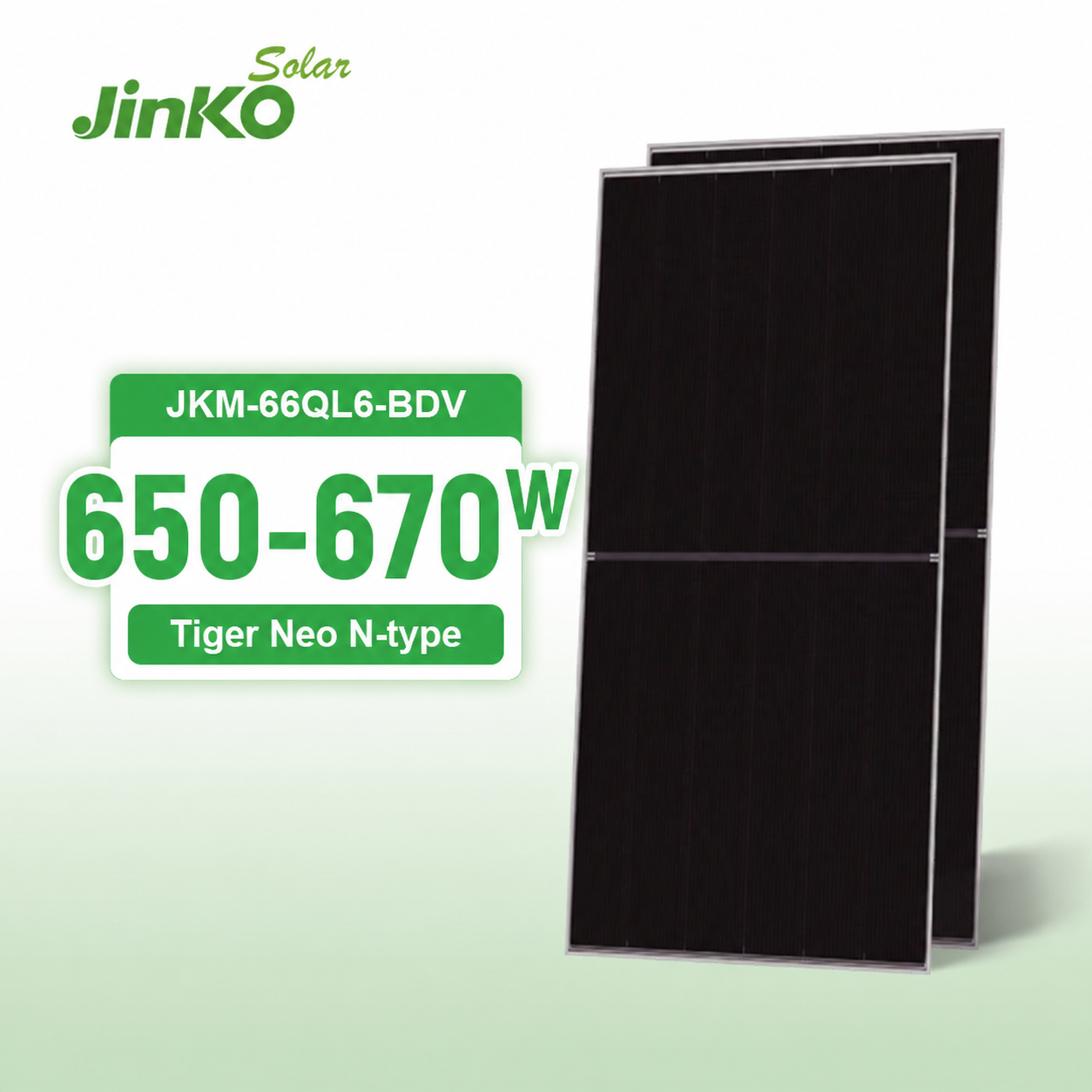
Jinko N Type Bifacial Pv Modules 650W 660W 670W Double Glass Panel
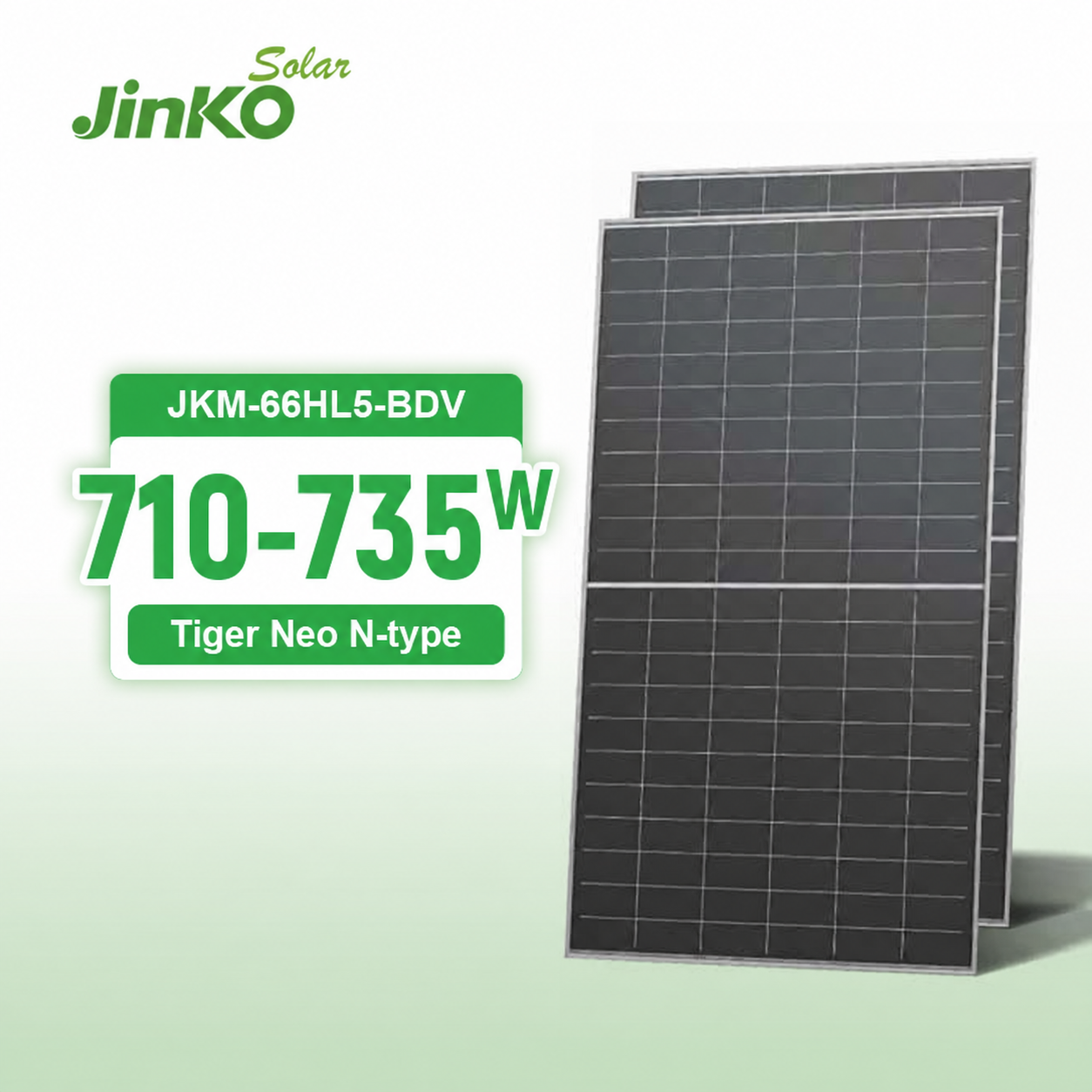
Jinko Wholesale Price 700W 720W 730W TOPCon High Efficiency Module
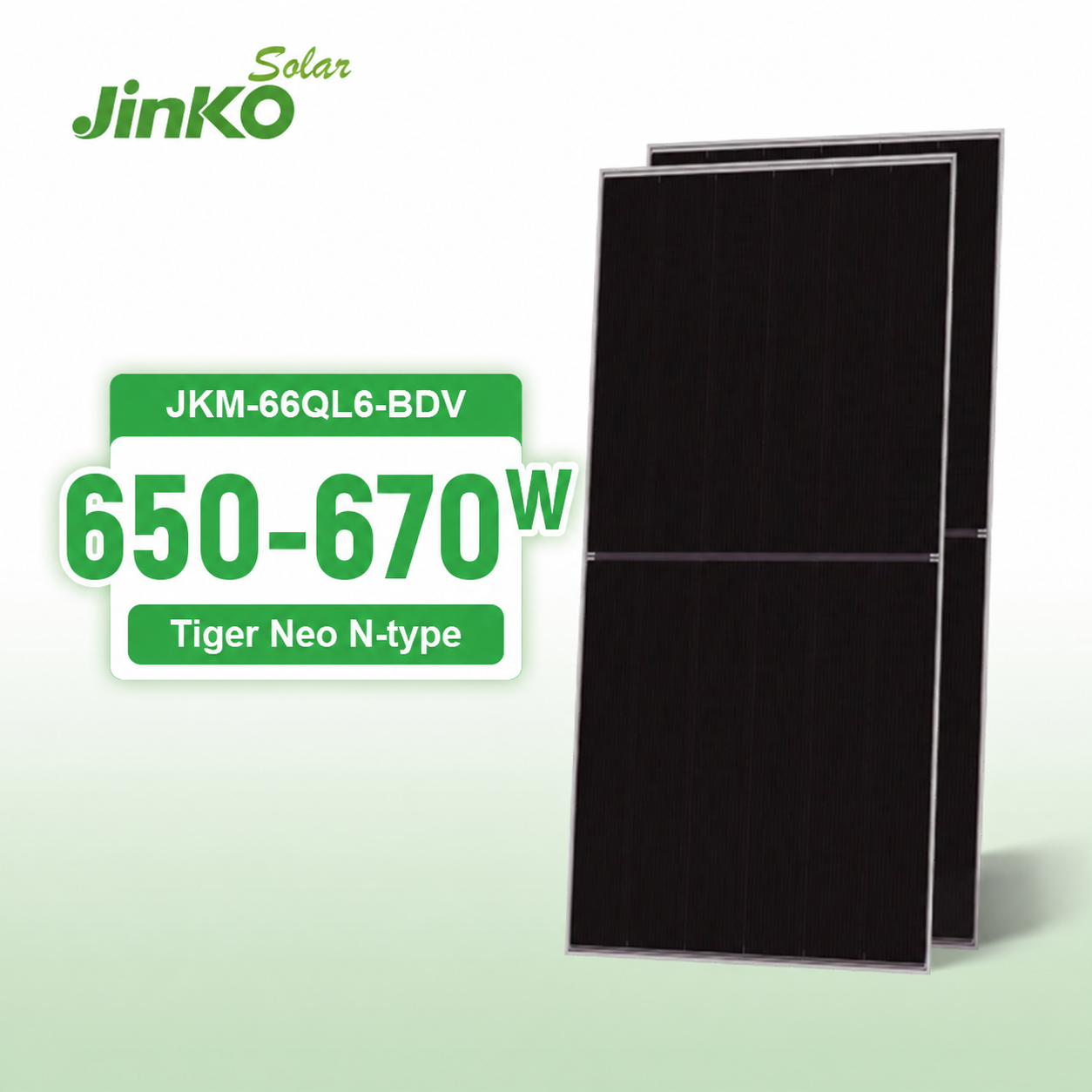
Jinko Wholesale 650W 670W Bifacial Double Glass N Type Panel for Farm
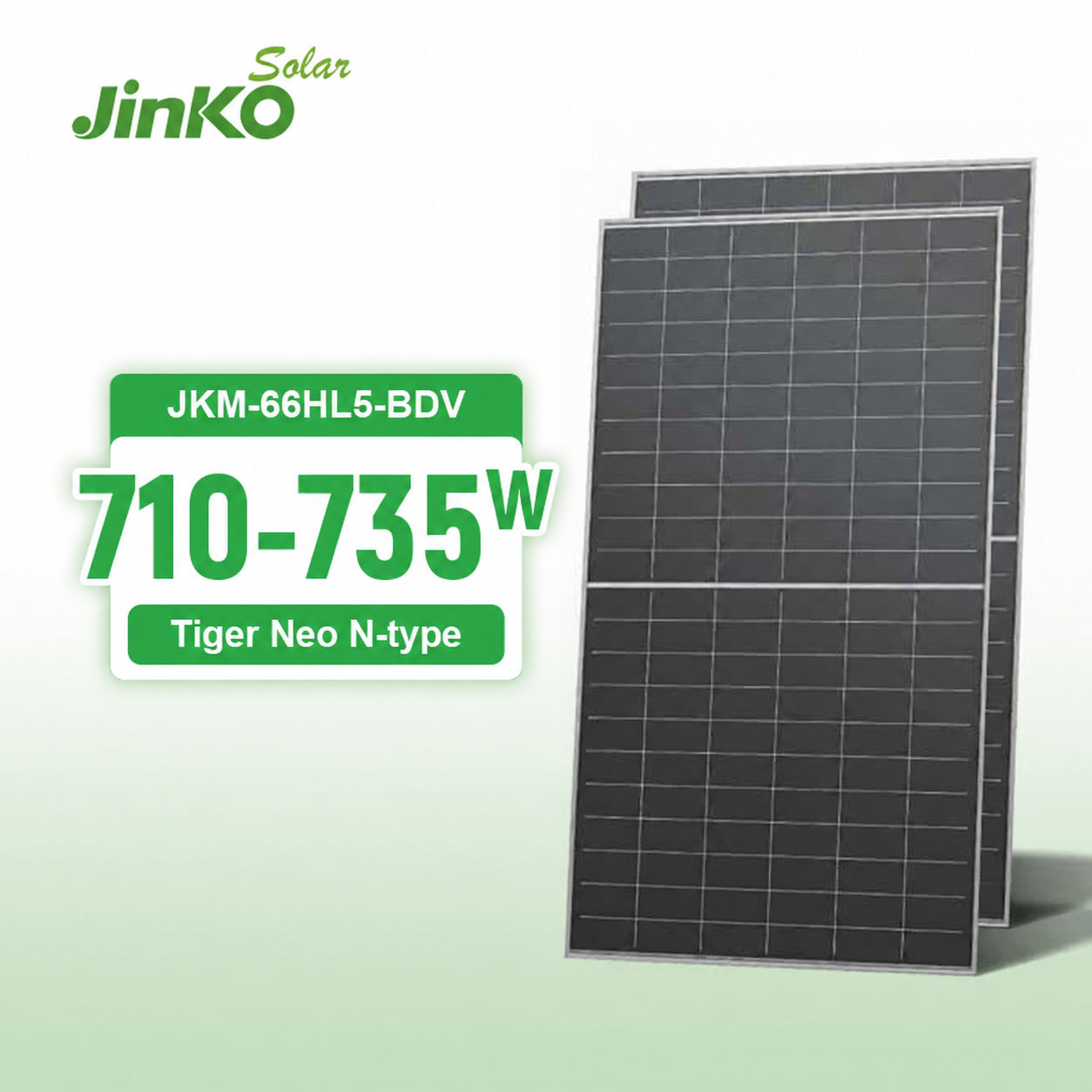
Jinko N Type Bifacial 720W 715W Dual Glass Industrial Solar Panel
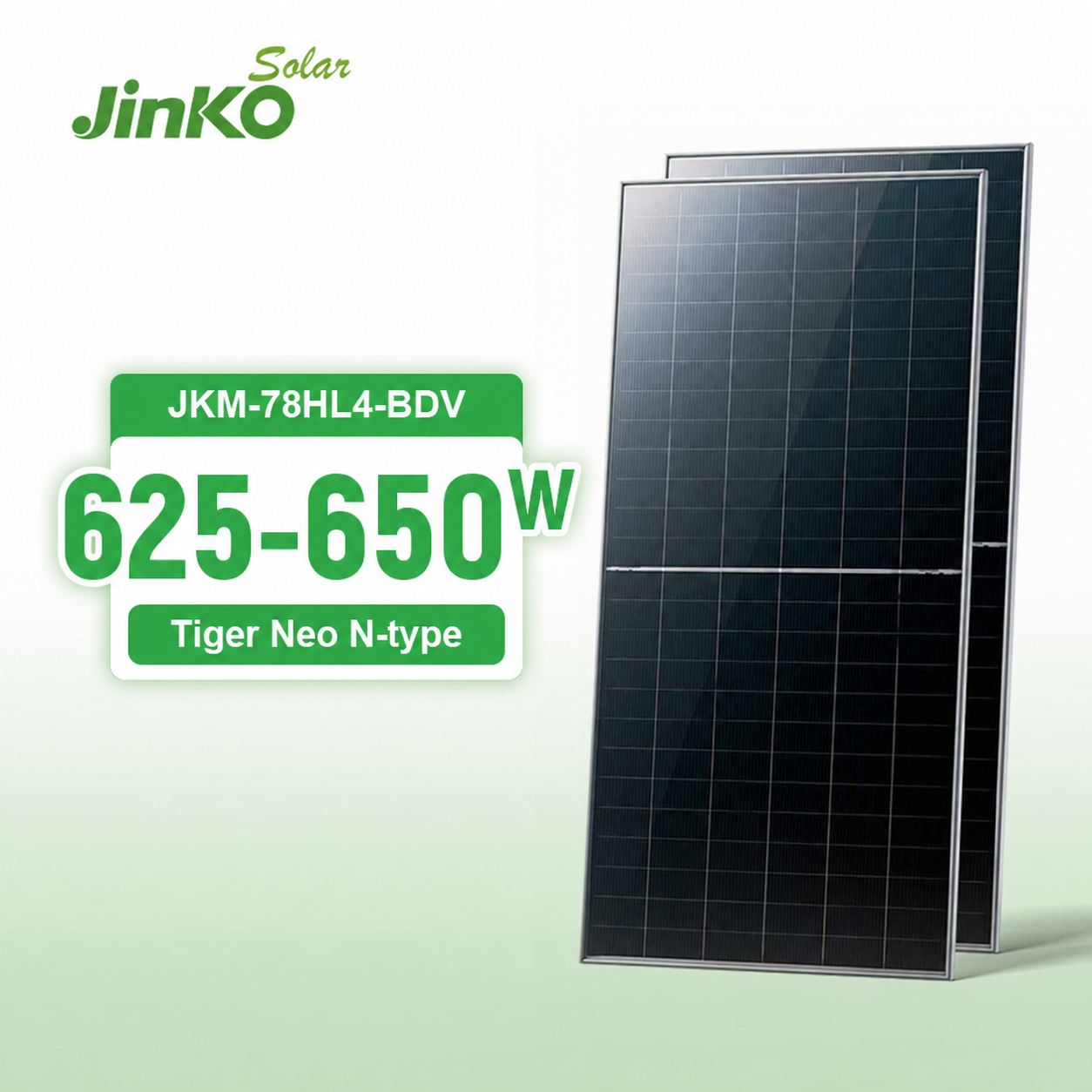
Jinko N Type Bifacial 630W 635W Double Glass Solar Panel Stock

Jinko N Type Bifacial 650W 645W Double Glass Module for House Roof
Industry Whitepaper: The Evolution of China Solar Micro Inverter Manufacturing
The global distributed photovoltaic sector has experienced a profound structural pivot toward Module-Level Power Electronics (MLPE). In traditional central and string inverter topologies, partial shading, dust accumulation, thermal mismatch, or building orientation variations inevitably degrade the entire string's energy production. Solar micro inverters eliminate this single-point vulnerability by executing independent Maximum Power Point Tracking (MPPT) on individual or paired solar panels. China has emerged as the unchallenged epicenter of micro inverter research, industrial scaling, and manufacturing innovation.
Modern Chinese microinverter manufacturers have engineered transformative breakthroughs in semiconductor topologies, thermal modeling, and wide-bandgap materials like Gallium Nitride (GaN) and Silicon Carbide (SiC). With global safety mandates such as the US National Electrical Code (NEC 690.12) rapid shutdown rules and European rooftop fire safety directives imposing sub-60V DC limits, microinverters inherently comply by terminating high-voltage DC directly on the module frame. Rather than carrying 600V to 1500V dangerous direct current across attic corridors, microinverter installations operate strictly at safe low-voltage DC before converting energy to grid-standard alternating current (AC).
| Architecture Metric | China Micro Inverter Architecture | Traditional String Inverter | String Inverter + DC Optimizers |
|---|---|---|---|
| Operating DC Voltage | Safe Low Voltage (<60V DC per channel) | High Voltage (600V – 1100V DC) | Optimized Module Voltage to High DC Bus |
| MPPT Resolution | Per Module (1-to-1, 2-to-1, or 4-to-1) | 1 or 2 MPPTs per 10-24 modules | Module-level MPPT via buck/boost |
| Shading Mismatch Losses | Completely isolated; <1% system impact | Severe; lowest current drags whole string | Mitigated via DC-to-DC buck-boost conversion |
| Fire Safety / Rapid Shutdown | Intrinsic compliance (NEC 690.12 / VDE-AR-N) | Requires external transmitter & RSD boxes | Integrated rapid shutdown features |
| Design Lifespan & MTBF | 25 Years (Potted hermetic IP67 enclosure) | 10 – 12 Years (Internal fans & capacitors) | 12 – 25 Years (Multiple failure points) |
As TOPCon and HJT high-power photovoltaic modules push operational currents beyond 15A to 18A (with bifacial gains frequently surpassing 20A peak short-circuit current), tier-1 China solar micro inverter manufacturers have completely overhauled their hardware stages. Current microinverter generations feature ultra-wide DC input current envelopes, digital DSP-based resonance suppression, and dynamic reactive power control (Volt-VAR / Volt-Watt curve tracking) tailored for intelligent microgrid stability.
Critical Future Procurement Trends in Solar Micro Inverters (2025–2030)
For international energy procurement executives, commercial EPC developers, and distributors, understanding upcoming industry shifts prevents inventory obsolescence and safeguards project internal rate of return (IRR). The manufacturing roadmap across leading Chinese facilities points toward three definitive supply chain paradigms:
1. 20A+ High-Current MPPT Topologies
Standard 12A–14A micro inverters face severe thermal clipping when matched with modern 600W+ to 730W+ N-type TOPCon bifacial modules. Future-proof procurement requires units with MPPT thresholds rated at 18A–22A continuous input, capitalizing on rear-side albedo irradiance.
2. Hybrid Micro-Storage & AC-Coupling
Micro inverters are evolving beyond pure grid-tied converters. Chinese manufacturing clusters are pioneering direct low-voltage DC-coupled micro-storage and standardized AC-coupled home storage packages, allowing plug-and-play LFP battery expansion on residential circuits.
3. GaN-Enabled Power Density Scaling
The commercial adoption of Gallium Nitride (GaN) switching bridges reduces heat dissipation losses by over 30%, shrinking enclosure volume and weight while elevating peak CEC/Euro conversion efficiencies beyond 97.5%, lowering logistical shipping overhead per watt.
Furthermore, regional policies such as Germany's "Solarpaket I" (elevating balcony plug-in solar limits to 800W feed-in) have catalyzed massive wholesale demand for 600W/800W configurable microinverters equipped with native Wi-Fi/Zigbee/Sub-1G communications and direct smartphone app-based power regulation.
Hangzhou VOLT New Energy Supply Advantages
Bridging China's premier manufacturing ecosystem with global turnkey delivery. Our system integration methodology eliminates on-site commissioning failures before containers leave port.
Rigorous Compatibility Audits
We perform rigorous pre-shipment bench testing to verify voltage windows, MPPT clipping profiles, and BMS-to-inverter communication protocols (CAN/RS485/Modbus), avoiding field errors.
Consolidated Multi-Tier Sourcing
Consolidate your orders seamlessly: combine Deye micro & hybrid inverters, tier-1 Jinko TOPCon modules, and custom rack-mounted or wall-hung LFP battery banks into one unified shipment container.
Certified DG Export Logistics
Our team holds comprehensive international logistics qualifications, including Class 9 Dangerous Goods sea freight handling, UN38.3 certifications, and MSDS documentation ready for customs clearance.
Full Project Engineering Support
From CAD string-level layout planning and microinverter AC trunk bus cable schematics to rapid local warranty RMA coordination, our dedicated engineers support your technical team in English.
B2B Engineering Procurement Guide: Evaluating China Solar Micro Inverter Manufacturers
Selecting an OEM/ODM partner or wholesale brand distributor among China's manufacturing elite requires a multi-dimensional technical assessment. Inexperienced buyers frequently focus exclusively on initial procurement price per watt, neglecting lifecycle thermal stress, firmware flexibility, and grid code compliance.
1. Thermal Dissipation & Potting Compound Formulation: Micro inverters reside directly beneath scorching solar modules where ambient temperatures regularly surpass 65°C. Elite manufacturers deploy automated vacuum potting using thermally conductive, flame-retardant silicone resins. This ensures uniform internal heat dissipation away from switching MOSFETs and transformers while preventing condensation corrosion under extreme temperature cycling.
2. Multi-Channel DC Topology: Independent vs. Shared MPPT: When evaluating 2-in-1 (dual-module) or 4-in-1 (quad-module) microinverters, EPC engineers must confirm whether the internal circuit utilizes independent MPPT channels or parallel-bridged trackers. Independent channels preserve the core MLPE benefit by preventing cross-module mismatch losses caused by directional roof layouts or partial chimney shadows.
3. Firmware Adaptability and Grid Interconnection Certifications: Electrical grid standards vary drastically between jurisdictions. A certified Chinese manufacturer must supply localized firmware adhering to VDE-AR-N 4105 (Germany), UL 1741 SB / IEEE 1547-2018 (North America), G99 (UK), CEI 0-21 (Italy), and AS/NZS 4777.2 (Australia), featuring over-the-air (OTA) remote parameter adjustments for power factor and frequency trip limits.
Frequently Asked Questions (FAQ)
Comprehensive engineering and supply chain answers addressing the technical nuances of importing solar micro inverters from China.