Engineering Architecture: Sourcing Huawei Solar Inverters from China
As the international renewable energy sector undergoes aggressive shifts toward higher voltages, higher DC/AC loading ratios, and decentralized microgrids, tier-one string inverters—spearheaded by Huawei's SUN2000 smart inverter platform—have evolved from straightforward DC-to-AC conversion units into digital power control hubs. Global engineering procurement and construction (EPC) contractors, commercial project developers, and distributor networks sourcing from China Top Huawei Solar Inverter Factories & Suppliers now navigate an ecosystem governed by multi-string MPPT precision, grid-forming algorithms, artificial intelligence-powered safety telemetry, and multi-protocol battery energy storage integration.
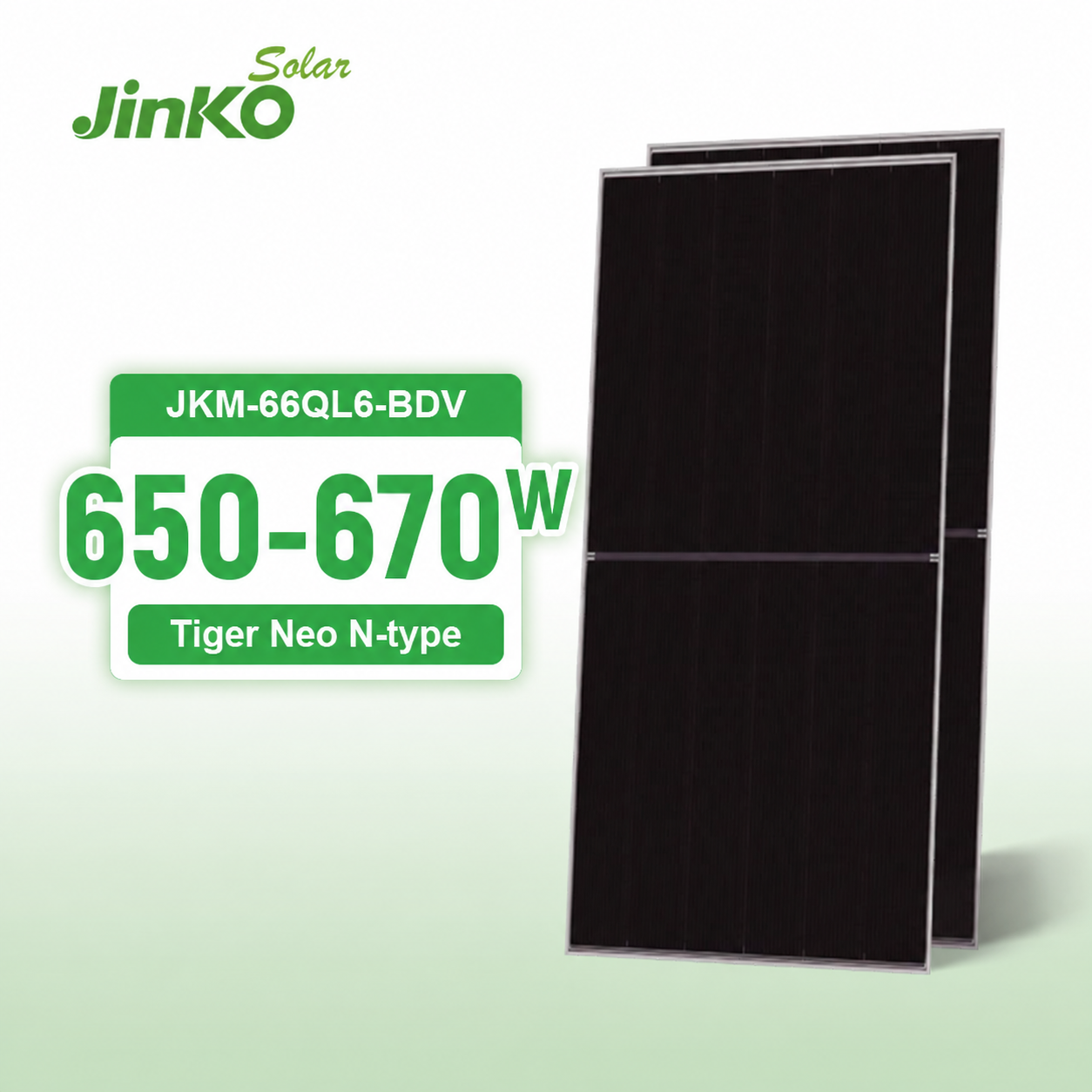
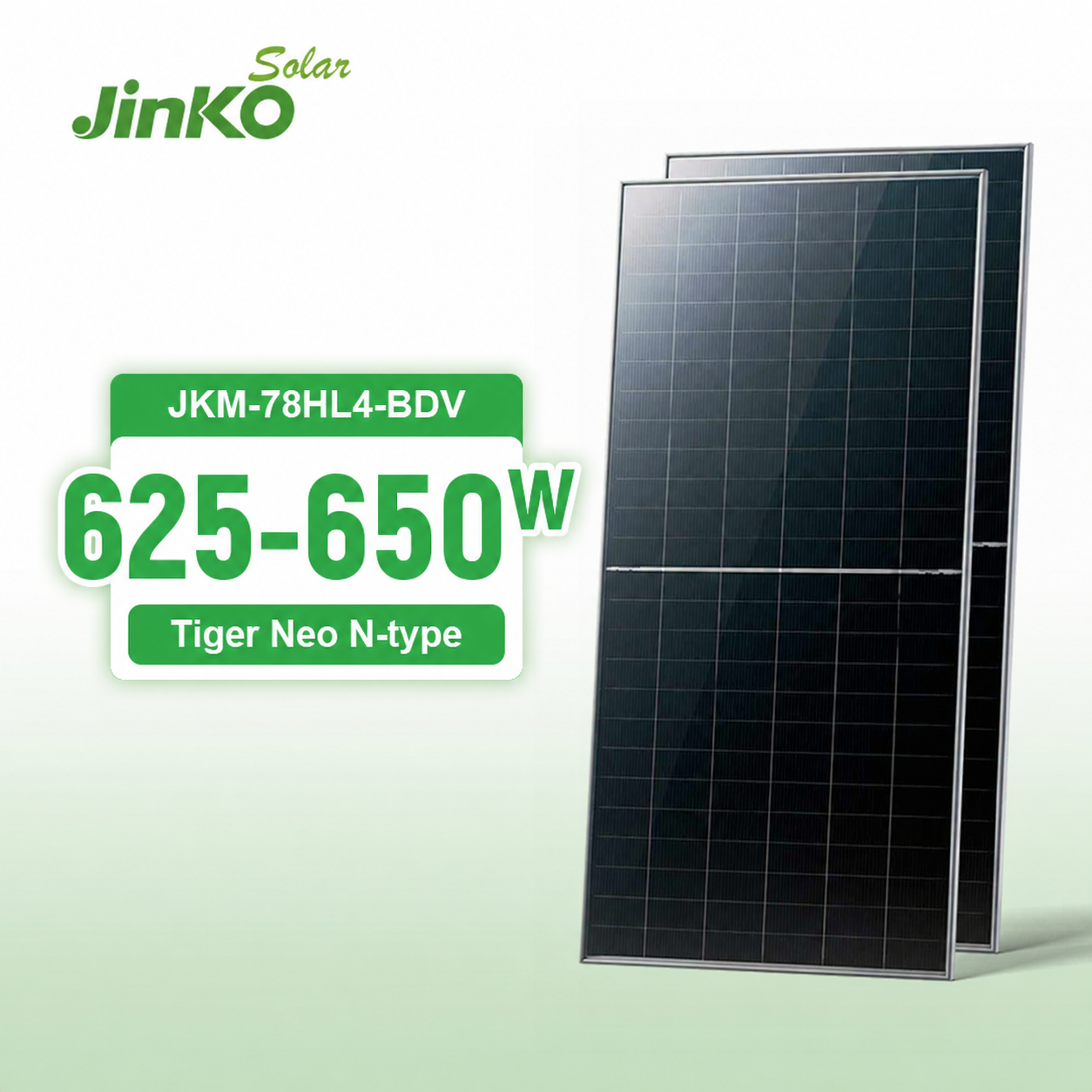
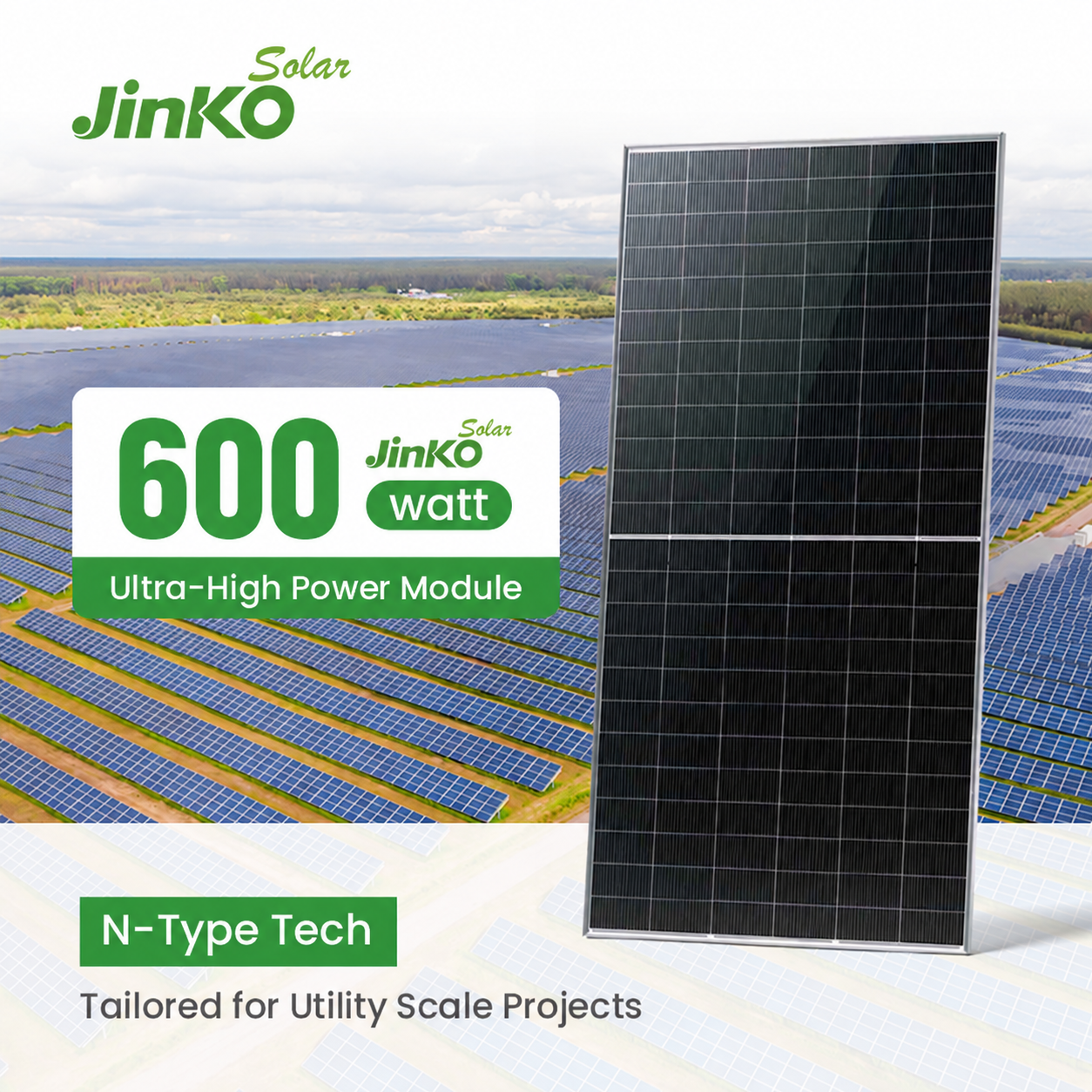
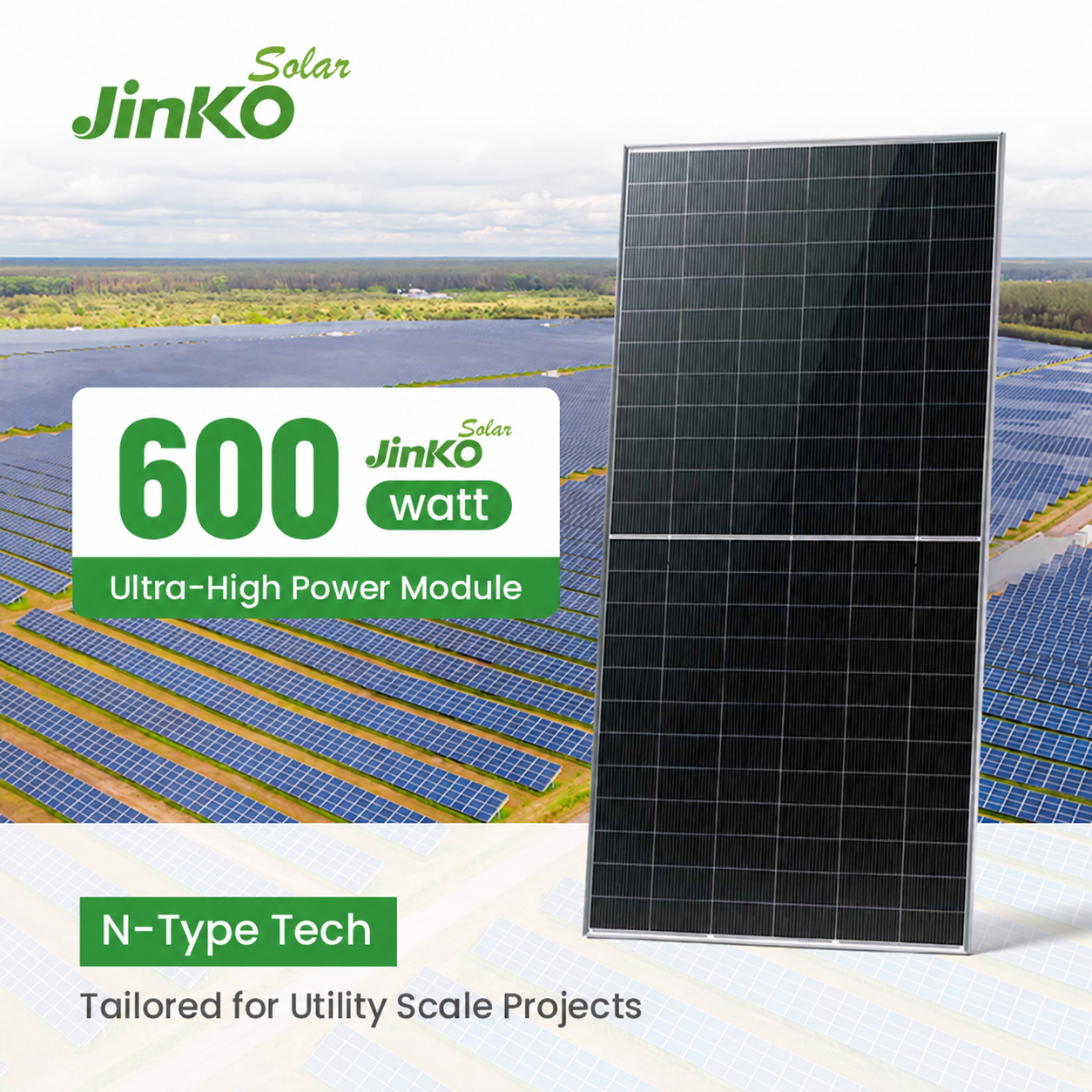
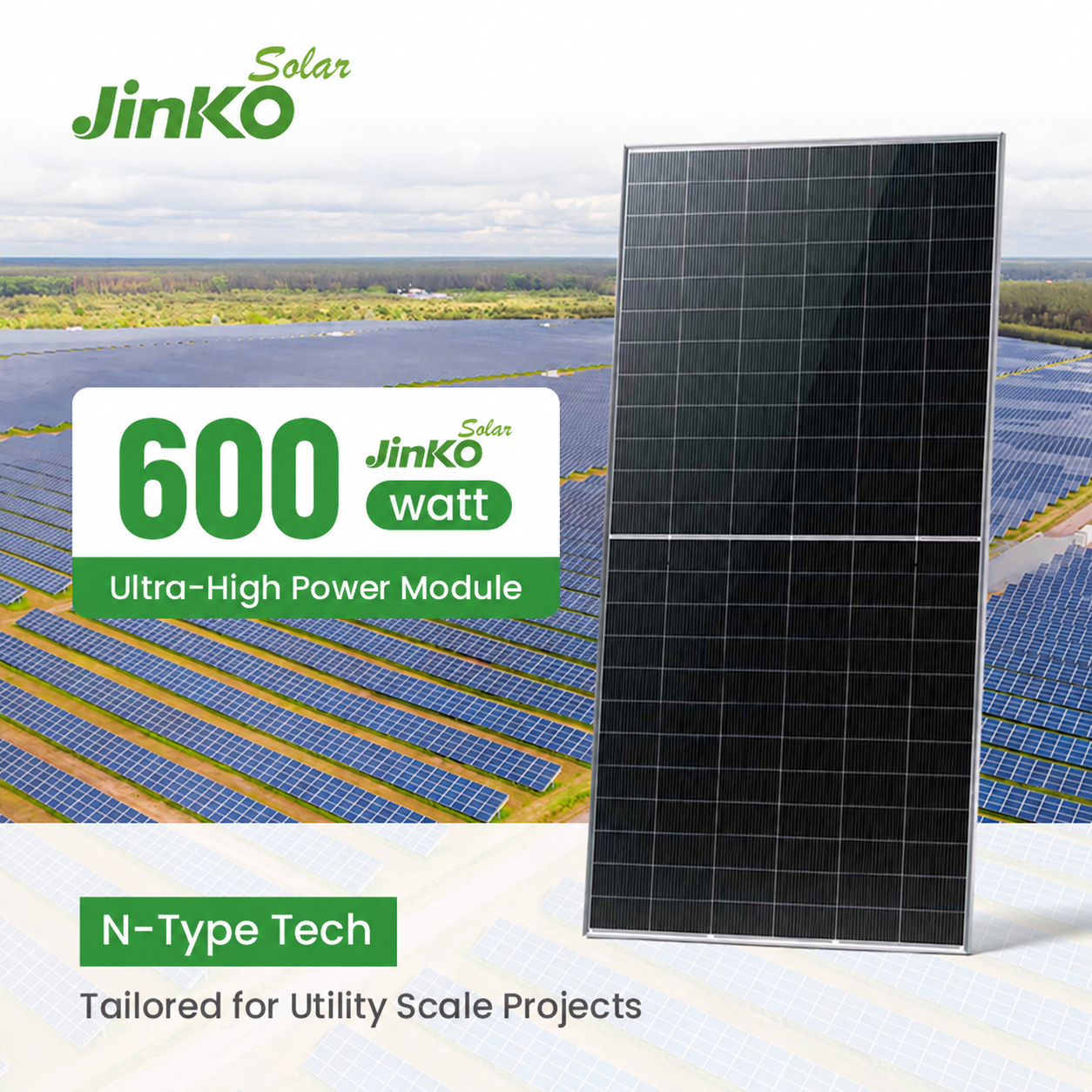
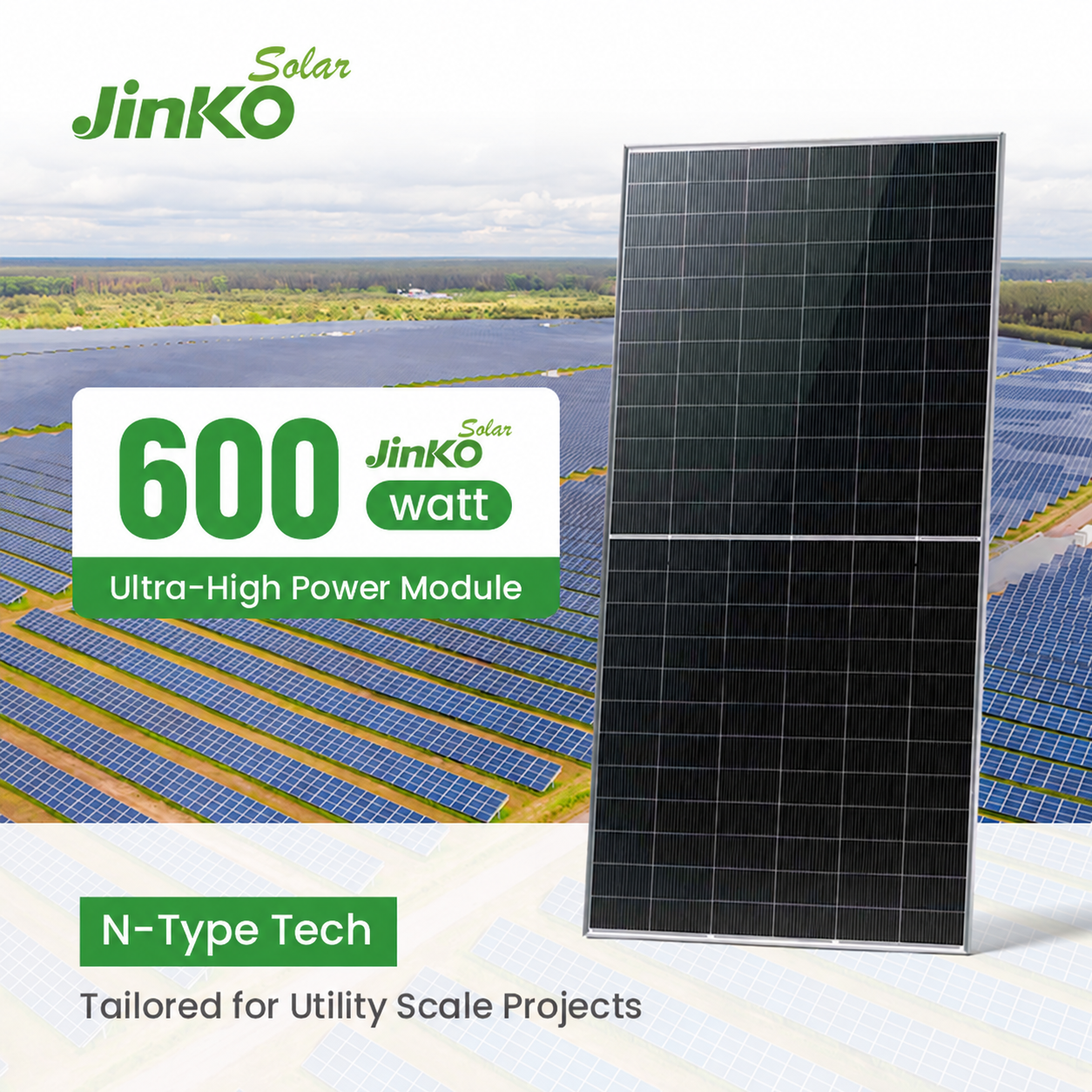
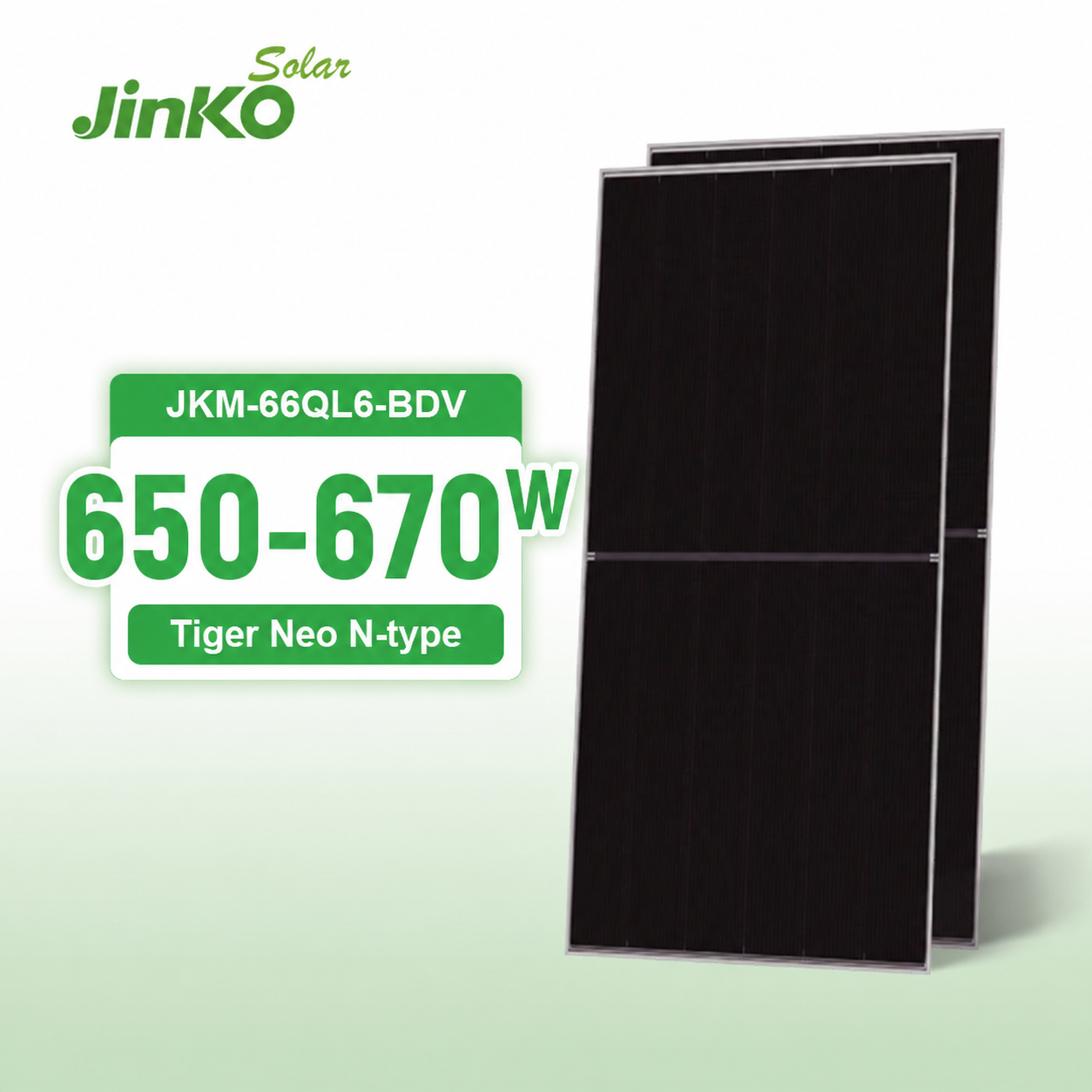
Procuring inverter inventory directly from authorized manufacturing centers in Zhejiang and Guangdong requires granular insight into topological differences, transformerless safety standards, anti-PID (Potential Induced Degradation) mitigation algorithms, and local grid code compliance regimes across Europe, Latin America, Southeast Asia, and Sub-Saharan Africa. The integration between high-power bifacial solar modules (such as Jinko N-Type TOPCon panels ranging from 580W to 670W) and Huawei string inverter architectures demands precise engineering calculations regarding maximum input current ($I_{mp}$), short-circuit thresholds ($I_{sc}$), and wide operational MPPT voltage windows under extreme cold and tropical ambient temperatures.
String Level IV-Curve AI Diagnostics
Modern Huawei inverter ecosystems deploy automated scanning across all string inputs simultaneously, pinpointing up to 14 distinct failure modes including glass cracking, diode breakdown, soil accumulation, and mismatched shading with zero on-site manual intervention.
AI-Driven AFCI 0.5s Arc Extinction
Integrating machine learning neural networks trained on million-point arc waveforms, the smart DC-disconnection protection isolates direct-current arcing up to 200 meters in under 0.5 seconds, far outpacing the 2.5-second requirement of UL1699B standards.
Grid-Forming & Weak Grid Synchronization
Advanced algorithmic virtual synchronous generator (VSG) control systems ensure robust operation down to an ultra-low Short Circuit Ratio (SCR) of 1.1, allowing utility installations in weak-grid areas to stabilize terminal voltage without harmonic tripouts.
Future Procurement Trends: The Next Decade in Smart Solar Conversion (2025–2035)
The global PV landscape is experiencing rapid paradigm shifts. Importers and wholesalers can no longer evaluate procurement decisions solely on a "dollar-per-watt" metric. The modern evaluation matrix is governed by whole-system levelized cost of energy (LCOE), intelligent battery coupling capabilities, and supply chain transparency. Major technical and procurement trajectories shaping the industry include:
| Evaluation Parameter | Legacy Technology Paradigm | Current Market Benchmark (2024-2026) | Next-Gen Trajectory (2027+) |
|---|---|---|---|
| Max DC Input Current per MPPT | 12.5A – 15A (Limited to P-Type PERC) | 20A – 30A (Optimized for 182mm/210mm TOPCon) | 35A+ (Accommodating Ultra-Bifacial 700W+ Cells) |
| BESS Battery Storage Coupling | Low-Voltage 48V External DC Chargers | High-Voltage Direct Modular DC Coupling (150V–1000V) | Direct AC/DC Solid-State Transformers & Hybrid Microgrids |
| Grid Reliability Profile | Grid-Following Only (Auto-trip on anomaly) | Dynamic Reactive Power Compensation (Q(U), P(U)) | True Autonomous Grid-Forming & Black Start Generation |
| System Safety Architecture | Passive Thermal Fuses & Mechanical Breakers | AI Arc Fault Detection & Smart String Level Disconnect (SSDC) | Quantum-Resistant Encrypted Telemetry & Self-Extinguishing Nodes |
1. Direct High-Voltage Modular Storage Coupling: Inverter buyers are rapidly phasing out low-voltage lead-carbon and basic 48V LFP setups for high-capacity installations. Modern commercial procurements prioritize three-phase hybrid inverters with built-in high-voltage DC-DC interfaces supporting direct integration with Lithium Iron Phosphate (LiFePO4) storage towers ranging from 150V up to 1000V DC. This architecture minimizes round-trip energy conversion losses below 2.5% compared to multi-stage AC-coupled designs.
2. Supply Chain Consolidation & Turnkey Bundling: Global buyers face logistical volatility and field warranty friction when sourcing modules, inverters, and battery banks from disparate vendors. Verified export suppliers in China now provide matched component bundling: tier-one bifacial solar panels (e.g., Jinko Solar TOPCon), smart hybrid inverters (e.g., Huawei SUN2000, Deye Commercial lines), and smart battery management systems (BMS) pre-configured with unified CAN/RS485 communication protocols before container sealing.