Utility / Large House
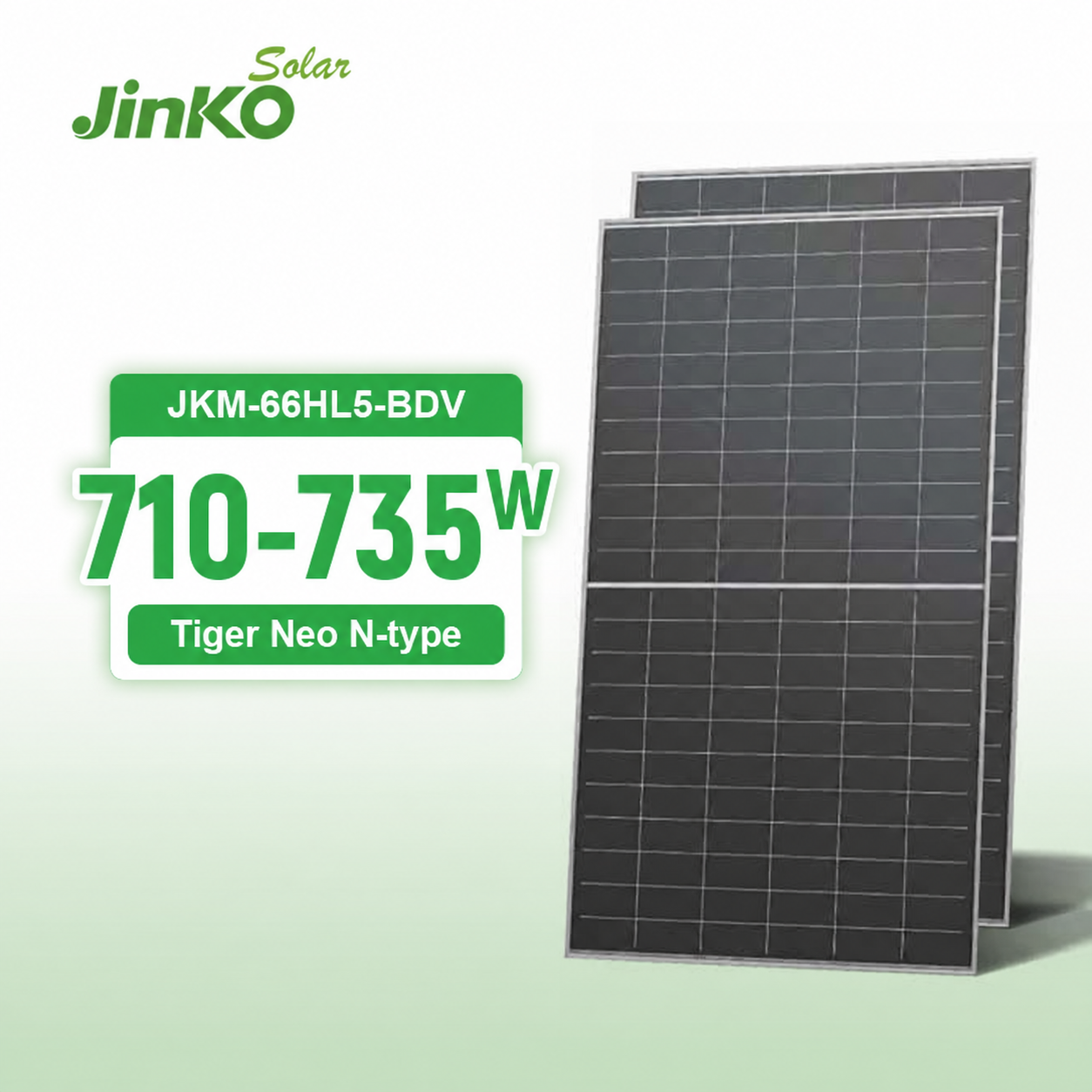
A high-performance 10kW solar inverter demands ultra-low mismatch losses, optimized MPPT operating windows, and resilient storage coupling. The eight components below represent Tier-1 benchmark hardware directly exported and warrantied by VOLT New Energy.
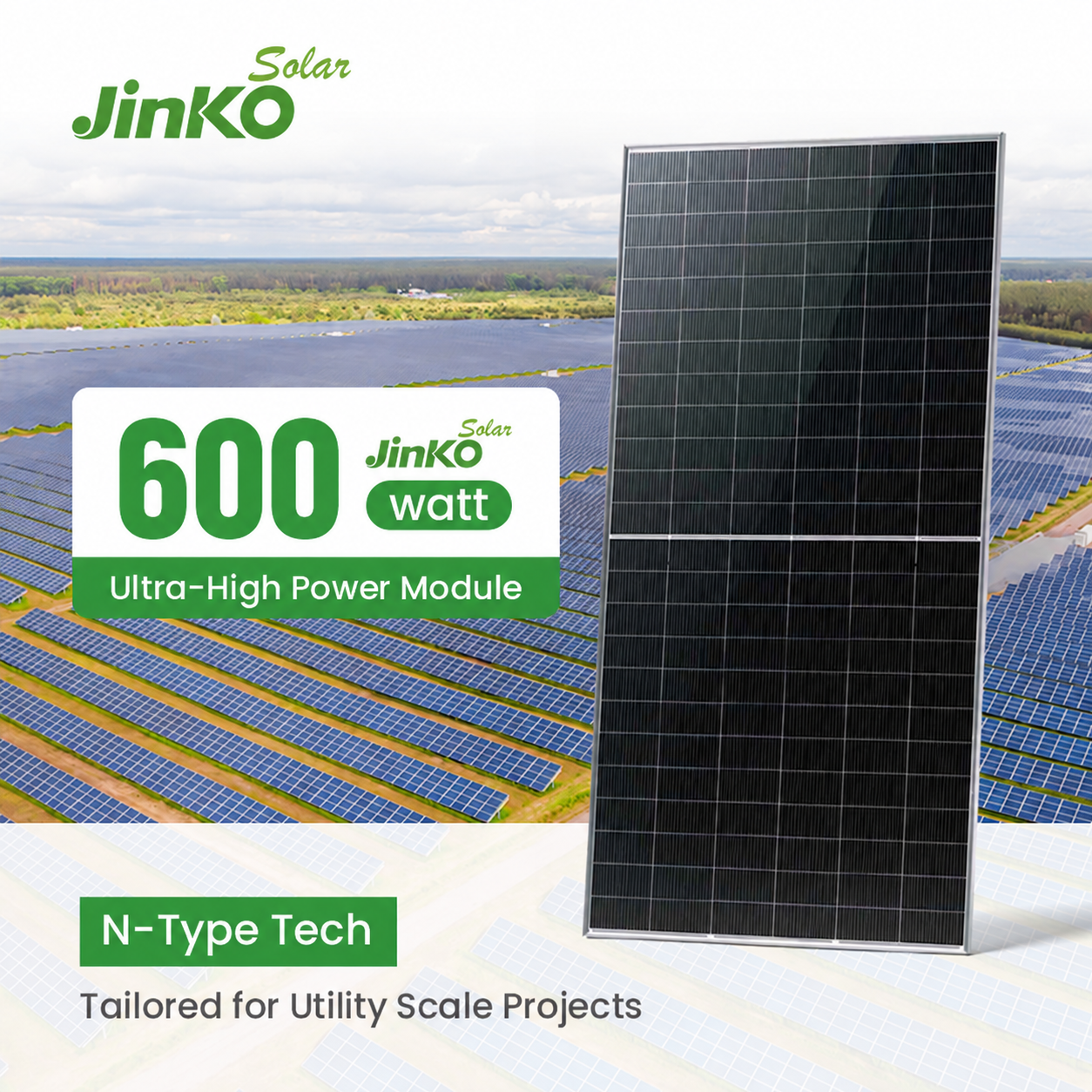
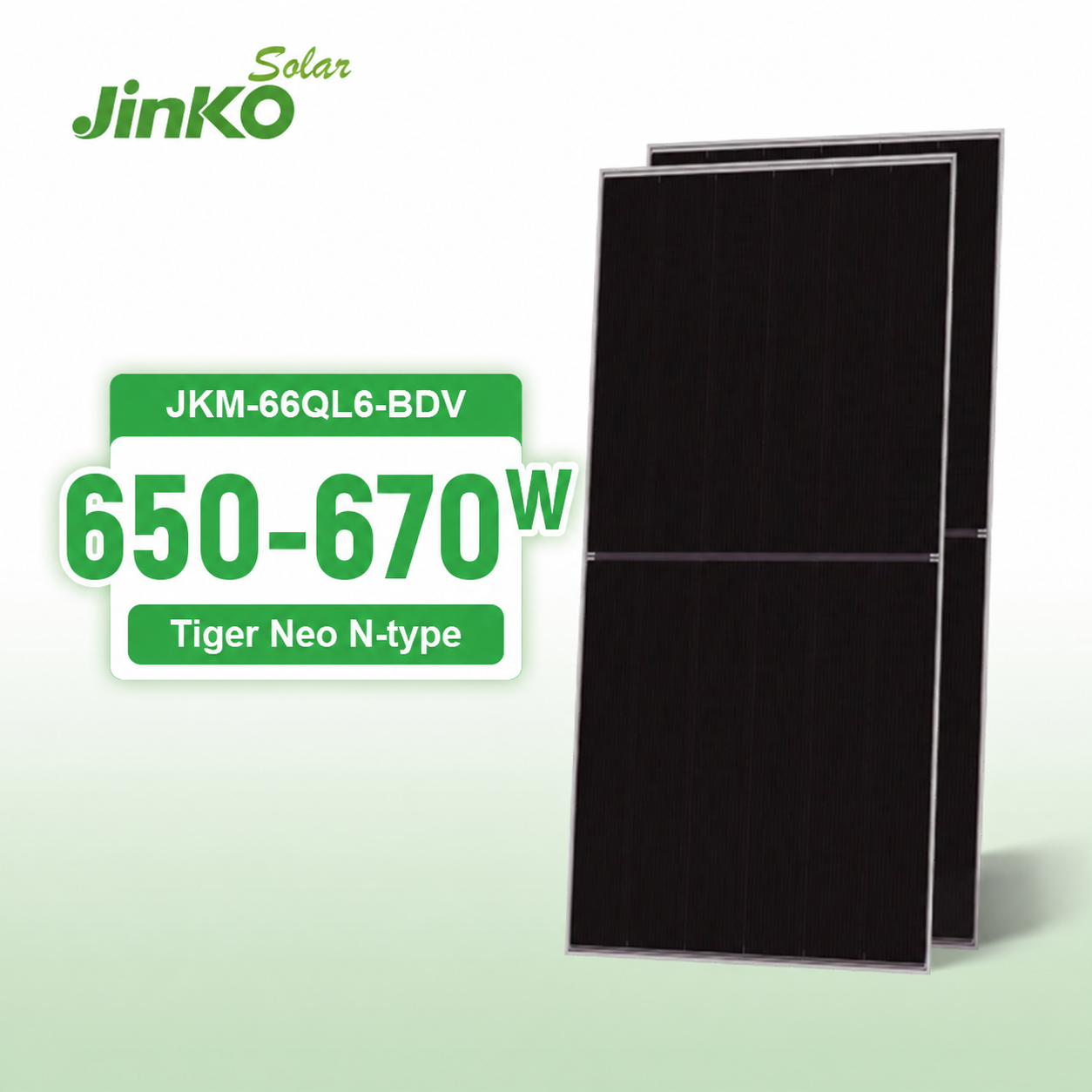
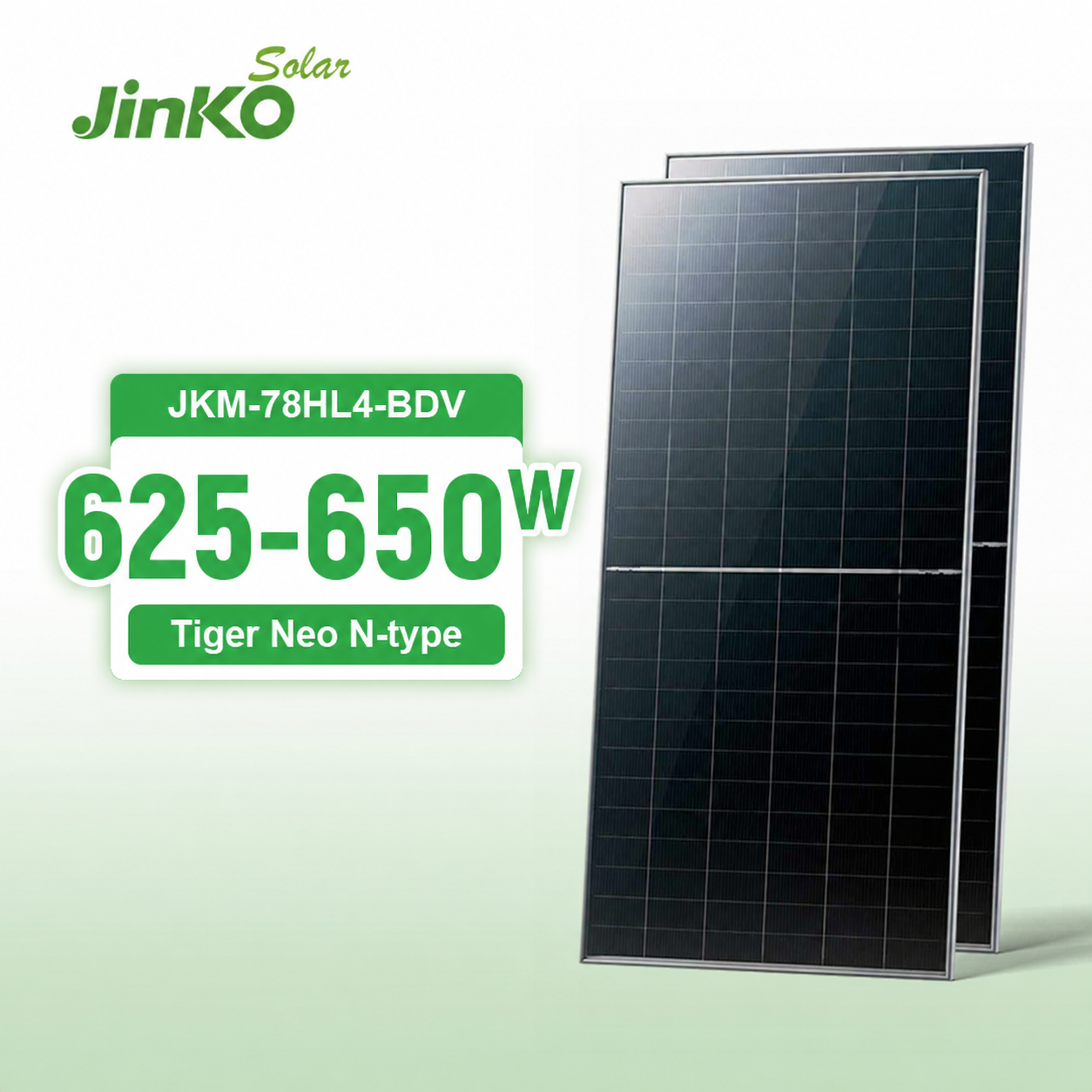
In modern photovoltaic system design, the 10kW tier occupies the strategic sweet spot between heavy residential consumption and light-to-medium commercial operations.
International procurement specialists face a critical technical fork when specifying 10kW inverters: Low Voltage (40V–60V battery architecture) versus High Voltage (150V–800V stacked battery architecture). While both deliver 10,000 watts of nominal AC output, their internal conversion stages, balance of system (BOS) footprints, and operational efficiencies diverge significantly.
Utilizes heavy-gauge copper busbars handling up to 210A–240A of DC current. Unmatched for cost-effective modular scaling in developing microgrids and off-grid retrofit installations using modular rack-mount or wall-mount LiFePO4 packs.
Operates with lower thermal dissipation and smaller conductor cross-sections (typically 20A–35A DC currents). Reaches overall round-trip conversion efficiencies of >97.6%, ideal for grid-tied European and Australian residential standards.
Leading China export lines incorporate 3rd generation wide bandgap SiC semiconductors, cutting high-frequency switching losses by 42% and enabling fanless natural convection cooling up to 45°C ambient derating thresholds.
| Technical Parameter | 10kW LV Hybrid (Deye Series Benchmark) | 10kW HV Three-Phase Commercial | 10kW Pure String Inverter (Grid-Tied) |
|---|---|---|---|
| Nominal AC Active Output | 10,000 W (1.1x Continuous Overload) | 10,000 W (Three Phase 3L/N/PE) | 10,000 W (Compact Transformerless) |
| Battery Voltage Spectrum | 40V – 60V (Low-Voltage Safe DC) | 160V – 700V (Stacked Lithium Cells) | N/A (Direct PV-to-Grid Direct) |
| Maximum PV Input Power | 13,000 W (1.3x DC/AC Ratio) | 15,000 W (1.5x DC/AC Ratio) | 15,000 W (High Bifacial Allowance) |
| MPPT Trackers / Max Strings | 2 Trackers / 2+1 Strings | 2 Trackers / 2+2 Strings | 2 Trackers / 2 Strings (Wide Window) |
| Transfer Time (UPS Grade) | < 4 ms (Seamless Phase Lock) | < 10 ms (Standard ATS Window) | N/A (Anti-Islanding Triggered) |
| BMS Communication Interlock | CANbus 2.0B / RS485 Native Port | CAN / Modbus TCP / SunSpec | RS485 / WiFi / 4G RTU Protocol |
| Certification & Grid Codes | ✓ CE, VDE4105, NRS097, IEC62109 | ✓ CE, EN50549, AS4777, UL1741 | ✓ CE, IEC61727, IEEE1547 |
B2B importers, regional distributors, and utility-scale solar developers must anticipate shifts in manufacturing ecosystems, localized balance-of-system rules, and cross-border supply chain integration.
Global distributors are phasing out pure on-grid 10kW string inverters in favor of unified hybrid platforms capable of retrofitting batteries dynamically.
Procurement demand across Europe and Southern Africa now mandates asymmetric phase output: 0–3.33kW distributed independently per leg on a 10kW three-phase inverter.
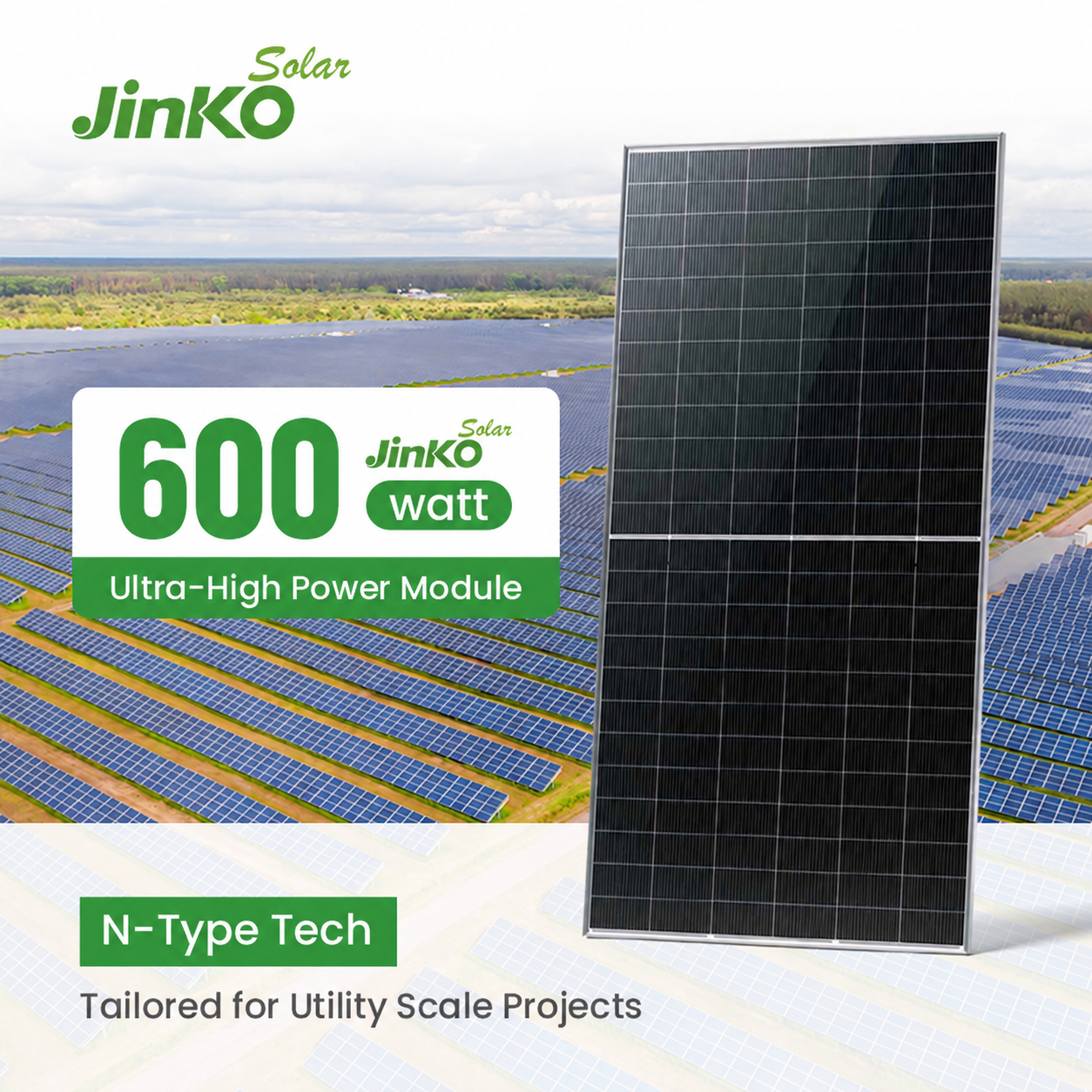
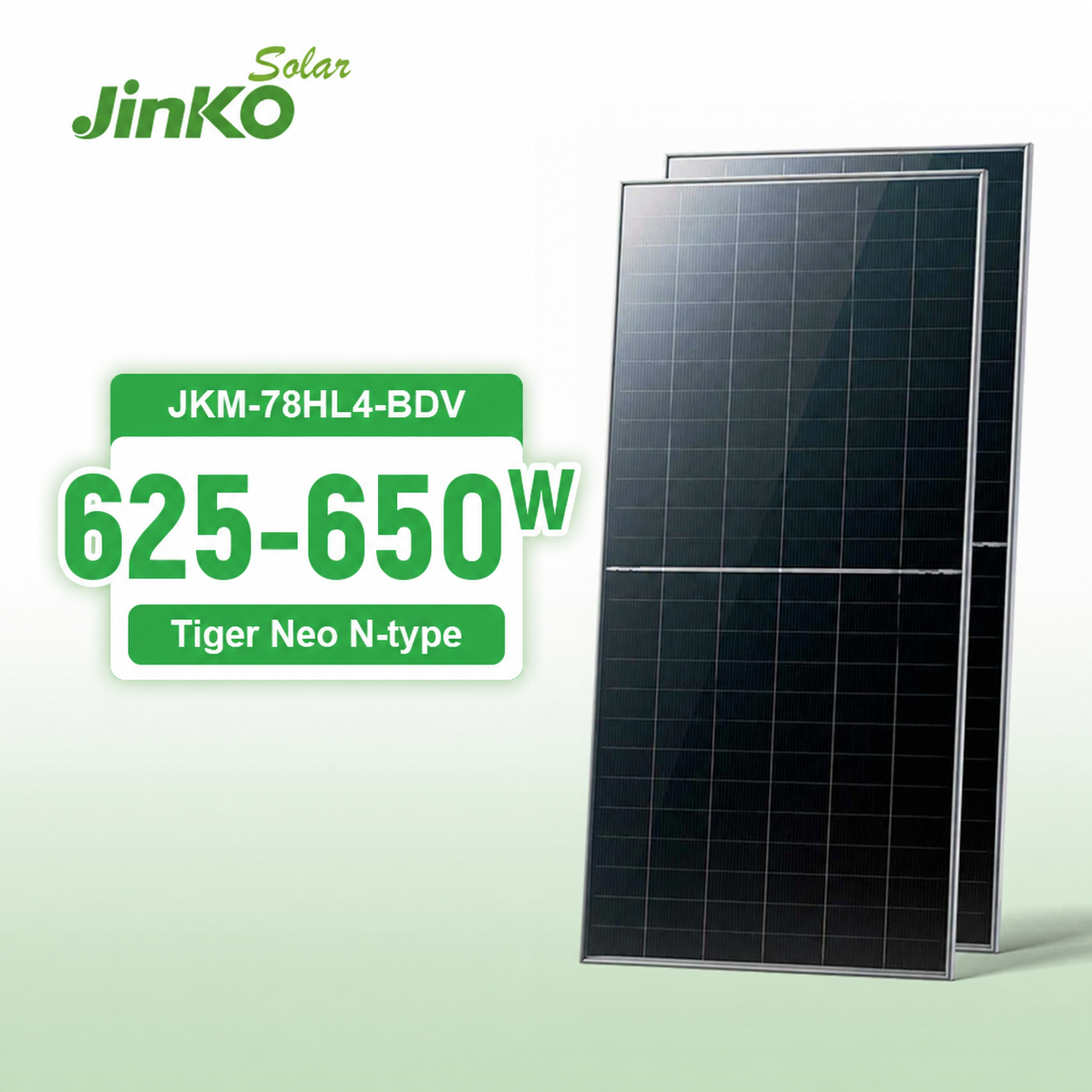
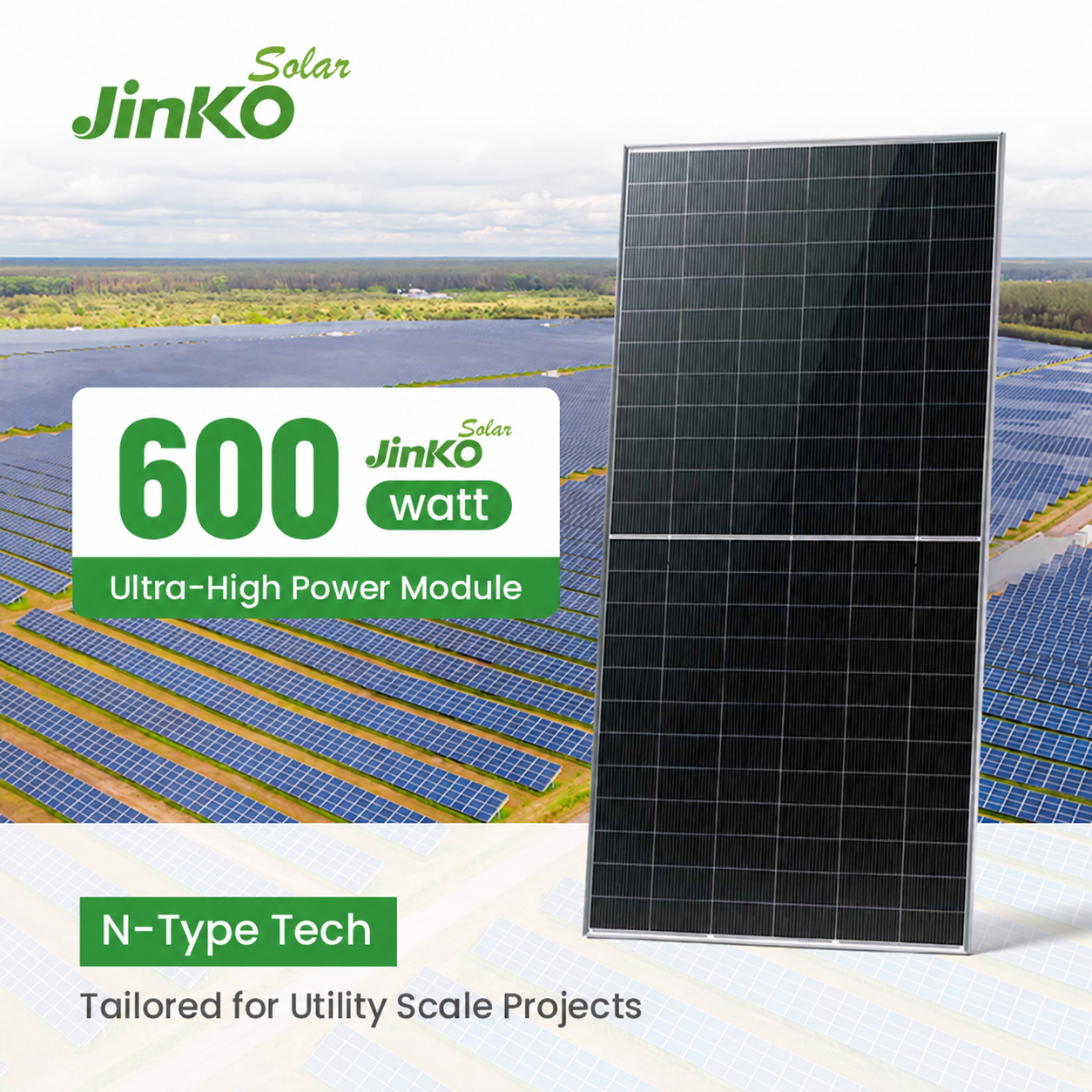
Driven by 210mm wafer N-Type modules (e.g. Jinko 650W+ series), inverters must support string input currents of 16A–20A without thermal throttling.
Eliminating dedicated home uninterruptible power supplies by engineering automatic internal switching times beneath the critical 10ms threshold.
The international supply chain is also transitioning from fragmented spot-purchasing to Consolidated Balance-of-System (BOS) Kit Shipping. In traditional procurement channels, sourcing solar modules from Manufacturer A, inverters from Manufacturer B, and energy storage batteries from Manufacturer C yields severe frictional overhead: container demurrages, mismatched warranty disputes, and destructive BMS handshake failures in the field.
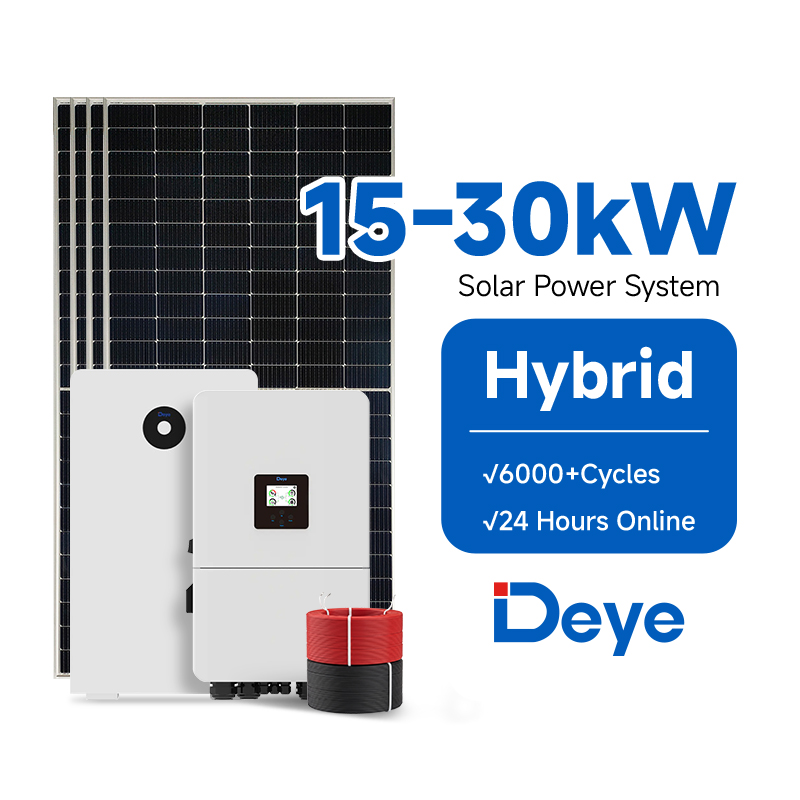
Forward-thinking importers leverage centralized Chinese export integrators like Hangzhou VOLT New Energy to fulfill mixed-cargo 40HQ containers—combining Class 9 hazardous lithium-ion batteries, Tier-1 Jinko bifacial solar panels, and pre-matched Deye 10kW hybrid inverters under single-source documentation (UN38.3, MSDS, CE, and custom Bill of Lading clearance).
From passive power electronics to edge-computing grid anchors: observe the technical vectors revolutionizing Chinese 10kW inverter hardware architectures.
Traditional inverters are grid-following (GFL), requiring a stable reference voltage to inject power. Emerging 10kW architectures feature true synthetic inertia and black-start algorithms, enabling an entire commercial site or residential compound to establish an islanded microgrid without diesel synchronization.
By sampling string I-V characteristic curves at sub-100 millisecond intervals, onboard microcontrollers implement neural-network scanning to track the true Global Maximum Power Point (GMPP) under complex chimney, pylon, and cloud shadowing, eliminating 8%–15% localized string mismatch losses.
Compliant with UL 1699B and IEC 63027 standards, real-time Fourier-transform algorithms detect high-frequency acoustic and electrical signatures of DC serial arcs within <200ms, tripping high-speed contactors to prevent catastrophic rooftop fire hazards.
Exporting high-capacity solar inverters and lithium storage systems requires deep factory-level technical control, certified dangerous goods logistics, and rigorous end-to-end testing.

We eliminate the dreaded field "BMS Communication Fault". Before sealing export containers, our Hangzhou test bench flash-configures CANbus baud rates, RS485 register addresses, and battery wake-up sequences between Deye inverters and storage modules.

Our quality control protocol executes 100% full-power burn-in tests, insulation resistance verification, high-pot dielectric testing, and IP65/IP66 enclosure sealing audits with photo/video serialization records supplied to buyers.
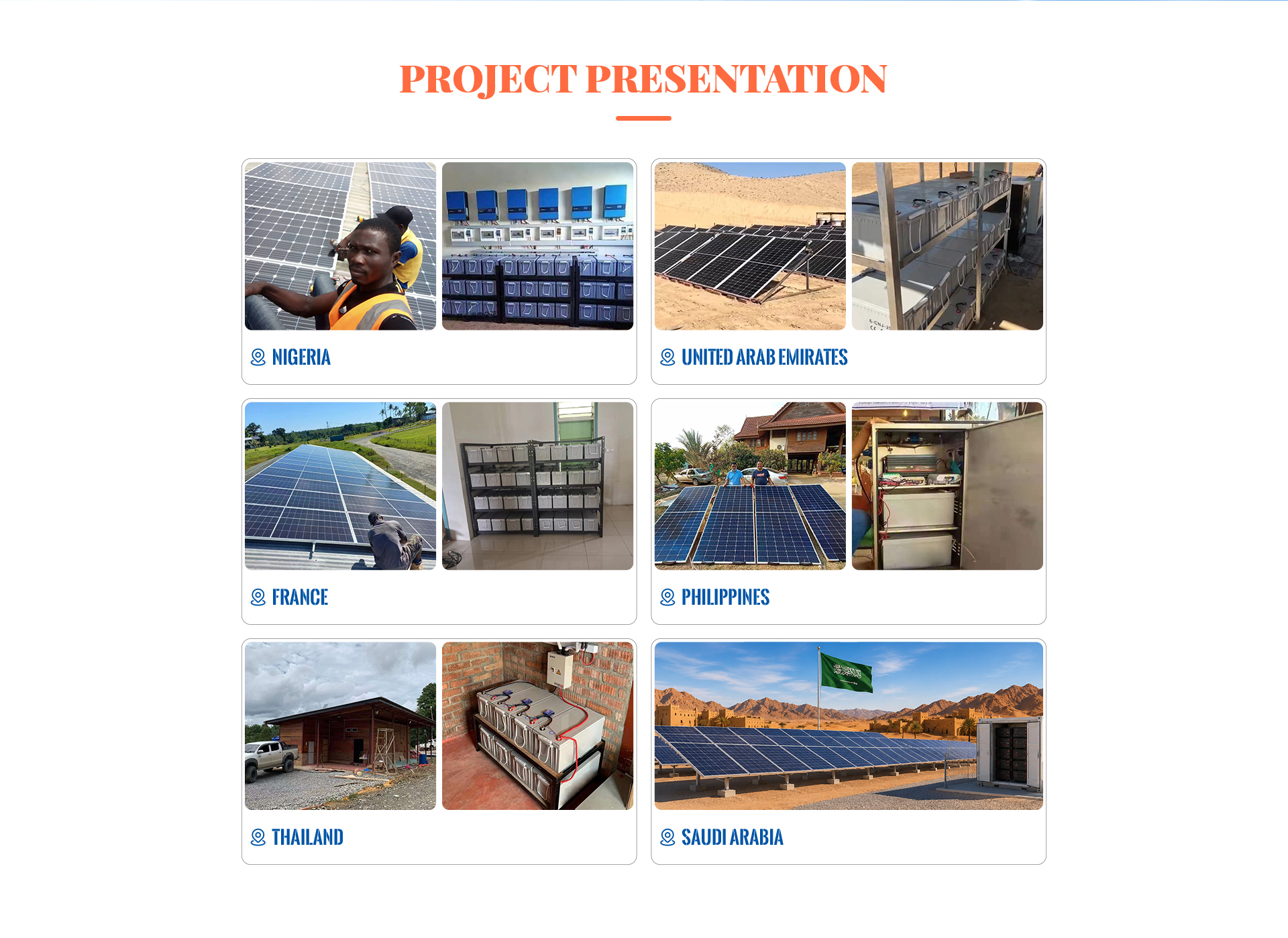
Exporting solar storage means mastering hazardous freight. We handle UN38.3 compliance, certified UN-approved packaging boxes, MSDS filings, and maritime Dangerous Goods declarations for seamless port handling across 100+ countries.
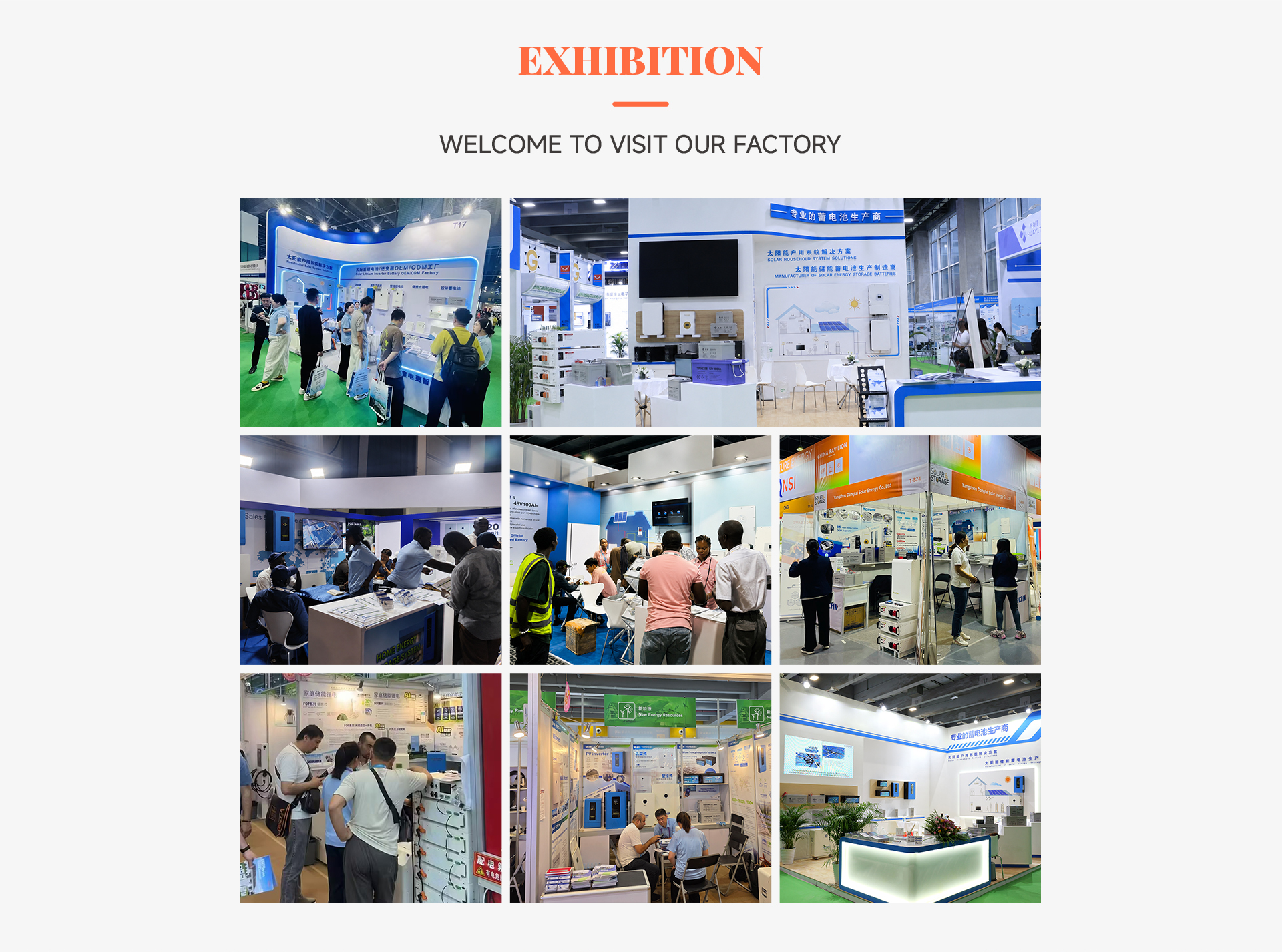
Distributors receive full pre-sales engineering backing: string sizing calculations, single-line diagrams (SLD), breaker and surge protection (SPD) schedules, and localized grid-code interconnection paperwork directly in English.
Straightforward answers addressing real-world technical parameters, customs regulations, and system configuration barriers encountered by global solar importers.
Get in touch with Hangzhou VOLT New Energy’s engineering team today for full technical specifications, grid compliance certificates, and mixed-container freight schedules.