Commercial Tier-1
Direct factory supply featuring calibrated TOPCon bifacial modules, Deye low-voltage hybrid inverters, and modular plug-and-play stackable LiFePO4 battery modules rigorously tested for turnkey synchronization.
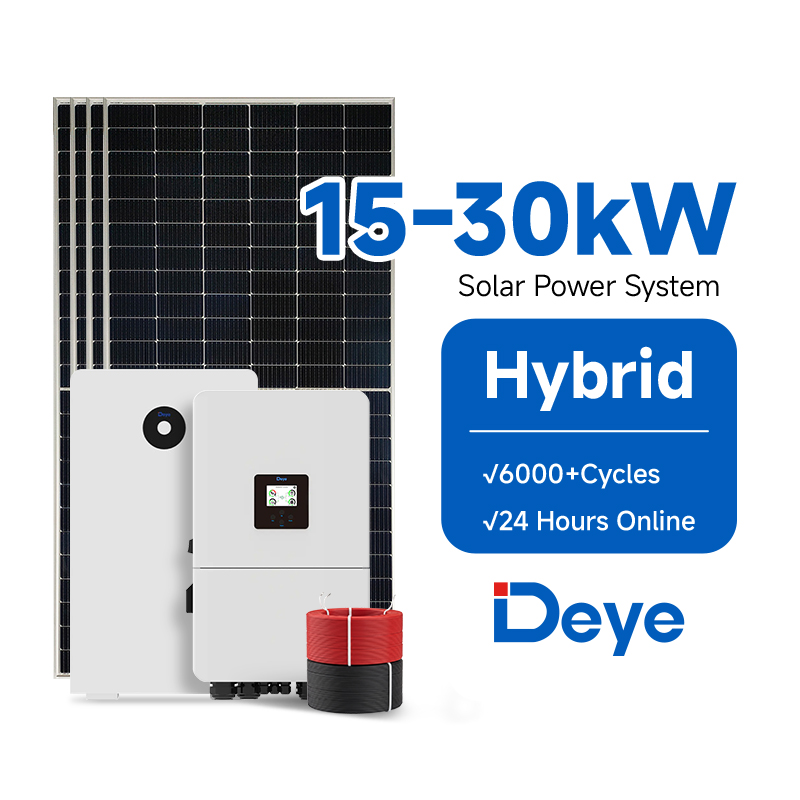
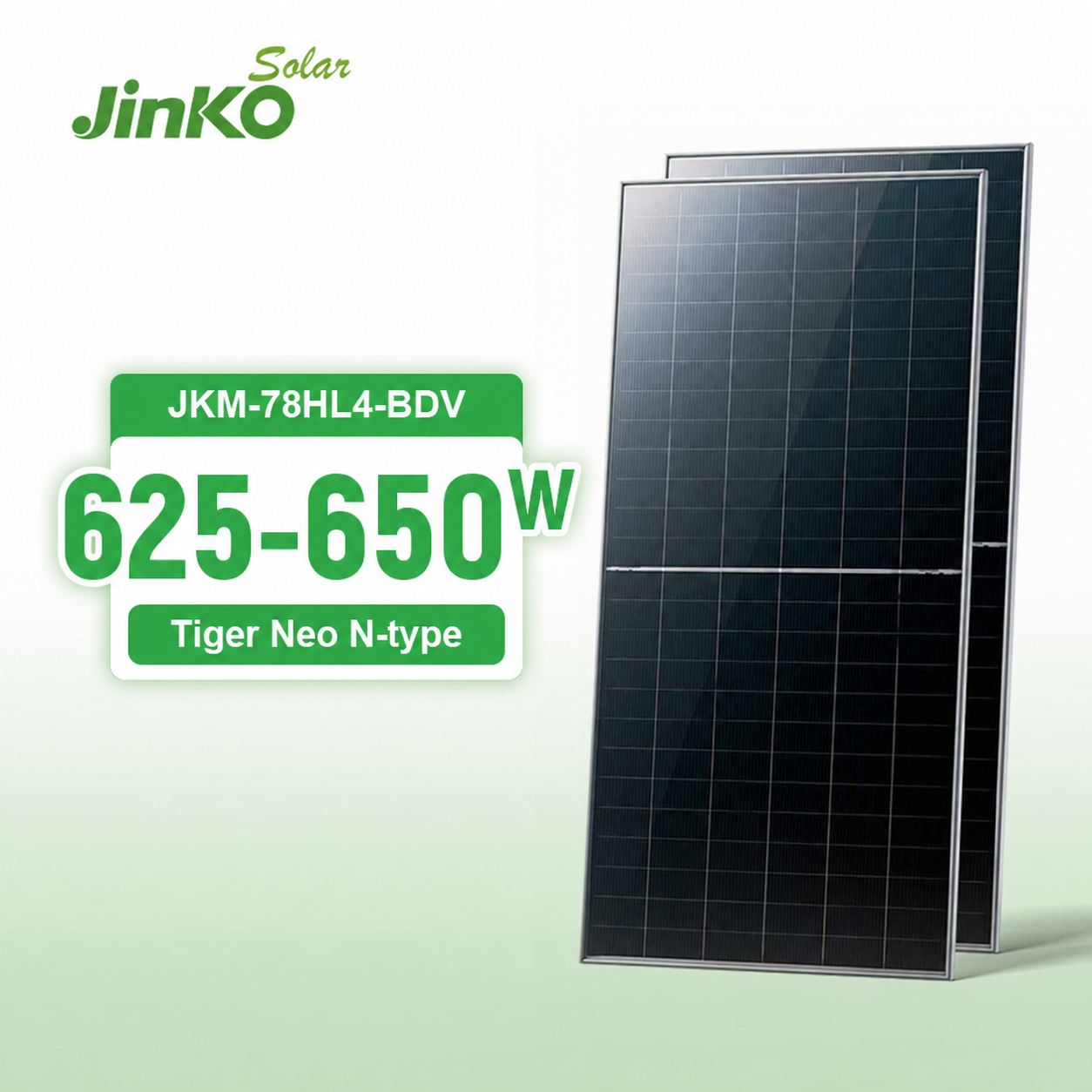

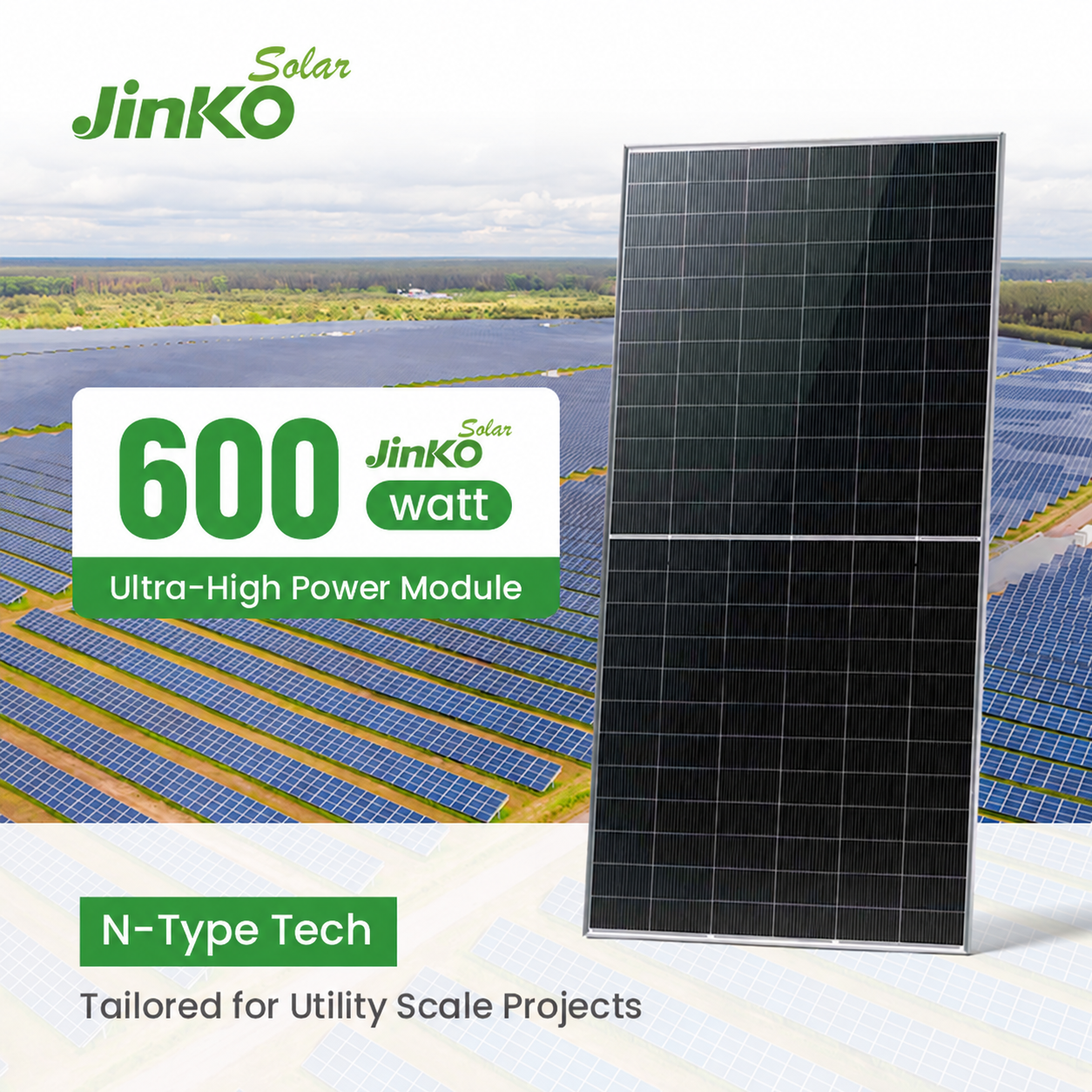
The global renewable energy landscape has transitioned beyond decentralized, fragmented energy storage towards modular stackable Lithium Iron Phosphate (LiFePO4) systems. In commercial, industrial, and high-demand residential sectors, legacy server-rack batteries and cumbersome lead-carbon configurations present high installation labor costs, cable losses, and communication vulnerabilities. Chinese manufacturing engineering leads this revolution by producing unified stackable battery architectures that eliminate inter-module power cabling through patented internal plug-and-socket busbar connectors.
From an engineering perspective, stackable ESS configurations split into two distinct electrical topologies: Low Voltage (LV - nominal 51.2V) parallel-connected stacks and High Voltage (HV - nominal 150V to 600V+) series-connected towers. Low-voltage stackable platforms provide superior modularity and inherent safety for residential systems between 5kWh and 30kWh, interfacing seamlessly with transformerless hybrid inverters such as the Deye SUN-5/6/8/10/12K-SG04LP3 series. Conversely, High-Voltage stackable systems reduce operational amperage across the DC bus, minimizing thermal dissipation (I²R losses) and enabling round-trip efficiency (RTE) thresholds to exceed 95.5% in commercial microgrid installations up to 100kWh+.
| Architectural Parameter | LV Stackable System (51.2V Architecture) | HV Stackable System (200V–600V+ Architecture) | Engineering Selection Criteria |
|---|---|---|---|
| Nominal Module Energy | 5.12 kWh (100Ah / 51.2V Prismatic LFP) | 2.56 kWh – 5.12 kWh Series Stacking | Floor-standing footprint vs. crane accessibility |
| DC Bus Operating Current | High (Up to 100A – 250A per stack) | Low (Typically 25A – 50A uniform current) | HV reduces copper conductor cross-section |
| Thermal Coefficient & Losses | Moderate cable dissipation; requires forced air | Ultra-low I²R heat dissipation; passive cooling ok | HV maximizes Levelized Cost of Storage (LCOS) |
| BMS Balancing Architecture | Independent Module Slave BMS with Master CAN | Central High-Voltage Controller (BMU + HVS) | HV requires synchronous cell health monitoring |
| Primary Grid Applications | Off-grid residences, telecom shelters, villas | Commercial peak shaving, EV fast charging buffering | Directly dictates inverter MPPT voltage window |
Procuring energy storage products from China is no longer merely an exercise in finding the lowest per-watt-hour battery cell cost. International Tier-1 EPC contractors, electrical distributors, and utility developers are standardizing procurement frameworks around four transformative pillars:
Importers are boycotting closed-loop proprietary protocols. Modern stackable batteries must ship with multi-protocol flashing microcontrollers supporting native auto-negotiation for Deye, Victron, GoodWe, Growatt, SMA, and Solis over RS485 and CAN 2.0B buses.
Levelized Cost of Storage (LCOS) has replaced upfront capital expenditure (CapEx) as the primary KPI. Procurement algorithms prioritize Tier-1 Grade-A cells exhibiting 0.5C/1C cycle retention above 80% at 6,000 cycles, lowering lifetime storage below $0.045/kWh.
Stringent EU and US insurance guidelines mandate automated fire mitigations. Factory-installed aerosol fire extinguishing units, integrated thermal runaway sensors, and directional pressure relief valves inside each stackable module are mandatory for customs entry.
The manufacturing standard for top-tier Chinese energy storage factories has shifted from passive hardware assembly to deep algorithmic Battery Management System (BMS) integration. State-of-the-Art (SOTA) stackable storage leverages dynamic mathematical cell modeling to mitigate cell drift and state-of-charge (SoC) divergence across stacked battery modules.
Moving away from heat-generating passive dissipative resistors, bidirectional inductive/capacitive active balancing (up to 2A–5A transfer current) keeps series-stacked cells balanced without energy waste.
Integrated 4G/WiFi data loggers enable stackable units to aggregate into Virtual Power Plants (VPPs). Real-time telemetry allows automated arbitrage during dynamic negative spot electricity pricing.
Aluminum die-cast heat-sink enclosures coupled with phase change thermal interface materials (TIM) maintain internal core gradient variance below 2.5°C across all prismatically arranged cells.
R&D pilot lines are preparing semi-solid electrolyte LFP chemistries for 2026 rollouts, pushing volumetric energy density above 190 Wh/kg while achieving absolute zero thermal propagation under nail penetration.
Specialized in eliminating system-level mismatch before export through rigorous hardware-in-the-loop (HIL) battery-to-inverter verification.




Every stackable battery order is connected to genuine Deye / Growatt hybrid inverters in our Hangzhou testing bay. We flash matching firmware, confirm CANbus telemetry, and lock DIP switches before palletizing.
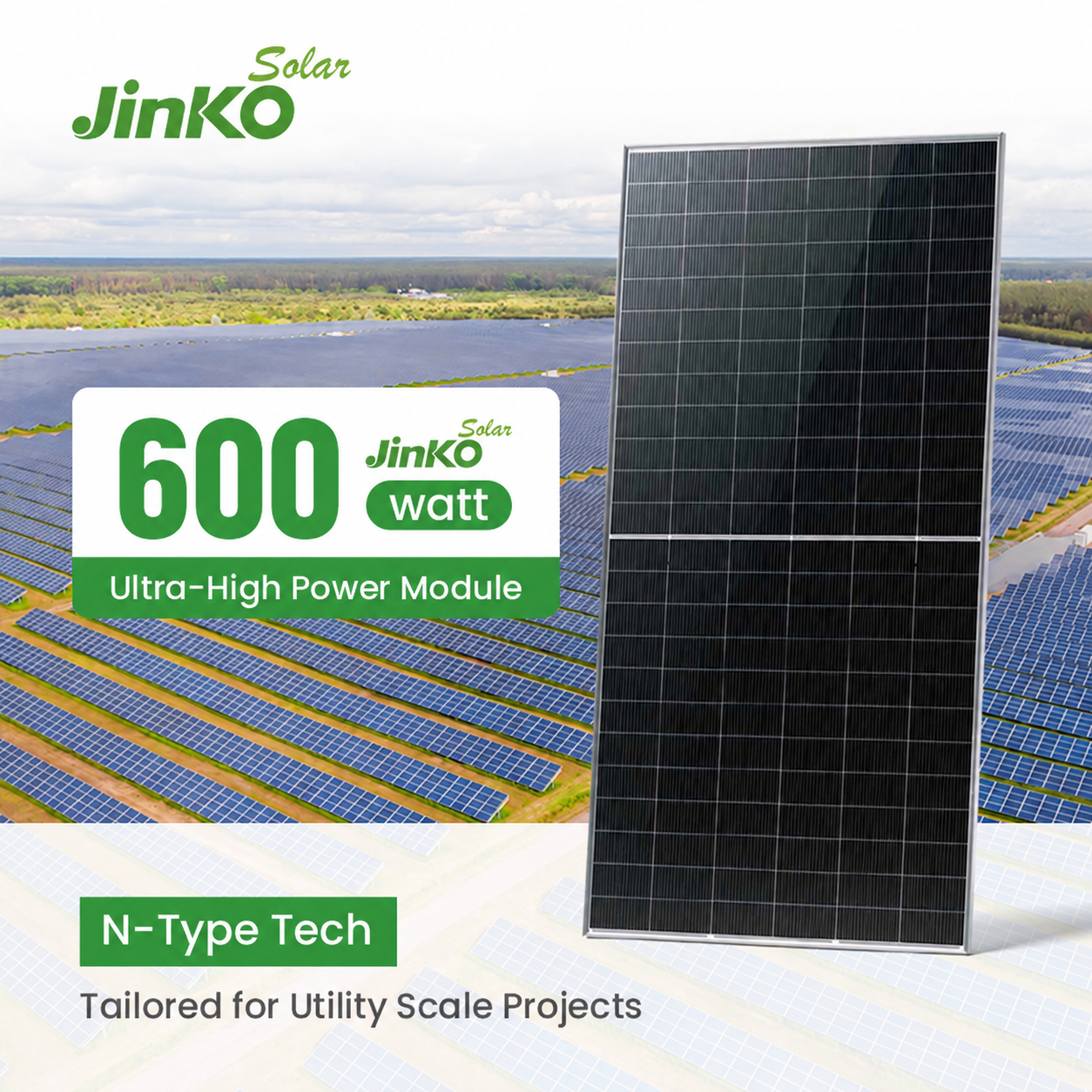
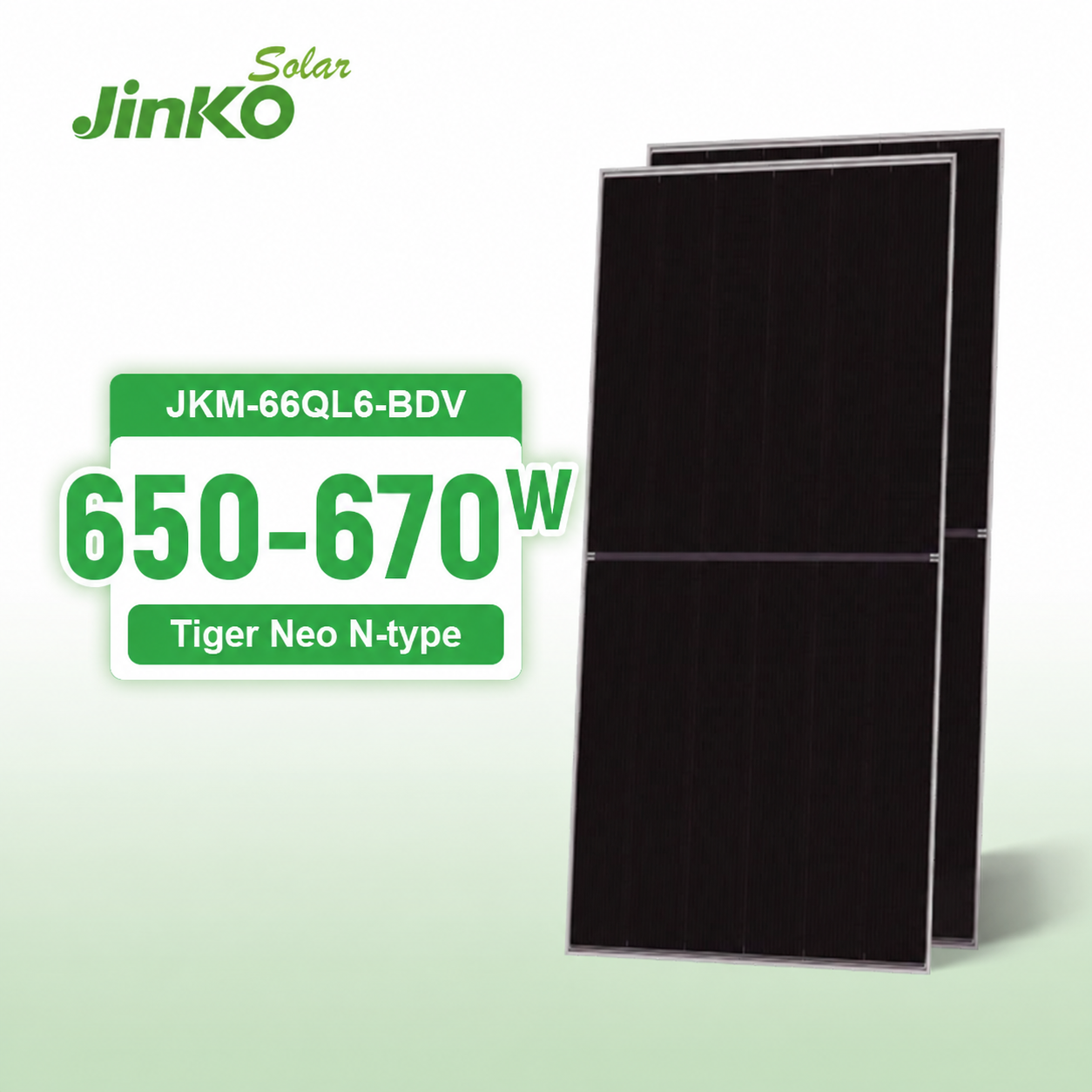
Avoid coordinating three suppliers. We consolidate Tier-1 Jinko TOPCon bifacial modules, Deye hybrid inverters, and stackable LFP storage banks into single containerized shipments under unified marine insurance.
Lithium iron phosphate requires Class 9 UN3480 hazardous goods handling. We supply verified UN38.3, MSDS, sea freight packaging certifications, and drop-test documentation to guarantee zero port customs delays.
B2B importers access bilingual solar storage electrical engineers who generate load calculations, single-line diagrams (SLDs), string design configurations, and firmware updates for overseas installation contractors.
Clear, definitive technical answers addressing warranty liabilities, BMS communication handshakes, dangerous goods freight, and system expansion rules.
Accurate power-to-energy (P/E) ratios prevent premature battery degradation and avoid inverter overload tripping during motor inrush currents. The table below represents our factory recommended sizing matrices for off-grid, peak shaving, and solar self-consumption:
| System Scale | Recommended Deye Inverter Model | Stackable Battery Configuration | Usable Energy (90% DoD) | Target Load Application |
|---|---|---|---|---|
| Compact Residential | SUN-5K-SG04LP1-EU (5kW Low Voltage) | 2 Modules (51.2V 200Ah Stack) | 9.21 kWh | Essential circuits, refrigerators, LED lighting, routers |
| Standard Luxury Villa | SUN-10K-SG04LP3-EU (10kW 3-Phase LV) | 4 Modules (51.2V 400Ah Stack) | 18.43 kWh | Whole-house backup, 3x heat pumps, induction cooking |
| Commercial & Industrial | SUN-30K-SG01HP3-EU (30kW High Voltage) | 8 Modules Series Stack (409.6V 100Ah) | 36.86 kWh | CNC workshops, cold-chain storage, EV charging buffer |
| Microgrid / Agricultural | SUN-50K-SG01HP3-EU (50kW High Voltage) | 12 Modules Series Stack (614.4V 100Ah) | 55.29 kWh | Irrigation pump arrays, processing plants, diesel replacement |