Certified High-Efficiency N-Type Bifacial TOPCon Modules
Direct allocations from premier Tier-1 manufacturing hubs in Zhejiang and Jiangsu. Full container load (FCL) dispatch with rigorous pre-shipment electroluminescence inspection, factory flash test data, and seamless compatibility with leading energy storage infrastructures.
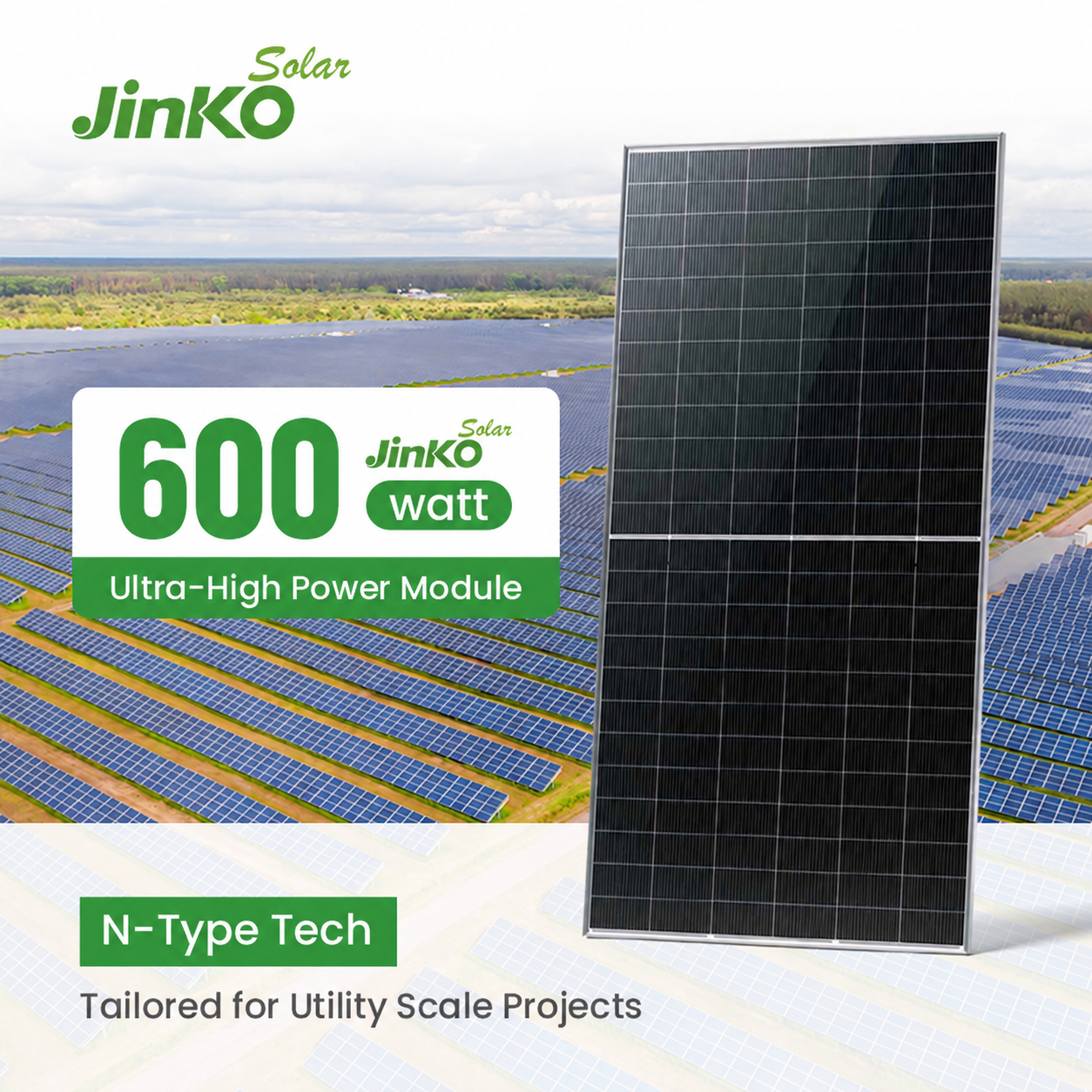
Jinko High Efficiency Bifacial 600W 585W 575W 595W Double Glass N Type Solar Panel in Stock
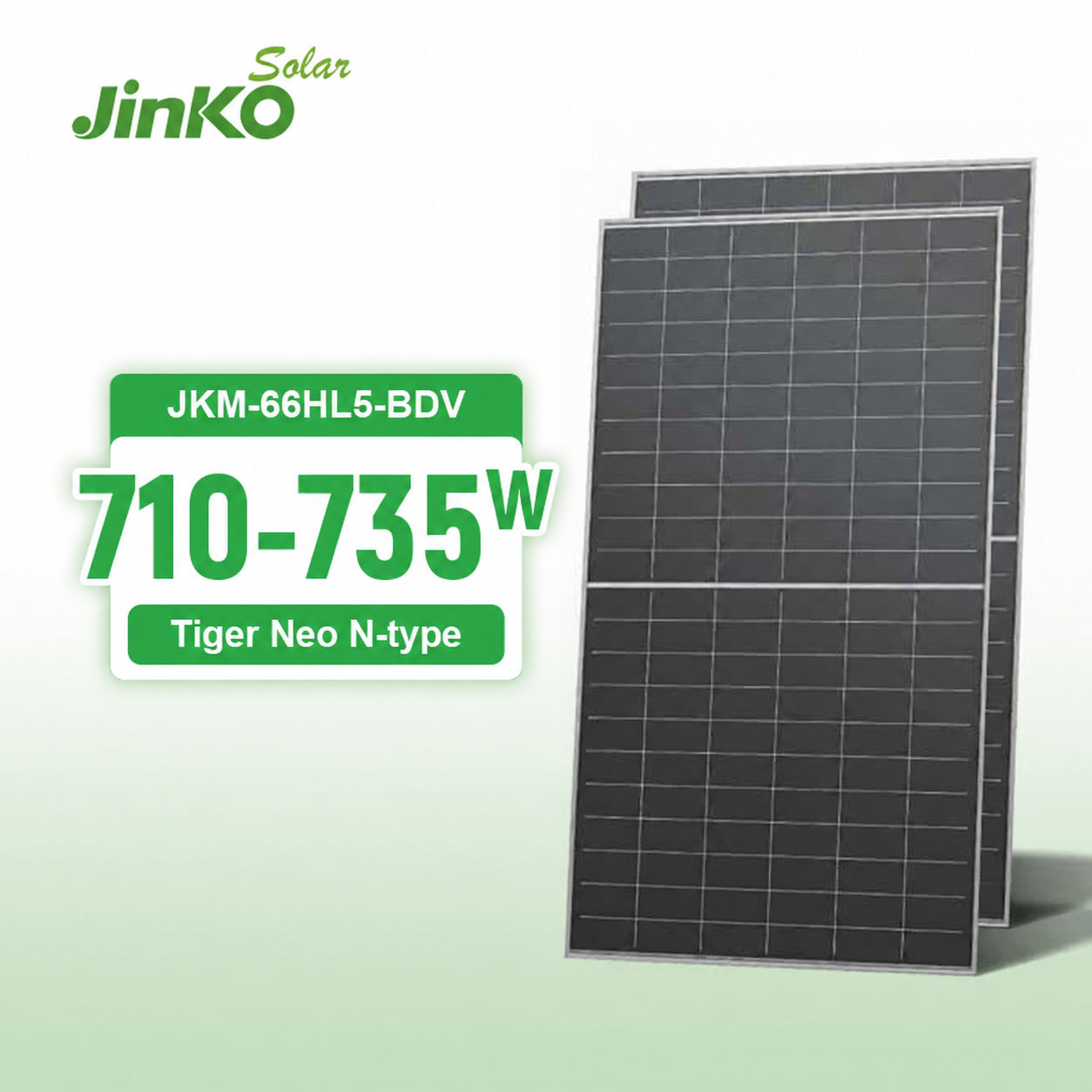
Jinko N Type Bifacial Pv Solar Panels 720W 710W 715W Dual Glass Industrial Photovoltaic Panneau Solaire
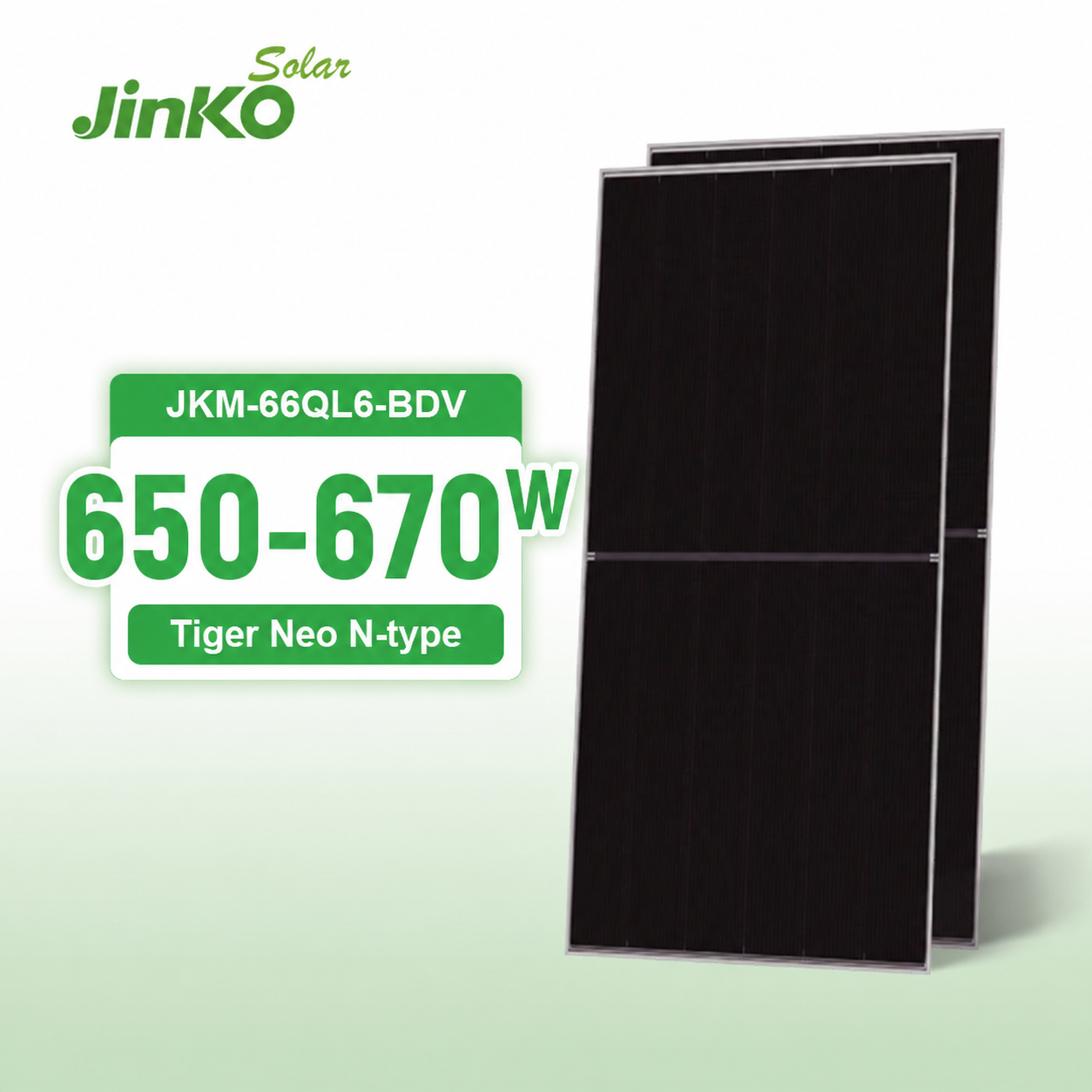
Jinko N Type Bifacial Pv Modules 650W 660W 670W Double Glass Solar Photovoltaic Panel for Commercial
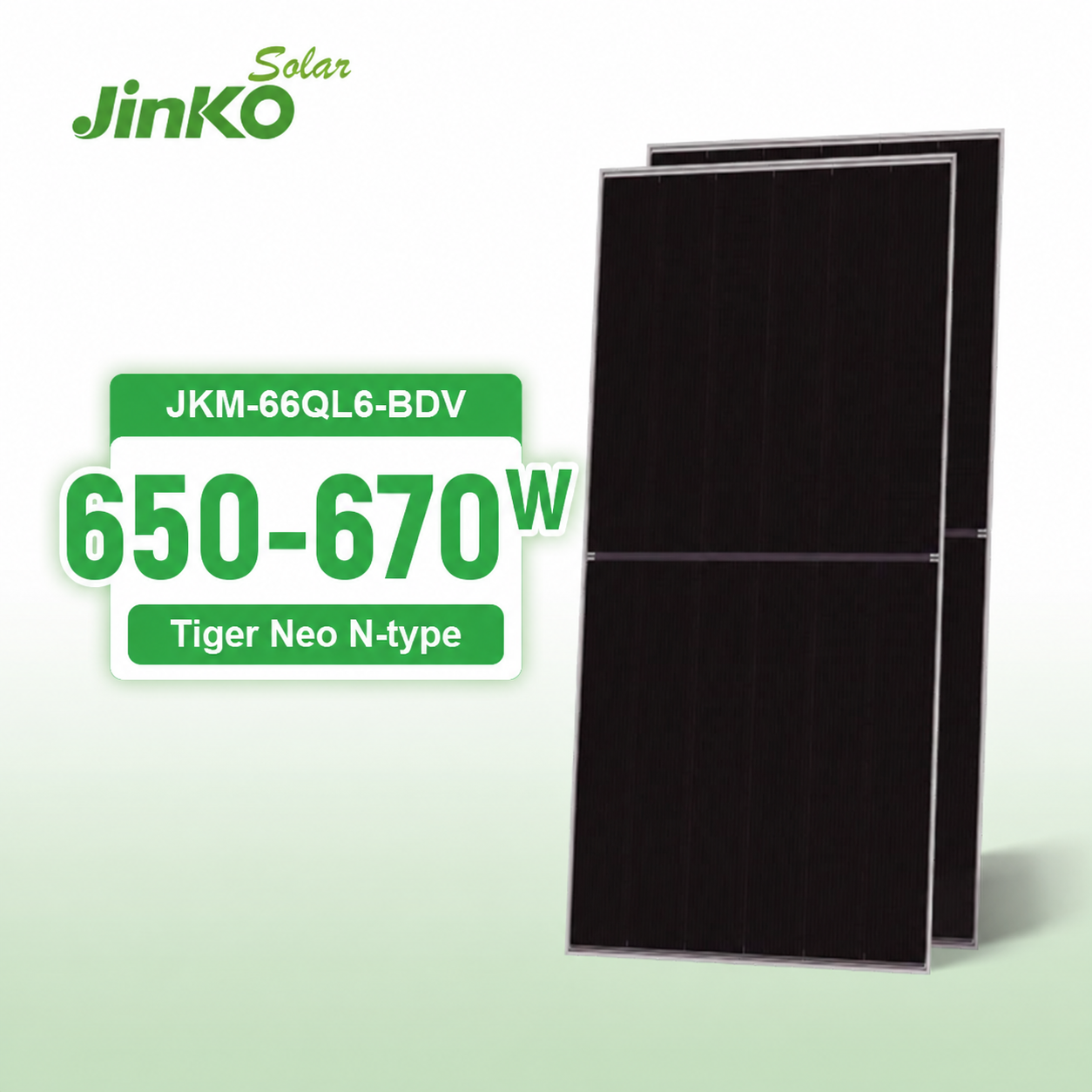
Jinko N Type 650W 660W 670W Wholesale TOPCon Bifacial Photovoltaic Module for Commercial
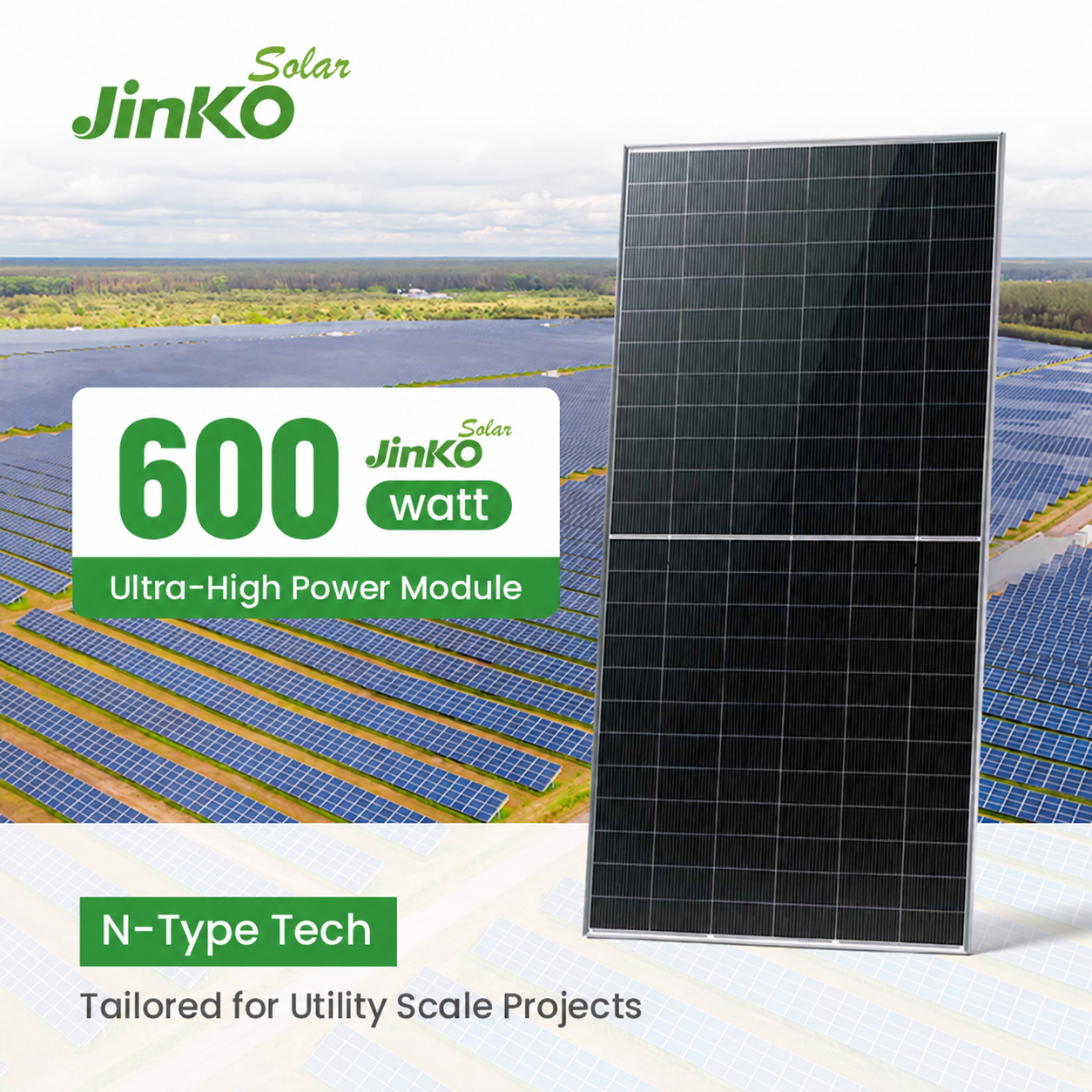
Jinko N Type Bifacial 600W 580W 590W Dual Glass Photovoltaic Solar Panel for Industrial
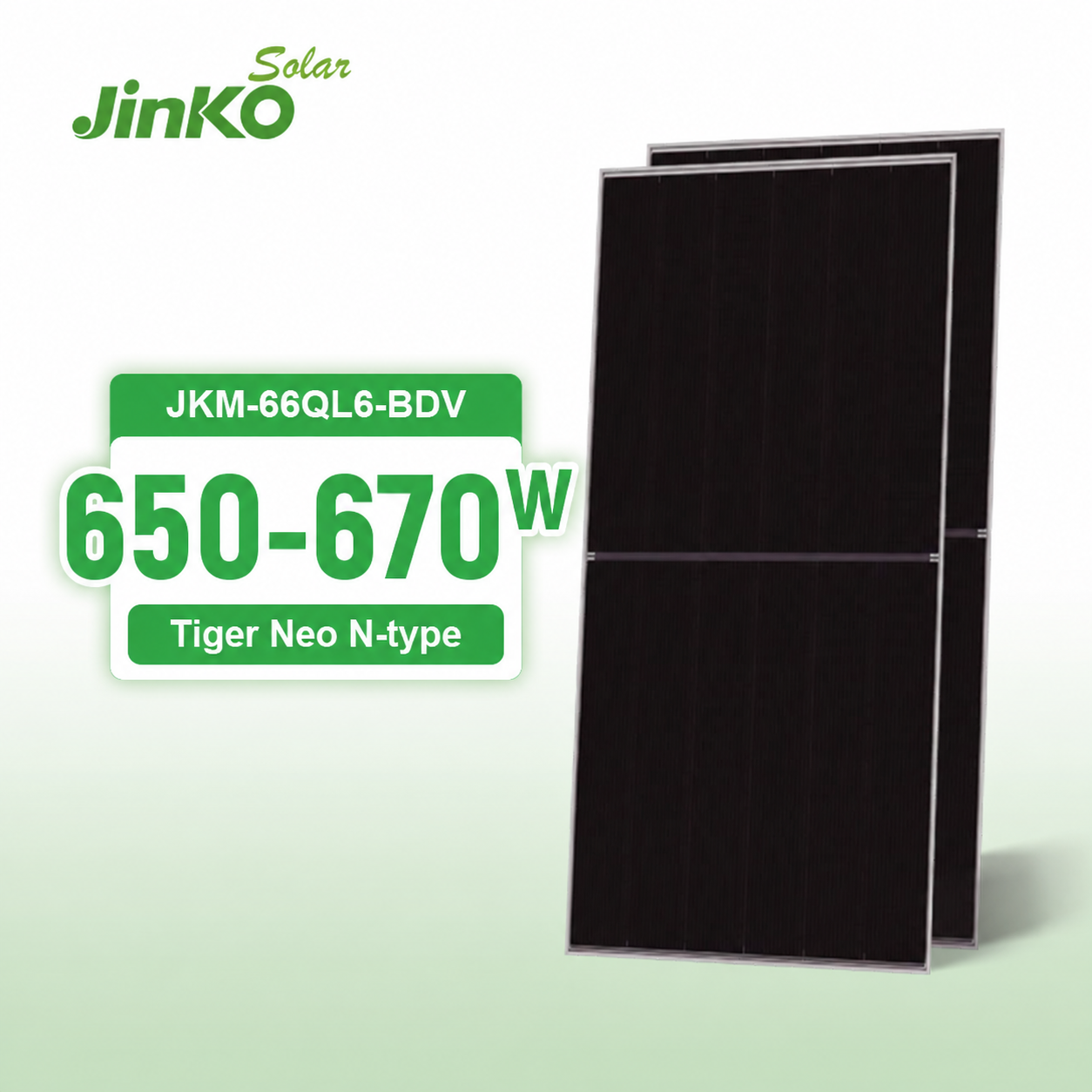
Jinko Bifacial Panneau Solaire 650 w 650W 660W 670W Dual Glass Monocrystalline Solar Module for Rooftop
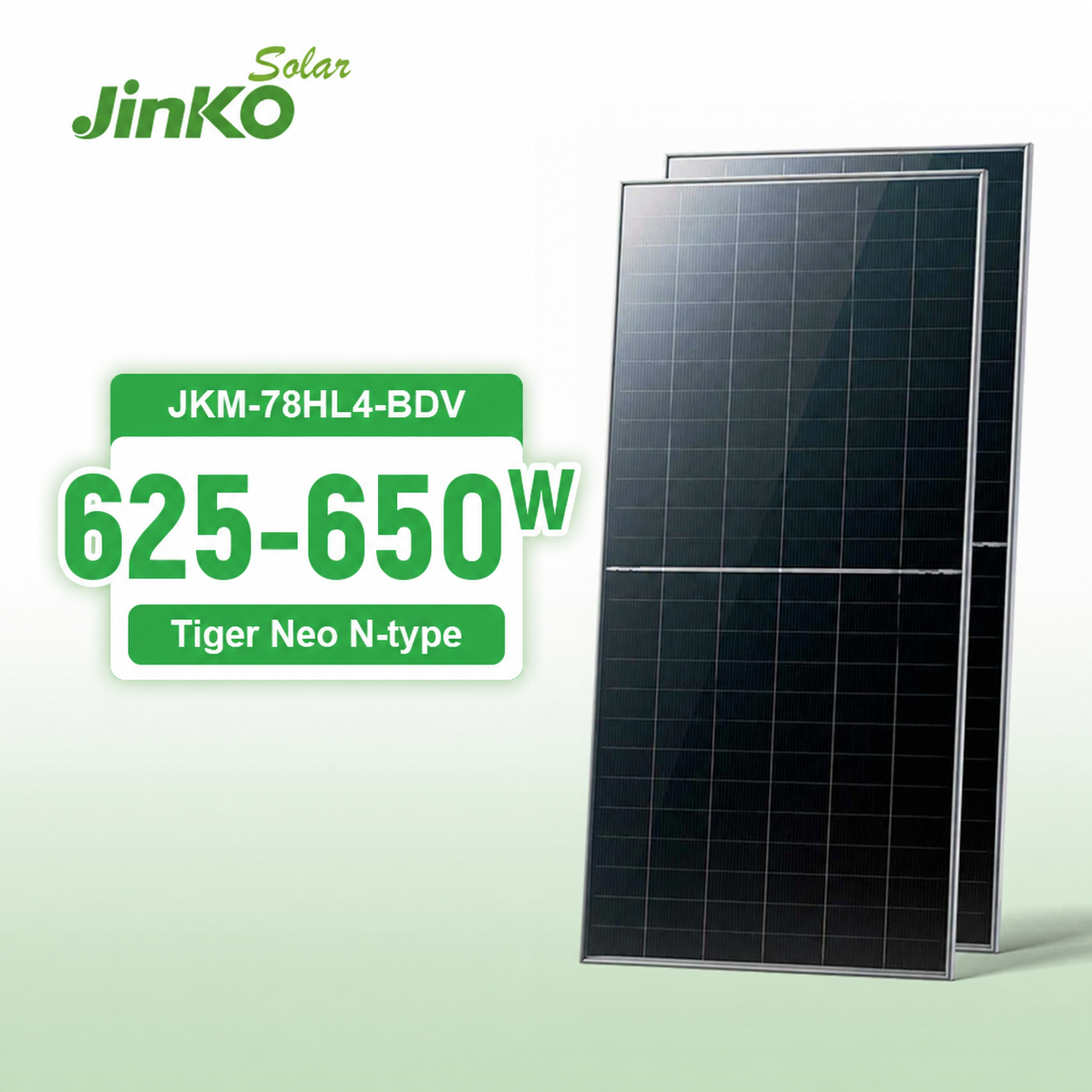
Jinko Monocrystalline Pv Panels 650W 625W 640W High Efficiency Bifacial Dual Glass Solar Module for Home Roof
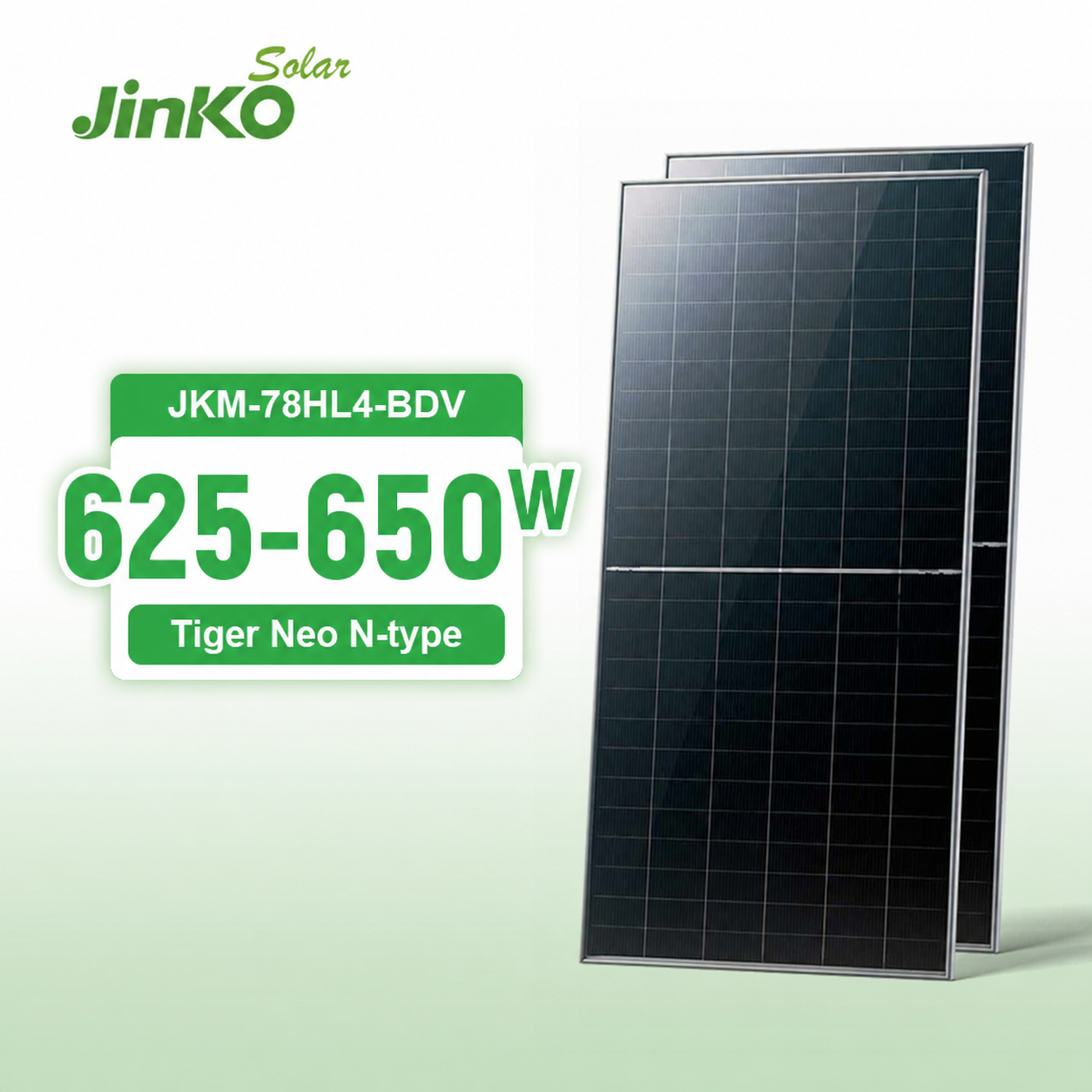
Jinko N Type Bifacial Pv Panels 650W 630W 645W Double Glass High Efficiency Solar Module for House Roof
Why N-Type TOPCon Replaced P-Type PERC in Global Utility Deployments
The transition from P-type Passivated Emitter and Rear Cell (PERC) technology to N-type Tunnel Oxide Passivated Contact (TOPCon) represents the most definitive technical evolution in photovoltaic manufacturing over the past decade. TOPCon addresses the intrinsic thermodynamic limits of traditional silicon architectures by inserting an ultra-thin (1.2–1.5 nm) tunnel oxide film combined with a phosphorus-doped polycrystalline silicon layer on the rear surface.
This structure establishes excellent surface passivation while concurrently enabling unimpeded quantum mechanical tunneling of majority charge carriers (electrons), while virtually eliminating minority carrier recombination. The consequence is an exponential reduction in the surface recombination velocity ($S_0$) and an increase in open-circuit voltage ($V_{oc}$) exceeding 735 mV, compared to the 685–695 mV barrier typical of standard PERC modules.
| Photovoltaic Metric / Parameter | Standard P-Type PERC | N-Type TOPCon (Current Gold Standard) | Heterojunction (HJT) | Interdigitated Back Contact (xBC) |
|---|---|---|---|---|
| Silicon Wafer Substrate | P-Type (Boron Doped) | N-Type (Phosphorus Doped) | N-Type Monocrystalline | N-Type Monocrystalline |
| Theoretical Efficiency Limit | 24.5% | 28.7% | 28.5% | 29.1% |
| Mass Production Module Efficiency | 21.0% – 21.4% | 22.5% – 23.3% | 22.4% – 23.0% | 23.0% – 24.2% |
| Bifaciality Factor ($J_{rear} / J_{front}$) | 65% – 70% | 80% – 85% | 85% – 95% | 60% – 70% (Lower Rear Gain) |
| Temperature Coefficient ($P_{max}$) | -0.35% / °C | -0.29% to -0.30% / °C | -0.26% / °C | -0.29% / °C |
| Light-Induced Degradation (LID/LeTID) | High (Boron-Oxygen Complexes) | Virtually Zero (Zero B-O pairing) | Zero (Immune) | Extremely Low |
| First-Year Power Degradation | 2.0% | ≤ 1.0% | ≤ 1.0% | ≤ 1.0% |
| Annual Linear Degradation Rate | -0.55% / year | -0.40% / year (30-Year Performance) | -0.35% / year | -0.35% to -0.40% / year |
| Capital Expenditure / Manufacturing Cost | Baseline Reference | Lowest Delta (+5% to +8% over PERC) | High (+25% to +35% vs TOPCon) | Very High (+30% to +45% vs TOPCon) |
From a financial perspective, international engineering, procurement, and construction (EPC) contractors achieve a direct 3.8% to 6.2% reduction in Levelized Cost of Electricity (LCOE) using TOPCon modules relative to legacy mono PERC. This delta is driven by balance of system (BOS) savings: higher power density decreases rack framing, pile foundations, DC cabling runs, combiner hardware, and land lease acreage requirements.
Superior Temperature Coefficient
In high-ambient tropical environments such as the Middle East, Latin America, Southeast Asia, and Sub-Saharan Africa, module operating temperatures routinely exceed 65°C. With a thermal coefficient of -0.29%/°C, TOPCon loses significantly less wattage than PERC (-0.35%/°C), providing an immediate 2.5% to 3.8% continuous yield gain under peak irradiance.
- Significantly higher midday energy conversion
- Lower thermal runaway risk across cell hotspots
- Optimized power retention in desert environments
80–85% Real-World Bifaciality Factor
Unlike PERC which suffers from a rear-side aluminum paste contact barrier yielding only 68–70% bifaciality, TOPCon's symmetrical contact passivation allows the rear face to deliver 80% to 85% of standard STC power. When mounted over reflective terrain (white gravel, dry concrete, sand, or snow), system-level kilowatt-hour production rises by up to 15%.
- Dual 2.0mm high-transmission tempered glass
- Micro-crack mitigating symmetrical stress distribution
- Elevated albedo responsiveness under diffuse morning light
Complete Elimination of B-O Induced LID
Boron-doped P-type silicon inevitably creates boron-oxygen defect complexes under solar exposure, driving immediate Light-Induced Degradation (LID). TOPCon's phosphorus-doped N-type substrate contains zero boron impurities, rendering it inherently immune to LID and Light-and-Elevated-Temperature-Induced Degradation (LeTID).
- Year 1 degradation restricted to below 1.0%
- Year 2 to 30 annual linear degradation at ≤ 0.40%
- Backed by 30-year linear performance manufacturer guarantees
Future Procurement Trends in China's TOPCon PV Ecosystem
Analyzing wafer dimension convergence, zero-busbar metallization breakthroughs, carbon footprint provenance certifications, and maritime container stuffing optimizations.
The 182R & 210R Rectangular Wafer Standardization
The industry has decisively transitioned from traditional M10 (182x182mm) square wafers toward 182R and 210R rectangular formats. By standardizing module widths to 1134mm, suppliers achieve maximum packing efficiency in 40ft High Cube containers—eliminating dead air, preventing maritime vibration cracks, and cutting transoceanic freight costs by up to $0.007 per watt.
Zero-Busbar (0BB) & Metallization Evolution
Mass-scale commercialization of 0BB (Zero Busbar) cell layouts replaces traditional screen-printed silver busbars with micro-wire ribbon grids pressed during lamination. This innovation slashes silver paste consumption per cell, reduces shading area, improves current collection uniformity, and substantially mitigates stress micro-cracks under dynamic wind loads.
Stringent ESG & Silicon Traceability Protocols
Overseas procurement in Europe and North America demands total transparency regarding the origin of quartzite, polysilicon, and ingots. Top Chinese exporters now operate dedicated, audited low-carbon clean-energy manufacturing bases in Yunnan and Sichuan, delivering PEP ecopassport, Certisolis (France), and unbroken blockchain-verified supply chains.
Hybrid PV + Battery Sub-System Co-Packaging
Global distributors are moving away from importing disparate solar modules, inverters, and battery racks from isolated vendors. Tier-1 buyers increasingly partner with integrated supply facilitators who perform factory-level communication and voltage window cross-checks, packing matched inverters and batteries alongside PV arrays in consolidated containers.
Engineering Supply Competence: Hangzhou VOLT New Energy
A trusted technical partner bridging top Chinese solar manufacturers with global installers, EPCs, and distributors across 100+ countries.
BMS & Inverter Pre-Matching
We eliminate "BMS Communication Faults" on site. Prior to dispatch, our electrical engineers test CAN/RS485 protocol interoperability between Deye hybrid inverters, Jinko TOPCon strings, and LFP storage banks, providing pre-configured DIP settings and pinout schematics.
Dangerous Goods (DG) Logistics
Shipping LFP batteries and large-format solar panels concurrently requires specialized maritime expertise. We issue full UN38.3, MSDS, and Class 9 Dangerous Goods sea-freight packing certificates, ensuring zero customs holds in European, Latin American, and African ports.
Flash Test & EL Traceability
Every single exported module pallet is linked to its unique factory serial barcode. We provide comprehensive triple Electroluminescence (EL) imaging and high-precision flash testing records showing exact positive power tolerances (+0 to +3%) before balance payments are made.
24-Hour Engineering Turnaround
Operating from our headquarters in Hangzhou, Zhejiang, our bilingual technical support desk works with local contractors worldwide to size string voltages, configure maximum power point tracking (MPPT) limits, and resolve remote troubleshooting challenges rapidly.
Frequently Asked Questions for Solar Importers & EPCs
Essential technical, financial, and logistical insights required by overseas buyers prior to issuing purchase orders and letters of credit.
TOPCon modules exhibit a high bifaciality coefficient (80–85%), meaning the rear side can generate an additional 10% to 25% current depending on ground albedo. When pairing with inverters like Deye 8kW, 12kW, or 50kW commercial units, designers must account for Imp (maximum power current) and Isc (short-circuit current) under Maximum Expected Bifacial Irradiance (1000 W/m² front + 150–200 W/m² rear). Failure to accommodate this can cause the inverter's MPPT input to clip current or trigger overcurrent protection under bright snow or sand conditions. We provide calibrated string sizing sheets for each site condition.
Dual-glass modules (typically 2.0mm + 2.0mm semi-tempered glass) provide zero water vapor permeability, whereas polymeric transparent backsheets permit micro-moisture ingress over long periods. In N-type cells, moisture combined with high system voltages (1500V DC) accelerates Potential Induced Degradation (PID) and EVA browning. Dual-glass structures also deliver superior mechanical rigidity (5400 Pa snow / 2400 Pa wind), high fire safety ratings (Class A), and symmetrical resistance against wind-flutter micro-cracks.
For standard 600W (approx. 2278 x 1134 x 30mm) modules, a standard 40ft High Cube container accommodates 36 panels per pallet, 18 or 20 pallets, totaling 648 to 720 pieces (approx. 388kW to 432kW). For heavy-duty 700W+ modules (approx. 2384 x 1303 x 33mm using 210mm G12 wafers), vertical stacking is adjusted to accommodate wider profiles, typically holding around 558 modules per 40HQ container. Pallets are secured using specialized high-strength cardboard corner protectors and heavy-duty steel-strapping to eliminate lateral transit shifts.
Standard customs packages must include the Commercial Invoice, Packing List (specifying gross/net weights and pallet serial ranges), Bill of Lading (Clean on Board), Certificate of Origin (Form A, Form E, or CO Chamber attested), and manufacturer warranty covenants. For technical compliance: CE Declaration of Conformity, TÜV Rheinland/SÜD certificates under IEC 61215 and IEC 61730, and IEC 61701 (Salt Mist Corrosion) are mandatory. For European destinations, our modules satisfy WEEE recycling regulations and RoHS directives.
Yes. Through our specialized warehouse hubs in Ningbo and Shanghai, we consolidate mixed shipments. However, because LiFePO4 batteries are categorized as UN3480 Class 9 Dangerous Goods, special consolidation regulations apply. We package batteries into certified UN-tested packaging, isolate them physically from solar module pallets, and prepare combined DG Declarations to clear maritime hazardous materials inspections without delaying container shipment.
All tier-1 Jinko and own-brand TOPCon products supplied through Hangzhou VOLT New Energy include both a 12 to 15-year product material warranty and a 30-year 87.4% linear power performance warranty. Every module has its internal barcode laminated under the front glass and printed on the frame. If an issue arises, we coordinate directly with the factory quality lab using the barcode data, flash test logs, and on-site IV curve tracer reports, arranging module replacements or credit settlements promptly.
Request Direct Factory Pricing & Engineering System Sizing
Connecting international importers, solar EPCs, and clean-energy distributors with verified Chinese manufacturing capacity. Receive a detailed bill of materials, container loading simulation, and landed quotation within 24 hours.