Commercial PV
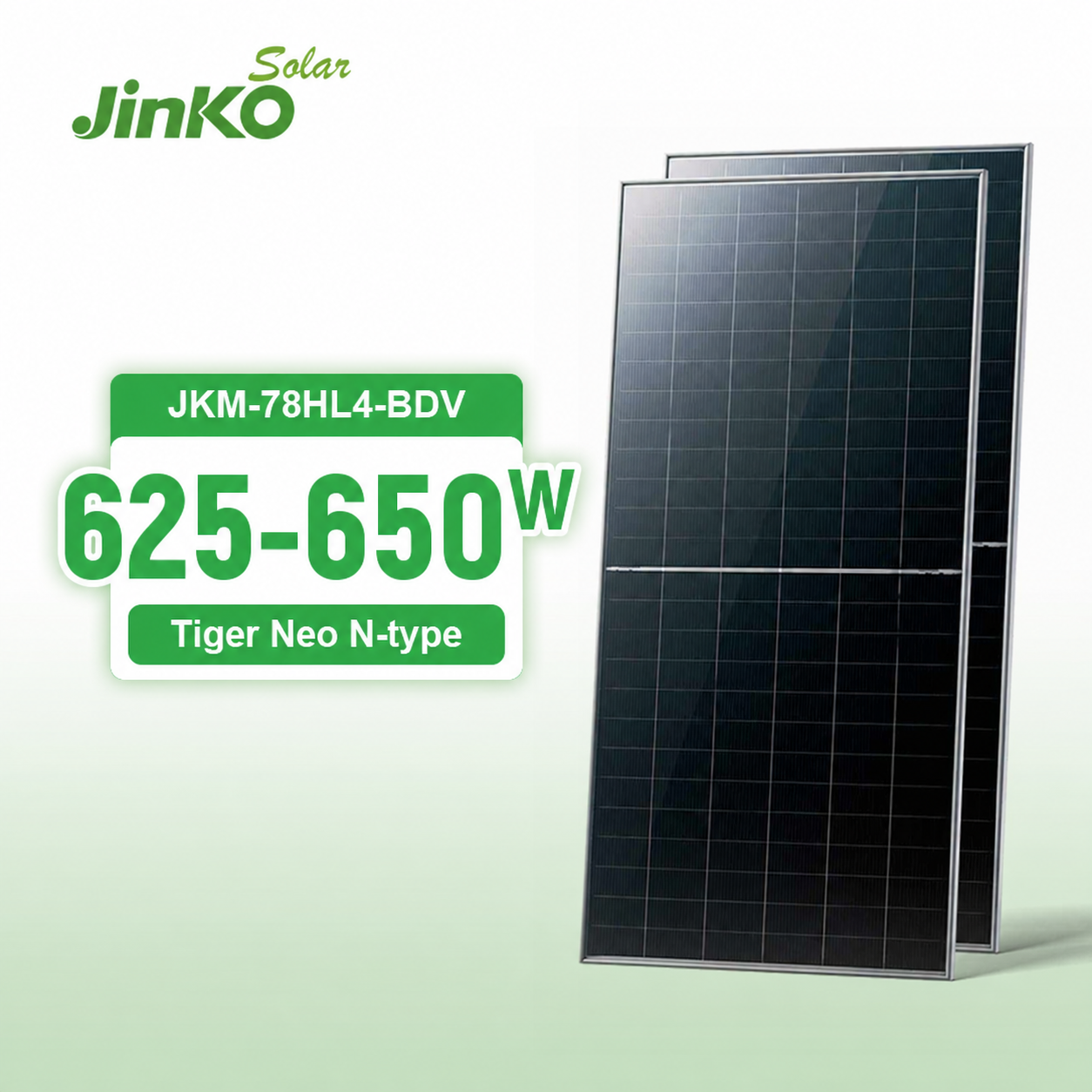
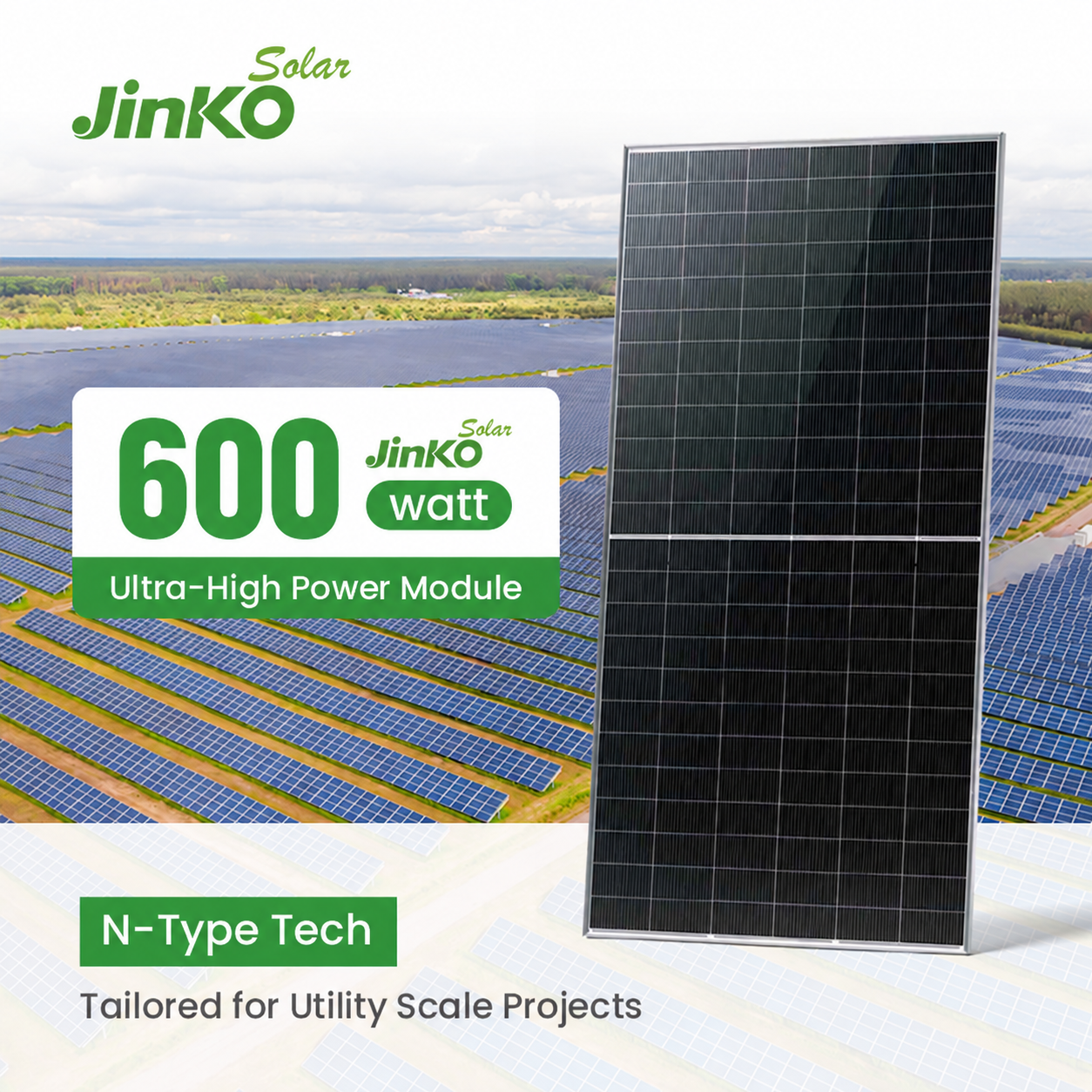
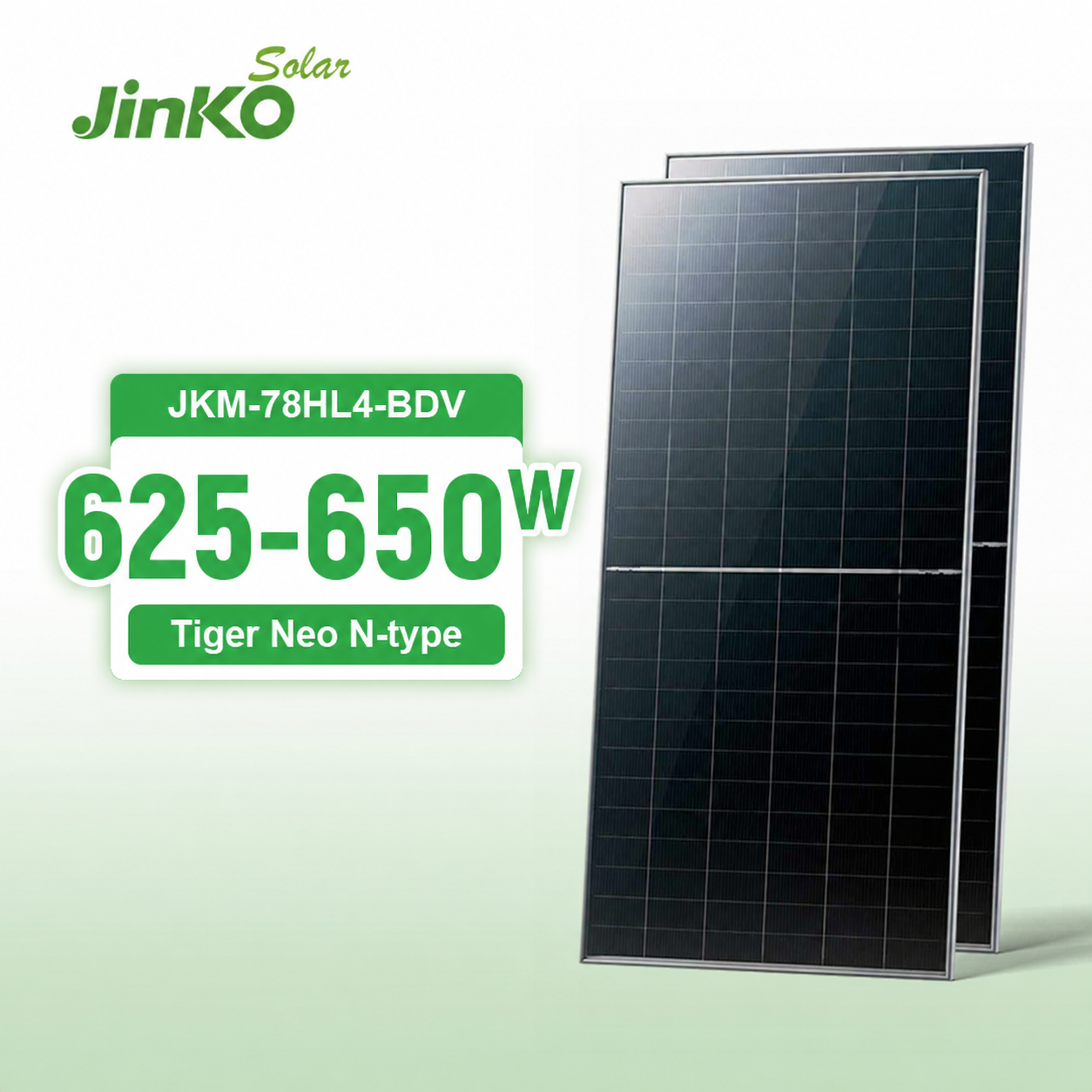
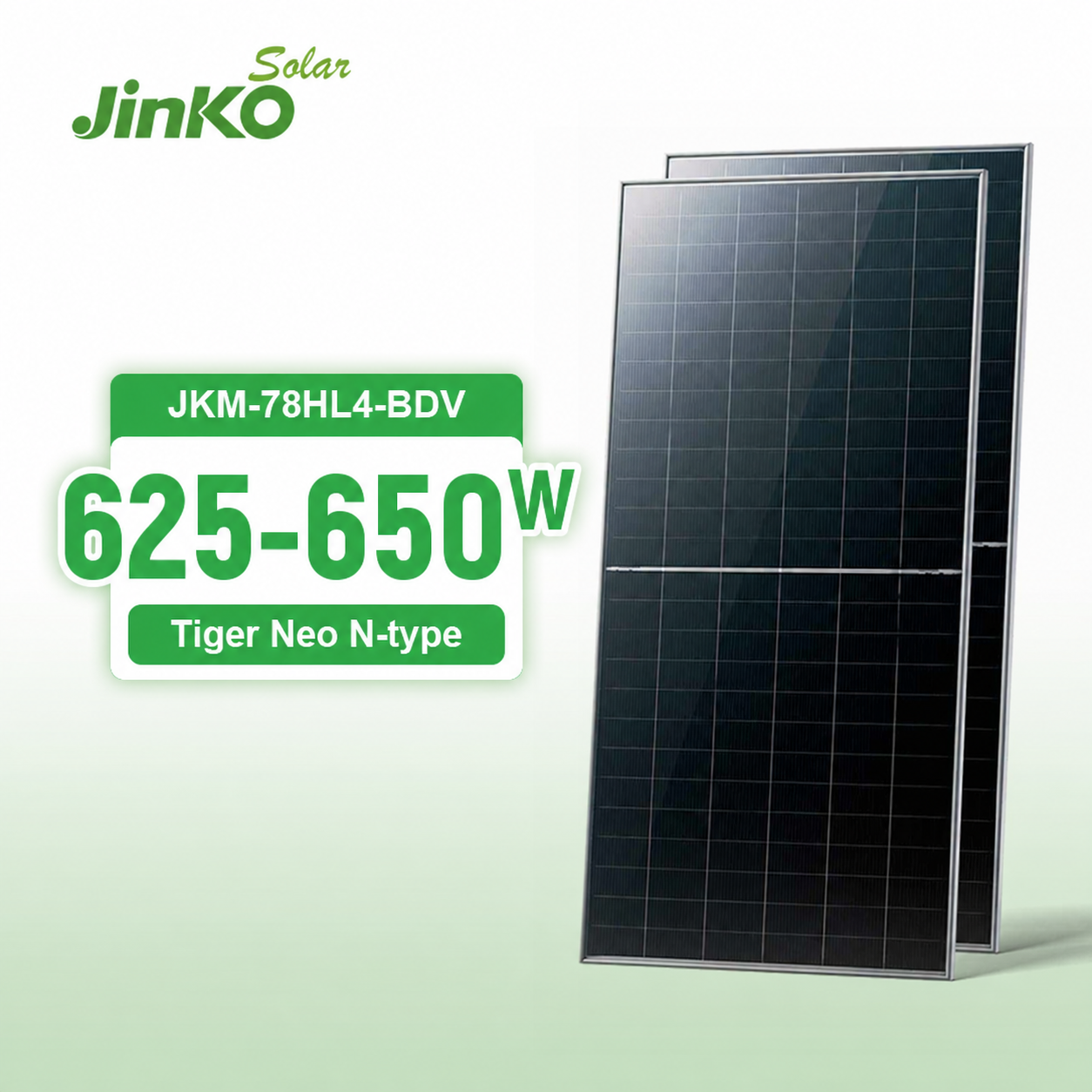
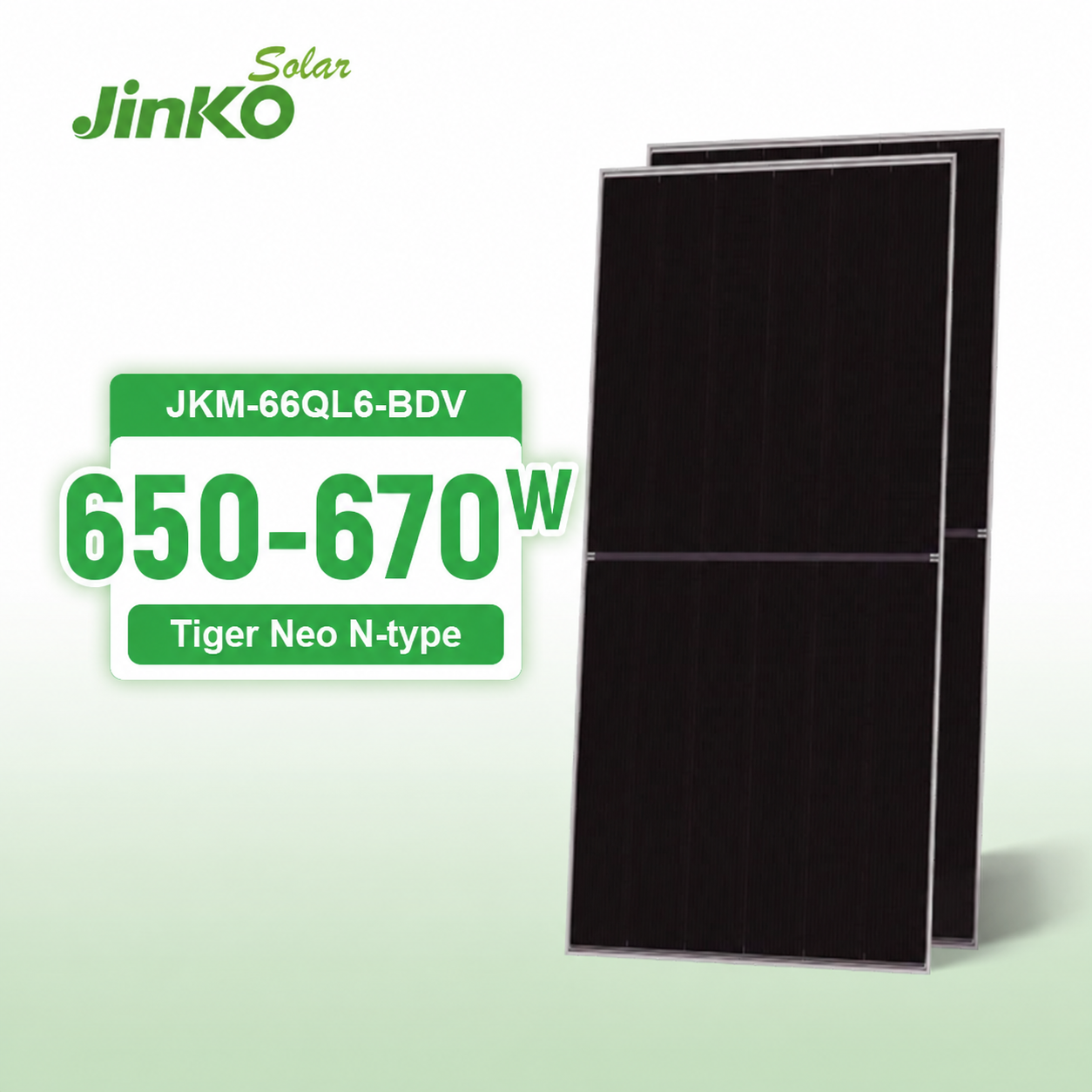
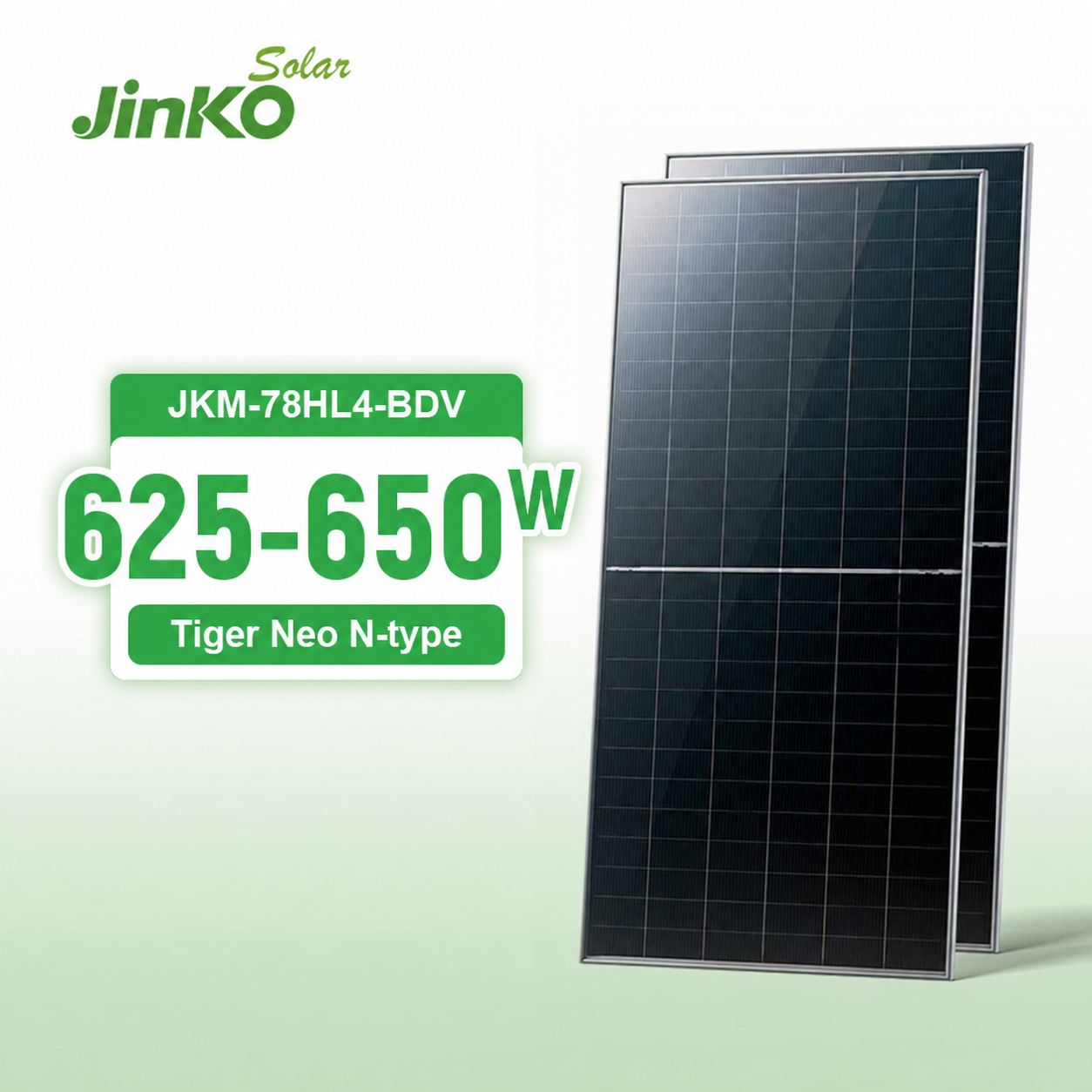
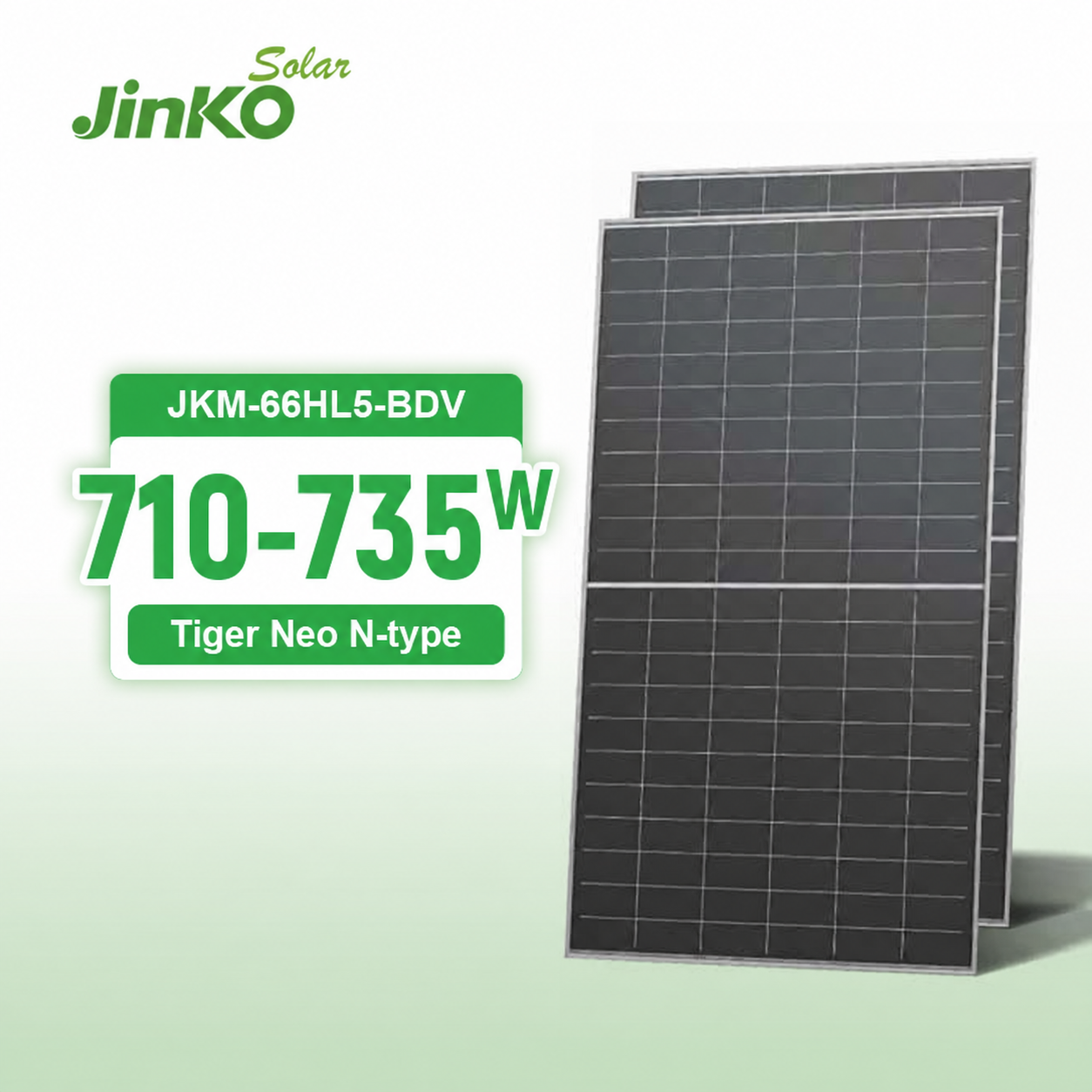
A dependable 24V or 48V battery bank demands precision-engineered photovoltaic input. Sourced directly through our Hangzhou tier-1 supply network, these TOPCon bifacial modules match our smart charge controllers and hybrid inverters for optimal energy harvest.
In decentralized solar energy storage, telecommunications DC power distribution, maritime auxiliary power, and heavy-duty RV off-grid systems, the 24V lithium battery (nominal 25.6V via 8S LiFePO4 chemistry) represents the optimal technical convergence between safe extra-low operating voltage (SELV < 60V DC) and low ohmic I²R thermal dissipation.
While legacy systems relied heavily on lead-acid gel or AGM strings, modern international procurement demands a minimum of 4,000 to 6,000 deep discharge cycles, multi-layer active cell balancing, and deterministic digital communication with low-voltage hybrid inverters such as Deye, Victron, and Growatt. Sourcing at factory-scale from China requires technical due diligence on internal busbar welding, cell sorting standards (Capacity ΔC ≤ 1%, Voltage ΔV ≤ 2mV, Internal AC Impedance ΔR ≤ 0.2mΩ), and Battery Management System (BMS) logic.
| System Parameter | 24V 100Ah (2.56 kWh) Module | 24V 200Ah (5.12 kWh) Heavy Module | Engineering Benchmark / Compliance |
|---|---|---|---|
| Chemistry & Internal Configuration | LiFePO4 Prismatic Grade A (8S1P) | LiFePO4 Prismatic Grade A (8S2P or 8S1P 200Ah) | Zero cobalt risk; flame-retardant solid cathode |
| Nominal / Working Voltage | 25.6 V (Operating range: 21.6 V – 29.2 V) | 25.6 V (Operating range: 21.6 V – 29.2 V) | Safety Extra Low Voltage (<60V DC SELV) |
| Continuous Charge / Discharge | 50A continuous (100A peak 15s) | 100A continuous (200A peak 15s) | Active thermal-throttling BMS protection |
| Cycle Life Expectancy | ≥ 6,000 cycles @ 80% DoD, 0.5C (25°C) | ≥ 6,000 cycles @ 80% DoD, 0.5C (25°C) | IEC 62619 & UL 1973 lifecycle verification |
| Communication Protocols | Isolated CAN 2.0B / RS485 / RS232 | Dual CAN / RS485 with DIP switch addressing | Deye, Victron, Schneider, Growatt, SMA native |
| Internal Balance System | Passive balancing (35mA) / Active option | Active balance 1A–2A inductive/capacitive | Prevents cell drift under high solar C-rates |
Deploying a 3,000W continuous inverter load on a 12V architecture forces a direct draw of ~250 Amperes, demanding massive 70mm² to 95mm² copper conductors and generating significant Joule heating. Transitioning to an engineered 24V (25.6V) platform cuts the operating current in half (~125A), reducing copper costs by over 45% and dropping line transmission heat loss by 75% (P = I²R). This thermal reduction drastically extends the operating lifespan of terminal lugs, fuses, and internal BMS MOSFET arrays.
The international lithium procurement ecosystem is undergoing profound structural changes. To preserve gross margins and mitigate cross-border supply chain risks, commercial buyers must navigate four strategic procurement shifts.
Fixed-price quarterly container contracts have rapidly migrated toward battery-grade Lithium Carbonate (Li2CO3) index-linked procurement models. Professional buyers now negotiate conversion costs (manufacturing, BMS, casing, packaging) as a fixed margin while tying cell raw material costs to transparent Shanghai Metals Market (SMM) benchmarks, ensuring fair market deflation capture.
With the phased implementation of the European Union Battery Regulation (EU 2023/1542), B2B importers are mandating upstream factory carbon footprint accounting, supply chain traceability of synthetic graphite and lithium salts, and recycled content verification. Chinese factories without digitized traceability are rapidly losing tier-1 European and Australian market access.
Importing standalone lithium batteries incurs elevated dangerous goods sea-freight surcharges (Class 9 UN3480). Leading commercial buyers now demand consolidated shipments pairing 24V lithium racks, hybrid inverters (e.g., Deye), and high-output N-type bifacial PV modules within the same container, dramatically lowering landing freight costs per delivered watt-hour.
Driven by industrial automation, extreme-climate telecommunications, and harsh marine environments, 24V energy storage is evolving beyond basic lead-to-lithium drop-in replacements.
Standard LiFePO4 cells suffer from lithium plating when charged below 0°C (32°F). Emerging 24V factory designs incorporate integrated internal positive temperature coefficient (PTC) heating silicone pads. When solar charging begins, current is routed to heating elements until internal cell temperatures reach a safe 5°C, enabling uninterrupted Nordic and alpine deployments.
Modern commercial battery banks integrate edge-computing microcontrollers supporting Bluetooth, 4G LTE, and CANBUS telemetry. Field technicians can monitor individual cell internal resistance, temperature deltas, and state-of-health (SoH) via mobile dashboards, pushing over-the-air (OTA) firmware patches to update inverter communication protocols without physical site visits.
The industry has decisively phased out high-failure-rate cylindrical 18650/26650 multi-parallel clusters in favor of high-capacity prismatic cells (50Ah, 100Ah, 280Ah aluminum shells). Laser-welded pure copper flexible busbars absorb mechanical vibrations in marine and mobile applications while minimizing electrical resistance across cell terminals.
Research transitions toward polymer gel and semi-solid-state electrolytes are targeting pilot production for specialized 24V military and medical DC backup units. This architecture promises energy densities exceeding 200 Wh/kg while achieving zero thermal runaway risk under severe mechanical nail penetration and crushing tests.
As a verified Chinese manufacturer and system integrator serving clients across 100+ nations, our engineering workflow solves the three greatest pain points in solar and battery importing: communication protocol mismatch, inconsistent cell quality, and hazardous goods customs holdups.

Every prismatic LiFePO4 cell undergoes strict 4-stage automated sorting: capacity grading, open-circuit voltage resting, AC internal resistance matching (1kHz), and static self-discharge monitoring over 14 days. Zero recycled or decommissioned EV cells enter our pack lines.

We eliminate "BMS Communication Fault" errors on customer job sites. Prior to crating, your 24V or 48V battery order is connected to our factory bench-testing units with actual Deye, Growatt, or Victron inverters, verifying CAN/RS485 handshake and DIP switch mapping.

Lithium export failure happens at customs checkpoints. We manage the full documentation chain: UN38.3 test reports, 1.2m drop test certificates, Material Safety Data Sheets (MSDS), and sea-freight dangerous goods packaging approvals for frictionless global port clearance.

Our production complies with ISO 9001 quality management benchmarks, with product lines holding authentic CE, IEC 62619, IEC 61215, and UN transport credentials. Full test documentation is shared with your logistics team prior to payment milestones.
When conducting remote factory audits or third-party quality control inspections in China, insist on validating the following six mechanical and electrical parameters:
Clear, unhedged technical and commercial answers addressing common engineering challenges faced by solar EPC contractors, regional brand distributors, and logistics directors.
Engineering Rule: Connecting standard 24V lithium batteries in series is only permissible if the internal BMS is explicitly engineered for series string operation with high-voltage dielectric MOSFET isolation. When batteries are strung in series, small state-of-charge (SoC) discrepancies cause one battery's BMS to cut off charge or discharge early, exposing the cutoff MOSFETs to the full string voltage surge.
For native 48V applications (such as Deye 48V low-voltage hybrid inverters), we strongly advise purchasing our factory-engineered 51.2V (16S) battery packs rather than series-connecting two 25.6V modules. If 24V series connection is mandatory for your existing hardware, Hangzhou VOLT equips packs with specialized series-rated BMS controllers and bidirectional balancing hardware.
Our intelligent BMS architecture houses multi-protocol firmware on a high-speed CAN / RS485 communication board. We pre-program selectable protocol profiles directly mapped to Deye, Victron Energy, Growatt, Voltronic, Solis, and Schneider charge parameters.
Prior to shipment, buyers provide their exact inverter model and firmware revision. We verify the pinout configuration (RJ45 pins 4/5 for CAN high/low or pins 1/2 for RS485) and DIP switch addressing on actual factory test stations, ensuring the inverter reads battery voltage, SoC, real-time charge current limits (CCL), and discharge current limits (DCL) immediately upon first power-on.
All standalone lithium iron phosphate batteries are classified under UN3480, Class 9 Miscellaneous Dangerous Goods. To pass maritime safety checks at Ningbo or Shanghai ports and gain swift customs entry at your destination port, Hangzhou VOLT issues a complete compliance dossier:
1. UN38.3 Test Report (altitude simulation, thermal shock, vibration, impact, external short circuit, crush, overcharge, and forced discharge).
2. 1.2-Meter Drop Test Certificate confirming structural packaging integrity.
3. Official MSDS (Material Safety Data Sheet) verified by recognized Chinese inspection bodies.
4. Dangerous Goods Container Loading Certificate (DG Package Certificate) certifying UN-rated heavy-duty cartons with internal flame-retardant foam insulation and isolated terminal caps.
While deep-cycle GEL batteries carry a lower upfront capital expense (CapEx), their usable Depth of Discharge is limited to 50% to prevent rapid sulfation, and they offer only 800 to 1,200 cycles. By contrast, a 24V LiFePO4 module provides 80% to 90% usable DoD across 6,000 cycles.
Over a 10-year operational timeframe, a single LiFePO4 bank replaces four to five lead-acid bank replacements, eliminates maintenance visits, cuts structural roof/floor load stress by two-thirds (gravimetric energy density >130 Wh/kg vs. 35 Wh/kg for GEL), and increases round-trip solar charging efficiency from 78% to over 96%. On a Levelized Cost of Storage (LCOS) basis, LiFePO4 delivers power at less than one-third the cost per kilowatt-hour cycled.
Yes. Hangzhou VOLT supports end-to-end OEM and ODM manufacturing for global distributors. Our customization options encompass:
• Mechanical Form Factor: Wall-mounted powerwall enclosures, 19-inch server rack-mount modules (2U, 3U, 4U), or ruggedized portable stainless steel cases with heavy-duty handles.
• Branding & UI: Laser-etched buyer logos, custom RAL powder-coating colors, customized front-panel LCD screens showing customer branding upon startup, and white-label iOS/Android Bluetooth telemetry applications.
• Minimum Order Quantities (MOQ): Flexible batch runs starting from small trial evaluation pallets to recurring 20GP/40HQ full-container scheduled runs.
Submit your electrical requirements, target container volume, or inverter model. Our application engineering team returns matched 24V/48V system proposals, protocol verification checklists, and shipping itineraries within 24 hours.