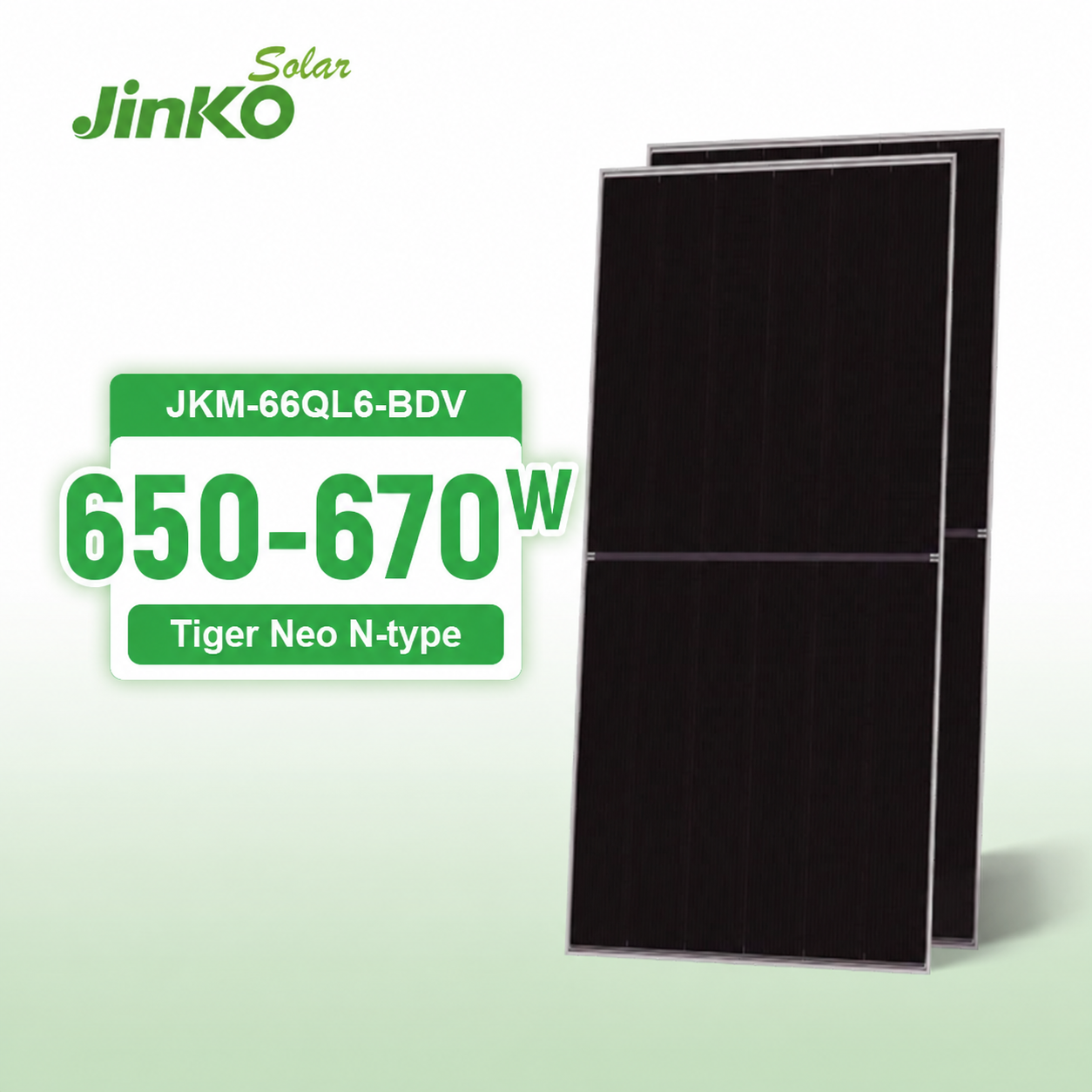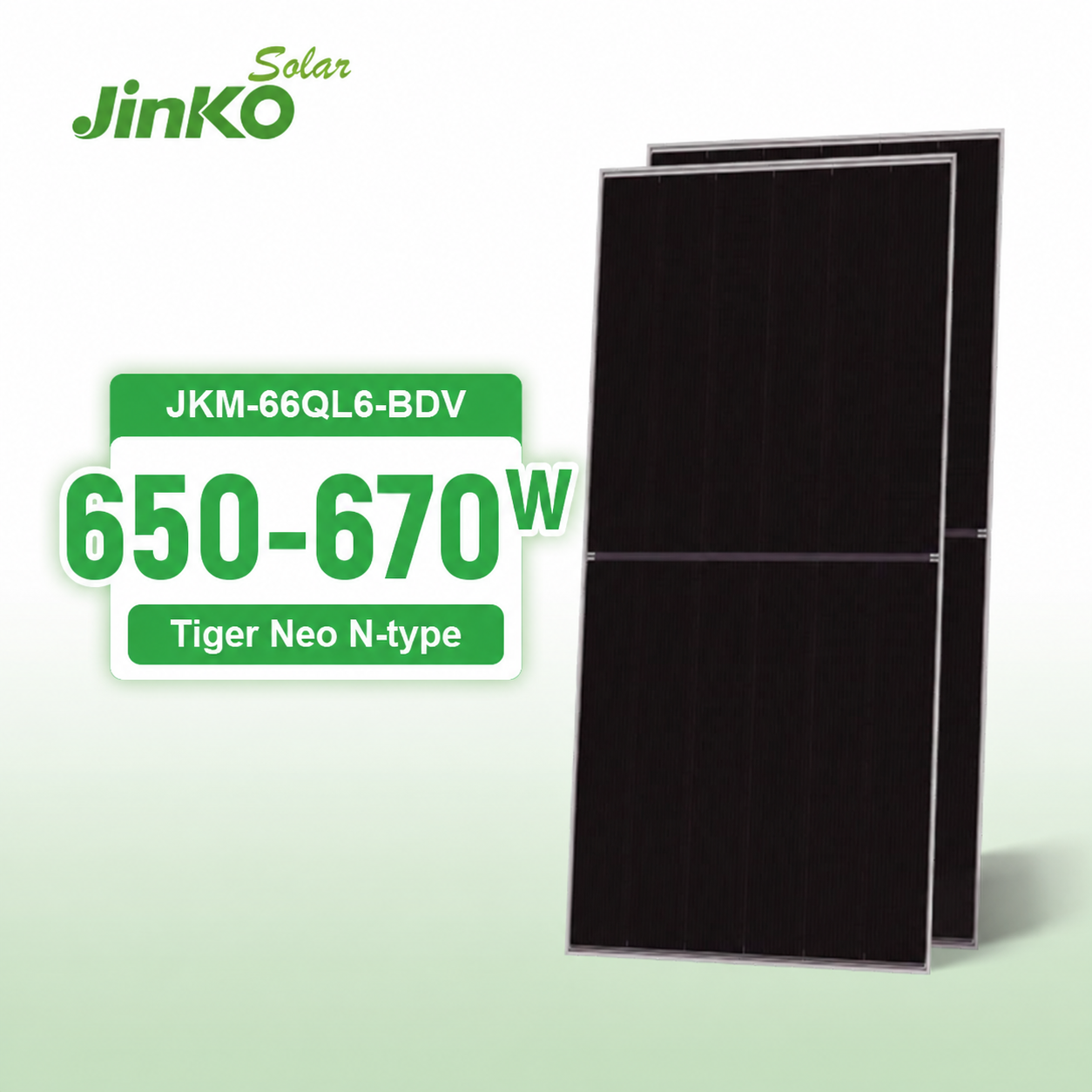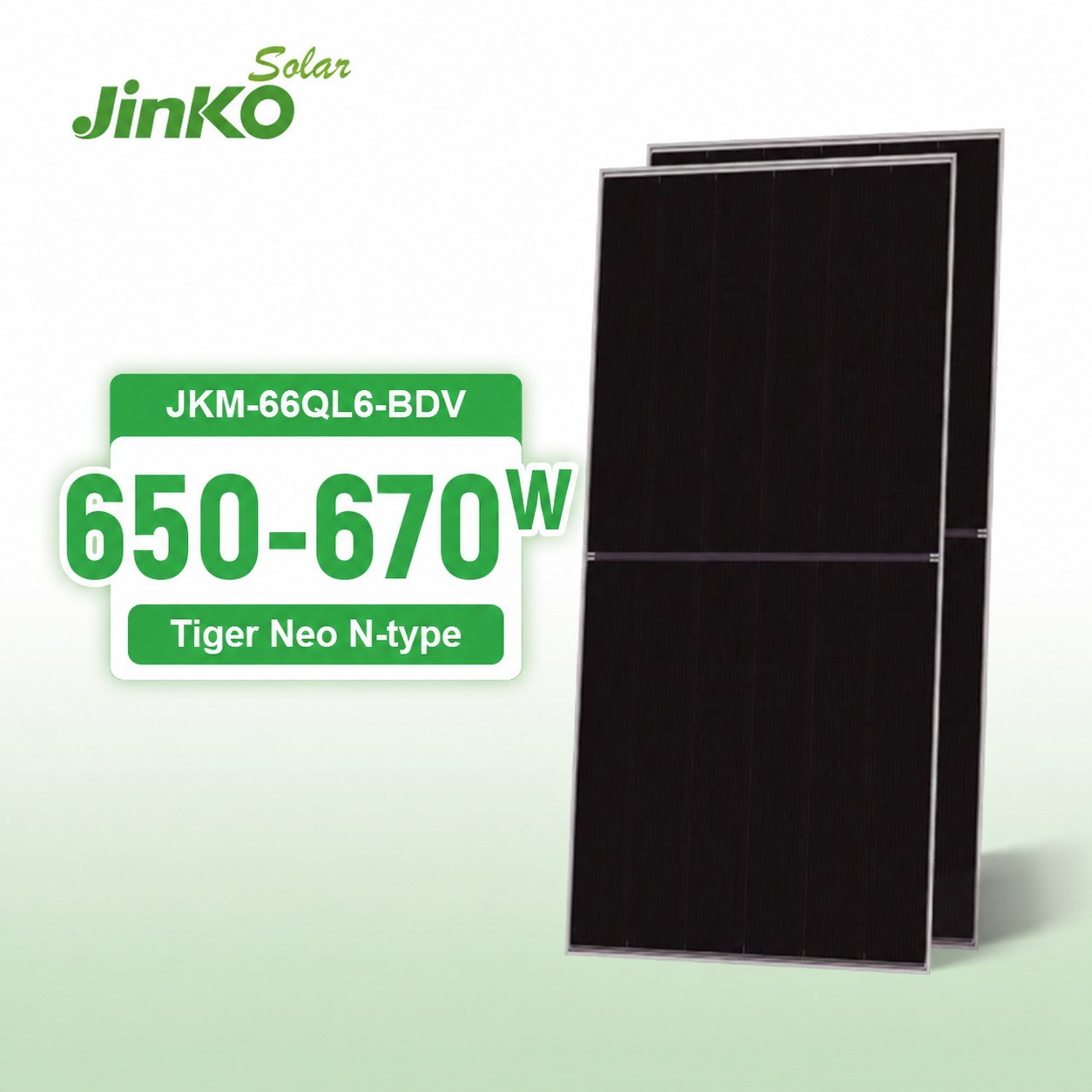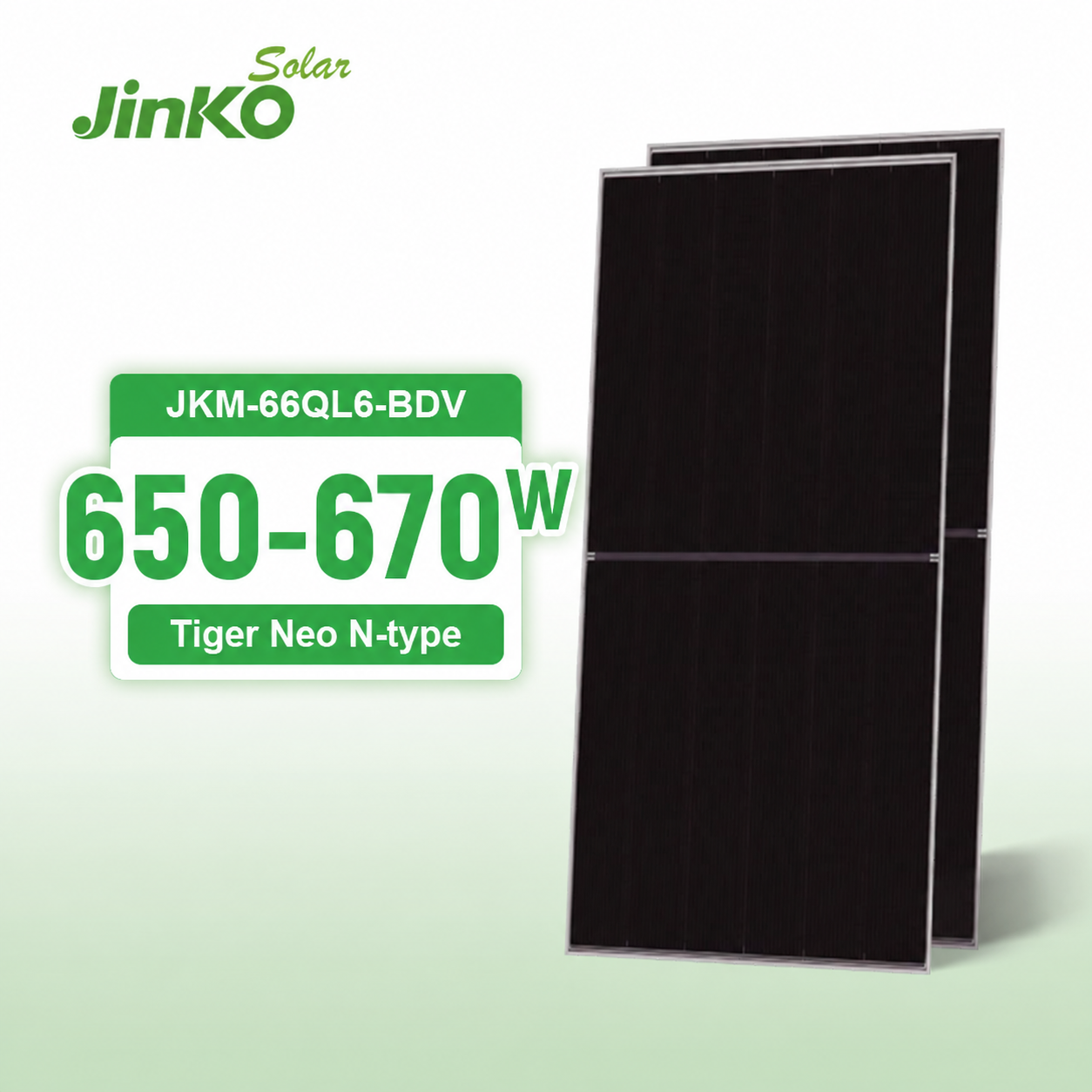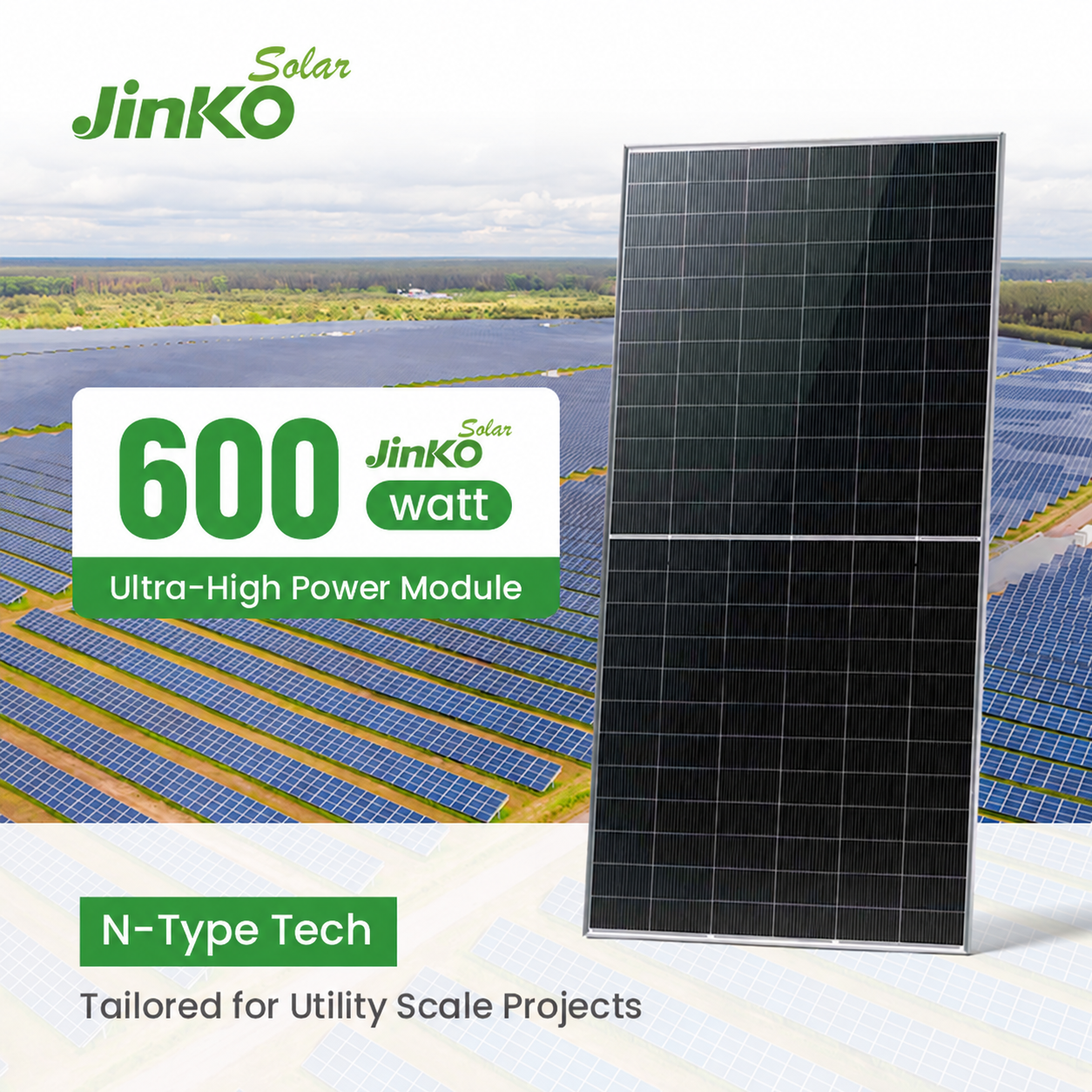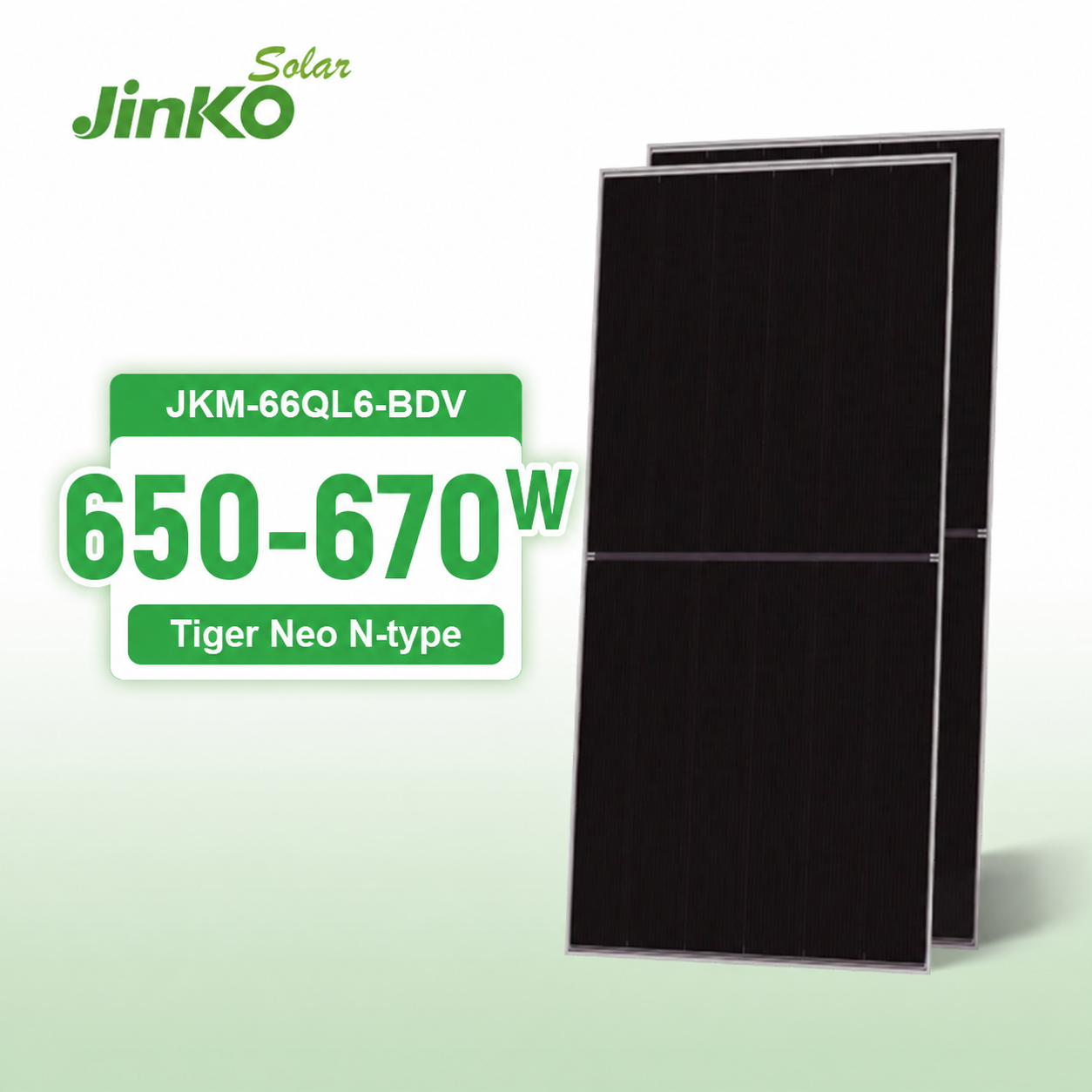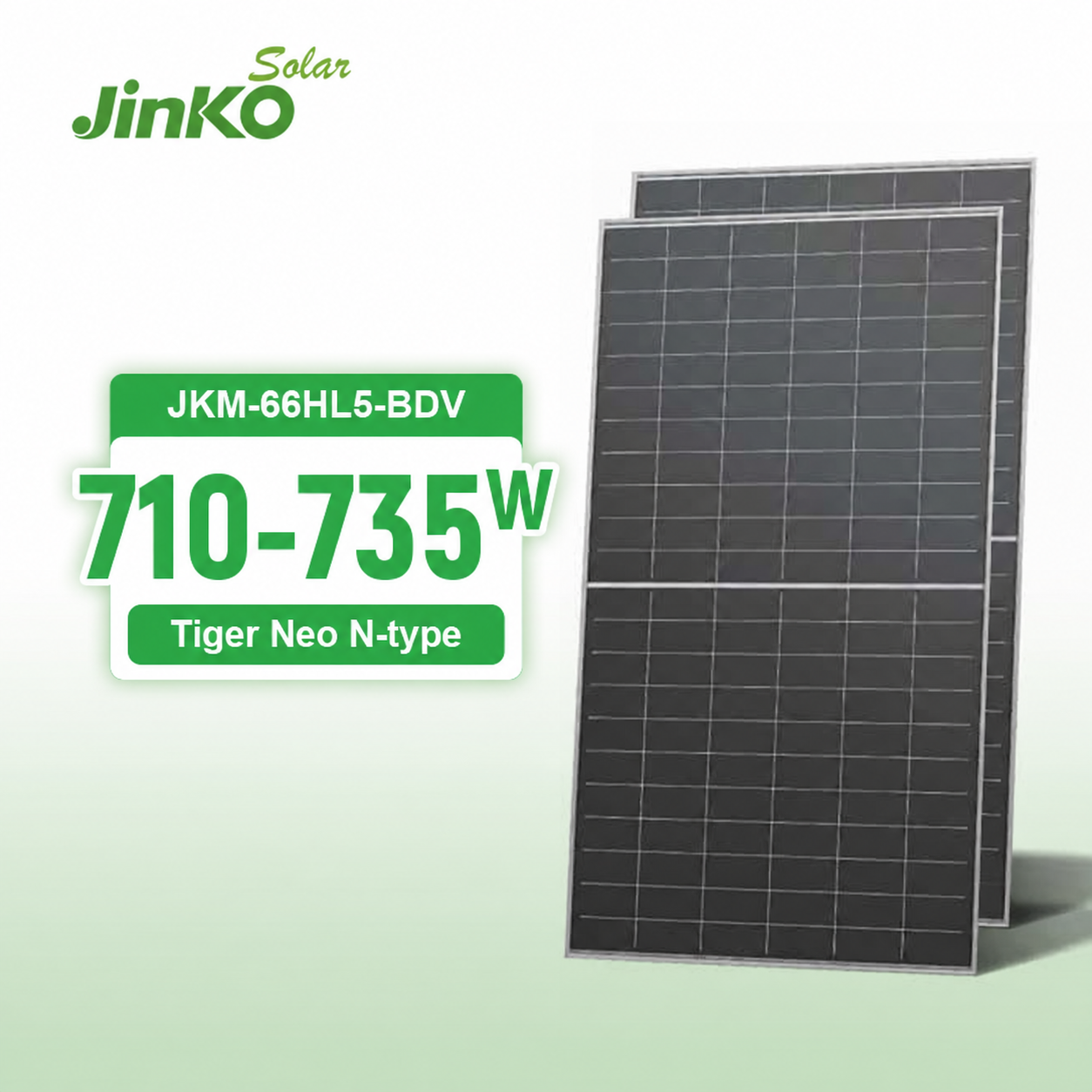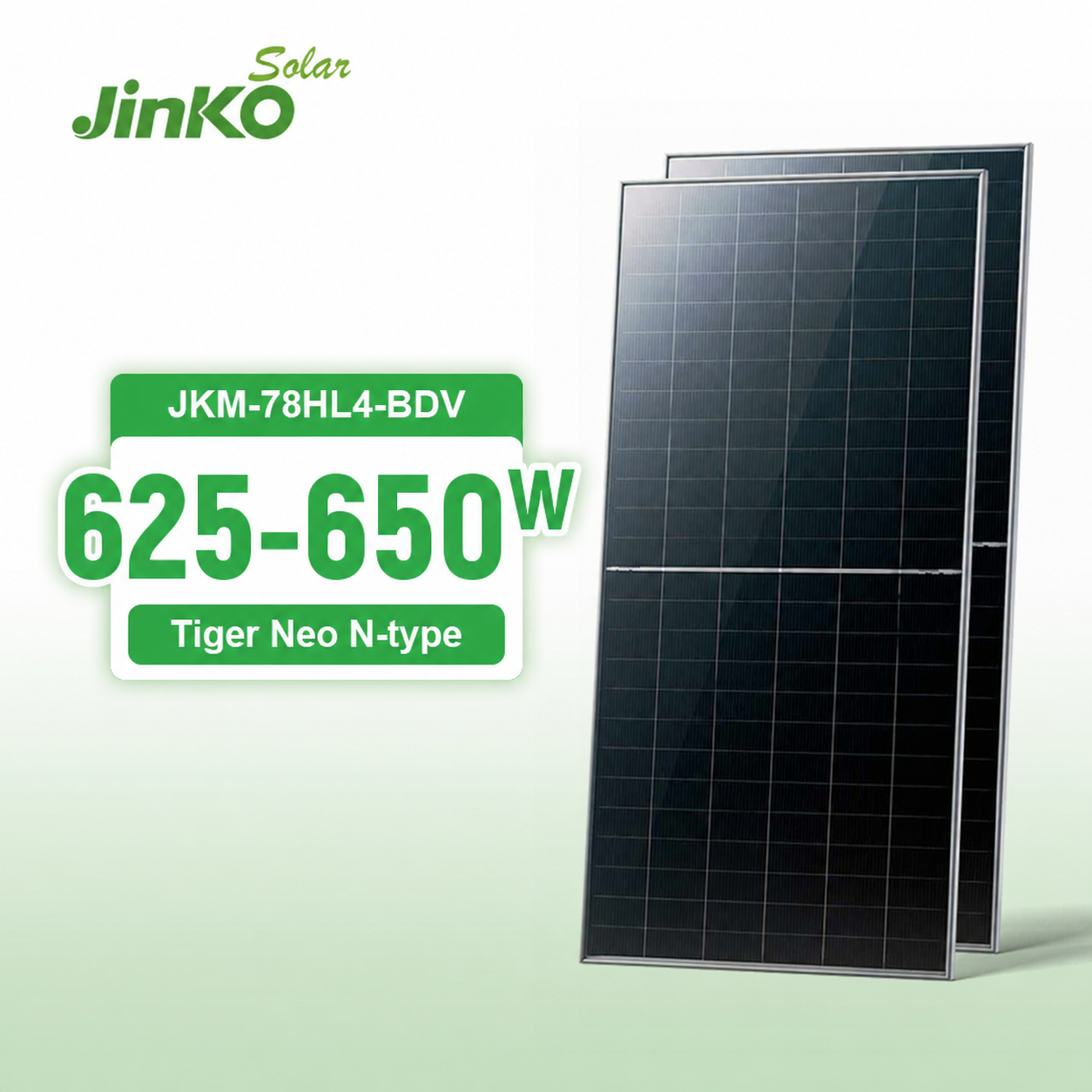
Wholesale-ready bifacial monocrystalline solutions built with 16BB/18BB SMBB technology, anti-PID encapsulation, and optimized dual-glass resilience for commercial, utility, and microgrid installations.
Evaluating quantum efficiency, temperature-coefficient mitigation, and dual-surface photon harvesting for international utility and commercial developers.
Unlike legacy p-type PERC cells which plateau around 21.4% efficiency, N-type TOPCon incorporates an ultra-thin silicon oxide tunnel layer alongside passivated polysilicon. This dramatically curtails surface carrier recombination, accelerating laboratory cell efficiencies beyond 25.5% and mass production module efficiencies over 22.8%.
Bifacial solar panels harvest reflected irradiance through the rear glass. With a bifaciality coefficient of 80% ± 5%, rear-side generation adds between 10% and 30% incremental kWh depending on ground conditions (concrete, sand, white gravel, or grass), reducing the Levelized Cost of Electricity (LCOE) substantially across a 30-year operational lifecycle.
N-type substrates feature zero boron-oxygen defect complexes, eliminating Light-Induced Degradation (LID) and Light-and-Elevated Temperature-Induced Degradation (LeTID). With an exceptional thermal coefficient of -0.29%/°C, energy harvest outpaces standard modules under high operating temperatures common in desert and equatorial deployments.
| Performance Characteristic | Legacy P-Type Mono PERC | N-Type TOPCon Dual-Glass (Our Portfolio) | Procurement Advantage & Financial Impact |
|---|---|---|---|
| Wafer Substrate Type | P-Type Boron Doped | N-Type Phosphorus Doped | Zero Boron-Oxygen defects; completely eliminates initial LID losses. |
| Bifaciality Factor | 65% – 70% | 80% ± 5% | Up to 15% higher rear-side power contribution under identical albedo. |
| Temperature Coefficient (Pmax) | -0.35% / °C | -0.29% / °C | Yields ~2.5% to 4% more energy under hot rooftop/desert conditions (65°C cell temp). |
| Annual Power Degradation | ~2.0% Yr 1, 0.55%/yr thereafter | ≤ 1.0% Yr 1, 0.40%/yr thereafter | Maintains >87.4% rated output at Year 30 vs. 84.8% for PERC double glass. |
| Packaging Architecture | Glass / Backsheet (typical) | 2.0mm POE/EVA Double Glass | Zero water-vapor ingress; absolute anti-PID resilience; Class-A fire containment. |
Hangzhou VOLT New Energy bridges OEM Tier-1 factory capabilities with integrated electrical validation, full export compliance, and consolidated container shipping across 100+ countries.
We solve integration failures before ocean dispatch. Panels, Deye hybrid/off-grid inverters, and LFP storage packs undergo closed-loop testing for MPPT voltage windows, BMS-to-inverter CAN/RS485 communication, and optimal charge profiles.
Every consignment undergoes EL testing to inspect micro-cracks, rigorous insulation tests, and flash test calibration. Buyers receive serial-tracked inspection dossiers and high-definition video documentation prior to container sealing.
Maximize shipping economics. We engineer consolidated container packing combining Tier-1 bifacial panels, hybrid inverters, battery cabinets, and DC cabling into single consignments with full UN38.3, MSDS, and Class 9 DG documentation.
Beyond distribution, our engineering desk assists with array string sizing, single-line wiring schematics, shadow simulation assessments, and on-site commissioning parameters in fluent English for overseas contractor teams.
Corporate Supply Overview
Showroom & Testing Facility
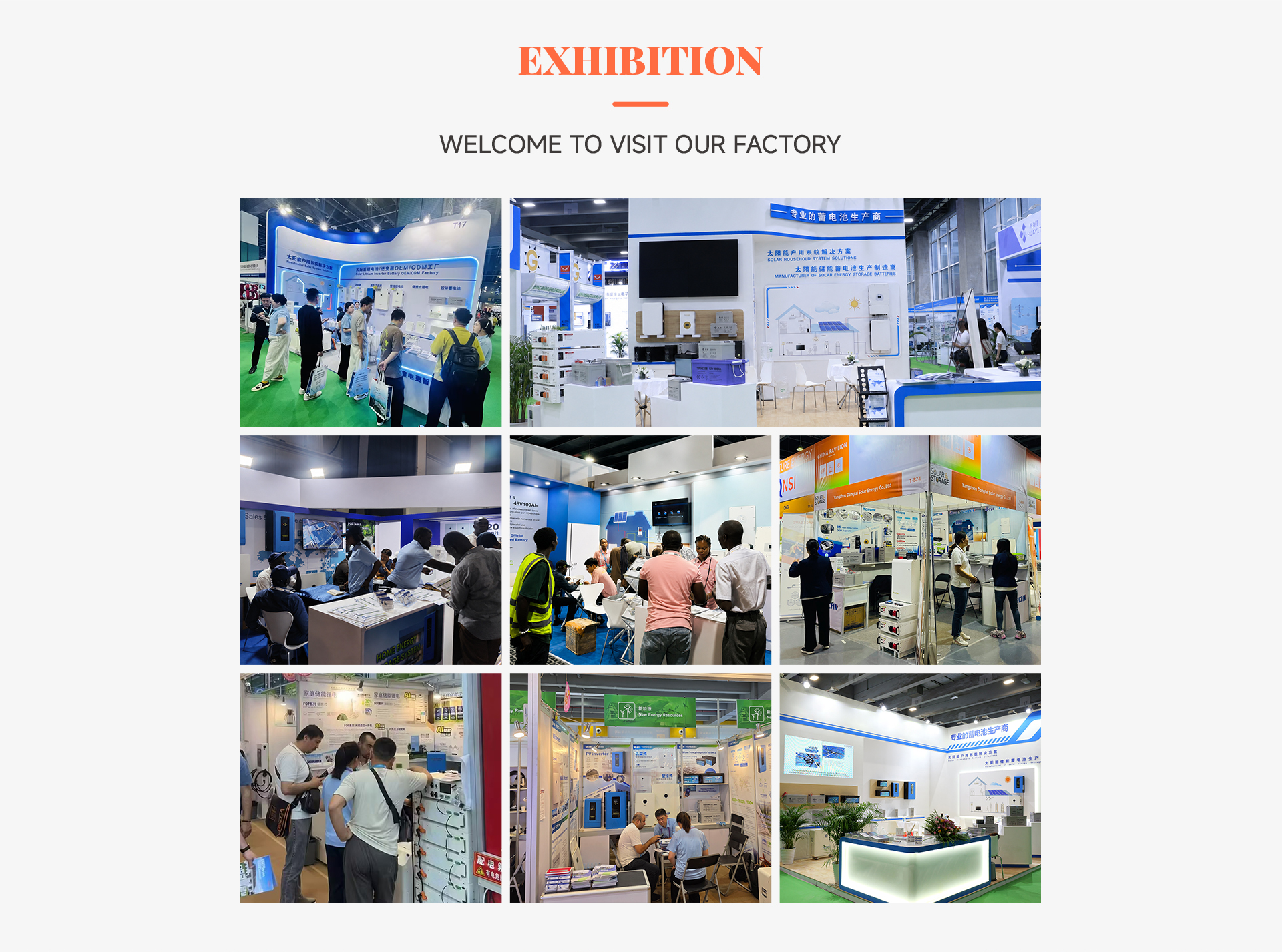
Global Intersolar Showcase
Utility Project Verification
Key developments shaping international purchasing strategies, balance of system (BOS) optimization, and manufacturing innovations over the next decade.
Global utility-scale procurement has decisively transitioned past 550W toward 650W–720W platforms based on 210mm (G12) and 182mm rectangular (182R) silicon wafers. This consolidation allows developers to decrease racking steel tonnage, tracker bearings, DC combiner boxes, and balance-of-system labor costs by an estimated 3.8% to 6.2% per megawatt-peak installed.
To resist long-term potential-induced degradation (PID) and micro-cracking in high-moisture tropical or marine areas, procurement specifications increasingly mandate Polyolefin Elastomer (POE) encapsulants over conventional EVA. Coupled with dual 2.0mm semi-tempered glass, modules achieve exceptional structural resilience up to 5400Pa snow load without prohibitive panel weight.
Looking toward 2026–2030, mainstream TOPCon lines in China are being constructed to be mechanically compatible with future perovskite tandem overlays. This evolutionary step aims to unlock theoretical efficiencies surpassing 30%, guaranteeing that current mounting and string inverter architectures will seamlessly scale into the next generation of solar harvesting.
Whether you require full container loads (FCL) of Jinko TOPCon modules or mixed loads complete with Deye hybrid inverters and LFP lithium storage banks, our technical team prepares complete datasheets, compliance files, and freight calculations within 24 hours.
Critical engineering, financial, and logistical insights drawn directly from international commercial transactions.