High-Yield Photovoltaic Modules for Commercial & Utility Procurement
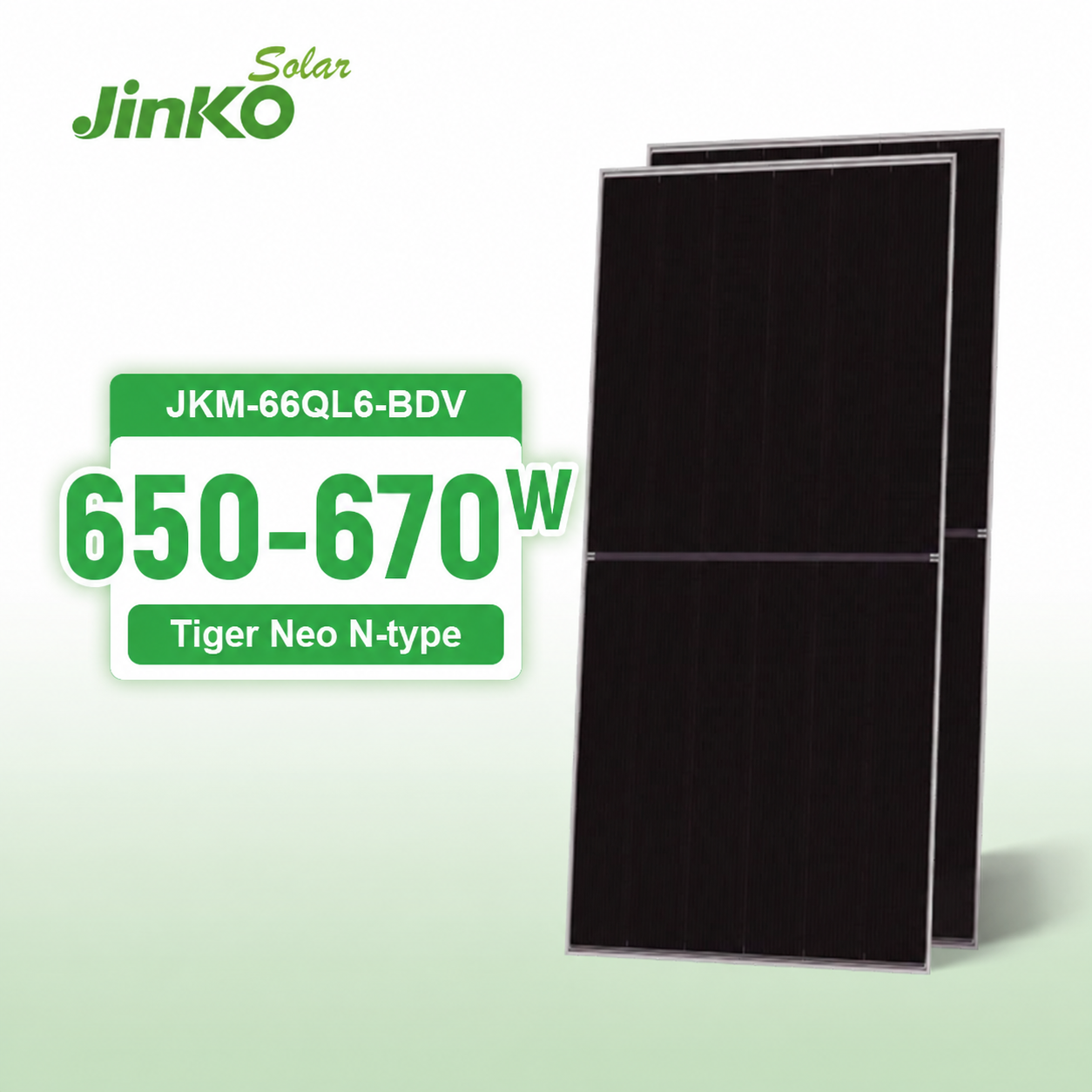
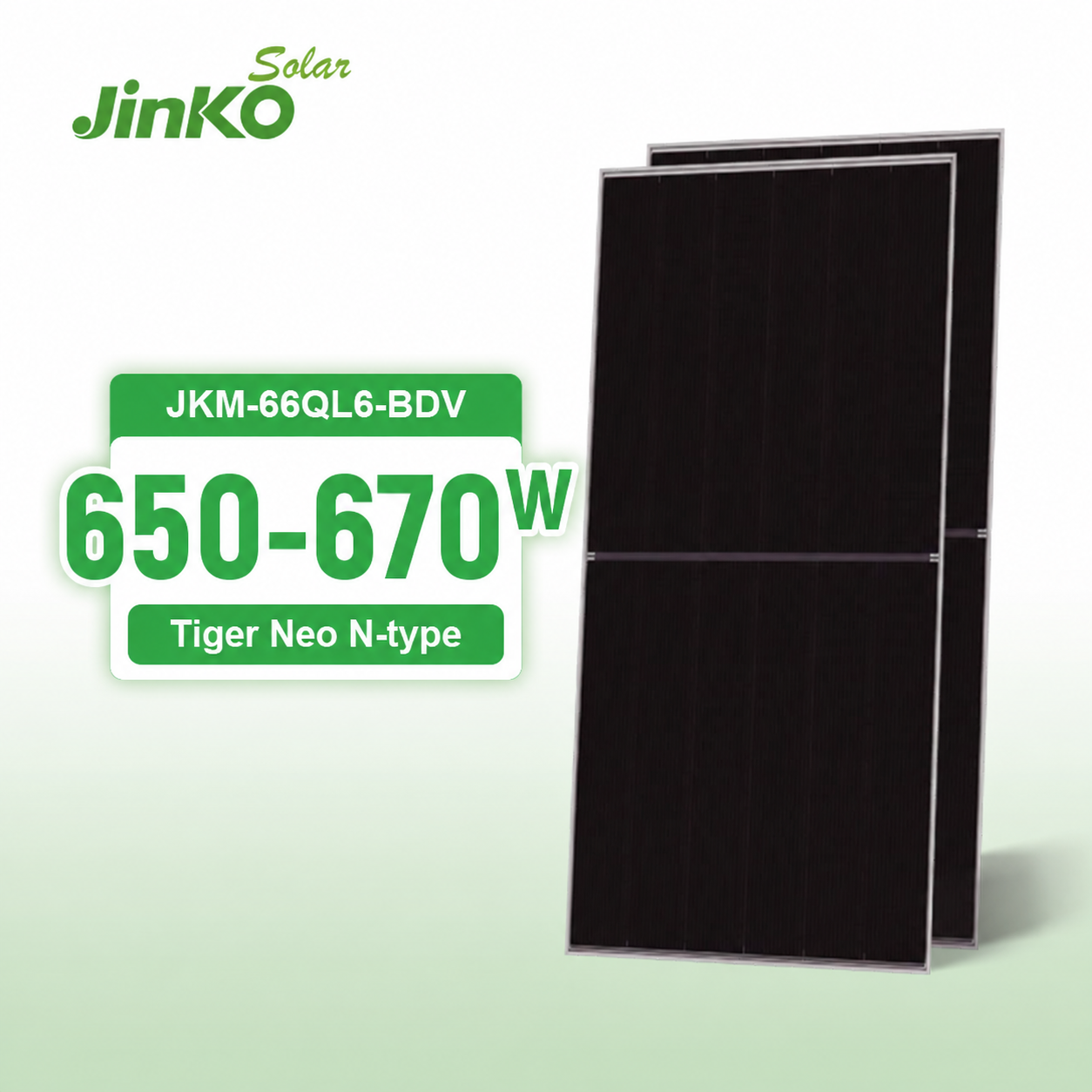
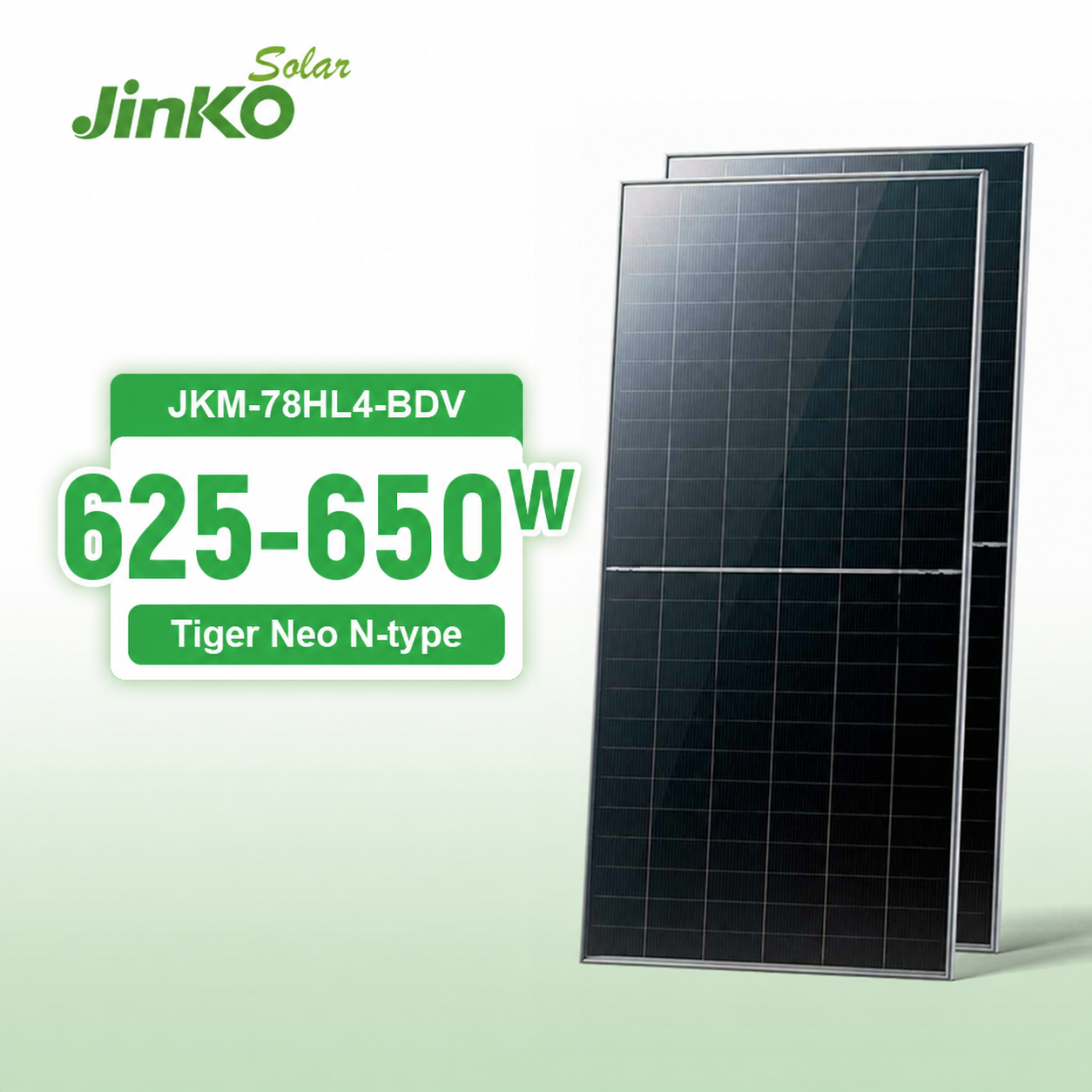
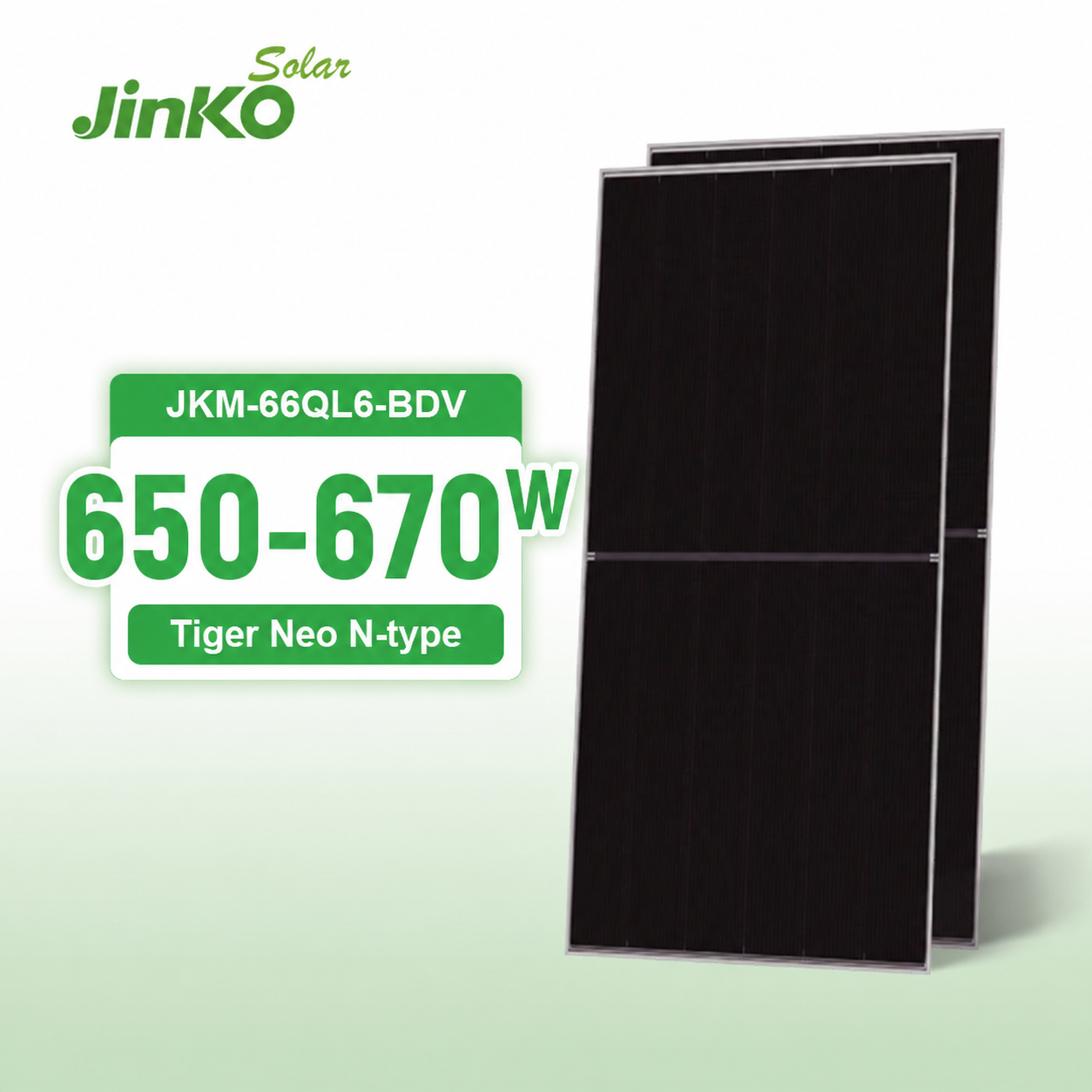
Direct allocations of high-efficiency N-Type TOPCon bifacial and dual-glass solar panels engineered for extreme LCOE reduction across utility, agricultural, commercial, and residential installations.
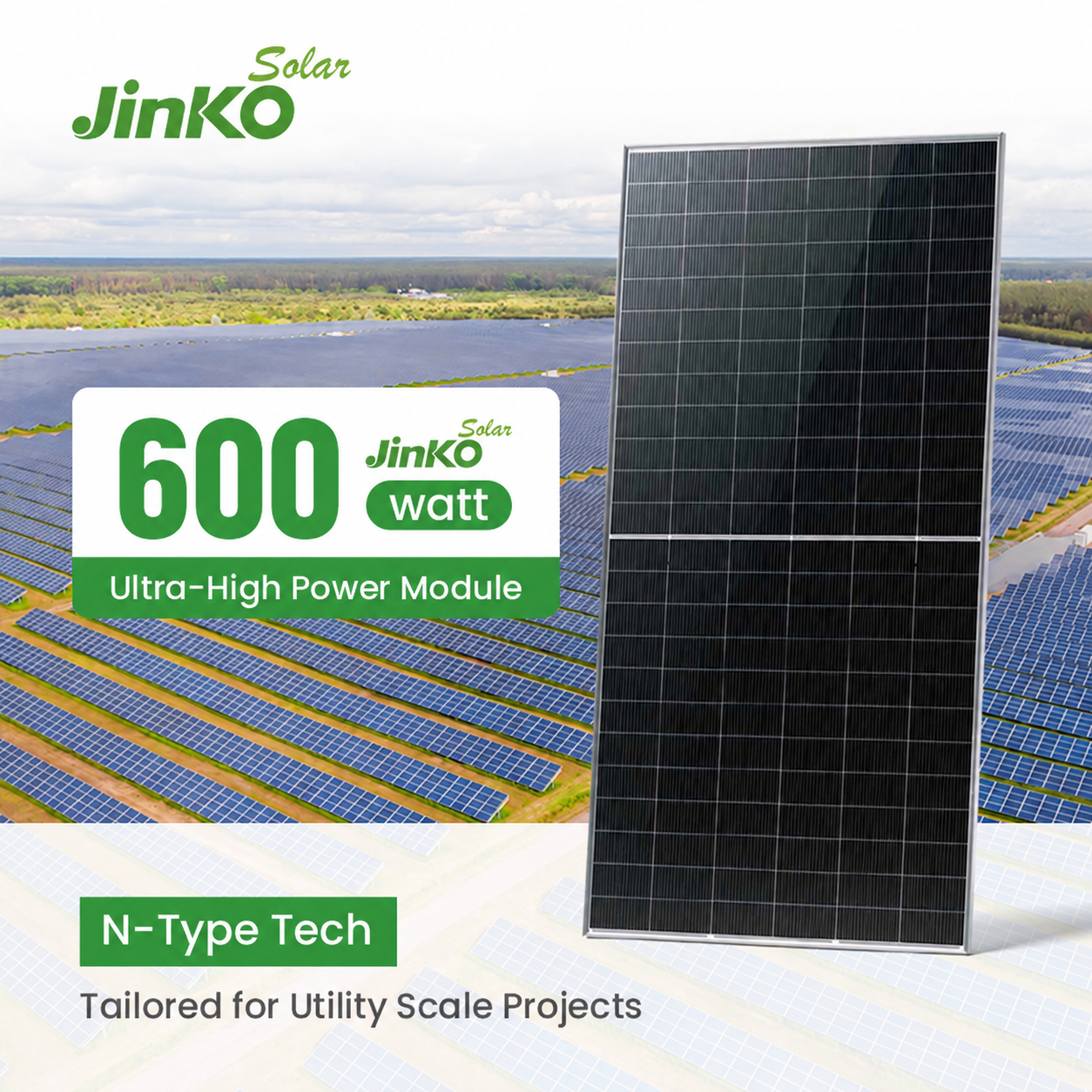
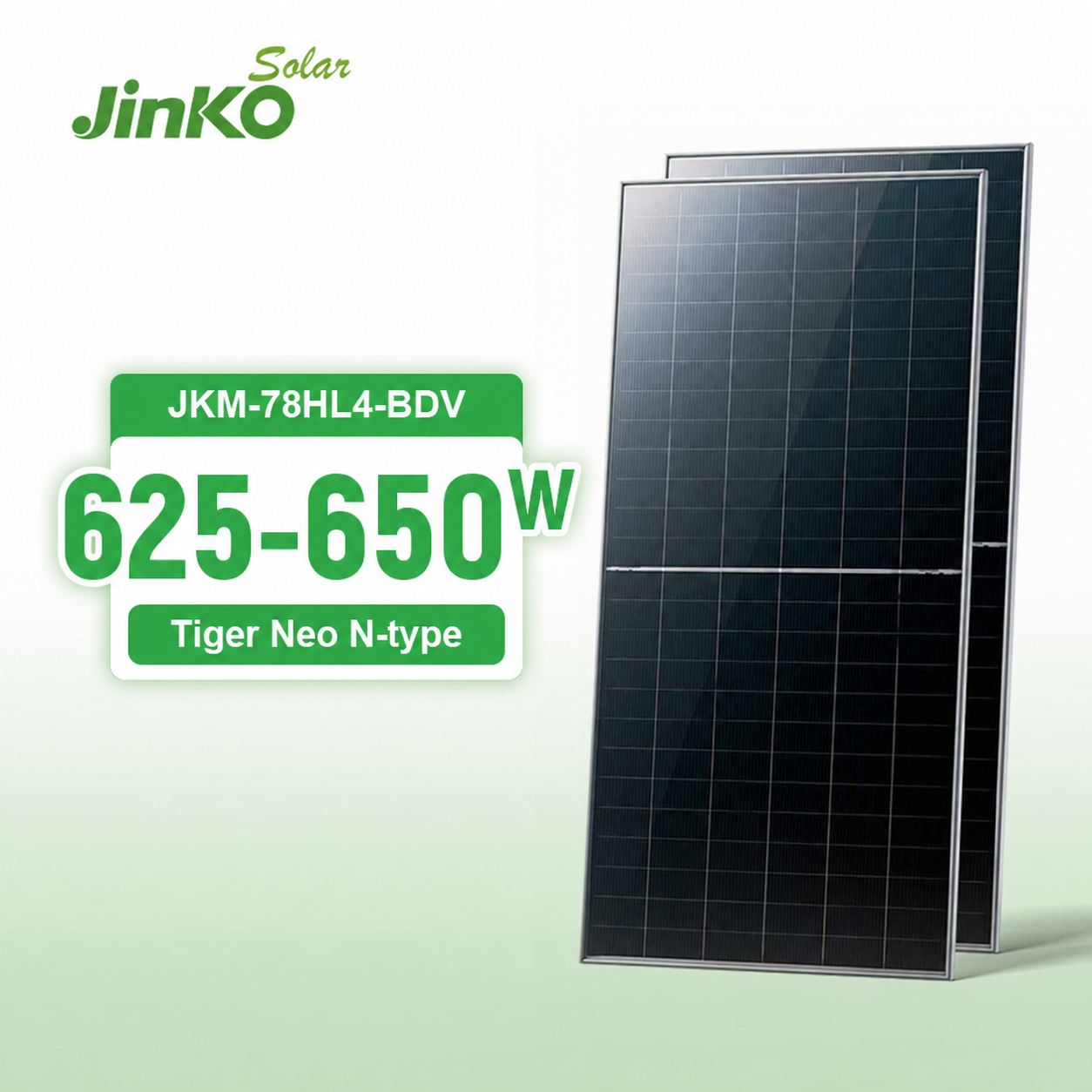
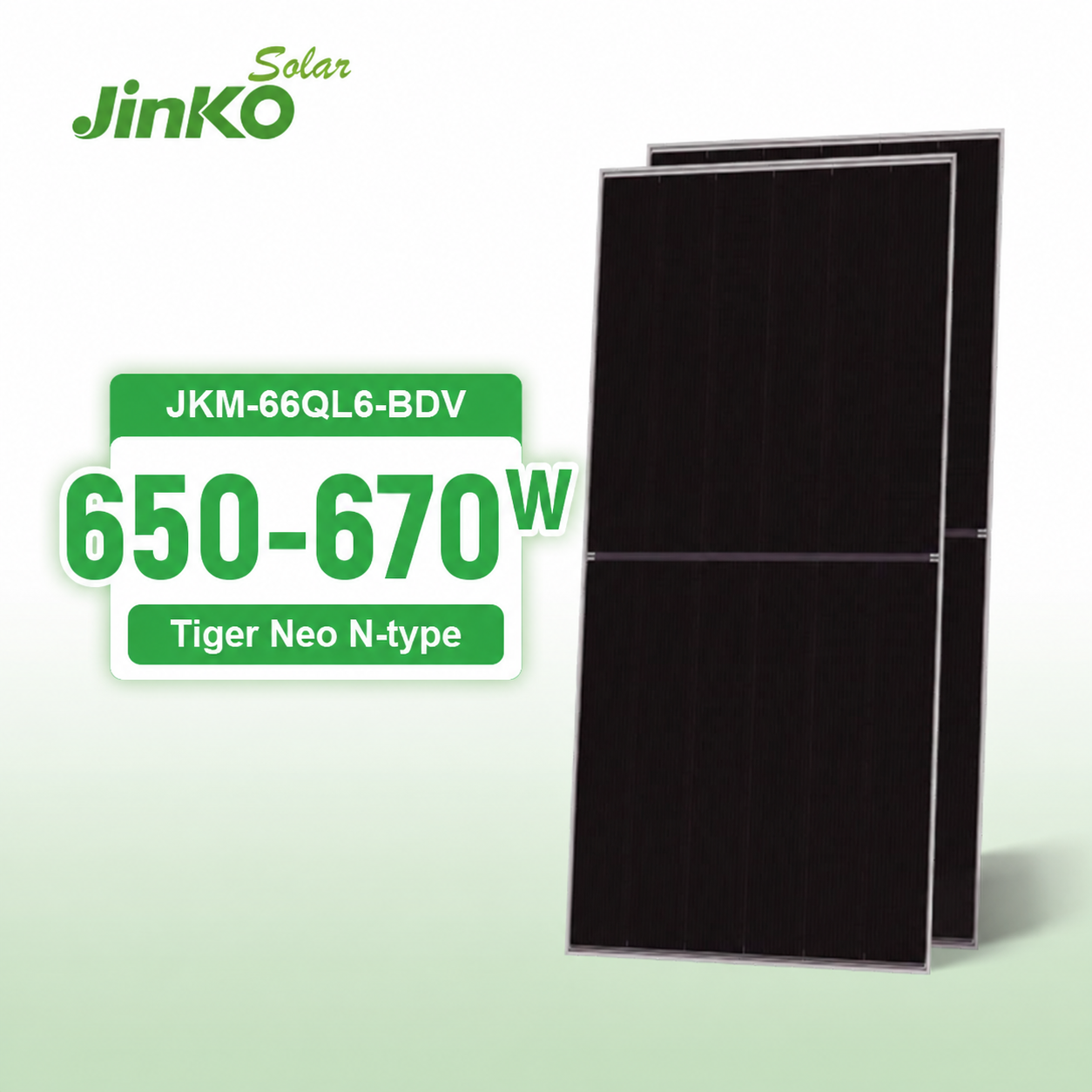
Navigating Tier-1 Solar Module Sourcing from Chinese Manufacturing Hubs
A technical and macroeconomic assessment of the global photovoltaic supply chain, cell technology migration, and strategic sourcing mechanisms for international B2B EPCs and distributors.
1. The Structural Architecture of Tier-1 Solar Module Supply Chains
As the international renewable energy market transitions toward ultra-high efficiency architectures, global procurement teams face significant shifts in cell chemistry, ingot wafer sizing, and supply chain tracing. The global solar panel market—exemplified by Tier-1 powerhouses such as Canadian Solar, JinkoSolar, LONGi, and Trina—is fundamentally anchored in China’s vertically integrated manufacturing ecosystems across Zhejiang, Jiangsu, Anhui, and Sichuan provinces.
Procuring wholesale Canadian Solar and equivalent Tier-1 PV modules directly via authorized Chinese manufacturing conduits provides international developers with tangible capital expenditure (CAPEX) advantages. By leveraging proximity to wafer production, EVA/POE film extrusion, and robotic dual-glass module assembly, buyers eliminate tier-2 middlemen and regional inventory markups while securing pristine factory warranty coverage and matched serial-number provenance.
2. Future Procurement Trends: The Global Shift Toward N-Type TOPCon & HJT
The standard P-type PERC (Passivated Emitter and Rear Cell) technology has officially reached its theoretical thermodynamic efficiency limit (around 24.5%). The global industry is now decisively committed to N-type architectures, principally Tunnel Oxide Passivated Contact (TOPCon) and Heterojunction (HJT) technologies.
Superior Temperature Coefficients
N-Type TOPCon delivers temperature coefficients down to -0.29%/°C to -0.30%/°C, dramatically outperforming conventional P-type PERC (-0.35%/°C). In high-ambient environments like the Middle East, Latin America, and Australia, this translates to 3.5% to 5% higher real-world energy yields.
Near-Zero LID / LePID Degradation
Because N-type silicon wafers use phosphorus rather than boron dopants, they are inherently immune to Boron-Oxygen (B-O) defect complexes. This completely eliminates Light-Induced Degradation (LID), guaranteeing less than 1% first-year attenuation and extended 30-year operational lifetimes.
80%–85% Bifaciality Factor
TOPCon and HJT cells enable bifacial factors exceeding 80%, compared to 70% for standard PERC. When installed over high-albedo surfaces such as white TPO roofs, concrete, sand, or snow, rear-side yield delivers up to 15%–25% supplemental generation, minimizing Levelized Cost of Electricity (LCOE).
Future Market Horizon: Perovskite Tandem & Large-Format 210R Wafers
Over the next 3 to 5 years, procurement roadmaps must account for the commercial scaling of Perovskite-Silicon tandem modules targeting laboratory efficiencies above 30%. In parallel, the standardization of rectangular wafer form factors (182R and 210R) optimizes container packing densities, eliminating empty headspace in 40ft High Cube containers and reducing transatlantic and transpacific ocean shipping costs by 4% to 8% per Megawatt.
Rigorous Technical Auditing & Complete Solar Ecosystem Integration
Hangzhou VOLT New Energy Technology Co., Ltd. bridges the gap between massive Chinese PV manufacturing hubs and international buyers demanding uncompromising quality control, verified compatibility, and turnkey container logistics.

Triple EL & Flash Test Audits
Every module undergoes pre-laminating, post-laminating, and pre-dispatch Electroluminescence (EL) crack detection and Class AAA flash testing to eliminate micro-cracks, soldering defects, and negative power tolerance.

Export-Engineered Mixed Logistics
We consolidate Tier-1 solar panels with matched Deye hybrid inverters and LFP lithium storage racks in single containers, accompanied by complete UN38.3, MSDS, and Class 9 DG documentation for streamlined port clearance.

Heavy-Duty Ocean Packaging
Modules are secured in reinforced vertical landscape packaging with anti-collision corner guards, steel strapping, and moisture barrier desiccant packs designed to withstand aggressive marine dynamic stresses.

String Matching & Engineering Support
Our Hangzhou engineering desk provides string calculation, MPPT voltage-window verification, wiring diagrams, and balance-of-system (BOS) matching to prevent field clipping and thermal mismatch errors.
Frequently Asked Questions: Sourcing Solar Modules from China
Essential due diligence guidelines, compliance frameworks, and logistics protocols for overseas PV importers, project developers, and system integrators.
How do you guarantee that wholesale Canadian Solar or Tier-1 modules are authentic Grade-A stock?
What are the key technical differences when matching 600W+ high-power modules with hybrid inverters?
Can solar panels, lithium storage batteries, and inverters be consolidated into a single shipping container?
How do you mitigate the risk of micro-cracks during long-distance multimodal sea transportation?
What international product certifications are supplied for regional grid connections and customs clearance?
Connect with China's Premier Solar Supply Hub
Whether you require full container loads (FCL) of Tier-1 solar panels or an engineered, matched system with Deye inverters and lithium storage batteries, our bilingual technical sales team is ready to assist.