Engineering-Driven Wholesale Sourcing from China's PV Manufacturing Core
As the photovoltaic industry shifts toward high-voltage architectures, ultra-high-power N-Type TOPCon bifacial modules, and stringent grid code compliance, selecting the right Chinese manufacturing partner requires deep domain expertise. This procurement manual bridges component engineering, supply chain logistics, and field reliability verification.
Recommended High-Yield PV Modules for Grid-Tie Inverters
Seamless DC-to-AC conversion begins with module-inverter impedance matching. The following Tier-1 high-efficiency modules represent the industry benchmark for commercial, industrial, and utility grid-tied installations.
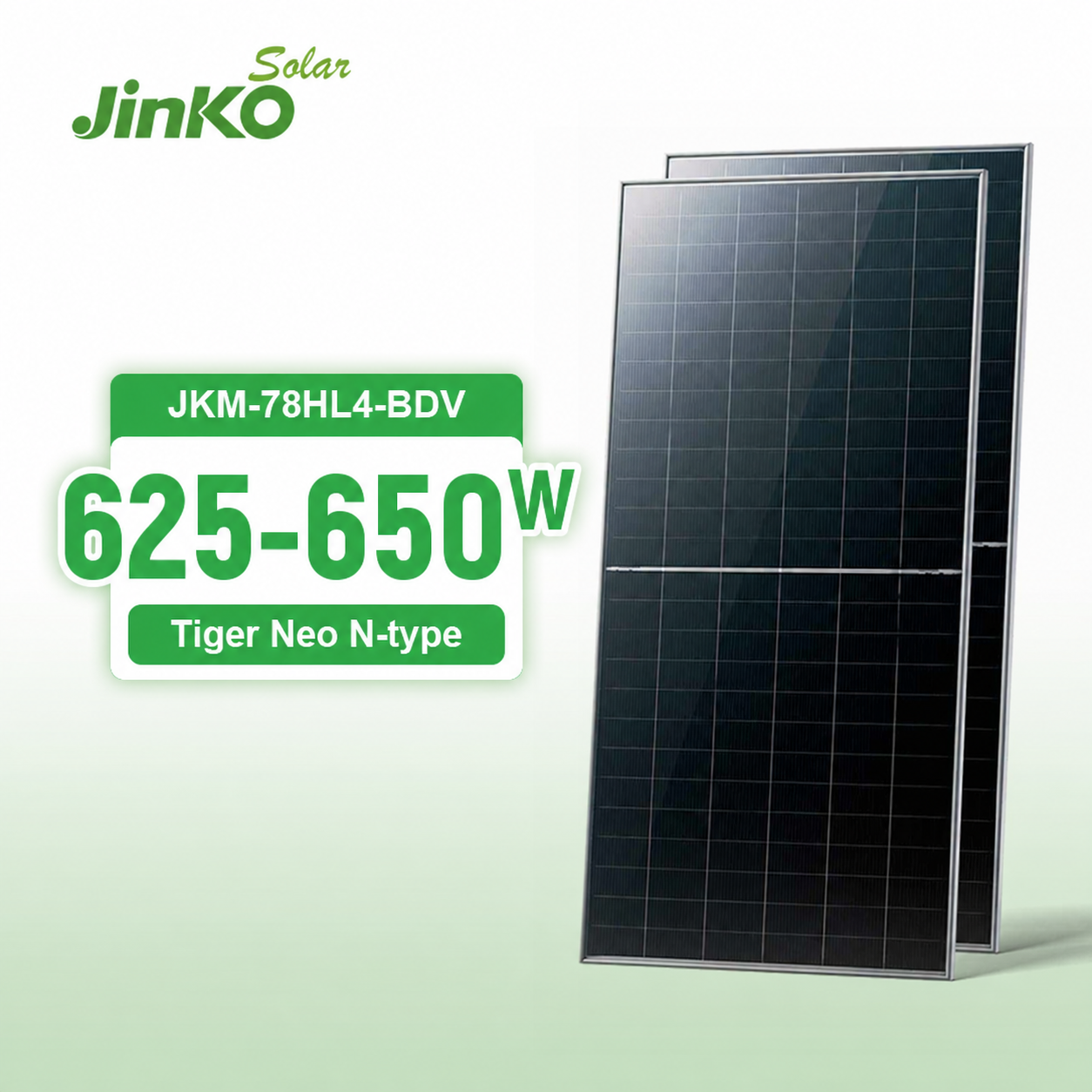
Jinko N Type Bifacial Solar Modules 650W 630W 640W Dual Glass Photovoltaic Panel for Industrial
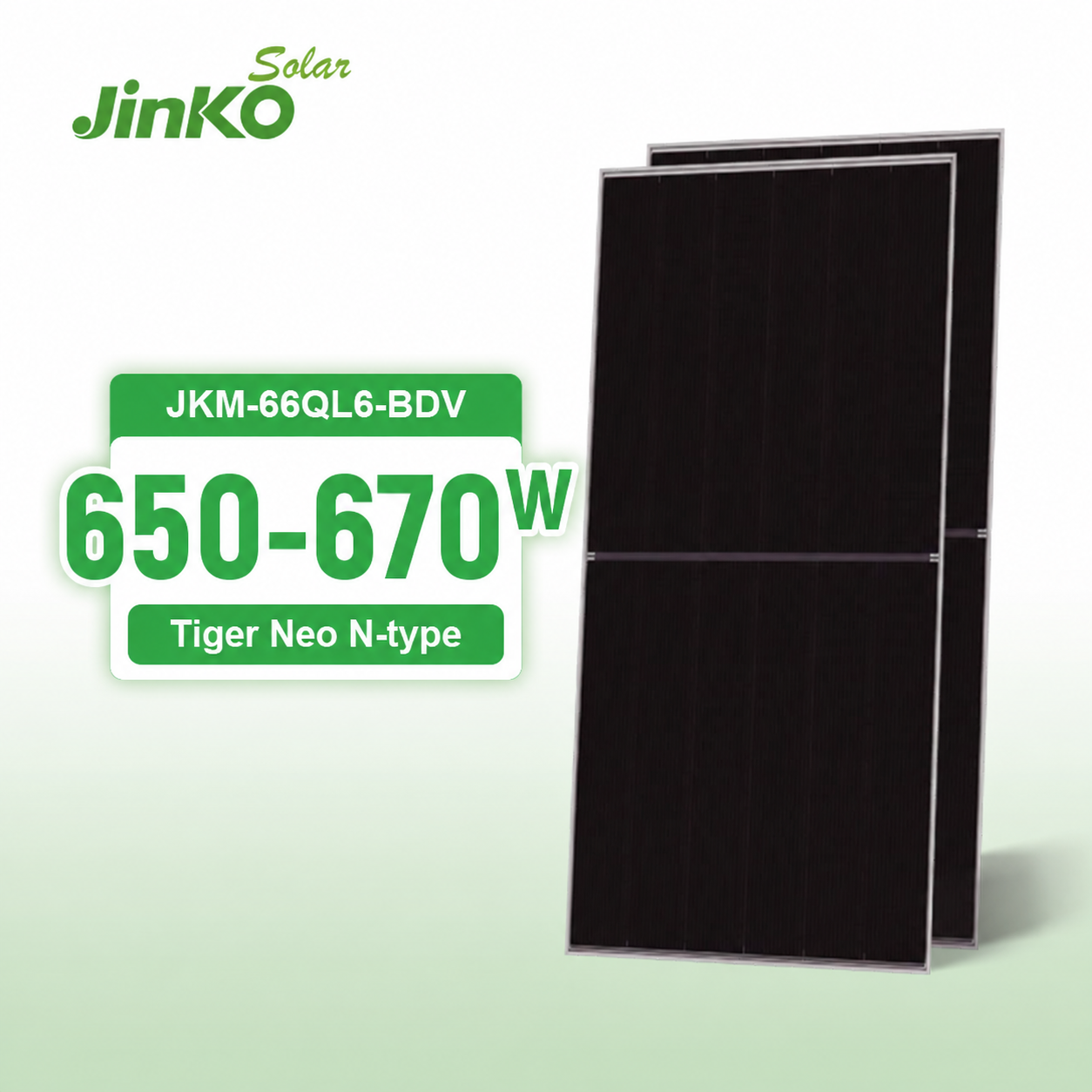
Jinko N Type Solar Panels Bifacial 650W 660W 670W TOPCon Double Glass High Efficiency Solar Module for House
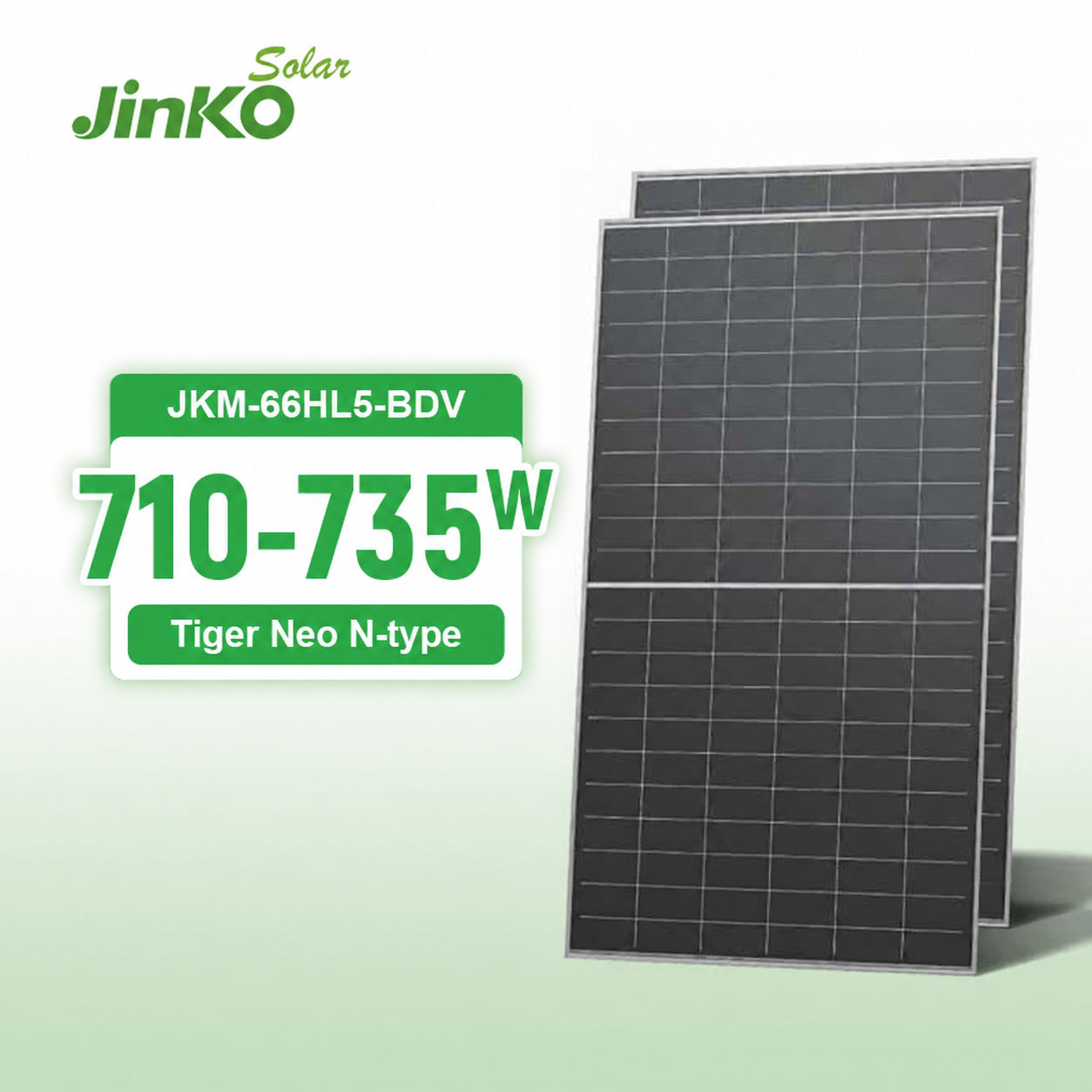
Jinko N Type Bifacial Pv Solar Panels 720W 710W 715W Dual Glass Industrial Photovoltaic Panneau Solaire
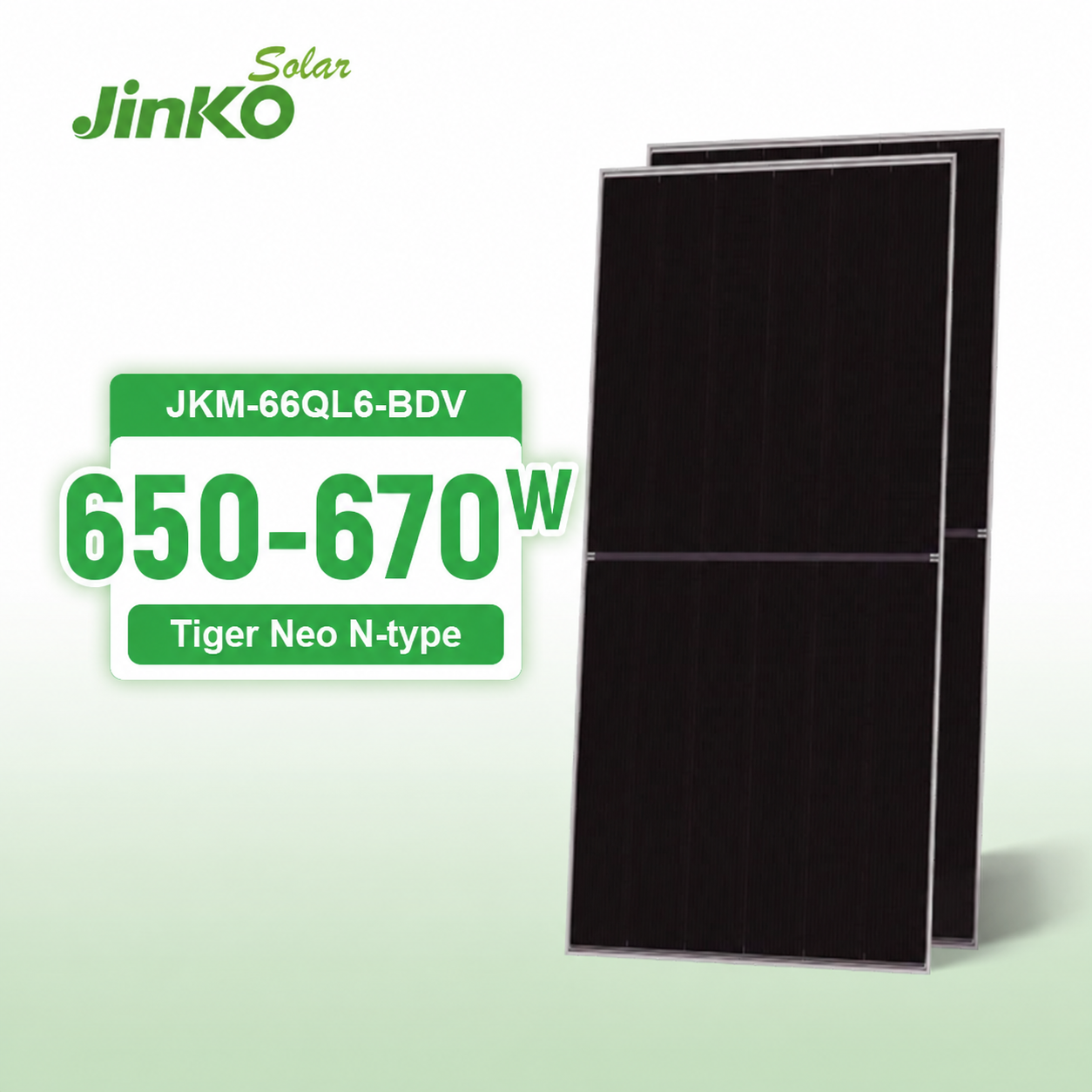
Jinko N Type 650W 660W 670W Wholesale TOPCon Bifacial Photovoltaic Module for Commercial
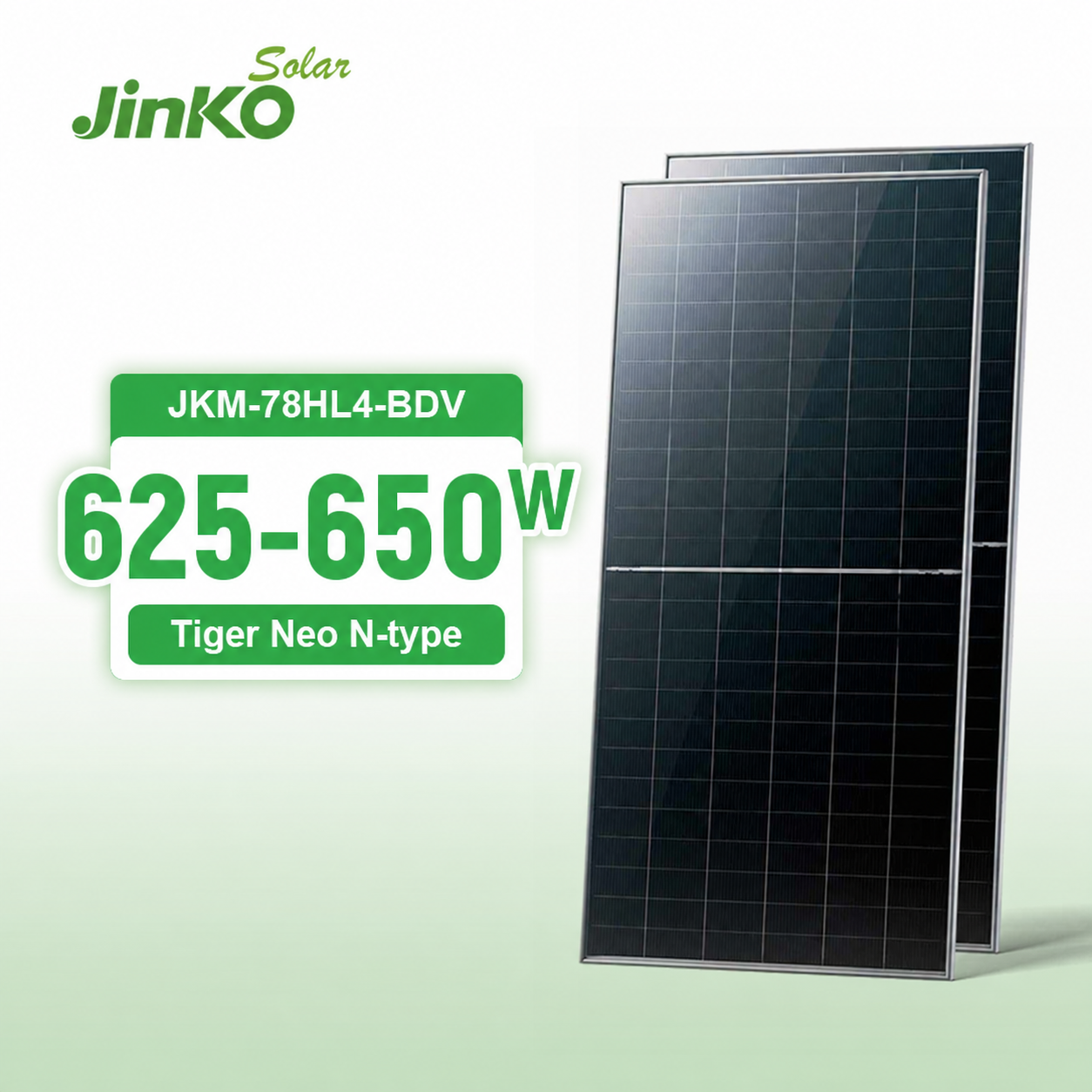
Jinko N Type Pv Module 650W 625W 645W Bifacial Photovoltaic Module Panneau Solaire for Commercial
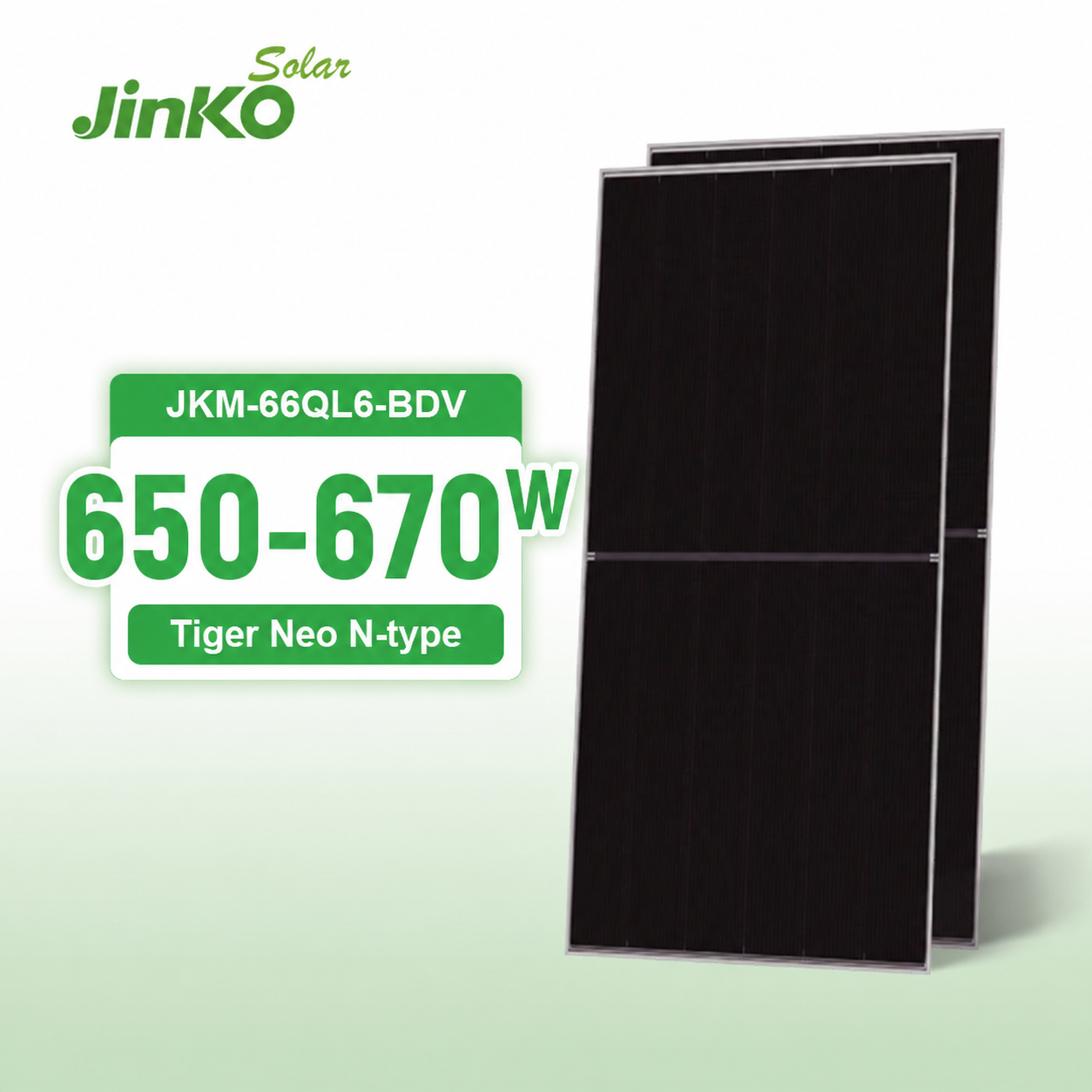
Jinko N Type Bifacial Pv Modules 650W 660W 670W Double Glass Solar Photovoltaic Panel for Commercial
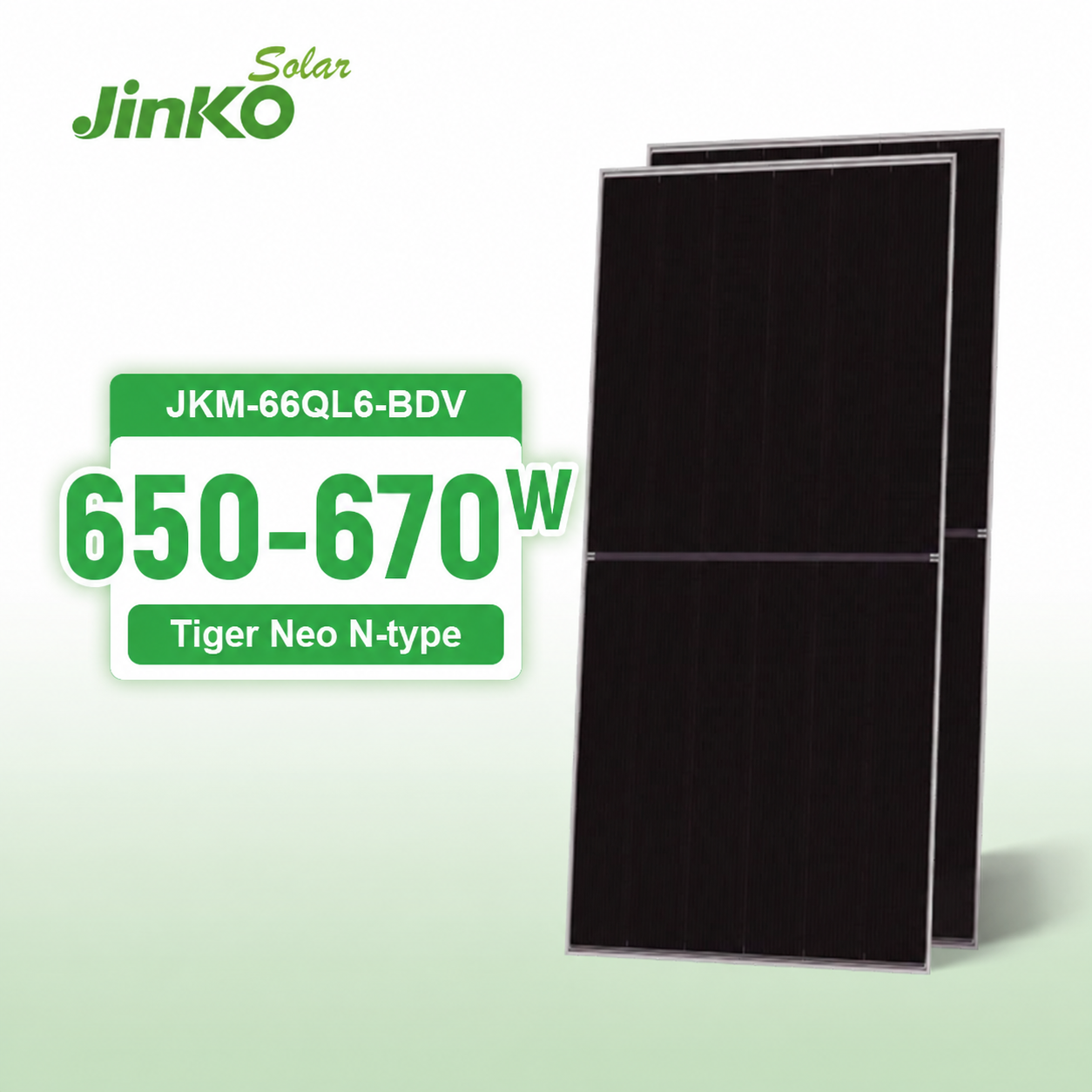
Jinko N Type Bifacial Solar Panel 650W 660W 670W TOPCon Monocrystalline High Efficiency PV Module for Home Roof
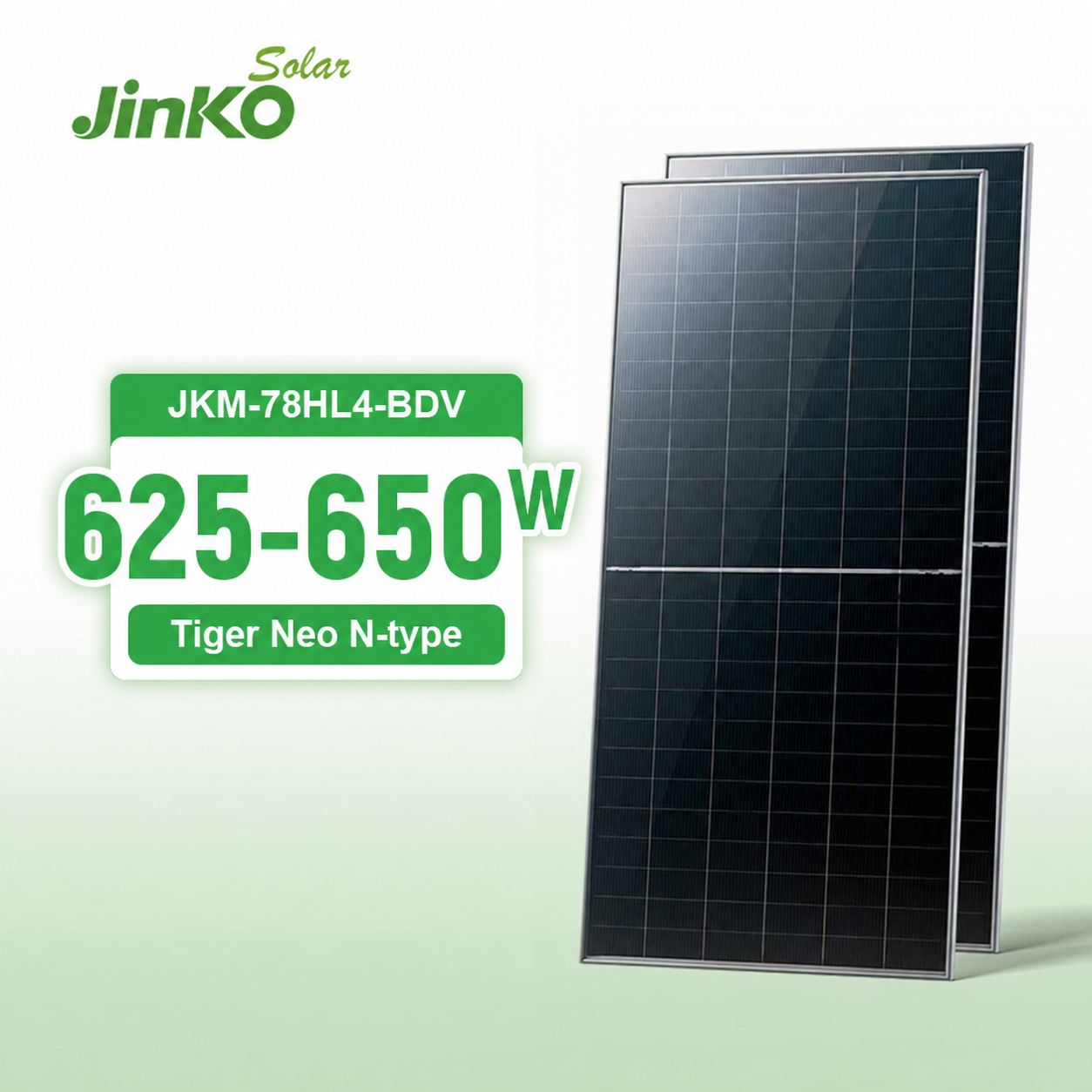
Jinko N Type Bifacial Pv Modules 630W 625W 635W Double Glass High Efficiency Solar Panel Stock
1. Technical Blueprint: Pairing Modern Grid Tie Inverters with High-Current TOPCon Modules
Procuring grid-tie inverters from Chinese manufacturers requires understanding the electrical interaction between modern silicon generation technologies and inverter maximum power point tracking (MPPT) algorithms. In previous market cycles, solar modules operated at current thresholds of 9 to 11 Amperes. However, modern high-power bifacial modules, such as the Jinko N-Type TOPCon 650W to 720W series featured above, produce operating currents ($I_{mp}$) exceeding 15 to 17 Amperes, with short-circuit currents ($I_{sc}$) reaching 18 Amperes or higher under bifacial rear-gain conditions.
When purchasing grid-tie inverters in wholesale volumes, international EPCs and distributors must ensure that the manufacturer’s MPPT input channels do not throttle or clip generation. Modern Chinese Tier-1 grid tie string inverters—such as Deye, Sungrow, Ginlong Solis, and Growatt—have revised their hardware topology to accommodate 16A, 18A, and 20A per string input. Sourcing obsolete inventories with 12.5A limits will inevitably lead to severe thermal clipping during peak irradiance, degrading levelized cost of energy (LCOE) by up to 8.4%.
| System Scale | Recommended Inverter Architecture | Nominal MPPT Input Current | Typical DC/AC Ratio | Primary Grid Standard |
|---|---|---|---|---|
| Residential (3kW - 12kW) | Single-Phase / Three-Phase Transformerless String | 16A - 18A per MPPT | 1.25 - 1.35 | VDE-AR-N 4105, EN 50549-1, UL 1741 SB |
| Commercial C&I (25kW - 125kW) | Multi-MPPT High-Voltage String (Up to 12 MPPTs) | 18A - 20A (32A-40A per tracker) | 1.30 - 1.45 | IEEE 1547-2018, G99, IEC 62116 |
| Utility Ground Mount (>250kW) | Decentralized String or Compact Central Inverters | 20A - 25A (Compatible with 210mm cells) | 1.40 - 1.55 | CEA 2019, Grid Code High/Low Voltage Ride Through |
Furthermore, wholesale buyers must evaluate DC/AC overloading capabilities. Quality Chinese factories now build inverter thermal management systems around active forced-air cooling with variable-speed brushless DC fans, maintaining full power output without thermal derating up to 45°C ambient temperatures. This allows EPC contractors to safely oversize DC array capacities by 130% to 150%, maximizing inverter capacity factors across early morning and late afternoon shoulder periods.
2. Strategic Sourcing Horizons: Future Procurement Trends (2025–2030)
The landscape of wholesale inverter manufacturing in China is experiencing an unprecedented structural transformation. Sourcing teams can no longer rely solely on basic cost-per-watt metrics. Strategic B2B buyers must navigate several macro procurement shifts:
Silicon Carbide (SiC) Adoption
Third-generation wide-bandgap semiconductors (SiC MOSFETs) are replacing traditional silicon IGBTs. This yields 300% faster switching frequencies, reduces magnetic component mass by 40%, and pushes inverter peak conversion efficiencies past 99.0%.
Grid-Forming & Dynamic Inertia
Global utilities require inverters to transition from passive "grid-following" devices to active "grid-forming" power units capable of synthesizing virtual inertia, regulating microgrid voltage harmonics, and providing continuous black-start capabilities.
Native Storage Hybridization
Procurement demand is converging toward bidirectional hybrid string architectures. Buyers prioritize inverters equipped with integrated DC-coupled battery charge controllers that allow seamless microgrid pairing with LiFePO4 storage packs.
Procurement specialists must also monitor geographic manufacturing consolidation. The majority of top-tier factories are centered within the Yangtze River Delta (Hangzhou, Ningbo, Suzhou) and Guangdong (Shenzhen, Dongguan). Suppliers in Zhejiang Province, such as Hangzhou VOLT New Energy, offer significant supply chain resilience by integrating inverter supply agreements with direct Tier-1 module allotments (e.g., Jinko Solar) and high-cycle lithium storage banks under a unified logistics and engineering framework.
3. Technological Development Trends: Safety, Diagnostics, and Grid Integration
The technical gap between Tier-1 and secondary OEM inverter factories in China is defined primarily by firmware stability, real-time safety algorithms, and telemetry integration. When evaluating factory engineering capacity, the following features represent non-negotiable requirements for utility and commercial procurement:
AI-Driven Smart IV Curve Tracing
Advanced inverters execute full array scanning in under 15 seconds. Machine-learning algorithms categorize over 14 distinct failure modes including module cracking, hot spots, PID degradation, and shading without deploying physical field technicians.
AFCI 3.0 Arc Fault Interruption
Utilizing high-speed digital signal processors (DSP) and neural network arc detection, next-generation Chinese inverters distinguish true electric arcs from background inverter switching noise, disconnecting strings within 2.5 milliseconds (exceeding UL 1699B).
Autonomous Export Limitation
With local distribution grids facing saturation worldwide, factory-integrated zero-export dynamic controllers read smart meter protocols via RS485 or CAN-bus in real-time, throttling inverter output within 150ms to protect grid substation transformers.
4. Verified Manufacturer Advantages: Why Global B2B Importers Partner with Us
Procuring from China presents significant challenges in component communication compatibility, export dangerous goods (DG) compliance, and multi-component system balancing. Hangzhou VOLT New Energy Technology Co., Ltd. resolves these systemic vulnerabilities through rigorous integration testing, verified Tier-1 supply partnerships, and turnkey export engineering.

Pre-Shipment Protocol QC
Every hybrid and grid-tied inverter order undergoes CAN/RS485 handshake validation with the matched lithium battery bank to guarantee out-of-the-box system synchronization.

Dangerous Goods (DG) Logistics
Complete regulatory documentation including UN38.3, MSDS, and certified DG wooden crate packaging for seamless maritime and rail customs clearance worldwide.

Mixed-Container Consolidation
Save shipping overhead by consolidating Jinko N-Type modules, Deye/VOLT inverters, mounting structures, and DC combiner cables into optimized single-container shipments.

Engineering & System Sizing
Dedicated bilingual electrical engineers provide string configuration reviews, electrical single-line diagrams (SLD), and remote field commissioning support.
Full Regulatory Compliance Portfolio: All grid-tie inverters and energy storage systems exported by Hangzhou VOLT New Energy strictly adhere to international quality benchmarks: CE, TÜV Rheinland, IEC 62109-1/-2, IEC 62619, IEC 61215/61730, UN38.3, and ISO 9001 manufacturing management standards.
5. Frequently Asked Questions: Wholesale Grid Tie Inverter Sourcing
Clear, technical, and commercial answers addressing common hurdles encountered by EPCs, project developers, and renewable energy distributors when importing from Chinese manufacturers.
How do we prevent MPPT current mismatch when pairing 650W+ TOPCon panels with grid-tie inverters?
What are the standard factory lead times, minimum order quantities (MOQ), and OEM terms?
How do Chinese factories handle grid code certifications for European, North American, and Australian markets?
What are the key differences between central inverters and multi-MPPT decentralized string inverters for C&I projects?
How does Hangzhou VOLT New Energy manage factory warranty claims and RMA after-sales service?
Can solar panels, inverters, and lithium energy storage batteries be packed in the same shipping container?
Accelerate Your PV Project Procurement with Factory-Direct Engineering
Submit your project single-line diagram, target AC capacity, and module preferences. Hangzhou VOLT New Energy delivers factory-direct wholesale pricing, verified protocol integration, and consolidated container quotes within 24 hours.