Core Modular Equipment & High-Yield Hybrid Components
Sourced from state-of-the-art automated manufacturing lines in Zhejiang and Jiangsu, every photovoltaic module, hybrid storage inverter, and lithium-iron-phosphate battery bank undergoes full-spectrum quality control prior to maritime export consolidation.

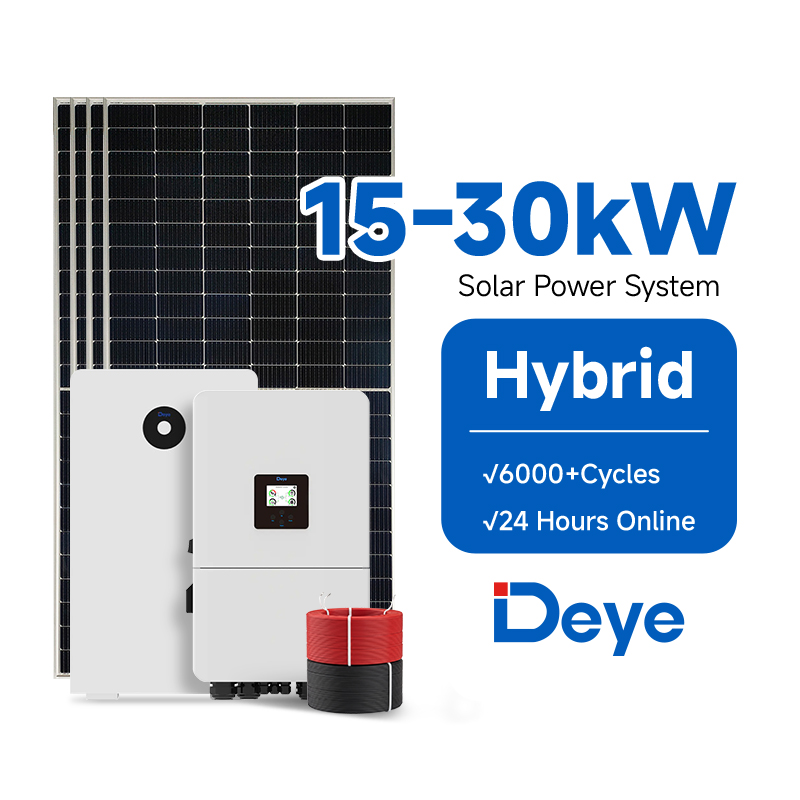
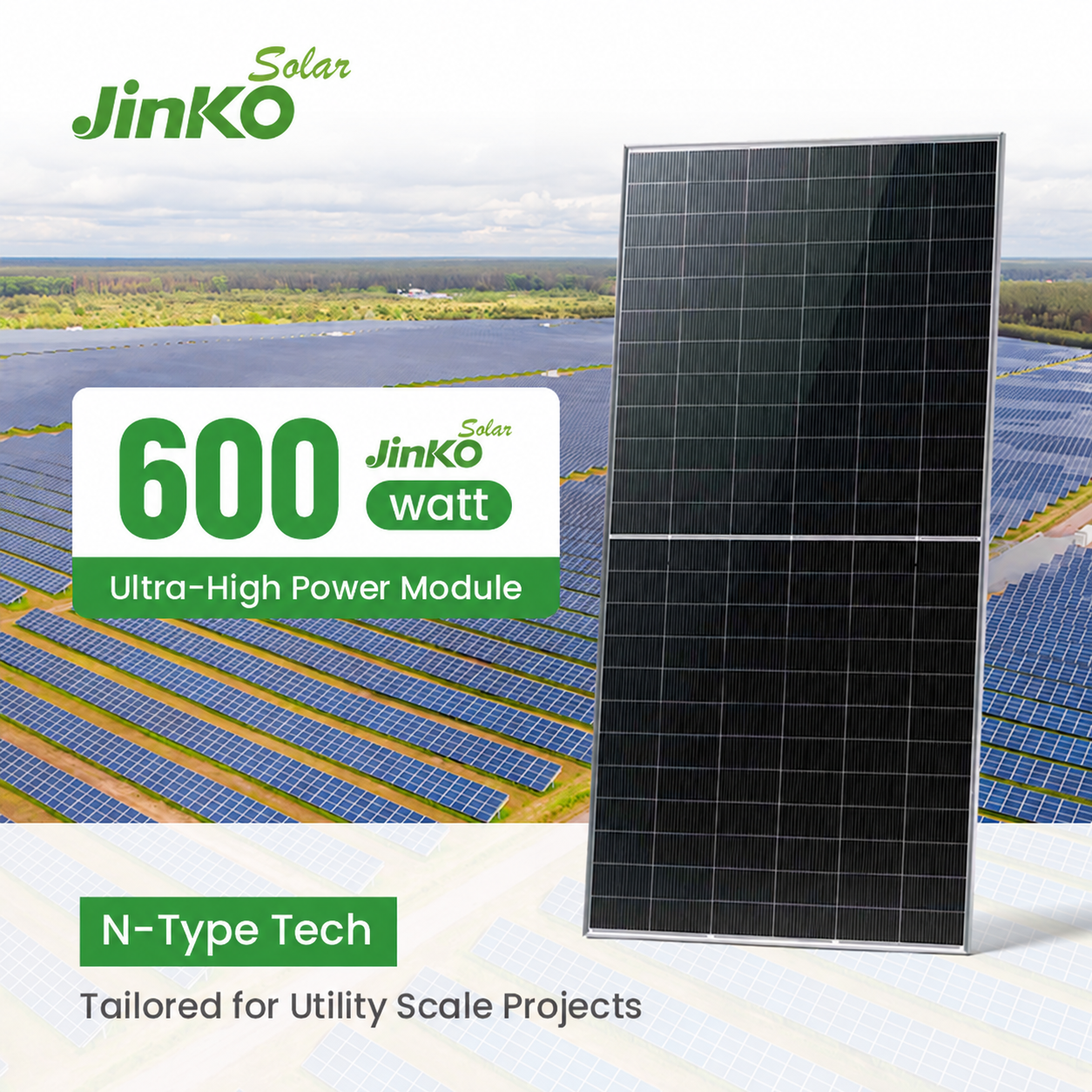
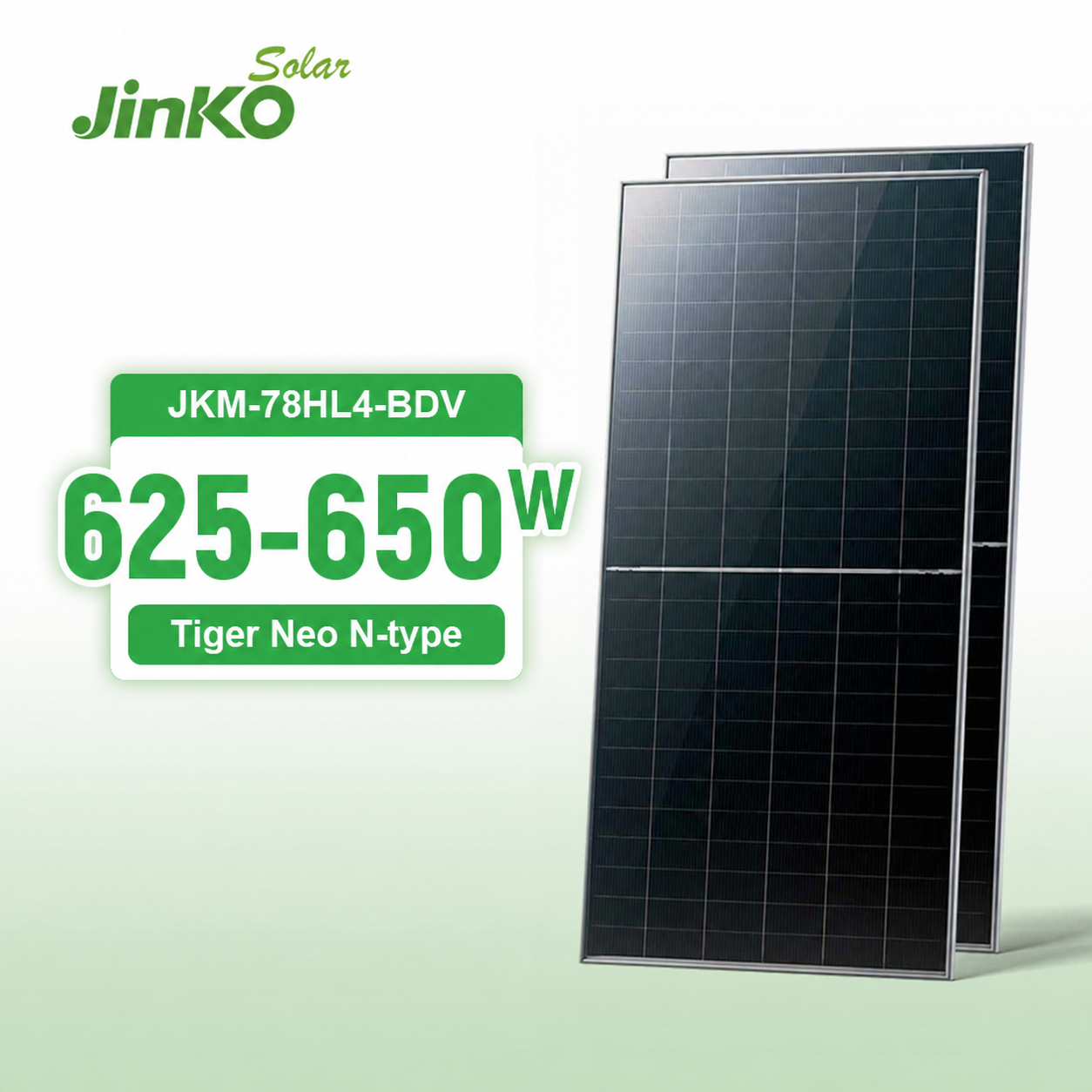
Architectural Topologies: Engineering High-Availability Hybrid Power Systems
In modern power engineering, a commercial or residential Hybrid Power System is no longer defined merely as a solar array tethered to an off-grid inverter. Today’s international energy landscape demands advanced multi-port power conversion systems (PCS) capable of seamlessly orchestrating photovoltaic (PV) yield, electrochemical energy storage systems (BESS), utility grid dynamics, and auxiliary diesel/gas gensets. As a premier China wholesale exporter and integrator, our engineering paradigm addresses the critical operational bottlenecks faced by engineering, procurement, and construction (EPC) firms, regional distributors, and utility operators across five continents.
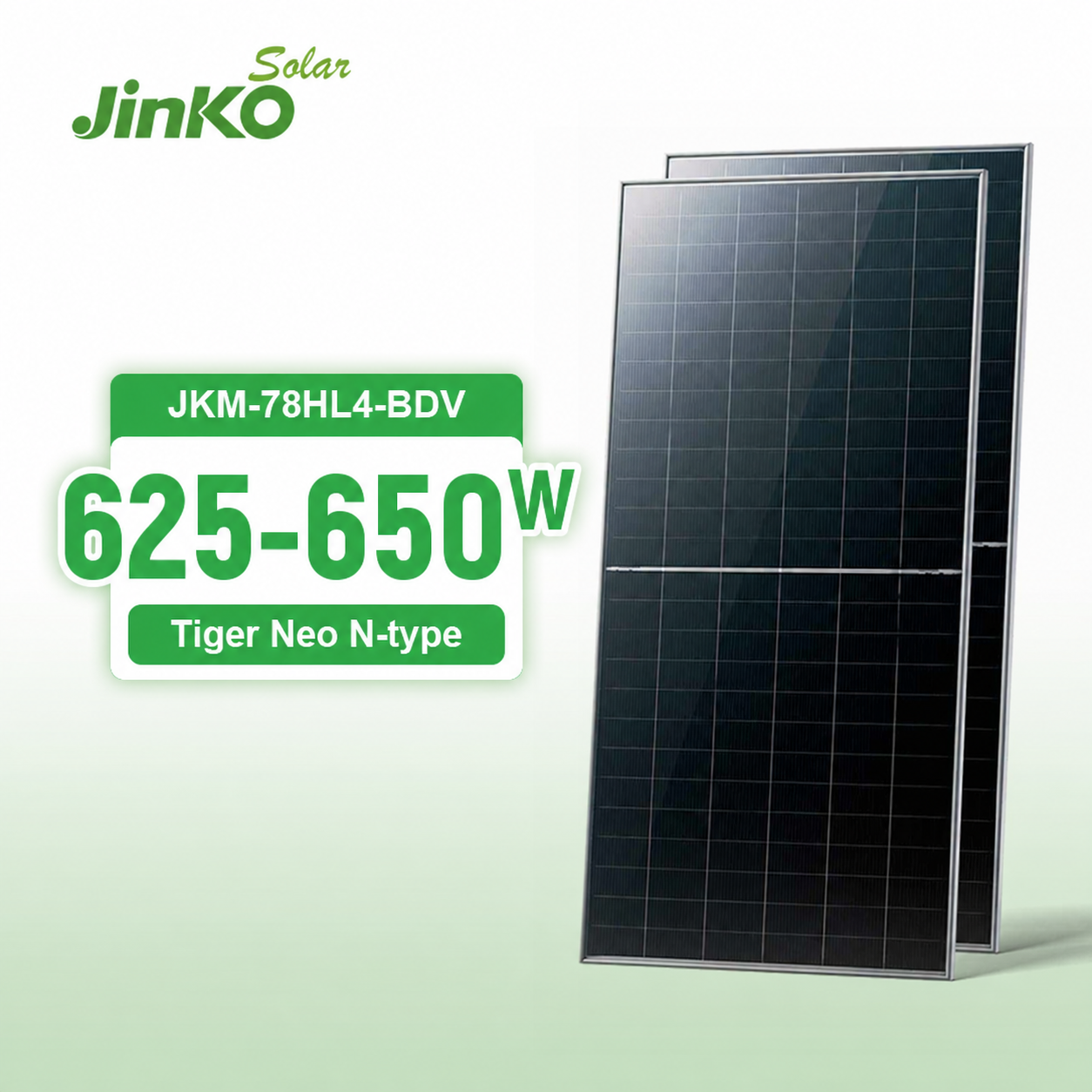
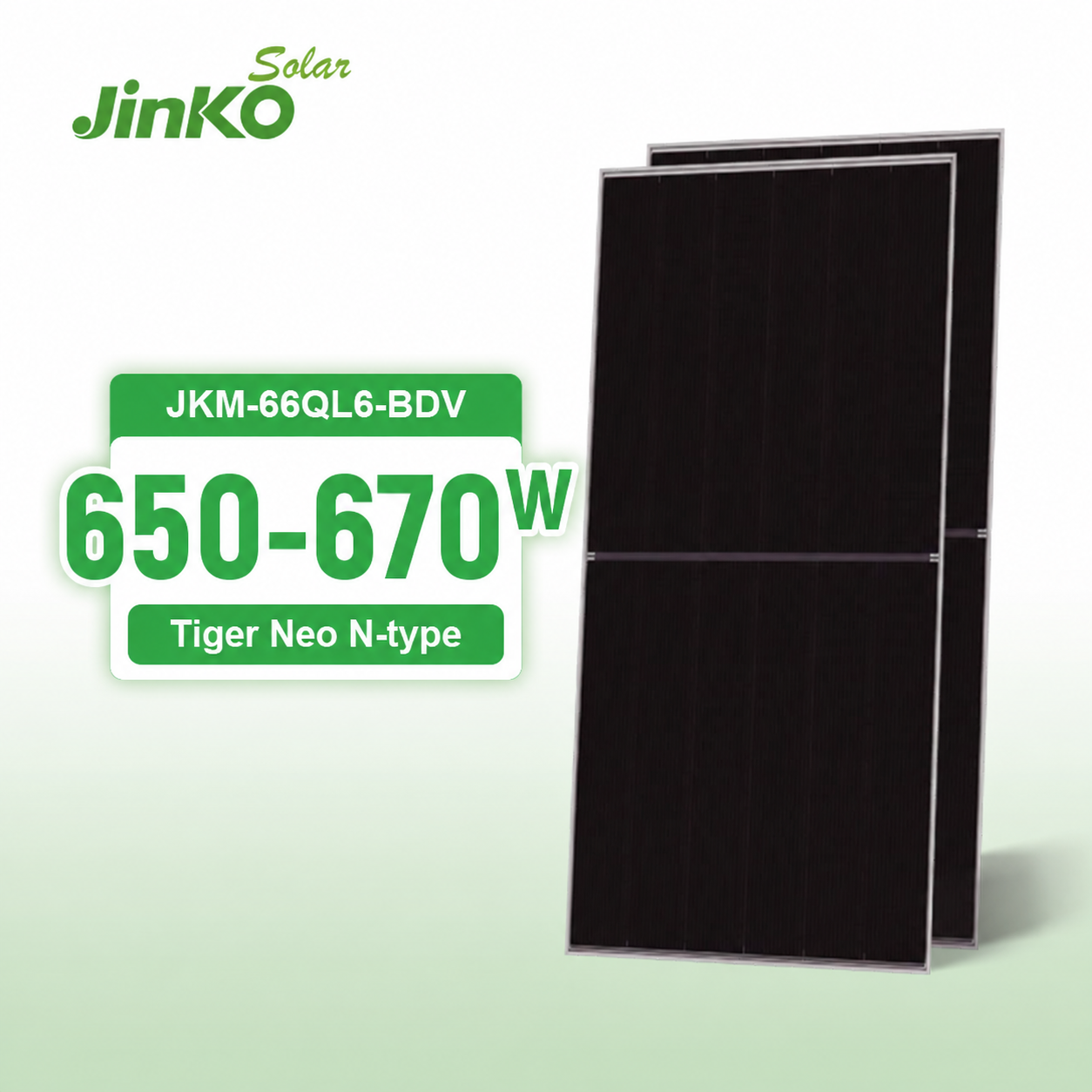
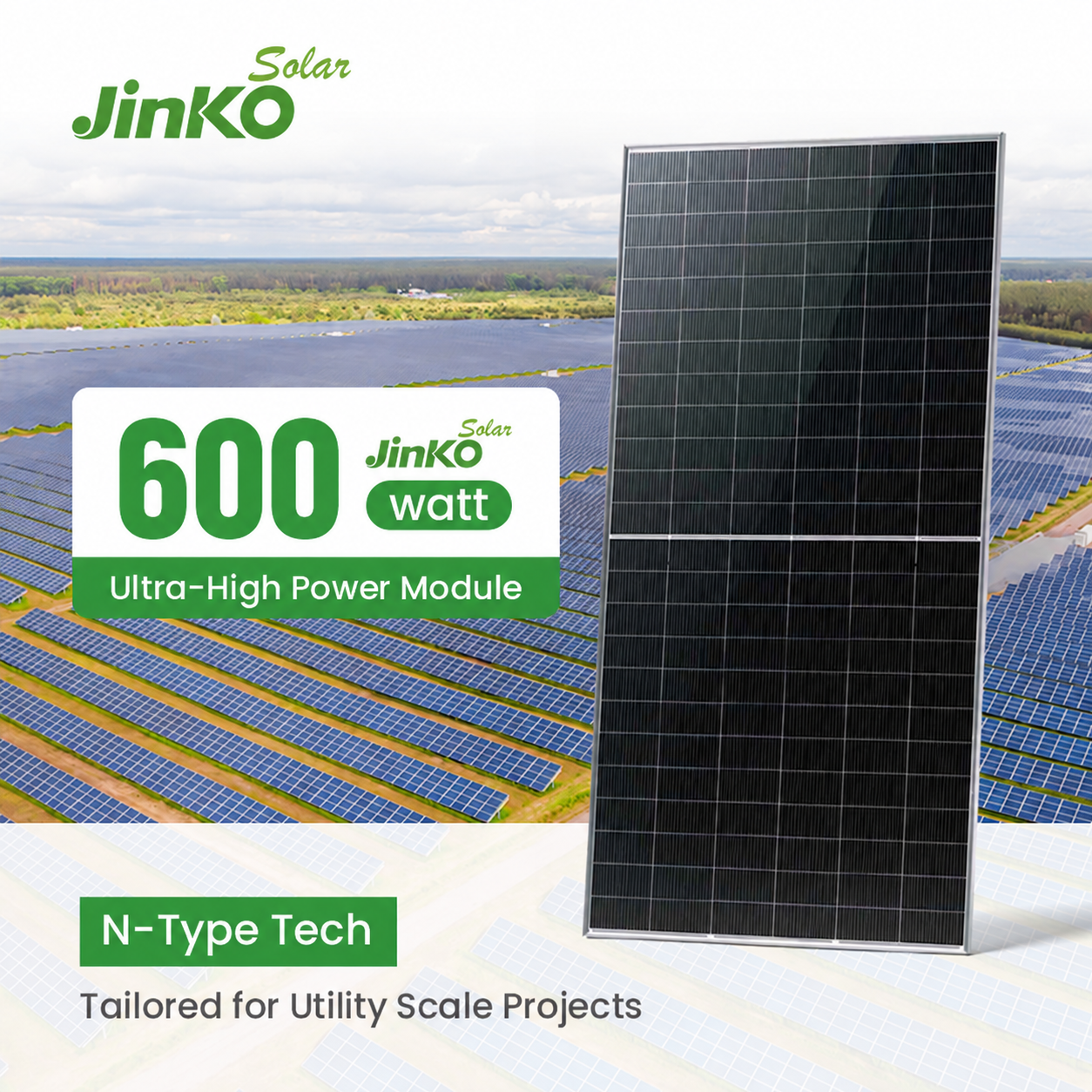
The central engineering advantage of our factory-integrated hybrid setups lies in our bi-directional power conversion matrix. Integrating genuine Deye multi-MPPT hybrid inverters (ranging from 5kW single-phase residential units to 50kW commercial low-voltage and high-voltage clusters) alongside Tier-1 Jinko N-Type TOPCon bifacial modules ensures maximum system round-trip efficiency (RTE). In conventional systems, conversion losses across multiple DC-to-AC and AC-to-DC stages degrade overall performance by 14% to 18%. Our DC-coupled DC-to-battery charging topology limits conversion dissipation to under 4.2%, preserving energy for peak shaving, self-consumption maximization, and critical back-up power supply.
| System Architecture | Nominal DC Bus Voltage | Round-Trip Efficiency (RTE) | Switchover Latency (UPS) | Optimal Deployment Application |
|---|---|---|---|---|
| Low-Voltage Hybrid (LV 48V/51.2V) | 40.0V – 58.4V DC | 88.5% – 91.2% | < 4ms (Seamless) | Residential Villas, Light Commercial, Telecom Towers |
| High-Voltage Hybrid (HV Stacked) | 160V – 800V DC | 94.2% – 96.5% | < 8ms (IEC 62040-3) | C&I Facilities, Industrial Microgrids, EV Fleet Depots |
| AC-Coupled Microgrid Cluster | 400V AC (3-Phase 4-Wire) | 86.0% – 89.0% | < 10ms (Grid-Tied sync) | Agricultural Irrigation, Remote Mining Camps, Island Power |
| Genset-Integrated Hybrid ESS | 48V DC / 400V AC Bus | 89.5% System Co-gen | Dry Contact Auto-Start (<15s) | Unstable Grids, Off-Grid Logistics Hubs, Hospitals |
Furthermore, modern grid interconnections require fault-ride-through (FRT) capabilities, anti-islanding algorithms compliant with IEEE 1547 / UL 1741 SA/SB and European EN 50549-1 standards, and frequency-watt response curves. Our engineering team pre-programs internal microprocessor control units (MCU) directly at our Zhejiang manufacturing hub, calibrating system parameters according to destination grid requirements before dispatch.
Key B2B Procurement Trends Shaping Hybrid Power Systems (2025–2030)
Wholesale buyers, project developers, and governmental procurement bodies must align their procurement cycles with rapid advancements in power electronics and electrochemistry. Below are the macro trends dominating international purchase requisitions.
Dominance of High-Power N-Type TOPCon & HJT Modules
The global phase-out of legacy P-Type PERC cells is complete. Wholesale importers are consolidating purchase orders around N-Type TOPCon bifacial modules (600W to 670W+). TOPCon technology delivers significantly lower temperature coefficients (-0.30%/°C vs -0.35%/°C), zero Light Induced Degradation (LID), and superior bifaciality factors up to 80-85%. This yields 3% to 7% higher specific energy yield (kWh/kWp) across high-heat environments in the Middle East, Latin America, and Sub-Saharan Africa.
Standardization of 314Ah+ LFP Cells & High-Voltage Battery Architectures
BESS procurement is transitioning from 100Ah/280Ah cells to 314Ah prismatic LiFePO4 cells with integrated active cell balancing. Higher volumetric energy density reduces container footprint and rack cabling complexity. Simultaneously, commercial buyers are shifting from 48V low-voltage systems to High-Voltage (HV) battery stacks (200V–800V), slashing I²R copper losses by up to 60%, streamlining thermal dissipation, and matching modern transformerless inverter DC inputs.
VPP-Ready Smart Telemetry & AI-Driven Peak Management
Procurement criteria now emphasize Virtual Power Plant (VPP) integration. Inverters and Battery Management Systems (BMS) must support dynamic cloud and edge-computing communication protocols such as Modbus TCP/RTU, SunSpec, and MQTT. Hybrid systems must execute automated Time-of-Use (ToU) arbitrage, dynamic frequency regulation, and intelligent microgrid islanding through smart app interfaces and centralized remote operations management centers.
Evolutionary Engineering: LiFePO4 (LFP) vs. Deep-Cycle GEL in Industrial Hybrids
A frequent technical crossroad for B2B importers is balancing capital expenditure (CAPEX) against total lifecycle operational expenditure (OPEX). While lithium iron phosphate (LiFePO4) has captured over 85% of grid-tied storage demand, deep-cycle colloidal GEL batteries maintain specific advantages in niche operating theaters.
Lithium Iron Phosphate (LiFePO4): Engineered for deep daily cycling, our prismatic LFP battery solutions deliver over 6,000 continuous cycles at 80% Depth of Discharge (DoD) under 0.5C charging/discharging regimes. With a cell-level thermal runaway threshold surpassing 270°C, internal ceramic separators, and multi-tier Battery Management Systems (BMS), LFP represents the highest safety quotient among commercial lithium technologies. The volumetric energy density (approx. 130–160 Wh/kg) minimizes shipping gross weight and on-site footprint.
Colloidal Deep-Cycle GEL Batteries: For cost-sensitive emergency backup infrastructure, off-grid telecom shelters in sub-zero or unconditioned desert environments (-20°C to 50°C), and municipal projects with stringent upfront budget caps, our 12V valve-regulated lead-acid (VRLA) GEL lines provide unmatched resilience against thermal runaway, requires zero BMS communication handshakes, and avoids UN38.3 Class 9 Dangerous Goods maritime surcharges.
Why Global Distributors & EPCs Partner With Our Factory
Based in Hangzhou, Zhejiang, our integrated export enterprise bridges tier-1 supply chains with custom OEM/ODM packaging, eliminating compatibility risks before containers leave the port of Ningbo or Shanghai.
100% Pre-Shipment Hardware Interoperability
The number one cause of costly on-site installation delays is BMS-to-Inverter protocol mismatch. We assemble, configure, and bench-test the exact battery-inverter pair on dedicated test benches, verifying CAN/RS485 handshake telemetry, DIP switch mappings, and automated fault clearances before palletization.
Consolidated Containerized Shipping (Mixed Cargo)
Importers no longer need to coordinate disparate suppliers for panels, inverters, batteries, and mounting hardware. We provide consolidated container loading (20GP / 40HQ) with bespoke timber crating, high-density EPE foam buffering, and professional container weight-distribution balancing.
Comprehensive Dangerous Goods (DG) Clearance
Lithium battery export requires rigorous regulatory compliance. Our internal logistics team handles Class 9 Dangerous Goods maritime certification, UN38.3 test summaries, MSDS documentation, and custom fumigation certificates to guarantee seamless customs clearance at destination ports.
Bespoke OEM / ODM Branding & Engineering
We provide comprehensive white-labeling solutions: custom silkscreen logos, powder-coated enclosure color schemes (RAL matching), localized user interfaces, custom packaging, and pre-packaged balance-of-system (BOS) wiring kits complete with MC4 connectors, DC isolators, and AC breakers.
Frequently Asked Technical & Commercial Questions (FAQ)
Authoritative technical answers addressing real-world integration challenges, grid interconnection standards, and import logistics.
How is zero-error communication achieved between Deye hybrid inverters and third-party or proprietary LiFePO4 batteries?
What are the maritime shipping requirements and packing standards for Class 9 Lithium Batteries (UN3480)?
How does N-Type TOPCon bifacial module technology optimize the Levelized Cost of Electricity (LCOE)?
What is the recommended design ratio for DC-to-AC oversizing in hybrid solar-storage systems?
What manufacturer warranties and technical support mechanisms are included in wholesale orders?
Request an Engineered Hybrid System Quote
Share your target market voltage parameters, daily load demand (kWh), and peak kW requirements. Our Hangzhou technical team will prepare a full single-line diagram, bill of materials (BOM), and container consolidation plan within 24 business hours.