Matched Generation & Storage Component Portfolio
Pre-engineered photovoltaic modules and hybrid storage pairings tested for seamless synchronization with residential, commercial, and off-grid multi-cluster battery setups.


Deep Cycles @ 80% DoD (0.5C Charge/Discharge)
Global Export Countries & Destination Ports
BMS CAN/RS485 Protocol First-Time Plug & Play Rate
Years Engineered Operating Lifespan for Prismatic Cells
Technical Whitepaper: Sourcing Lithium Iron Phosphate (LiFePO4) Battery Packs from China
As the global energy transition accelerates towards decentralized electrification, Lithium Iron Phosphate (LiFePO4 / LFP) has established unquestioned global dominance as the standard electrochemical foundation for residential Energy Storage Systems (ESS), commercial & industrial (C&I) microgrids, and off-grid infrastructure. For overseas engineering procurement contractors (EPCs), brand distributors, and renewable energy integrators, sourcing direct from China wholesale LiFePO4 battery pack manufacturers represents an enormous cost and scale advantage. However, navigating cell chemistry quality grades, Battery Management System (BMS) multi-protocol communication, thermal runaway containment, and international hazardous goods compliance requires rigorous engineering insight.
1. Prismatic Cell Chemistry and the Tier-1 Grading Matrix
The core determinant of an LFP pack's Levelized Cost of Storage (LCOS) resides within the primary cell selection. Advanced Chinese battery manufacturing plants predominantly fabricate prismatic aluminum-shell cells utilizing winding or stacking technology. High-capacity prismatic formats (such as 3.2V 100Ah, 280Ah, and the new 314Ah generation) offer superior volumetric energy density, high mechanical rigidity, and lower thermal dissipation compared to traditional cylindrical designs.
When conducting B2B factory audits, understanding cell grading is mandatory. Reputable manufacturers classify cells through precision laser testing under strict laboratory conditions:
Grade A Prime Cells: Brand-new cells exhibiting zero degradation, matching identical QR codes, internal resistance (AC IR < 0.25 mΩ for 280Ah units), and capacity deviations under ±1.5%. These provide 6,000 to 8,000 cycles at 80% Depth of Discharge (DoD) under 0.5C operating rates.
Grade B & Retired EV Secondary Cells: Demoted cells failing capacity thresholds or salvaged automotive modules. While lower in initial procurement cost, they display severe capacity fading, impedance divergence within parallel strings, and early cell reversal, resulting in field failure rates exceeding 18% within the first 24 months of continuous solar cycling.
| Evaluation Parameter | Prismatic Grade A LFP Cell | Deep-Cycle Colloidal GEL | Ternary Lithium (NMC/NCA) |
|---|---|---|---|
| Cycle Life (80% DoD) | 6,000 – 8,000 Cycles | 1,200 – 1,800 Cycles | 1,500 – 2,500 Cycles |
| Thermal Runaway Initiation | 270°C – 300°C (Extremely Stable) | Not Applicable (Dry out risk) | 150°C – 210°C (Exothermic Risk) |
| Usable Energy Depth (DoD) | 90% – 95% Usable | 50% – 60% Maximum | 80% – 90% Usable |
| Gravimetric Energy Density | 140 – 175 Wh/kg | 35 – 45 Wh/kg | 200 – 260 Wh/kg |
| Levelized Storage Cost (LCOS) | ~$0.045 / kWh / cycle | ~$0.110 / kWh / cycle | ~$0.095 / kWh / cycle |
2. Architecture of Smart BMS and Inverter Synchronization
An industrial-grade LiFePO4 battery pack is only as reliable as its Battery Management System (BMS). In wholesale B2B scenarios, a primary root cause of installation friction is communication failure between the battery bank and hybrid inverters (e.g., Deye, Growatt, Victron, GoodWe, Solis, SMA). China's leading battery factories deploy intelligent multi-protocol programmable BMS hardware equipped with dual isolated CANbus and RS485 ports.
The BMS actively oversees cell-level voltage monitoring, multi-point NTC temperature sensing, passive/active cell equalization, and MOSFET or relay-driven overcurrent suppression. When integrating multi-cluster parallel setups (up to 15 or 32 battery packs in parallel on a common DC bus), master-slave DIP addressing automatically aggregates total state-of-charge (SoC), state-of-health (SoH), and dynamic charge/discharge limits, transmitting unified telemetry to the inverter's MPPT algorithms.
Future Procurement & Technological Trends (2025–2030)
Analyzing supply chain evolution, cell chemistry advancements, and regulatory paradigms shaping the next era of energy storage procurement.
Migration to 314Ah+ Standard
The industry is transitioning rapidly from standard 280Ah cells to 314Ah and 500Ah+ ultra-dense cells. This reduces total pack interconnects, welding busbars, and BMS sensing leads, lowering volumetric system costs by up to 12% per kilowatt-hour.
Shift to High-Voltage (HV) Microgrids
While low-voltage 48V/51.2V systems continue to dominate small residential settings, high-voltage battery stacks (200V to 800V DC) are becoming the preferred architecture for commercial microgrids, eliminating heavy copper cables and minimizing DC-AC conversion losses.
Active Balancing & Cloud Telemetry
Next-generation LFP packs integrate bidirectional active balancing (1A to 5A inductive transfer) alongside built-in IoT 4G/Wi-Fi telemetry. This facilitates proactive maintenance, real-time SOH monitoring, and remote OTA firmware updates directly from distributor dashboards.
Why International Buyers Partner with VOLT New Energy
Hangzhou VOLT New Energy Technology Co., Ltd. bridges the gap between raw manufacturing capacity and turnkey international engineering compliance.

End-to-End System Sizing
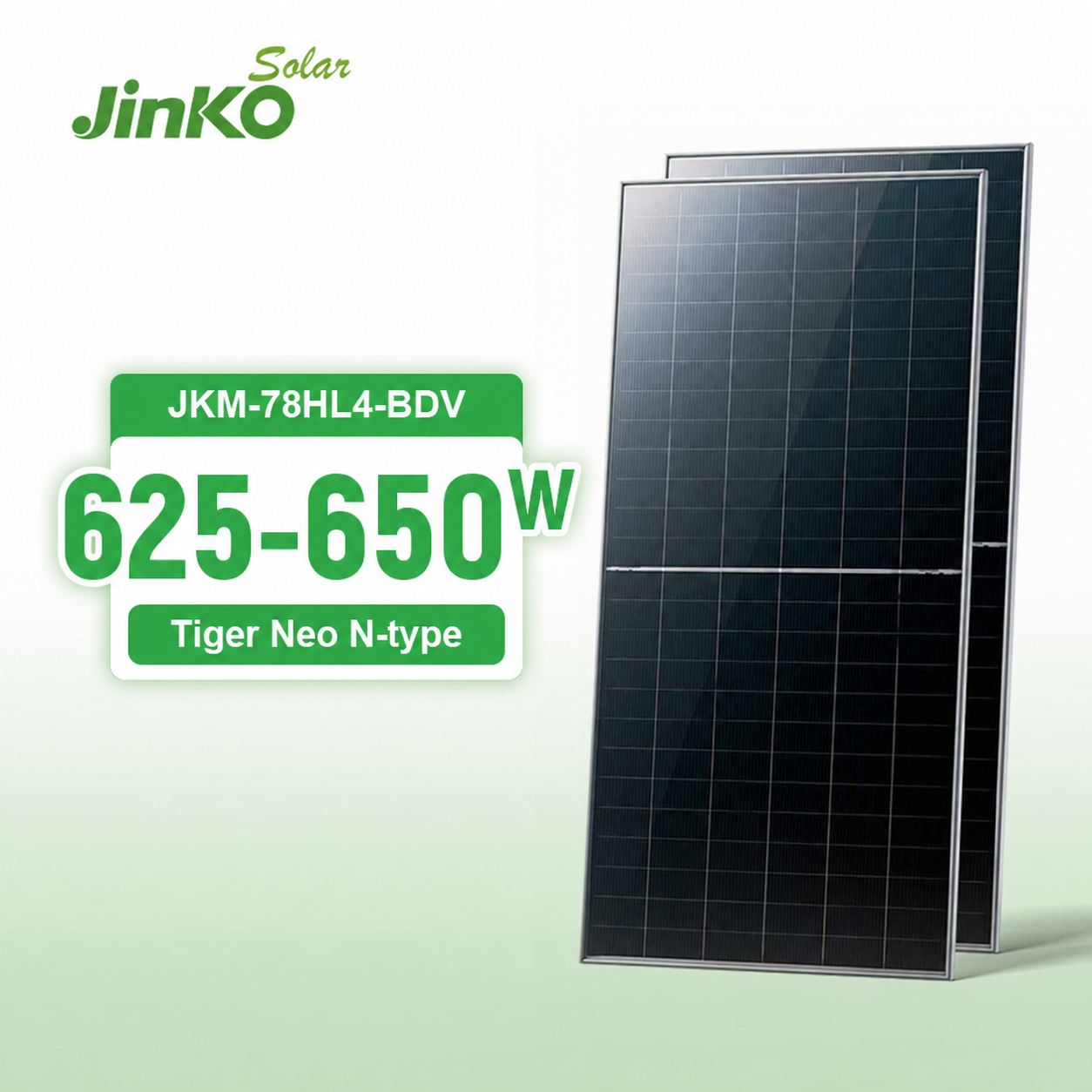
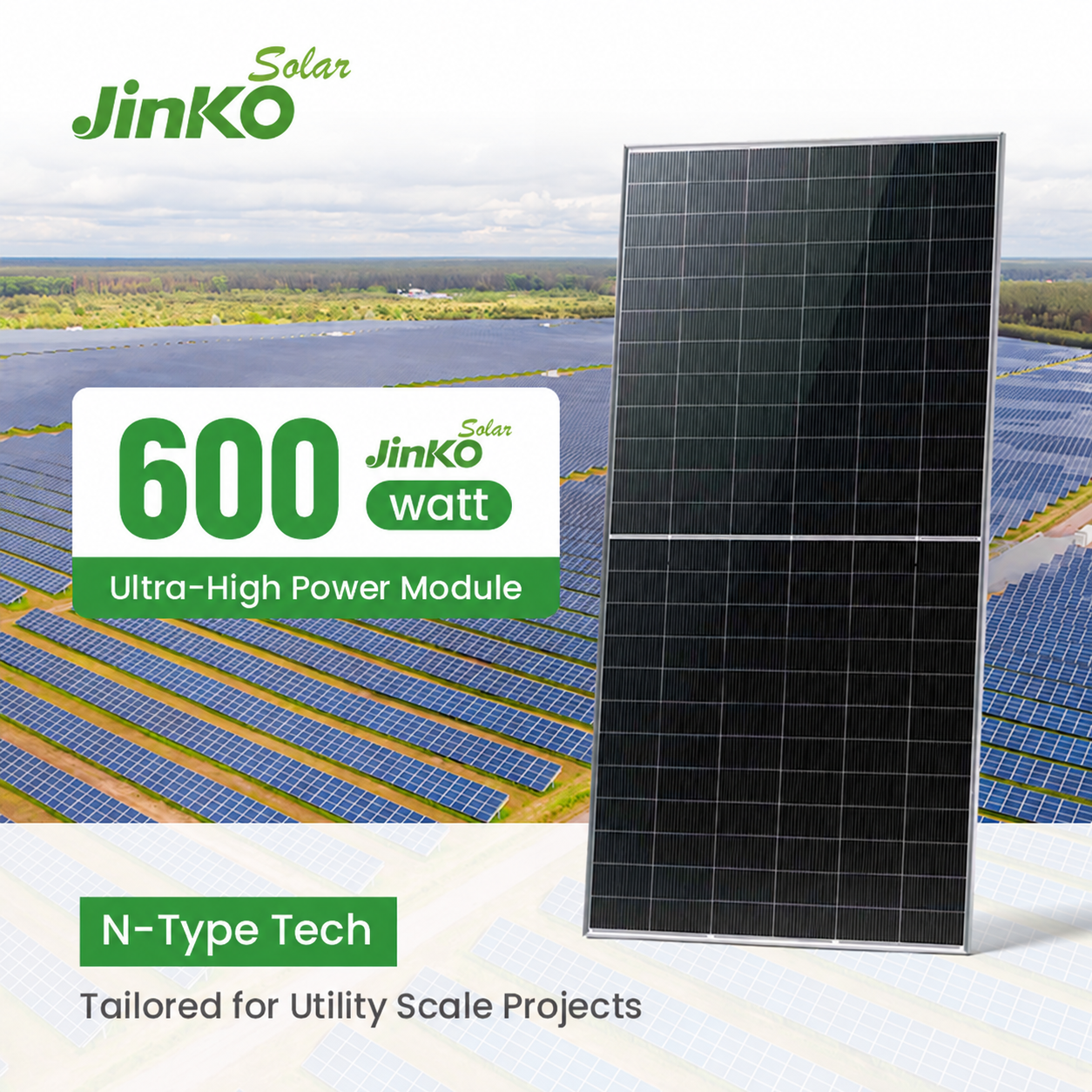
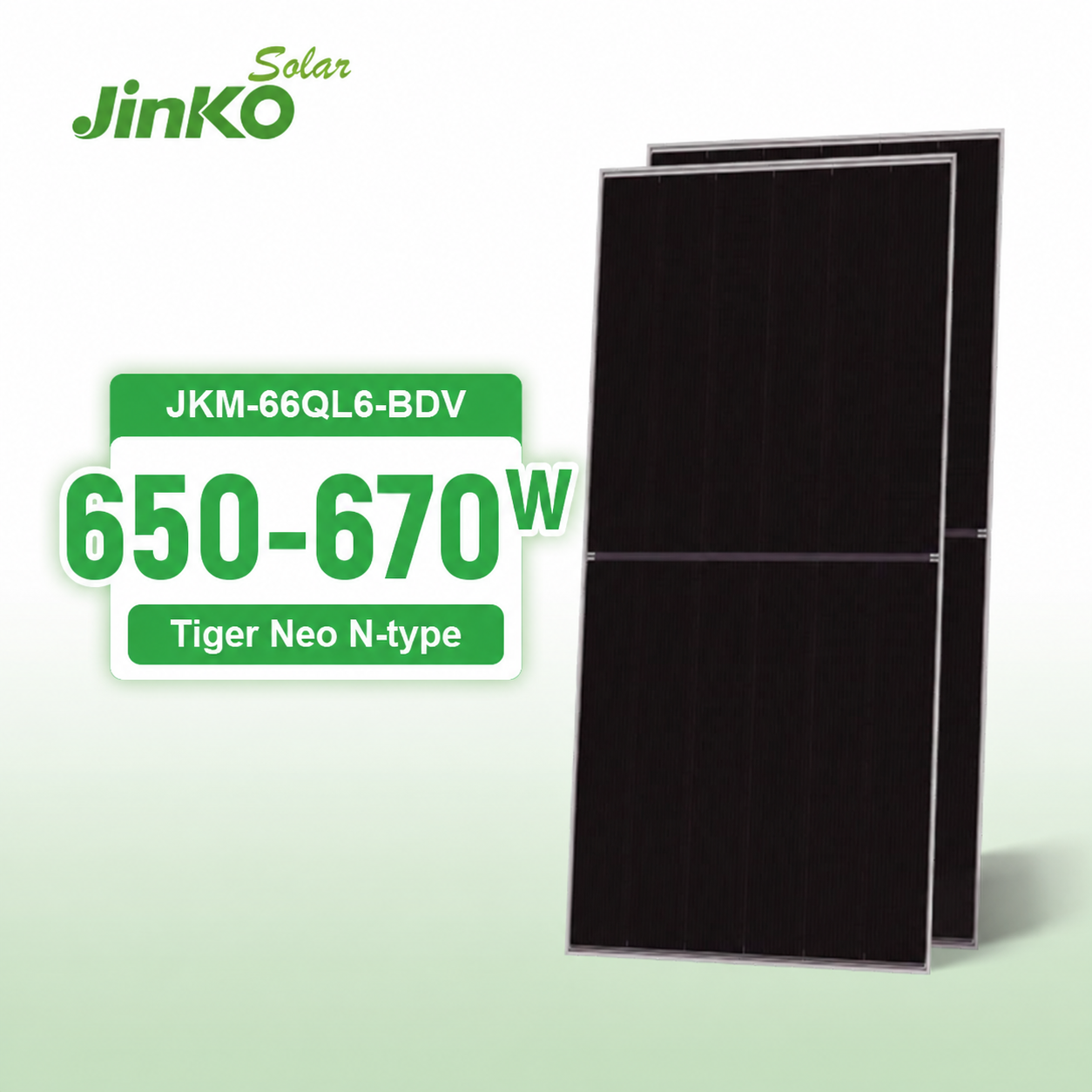
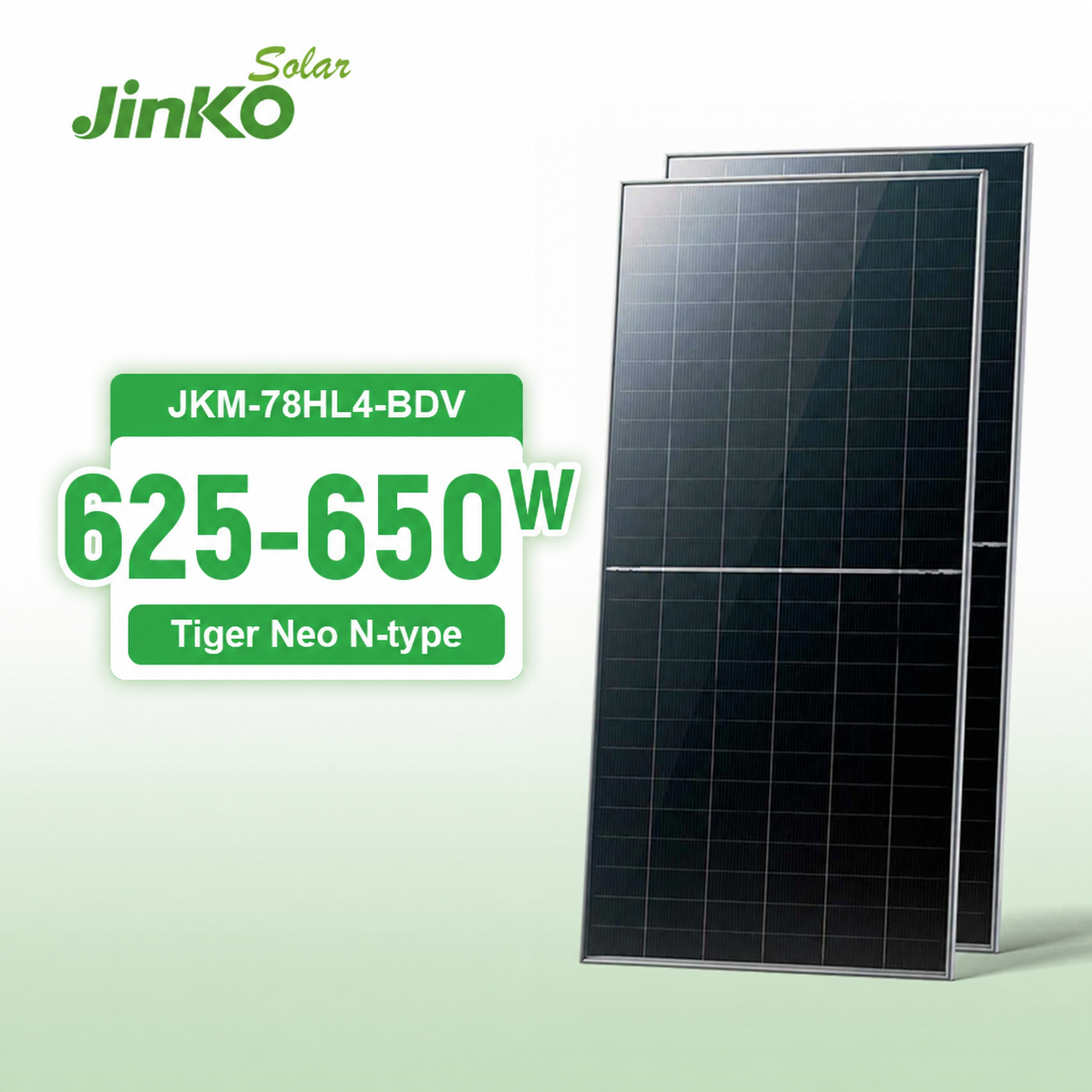
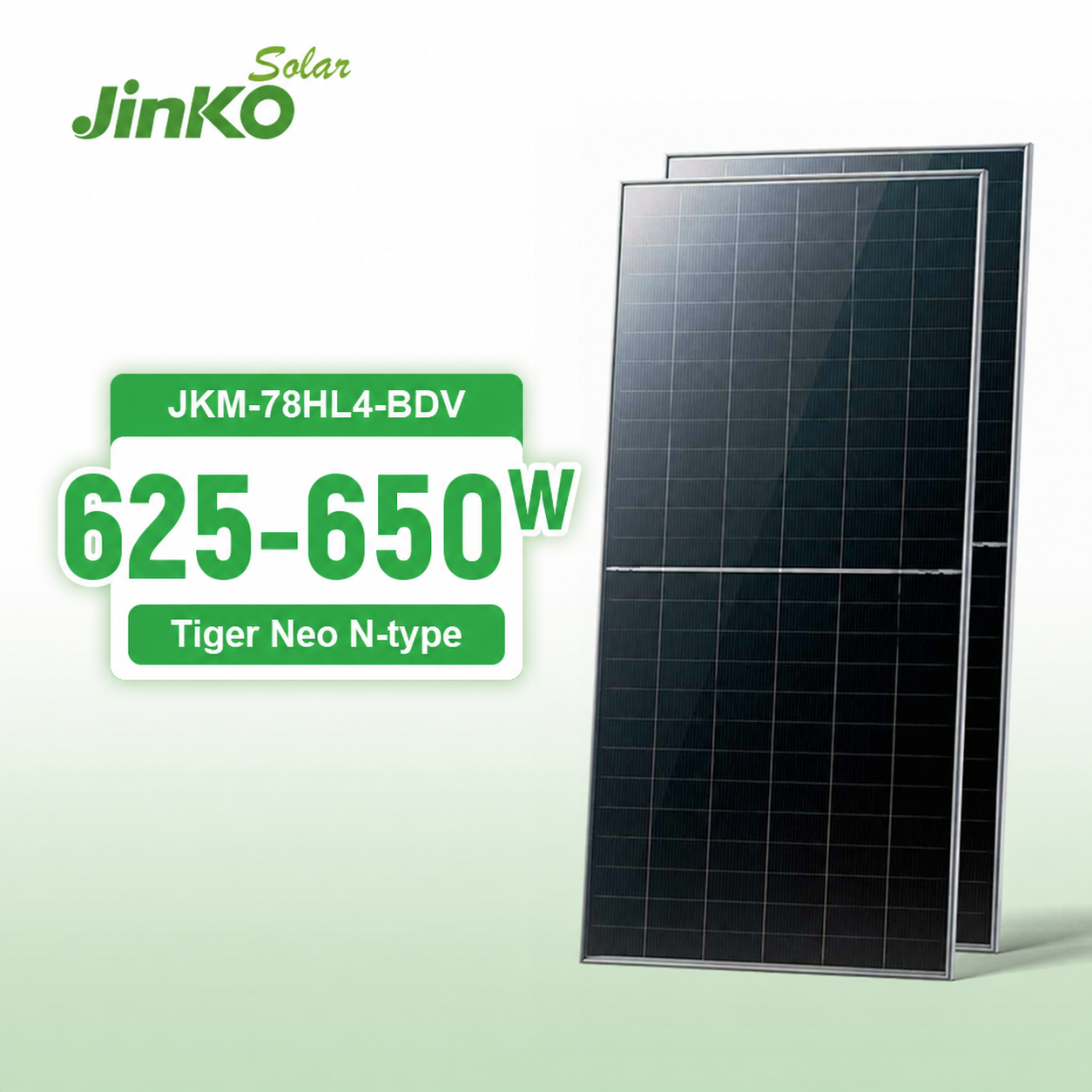
We do not merely sell battery boxes; we engineer full balance-of-system solutions matching Deye hybrid/off-grid inverters and Jinko N-Type PV modules to precise kilowatt-hour load profiles and daily irradiation curves.

Pre-Shipment Protocol Verification
Every single battery pack undergoes complete physical bench-testing connected to Deye inverters in our Hangzhou facility. CANbus baud rates, pinouts, and register tables are verified to ensure true zero-defect plug-and-play installation.

Class 9 Dangerous Goods Sea Freight
Comprehensive hazardous transport authorization: UN38.3, MSDS, 1.2m drop test dossiers, and marine dangerous goods declarations for smooth custom clearance across major global seaports without container detention.

Consolidated Container Logistics
Streamline logistics and customs duty overhead by bundling Tier-1 Jinko solar panels, hybrid inverters, LFP rack/wall-mount batteries, DC isolators, and pre-crimped cabling in single, optimized 20GP or 40HQ containers.
Frequently Asked Questions on LiFePO4 Wholesale
Actionable answers to technical, commercial, and regulatory questions encountered by EPCs and solar equipment importers.
What are the exact communication requirements between Deye inverters and VOLT LiFePO4 packs?
How does a factory guarantee that Grade A cells are truly supplied instead of relabeled Grade B cells?
What is the minimum order quantity (MOQ) and lead time for custom OEM/ODM battery packs?
Which international certifications are essential for customs clearance and regional grid compliance?
Can LiFePO4 batteries be safely connected in parallel with existing lead-acid or GEL battery banks?
Ready to Scale Your Solar Storage Supply Chain?
Connect directly with our engineering team in Hangzhou. Receive a matched technical configuration, official cell test reports, and an FOB/CIF wholesale quotation customized for your target distribution region.
Send an Inquiry