High-Yield Energy Storage & TOPCon PV Integration Arrays
Precision-matched solar generation and storage modules built to eliminate system impedance mismatch, optimize MPPT clipping, and drive maximum Levelized Cost of Storage (LCOS) efficiency.
Engineering Taxonomy of Low-Voltage (48V/51.2V) Energy Storage Systems
Decoupling the electromechanical principles that establish 48V/51.2V Lithium Iron Phosphate (LiFePO4) as the standard architecture for residential resilience, light commercial microgrids, and off-grid remote power.
The Inherent Physics of Low-Voltage ESS: Safety, Reliability, and Modularity
In contemporary energy transition engineering, the selection between Low Voltage (LV, typically nominal 51.2V DC (16S LiFePO4 configuration)) and High Voltage (HV, ≥200V–800V DC) battery architectures forms the foundational trade-off for project developers and EPC installers. While high-voltage setups demonstrate advantages in long-run central utility plants by marginal reduction of conductor sizing, Low Voltage ESS dominates residential and commercial light storage through inherent touch-safe operating envelopes (below the 60V DC Extra-Low Voltage SELV boundary), galvanic safety, and unmatched parallel scalability.
When configuring an industrial or residential microgrid, China's Tier-1 low-voltage ESS manufacturers assemble deep-cycle prismatic lithium iron phosphate cells backed by intelligent multi-tier Battery Management Systems (BMS). A core advantage of parallel 48V arrays is fault-tolerant decoupling: if a single battery module within an expanded 8-pack array triggers an over-temperature or cell-deviation protection protocol, the isolated module disengages seamlessly while the remaining modules maintain critical bus voltage without taking down the hybrid inverter or the consumer's critical circuits.
| Architecture Criterion | 48V/51.2V Low Voltage ESS (VOLT New Energy Spec) | High Voltage ESS Systems (>300V) | Deep-Cycle Gel / Lead-Carbon Backup |
|---|---|---|---|
| Nominal Operating Voltage | 48V to 51.2V DC (57.6V Absorption / 54.0V Float) | 160V to 600V DC Series Connected | 12V / 24V / 48V Multi-bloc Bank |
| Usable Depth of Discharge (DoD) | 90% to 95% without crystal structure degradation | 90% to 95% | 50% recommended (severe sulfurization below 50%) |
| Cycle Durability (@ 25°C, 0.5C) | ≥ 6,000 cycles to 80% original capacity | ≥ 5,000 to 6,000 cycles | 1,200 to 1,800 cycles |
| Installation Hazard Clearance | Safe human touch (SELV); standard licensed electrician | Strict high-voltage arc gear, isolated battery room | Safe voltage, requires hydrogen ventilation |
| Inverter Communication Protocol | Synchronized CAN 2.0B / RS485 (Deye, Victron, Growatt) | Proprietary High-Voltage Bus Protocols | Voltage-based open-loop regulation (No BMS) |
By eliminating high-voltage serial vulnerabilities—where a single compromised cell inhibits the ampacity of the entire string—VOLT New Energy’s low-voltage ESS designs guarantee superior uptime, lower lifetime balance-of-system (BOS) replacement costs, and friction-free logistics.
BMS Closed-Loop Protocol Matching
The definitive bottleneck in global ESS installation remains the "BMS Communication Fault" during inverter commissioning. Our OEM/ODM battery modules come flash-configured with hardware-level CAN/RS485 firmware libraries.
Direct handshake support is verified across Deye, Sunsynk, Solis, Victron, and GoodWe hybrid inverters, standardizing charge cut-offs, dynamic ramp rates, and state-of-health diagnostics.
Automotive-Grade LiFePO4 Chemistry
We source strictly Class-A prismatic cells featuring thermal-runaway onset thresholds exceeding 270°C. Unlike NMC/Cobalt formulations, our LFP chemistry releases no oxygen upon cell breach.
Integrated solid copper busbars with Laser-MIG automated welds safeguard low internal impedance (IR ≤ 0.5mΩ), maintaining thermal stability during continuous 1C discharge loads.
Turnkey BOS Consolidation
Purchasing individual panels, mismatched inverters, and third-party batteries creates critical supply chain liabilities. VOLT New Energy engineers matched architectures within a single consolidated manifest.
We calculate exact PV string Open-Circuit Voltage (Voc) factoring local sub-zero temperatures, sizing the inverter's MPPT window to prevent over-voltage trip errors during peak solar irradiation.
Future Sourcing & Procurement Trends: 2025–2030 ESS Roadmap
Macro analysis on how evolving lithium extraction economics, cell form factor transitions, and grid decarbonization policies impact international B2B battery distribution.
The Transition to 280Ah/314Ah Prismatic Cells
The standard residential 100Ah (5.12kWh) wall-mounted unit is rapidly evolving toward high-density 280Ah and 314Ah cell packaging. This transition enables a 14.3kWh–16kWh low-voltage footprint inside a chassis previously limited to 10kWh.
Importers achieve significant freight optimizations: higher volumetric energy density lowers ocean freight cost per delivered kilowatt-hour by up to 22% on 40-foot HQ container routes.
Dynamic Tariff Integration & VPP Readiness
Wholesale buyers in Europe (such as Germany, Poland, and the UK) and Australia are shifting specifications toward inverters and ESS hardware with open Modbus TCP and Zigbee APIs that natively handle Time-of-Use (ToU) arbitrage.
Batteries are no longer passive backup systems; they operate as dynamic nodes within Virtual Power Plants (VPP), automatically charging when wholesale energy hits negative pricing and discharging during grid peak demand.
Carbon Border Adjustment Mechanism (CBAM)
With stringent European CBAM regulations and lifecycle tracking mandates taking effect, global purchasers require transparent product carbon footprint (PCF) reports and verified supply chain origin data.
China's leading exporters are transitioning to green-energy powered gigafactories, providing verified lifecycle traceability from raw lithium carbonate refining to final packaging disposal schemes.
Why Tier-1 Solar Distributors Partner with VOLT New Energy
Mitigating cross-border procurement friction through engineering precision, certified Class 9 dangerous goods logistics, and end-to-end quality assurance.
Factory Protocol Pre-Validation
Zero on-site commissioning delays. Every battery rack undergoes automated loop verification with target Deye/hybrid inverters before dispatch, ensuring instant plug-and-play handshakes.
Class 9 DG Logistics Compliance
Comprehensive ocean and multimodal dangerous goods handling. Fully documented UN38.3 test summaries, Material Safety Data Sheets (MSDS), and drop-tested UN-certified export packaging.
Consolidated Mixed Shipping
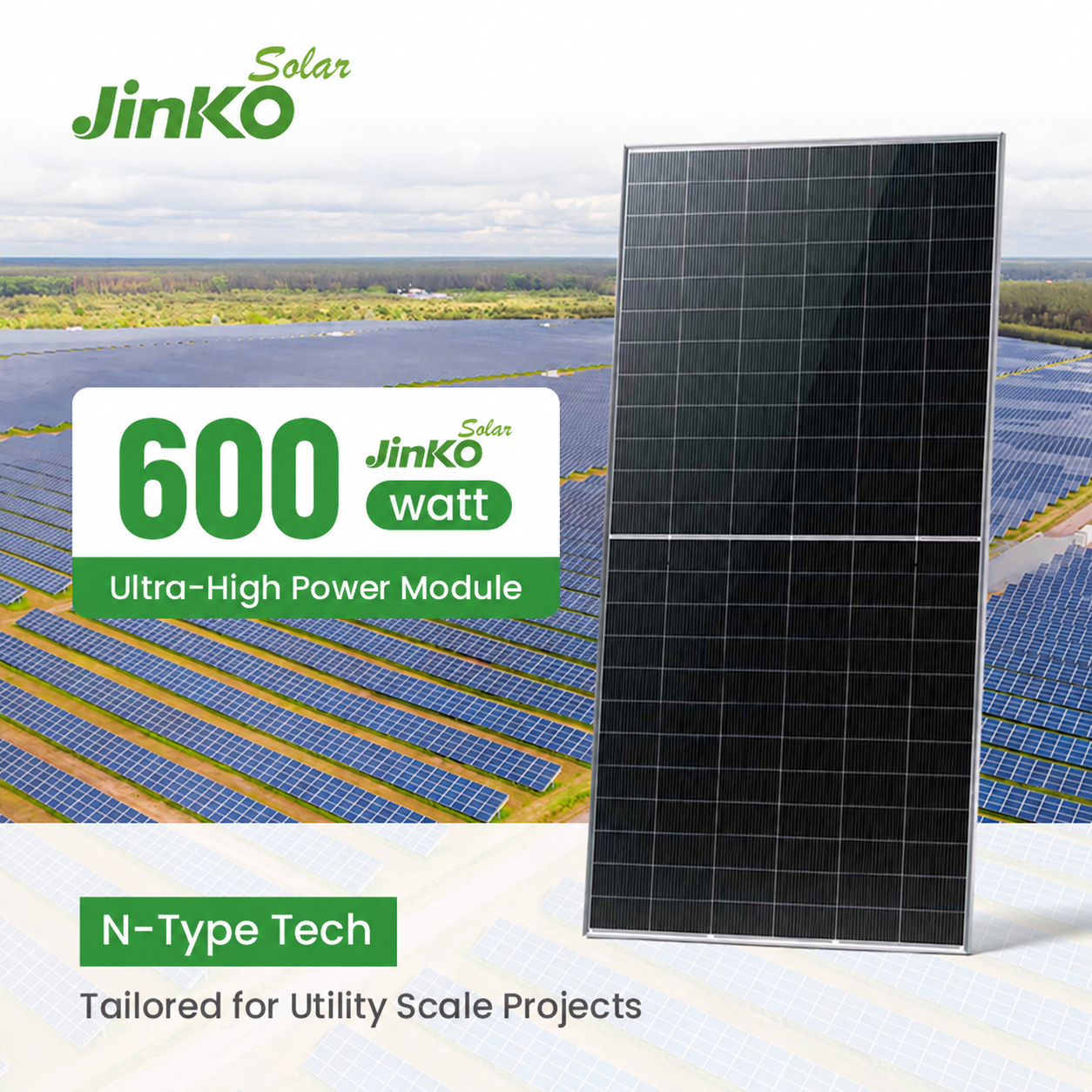
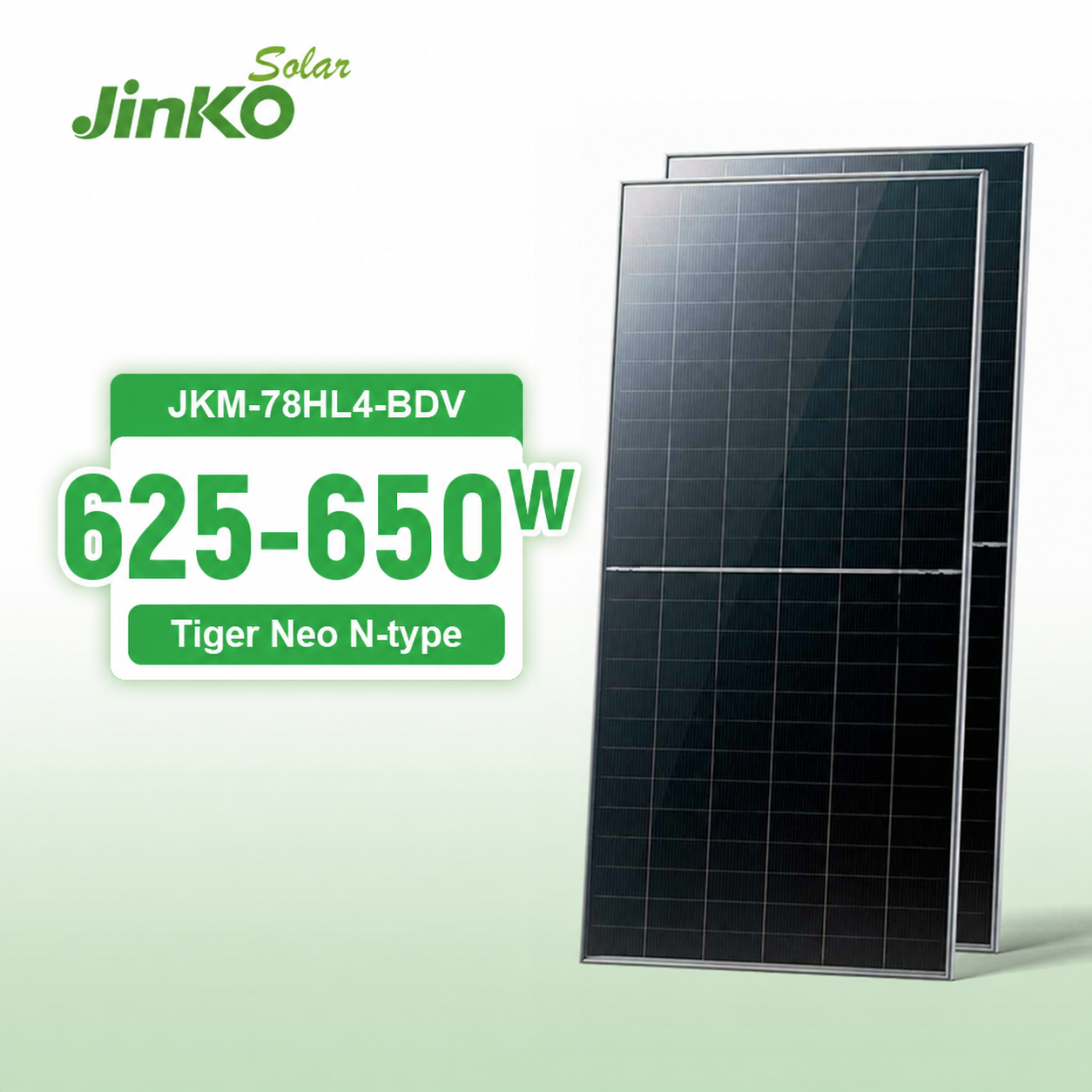
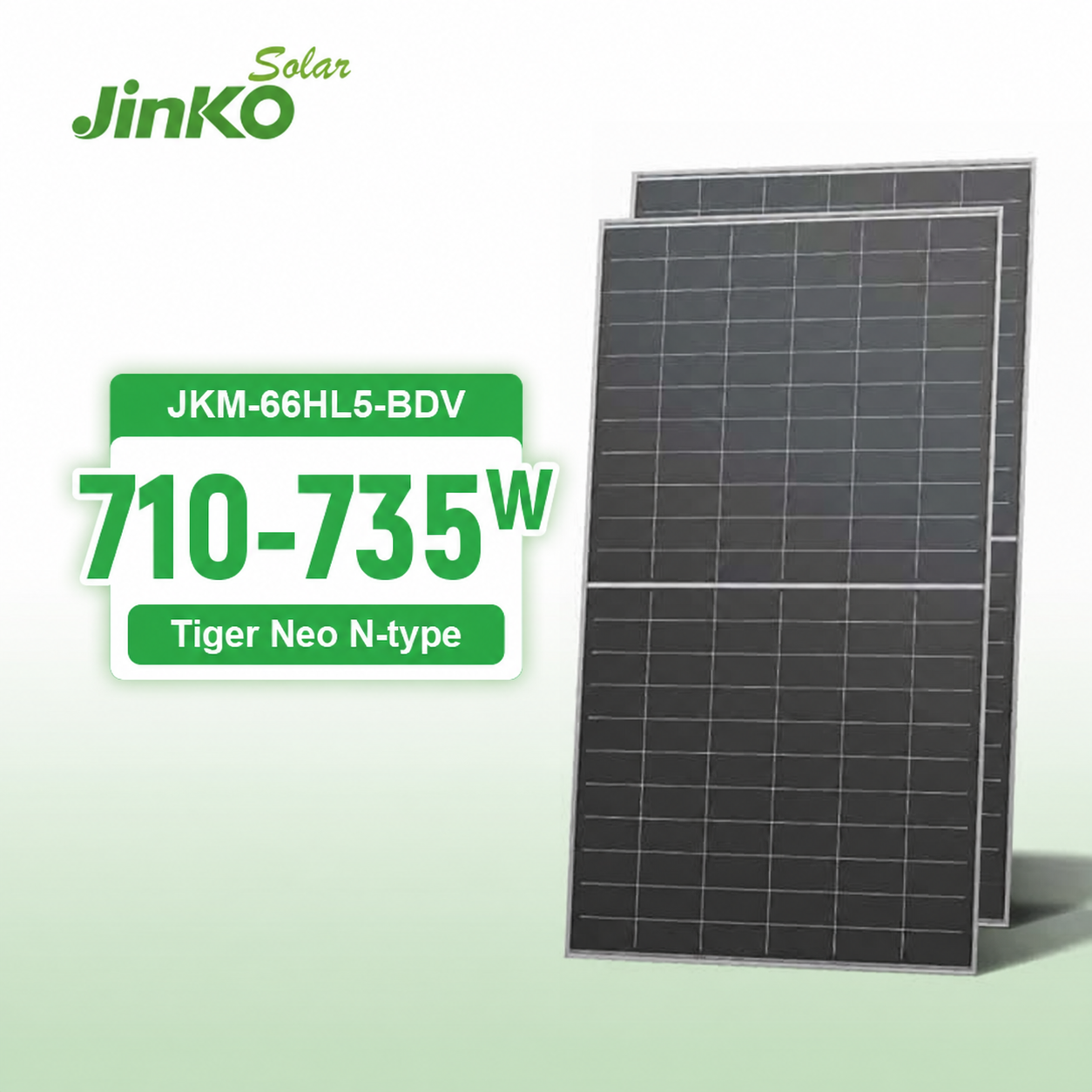
Optimize your working capital. Consolidate high-power Jinko N-Type panels, Deye inverters, and VOLT LFP battery modules in single containers, eliminating multi-vendor coordination bottlenecks.
Bankable Global Certifications
Accelerate customs clearings and grid approvals. Fully certified systems compliant with CE, TÜV Rheinland, IEC 62619, IEC 61215, UL 1973 standards, and national grid interconnection standards.
Frequently Asked Questions: Global Sourcing & Engineering
Detailed technical, commercial, and operational clarity designed to de-risk high-volume renewable energy procurement.
What specific electrical parameters determine compatibility between 51.2V LFP batteries and Deye hybrid inverters?
1. Communication Layer: The battery BMS and Deye hybrid inverter must synchronize via CAN 2.0B or RS485 communication protocols using standard Baud rates (typically 500kbps for CAN). Deye inverters utilize protocol profile "00" or custom lithium profiles to automatically read SOC, maximum allowable charge current (MACC), maximum allowable discharge current (MADC), and temperature limits.
2. DC Voltage Operating Window: The Deye low-voltage inverter operates across a 40V to 60V DC window. A 16S LiFePO4 battery pack features an operating envelope of 44.8V (empty cut-off, ~2.8V/cell) to 58.4V (bulk absorption cut-off, 3.65V/cell), perfectly matching the inverter's MPPT charge controller and bidirectional DC-AC conversion circuitry.
3. Pinout & Termination: Physical RJ45 pinout assignments (typically Pin 4: CAN-H, Pin 5: CAN-L, Pin 2/7: Ground) must match precisely between the master battery unit and the inverter's BMS port. VOLT New Energy supplies pre-terminated, marked patch leads and verifies DIP switch addressing before container loading.
Why is 51.2V (16S) preferred over 48V (15S) in modern Chinese lithium energy storage engineering?
• A 16S architecture raises nominal operating voltage, reducing the required amperage for the same wattage demand (e.g., a 5kW inverter draws ~97.6A on 51.2V vs ~104.1A on 48.0V).
• Lower continuous current reduces Joule thermal losses (I²R) across internal busbars and external cables, leading to lower operating temperatures and longer component life.
• The 16S voltage band matches the high-efficiency operating window of contemporary hybrid inverter MOSFETs and IGBTs, boosting round-trip system efficiency (RTE) above 95%.
What international maritime documentation is required to clear customs for LFP lithium batteries?
• UN 38.3 Test Summary Report: Certifying compliance across 8 rigorous tests: altitude simulation, thermal cycling, vibration, shock, external short circuit, impact/crush, overcharge, and forced discharge.
• Material Safety Data Sheet (MSDS): Fully updated per GHS standards, outlining chemical composition, hazard ratings, and emergency response procedures.
• Dangerous Goods Declaration (IMO DGD) & Container Packing Certificate: Issued by our certified hazardous cargo logistics coordinators in China.
• Inspection Certificate for Packaging of Dangerous Goods: Verifying that UN-approved fiberboard cartons and internal non-conductive insulation liners were used.
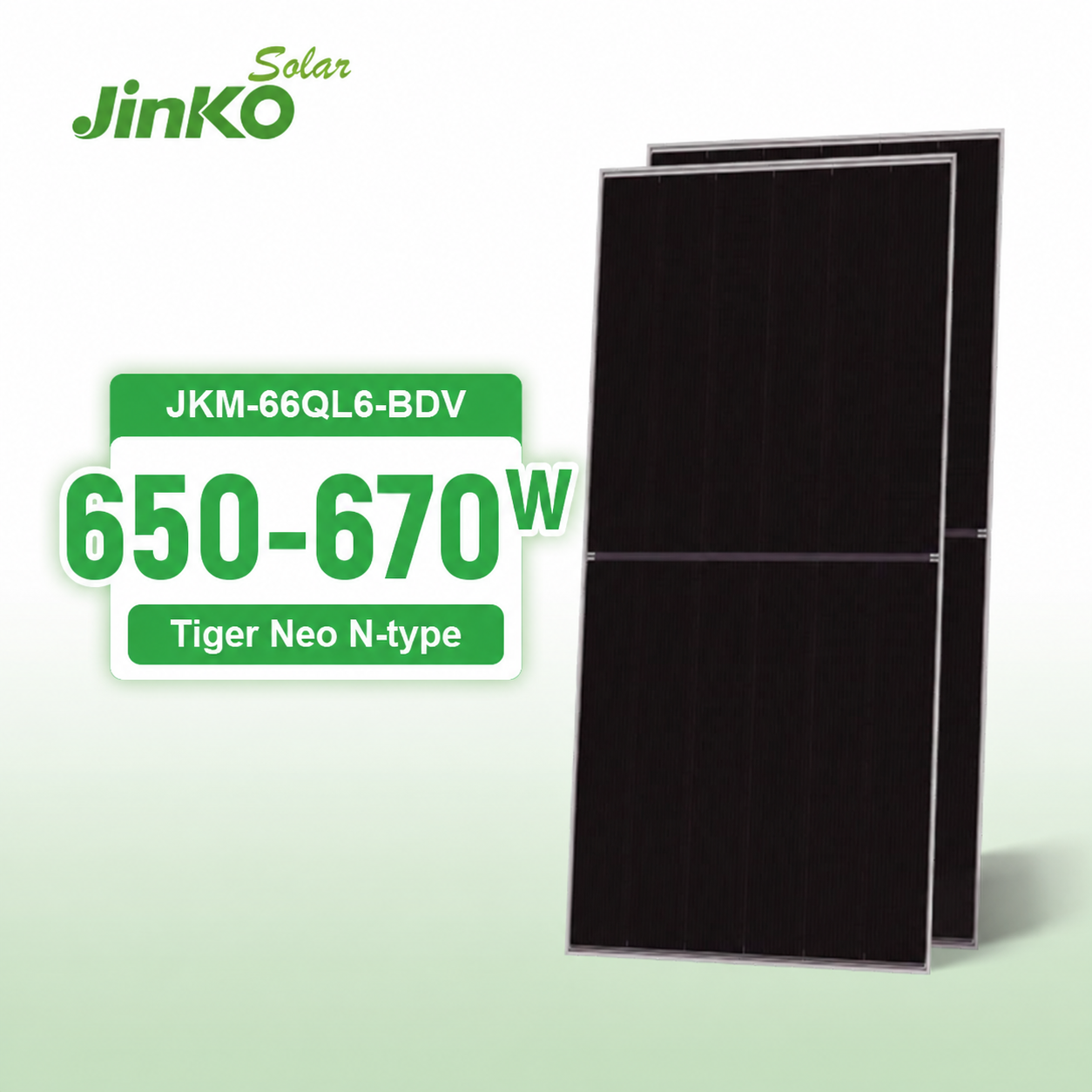
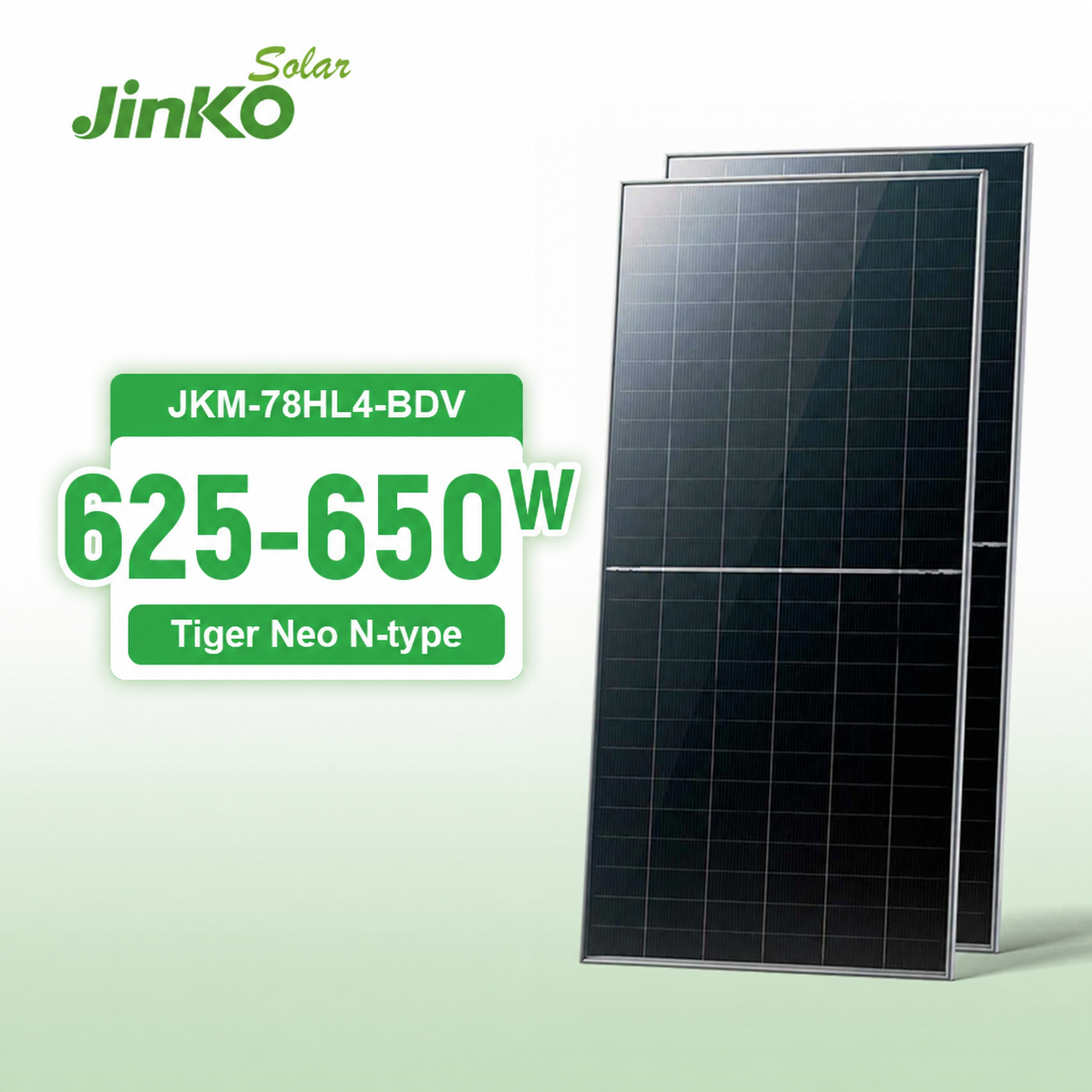
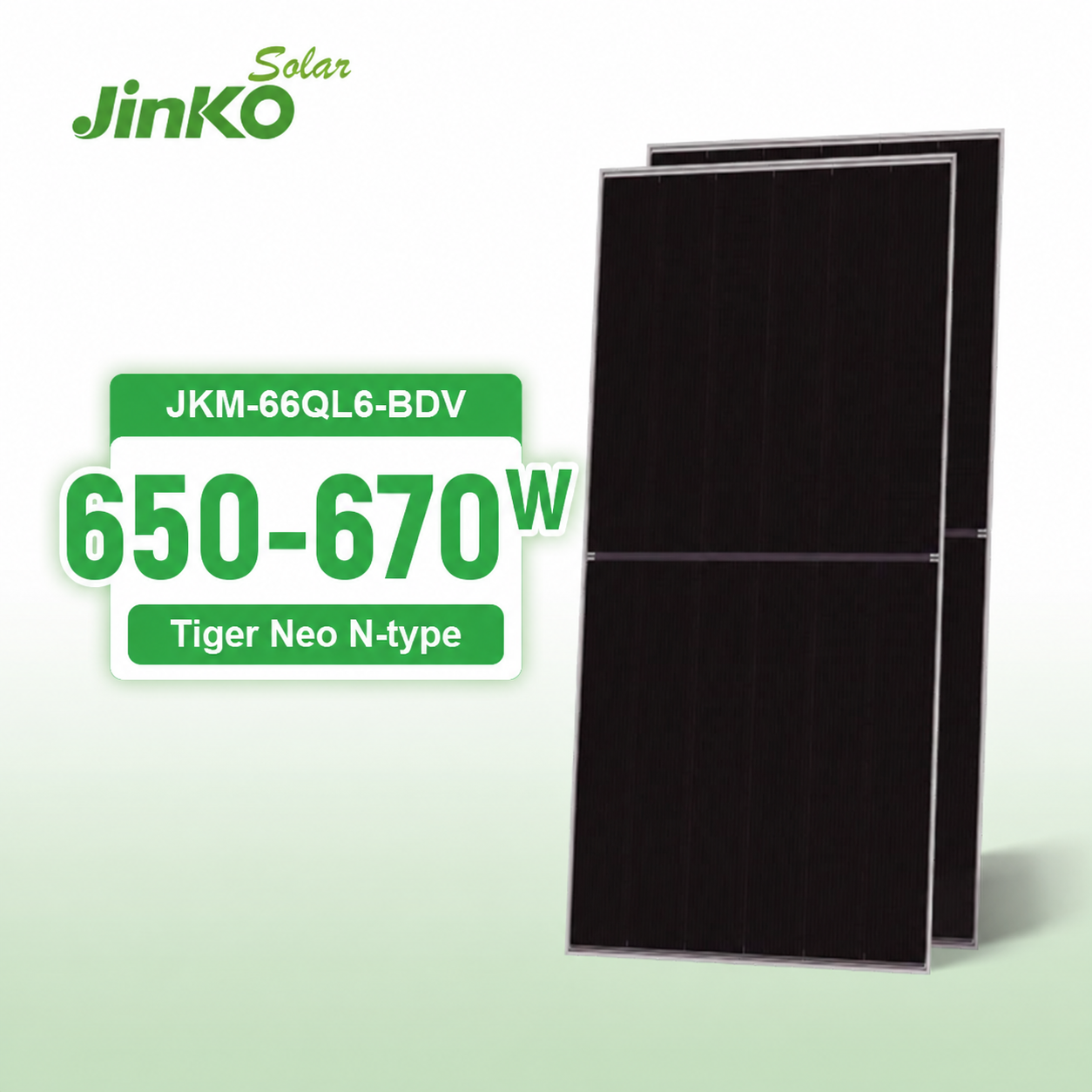
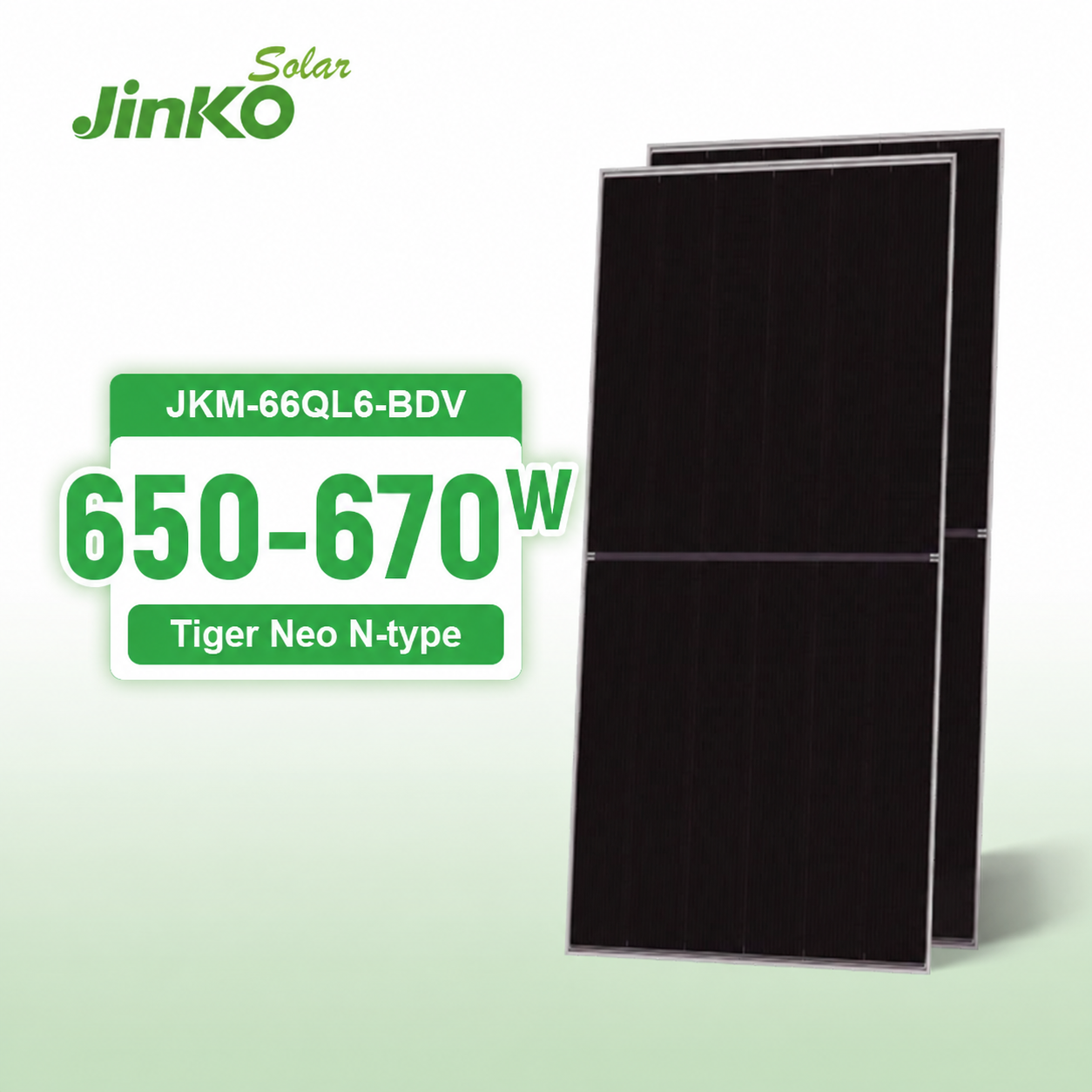
Can high-power N-Type bifacial solar panels (e.g. 650W–700W) be paired with residential hybrid inverters?
Legacy inverters with maximum DC input currents limited to 11A–12A will trigger current clipping, resulting in lost solar generation yield. VOLT New Energy engineers string layouts to guarantee that open-circuit voltages at minimum historic site temperatures never breach the maximum DC input limit (typically 500V or 800V depending on inverter model), while matching the inverter's MPPT current profile to achieve peak harvest efficiency.
How does VOLT New Energy guarantee cell grading and avoid recycled or B-grade lithium cells?
1. Direct Factory Origin QR Tracking: Every prismatic cell carries an unbuffed, original manufacturer matrix code laser-etched on the aluminum casing, detailing production date, factory line, and batch code.
2. Four-Point Automated Grading: Prior to module assembly, cells undergo automated testing for capacity consistency (±1%), internal AC/DC resistance (±0.05mΩ), and open-circuit voltage stability.
3. Pre-Shipment Factory Acceptance Testing (FAT): Importers receive transparent test run data, high-resolution thermal imaging validation, and full pack burn-in records before packing lists are signed off.
Plan Your Consolidated Solar + Storage Order
Connect directly with our engineering and procurement team in Hangzhou. Receive a customized balance-of-system quotation, BMS protocol compatibility validation, and multimodal shipping schedule within 24 hours.
Get a Quote