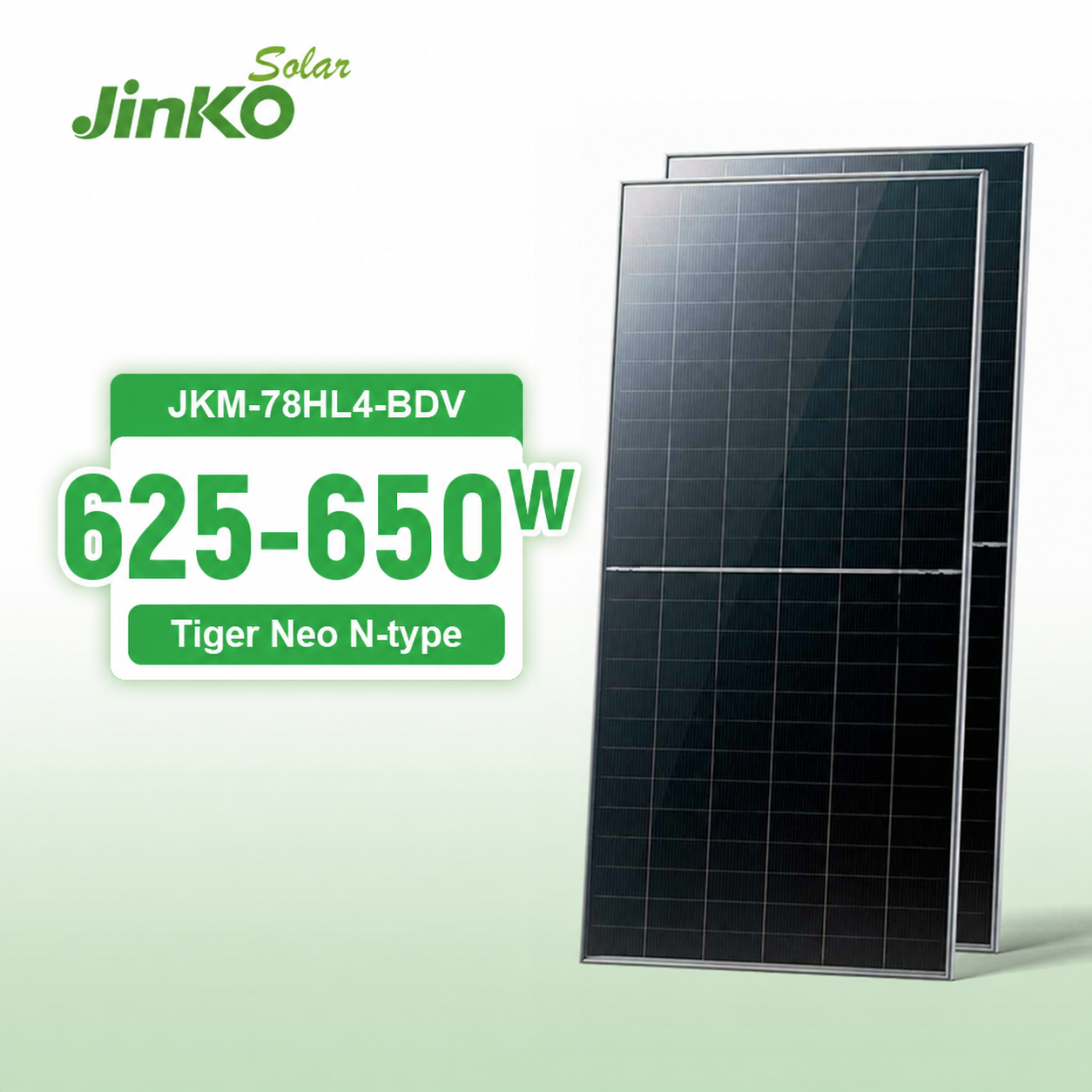
Export-Grade Inventory
Tier-1 Bifacial PV Modules & Compatible Inverters
Full system integration delivered directly from China: Engineered to pair seamlessly with tubular gel and stationary deep-cycle storage plants.
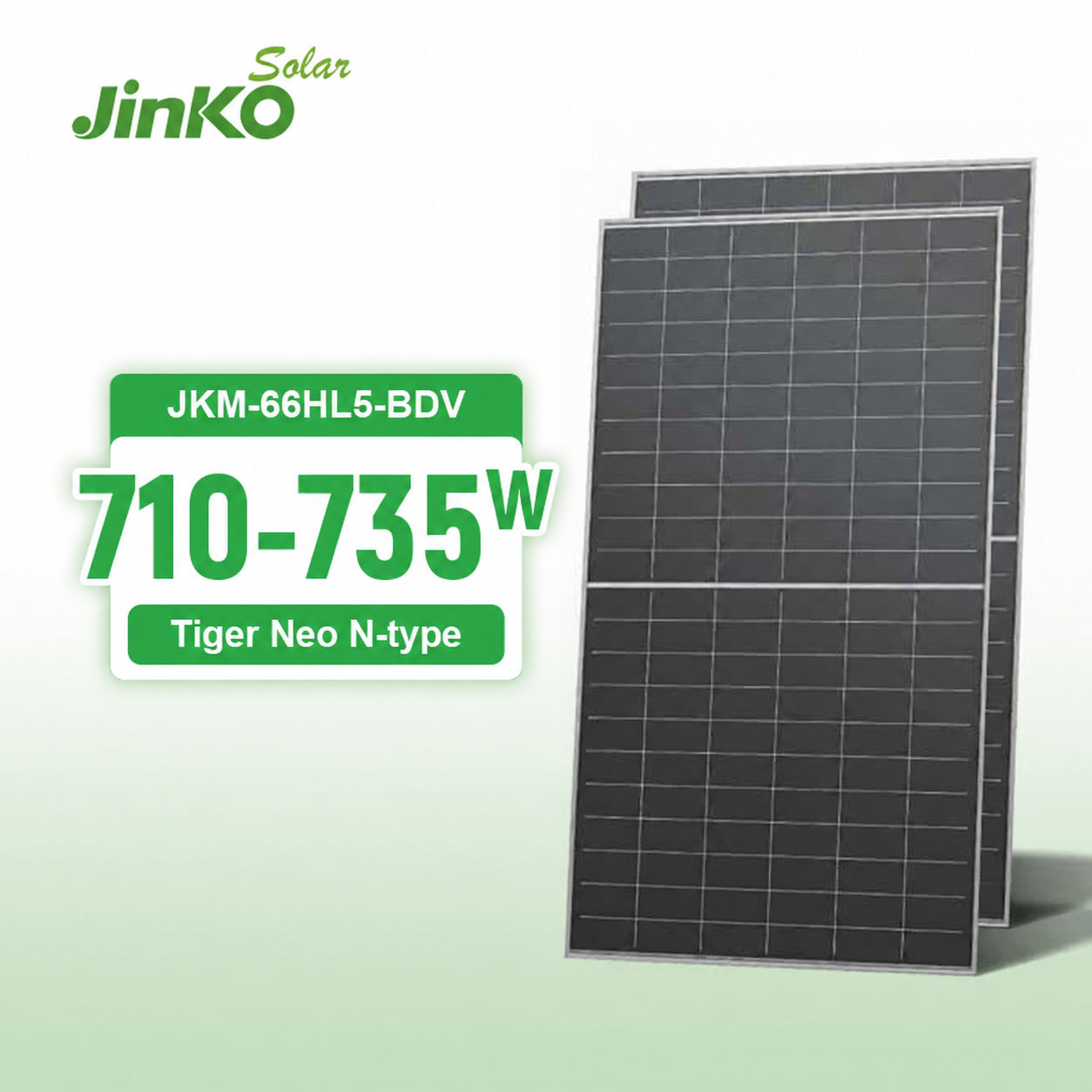
Industrial Utility
Jinko N Type Bifacial Pv Solar Panels 720W 710W 715W Dual Glass Industrial Photovoltaic Panneau Solaire
22.8% Efficiency
Send an Inquiry
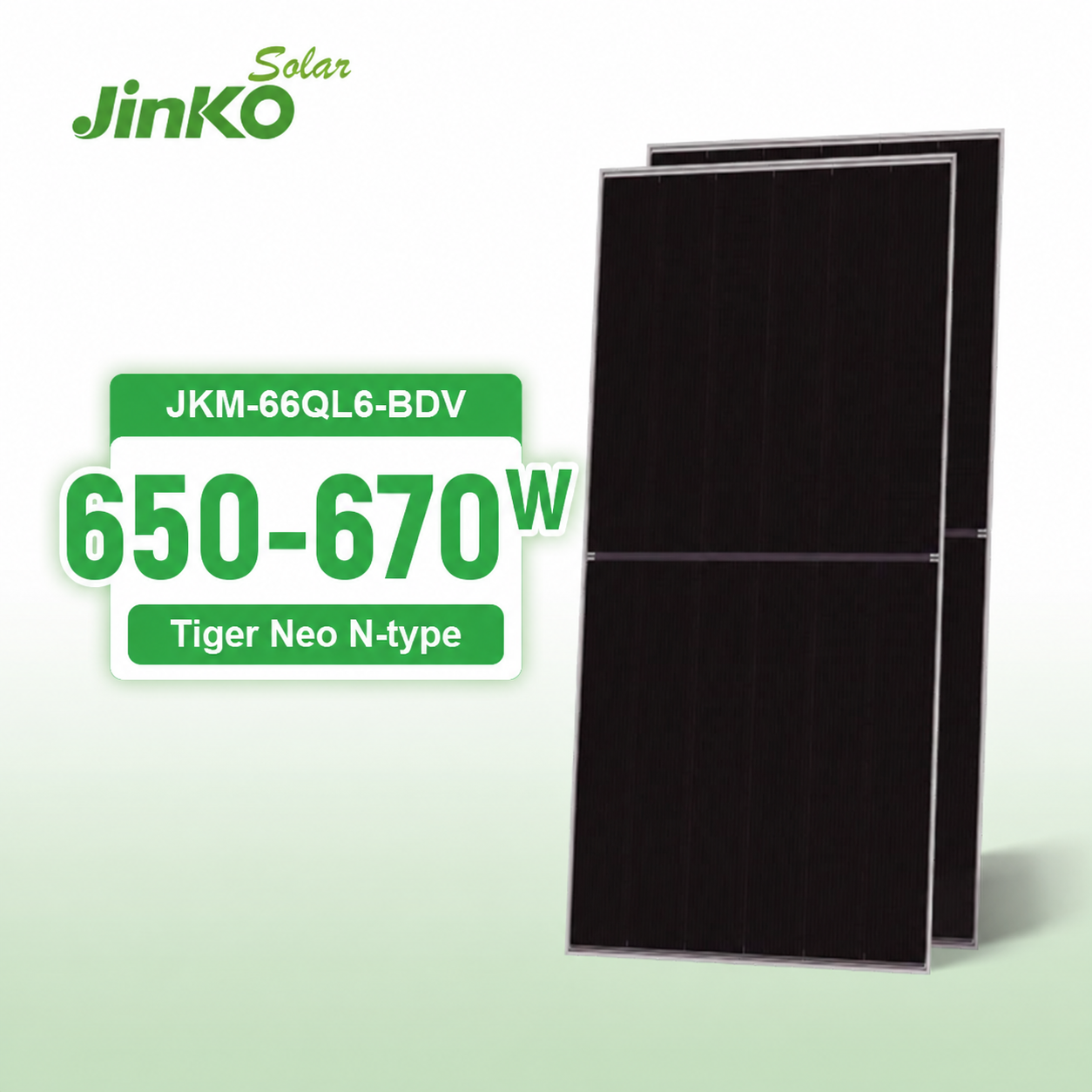
Commercial PV
Jinko N Type 650W 660W 670W Wholesale TOPCon Bifacial Photovoltaic Module for Commercial
1500V DC Ready
Send an Inquiry

Residential & C&I
Jinko N Type Bifacial Solar Panels 585W 590W 575WTOPCon Monocrystalline High Efficiency PV Module for Home
Low Deg. Rate
Send an Inquiry
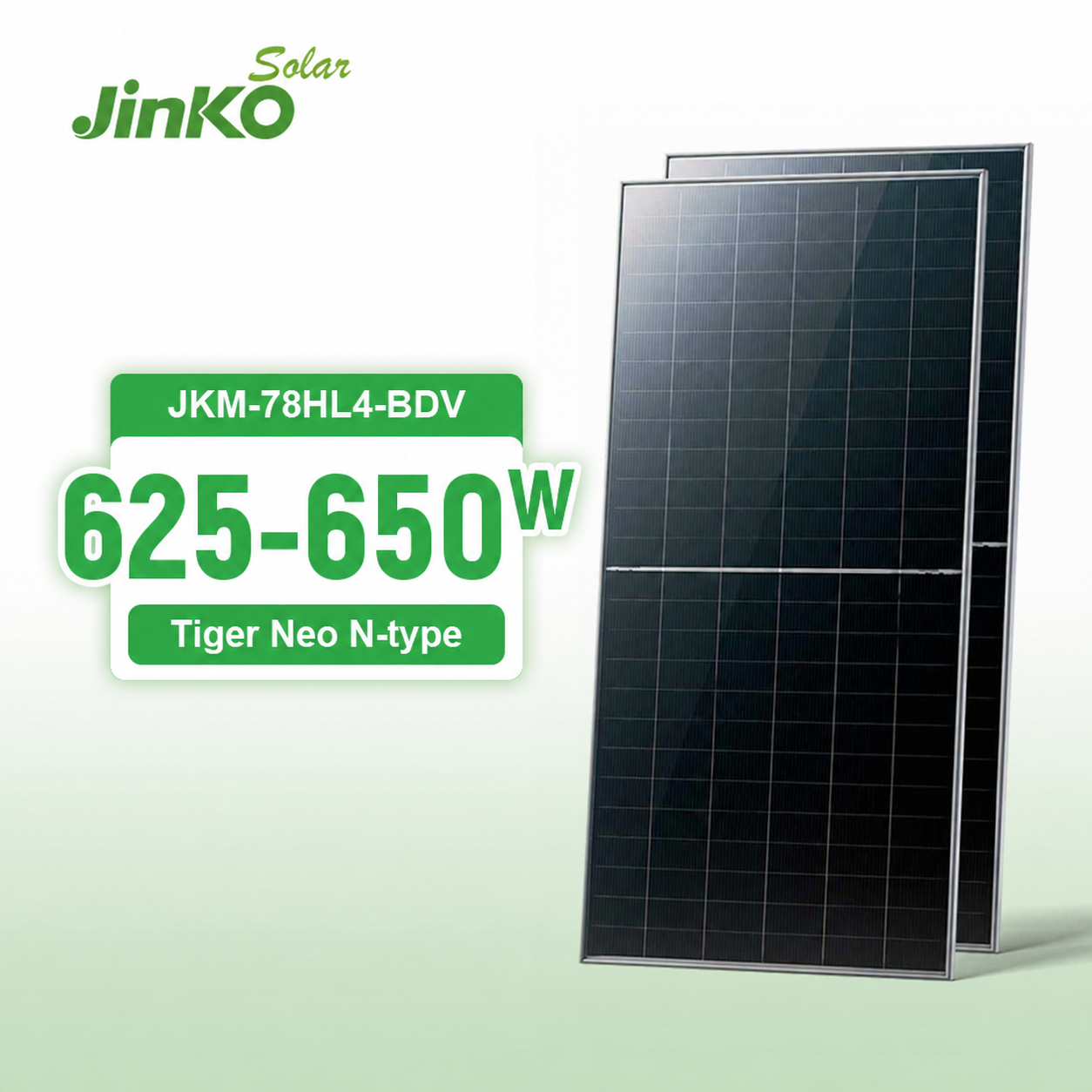
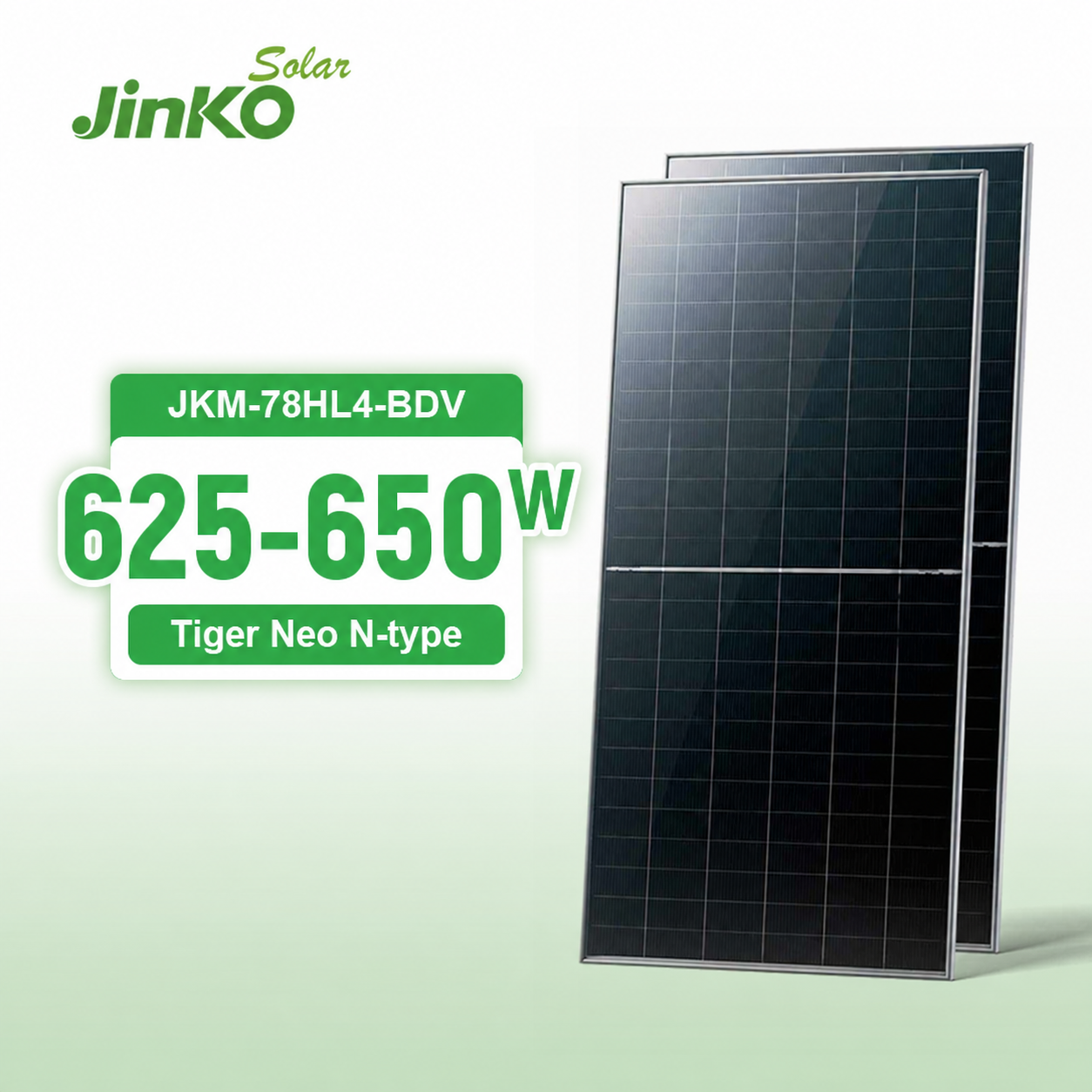
Heavy-Duty Glass
Jinko N Type Bifacial Solar Modules 650W 630W 640W Dual Glass Photovoltaic Panel for Industrial
Anti-PID Cell Tech
Send an Inquiry
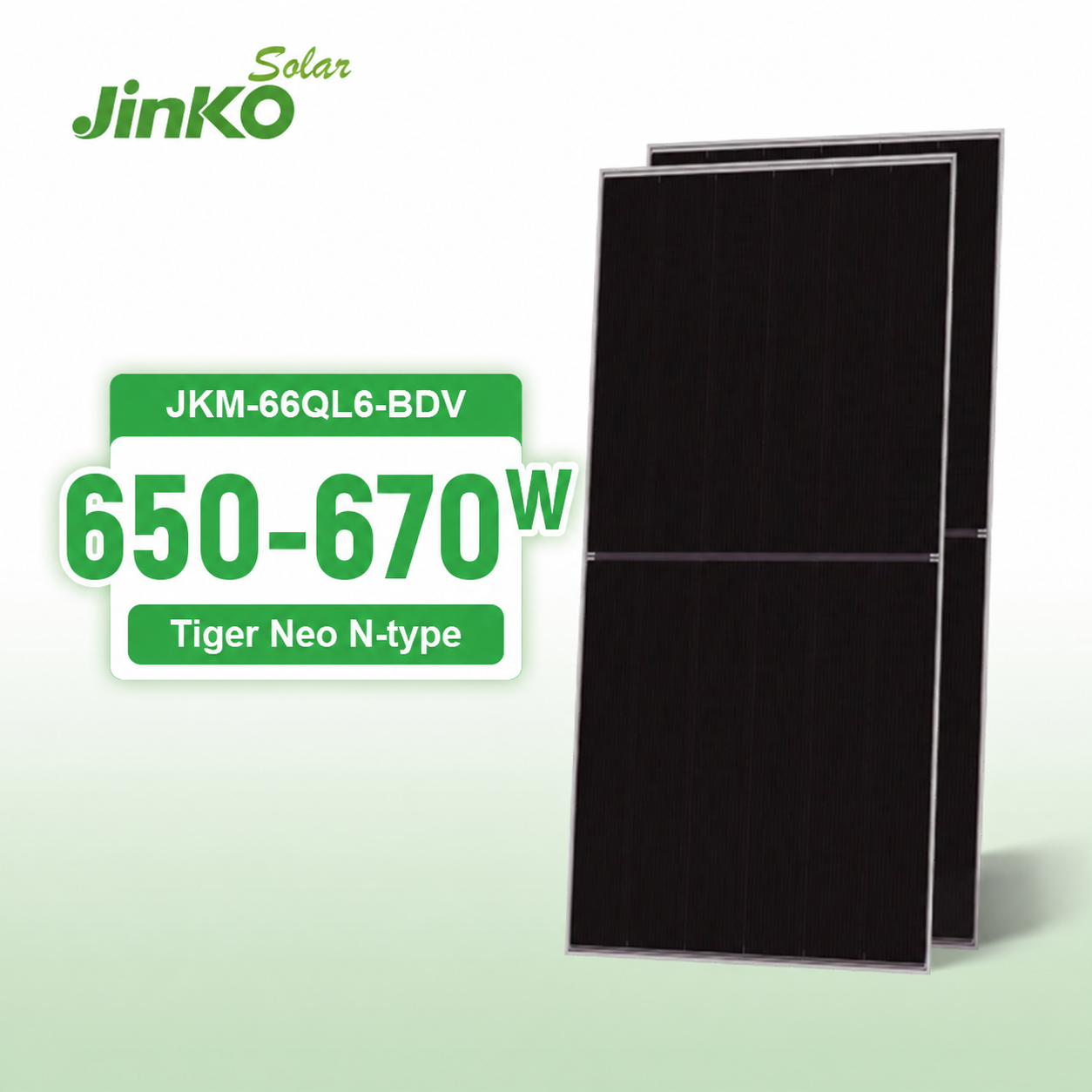
Agrivoltaics Ready
Jinko Wholesale Pv Modules 650W 660W 670W Bifacial Double Glass N Type Solar Panel for Farm
High Yield Gain
Send an Inquiry
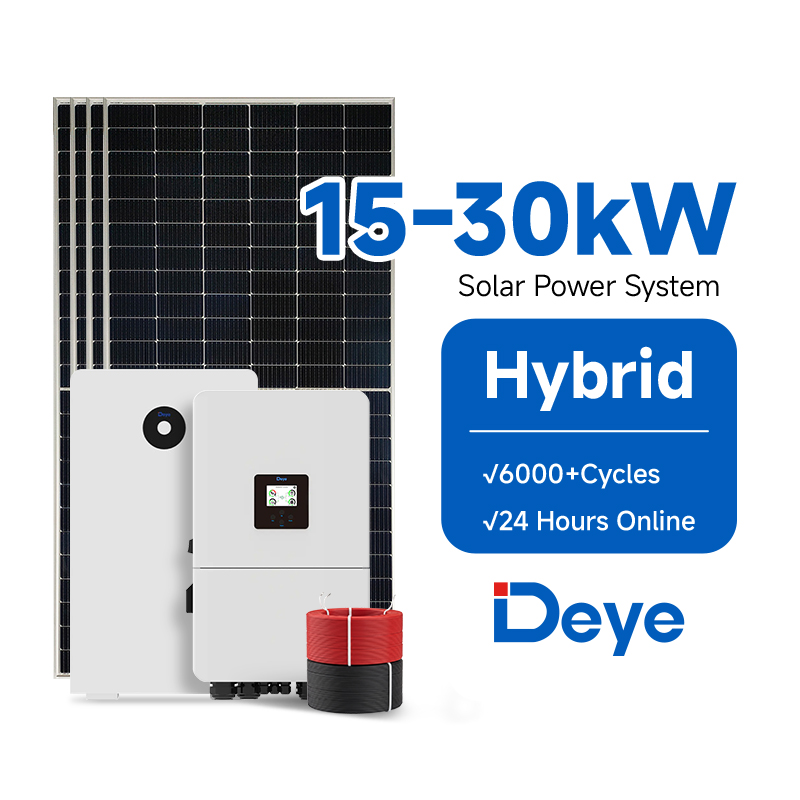
System Integration
Low DC Voltage Battery Support Deye Hybrid Inverter ESS 5kw 10kw 15kw 20kw 30kw Mounting System
48V Inverter Match
Send an Inquiry
20+ Yrs
Design Float Life @ 20°C
2,500+
Cycles at 80% DOD (OPzV)
-40°C~65°C
Operational Temp Scope
0.00%
Acid Stratification Risk
Engineering Whitepaper: Decoding Tubular Gel (OPzV) Chemistry for Mission-Critical Infrastructure
In the global renewable energy ecosystem, while Lithium Iron Phosphate (LiFePO4) chemistry dominates urban residential deployments, Tubular Gel (OPzV) batteries remain the undisputed cornerstone for mission-critical, harsh-environment industrial storage. As utility providers, telecommunication operators, and off-grid mini-grid developers know, standard flat-plate AGM or standard colloidal batteries suffer from catastrophic failure modes when subjected to prolonged high temperatures, thermal runaway risks, or deep discharge conditions.
Hangzhou VOLT New Energy Technology Co., Ltd. serves as an authoritative Chinese manufacturer, OEM partner, and global exporter specializing in high-purity tubular positive plate architecture combined with nano-scale fumed silica gel electrolyte (SiO2). Understanding the structural mechanics of tubular gel batteries requires analyzing why they outperform standard energy storage technologies in high ambient heat, unconditioned telecom base transceiver stations (BTS), remote island microgrids, and desert installations.
1. Tubular Positive Plates vs. Flat Pasted Plates: Structural Containment
Standard lead-acid and standard AGM batteries employ flat grid plates where active material (lead dioxide, PbO2) is mechanically pasted onto a lead-calcium grid. Under cyclical charging, thermal stress, and deep cycling, this active material sheds due to physical expansion and contraction, creating active mass loss and bottom sludge that causes catastrophic short-circuits.
Our tubular gel batteries utilize high-pressure die-cast spines composed of a low-antimony lead-calcium-tin alloy encased within non-woven, multi-tube gauntlets made of woven polyester. The lead dioxide active material is packed inside these tubular gauntlets under controlled density. This design ensures that the positive active material cannot flake off or detach during aggressive cycle profiles. Active material retention guarantees that an OPzV tubular cell delivers up to 20 to 25 years of design float life and over 2,500 full cycles at 80% Depth of Discharge (DOD).
2. Nano-Scale Fumed Silica Gel Matrix: Eliminating Electrolyte Stratification
Electrolyte stratification is the leading cause of premature failure in flooded and standard deep-cycle batteries. Liquid sulfuric acid (H2SO4) has a higher specific gravity than water, causing acid to sink to the bottom of the casing over time. This leaves concentrated acid corroding the lower plate regions while the top plate experiences under-charging and sulfation.
VOLT New Energy utilizes premium German-imported pyrogenic fumed silica. When thoroughly homogenized with sulfuric acid electrolyte, it transitions from a liquid sol to an immovable thixotropic gel during formation. The gelled matrix encapsulates the plates uniformly:
- Zero Stratification: Acid density remains strictly homogeneous throughout the cell height, preventing localized plate sulfation.
- Thermal Dissipation Stability: The gel acts as a direct heat transfer medium between the plates and the ABS outer container, preventing internal localized hotspots and eliminating the risk of thermal runaway.
- Internal Oxygen Recombination: Micro-fissures develop within the set gel matrix, allowing oxygen generated at the positive plate during overcharge to migrate smoothly to the negative plate, achieving an internal recombination efficiency higher than 99%. Consequently, water top-up is completely obsolete across its operating life.
| Electrochemical Parameter | VOLT Tubular Gel (OPzV) | Standard Flat AGM Battery | LFP Lithium Storage (Rack/Wall) |
|---|---|---|---|
| Design Float Life (20°C) | 20 – 25 Years | 5 – 8 Years | 10 – 15 Years |
| Cycle Life (80% DOD @ 25°C) | 2,200 – 2,800 Cycles | 400 – 600 Cycles | 4,000 – 6,000 Cycles |
| Operating Temperature Tolerance | -40°C to +65°C (Extreme Stability) | -15°C to +40°C (Degrades Fast >30°C) | 0°C to +45°C (Requires BMS Heating) |
| Thermal Runaway Susceptibility | Virtually Non-Existent | Moderate Risk | Mitigated via Advanced Smart BMS |
| Air Conditioning Dependency | Zero (Tolerates BTS outdoor heat) | Mandatory cooling needed | Mandatory cooling in tropical zones |
| Initial Procurement Cost (USD/kWh) | Economical / Industrial Baseline | Lowest Initial Capex | Higher Initial Capex |
| Dangerous Goods Freight Class | Non-Spillable / Non-Hazardous | Class 8 / Non-Hazardous | Class 9 (Strict UN38.3 Testing) |
Future Procurement Trends for Industrial Tubular Gel Batteries
Procurement teams within national grid operators, municipal water systems, military communication corridors, and off-grid utility consortiums are re-evaluating their capital expenditure (CAPEX) versus operational expenditure (OPEX) models. Over the 2025–2030 horizon, several key procurement shifts are reshaping the China supply pipeline:
Total Cost of Ownership (TCO) Dominance
Procurement directors are calculating total cost of ownership by evaluating continuous air conditioning electricity consumption. Tubular gel eliminates the need for HVAC units in outdoor telecom cabinets, saving up to 40% in annual operational maintenance costs.
Consolidated System Bundling
B2B importers are no longer sourcing batteries, inverters, and PV modules from disparate traders. The market is shifting to integrated Chinese manufacturers capable of supplying matched Tier-1 panels, Deye hybrid inverters, and tubular battery banks in unified containerized shipments.
Strict Material Traceability
With tightening international trade audits and ESG benchmarks, corporate EPCs demand verified 99.994% virgin lead certificates, ISO 14001 environmental production audits, and automated pressure testing records directly from China factory floors.
Emerging Technological Trajectories in OPzV & Gel Storage
Far from being a static legacy chemical architecture, tubular gel manufacturing in China has undergone comprehensive engineering transformations to meet demanding 21st-century microgrid and agrivoltaic standards.
Lead-Carbon Composite Negative Electrodes
The integration of activated carbon, graphite, and carbon nanotubes (CNTs) into the negative active material (NAM) has revolutionized OPzV chemistry. Standard tubular batteries can suffer when operated continuously in Partial State of Charge (PSoC)—a common condition in solar applications where cloudy days prevent full recharge. The addition of capacitive carbon prevents sulfation of the negative plate, doubling high-rate partial-state cycle life and enabling dynamic charge acceptance comparable to lithium cells.
Additive-Enhanced Thixotropic Formulations
Through state-of-the-art chemical blending, modern colloidal batteries utilize organosilicon surfactants and phosphoric acid additives within the gelled sulfuric electrolyte. These additives slow grid corrosion, inhibit active mass detachment, and maintain ionic conductivity even under deep freezing conditions down to -40°C, ensuring flawless performance for polar, alpine, and desert mining operations.
Enterprise Strengths
Why Global EPCs Choose Hangzhou VOLT New Energy
Direct-from-factory procurement, zero-risk system compatibility verification, and seamless international trade execution across 100+ countries.

Verified System Compatibility
We eliminate on-site commissioning failures. Inverter charge profiles, float voltage thresholds, and BMS CAN/RS485 communication protocols are pre-calibrated in our workshop before container dispatch.

Rigorous Pre-Shipment QC
Every batch undergoes internal resistance testing, open-circuit voltage verification, high-rate discharge sampling, and container airtightness checks. Video and laboratory test reports are provided prior to billing.

Export-Ready Mixed Freight
Whether shipping Non-Spillable gel batteries under special provision A67 or DG Class 9 LFP lithium packs, we manage full MSDS, UN38.3, and CE paperwork, consolidating solar panels, inverters, and racking in one single container.

Direct Engineering Support
From solar farm irradiance calculations to battery bank amp-hour sizing, our Hangzhou-based electrical engineering department creates complete wiring schematics and offers responsive remote troubleshooting.
Procurement FAQ
Frequently Asked Questions by B2B Importers & Integrators
Detailed answers to critical engineering, logistics, and supply chain questions encountered during international solar and battery orders.
What makes OPzV tubular gel superior to standard flat AGM batteries in solar applications?
OPzV tubular batteries feature positive plates housed inside woven tubular polyester gauntlets, which physically prevents the active material from shedding during repeated deep discharges. In contrast, flat AGM plates shed material quickly under daily solar cycling. Additionally, the fumed silica gel electrolyte prevents acid stratification and eliminates the risk of thermal runaway, delivering up to 2,500+ cycles at 80% DOD compared to only 500-600 cycles for standard flat AGM units.
How do Deye hybrid inverters interface with tubular gel battery banks?
Deye low-voltage hybrid inverters (e.g., 5kW, 8kW, 12kW single/three-phase) offer fully configurable battery charging algorithms. Instead of relying on closed-loop lithium BMS communication, the Deye unit is programmed via its intuitive touch screen for Lead-Acid/Gel mode. VOLT New Energy supplies pre-set parameters for absorption voltage (typically 2.40V per cell), float voltage (2.25V per cell), and low-voltage cutoff thresholds to guarantee high conversion efficiency and long cycle life.
What are the international shipping regulations and classification for gel batteries?
Unlike lithium batteries, which must be declared as Class 9 Dangerous Goods (UN3480/UN3481) with mandatory UN38.3 test certifications, tubular gel batteries qualify as "Non-Spillable Electric Storage Batteries" under Special Provision 238 of the IMDG Code and Special Provision A67 of the IATA Dangerous Goods Regulations. As long as terminals are protected against short-circuits, they ship as non-hazardous general cargo, substantially lowering ocean freight rates and simplifying customs clearance.
Can VOLT New Energy consolidate PV panels, inverters, and tubular batteries into one container?
Yes. One of our primary competitive advantages for international EPCs and distributors is mixed-container consolidation. Our logistics department coordinates the secure packing of heavy tubular battery pallets on the container floor with high-efficiency Jinko bifacial solar modules and Deye hybrid inverters positioned securely above. We manage unified export documentation, single-bill-of-lading (B/L) processing, and comprehensive marine transit insurance.
What factory certifications and quality assurance documents are provided with shipments?
All tubular gel and renewable power equipment exported by VOLT New Energy is accompanied by complete ISO 9001, ISO 14001, and ISO 45001 factory qualification documents. Product lines hold international CE conformity, IEC 60896-21/22 certifications for stationary lead-acid batteries, and IEC 61427 approval for photovoltaic energy systems. Batch inspection certificates, real-time load test graphs, and warranty statements are provided with commercial invoices.
When should an EPC choose tubular gel over lithium (LiFePO4) storage?
Tubular gel is the preferred option when operating in ambient temperatures above 45°C or below -20°C where lithium battery management systems (BMS) shut down or require power-draining heating/cooling loops. Gel batteries are also ideal for projects where safety regulations strictly ban thermal runaway risks (e.g., historical buildings, underground rail networks, remote mountain telecom BTS), or where local technical talent cannot service complex digital BMS electronics.
Request a Factory-Direct Technical Quote & System Calculation
Share your project load profile (daily kWh), site ambient temperature range, and preferred backup autonomy. Our Hangzhou engineering team delivers a complete system bill of materials (BOM), wiring diagrams, and landed freight estimates within 24 hours.