High-Performance OEM Photovoltaic & Dual-Glass Modules
Precision-engineered bifacial monocrystalline and N-Type TOPCon solar modules ready for customized OEM lamination, architectural cladding, and industrial solar installations.
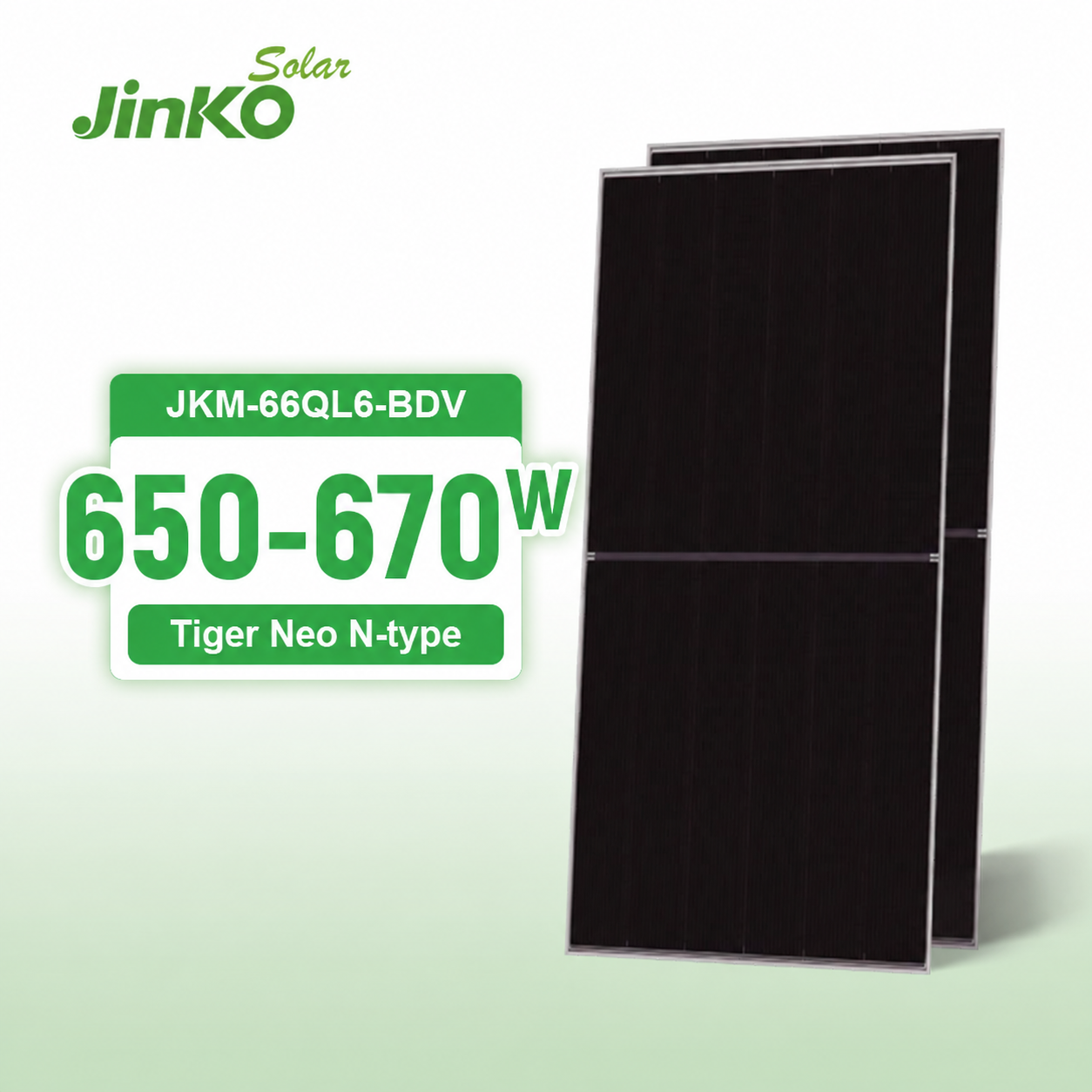
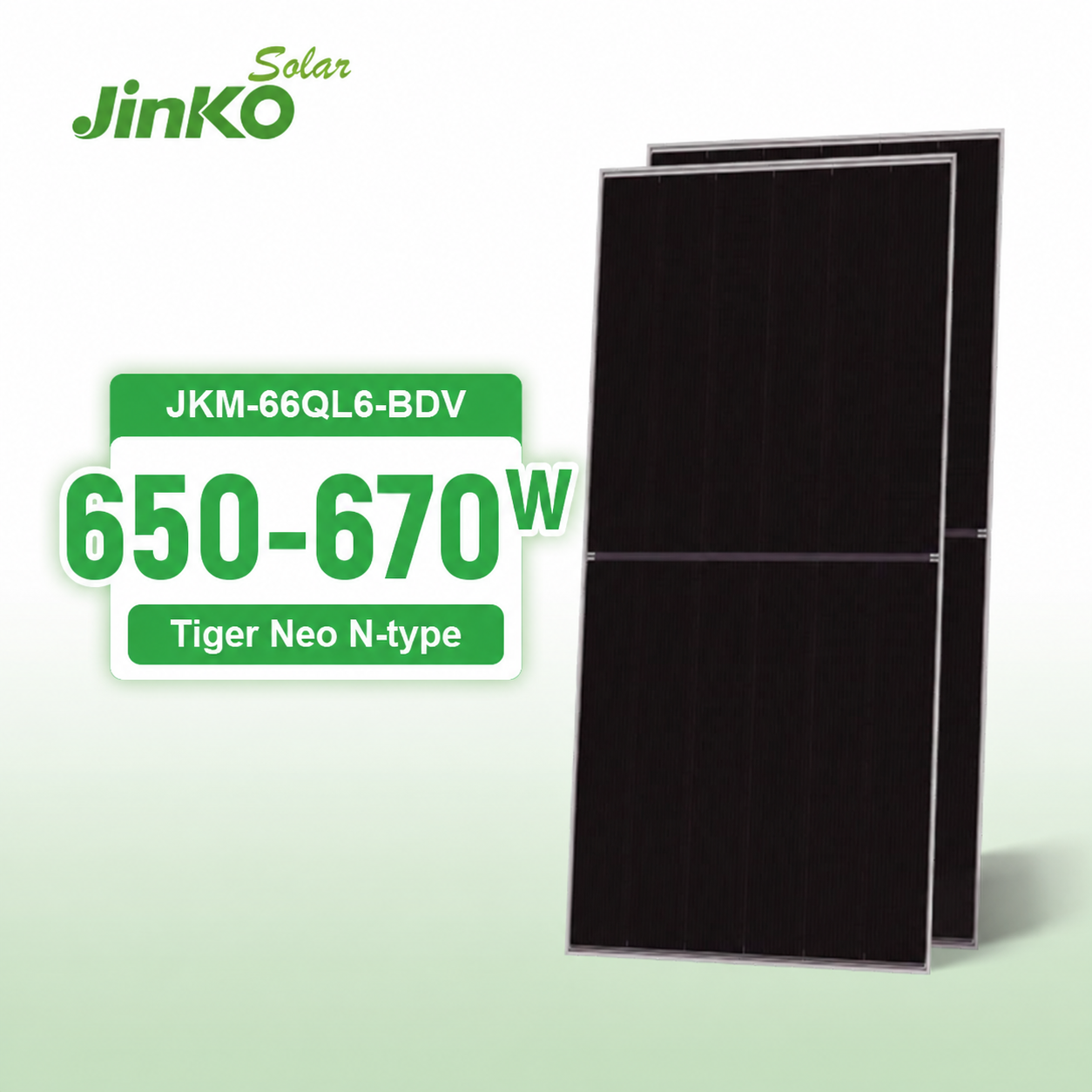
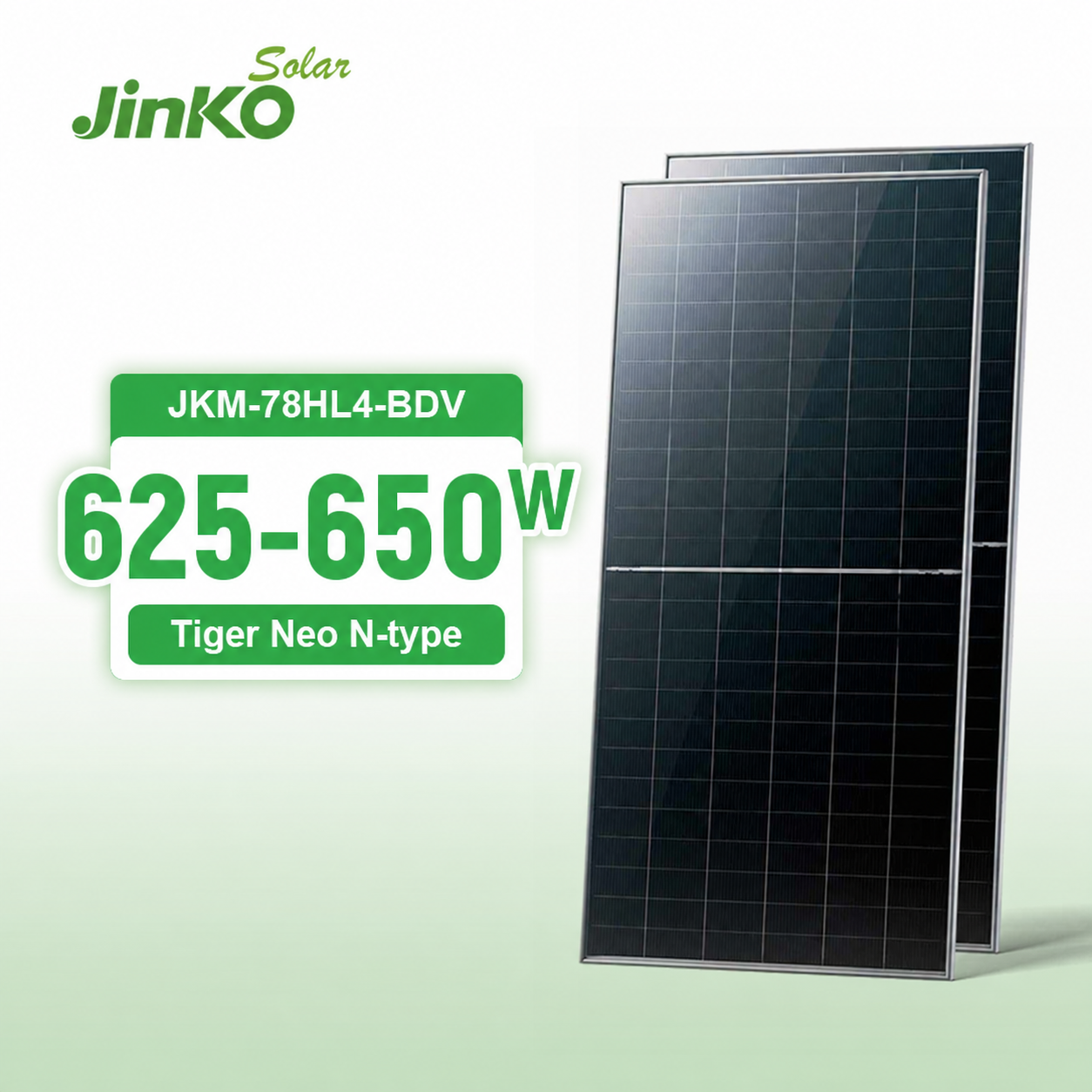
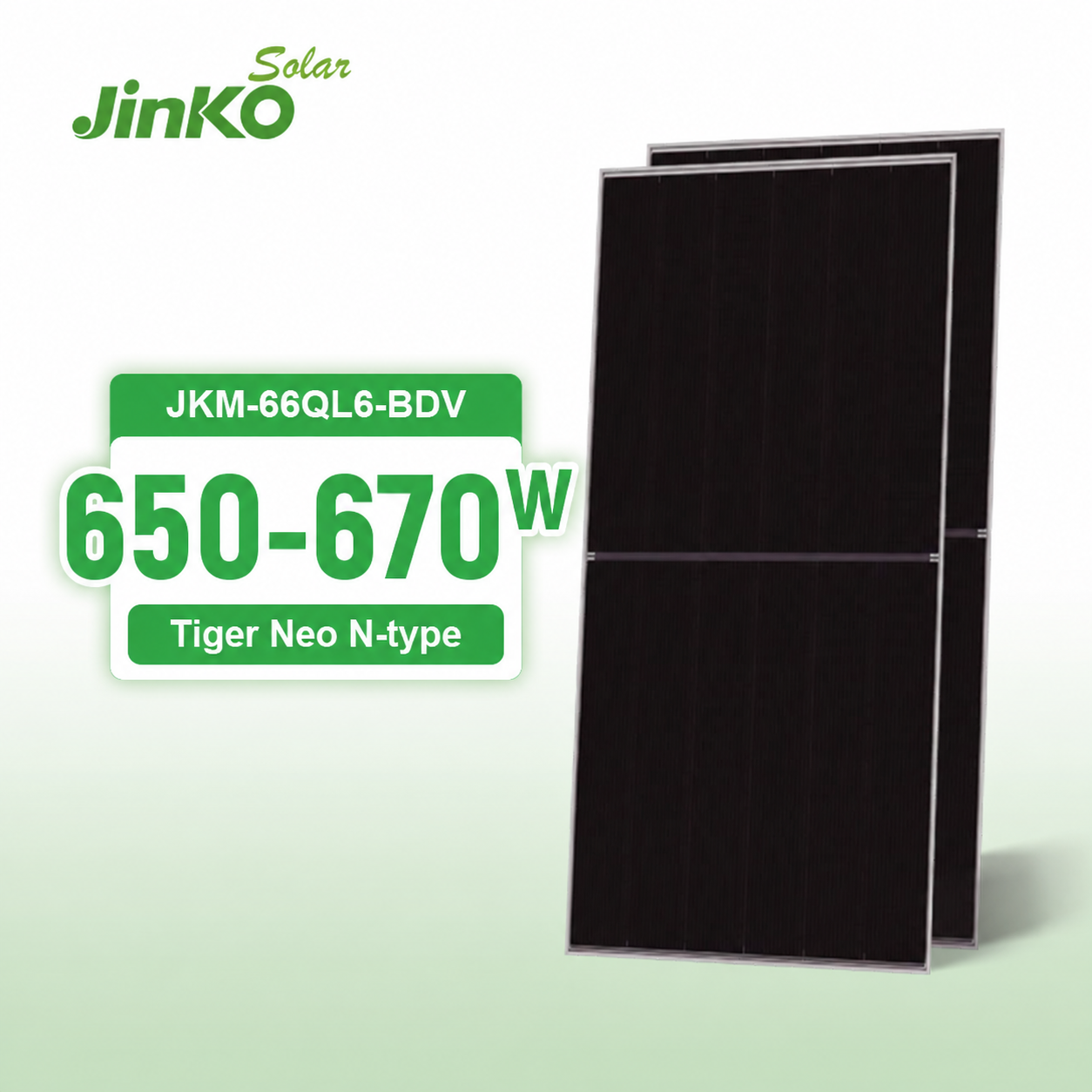
Engineering Excellence in Custom BIPV & OEM Solar Manufacturing
Building-Integrated Photovoltaics (BIPV) represents the structural convergence of high-efficiency renewable power generation and civil architectural envelopes. Unlike conventional Building-Applied Photovoltaics (BAPV)—where standard solar panels are retrofitted onto existing structures via mounting racks—custom OEM BIPV modules serve simultaneously as the physical exterior building envelope (façades, curtain walls, spandrels, skylights, overhead canopies, and standing-seam roof shingles) and localized electrical generators.
For international tier-one EPCs, facade engineers, and volume distributors, procuring through an integrated Chinese manufacturing partner requires an understanding of mechanical integrity, photothermal kinetics, and regulatory electrical compliance. Custom BIPV modules must withstand dynamic wind-load fluctuations exceeding 5400 Pa, localized wind-suction pressures, seismic shear stresses, and extreme thermal cycling, all while maintaining strict electrical insulation resistance according to IEC 61215 and IEC 61730 standards.
Customized Layering: Glass Substrates & Encapsulants
At our certified manufacturing facilities, custom OEM laminated glass-glass BIPV panels utilize ultra-clear low-iron tempered architectural glass from 2.0 mm to 8.0 mm or custom multi-layer laminated safety glass (EN 12600 / ASTM C1048 standard). The encapsulation matrix is tailored depending on project specifications:
Polyvinyl Butyral (PVB): Ideal for overhead glazing, balustrades, and vertical curtain walls where acoustic decoupling and post-breakage adhesion safety are mandatory. PVB offers structural bond strength and optical clarity under varying UV irradiation.
Polyolefin Elastomer (POE): Engineered for high-temperature and high-humidity environments. POE exhibits water vapor transmission rates (WVTR) substantially lower than standard EVA, completely preventing potential-induced degradation (PID) and acetic acid formation within dual-glass N-Type TOPCon matrices.
Future BIPV Procurement Trends (2025–2030)
Strategic market shifts shaping procurement choices for architectural solar solutions, building envelopes, and zero-carbon real estate projects.
Embodied Carbon Accounting
Global environmental regulations (EU CSRD and US Buy Clean) mandate low-carbon BoM verification. OEM factories must provide ISO 14067 Life Cycle Assessment (LCA) and Environmental Product Declarations (EPD) reflecting silicon ingoting powered by clean hydro or solar grids.
Seamless Glass Aesthetics
Architects reject visible busbars. Sourcing is pivoting to nano-ceramic ink digital printing, colored anti-glare etching, and customized cell density matrixing, achieving color match with RAL architectural palettes while retaining 80–88% electrical output.
Full System Harmonization
Importers are moving away from buying disconnected panels. They demand complete single-invoiced systems with pre-matched hybrid inverters (e.g., Deye), matched LFP battery cabinets, and rapid-shutdown micro-inverters that eliminate field protocol mismatches.
Emerging Technical Vectors in BIPV Cell & Module Design
Key technological breakthroughs providing technical advantages and improved Levelized Cost of Energy (LCOE).
N-Type Tunnel Oxide Passivated Contact (TOPCon)
Higher conversion efficiency (up to 25.5% at cell level) coupled with an ultra-low temperature coefficient (-0.30%/°C) ensures BIPV building facades generate consistent yields even under elevated temperatures caused by limited rear-side ventilation.
Heterojunction (HJT) & Perovskite Tandem
HJT's symmetrical bifacial coefficient exceeding 90% makes it ideal for transparent curtain walls and sound-barrier BIPV where albedo reflections from streets or interiors deliver significant secondary power harvesting.
Advanced Structural Cladding Interfaces
Integrated dry-mounting interlocking aluminum profiles, hidden junction boxes within ventilated thermal breaks, and embedded bypass diodes eliminate facade shadows, simplify field wiring, and enhance waterproof performance.
Hangzhou VOLT New Energy Technology Enterprise Advantages
Combining Tier-1 supply chains with custom OEM integration, verified BMS protocols, and streamlined export logistics.
Factory Pre-Tested Compatibility
Every OEM system undergoes CAN/RS485 handshake and communication testing between battery BMS and inverters (Deye, Antofo series) before packing, ensuring zero startup errors on-site.
Comprehensive Certifications
All supplied modules and energy systems hold verifiable manufacturer test reports: IEC 61215, IEC 61730, CE, TÜV, UN38.3, and ISO 9001, expediting regional grid permits and customs clearance.
Consolidated DG Logistics
We manage Class 9 Dangerous Goods maritime transport for LFP batteries while consolidating solar panels, inverters, and mounting hardware into single matched container loads to lower shipping costs.
English-Language Engineering
Our Hangzhou engineering office provides complete electrical schematics, string voltage calculators, shade analysis, and 24-hour response on technical queries for international engineering teams.
Frequently Asked Questions by Technical Buyers
Clear, direct answers regarding mechanical specs, electrical sizing, and global containerized shipping.
What is the minimum order quantity (MOQ) for custom glass-glass BIPV OEM manufacturing?
How do dual-glass bifacial BIPV modules manage building thermal insulation (U-value)?
Can we consolidate panels, hybrid inverters, and LFP batteries into one container?
How are partial shading conditions managed on vertical building facade installations?
What quality assurance and third-party inspection steps are performed prior to export?
Initiate Your Custom OEM Solar Manufacturing Project
Send our Hangzhou engineering team your structural drawings, target electrical parameters, or BoM requirements. We will return an optimized sizing schedule, compatibility report, and wholesale factory quotation within 24 hours.