High-Efficiency TOPCon PV Modules & Systems
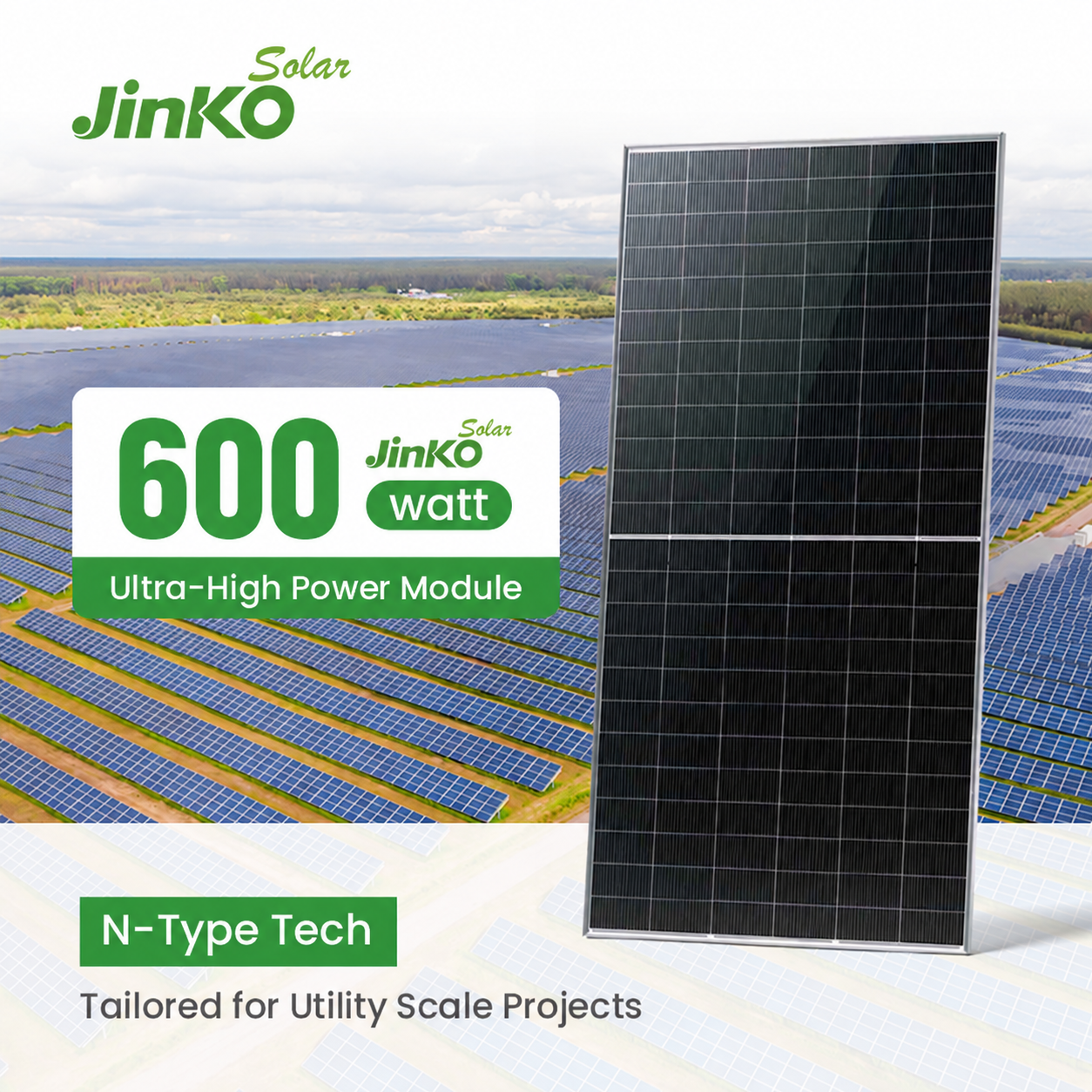
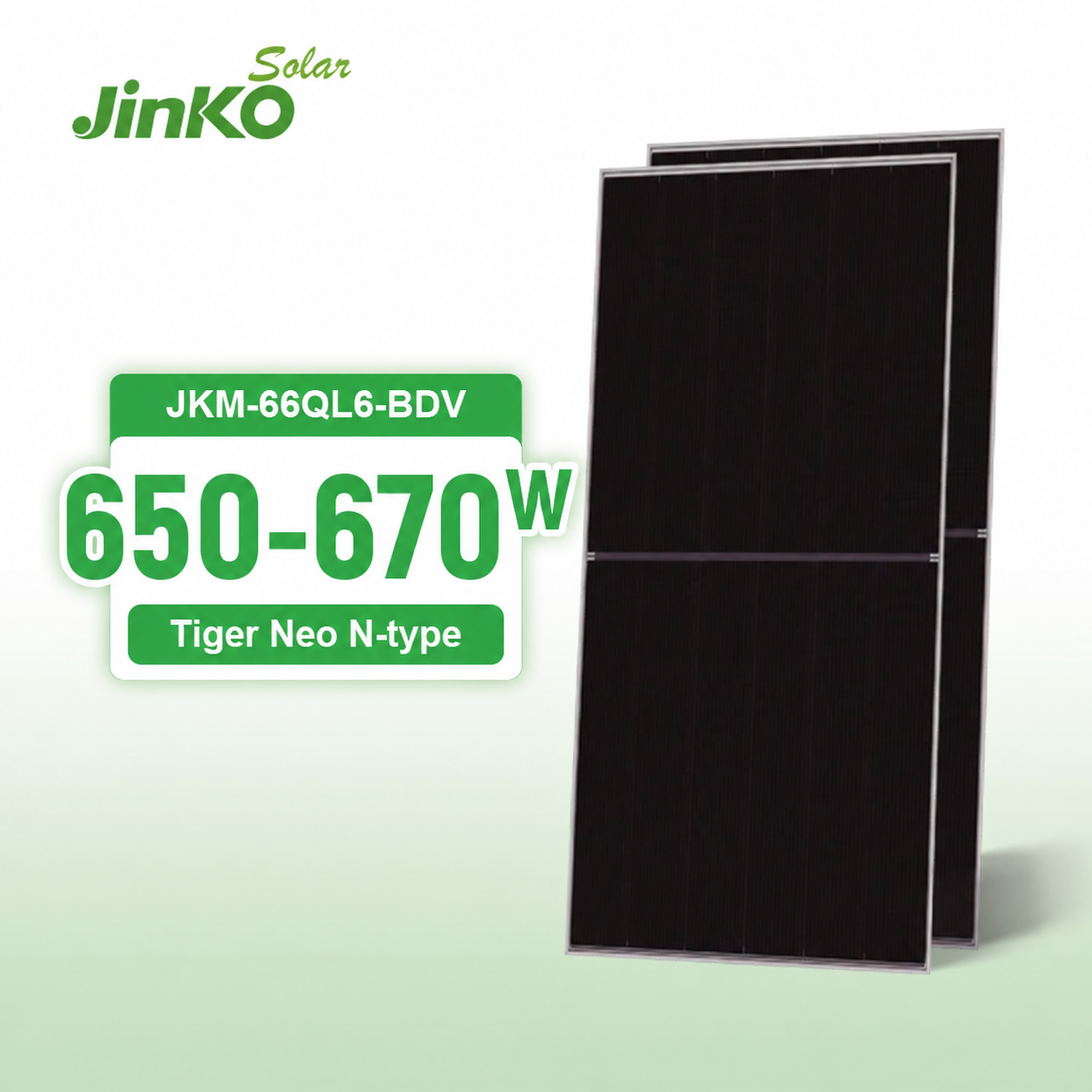
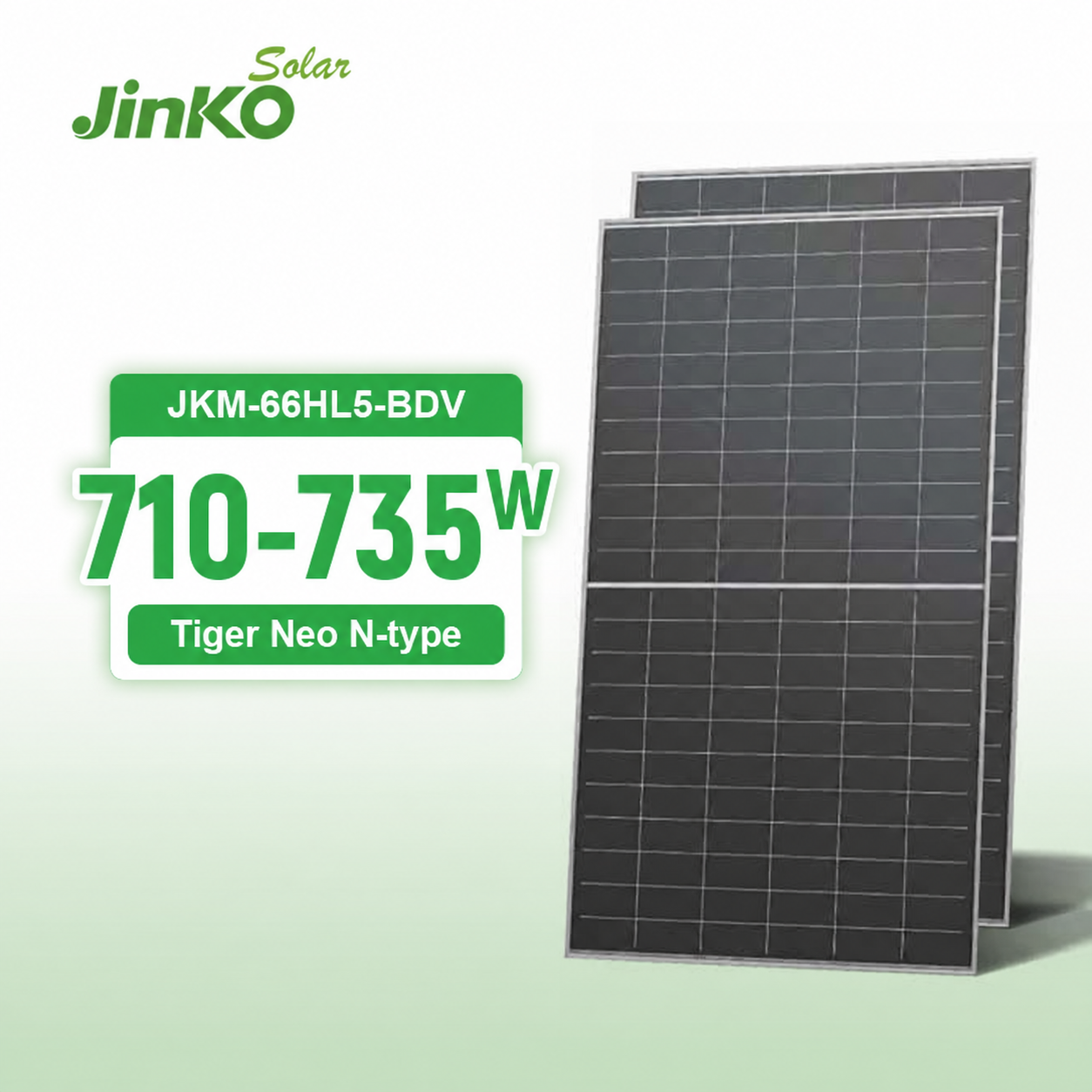
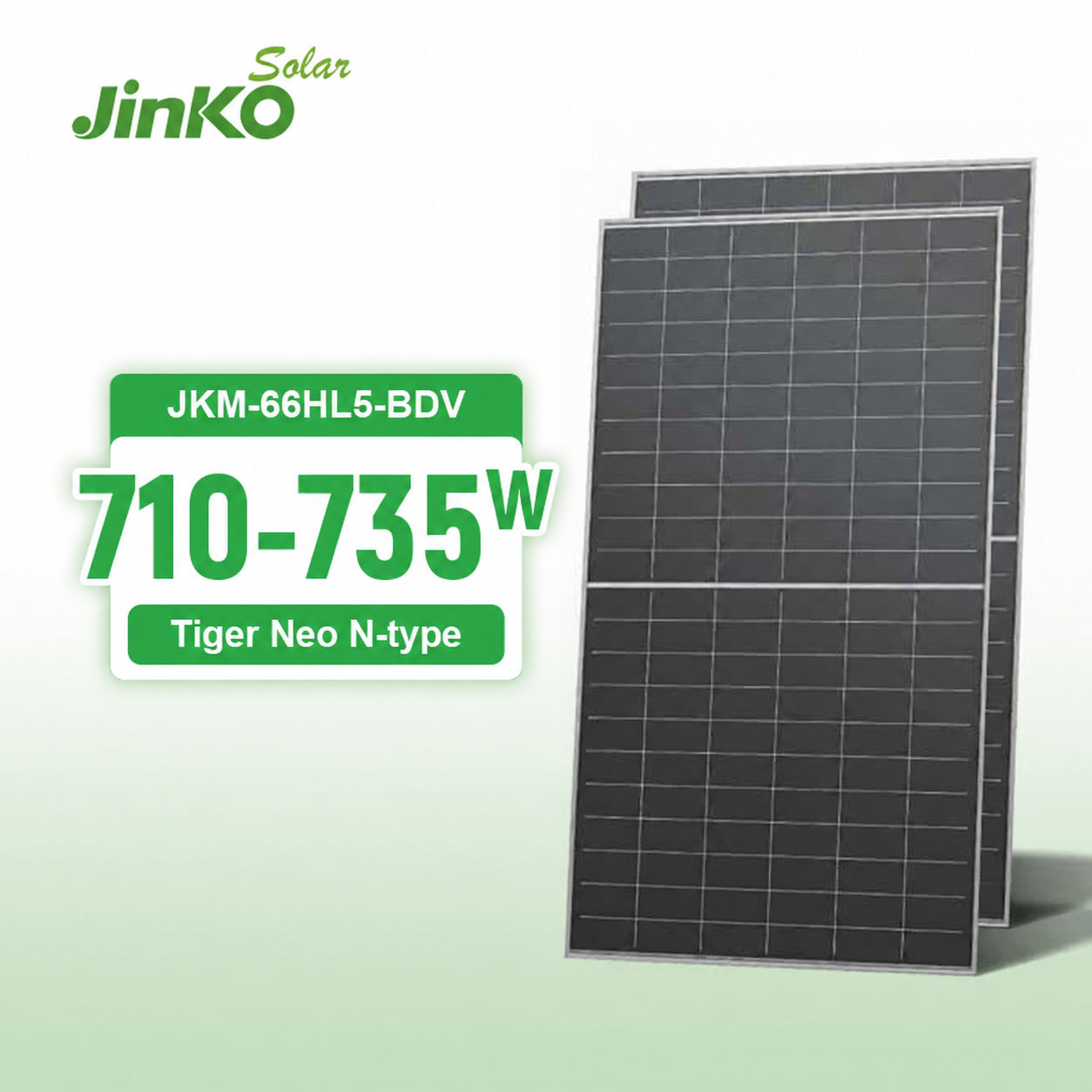
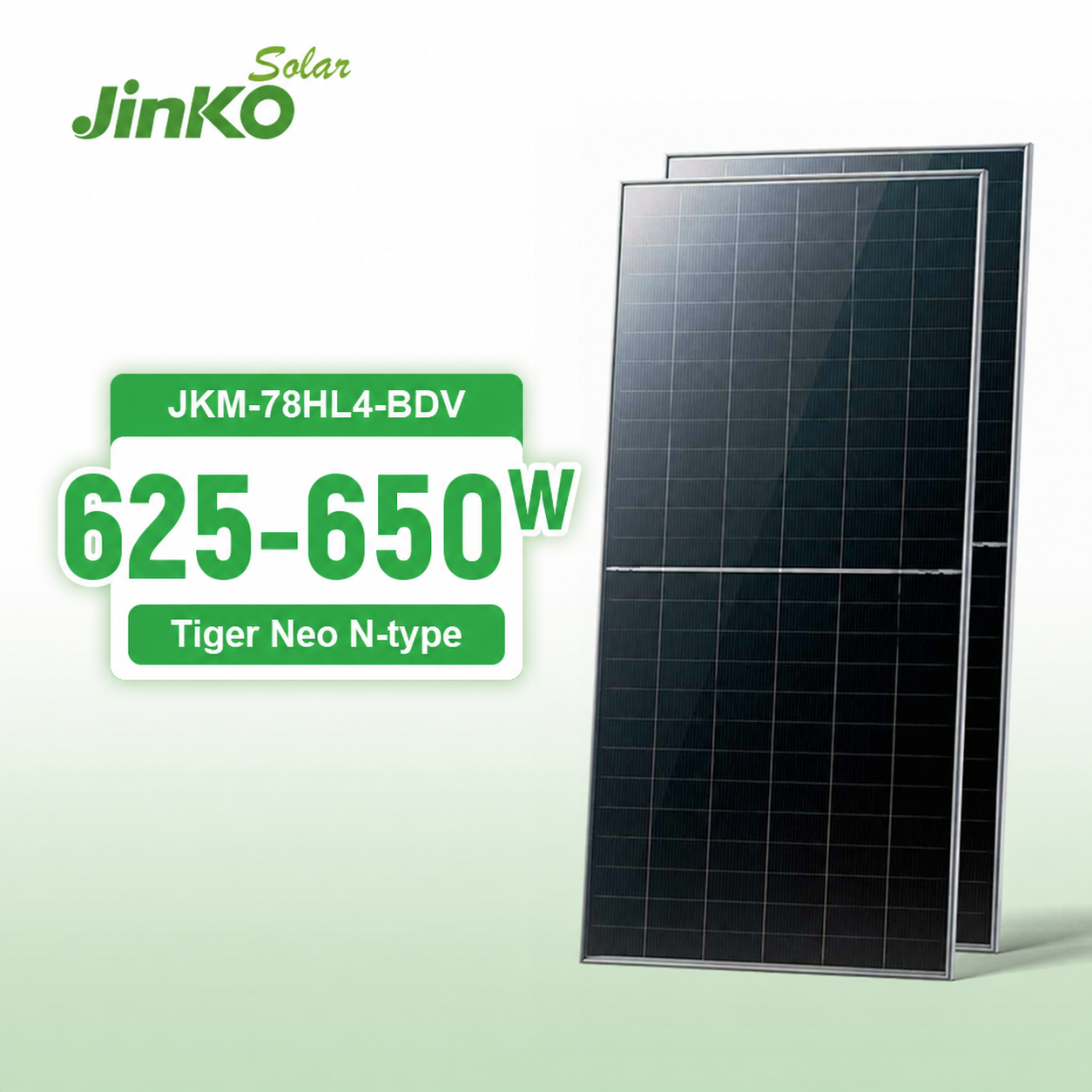
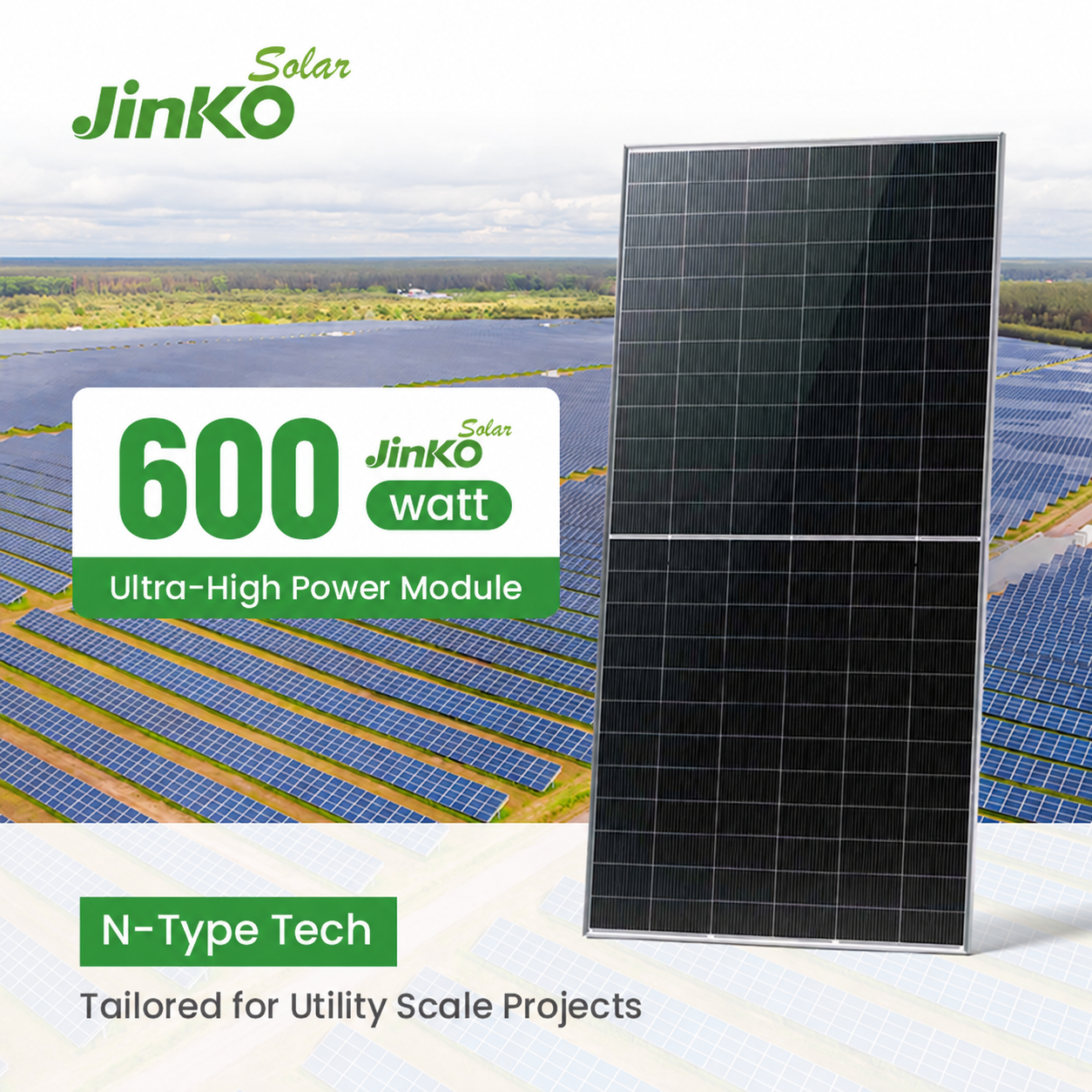
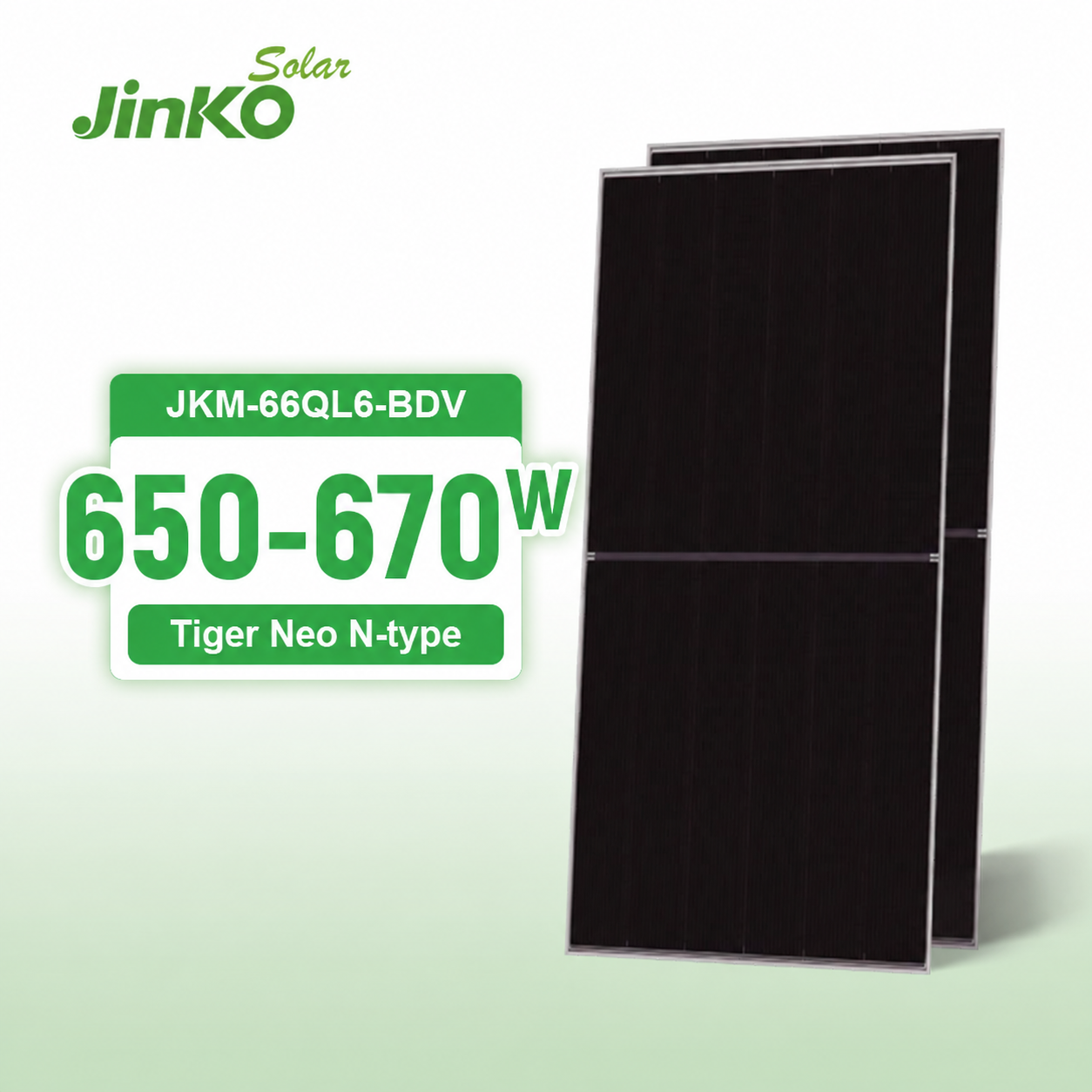
Pre-engineered bifacial solar panels and balanced systems designed to feed deep-cycle lithium and colloidal GEL battery banks with maximum MPPT conversion efficiency.
De-risking Custom OEM Battery Procurement for International B2B Integrators
The global energy storage transition demands higher cycle stability, standardized digital communication, and transparent supply chains. Tier-1 engineering contractors, regional solar distributors, and independent power producers encounter immense friction when procuring unbranded or custom battery packs: mismatched battery management system (BMS) baud rates, inadequate thermal management, and incomplete shipping declarations that stall hazardous cargo in destination customs.
Hangzhou VOLT New Energy bridges the gap between dedicated Chinese cell synthesis facilities, automated module assembly lines, and foreign grid requirements. By combining proprietary ANTOFO series lithium iron phosphate (LiFePO4) architecture, robust colloidal deep-cycle GEL chemistry, and direct factory partnerships with inverter leaders such as Deye and module manufacturers like Jinko Solar, we offer end-to-end original equipment manufacturing (OEM) and original design manufacturing (ODM) services backed by guaranteed protocol matching.
Selecting Between Lithium (LFP) and Deep-Cycle GEL Technologies
B2B project sizing requires an analytical assessment of initial capital expenditure (CAPEX), lifetime levelized cost of storage (LCOS), ambient temperature tolerances, and depth-of-discharge constraints.
LiFePO4 Modular Packs (ANTOFO Series)
Engineered for high-frequency daily cyclic duty in residential ESS, commercial microgrids, and peak-shaving applications. Features smart CAN/RS485 dual-channel BMS telemetry.
- 6,000 to 8,000 cycles at 80% Depth of Discharge
- 95%+ round-trip coulombic efficiency
- Integrated thermal sensors & balance circuitry
- 1/3 weight of traditional lead-acid equivalents
Valve Regulated Colloidal GEL Batteries
Formulated with thixotropic SiO2 gel electrolyte and high-tin lead alloy plates. Ideal for harsh climatic environments, off-grid telecom BTS, and cost-restricted infrastructure installations.
- Extreme thermal operating envelope (-20°C to +55°C)
- Robust resistance to partial state of charge (PSoC)
- Zero acid stratification and spill-proof integrity
- Low upfront CAPEX for budget-sensitive tenders
System Integration & Complete Packages
Factory-harmonized pairings combining tier-1 TOPCon solar modules, Deye hybrid inverters (LV 48V and HV 160V-800V), and customized battery cabinets pre-configured with matched harness kits.
- Single-source warranty and consolidated bills of lading
- Zero protocol communication errors out of the box
- Sized string voltages matching inverter MPPT windows
- Turnkey container optimization reducing ocean freight costs
| Performance Metric | Prismatic LFP Battery Pack (51.2V 100Ah/200Ah) | Deep Cycle GEL Battery (12V 100Ah-250Ah) | B2B Procurement Impact |
|---|---|---|---|
| Usable Cycle Life (80% DoD) | 6,000 - 8,000 Cycles (@ 25°C) | 1,200 - 1,500 Cycles (@ 25°C) | LFP offers a substantially lower lifetime Levelized Cost of Storage (LCOS). |
| Volumetric Energy Density | 110 - 140 Wh/kg | 30 - 40 Wh/kg | LFP reduces warehouse footprint and installer structural mounting loads. |
| Recommended Depth of Discharge | 80% to 90% DoD | 50% DoD standard (max 70% emergency) | GEL requires 1.6x - 2.0x rated capacity oversizing to match daily kWh requirements. |
| BMS Communications & Telemetry | Native CAN 2.0B, RS485, Modbus RTU, Bluetooth | Analog passive (monitored via external shunt) | LFP enables automated inverter handshakes and closed-loop charging profiles. |
| Shipping Classification | UN3480, Class 9 Dangerous Goods (DG) | Non-hazardous (Dry / Sealed GEL cargo) | GEL offers straightforward customs clearance; LFP mandates UN38.3 test certification. |
| Initial Capital Outlay (CAPEX) | Moderate to Premium (Decreasing rapidly) | Lowest Initial Investment | GEL remains preferred for off-grid tenders where short-term budget is capped. |
Future Procurement Trends in Deep Cycle Energy Storage (2025–2030)
B2B importers, EPC contractors, and distributors must position their inventory ahead of major shifts in cell chemistry, communication architectures, and ESG compliance mandates.

1. Migration Toward High-Voltage (HV) Architecture in C&I and Large Residential ESS
While low-voltage (48V / 51.2V) architectures remain the staple for residential installs under 10 kW, utility rates and demand charges are driving the adoption of high-voltage (160V to 800V DC) series stacks. HV battery architecture slashes conductor cross-sectional area, minimizes I²R resistive cable transmission losses, and improves two-way round-trip conversion efficiency through transformerless hybrid inverters by 2.5% to 4%.
For custom OEM buyers, this necessitates factories capable of precise cell internal resistance (IR) matching (ΔIR ≤ 0.05mΩ) across 50 to 200 series-connected cells, coupled with multi-tier master-slave BMS controllers.
2. Sodium-Ion Integration and Cold-Climate Chemistry Hybrids
Procurement teams serving Nordic, Eastern European, and high-altitude Latin American markets face reduced charge acceptance in standard lithium cells below 0°C. While internal PTC heating films provide a temporary fix, the emergence of commercial Sodium-Ion (Na-Ion) cells with operational windows down to -40°C is reshaping cold-climate procurement. OEM factories that provide flexible BMS firmware configurations capable of handling mixed-chemistry discharge logic will lead next-generation tenders.
3. Mandatory Carbon Footprint Disclosures & The EU Battery Passport
Global regulatory frameworks—led by the EU Battery Regulation (Regulation EU 2023/1542)—demand complete traceability of recycled raw materials, supply-chain ESG verification, and QR-code accessible Battery Passports. Procurement contracts in 2025 and beyond will favor manufacturers with certified ISO 14001 facilities and auditable traceability from cathode precursor refining to final pack casing.

End-to-End OEM Engineering & Export Quality Control
Why Tier-1 solar distributors and EPC contractors rely on Hangzhou VOLT New Energy as their dedicated Chinese supply and integration partner.
Verified Inverter Interoperability
Every custom OEM pack is bench-tested against leading hybrid inverters (including Deye, Victron, Growatt, and Solis) over CAN and RS485 before packaging. Eliminates zero-handshake BMS commissioning faults on arrival.
Strict Cell Grade A Screening
We source exclusively factory-fresh, zero-cycle Grade A prismatic cells from tier-1 manufacturers. Automated 4-point sorting ensures rigorous voltage and internal resistance matching within ±0.005V and ±0.05mΩ tolerances.
Dangerous Goods (DG) Logistics
Full UN38.3, MSDS, and maritime packaging declarations prepared in-house. We specialize in mixed-container consolidation—safely loading lithium batteries, solar panels, and inverters together to cut landed freight tariffs.
100+ Global Market Deployments
Proven track record servicing EPCs and wholesale distributors across Europe, Latin America, Africa, and Southeast Asia with compliant CE, IEC, and local grid interconnection certifications.
Comprehensive OEM & ODM Customization Scope
We support distributor white-labeling, bespoke mechanical design, and tailored firmware parameters to help our clients establish distinct domestic brand identities:
Frequently Asked Questions in Custom OEM Battery Procurement
Direct technical answers addressing the real-world operational challenges encountered by procurement officers, engineers, and freight forwarders.