High-Efficiency Photovoltaic Arrays for MPPT Integration
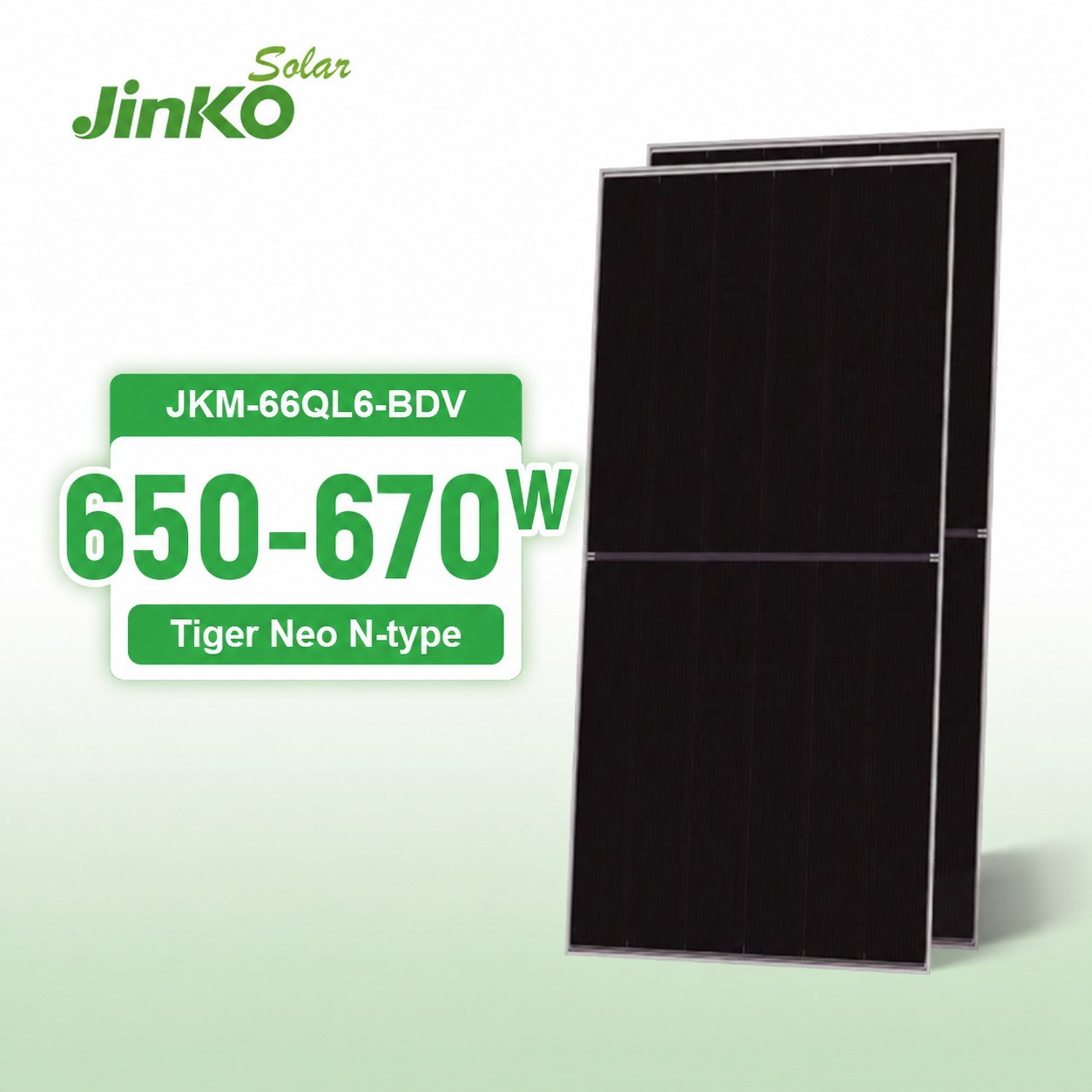
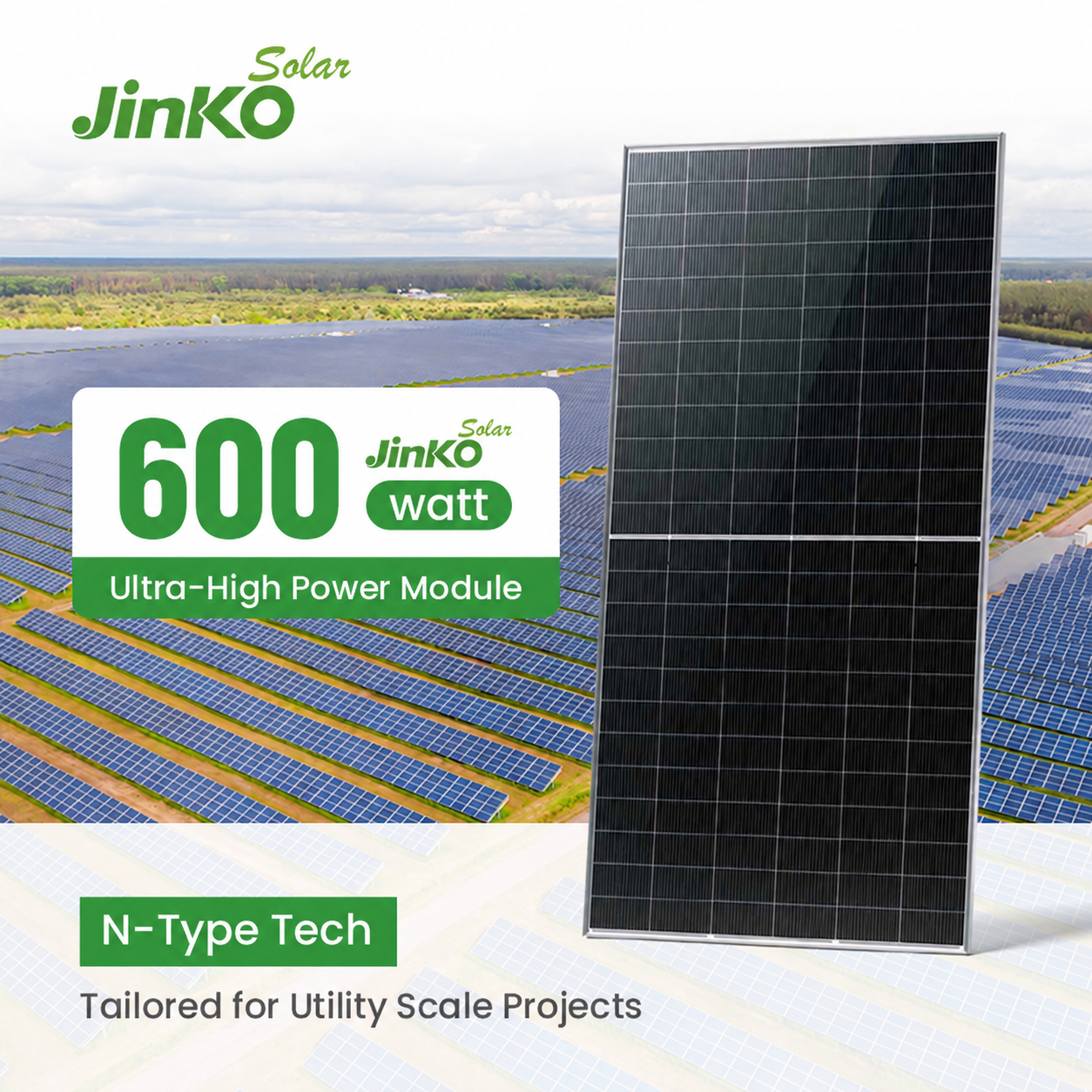
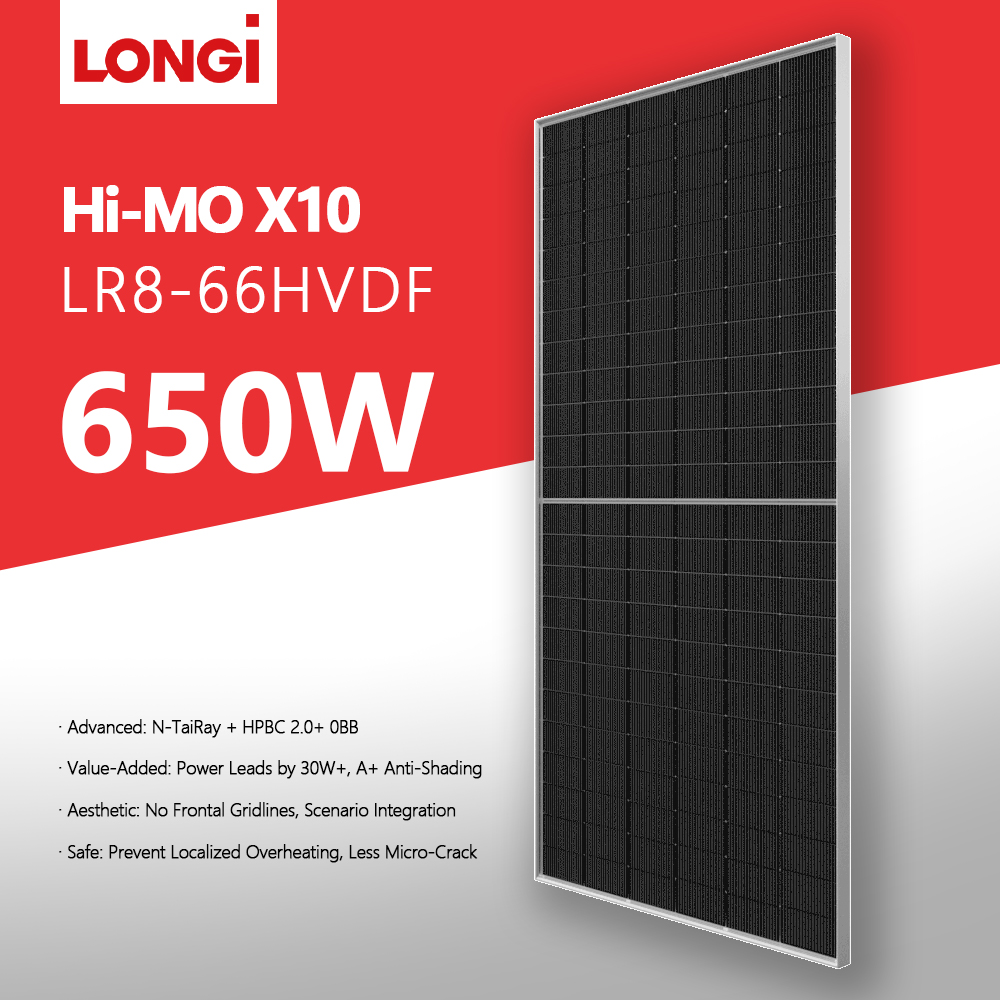
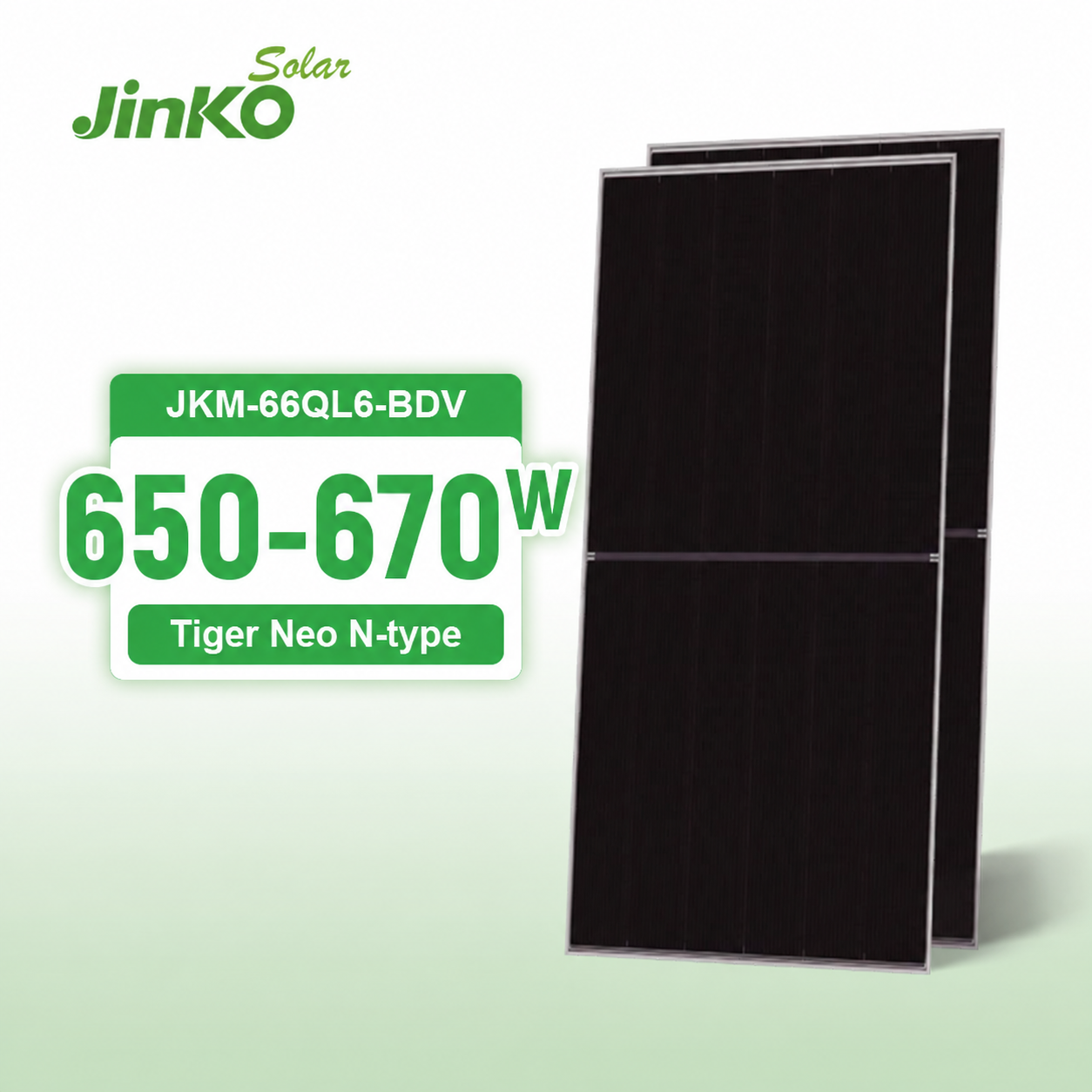
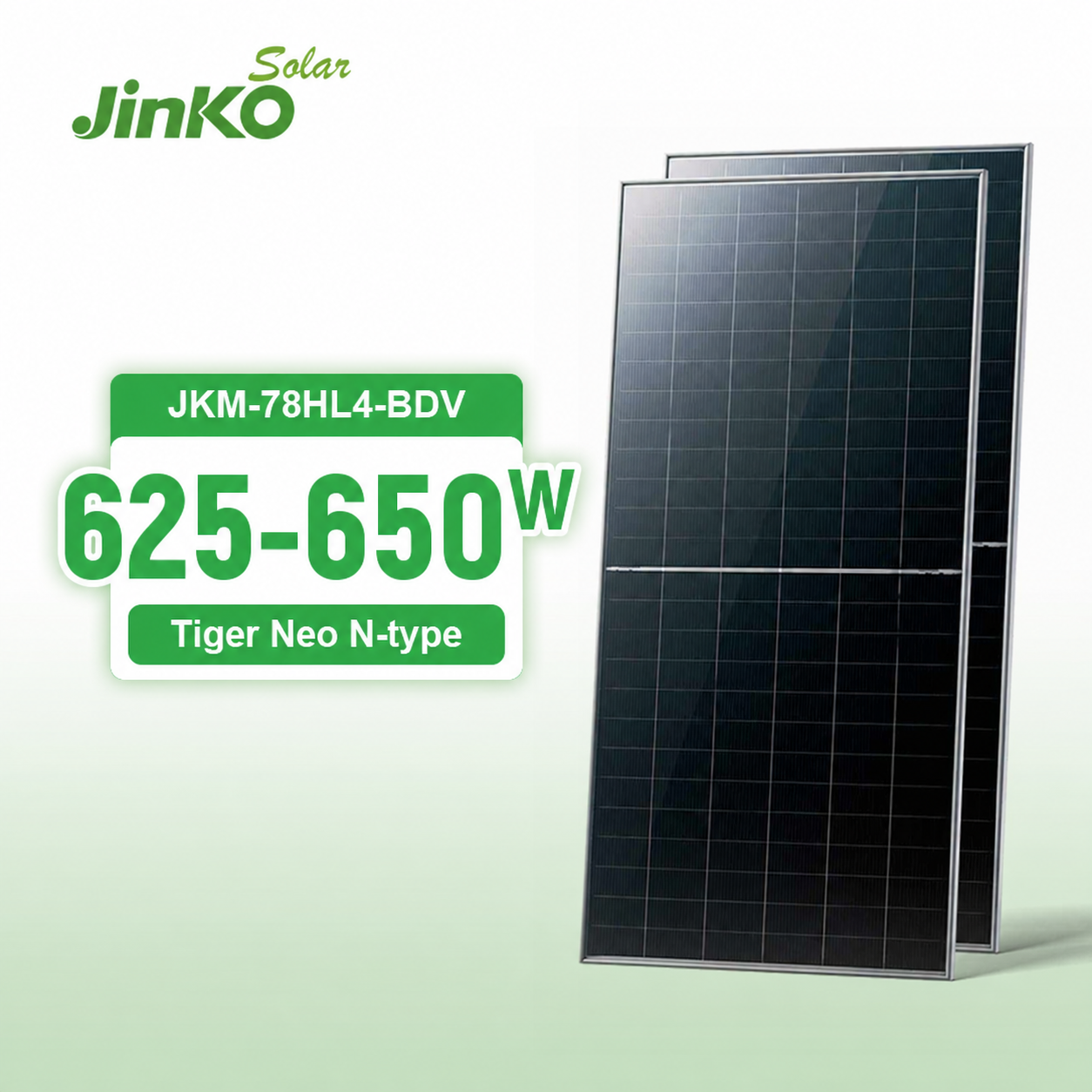
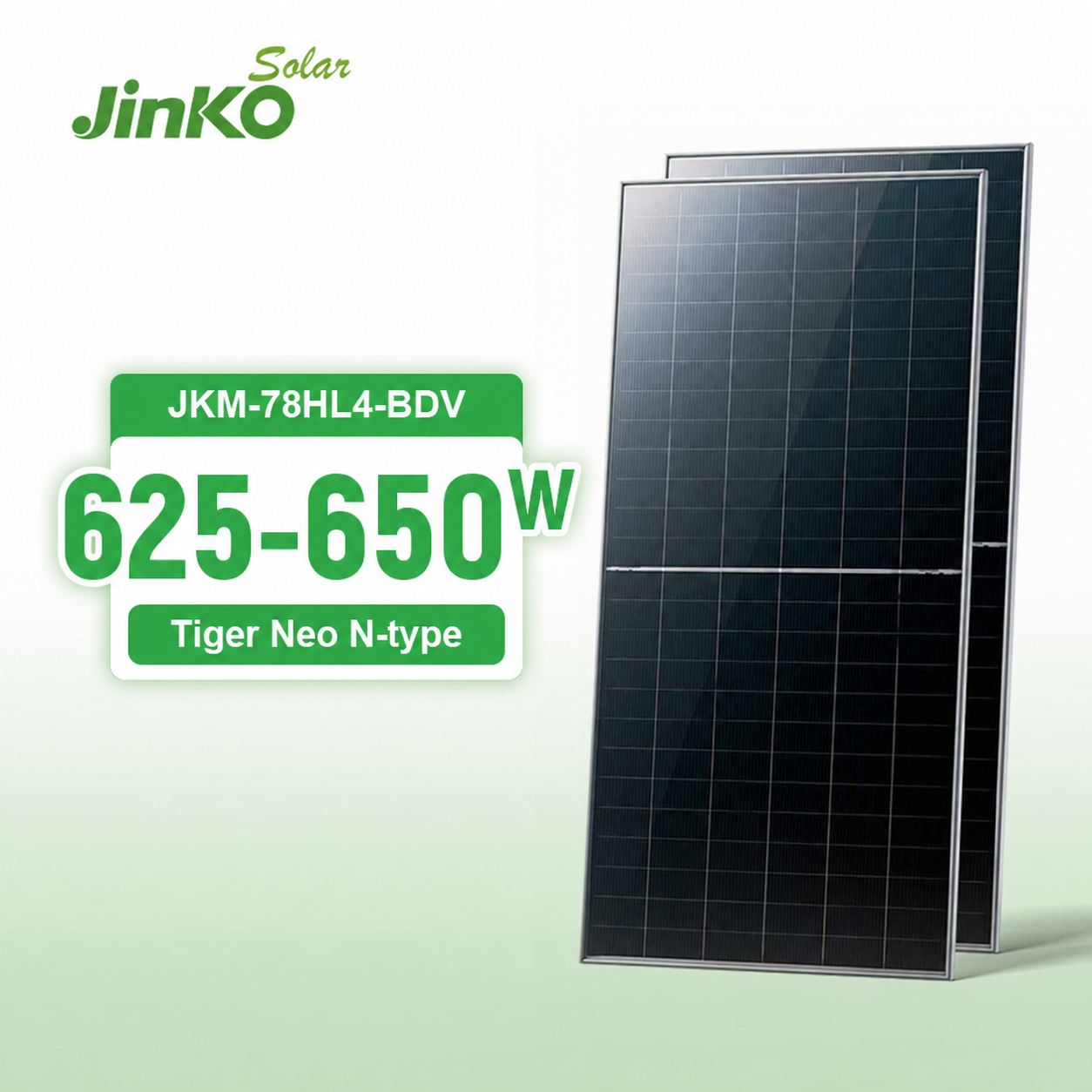
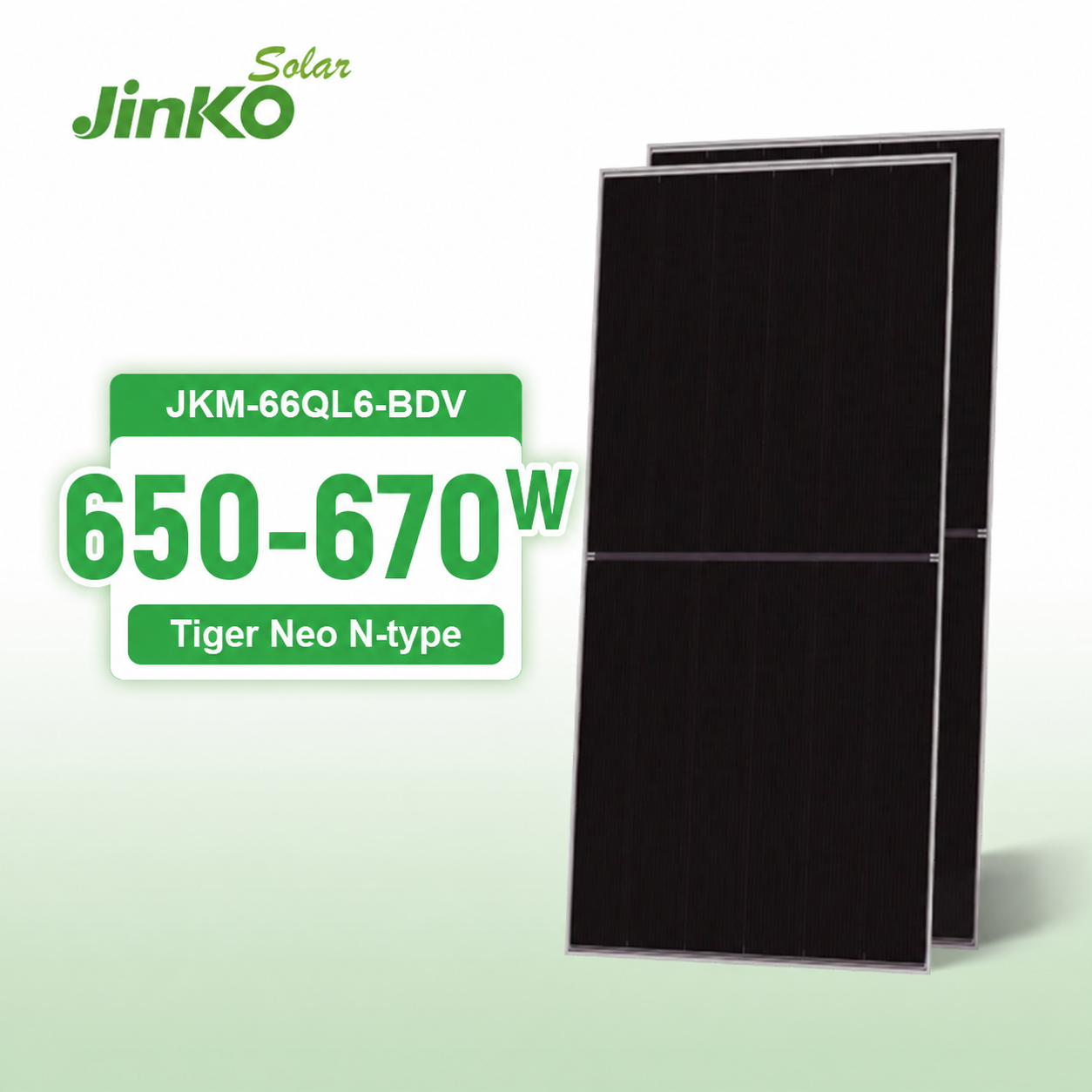
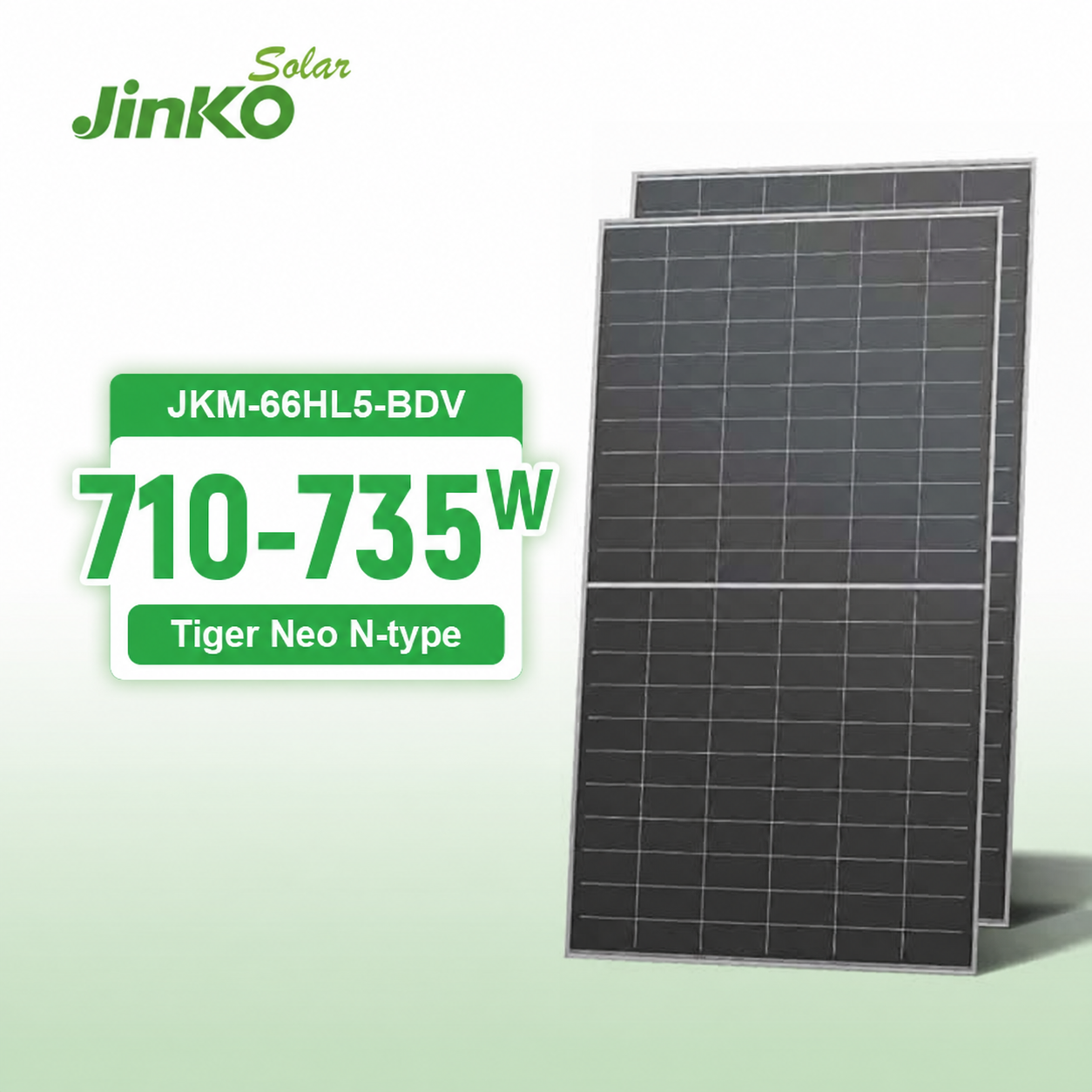
To optimize photovoltaic energy harvest, industrial MPPT charge controllers must match precisely with modern ultra-high-power N-Type TOPCon and Bifacial mono arrays. Browse our verified compatible solar modules for commercial and industrial energy harvesting systems.
Next-Generation OEM MPPT Architecture & Topologies
A rigorous technical breakdown of high-density buck-boost conversion, wide-bandgap semiconductors, and intelligent state-machine algorithms engineered for modern B2B energy deployment.
In modern off-grid, microgrid, and commercial energy storage systems (C&I ESS), the charge controller serves as the fundamental DC-DC conversion gateway. Hangzhou VOLT New Energy Technology Co., Ltd. architects and fabricates custom OEM/ODM Maximum Power Point Tracking (MPPT) controllers that resolve the intrinsic trade-offs between dynamic efficiency, thermal dissipation, and complex battery chemistry compatibility. By integrating multi-phase interleaved synchronous rectification (MPSR) and advanced DSP-driven Perturb & Observe (P&O) combined with Incremental Conductance (INC) algorithms, our systems achieve conversion efficiencies up to 98.7% and tracking efficiencies exceeding 99.6%.
Multi-Phase Interleaved Rectification
Traditional single-phase buck topologies suffer from high ripple current and localized thermal stress on inductive chokes. Our OEM design implements 2-phase to 4-phase interleaved synchronous switching, cancelling input and output current ripples while reducing inductor volume by 35%.
- Reduced stress on solid electrolytic capacitors
- Lower conduction loss via low-RDS(on) MOSFETs
- High current density (up to 120A continuous)
Global Fast-Sweep Algorithms
Complex environmental conditions—including cloud movement, partial tree canopy shadowing, and bifacial rear-side albedo mismatch—generate multiple local maximum power points (LMPP). Our dual-core DSP sweeps the complete voltage curve within 200ms to locate the true Global MPP (GMPP).
- Overcomes non-uniform irradiance losses
- Prevents algorithm latching at false peaks
- 99.6% tracking accuracy across unstable weather
Universal Battery Chemistry Firmware
Different electrochemical cells demand exact terminal charge regimes. Our OEM firmware incorporates granular parameter adjustments for Lithium Iron Phosphate (LiFePO4), Ternary Lithium, Deep-Cycle Colloidal GEL, and AGM batteries, complete with low-temperature charge cutoff protocols.
- Customizable 3-stage & 4-stage charging stages
- Built-in 0V activation for deep-sleep BMS packs
- Independent over-voltage & reverse polarity protection
| Controller Series Class | System Voltage (Auto/Manual) | Max PV Input Voc | Max Charging Current | Peak Efficiency | Communication & Telemetry | Thermal Dissipation Type |
|---|---|---|---|---|---|---|
| C-Pro Series (Light Commercial) | 12V / 24V / 36V / 48V Auto | 150V – 200V | 40A / 60A / 80A | 98.2% | RS485, Modbus-RTU, Bluetooth | Die-cast Aluminum Natural Convection |
| InduMax Series (Heavy Industrial) | 48V / 96V / 192V / 384V | 250V – 450V | 80A / 100A / 120A | 98.7% | CAN 2.0B, RS485, Ethernet, dry contact | Smart Speed-Controlled Fan Cooling |
| MicroHV Series (Utility Microgrid) | 192V / 240V / 384V / 480V | 500V – 600V | 100A – 200A Modular | 98.9% | CANbus, Modbus-TCP/IP, MQTT IoT | Forced Duct Cooling + Dust Protection |
| Custom OEM Telecom Line | -48V Dedicated Telecom | 150V – 250V | 50A / 100A Rack-mount | 98.4% | SNMP, RS232, RS485, CAN | 19-inch 2U/3U Rack Subrack Chassis |
Hangzhou VOLT New Energy: Your Proven Manufacturing Partner
Located in the heart of Zhejiang's high-tech manufacturing corridor, Hangzhou VOLT New Energy Technology Co., Ltd. provides comprehensive engineering, OEM component matching, and volume assembly services for international importers, distributors, and EPC entities.
Our operational framework is engineered around reliability. In solar electronics, component failure leads to costly field warranty dispatches and customer churn. That is why every custom OEM MPPT charge controller leaving our facility undergoes rigorous functional qualification, including full-load thermal burn-in, CAN/RS485 handshake validation against Deye and Tier-1 LFP battery protocols, and multi-angle insulation tests.




End-to-End MPPT Customization for Private Labels
From schematic level hardware adaptation to custom firmware protocols and ruggedized enclosures, we help clean energy brands establish differentiated hardware portfolios.
Hardware Customization
Engineered selection of inductors, MOSFETs, and terminals to fit unique operational environments. Choose between terminal blocks, MC4 direct sockets, or industrial Anderson lugs.
- Custom PCB layouts & 3-proofing lacquer
- Voltage rail scaling: 12V up to 600V DC
- Class B EMI/EMC compliance filtering
Firmware & Protocol Tailoring
Seamless network integration into remote monitoring environments. Pre-configured CANbus/RS485 communication protocols that natively bridge with Deye, Growatt, and Victron networks.
- Custom BMS CAN protocol handshakes
- Proprietary Modbus address mapping
- OEM branded mobile app (iOS/Android)
Enclosure & Thermal Engineering
Extruded and die-cast aluminum heat-sinks precision-modeled via Computational Fluid Dynamics (CFD). IP20 indoor to IP65/IP67 waterproof rated cases for harsh desert or marine conditions.
- Corrosion-resistant anodized enclosures
- Silent fanless convection designs up to 60A
- Shock-resistant rack-mount form factors
Brand Identity & Packaging
Complete white-label and private branding solutions. We transform high-efficiency electronics into your turnkey proprietary product family ready for commercial distribution.
- Silk-screened logos & custom colorways
- Custom LCD/LED graphical interfaces
- Multi-language manuals & drop-test cartons
Future Procurement Trends & Technology Roadmap (2025–2030)
Key technological inflections shaping how distributors, system builders, and EPC engineers purchase MPPT technology over the coming decade.
1. Transition to Wide-Bandgap GaN & SiC
The adoption of Gallium Nitride (GaN) and Silicon Carbide (SiC) power switches represents the most critical hardware evolution in MPPT design. Traditional silicon MOSFETs experience severe switching losses above 50 kHz. Wide-bandgap materials allow switching frequencies exceeding 150 kHz–300 kHz.
This allows manufacturers to dramatically decrease the physical footprint of magnetic chokes, doubling volumetric power density and lowering controller operating temperatures by 12–18°C under continuous maximum load.
2. High-Voltage DC Coupling Architecture
In residential and small commercial sectors, 48V low-voltage battery banks are rapidly yielding ground to high-voltage battery racks (192V, 384V, up to 600V DC). High-voltage MPPT architectures slash I²R resistive losses by up to 75% across cabling runs.
For distributors, stocking high-voltage MPPT controllers enables seamless coupling with modern hybrid high-voltage inverters, eliminating double-conversion DC-AC-DC thermodynamic losses in energy storage setups.
3. Edge IoT & Predictive Asset Diagnostics
Procurement teams are prioritizing intelligent controllers capable of telemetry streaming via MQTT, 4G LTE-M, and integrated Wi-Fi. Future-ready MPPTs analyze real-time I-V curve degradation directly at the edge, alerting asset owners to soiling, PID (Potential Induced Degradation), or string diode breakdowns.
This edge intelligence drastically lowers Levelized Cost of Energy (LCOE) and turns charge controllers into central diagnostic units for remote off-grid installations.
Frequently Asked Questions by B2B Buyers & Importers
Essential electrical engineering and supply chain factors to evaluate before locking down OEM production schedules.
How do you size the MPPT Maximum PV Input Voltage (Voc) safely against winter temperature coefficients?
A classic failure point in solar electronics is over-voltage destruction caused by sub-zero temperature spikes. PV panels feature a negative voltage temperature coefficient (typically -0.26% to -0.35%/°C). At -20°C, a 50V open-circuit panel can jump to nearly 60V. Our engineers compute the historic regional lowest temperature record and enforce a minimum 15% to 20% voltage buffer between your string Voc and the controller's upper MOSFET breakdown voltage rating.
Can your OEM controllers coordinate with Deye hybrid inverters and customized BMS protocols?
Yes. Hangzhou VOLT New Energy specializes in system-wide protocol harmonization. We verify CANbus and RS485 communication packets, register maps, and DIP-switch parameters prior to loading. Whether pairing with Deye hybrid power electronics or custom 48V/51.2V LiFePO4 batteries, our controllers communicate seamlessly via matching Baud rates and structured cyclic redundancy checks (CRC).
What is the difference between MPPT and PWM, and how is the ROI justified for end-clients?
A Pulse Width Modulation (PWM) controller simply closes an electronic switch between the PV module and the battery, forcing the array to operate at battery voltage (e.g., pulling a 38V Vmp panel down to 26V on a 24V battery, discarding over 30% of power). An MPPT controller functions as a high-frequency DC-to-DC converter that decouples the input and output voltages. In cold or cloudy conditions, an MPPT harvests 25% to 40% more kilowatt-hours, typically amortizing the initial hardware premium within 6 to 14 months.
What is the Minimum Order Quantity (MOQ) and lead time for private label OEM runs?
Standard white-label programs with custom laser-etched nameplates and customized software starts from an accessible 50 units. Full-case bespoke tooling, custom mold colorways, and proprietary packaging typically require 200–500 units depending on chassis complexity. Standard production cycles run between 18 to 25 business days from final engineering schematic and artwork sign-off.
How are lithium battery banks safely revived if the BMS trips into deep undervoltage protection?
Standard charge controllers rely on sensing battery terminal voltage to turn on internal logic power. If a lithium pack drops below its low-voltage cutoff threshold, the BMS isolates the terminals, showing 0V and locking standard controllers in standby mode. Our OEM MPPT controllers incorporate an isolated auxiliary bootstrap circuit that delivers a regulated trickle pulse to wake up sleeping BMS ICs and initiate recovery charging without requiring external AC power.
What export compliance documentation is provided for maritime and customs clearance?
Controllers ship with verified CE (EMC/LVD), RoHS, and FCC test reports. When exported as integrated packages alongside Lithium Iron Phosphate (LiFePO4) energy storage batteries, our logistics department prepares full Class 9 Dangerous Goods documentation, including UN38.3 test summaries, MSDS, sea container packing certificates, and pre-vanning inspection paperwork for straightforward global clearance.
Scale Your Solar Brand with Factory-Direct Engineering
Speak with our senior application engineering team in Hangzhou. Receive a customized specification proposal, detailed Modbus protocol map, and commercial volume pricing tailored to your territory.