Tier-1 Engineering & Turnkey Energy Storage

Custom OEM OPzS Solar Battery Manufacturer & Supplier

DIN 40736-1 Compliant Tubular Lead-Acid Batteries, High-Capacity 2V Flooded Cells, and Fully Synchronized Solar Photovoltaic Generation Kits for Global Utility, Microgrid, and Critical Infrastructure Projects

20+ Years
Design Float Life at 20°C (DIN 40736-1)
3,000+
Deep Discharge Cycles (60% DoD)
100+
Export Destinations Worldwide
99.994%
Primary Electrolytic Lead Virgin Purity
Pre-Engineered System Integration

Matched Components for Turnkey OPzS Solar Deployments

OPzS flooded tubular storage delivers unparalleled thermodynamic stability when coupled with Tier-1 bifacial photovoltaic panels and hybrid inverter topologies. Explore our 8 core matched generation and conversion assets.
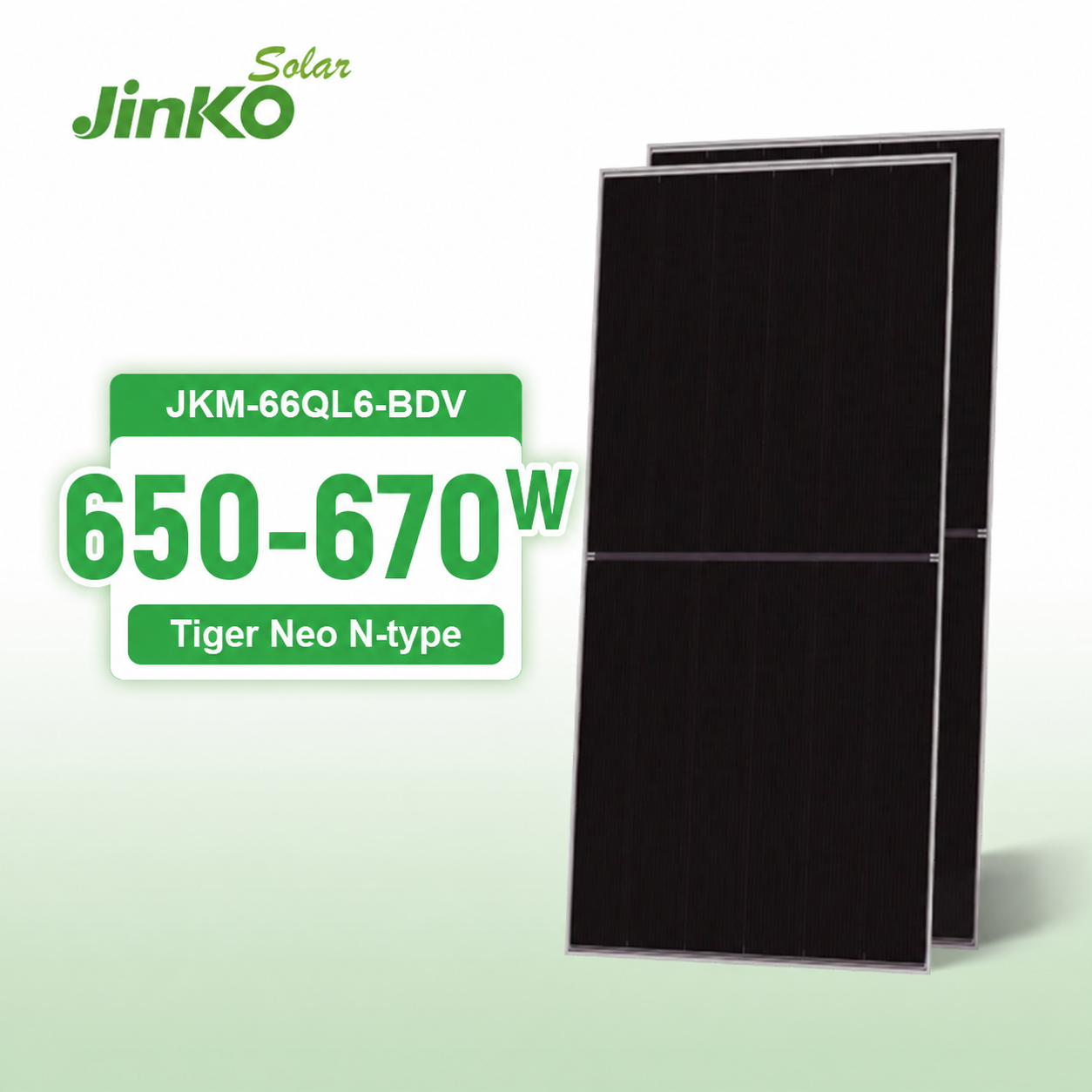
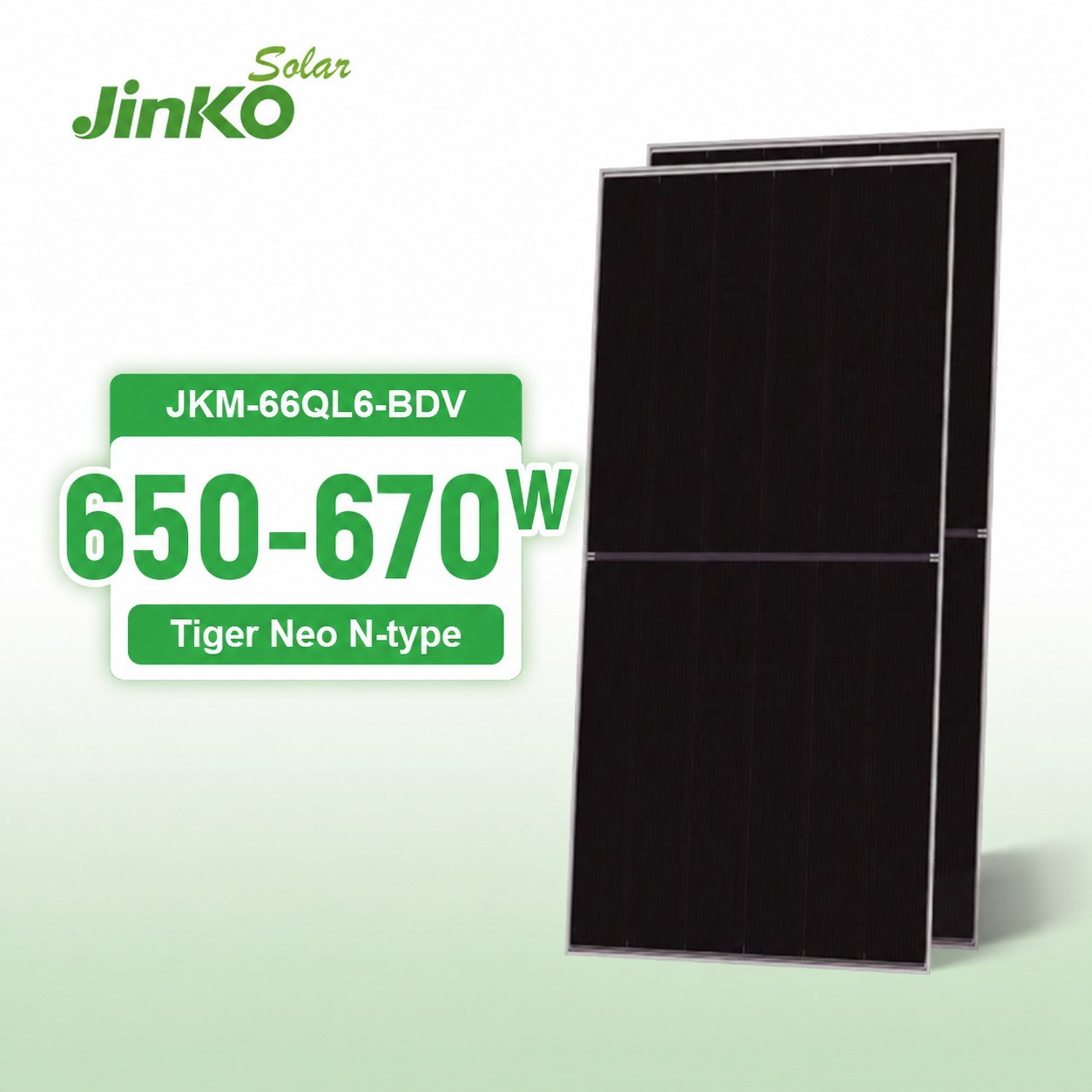
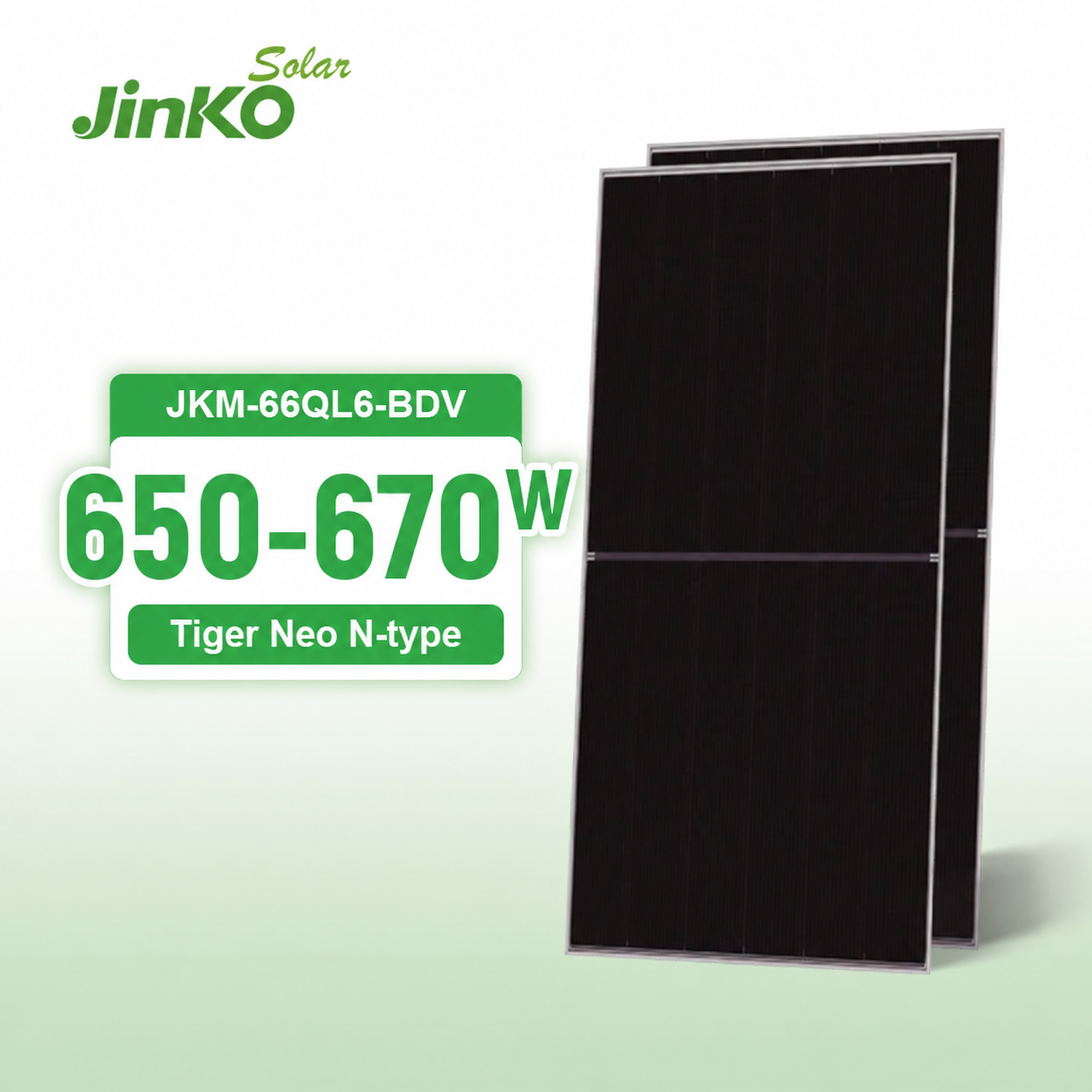
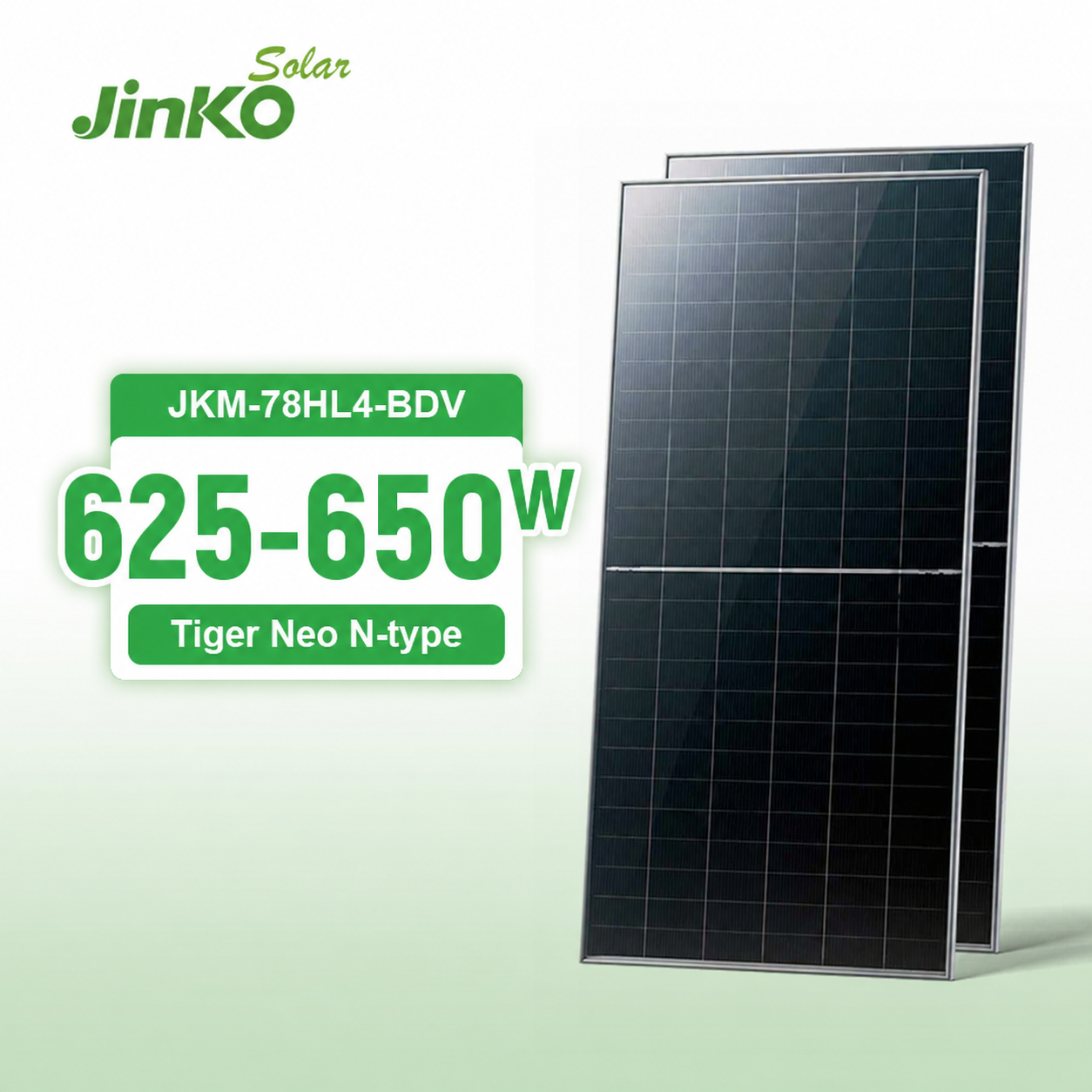
TOPCon Mono Jinko Wholesale Pv Modules 650W 660W 670W Bifacial Double Glass N Type Solar Panel for Farm

Jinko Wholesale PV 650W-670W Bifacial N-Type Panel

High-gain bifacial architecture optimized for agricultural solar farms, heavy-duty utility arrays, and multi-megawatt OPzS bank charging.
View Specifications
Industrial Dual Glass Jinko Panneau Solaire 660w 650W 660W 670W N Type Bifacial Dual Glass Photovoltaic Panel for Industrial

Jinko Panneau Solaire 650W-670W N-Type Dual Glass

Rugged dual-glass construction resilient against harsh ammonia and saline environments, engineered for industrial-grade battery charging.
View Specifications
Ultra High Yield Jinko TOPCon Bifacial Paneles Solares 650 w 650W 660W 670W Monocrystalline High Efficiency PV Panel for Solar Farm

Jinko TOPCon Bifacial 650W-670W Monocrystalline

Advanced SMBB technology delivering 22.5%+ module conversion efficiency, ensuring rapid charging cycles for high-capacity 2V cell banks.
View Specifications
Rooftop & Microgrid Jinko N Type Bifacial Pv Panels 650W 630W 645W Double Glass High Efficiency Solar Module for House Roof

Jinko N-Type Bifacial 630W-650W Double Glass Module

Engineered for commercial rooftops and off-grid remote estates requiring zero light-induced degradation (LID) and long-term durability.
View Specifications
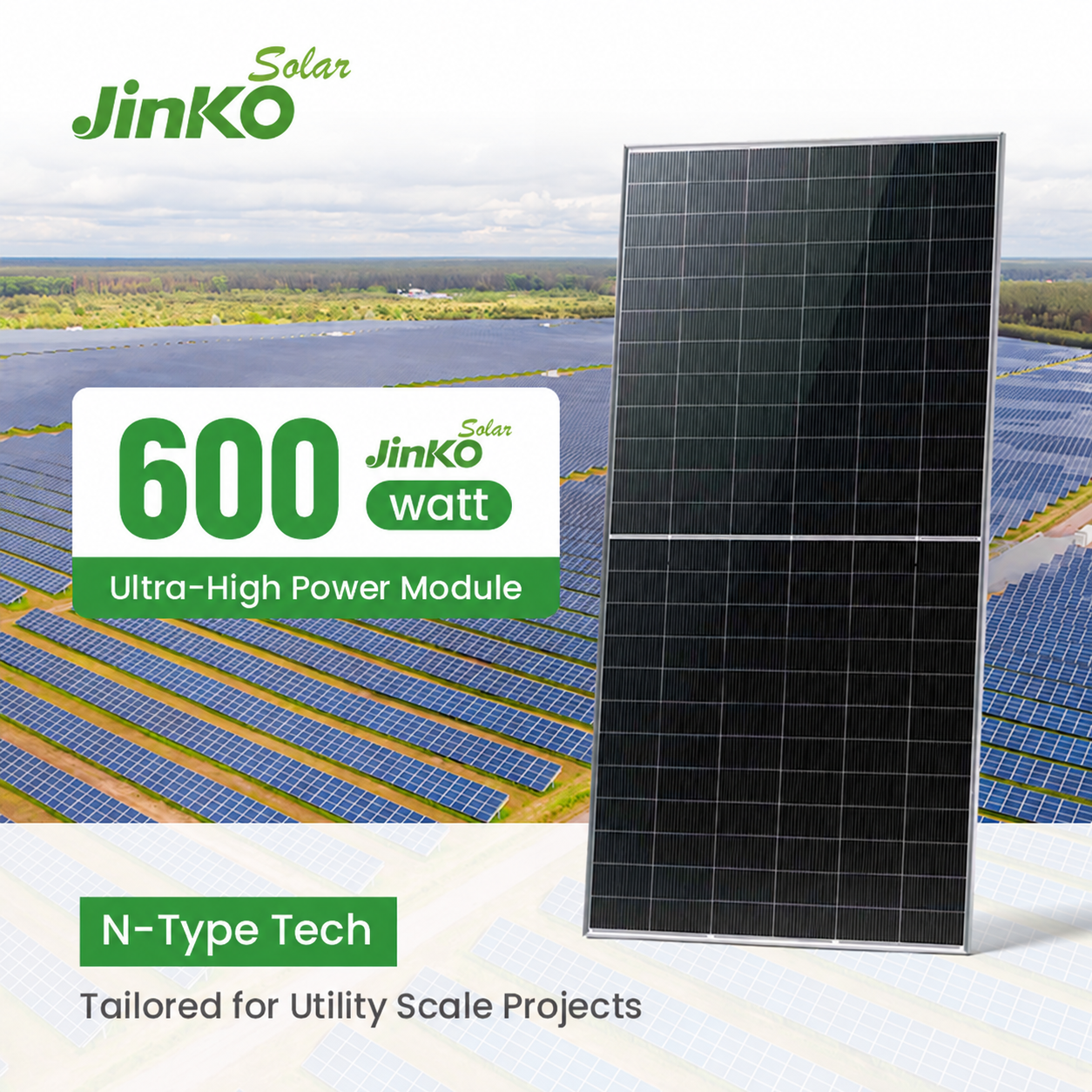
Compact Dual Glass Jinko N Type Bifacial 600W 580W 590W Dual Glass Photovoltaic Solar Panel for Industrial

Jinko N-Type Bifacial 580W-600W PV Solar Module

Optimized electrical footprint for medium-scale industrial installations, telecommunication towers, and standalone relay base stations.
View Specifications
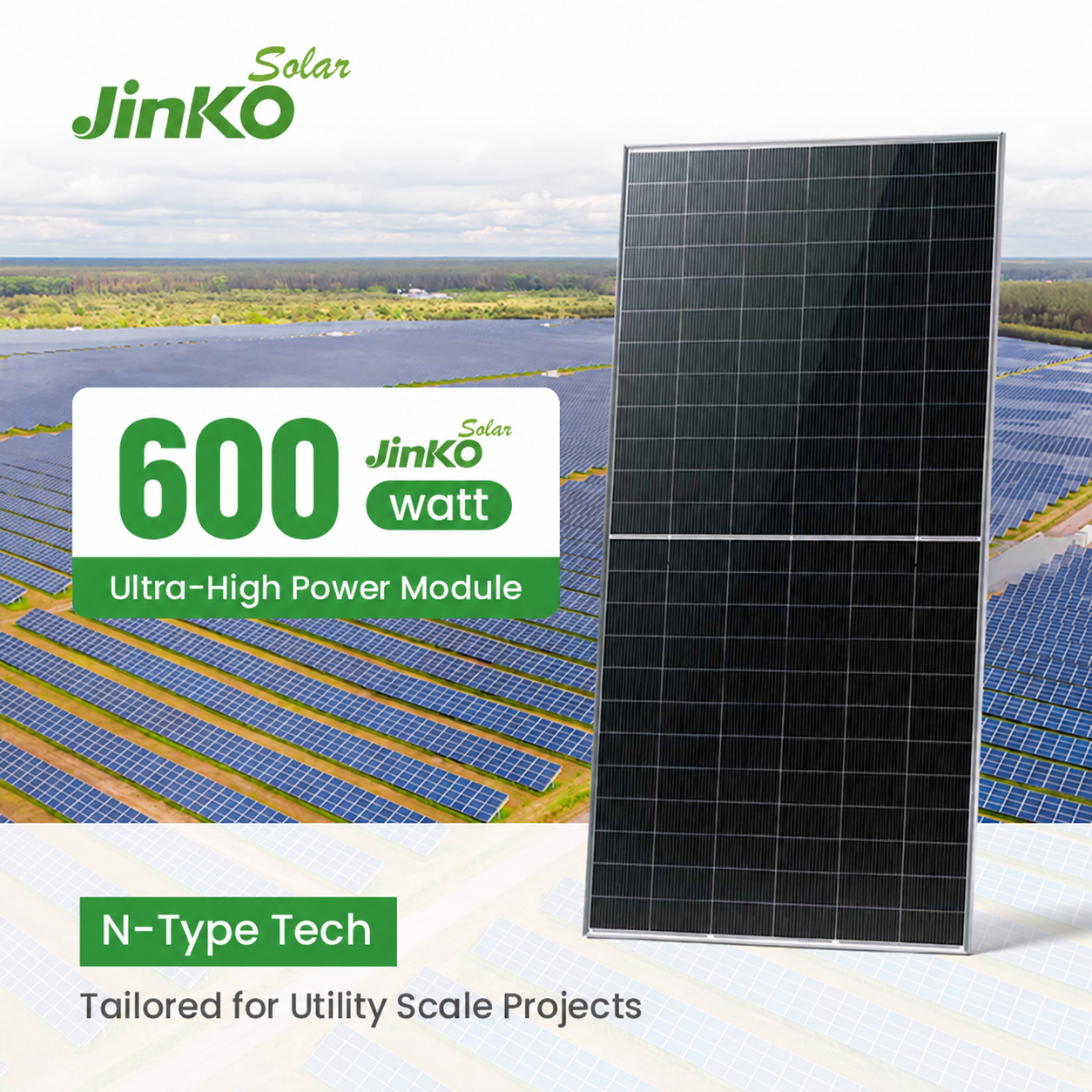
Commercial Grade Jinko Solar Panels 580W 590W 600W 600 W N Type Double Glass High Efficiency Solar Panel for Commercial

Jinko Commercial 580W-600W N-Type PV Panel

High mechanical wind and snow loading tolerance with optimized open-circuit voltage characteristics for MPPT battery charge controllers.
View Specifications
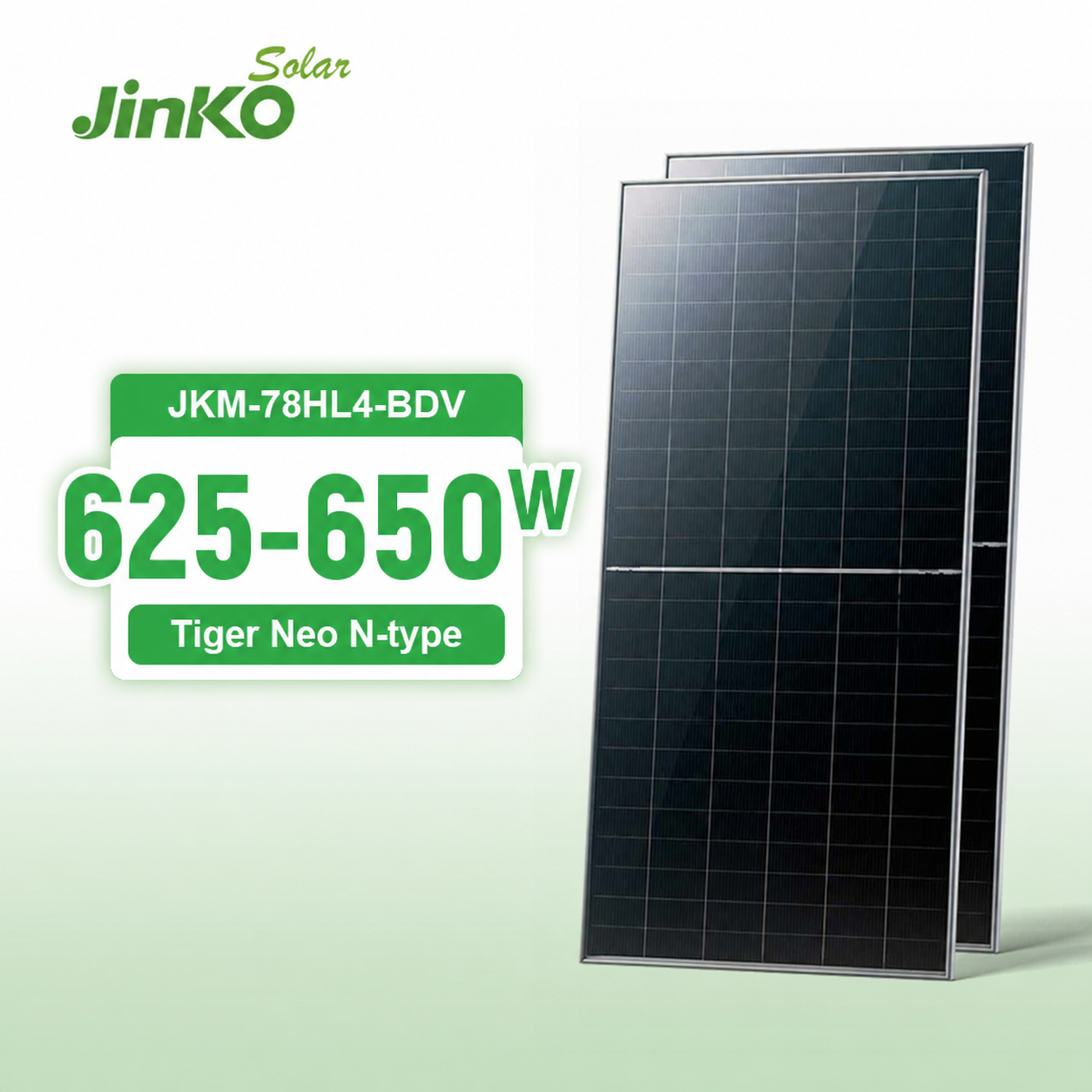
Bulk Warehouse Stock Jinko Bulk 630W 625W 640W TOPCon Bifacial Monocrystalline High Efficiency PV Panel in Stock

Jinko Bulk 625W-640W TOPCon Bifacial PV Panel

Immediate factory inventory available for turnkey containerized consolidated delivery alongside OEM OPzS battery racks.
View Specifications
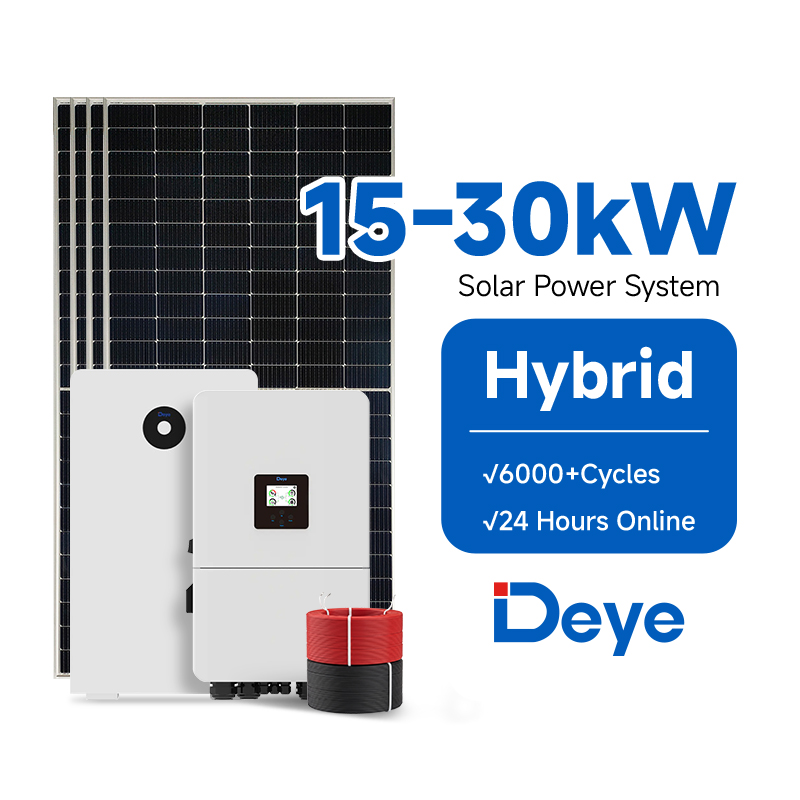
Hybrid Inverter / ESS Low DC Voltage Battery Support Deye Hybrid Inverter ESS 5kw 10kw 15kw 20kw 30kw Mounting System

Deye Low-Voltage Hybrid Inverter ESS 5kW-30kW

Native 48V DC bus compatibility engineered with multi-stage programmable bulk, absorption, float, and equalization charge logic.
View Specifications

Executive Summary: The Technical Superiority of Flooded Tubular OPzS Batteries

In an era dominated by lithium supply chain volatility, thermal runaway concerns, and recycling bottlenecks, stationary tubular flooded lead-acid batteries—universally designated by the German standard OPzS (Ortsfeste PanZerplatte Flüssig)—remain the ultimate benchmark for mission-critical, deep-cycling stationary energy storage. Engineered according to DIN 40736-1 standards, OPzS cells provide an unmatched service life exceeding 20 years in float operation and over 3,000 cycles at 60% Depth of Discharge (DoD) under moderate ambient thermal environments.

The defining engineering differentiator of an OEM OPzS battery lies in its tubular positive plate construction. Conventional flat-pasted lead-acid plates suffer from structural fatigue, positive grid corrosion, and active material shedding during intense cyclic discharge-recharge routines. In contrast, our custom-manufactured OPzS positive plates employ high-pressure die-cast antimony-free or low-antimony (Pb-Sb < 1.6%) spines encased within woven polyester multi-tube gauntlets. This gauntlet structure locks the active lead dioxide ($PbO_2$) mass firmly against the conductive core, completely eliminating shedding and internal short-circuit paths caused by sediment accumulation.

Key Architectural Advantage: Transparent SAN (Styrene Acrylonitrile) containers allow visual inspection of internal plate health, sediment levels, and acid specific gravity without interrupting critical online loads.
Performance Metric Custom OEM OPzS (Flooded Tubular) OPzV (Tubular GEL VRLA) Lithium Iron Phosphate (LFP)
Design Life (Float at 20°C) 20+ Years (DIN 40736-1) 15–18 Years (DIN 40742) 10–15 Years (Cell Dependent)
Cycle Life (60% DoD, 25°C) 3,000–3,500 Cycles 2,200–2,500 Cycles 4,000–6,000 Cycles
Thermal Runaway Risk Virtually Zero (Aqueous Electrolyte) Extremely Low (Gel Immobilized) Moderate (Requires Complex BMS)
Operating Temperature Window -20°C to +55°C (High Tolerance) -15°C to +45°C 0°C to +45°C (Charging Inhibited <0°C)
Electrolyte Stratification Mitigation Achieved via Gassing Equalization Prevented via Thixotropic Silica Gel Not Applicable (Solid/Liquid Salt)
Circular Economy / Recyclability 99.2% Closed-Loop Recyclable 98.5% Recyclable < 15% Economic Recovery Rate
Levelized Cost of Storage (LCOS) Lowest in Remote Solar Microgrids Medium Sensitive to Replacement CAPEX
Tailored Engineering Capabilities

Custom OEM & ODM OPzS Battery Manufacturing Solutions

From single cell capacities of 100Ah (2V) up to 3,500Ah (2V), our automated production facilities deliver purpose-built DC storage banks matching exact EPC project engineering constraints.

Lead-Selenium Alloy Spines

Utilizing high-pressure die casting machines under 15 MPa pressure, our spines eliminate porosity. Low antimony with selenium crystal refining yields water consumption intervals exceeding 3 years.

Impact-Resistant SAN Jars

Molded with crystal-clear Styrene Acrylonitrile (SAN) equipped with graduated electrolyte min/max lines. Highly resistant to chemical degradation, mechanical shocks, and UV exposure.

Labyrinth Vent Plugs

Equipped with ceramic flame-arresting filtering plugs preventing acid aerosol emissions while allowing safe gas release. Optional catalytic recombination vent caps minimize topping-up to zero.

High-Integrity Terminal Posts

Sliding pole bushing design with dual brass inserts and fluororubber O-rings accommodates natural plate growth throughout a 20-year span, totally eliminating post leakage.

Future Procurement Trends: Strategic Energy Storage Market Dynamics (2025–2035)

As global power generation accelerates decarbonization, energy procurement directors, EPC contractors, and microgrid developers are re-evaluating electrochemical storage through the rigorous prism of Total Cost of Ownership (TCO), sustainability regulations, and fire safety mandates. The global procurement landscape for OPzS solar storage is characterized by three major structural shifts:

1. Rise of Hybrid Chemistry Architectures

Large-scale solar microgrids are transitioning to hybridized storage topologies. Engineers pair high-power Lithium LFP packs (for rapid solar frequency response) with high-capacity OPzS flooded tubular banks (for sustained 8-to-24 hour baseload discharge and extreme heat resilience), maximizing cycle economics while hedging against catastrophic battery thermal loss.

2. ESG & Stringent Carbon Border Directives

With regulations such as the EU Battery Passport and stringent international ESG reporting, the 99%+ proven metallurgical recycling chain of lead-acid provides an enormous compliance advantage over lithium-ion, whose pyrometallurgical recovery remains cost-prohibitive and carbon-intensive.

3. Smart Remote Monitoring & Catalysis

Procurement specifications now frequently mandate the integration of gas-recombining catalytic plugs (achieving 98% hydrogen-oxygen water recreation) and automated Hall-effect individual cell voltage and specific gravity transducers that report directly to SCADA systems via Modbus RTU.

Onsite Verified Supply Chain

Why International Distributors & EPCs Choose VOLT New Energy

We eliminate cross-border sourcing risks through deep component synchronization, automated plate manufacturing, and certified hazardous-materials ocean logistics.

System-Level Pre-Testing

Every battery batch is verified against matched charge controller and inverter algorithms (e.g. Deye, Growatt, Victron) to calibrate bulk, absorption, float, and equalize voltages before dispatch.

Automated Curing & Formation

Computer-controlled chamber curing and four-stage tank formation ensure uniform crystal structure of lead dioxide ($PbO_2$) on tubular spines, guaranteeing 100% capacity on cycle one.

Certified DG Ocean Logistics

Full international certification for dangerous goods: UN2794 (wet, filled with acid) or UN2800 dry-charged cells with Class 8 shipping documentation, seaworthy wooden crating, and ISPM-15 compliance.

Complete Project Engineering

We supply seismic-rated tiered steel battery racks, flame-retardant interconnectors, DC disconnect switchboards, and electrolyte hydrometers for full turnkey site commissioning.


Battery production line and quality control inspection
Automated Assembly & Plate QC
Battery testing and packaging warehouse
Formation & Capacity Verification
Solar storage components distribution warehouse
Global Shipping & Containerization
Engineering laboratory and testing facilities
R&D Testing Facility
Technical Due Diligence

Frequently Asked Questions for OPzS Solar Battery Procurement

In-depth engineering and logistical guidance to assist technical procurement teams and electrical consulting engineers in specifying and deploying tubular flooded battery banks.

What exact design features differentiate an OPzS cell from standard deep-cycle GEL and OPzV cells?
OPzS cells are flooded (liquid electrolyte) tubular plate batteries constructed according to DIN 40736-1 standards, using diluted sulfuric acid ($H_2SO_4$) with a nominal specific gravity of 1.240 g/cm³ at 20°C. In contrast, OPzV batteries use the same tubular positive plate but immobilize the electrolyte in a thixotropic silica gel matrix under a valve-regulated (VRLA) sealed design (DIN 40742). The flooded design of OPzS allows for higher electrolyte volume, superior natural convection cooling, periodic electrolyte density measurement, water replenishment, and manual equalization charging, which grants OPzS an operational life of 20+ years compared to 15–18 years for OPzV.
How does the tubular positive plate prevent premature capacity degradation during daily deep cycling?
In standard flat pasted plates, the repeated volume expansion and contraction (up to 92%) of lead dioxide ($PbO_2$) during discharge/recharge cycles causes active material particles to detach from the lead grid and drop to the bottom of the container (shedding), leading to rapid capacity fade and short circuits. In OPzS tubular construction, the active mass is encased within non-woven, high-tensile polyester woven gauntlets centered around die-cast lead-antimony/lead-selenium alloy spines. This physical containment mechanically suppresses active mass displacement, maintaining high structural conductivity even under rigorous daily 80% DoD solar microgrid cycling.
What are the recommended three-stage charging parameters when pairing OPzS banks with Deye hybrid inverters?
For a standard 48V nominal OPzS system (comprising 24 series-connected 2V cells) operating at 25°C, our engineering recommended setpoints are:
  • Bulk / Boost Stage: Constant current at 0.10C to 0.15C₁₀ up to 2.40V per cell (57.6V total bank).
  • Absorption Stage: Constant voltage at 2.40V per cell until current tapers to less than 0.02C₁₀ or for a duration of 3 to 4 hours.
  • Float Stage: Continuous maintenance voltage of 2.23V to 2.25V per cell (53.5V to 54.0V total bank).
  • Equalization Charge: Scheduled every 30 to 60 days at 2.50V to 2.60V per cell (60.0V to 62.4V) for 4 to 6 hours to eliminate acid stratification and restore specific gravity across all individual cells.
How are OPzS batteries handled for hazardous international ocean freight?
Depending on destination port customs and local contractor capabilities, OPzS cells can be shipped in two configurations: 1. Dry-Charged (UN2800 Class 8): Plates are dried and chemically passivated; cells are shipped empty of liquid acid. Concentrated sulfuric acid is sourced locally or supplied in certified separate carboys. This eliminates ocean freight acid leakage risks and allows shelf lives of up to 2 years before commissioning. 2. Wet / Filled & Charged (UN2794 Class 8): Cells are filled with electrolyte, formed, charged, and hermetically sealed with transit caps in heavy-duty ISPM-15 fumigated wooden crates with acid-absorbent lining. VOLT New Energy manages complete Class 8 Dangerous Goods declarations, MSDS, and IMO documentation.
What maintenance intervals are required, and how do catalytic recombining vent caps impact OpEx?
Under standard ceramic vent plugs, flooded OPzS cells consume water through electrolysis ($2H_2O \rightarrow 2H_2 + O_2$) during absorption and equalization stages, requiring demineralized water replenishment every 12 to 24 months depending on float voltage and ambient temperature. However, by equipping cells with our optional catalytic recombinator vent plugs (AquaGen or equivalent), up to 98.5% of liberated hydrogen and oxygen gases are recombined into liquid water droplets and returned directly to the container. This extends the water topping-up interval to 5 to 10 years, drastically decreasing site maintenance visits for remote off-grid installations.
Can OPzS batteries operate in high-temperature ambient environments without air conditioning?
Yes. Due to the substantial thermal mass of liquid acid and the transparent SAN container design, OPzS cells dissipate heat far more effectively than compact sealed AGM or lithium batteries. While operation at elevated temperatures (+35°C to +50°C) accelerates lead corrosion kinetics (Arrhenius rule: life is reduced by approximately 50% for every 10°C continuous rise above 20°C), OPzS does not suffer from thermal runaway catastrophic events. In arid desert solar installations where HVAC failure would immediately destroy or shut down a lithium-ion rack, an OPzS bank continues to supply load uninterruptedly.

Request Custom OEM OPzS Engineering Specifications & Factory Quotations

Partner with an established Chinese solar storage manufacturer and system integrator. Our application engineers provide comprehensive load profiling, string calculation, battery rack structural drawings, and combined PV-Inverter-OPzS container pricing within 24 hours.

Get Catalog