TOPCon Bifacial
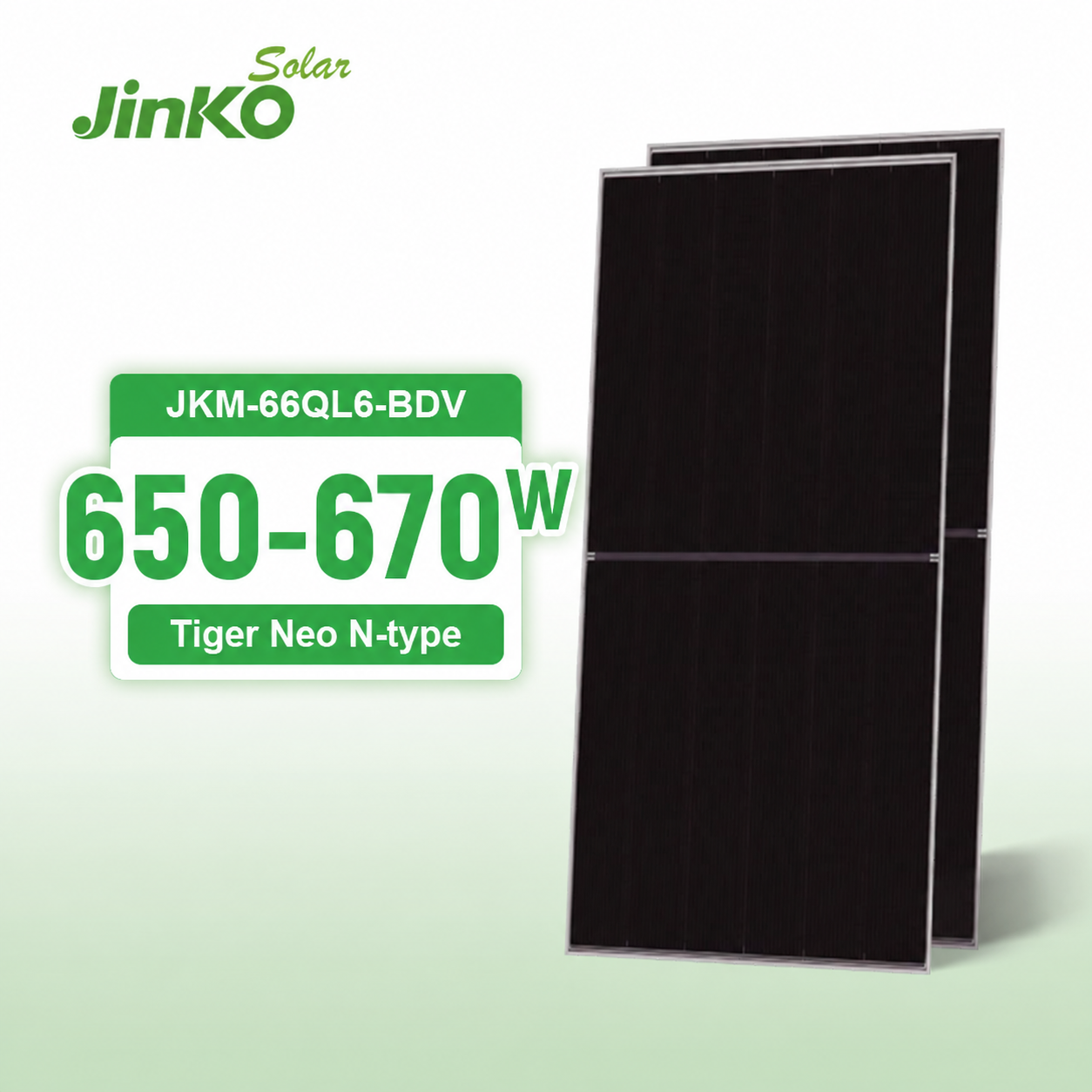
650W - 670W
Double Glass
Residential / C&I
Ensure zero clipping loss and optimized string voltages by pairing custom OEM Solis inverters with world-class N-Type bifacial solar panels, rigorously tested for commercial, industrial, and microgrid deployments.

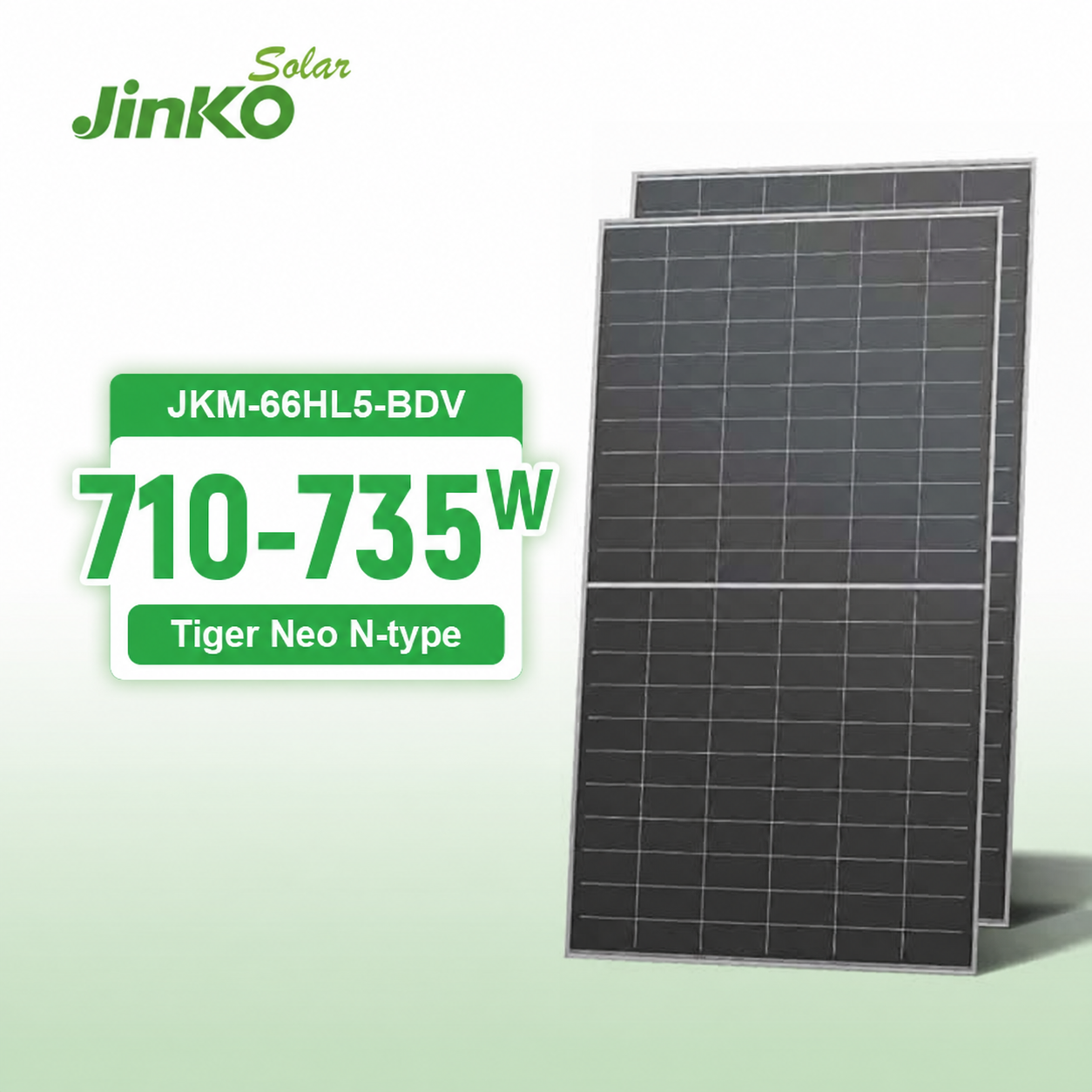
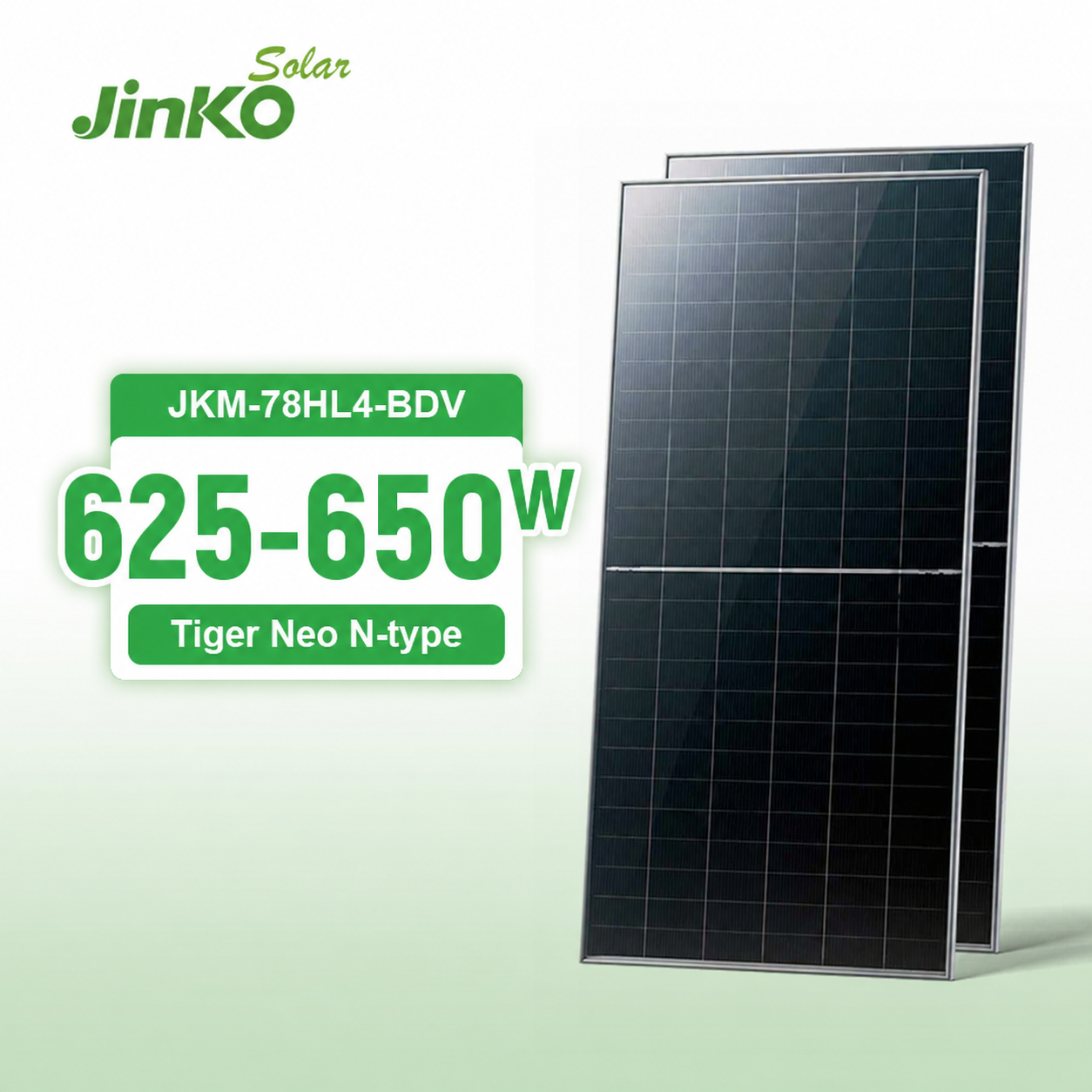
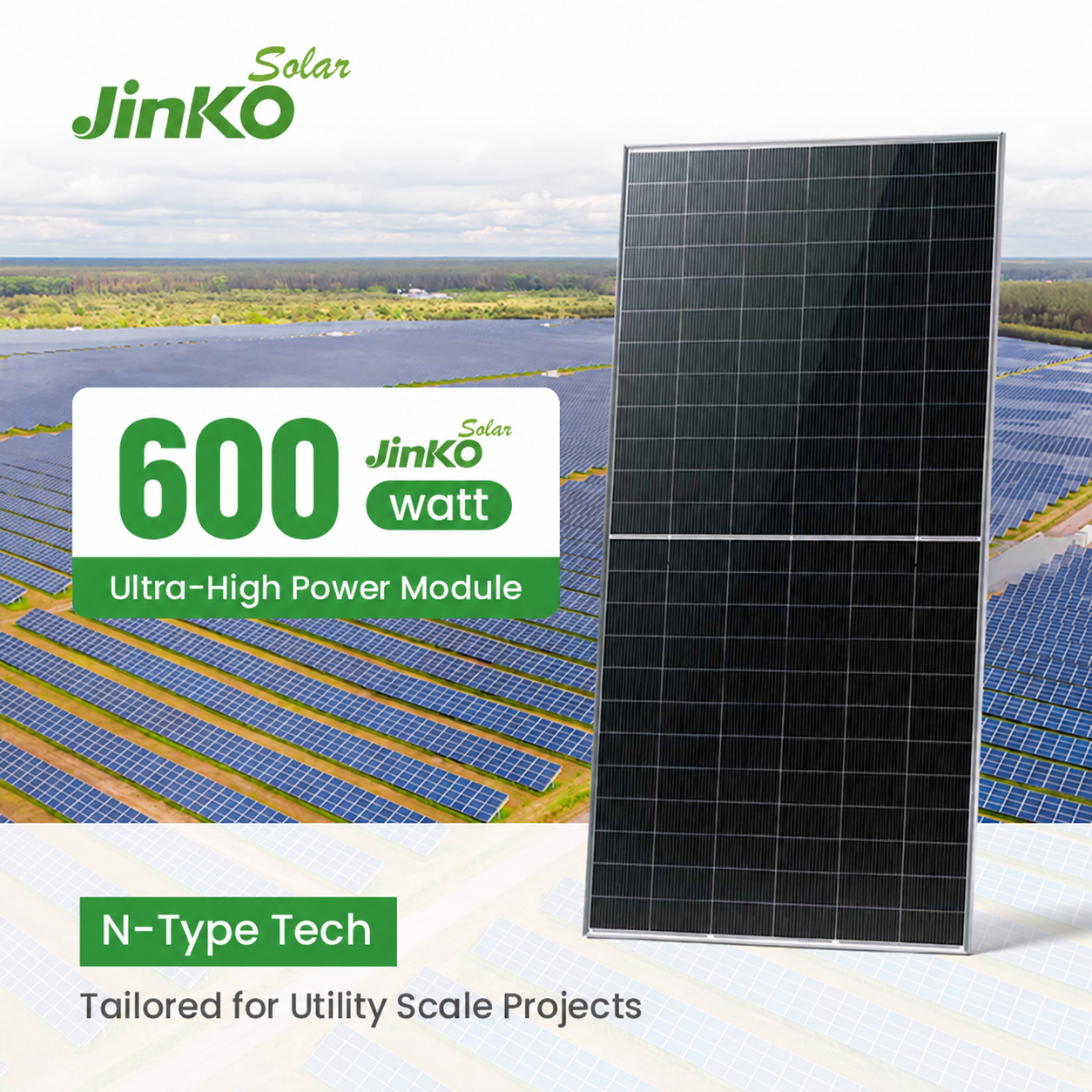
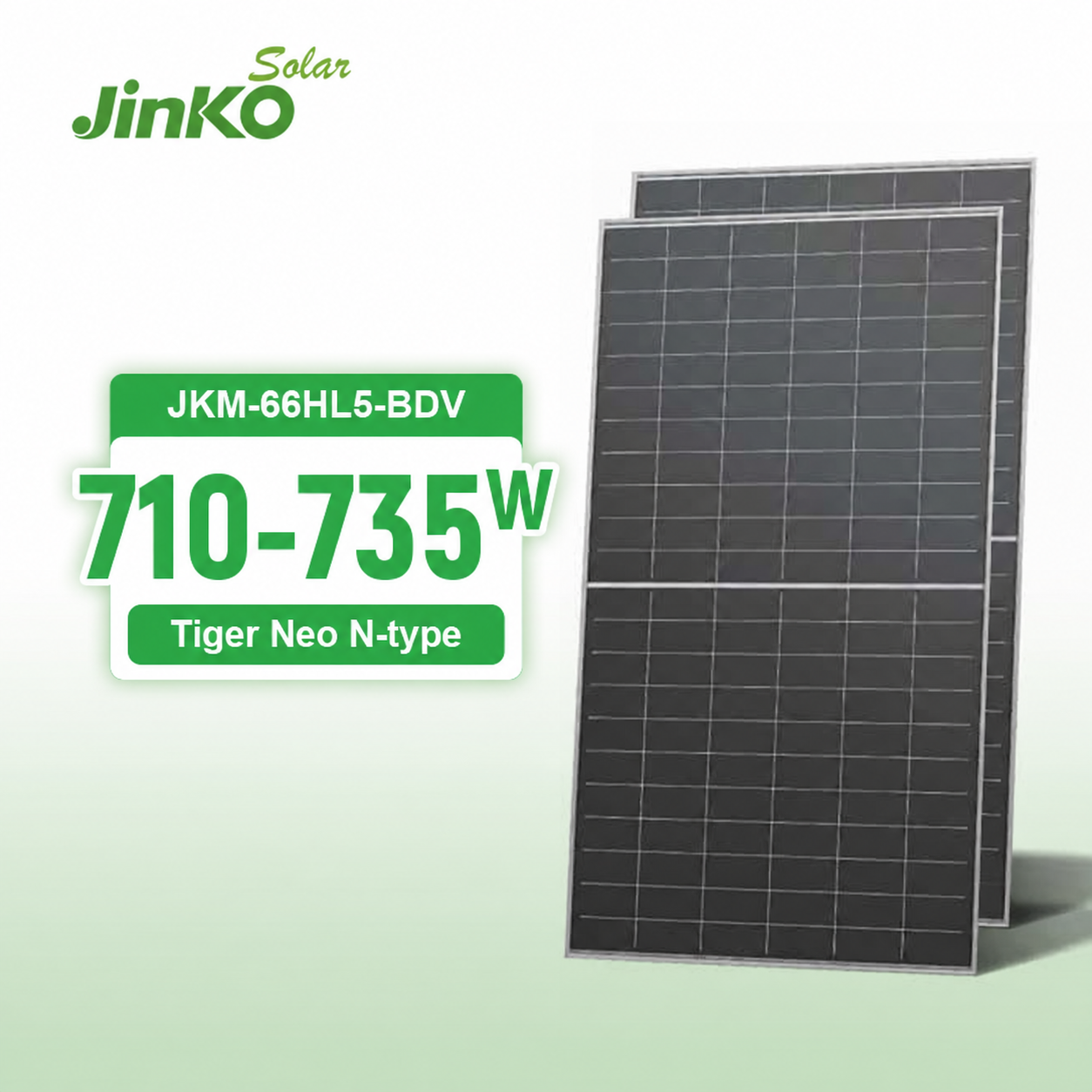
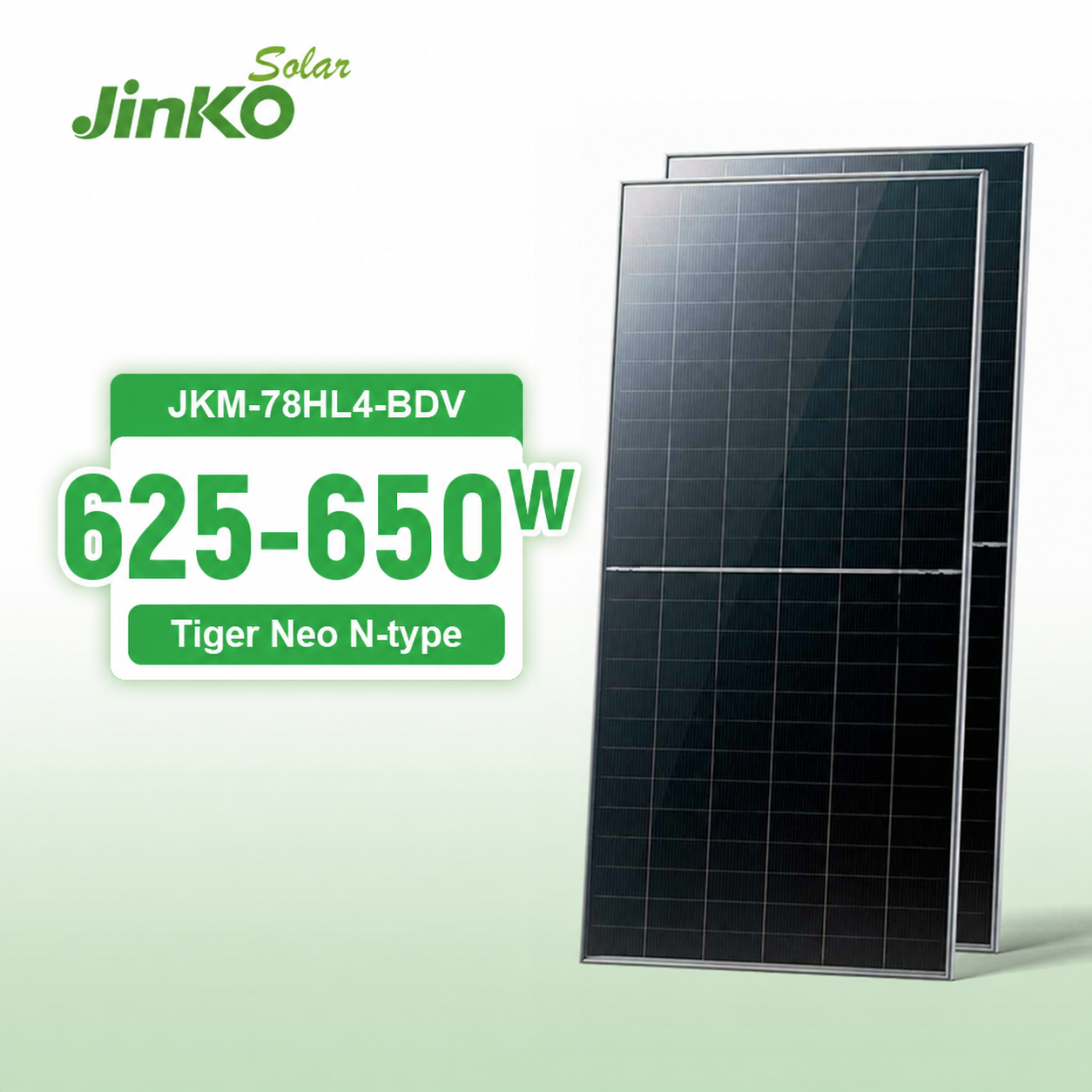
As an international manufacturing and integration exporter, Hangzhou VOLT New Energy bridges the gap between raw hardware assembly and precision project delivery. We supply tailored single-phase, three-phase, and utility string inverters engineered around Ginlong Solis architecture with custom BMS protocol firmware, proprietary enclosure branding, and extended environmental hardening.
By integrating Silicon Carbide (SiC) switching semiconductors into our OEM Solis booster stages, inverter conversion yields touch 99.2% peak efficiency. This dramatically lowers switching losses under high ambient temperature profiles typical of Latin American, African, and Middle Eastern solar plants.
Overcome the primary barrier in commercial solar storage: non-standardized communication registers. We provide factory-flashed OEM firmware supporting dual CANbus, RS485, and Ethernet Modbus-TCP stacks engineered to immediately sync with Tier-1 battery architectures.
Fire prevention requirements in UL 1699B, NEC 2020/2023 690.12, and IEC 63027 are fully integrated. Our OEM Solis inverter configurations incorporate advanced DSP-driven Fast Fourier Transform (FFT) algorithms capable of detecting series DC electric arcs within 0.5 seconds.
| OEM Solis Series Category | Rated Power Window | MPPT Trackers / Inputs | Max DC Input Voltage | Battery Compatibility Matrix | Primary Target Applications |
|---|---|---|---|---|---|
| Solis-Mini / S6 Residential | 0.7kW – 6.0kW (1-Phase) | 1 – 2 Trackers / 2 Strings | 600V DC | Low-Voltage 48V/51.2V LFP or AC-Couple | Urban Residential Rooftops & Villas |
| Solis-S5 / S6 Low-Voltage Hybrid | 3.0kW – 12.0kW (1/3-Phase) | 2 – 4 Trackers / 4 Strings | 600V – 1000V DC | 48V/51.2V High-Amp LFP (CAN Protocol) | Off-Grid Backup, Telecom & Residential Microgrids |
| Solis Commercial High-Voltage | 15kW – 50kW (3-Phase) | 3 – 4 Trackers / 8 Strings | 1100V DC | 160V – 600V DC High-Voltage Rack Batteries | Commercial Logistics Parks & Industrial Facilities |
| Solis Utility String Inverter | 80kW – 255kW (3-Phase) | 6 – 12 Trackers / 24 Strings | 1100V – 1500V DC | Centralized Container ESS Coupling | Agrivoltaics, Ground Arrays, Mining Microgrids |
The global solar procurement ecosystem has shifted from piecemeal purchasing toward integrated balance-of-system (BOS) containerization. To protect margins against volatile freight rates, strict grid-interconnection codes, and complex hazardous material tariffs, commercial importers must navigate four dominant macro trends.
Importing single inverter units independently leads to exorbitant port handling fees and LCL damage rates. Forward-thinking distributors now bundle Class 9 DG lithium batteries, inverters, and N-type bifacial panels inside uniform 40ft High Cube containers loaded at our Hangzhou consolidation warehouse, slashing freight expenditure by up to 34% per megawatt-peak shipped.
National grid codes (such as Germany's VDE-AR-N 4105, UK G99, and Australia's AS/NZS 4777.2) now aggressively penalize simple grid-following converters. Procuring OEM Solis inverters equipped with Virtual Synchronous Generator (VSG) algorithms and black-start capabilities is no longer optional—it is a critical prerequisite to clear commercial grid approvals.
Importers into the European Union and North America face intense regulatory scrutiny under CBAM (Carbon Border Adjustment Mechanism) and supply chain transparency statutes. Sourcing directly from verified export manufacturers guaranteeing cradle-to-gate component serial tracking ensures seamless customs clearance without bonded warehouse detention.
The procurement of standalone grid-tied string inverters is rapidly converging with energy storage retrofits. Global procurement trends emphasize hybrid architecture capable of bi-directional battery charging without double AC-DC-AC conversion penalties, shifting wholesale preference to 3-phase high-voltage (160V-800V) hybrid platforms.
Hangzhou VOLT New Energy Technology Co., Ltd. (Zhejiang, China) serves as the dedicated engineering and supply-chain backbone for international B2B buyers across Europe, South America, Africa, and the Asia-Pacific. We eliminate project friction through complete hardware compatibility validation.
Never experience costly BMS communication fault codes on site. Before loading, every OEM Solis inverter and paired LFP or GEL battery stack undergoes live bench loop testing to verify CAN/RS485 baud rates, handshake signals, and cut-off safety limits.
Lithium battery cargo demands rigorous dangerous goods compliance. We provide full UN38.3 vibration/shock testing certificates, verified MSDS packages, and maritime DG packaging to guarantee smooth customs clearance at port of arrival.
Optimize your working capital by ordering complete turnkey kits. We combine OEM Solis inverters, Jinko TOPCon double glass modules, mounting racks, and DC isolation hardware into single containers under one unified bill of lading.
Scale your brand presence effortlessly. We offer private label silkscreening, customized metal enclosure coatings, bespoke carton packaging, and customized cloud monitoring portals tailored to your local EPC contractor network.
Need tailored string sizing, PV-inverter clipping ratios, or custom inverter branding?
Get a QuoteIn-depth technical answers for solar wholesalers, EPC project managers, and electrical systems designers.
Submit your electrical single-line diagram, target region, and container sizing requirements. Our Hangzhou engineering team will configure your custom Solis inverter solution with matched solar modules and battery storage kits within 24 hours.