Factory-Integrated PV & 100Ah Storage Solutions
Engineered for seamless synchronization with leading hybrid architectures. Every 100Ah battery pack and photovoltaic module is pre-tested for voltage window harmony, CAN/RS485 closed-loop telemetry, and high ambient thermal resilience.
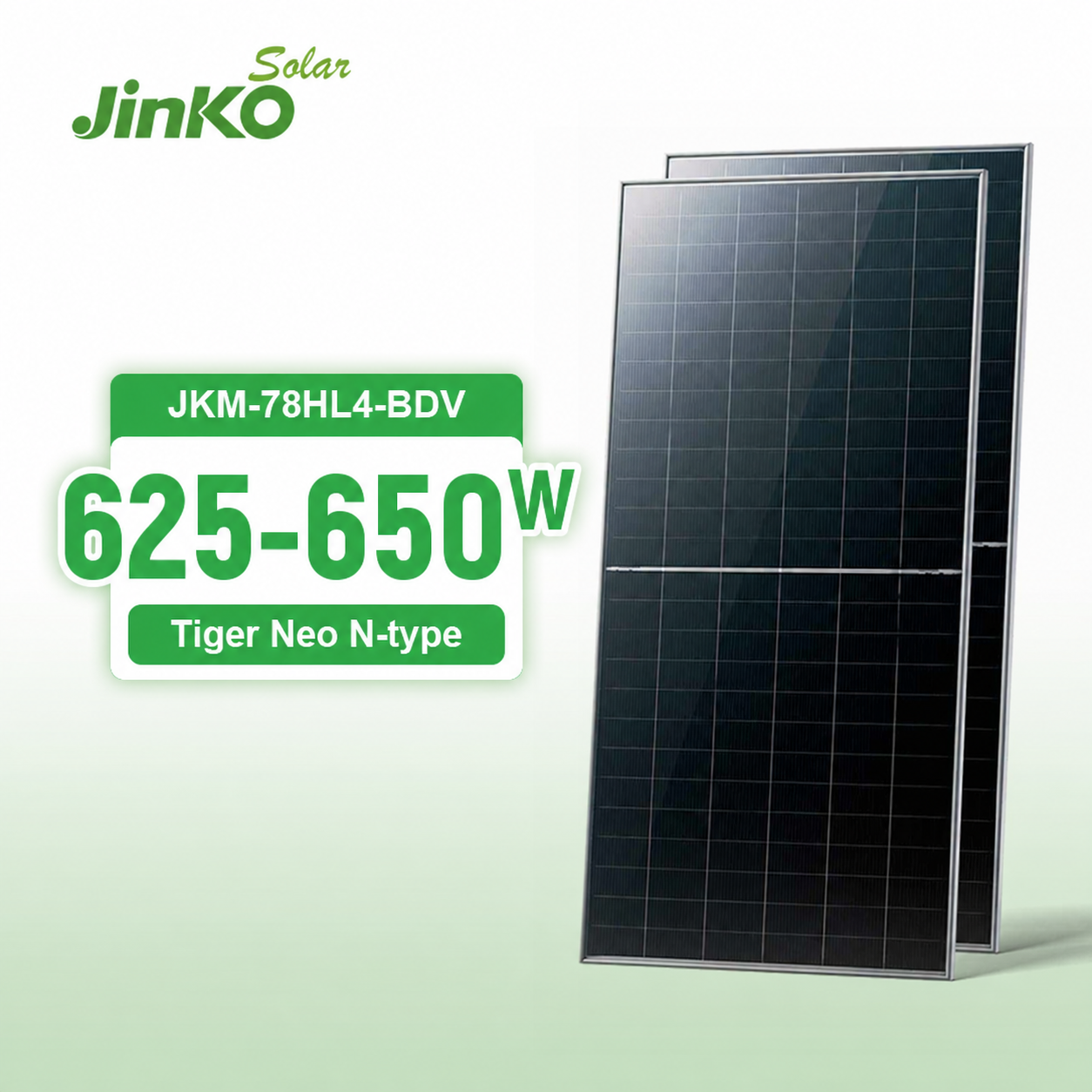
- TOPCon N-Type Bifacial Cell Architecture
- Dual-Glass 30-Year Performance Linear Warranty
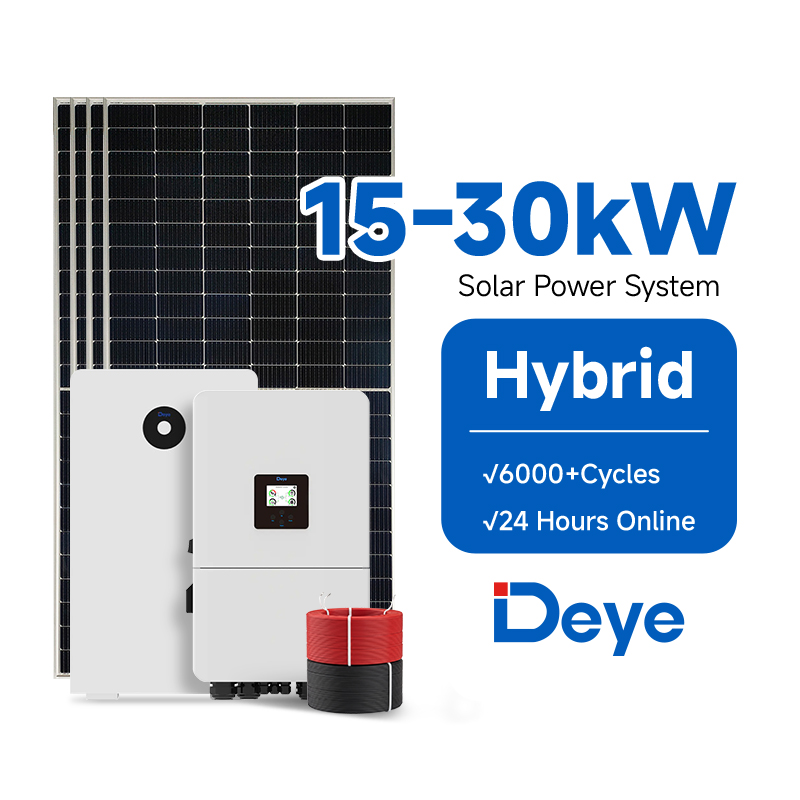
- Native 48V/51.2V 100Ah CAN/RS485 Bus Match
- Parallel Expansion up to 16 Battery Units
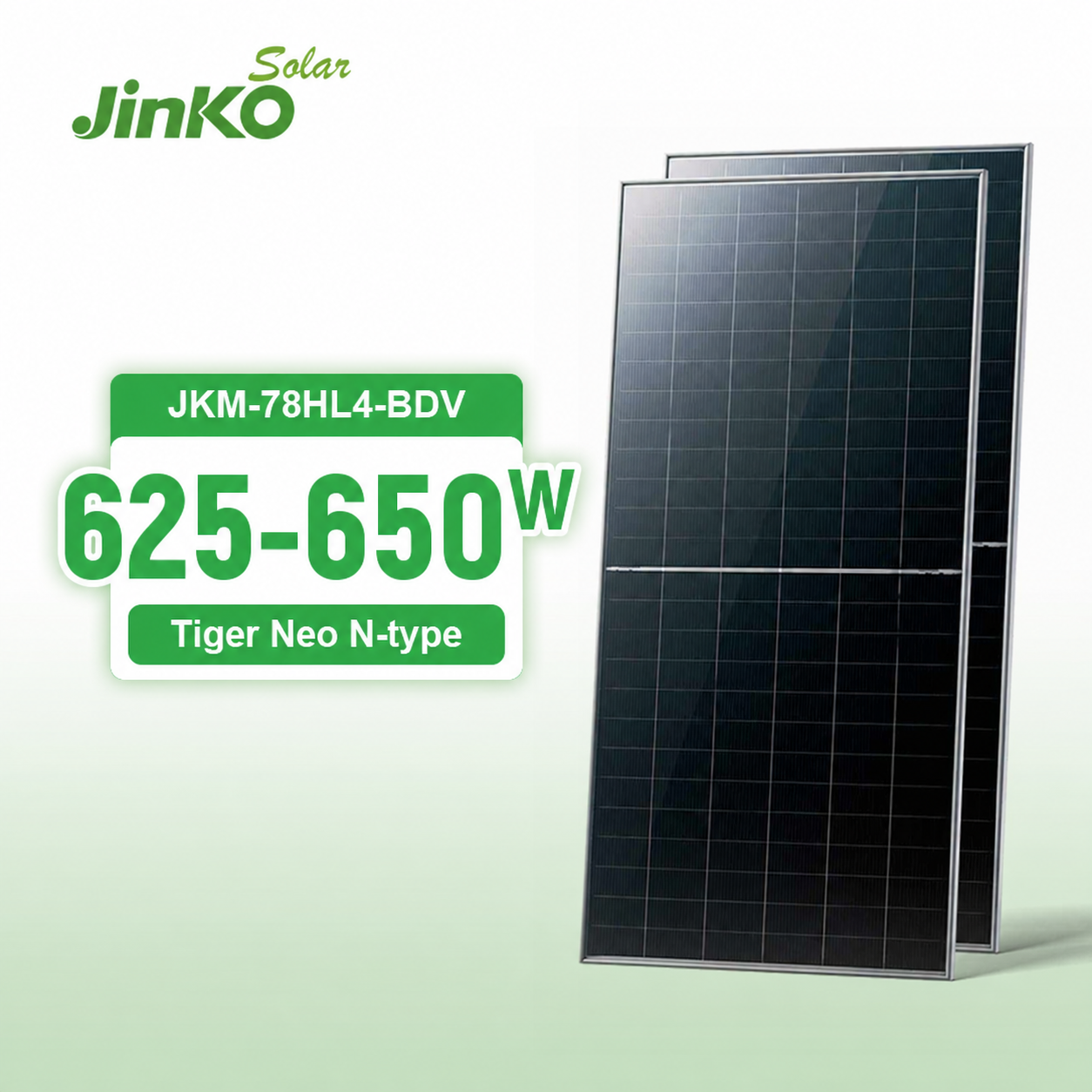
- Ultra-Low PID and LeTID Light Degradation
- 22.8% Nominal Module Energy Conversion
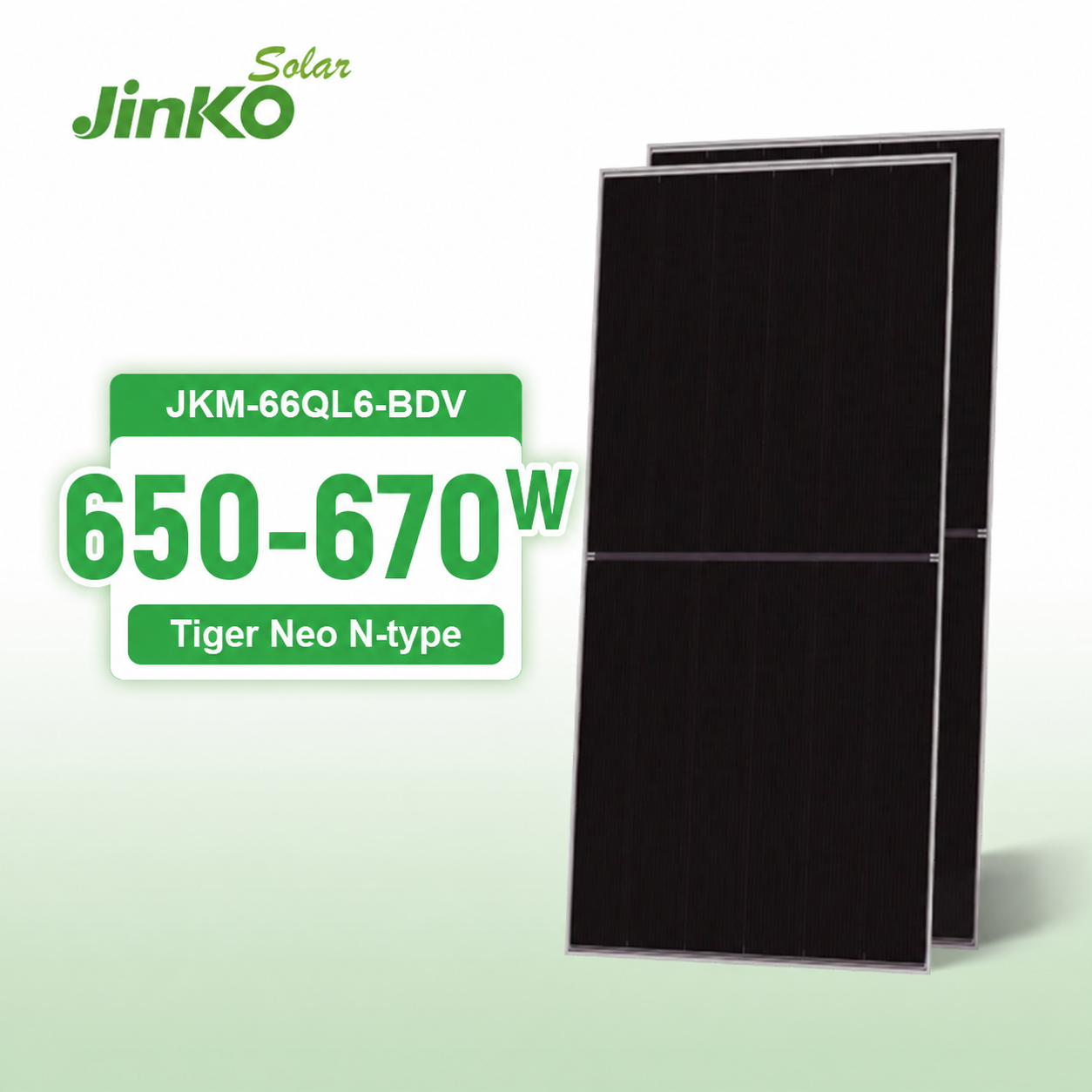
- Heavy Snow & Dynamic Wind Load Certified
- High Albedo Ground Bifacial Rear Gain +25%
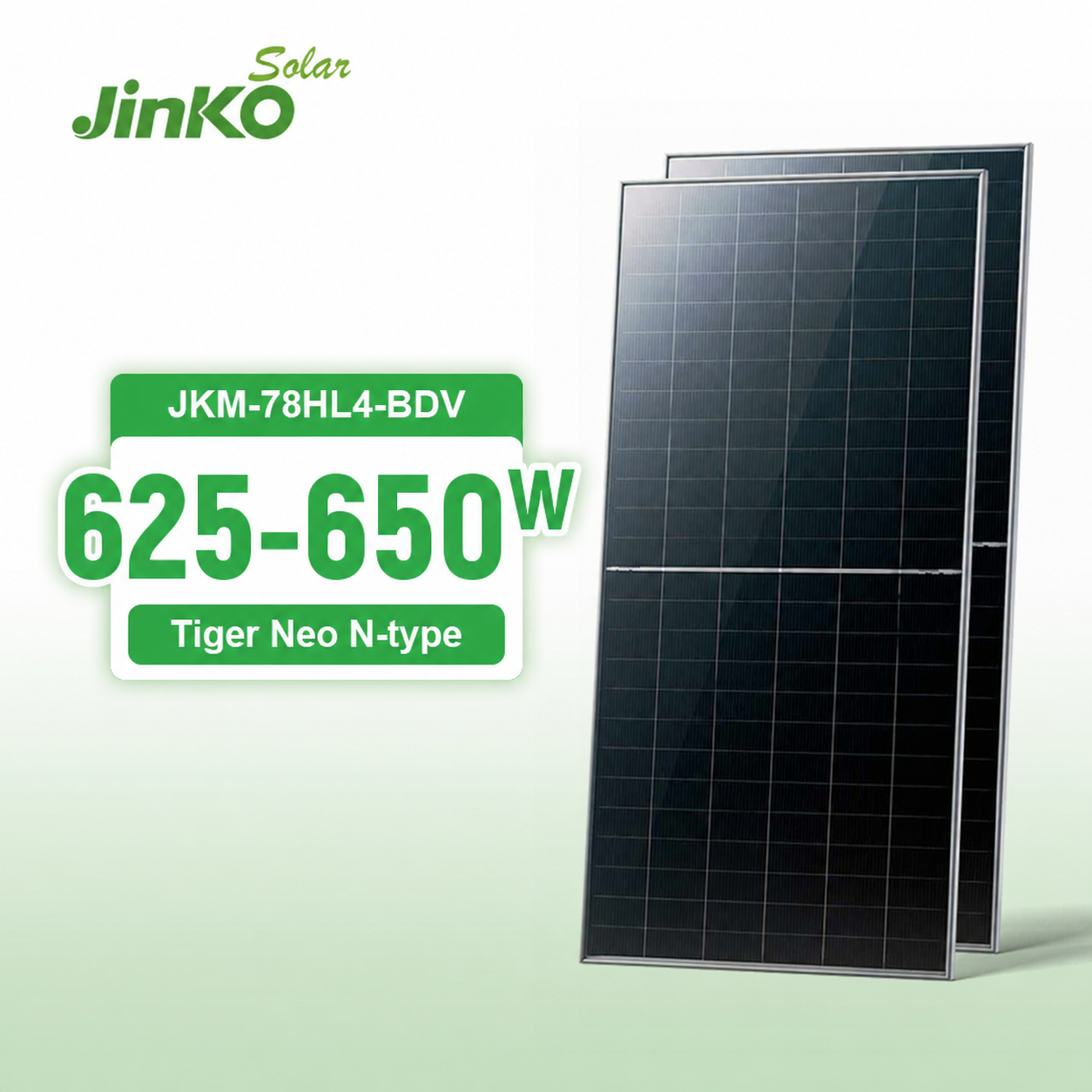
- Optimized Temperature Coefficient (-0.30%/°C)
- Fire Class A Fireproofing Double-Glass Build
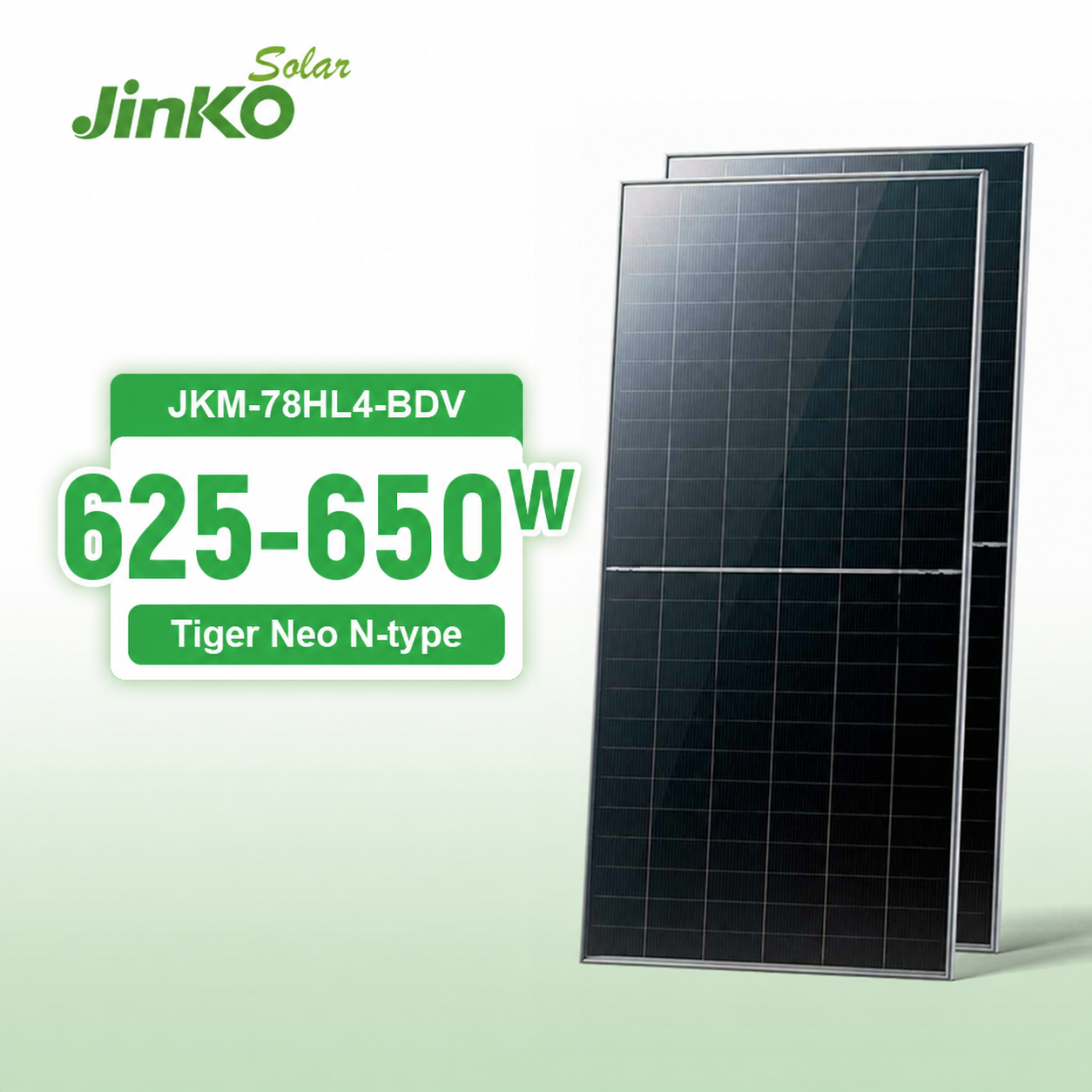
- Hot 2.0 Multi-Busbar Anti-Microcrack Ribbon
- Ammonia & Salt Mist Harsh Marine Certified

- Compact Footprint High Power Density Index
- Optimal Matching for 48V 100Ah ESS Inverters
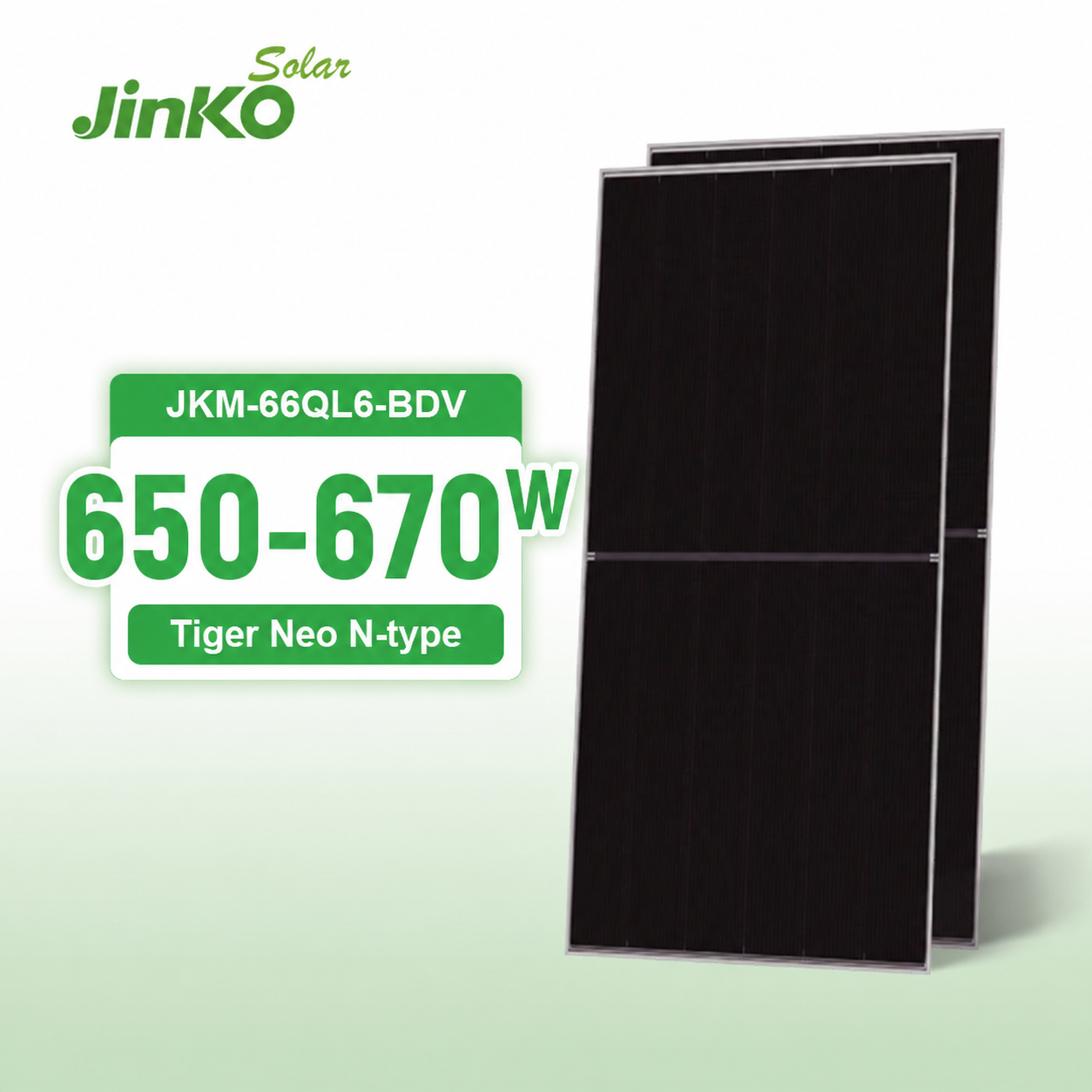
- Maximum DC Voltage 1500V String Compatibility
- Tier-1 Factory Direct Wholesale Procurement
Engineering Rigor in OEM/ODM 100Ah LiFePO4 Battery Production
In the rapidly modernizing renewable energy supply chain, the 100Ah Lithium Iron Phosphate (LiFePO4) cell form factor has emerged as the definitive industrial baseline for residential storage, commercial telecom backup, and light electric mobility. Unlike small-capacity cylindrical cells (such as 18650 or 21700 arrays) that introduce elevated thermal dissipation points and intricate wire bonding vulnerabilities, deep-cycle prismatic 100Ah aluminum-shell cells provide exceptional mechanical integrity, minimized internal impedance (<0.05mΩ), and direct laser-welded busbar configurations. As an experienced OEM/ODM battery manufacturer, Hangzhou VOLT New Energy builds its 100Ah battery series exclusively upon Tier-1 automotive Grade-A chemistry (EVE, CATL, or Gotion origins), ensuring each batch delivers uncompromised cycle lifespans exceeding 6,000 cycles under standard 80% Depth of Discharge (DoD) at 0.5C operating rates.
Prismatic Cell Architecture vs. Cylindrical Packs: Physical & Thermal Analysis
The choice of internal cell topology defines the long-term reliability and degradation trajectory of any 100Ah battery system. When manufacturing a standard 51.2V 100Ah (5.12kWh) server-rack module, our assembly process pairs exactly sixteen 3.2V 100Ah prismatic cells in a 16S1P configuration. By eliminating the multi-parallel interconnects required by cylindrical cells (which often require a 16S40P topology of 2.5Ah units), the probability of individual cell drift and thermal hotspots drops exponentially. The robust prismatic casing incorporates integrated safety exhaust valves calibrated to release at 0.4 to 0.6 MPa, preventing explosive catastrophic runaway under severe electrical fault conditions.
| Evaluation Parameter | VOLT New Energy 100Ah Prismatic | Generic Market Grade-B Prismatic | Multi-Parallel Cylindrical Array |
|---|---|---|---|
| Cell Core Origin | 100% Brand-New Grade A (EVE/CATL) | Secondary / Recycled EV Re-sort | Mixed Tier-2 18650/26650 Cells |
| Internal AC Impedance | ≤ 0.35 mΩ per cell (Batch variance <0.05) | ≥ 0.85 mΩ (High thermal losses) | Variable internal interconnect bus |
| Cycle Life (0.5C / 80% DoD) | 6,000+ Cycles to 80% Retention | 1,500 – 2,200 Cycles | 2,000 – 3,000 Cycles |
| Thermal Dissipation Profile | Uniform surface conduction via Al-chassis | Irregular hotspots under C-rate spikes | Complex radial dissipation channels |
| Interconnect Resistance | Laser-welded copper-aluminum composite | Bolted mechanical compression | Ultrasonic nickel tab array |
| BMS Telemetry Integration | Dual CAN / RS485 Dual-CPU architecture | Basic hardware-only BMS without CAN | Single-channel uncalibrated PCB |
OEM & ODM Customization Vectors: From Industrial Schematics to Turnkey Deployment
Every international market presents distinct electrical codes, form factor demands, and environmental extremes. Our Hangzhou engineering team executes precision ODM design across three structural domains:
BMS Protocol Synchronization
Native communication with Deye, Victron Energy, Growatt, GoodWe, Solis, and SMA. Pre-programmed DIP address switching for multi-pack paralleling up to 32 units without bus conflict or packet loss.
Structural & Enclosure Formats
Tailored sheet metal fabrication: 3U/4U standard 19-inch server-rack chassis, IP65 outdoor wall-mounted residential Powerwalls with LED SoC touchscreens, and drop-in ABS replacements for legacy 12V SLA cases.
Active Thermal Management
Integrated internal PTC ceramic self-heating foils engineered for sub-zero charging in Nordic and Canadian conditions (-30°C to +55°C envelope) with automatic pre-heating current gating prior to cell acceptance.
Future Procurement & Technology Trends in LiFePO4 (2025–2030)
The global energy transition is reshaping procurement standards. Distributors who anticipate chemical evolution, supply chain regulations, and digital traceability gain substantial margin advantages.
1. Shift Toward 314Ah+ Utility Cells vs. Standard 100Ah Distributed Nodes
While utility-scale projects migrate to 314Ah and 587Ah large-format cells to minimize containerized balance of system (BOS) footprints, 100Ah remains the absolute gold standard for residential and light-commercial decentralized ESS. The 100Ah footprint (specifically in 51.2V 5.12kWh blocks) provides optimal ergonomic handling for two-technician installation, modular residential sizing flexibility, and compliance with indoor floor-load and domestic fire containment standards in Europe and North America.
2. Cloud Telemetry & AI-Powered Preventive Health Monitoring
Procurement specifications increasingly mandate cloud-tethered IoT gateways built directly into the battery management system. Future-proof 100Ah OEM packs feature integrated WiFi, 4G LTE, or Bluetooth mesh relays that continuously transmit differential cell voltage, cycle counts, and electrochemical impedance metrics to centralized cloud monitoring platforms. Installers eliminate 80% of on-site service truck rolls by diagnosing micro-imbalances and pushing OTA firmware patches remotely.
3. European Battery Passport & Carbon Footprint Auditing
Beginning in 2026, the European Union's New Battery Regulation (EU 2023/1542) mandates end-to-end digital lifecycle passports for industrial and storage batteries over 2kWh. Procurement channels are transitioning away from unverified assemblers toward certified manufacturers capable of providing transparent upstream supply chain data: verified lithium/iron phosphate extraction footprints, recycled material quota attestations, and authenticated carbon auditing throughout the manufacturing cycle.
4. Sodium-Ion Integration vs. LiFePO4 Cost Trajectory
While Sodium-ion (Na-ion) technology is advancing for low-temperature stationary backup, LiFePO4 maintains an unbeatable energy density and cycle stability advantage. As battery-grade lithium carbonate prices have stabilized within an economical and predictable range, 100Ah LiFePO4 cells maintain the lowest levelized cost of storage (LCOS) over a 15-year operational lifecycle, remaining the primary choice for Tier-1 solar EPC tenders globally.
5. Migration to 1C High-Rate Emergency Backup Demands
Historical residential storage operated predominantly at 0.2C to 0.5C charge and discharge profiles. However, with the surge in high-draw heat pumps, residential EV charging, and microgrid inductive loads, OEM buyers are demanding 100Ah battery designs capable of sustained 1.0C continuous discharge (100A per pack) and 2.0C surge loads (200A for 10 seconds). This requires reinforced copper busbars, heavy-duty MOSFET switching arrays, and active heat sinking.
6. Rigorous Fire Mitigation (UL9540A & NFPA 855 Alignment)
Safety testing is shifting from simple component-level certifications (UL 1973) to complex unit-level thermal runaway propagation tests (UL 9540A). Premium OEM factories integrate aerogel barrier insulation blankets between adjacent 100Ah cells along with built-in aerosol or Novec 1230 automatic fire suppression cartridges inside the battery enclosure to arrest any thermal event at the individual cell level.
Why Global B2B Importers Partner with VOLT New Energy
Importers lose hard-earned margin on component communication errors, non-compliant shipping documentation, and sluggish after-sales. Our Hangzhou-based manufacturing and integration infrastructure eliminates these failure points.

Cell Sorting & Laser Welding
Every cell undergoes automated sorting across capacity, internal resistance (Δ≤0.05mΩ), and open-circuit voltage before CNC fiber-laser welding to guarantee zero cold joints and minimal contact resistance.

Pre-Shipment Inverter Matching
We physically connect ordered 100Ah battery banks with real Deye and partner hybrid inverters in our testing bay to verify CAN bus handshakes, baud rates, and float/absorption transitions before palletizing.

Class 9 Dangerous Goods Freight
Full compliance with international maritime hazardous cargo standards. Complete documentation suites: UN38.3 test summaries, MSDS, sea transport appraisal certificates, and certified UN-rated cartons.

Turnkey Engineering Support
From single-line diagrams (SLD) and load sizing calculations to custom firmware modification and private labeling, our fluent bilingual engineers eliminate communication delays for your team.
Structured 4-Stage OEM/ODM Manufacturing Pipeline
Specification Review
System sizing analysis, C-rate profile, inverter protocol matching (CAN/RS485), mechanical form factor constraints, and regional grid certifications.
Prototyping & BMS Tuning
Enclosure CAD design, thermal simulation, custom BMS parameter firmware programming, and automated sample fabrication within 14 working days.
Stress Testing & Aging
100% full-capacity automated charge-discharge cycle aging, insulation dielectric testing, thermal imaging scan, and dynamic vibration simulation.
DG Export Packaging
Shock-damped UN packaging, custom silkscreen logo application, pallet fumigation, hazardous goods declaration, and customs clear dispatch.
Frequently Asked Questions for 100Ah Battery Buyers
Direct, technically grounded answers addressing the most critical commercial, compatibility, and compliance challenges encountered during bulk procurement.
We provide official factory OCV/IR test logs and manufacturer QR traceability codes laser-etched directly onto the cell tops before packing. Each cell is tested for authentic 100Ah capacity at 0.5C discharge, and internal resistance must clock below 0.35mΩ with less than 0.05mΩ delta across the entire pack. We welcome third-party SGS or TÜV visual and electrical audits in our workshop prior to carton sealing.
Yes. Our smart BMS hardware architecture incorporates both CAN and RS485 communication transceivers loaded with pre-configured protocol libraries. By adjusting the DIP address switches, the battery emulates the proprietary communication parameters of Deye, Victron Energy, Growatt, GoodWe, Solis, and SMA. Inverter screens immediately recognize State of Charge (SoC), maximum charge voltage, and allowable charge/discharge currents without manual programming.
Our standard 48V/51.2V 100Ah server-rack and wall-mount modules support up to 16 units in direct parallel communication, creating an aggregate energy storage bank of 81.92kWh without needing an external master combiner controller. For larger industrial commercial installations requiring 32 units (163.84kWh), we integrate a centralized Master BMS hub that aggregates sub-pack telemetry into a single unified CAN uplink to the PCS or hybrid inverter.
Every shipment is accompanied by a certified Class 9 Dangerous Goods documentation packet, including UN38.3 Lithium Battery Test Reports, UN-certified Drop Test Packaging Certificates, valid 16-point Material Safety Data Sheets (MSDS), and China Inspection and Quarantine (CIQ) Dangerous Goods Packaging Use Appraisal records. This ensures smooth clearance at ports across Europe, the Americas, Africa, and Australasia.
For standard enclosures featuring your custom laser-engraved or silkscreened brand logo, colored faceplates, and custom packaging cartons, our MOQ starts at just 20 units. For fully customized sheet-metal tooling, bespoke dimensions, or proprietary BMS firmware protocols, our typical engineering MOQ is 50 to 100 units. Prototype verification samples can be fabricated and dispatched within 10 to 14 working days.
Yes, this is one of our key competitive strengths. As an integrated solar and storage supplier, Hangzhou VOLT New Energy consolidates Jinko PV modules, Deye hybrid inverters, and our 100Ah LiFePO4 batteries into combined 20GP or 40HQ container shipments. We properly segregate and secure hazardous Class 9 cargo from standard PV hardware in compliance with international maritime IMDG codes, drastically reducing your freight overhead and terminal handling fees.