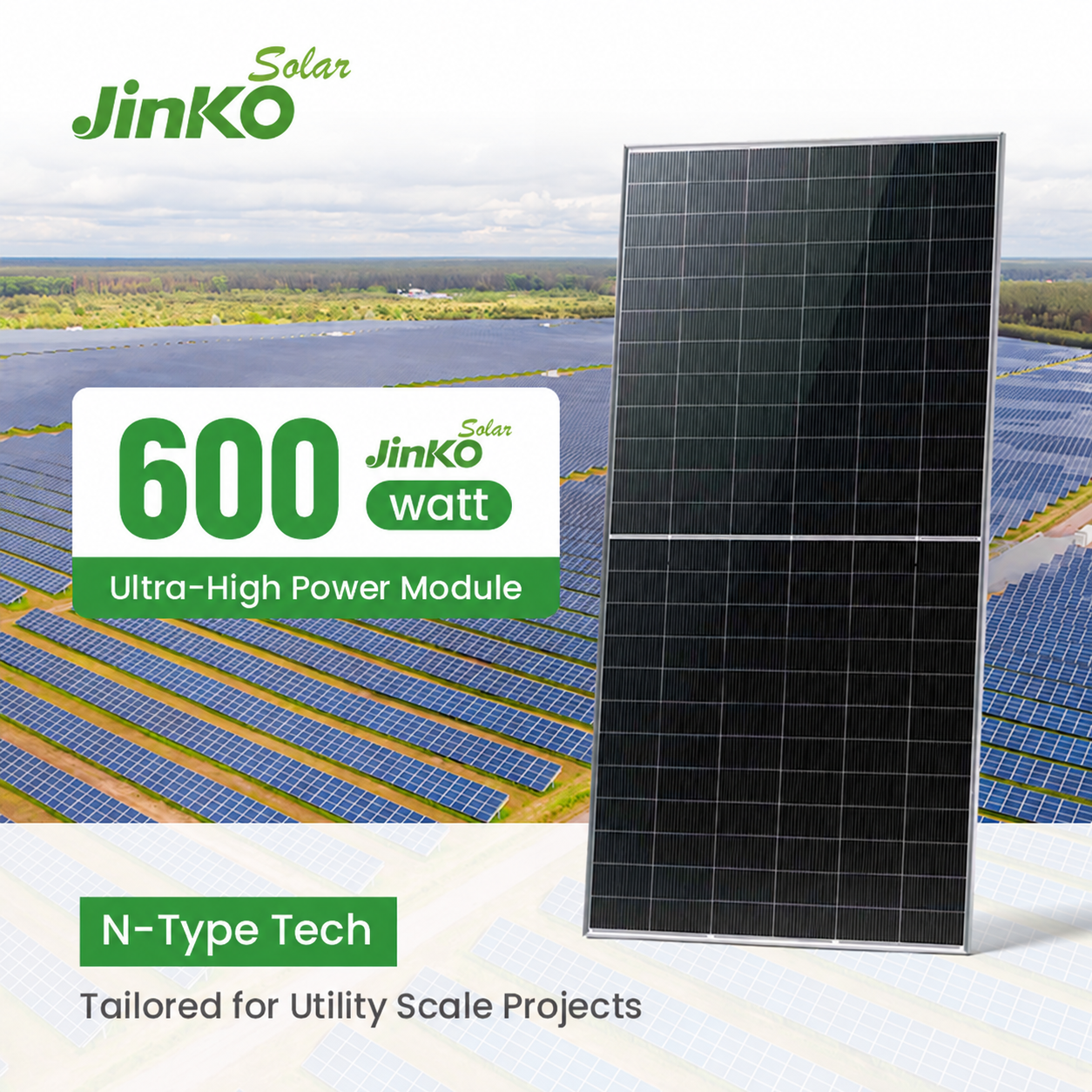
Enterprise Product Portfolio
Engineered PV Modules & Turnkey Portable Architecture
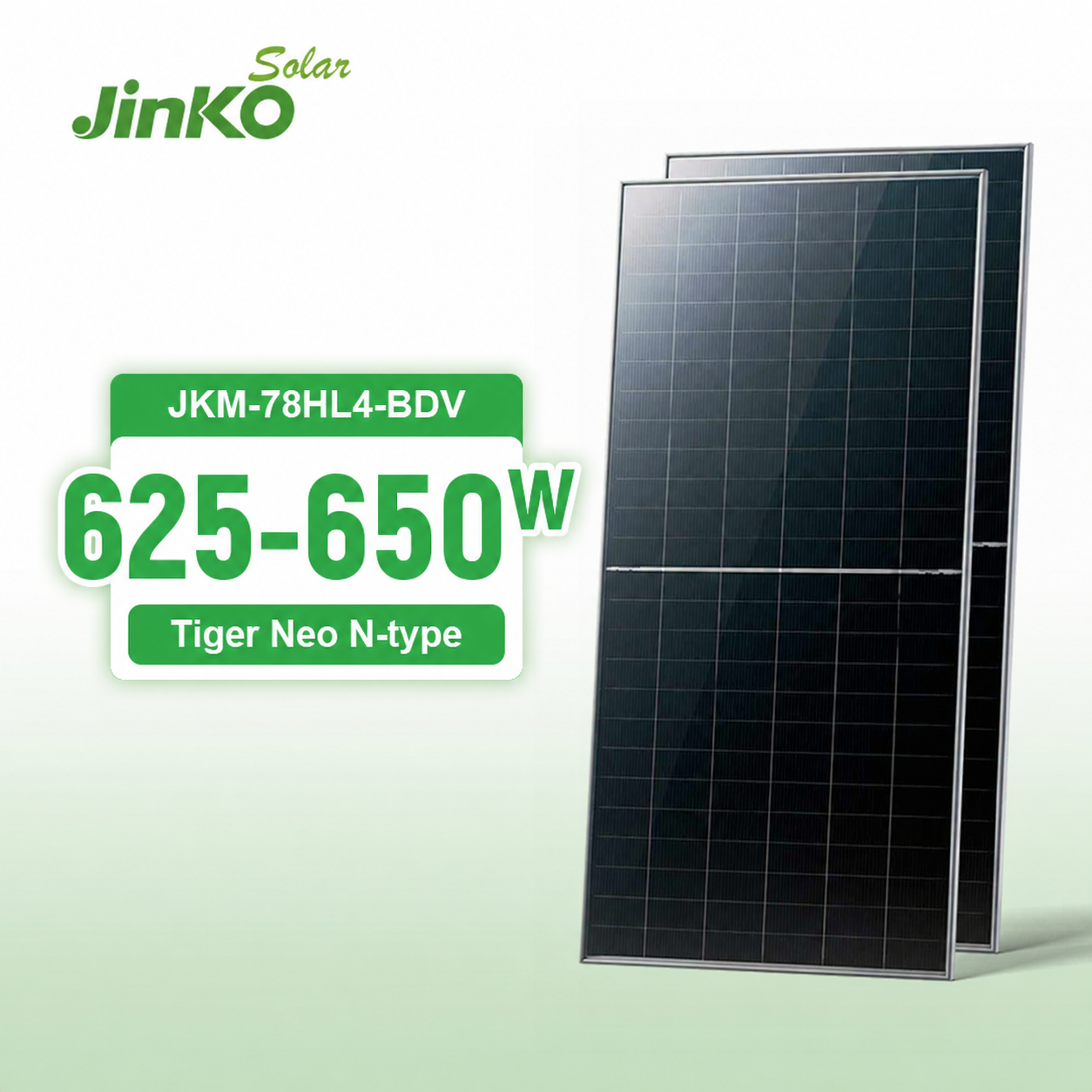
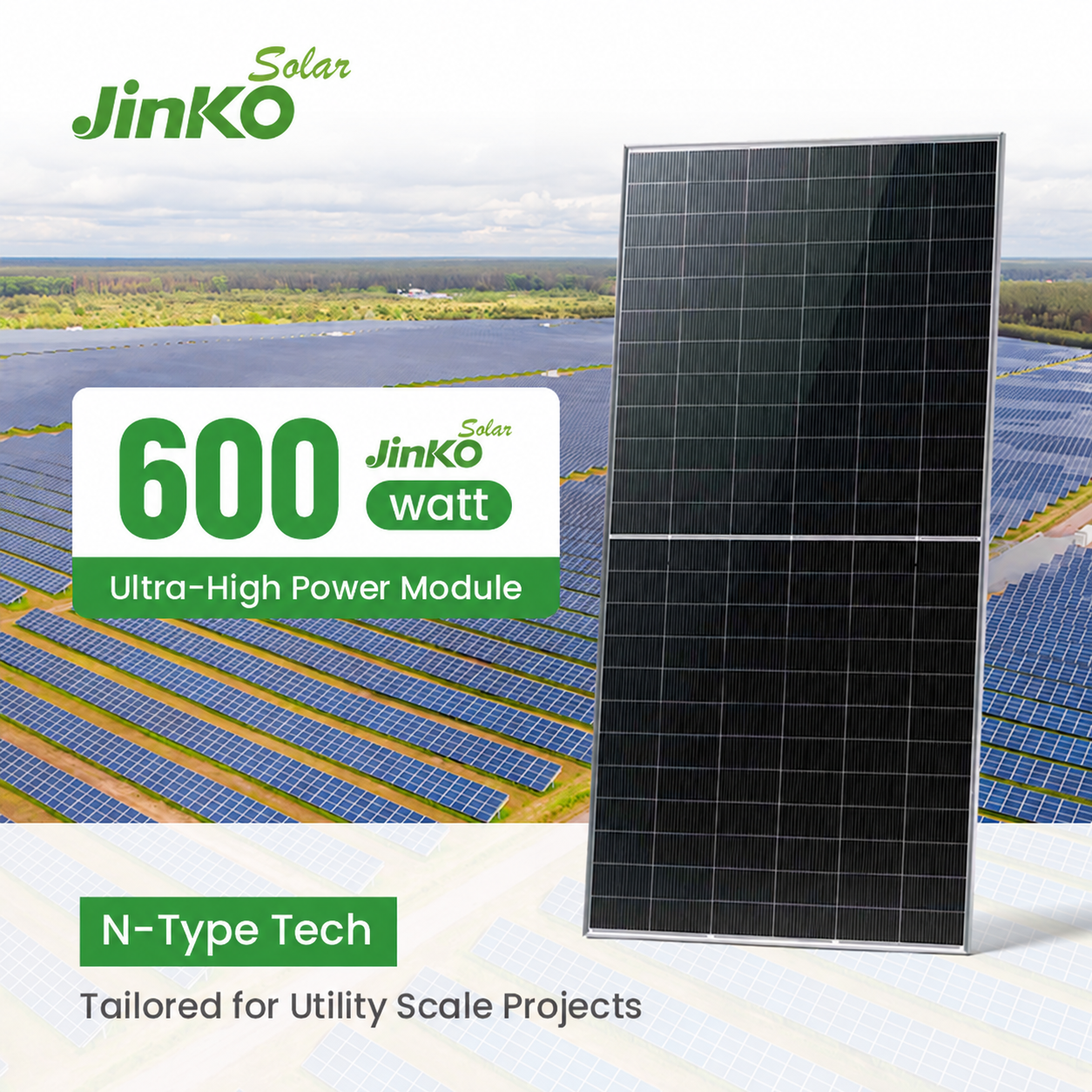
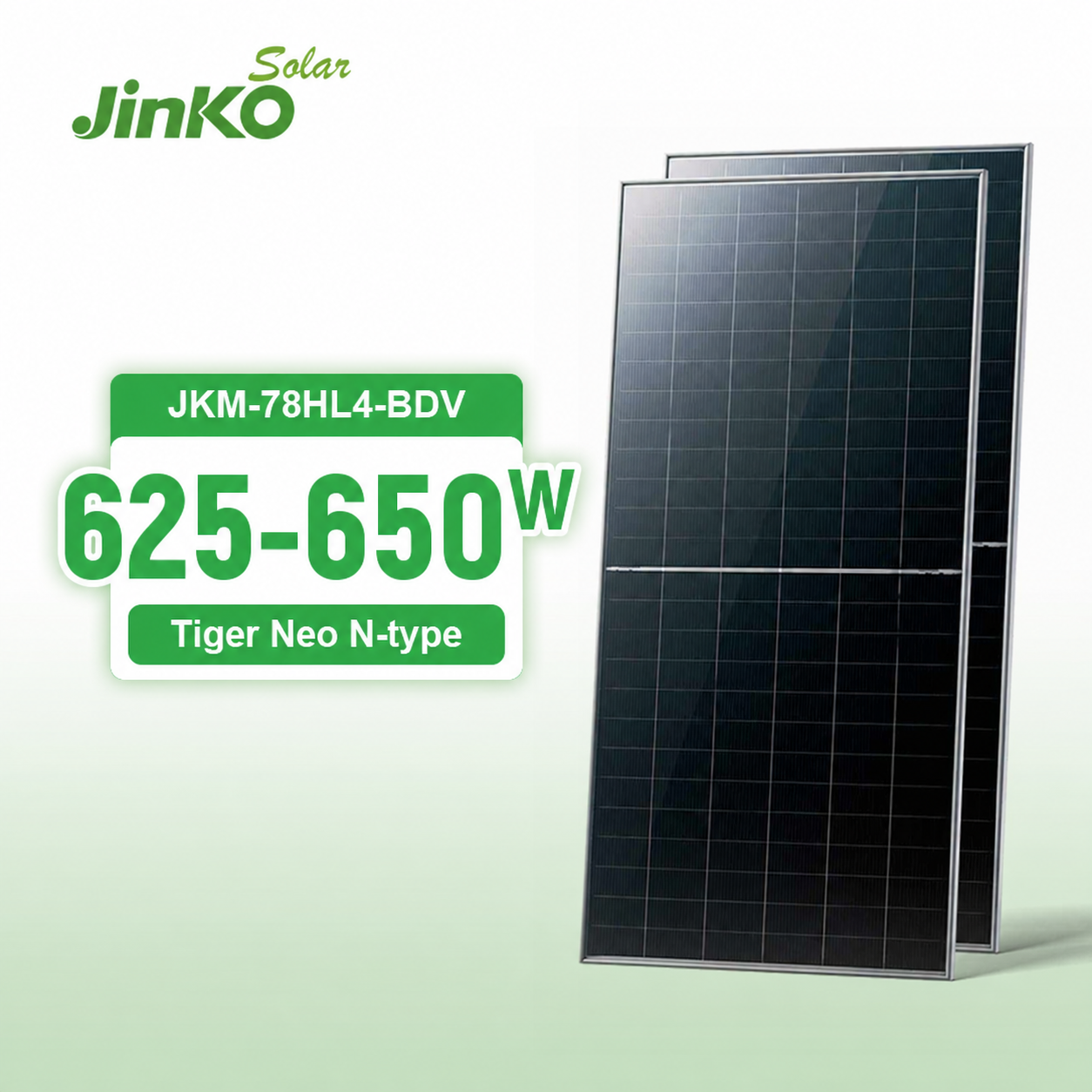
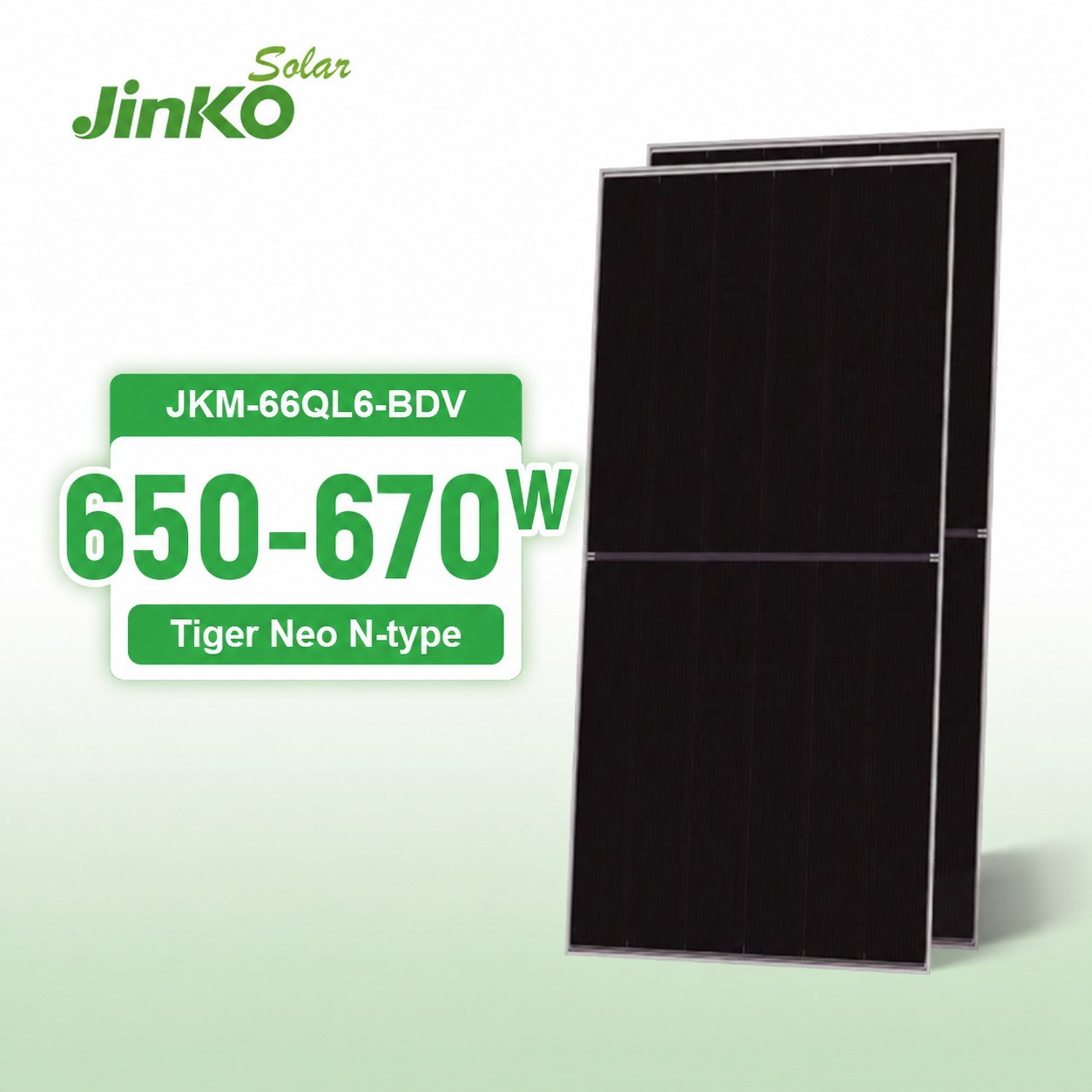
Direct factory supply featuring N-Type TOPCon bifacial cells, dual-glass structural durability, and high power densities tailored for scalable integration.
100+
Export Destinations Reached
25.3%
Peak Cell Conversion Efficiency
100%
Pre-Shipment Protocol Check
<24h
Technical Engineering Response
Industry Intelligence & Analysis
Technological Evolution of Foldable & High-Power Solar Generation
A critical overview of material transformations, encapsulation reliability, and structural innovation shaping international commercial solar deployment.
N-Type TOPCon Cell Transition
The global commercial sector has definitively migrated from legacy P-Type PERC architectures toward N-Type Tunnel Oxide Passivated Contact (TOPCon) platforms. TOPCon delivers zero Light Induced Degradation (LID), lower temperature coefficients (-0.30%/°C), and significantly higher back-surface bifaciality rates (up to 80-85%). This structural advantage yields measurable energy output gains in hot and arid deployments.
Advanced Polymer Encapsulation
Foldable and high-capacity portable solar arrays face severe cyclic mechanical stress, micro-crack risks, and moisture ingress. Leading OEM/ODM manufacturing now incorporates composite ETFE (Ethylene Tetrafluoroethylene) alongside high-crosslinking POE (Polyolefin Elastomer) encapsulation instead of traditional EVA. POE prevents Potential Induced Degradation (PID) and maintains high chemical inertness under heavy ultraviolet exposure.
Bifacial Energy Multiplication
With dual-glass monocrystalline form factors, bifacial solar modules utilize both direct atmospheric irradiance and albedo reflection from ground or rooftop surfaces (such as white TPO membrane, concrete, or gravel). Rear-side generation yields can increase total energy harvest by 10% to 30%, noticeably depressing Levelized Cost of Electricity (LCOE) across utility, commercial, and hybrid off-grid systems.
Interoperability Engineering: Bridging Generation with Storage
Modern solar procurement extends far beyond module-level wattage ratings. System integrators, international EPC contractors, and distributors demand immediate field compatibility across maximum power point tracking (MPPT) windows, high-voltage hybrid architectures, and battery management systems (BMS).
Hangzhou VOLT New Energy bridges this technical divide. By testing pre-shipment communication protocols across CAN and RS485 buses, we verify that PV arrays, Deye hybrid and off-grid inverters, and lithium iron phosphate (LiFePO4) storage banks interoperate synchronously on first start-up, eliminating common commissioning failures in foreign operations.
- String Sizing Validation: Exact Open Circuit Voltage (Voc) and Short Circuit Current (Isc) matching against ambient operational temperature envelopes.
- Mechanical Creep Elimination: Reinforced composite backing boards and torsion-resistant aluminum alloy frames designed for high transport endurance.
- Integrated Protection Schemes: Built-in bypass diodes, IP68 junction enclosures, and MC4-compatible interconnects with high environmental sealing.

Strategic Procurement Dynamics
Future Sourcing & Procurement Trends for 2025–2030
How tier-1 hardware standards, container consolidation, and strict compliance are altering supply chain resilience for international trade buyers.
Consolidated System Procurement
Importers and distributors are moving away from isolated hardware purchasing. Procuring solar panels, storage batteries, hybrid inverters, balance of system (BOS) switchgear, and cabling from separate suppliers causes high shipping overheads, customs clearance delays, and frequent communication mismatch on site. Turnkey consolidated container shipping minimizes demurrage and delivers guaranteed cross-component interoperability.
Strict Certification & Traceability
Customs authorities in Europe, North America, and Latin America have significantly tightened import standards. Complete test documentation—including IEC 61215/61730 for PV modules, UN38.3/MSDS for LFP batteries, CE-LVD/EMC for inverters, and third-party laboratory verification (TUV Rheinland, SGS)—is non-negotiable. Full supply chain traceability avoids port seizures and speeds up utility interconnect approvals.
Total Cost of Ownership (TCO) Prioritization
Procurement managers are calculating overall lifetime cost rather than upfront cell price per watt. Modules engineered with high resistance to potential induced degradation, enhanced mechanical wind/snow load tolerances (5400 Pa / 2400 Pa), and optimized low-irradiance performance yield higher internal rates of return (IRR). Investing in Tier-1 standard cells eliminates early module delamination and hot-spot degradation.
Enterprise Advantages
Why Global Importers Partner with Hangzhou VOLT New Energy
Engineering-led quality controls, full export certification management, and responsive technical integration designed to protect buyer margins.
Verified Compatibility
We run full CAN/RS485 handshake and voltage matching tests across solar panels, Deye inverters, and LFP storage banks before dispatch. This ensures true plug-and-play installation without protocol errors.
Rigorous Pre-Shipment QC
Every batch undergoes rigorous electroluminescence (EL) crack detection, insulation resistance checks, cell capacity testing, and detailed visual verification. Buyers receive full media inspection reports prior to container loading.
Export-Ready Logistics
We handle Class 9 dangerous goods packing for lithium storage, UN38.3 and MSDS compliances, and support full-container or consolidated mixed loads across panels, inverters, and battery banks directly from China.
Engineering Field Support
Our certified engineers provide comprehensive system sizing calculations, tailored electrical single-line diagrams (SLD), and rapid remote technical diagnostics within a 24-hour turnaround window.
Procurement & Technical FAQ
Frequently Asked Questions by Commercial Buyers & Importers
Direct technical and operational answers to streamline evaluation, ordering, and field implementation.
What are the key differences between N-Type TOPCon and traditional P-Type PERC panels?
N-Type TOPCon cells utilize an ultra-thin tunnel oxide layer combined with a doped poly-silicon film to passivate the surface contacts, significantly reducing surface recombination velocities. In practical terms, TOPCon provides higher conversion efficiencies (exceeding 22.5% at the module level compared to ~20.5% for PERC), complete immunity to boron-oxygen Light Induced Degradation (LID), lower first-year degradation (typically <1%), and an improved temperature coefficient (-0.30%/°C vs -0.35%/°C). Furthermore, TOPCon bifaciality exceeds 80%, yielding higher back-side power production under diffuse light conditions.
How do you guarantee interoperability between solar panels, Deye inverters, and LFP batteries?
Our engineering process validates three core parameters prior to shipment: (1) DC input parameters, ensuring PV array open-circuit voltage (Voc) and operating current (Imp) safely align with the inverter MPPT operating window across extreme temperature scenarios; (2) Battery communication protocols, where our testing bench validates CAN or RS485 protocol handshake between the lithium battery BMS and Deye hybrid inverter firmware; (3) Battery charging and discharging cutoff points, configured via DIP switch settings and inverter profiles. This pre-shipment bench testing removes commissioning roadblocks in the field.
What compliance documentation is provided for international shipping and customs clearance?
Every shipment includes a complete regulatory compliance binder: commercial invoices, packing lists, Bill of Lading, and Certificate of Origin (COO). For PV modules, we supply IEC 61215/61730 certificates and CE declarations. For lithium battery storage, we supply Class 9 Dangerous Goods documentation, including UN38.3 test summary reports, full 16-section Material Safety Data Sheets (MSDS), sea freight transport certificates, and verified drop-test packaging compliance. Documents are shared ahead of port arrival to avoid clearance bottlenecks.
Can buyers mix different products, such as solar modules and lithium storage, in a single container?
Yes, consolidating mixed loads is a core competency of VOLT New Energy. We coordinate warehousing, container stuffing, weight distribution, and sea fastening so that Tier-1 solar modules, Deye hybrid inverters, LiFePO4 rack batteries, mounting racks, and balance of system (BOS) gear ship safely together. Consolidating full systems in a single container reduces shipping costs per watt and aligns on-site delivery for your installation crews.
What OEM/ODM customization options are supported for commercial and project orders?
Our OEM and ODM capabilities span physical mechanical layout and electrical design. We offer custom cell configurations, foldable canvas and ETFE architectures for portable applications, tailored junction box lead lengths with specific connector types (MC4, Amphenol), private label silk-screening, custom anodized frame colors (anodized black or silver), and specialized carton and wooden pallet packaging suited for retail distribution or direct utility deliveries. Minimum order quantities (MOQs) apply depending on the custom requirement.
How are warranty disputes and manufacturer performance claims managed for overseas clients?
Warranty terms are detailed directly on our proforma invoices and adhere to standard tier-1 manufacturer policies—typically a 12-to-15 year product materials warranty and a 25-to-30 year linear power performance warranty for N-Type solar panels, alongside 5-to-10 year standard warranties for Deye inverters and storage batteries. As your sourcing and export partner, VOLT logs unique serial numbers for every shipment, handles technical defect validation with the manufacturer's engineering team on your behalf, and manages the dispatch of replacement components or credit notes.
Initiate Your Custom OEM/ODM Solar Procurement Review
Send your electrical requirements, module wattage parameters, target quantities, and destination port. Our engineering integration team will provide an optimized bill of materials, compatibility check, and consolidated logistics quotation.