OEM/ODM String Solar Inverter Factory & Supplier

Precision-engineered utility, commercial, and residential solar conversion architectures. Delivering tier-1 efficiency, automated BMS synchronization, and bankable grid-compliant photovoltaic storage systems worldwide.

99.0%
Max Conversion Efficiency
100+
Global Export Destinations
20A+
High-Current String Input
< 10ms
UPS Seamless Transfer
Precision Manufacturing Portfolio

Engineered Photovoltaic Systems & Matched Inverter Topologies

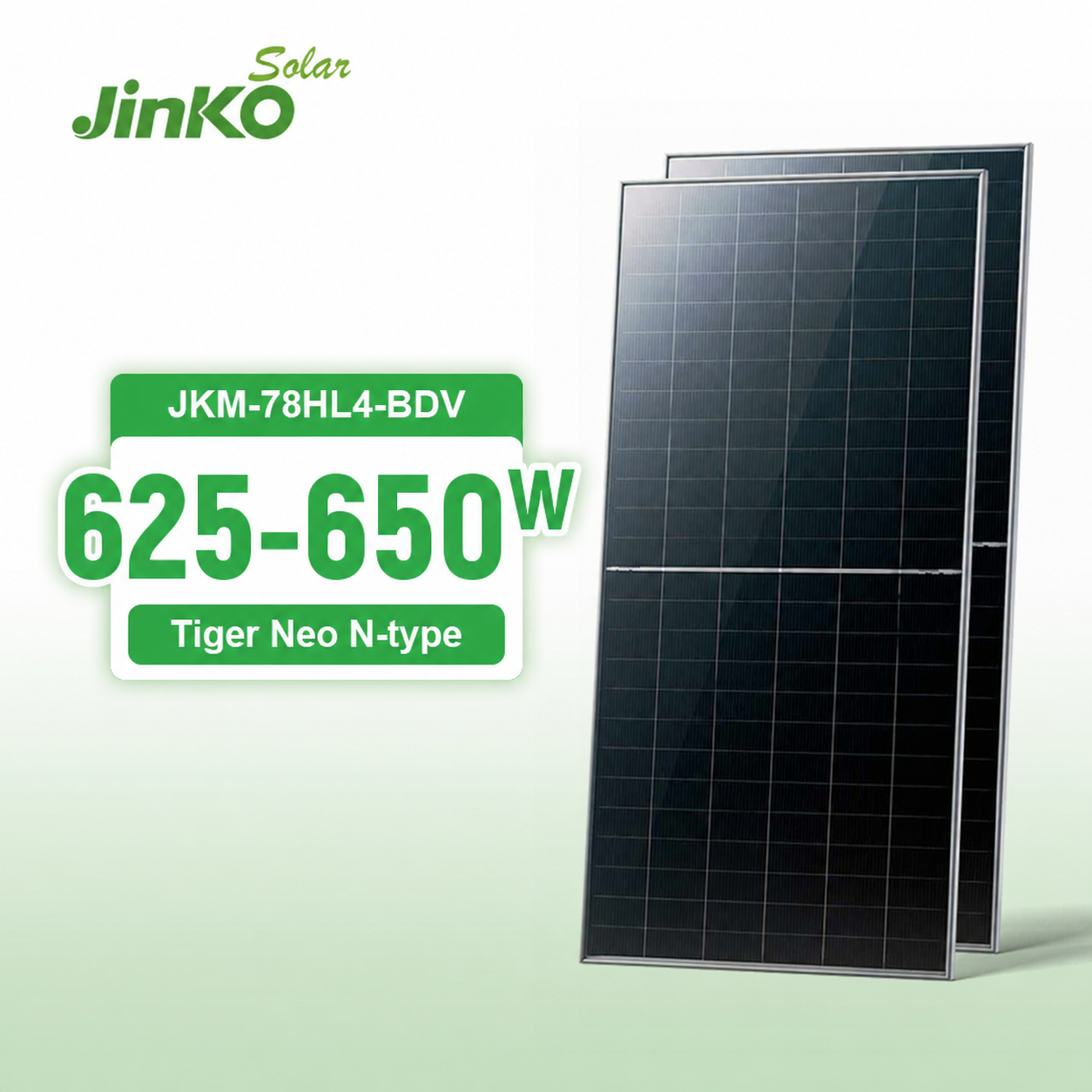
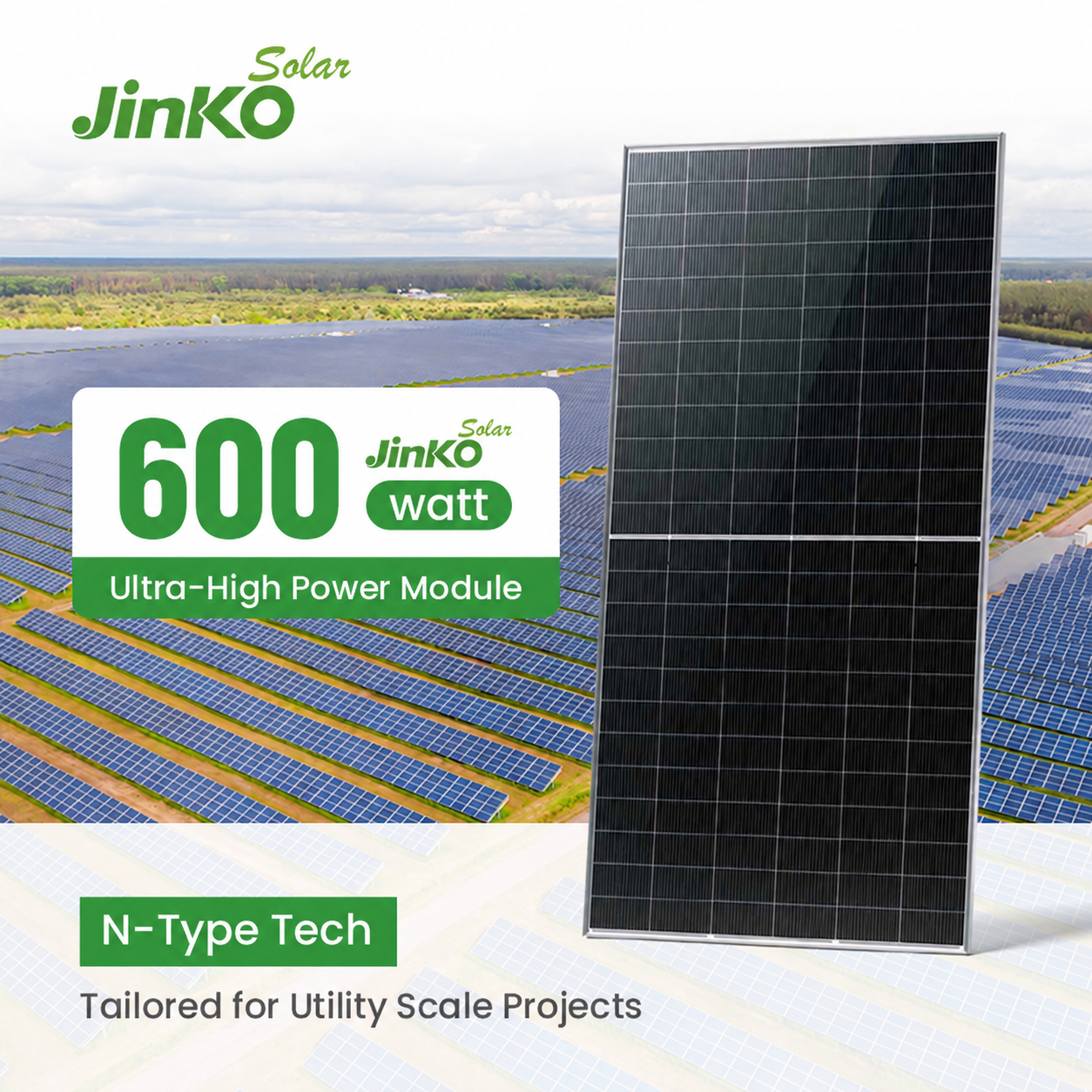
From distributed commercial rooftops to off-grid industrial microgrids, our OEM/ODM inverter infrastructure is tested in conjunction with high-power N-Type TOPCon and LiFePO4 battery modules to guarantee plug-and-play field performance.

Engineering Insights & Market Dynamics

The Evolution of String Solar Inverters: Silicon Carbide to Smart Grids

As modern grid codes demand rigorous autonomous support and PV module formats surpass 700W, OEM/ODM inverter manufacturing has migrated from basic DC-to-AC conversion toward intelligent distributed power stations capable of dynamic grid stabilization.

SiC & GaN Semiconductor Architectures

Traditional silicon insulated-gate bipolar transistors (IGBTs) are being systematically replaced by wide-bandgap Silicon Carbide (SiC) MOSFETs. This architectural migration slashes switching losses by over 55%, enabling PWM switching frequencies beyond 40kHz.

The practical result for EPCs and commercial installers is a 30% reduction in thermal dissipation requirements, allowing lighter enclosures, higher power densities (>3.5 kW/kg), and a European weighted efficiency consistently breaching the 98.8% threshold.

High-Amperage 20A+ MPPT Compatibility

The industry-wide shift to 182mm and 210mm wafer designs, coupled with N-Type TOPCon and Heterojunction (HJT) bifacial solar modules, produces maximum power point currents ($I_{mp}$) well exceeding 17A to 18.5A.

Legacy string inverters restricted to 13A–15A cause severe operational clipping. Next-generation string inverter design integrates continuous 20A–22A per string input, eliminating thermal bottlenecks and harvesting backside bifacial gains up to 30%.

Grid-Forming & Virtual Synchronous Control

With renewable grid penetration reaching critical tipping points, international transmission system operators (TSOs) increasingly mandate grid-forming capabilities over simple grid-following logic.

Advanced OEM string inverters incorporate virtual inertia algorithms, droop control (P-f and Q-V response), and High/Low Voltage Ride-Through (HVRT/LVRT). They function as autonomous voltage sources, maintaining operational stability even in weak grids with short-circuit ratios (SCR) below 1.5.

Procurement & Supply Chain Strategy

Future-Proofing B2B Sourcing: Procurement Trends 2025–2030

For solar distributors, EPC contractors, and global brand owners, inverter procurement is transitioning from discrete component purchasing to total lifecycle value optimization and system-level engineering integration.

Hybridization & DC-Coupled Battery Readiness

Global feed-in tariffs (FiTs) are evaporating in favor of dynamic time-of-use (ToU) billing and negative pricing mechanisms. Consequently, commercial and residential procurement is pivoting almost exclusively toward hybrid-ready or DC-coupled string platforms.

Sourcing teams prioritize inverters equipped with integrated bidirectional DC-DC controllers compatible with both low-voltage (48V) and modular high-voltage (150V–800V) LiFePO4 battery architectures, enabling post-installation storage retrofits without extra balance-of-system hardware.

Mandatory AI-Powered AFCI & Rapid Shutdown

Safety regulations across Europe (IEC 63027), the Americas (UL 1699B, NEC 2020/2023 690.12), and the Asia-Pacific region now strictly penalize non-compliant rooftop assets. Strategic buyers require built-in AI Arc Fault Circuit Interrupters (AFCI).

Modern machine-learning algorithms analyze raw DC waveforms in real time, detecting micro-arcing signatures within 2.5 milliseconds and tripping the circuit up to 200 meters away, successfully eradicating false positives from external grid noise.

Consolidated Sourcing: The Inverter-Storage-PV Kit

The highest operational margin drain reported by international importers stems from multi-vendor communication failure during commissioning. When inverters and battery BMS fail to handshake via CAN/RS485, commissioning stalls.

Leading buyers are securing consolidated SKU contracts from centralized integration partners. Sourcing verified inverter topologies packaged alongside tier-1 N-Type modules and matched battery systems entirely mitigates on-site field incompatibility.

OEM / ODM Manufacturing Prowess

Factory-Direct Capabilities: Engineering Your Competitive Edge

Based in Hangzhou, Zhejiang, Hangzhou VOLT New Energy Technology Co., Ltd. bridges the gap between massive tier-1 component ecosystems and global EPC reliability requirements. We eliminate integration risks before containers leave the port.

Automated Testing & Inverter BMS Compatibility

Protocol Pre-Synchronization

Every hybrid and string inverter order undergoes hardware-in-the-loop (HIL) protocol verification. We match CAN and RS485 communication protocols, baud rates, and pin configurations with specific LiFePO4 BMS systems prior to crating.

Comprehensive Quality Assurance Facility

Automated Stress & Burn-In QC

100% full-load thermal chamber burn-in testing at 50°C ambient temperatures. Every finished PCBA and assembled inverter unit is validated under varying DC input transients and simulated grid voltage anomalies.

Export Logistics and Container Packaging

Class 9 DG Logistics Mastery

Complete certified documentation handling for combined maritime and rail freight: UN38.3, MSDS, CE, and dangerous goods declarations. We optimize container space utilization for mixed palletized loads of inverters, panels, and ESS.

Dedicated Field Engineering & Support

B2B OEM Customization Suite

Comprehensive private-label manufacturing: bespoke front-panel injection tooling, firmware UI translation in 12 languages, customizable cloud monitoring dashboards, and region-specific grid parameter pre-programming.

VOLT New Energy Integrated Solar Production and Warehouse Facility
End-to-End System Integration

Turnkey Solar Storage Architectures Sourced Under One Roof

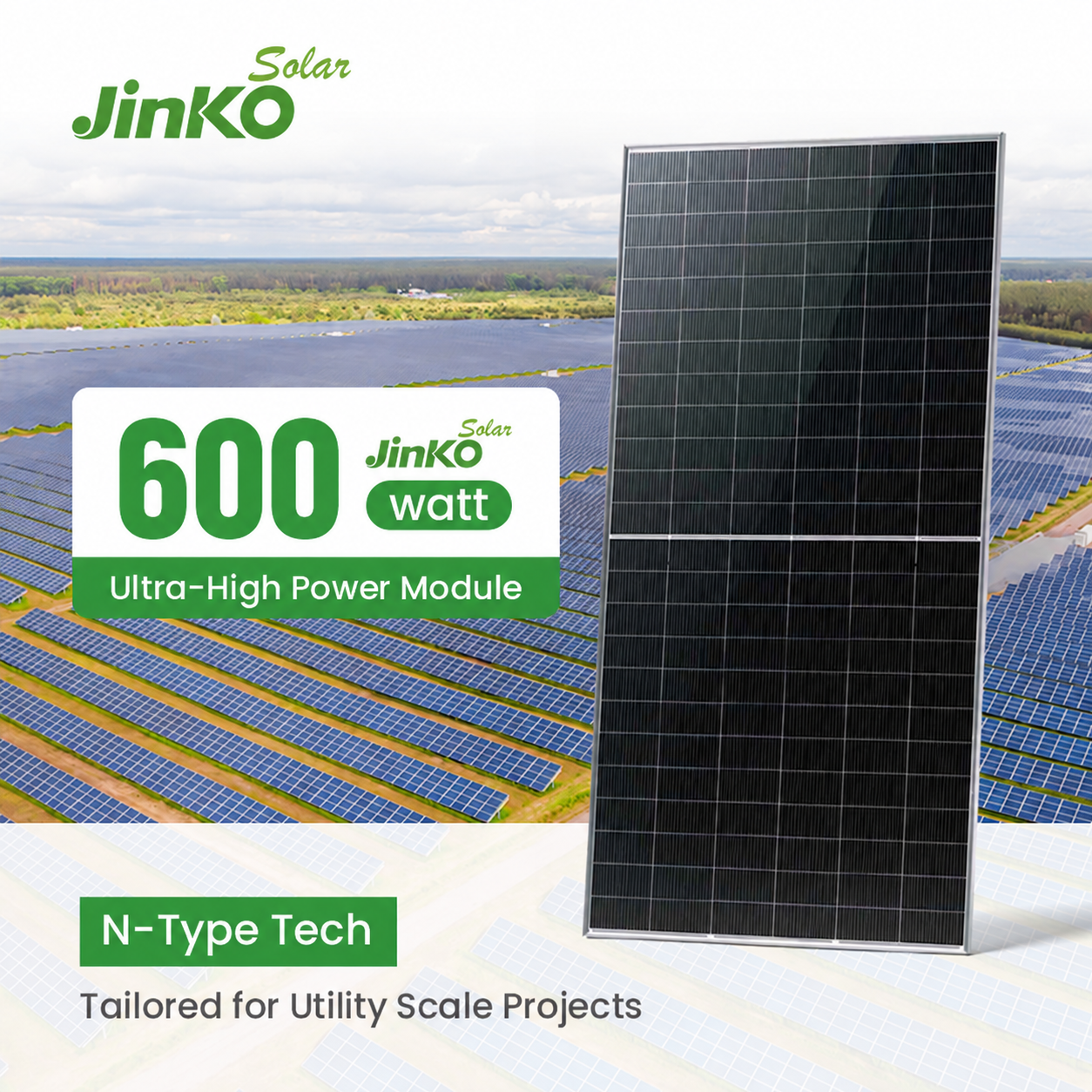
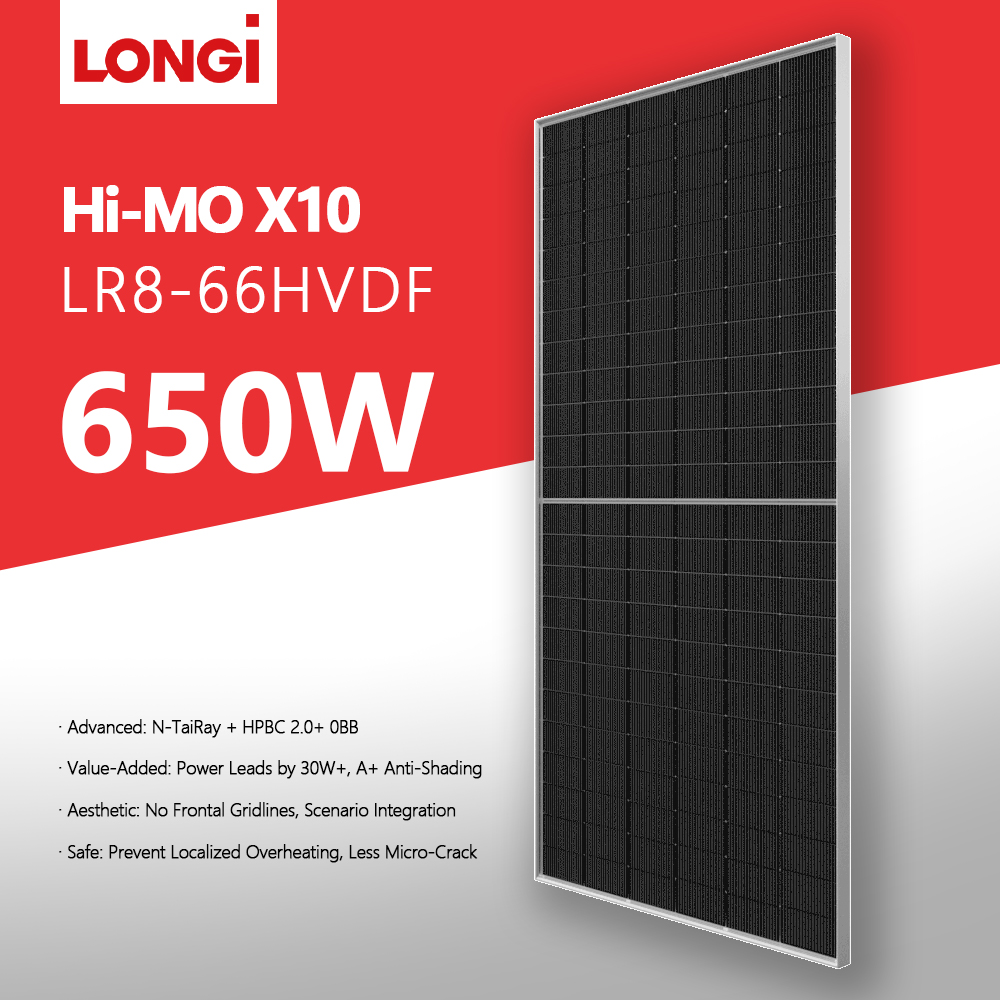
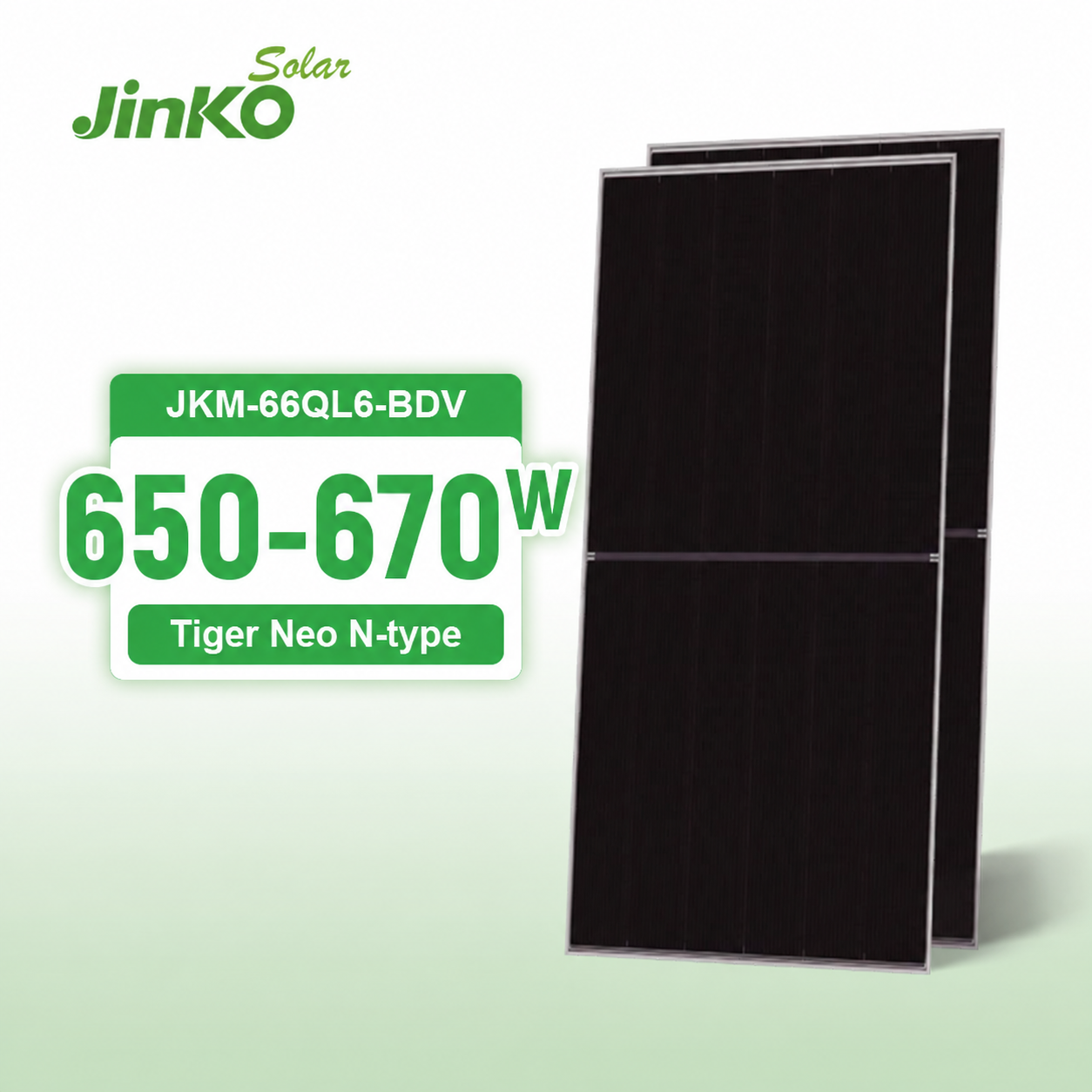
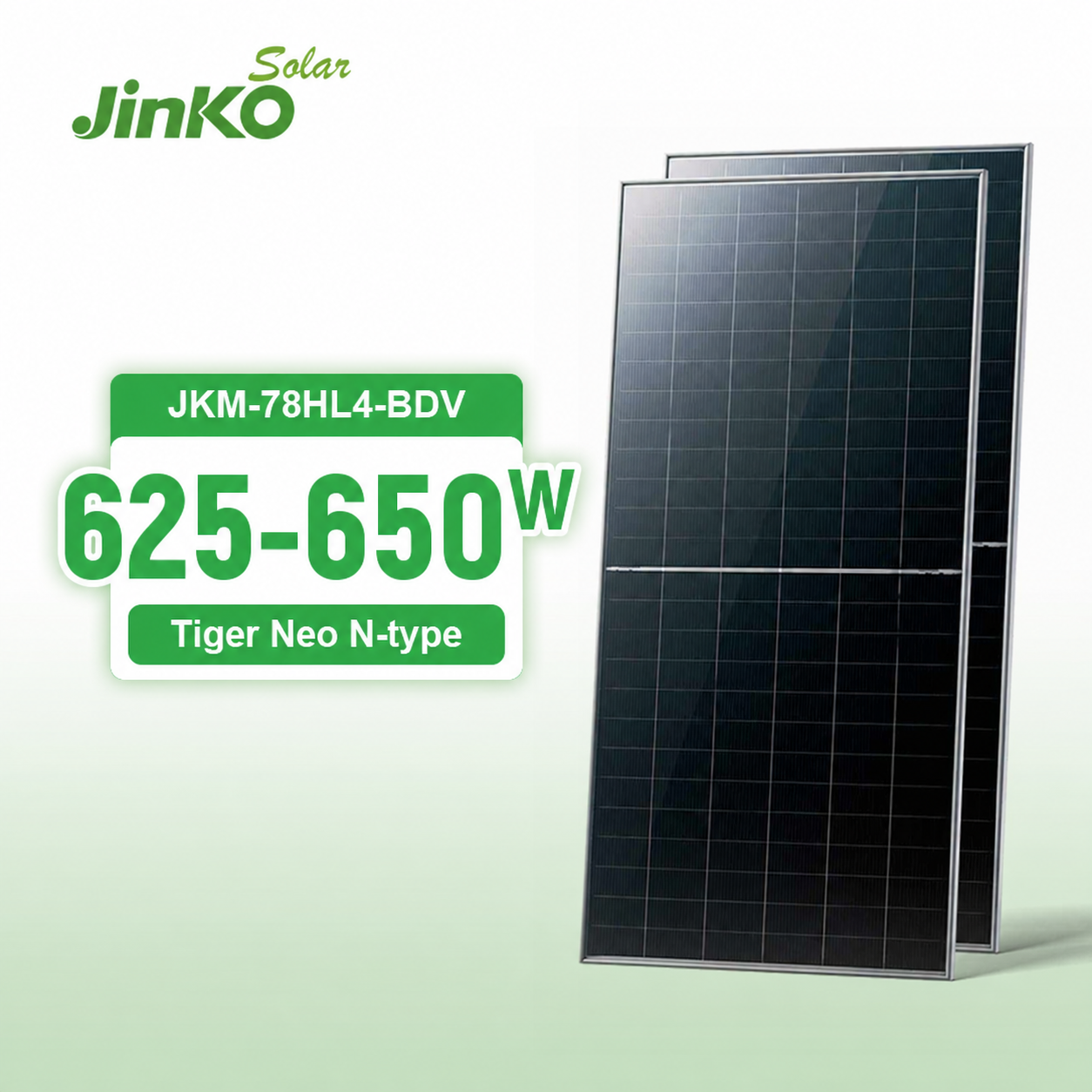
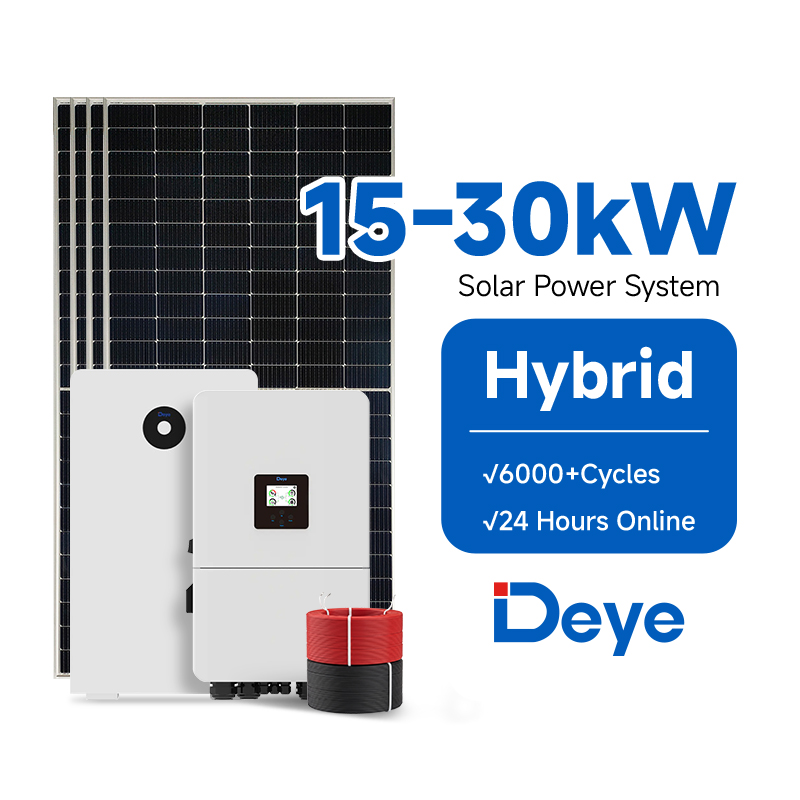
By uniting tier-1 solar panel procurement (Jinko, LONGI), state-of-the-art Deye and OEM string/hybrid inverters, and our proprietary high-density LFP and deep-cycle colloidal battery storage systems, Hangzhou VOLT delivers guaranteed system compatibility. We eliminate vendor finger-pointing, consolidate export documentation, and accelerate project ROI across utility, commercial, and microgrid installations globally.

Knowledge Base & Due Diligence

Frequently Asked Questions for String Inverter Procurement

Clear, engineering-driven technical responses addressing the operational, logistical, and compliance inquiries most critical to EPCs and solar equipment distributors.

What are the key technical differences between String Inverters and Microinverters in C&I projects?
String inverters aggregate multiple photovoltaic modules in series, concentrating high-voltage DC power into a centralized or distributed multi-MPPT conversion topology. For commercial and industrial (C&I) projects, string inverters offer substantially lower Levelized Cost of Energy (LCOE), simpler maintenance access at ground or wall level, and superior balance-of-system (BOS) economics compared to microinverters. Modern string inverters equipped with multiple independent MPPT trackers mitigate partial shading loss down to within 1.5% of module-level power electronics (MLPE), while operating at significantly higher peak electrical efficiency (98.6%+ vs. 96.5%).
How does your factory handle high DC-to-AC oversizing ratios without thermal degradation?
Our OEM string inverters support DC/AC oversizing ratios up to 150% (1.5x). To prevent thermal throttling during periods of maximum solar irradiance, our internal engineering employs multi-channel intelligent forced-air cooling alongside oversized die-cast aluminum heat-sink fins. Thermally conductive Silicon Carbide (SiC) power stages maintain junction temperatures below 110°C even under sustained 100% rated output at 45°C ambient temperatures, preventing derating and ensuring consistent inverter lifespan over 20+ years.
Which communication protocols are natively supported for third-party BMS and SCADA platforms?
Our inverters natively integrate dual RS485 ports, CAN 2.0B interfaces, and optional Ethernet/Wi-Fi/4G hardware dongles. Firmware protocols feature native Modbus RTU and Modbus TCP implementations, allowing rapid integration into standard SCADA systems and building management systems (BMS). For hybrid configurations, our engineering team supplies complete protocol mapping tables (CAN IDs and register addresses) supporting all Tier-1 lithium storage brands, as well as customized protocol conversion routines for OEM distributors.
What certifications are provided to clear customs and secure grid-connection permits?
All inverter lines are certified in compliance with global grid codes and safety directives. Primary certifications include CE (LVD/EMC), TÜV Rheinland mark, IEC/EN 62109-1/-2 for electrical safety, IEC 61000 series for electromagnetic emissions, VDE-AR-N 4105 (Germany), EN 50549 (EU), G98/G99 (UK), and UL 1741-SB / IEEE 1547-2018 for North and South American grid-interconnection applications. Destination-specific grid compliance certificates and declaration of conformity (DoC) documents are forwarded upon quotation.
What are the lead times and Minimum Order Quantities (MOQ) for custom OEM/ODM production?
Standard inventory units (including Deye hybrid inverters and matched Jinko/LONGI solar modules) are accessible for rapid consolidation with lead times of 7–12 days. Bespoke OEM orders—incorporating custom chassis colors, corporate brand silkscreening, unique packaging, and customized firmware start-screens—typically carry a baseline MOQ of 20 units with lead times between 20 and 30 business days. Full container load (FCL) mixed shipments are engineered to streamline clearance and ocean freight expense.
Direct Engineering Consultation

Accelerate Your Solar Infrastructure Pipeline

Connect with our technical integration team for load analysis, string sizing calculations, OEM firmware customization, and wholesale container pricing.

Contact Us
Factory Direct 24-Hour Engineering SLA