High-Yield Bifacial Solar Modules & Low-Voltage Storage Pairs
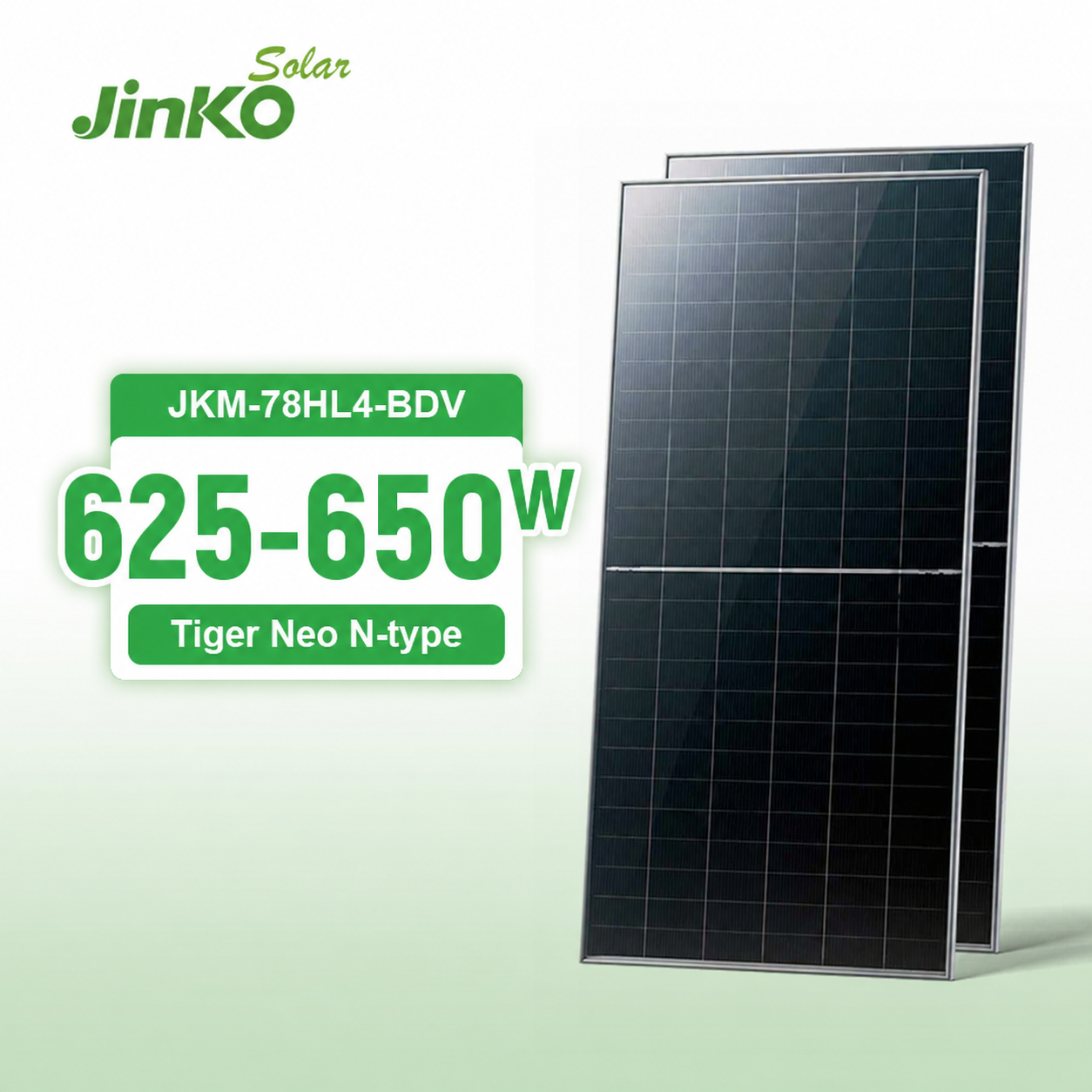
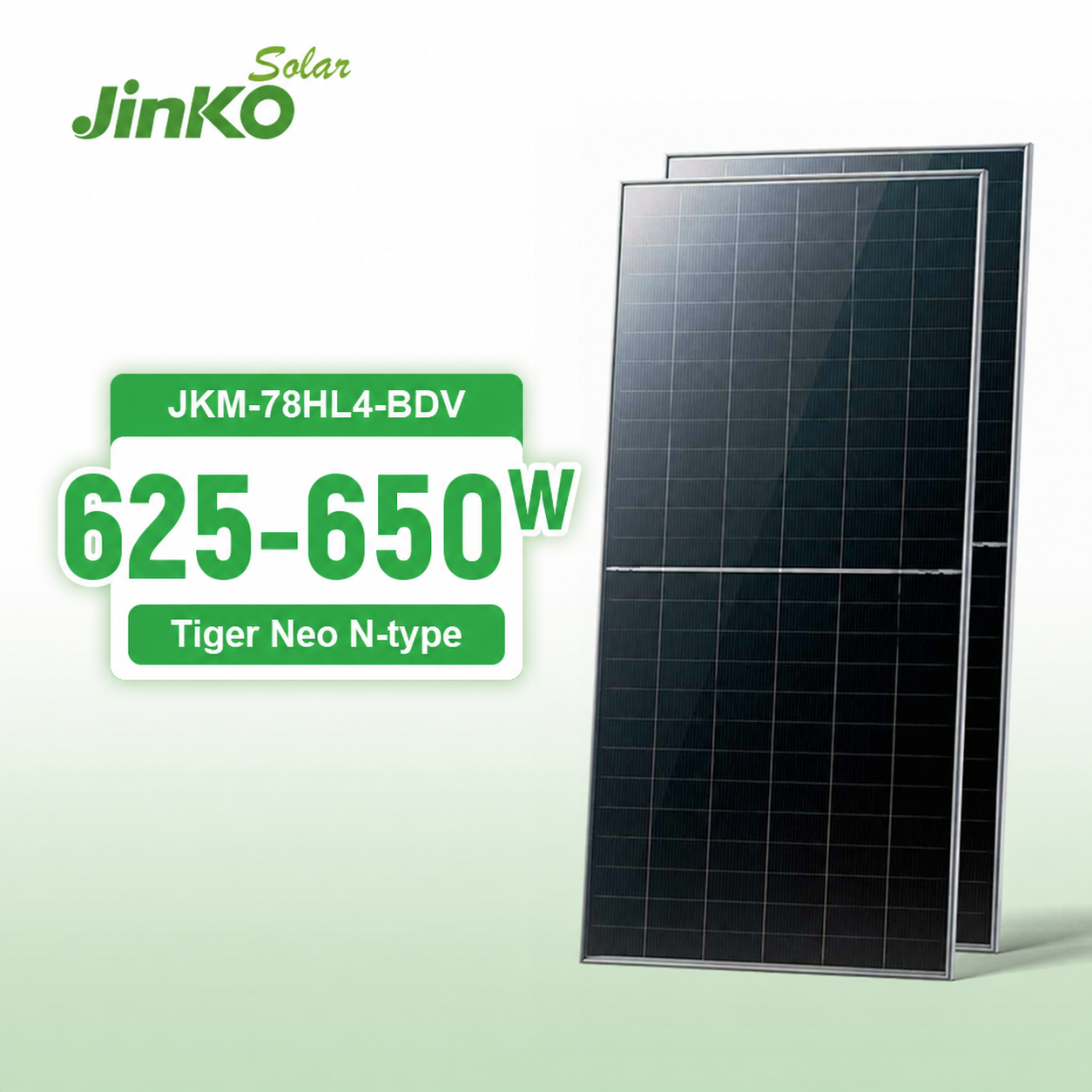
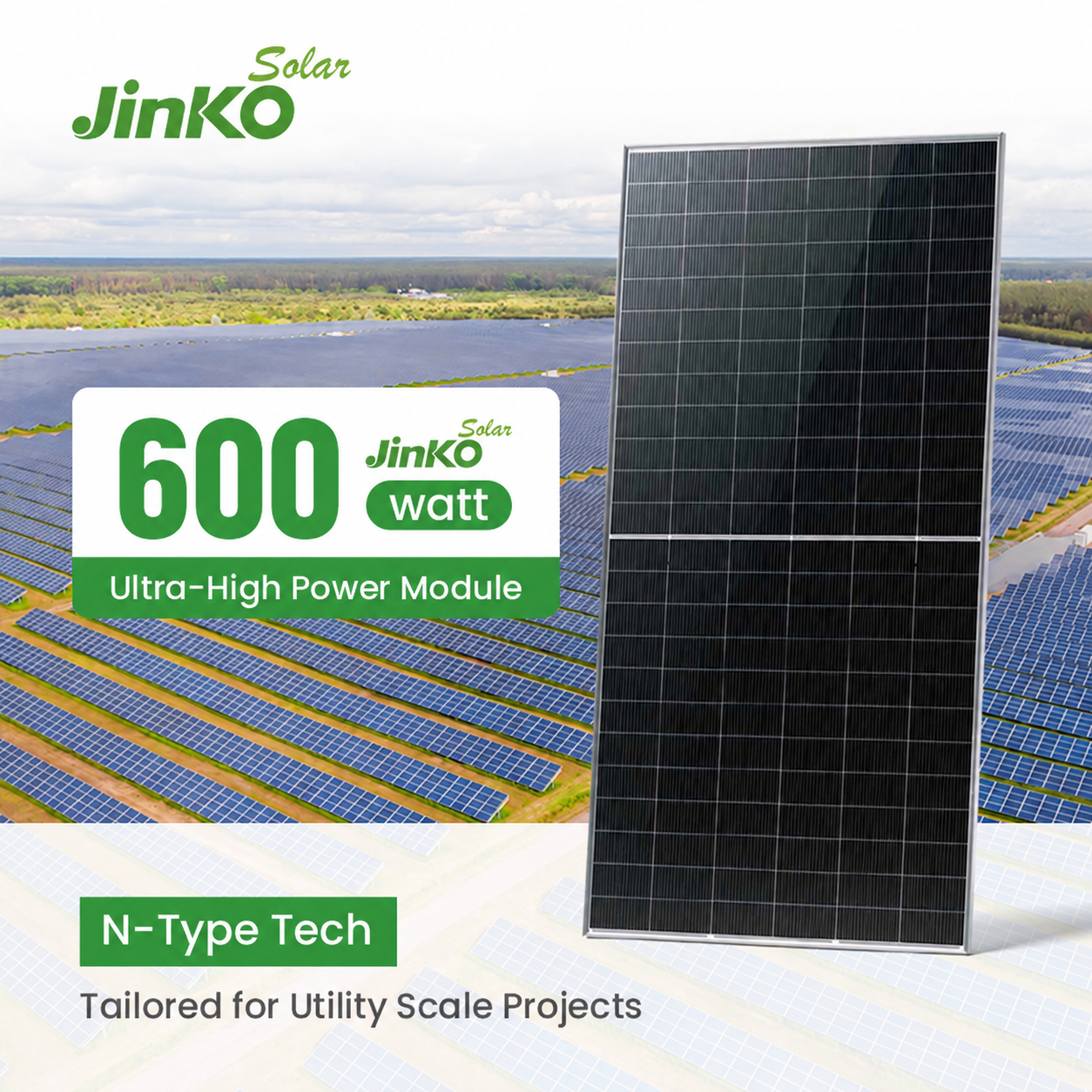
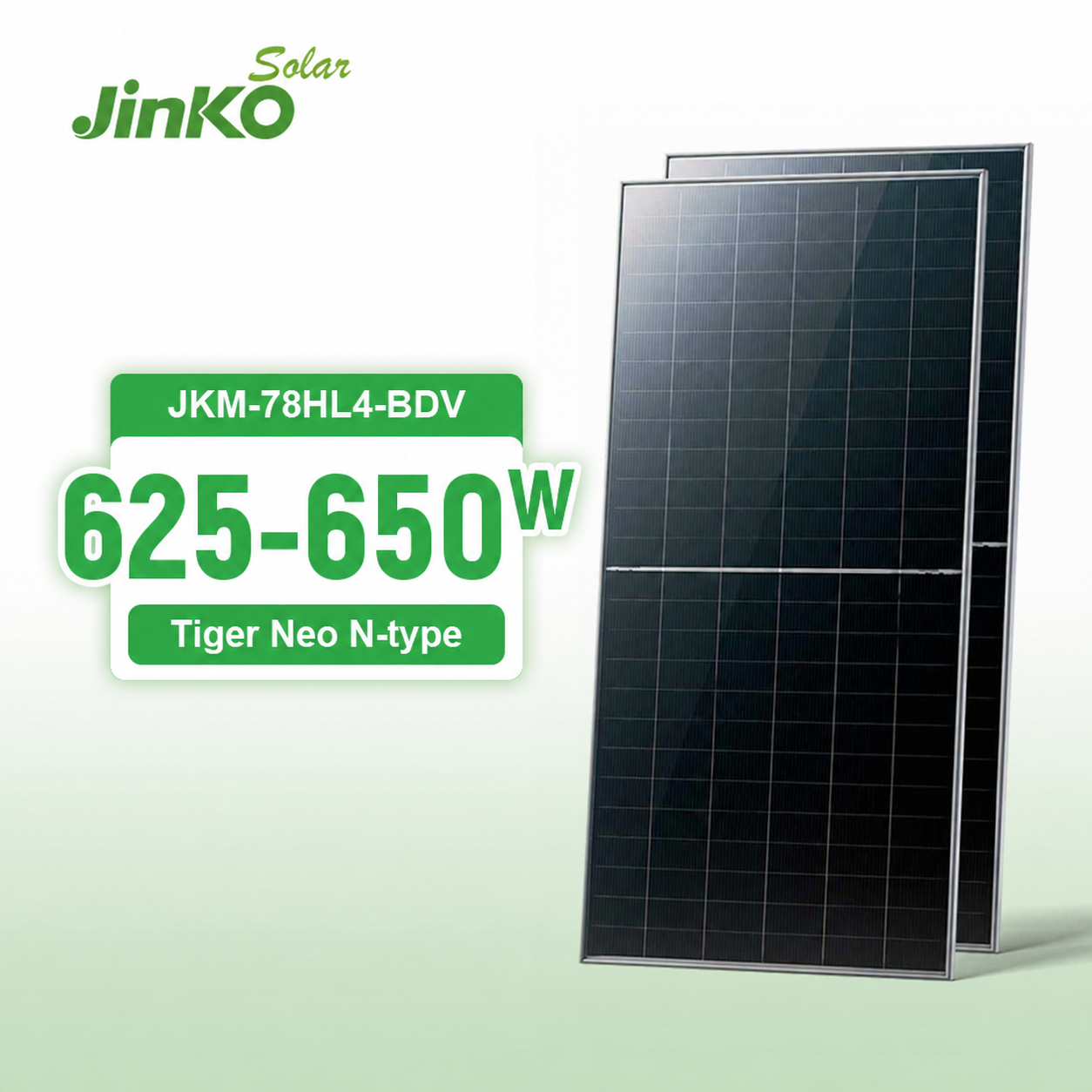
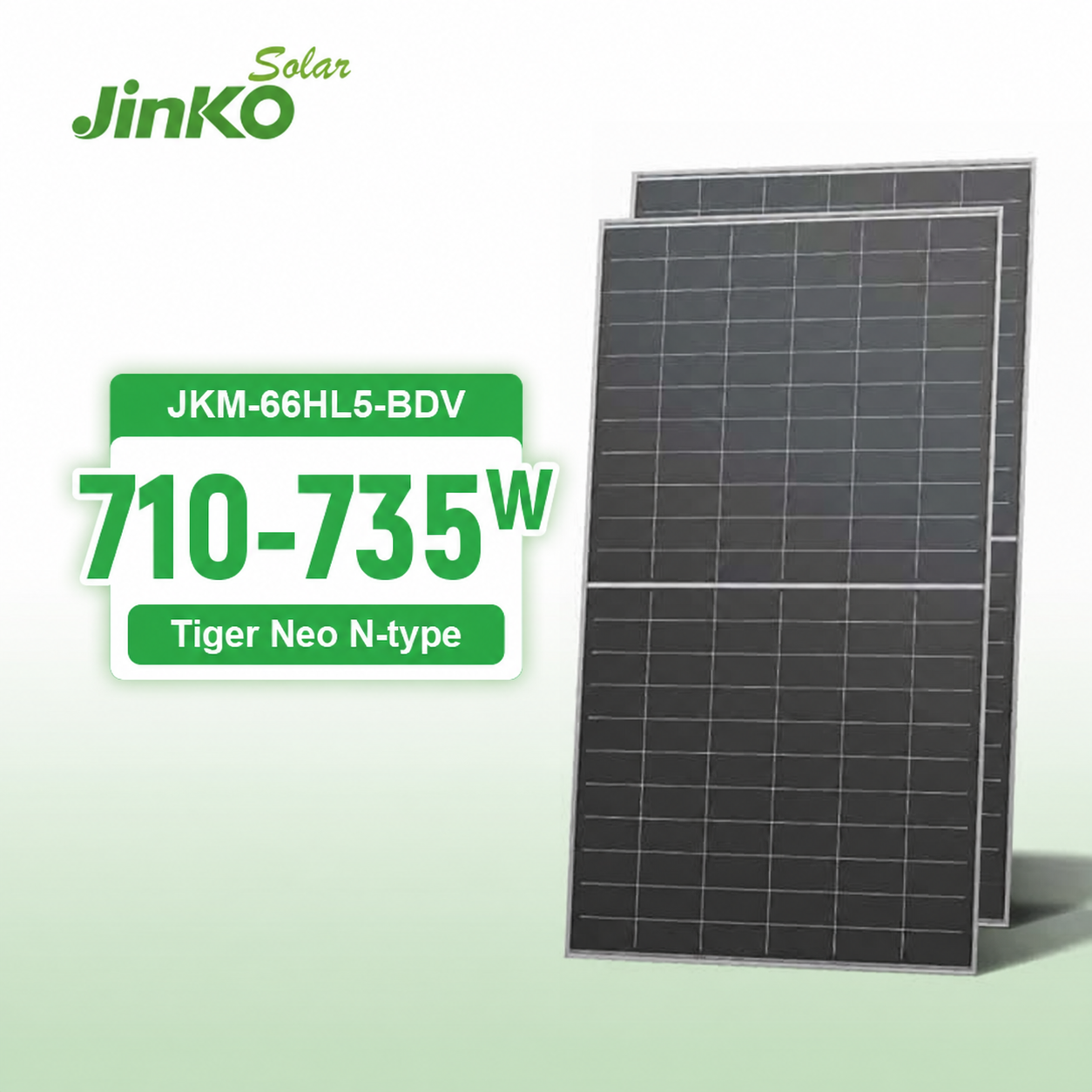
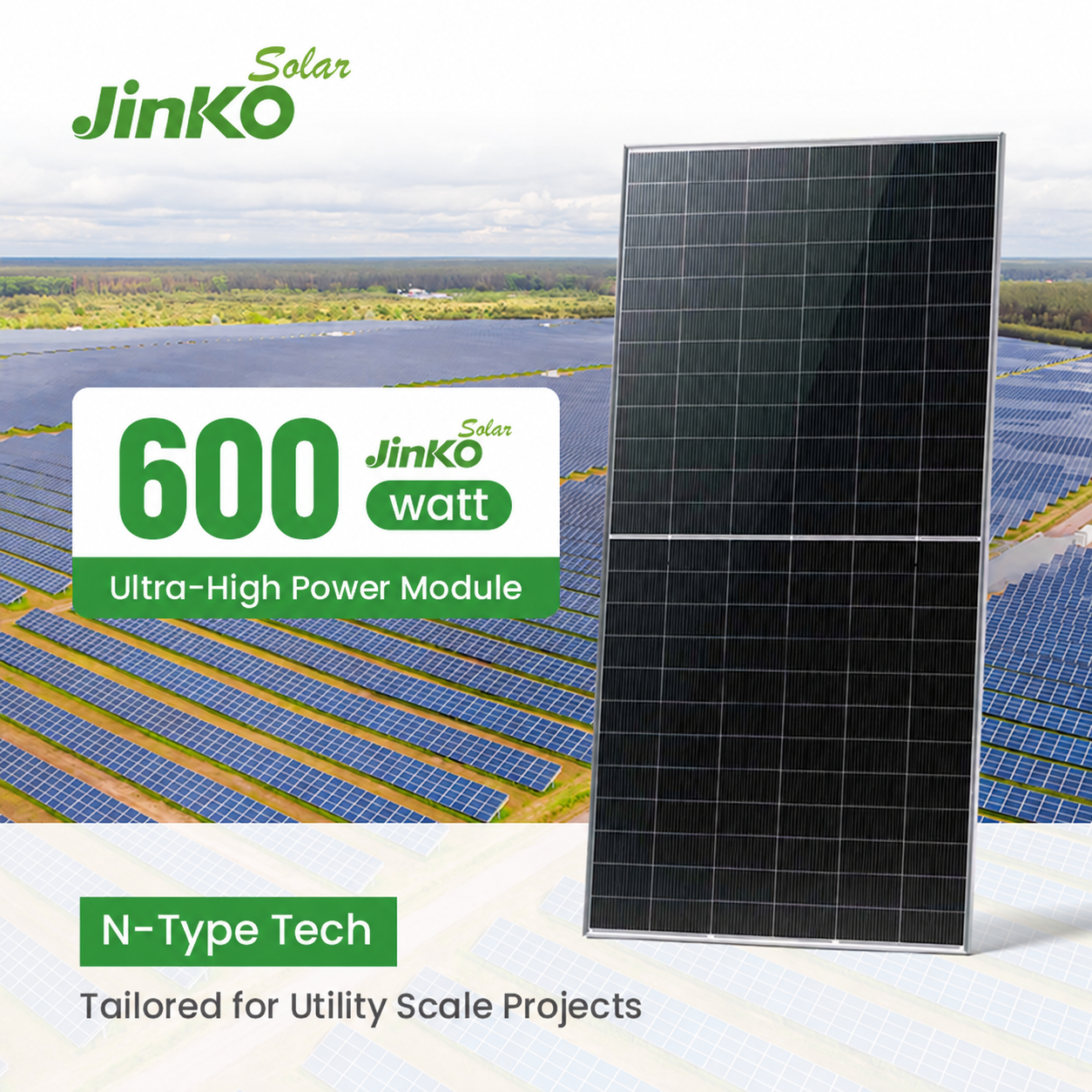
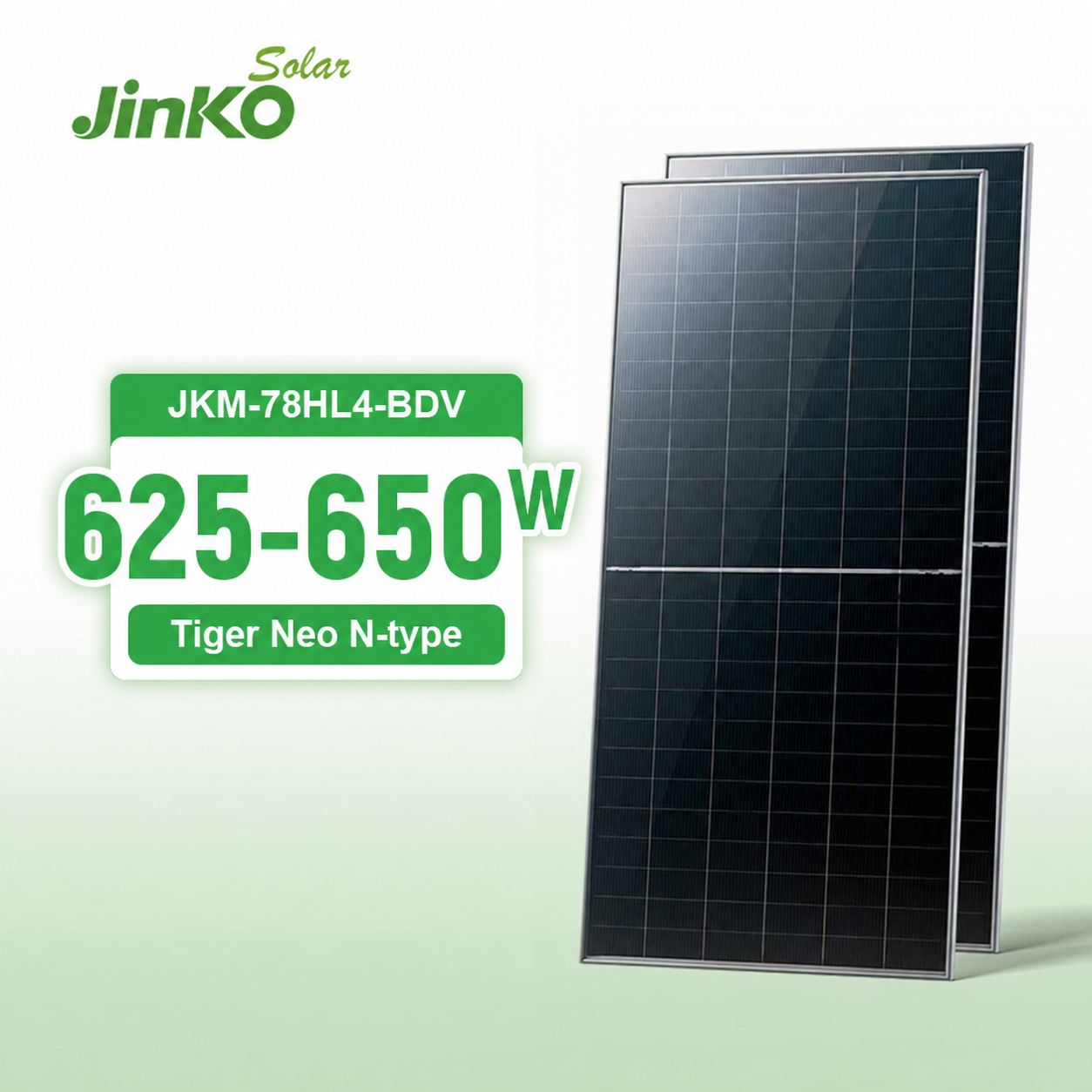
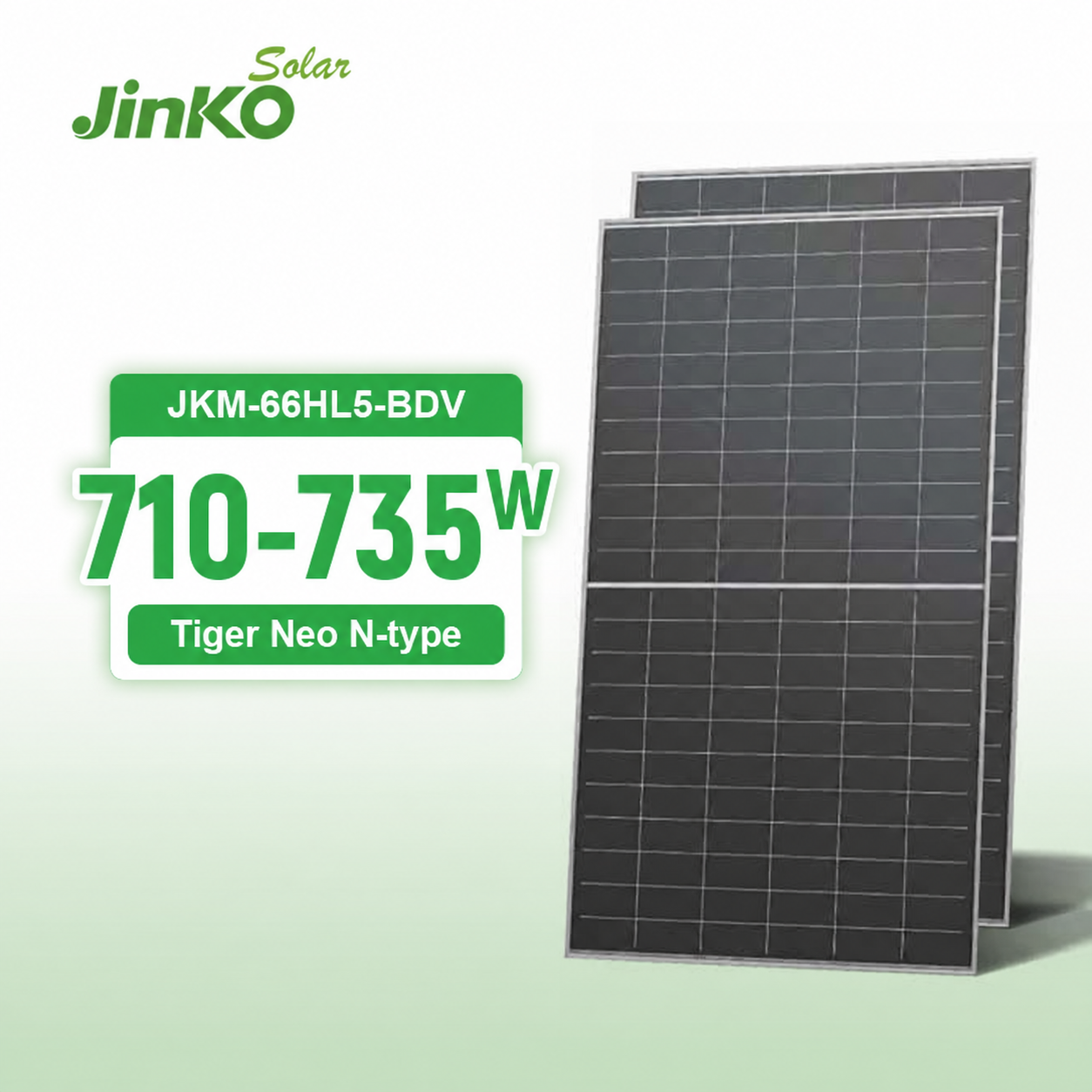
In utility, microgrid, and residential C&I deployments, energy storage efficiency starts at the solar collection array.VOLT New Energy synchronizes tier-one TOPCon monocrystalline bifacial PV modules with 48V / 51.2V battery banks to eliminate systemic clipping and impedance drift.
Top 10 48V Lithium Battery Manufacturers & Factory Tier Ranking
A granular evaluation of global production gigafactories, automated laser terminal welding lines, proprietary BMS firmware stacks, and third-party bankability ratings for professional B2B energy contractors.
VOLT New Energy Technology
Hangzhou, China · Turnkey Tier-1 IntegratorFactory Overview: Hangzhou VOLT New Energy Technology Co., Ltd. operates as an agile engineering and battery integration powerhouse in Zhejiang. Specializing in customized 48V/51.2V 100Ah, 200Ah, and 280Ah LiFePO4 rack-mount, wall-hung, and all-in-one stacked systems, VOLT solves the biggest pain point in international EPC procurement: unverified BMS-to-inverter communication protocols.
Engineering Core: VOLT maintains an on-site hardware testing laboratory where every single pack undergoes physical matching with Deye, Growatt, Victron, and Solis hybrid inverters before DG packing. Their own ANTOFO brand and white-label OEM offerings incorporate automotive-grade prismatic cells, integrated aerosol fire extinguishing, and RS485/CAN automated multi-baud handshaking.
Pylon Technologies (Pylontech)
Shanghai, China · Vertically Integrated GiantFactory Overview: Recognized globally for its US2000C, US3000C, and US5000 48V rack architectures, Pylontech boasts total vertical integration, manufacturing its own pouch and small-prismatic LFP cells, cell chemistry formulations, and proprietary BMS units.
Engineering Core: Pylontech's communication protocols are the de facto baseline for almost every low-voltage hybrid inverter on the market. However, high lead times during peak demand cycles and rigid pricing create supply bottlenecks for medium-tier global EPC contractors requiring custom casing or specialized high-C discharge ratings.
Contemporary Amperex (CATL)
Ningde, China · The Cell DominatorFactory Overview: While CATL mainly operates at the gigawatt cell and containerized utility ESS tier (EnerOne, EnerC), their prismatic cells (notably the 100Ah, 280Ah, and 314Ah series) serve as the structural backbone for the world's most robust 48V custom-pack manufacturers.
Engineering Core: CATL cells deliver unmatched chemical purity, exceptionally low internal AC/DC resistance, and thermal stasis under continuous cycling. Commercial buyers must note that CATL rarely sells pre-packaged 48V residential wall packs under their own brand, meaning buyers must partner with tier-1 pack integrators like VOLT New Energy.
BYD Battery-Box (FinDreams)
Shenzhen, China · Blade ArchitectureFactory Overview: BYD's Battery-Box Premium LVL (15.4kWh) and LVS series represent the gold standard in modular low-voltage engineering. Leveraging their automotive Blade Cell technology, BYD packs achieve exceptional volumetric energy density and puncture-safe thermal profiles.
Engineering Core: BYD utilizes an internal low-voltage bus architecture that allows easy parallel scaling up to 983 kWh. Sourcing BYD directly is notoriously difficult for regional installers due to their strict distribution tiering and multi-tier distributor channel locks.
Dyness Renewable Energy
Jiangsu, China · Residential SpecialistFactory Overview: Established with a distinct focus on overseas residential and commercial energy storage, Dyness manufactures high-volume 48V units including the B4850, Powerbox, and BX51100 models, enjoying strong brand penetration in Europe, South Africa, and Latin America.
Engineering Core: Dyness delivers intuitive plug-and-play RS485/CAN interfaces and compact wall-mount designs. While highly capable for residential installations, industrial buyers sometimes report firmware update lags when pairing with newly released off-grid inverter chipsets.
Growatt New Energy
Shenzhen, China · Inverter + Battery EcosystemFactory Overview: Long respected as a global top-tier string inverter producer, Growatt expanded heavily into battery manufacturing with its AXE and Hope series 48V low-voltage lithium units, engineered to optimize single-vendor warranty processes.
Engineering Core: Growatt's 48V packs offer seamless communication when tethered to Growatt SPF (off-grid) and SPH (hybrid) inverters. However, using Growatt 48V packs with third-party inverters (such as Deye, Schneider, or Studer) often necessitates manual CAN pin modifications and custom DIP configurations.
Enphase Energy (IQ Battery)
Fremont, USA · Distributed AC ArchitectureFactory Overview: While technically presented as an AC-coupled architecture, Enphase's internal energy core utilizes low-voltage cell-to-microinverter conversion. Using high-stability LFP cells, the Enphase IQ series emphasizes safety without single-point DC failure vulnerabilities.
Engineering Core: Field-proven software integration with grid-forming microinverters. Drawbacks for global B2B procurement include an exceptionally high price-per-kWh ratio and closed-ecosystem exclusivity that prevents third-party solar equipment mixing.
Fortress Power
Southampton, USA · Heavy-Duty C&IFactory Overview: Fortress Power focuses on high-capacity, heavy-duty 48V enclosures for residential and commercial off-grid applications. Units like the eVault Max 18.5kWh are engineered with smart digital status displays, internal busbars, and robust steel enclosures.
Engineering Core: Features integrated local WiFi monitoring and active cell-balancing circuits capable of high surge output. Sourced primarily for the North American and Caribbean off-grid estate markets, unit logistics require heavy freight handling.
SimpliPhi Power
California, USA · Ruggedized Defence / TelecomFactory Overview: SimpliPhi built its industry reputation around ruggedized, non-cobalt LFP architectures designed for extreme tactical and off-grid environments where thermal runaway mitigation and wide operating temperatures (-20°C to +60°C) are paramount.
Engineering Core: 48V PHI packs utilize cylindrical and robust cell arrays requiring zero cooling ventilation or thermal management parasitic load. High manufacturing costs in domestic facilities position SimpliPhi for niche, mission-critical military and telecom deployments.
LG Energy Solution (RESU LV)
Seoul, South Korea · Precision AutomationFactory Overview: LG Energy Solution's RESU 48V series (RESU 6.5, RESU 10) brought automotive precision pouch cell packaging into the residential ESS domain, offering exceptional energy-to-weight metrics and ultra-compact profiles.
Engineering Core: LG packs provide high gravimetric density, fitting into tight indoor utility cupboards. Historically, NMC cell chemistry was utilized, though current industrial pivots are transitioning RESU architectures toward LiFePO4 to meet global B2B client demands for safety and deeper depth-of-discharge cycling.
Factory Engineering & Spec Audit Matrix
Compare crucial electrical parameters, communication compatibility, and procurement flexibility across leading supply channels.
| Manufacturer / Brand | Nominal Voltage & Topology | Cell Chemistry & Class | BMS Protocol Auto-Handshake | Cycle Longevity (80% DOD) | Procurement Flexibility |
|---|---|---|---|---|---|
| VOLT New Energy | 51.2V (16S 1P/2P) Prismatic | Grade-A LiFePO4 (Automotive) | Deye, Solis, Victron, Growatt, SMA | 6,000–8,000 Cycles | Direct OEM / Consolidation |
| Pylontech | 48.0V / 51.2V (15S / 16S) | LiFePO4 Pouch / Prismatic | Universal CAN / RS485 Native | 6,000 Cycles | Distributor Allocation |
| BYD (FinDreams) | 51.2V Blade Prismatic | LiFePO4 Blade Format | Dedicated Select Hybrid Inverters | 6,000+ Cycles | Strict Channel Only |
| Dyness | 51.2V Rack / Wall | Grade-A LiFePO4 Prismatic | Multi-brand CANbus Configurable | 6,000 Cycles | Direct & Wholesale |
| Growatt | 51.2V Modular Stack | LiFePO4 Prismatic Pack | Native Growatt (Third-party limited) | 6,000 Cycles | Regional Distribution |
Future Procurement Trends & Technological Architecture
How the global pivot away from high-voltage complexity is driving smart, decentralized low-voltage 48V/51.2V systems across microgrids, commercial facilities, and residential micro-storage.
16S Prismatic Superiority Over 15S
Early legacy telecom lithium packs utilized a 15S chemistry layout (48.0V nominal). The industry has now permanently gravitated toward 51.2V nominal (16S configurations). The 16S matrix delivers a tighter operating window (43.2V to 58.4V), which precisely matches the optimal DC bus efficiency of tier-one hybrid inverters like Deye 5kW-12kW single/three-phase low-voltage platforms, completely mitigating high-current thermal losses.
Autonomous Closed-Loop Handshakes
Manual inverter DIP switch settings are being superseded by auto-detecting BMS microcontrollers. Next-generation 48V packs dynamically negotiate baud rates (500kbps CAN vs 9600/19200bps RS485) upon physical connection, streaming cell-level voltages, state-of-health (SOH), and dynamic charge-current limits (CCL) directly to cloud energy management platforms without installer programming errors.
Supply Chain Indexation & Mixed Loads
B2B importers increasingly demand integrated logistics: packing tier-one Jinko bifacial solar modules, Deye hybrid inverters, and custom 48V LiFePO4 packs within the same consolidated 40HQ container. This mixed-container protocol drastically minimizes destination customs clearance friction, optimizes Class 9 DG maritime freight fees, and guarantees that balance-of-system warranties align perfectly under one accountable supply partner.
Why International EPCs Partner with VOLT New Energy
Headquartered in Hangzhou, Zhejiang, Hangzhou VOLT New Energy Technology Co., Ltd. eliminates systemic overseas sourcing risks through verified pre-shipment bench testing, DG documentation precision, and comprehensive system bundling.

Verified Closed-Loop Pre-Testing
Every single batch of 48V/51.2V batteries is physically connected to target inverter models (such as Deye SUN-SG04LP3 or Growatt SPF) prior to export, completely eliminating "BMS Comm Lost" error codes on job sites.

Class 9 Dangerous Goods Sea Freight
Complete export documentation portfolios—including certified UN38.3 test summaries, 1.2m drop test verifications, and custom-stamped MSDS dossiers—ready for customs clearance across Europe, LatAm, Africa, and the Middle East.

Turnkey Bundled Containers
Consolidate Jinko TOPCon double-glass panels, Deye hybrid low-voltage inverters, and VOLT 48V lithium modules in a single 40HQ container, lowering landed logistics expenditure by 18% to 26%.

Direct Engineering & Sizing Desk
Direct technical consultation with veteran solar power engineers. We calculate client load profiles, backup runtimes, battery C-rates, and string voltage sizing, providing schematic CAD wiring diagrams in 24 hours.
Frequently Asked Questions by Global B2B Importers
Technical guidance covering battery chemistry selection, C-rate continuous limits, inverter synchronization, and international sea-freight maritime policies.
1. Why is 51.2V (16S) preferred over 48.0V (15S) in modern solar installations?
2. How do you resolve communication handshake conflicts between a 48V battery and Deye inverters?
3. What is the real-world difference between a 0.5C and a 1.0C continuous discharge rating?
4. What documentation is required to clear customs for Class 9 lithium batteries?
5. Can deep-cycle GEL batteries and 48V lithium batteries be mixed in the same bank?
Design Your Complete Solar + Storage System
Submit your site load profiles, peak consumption parameters, or preferred inverter models. Our technical engineering division will generate an integrated bill of materials, protocol compatibility check, and consolidated container shipping quote within 24 hours.