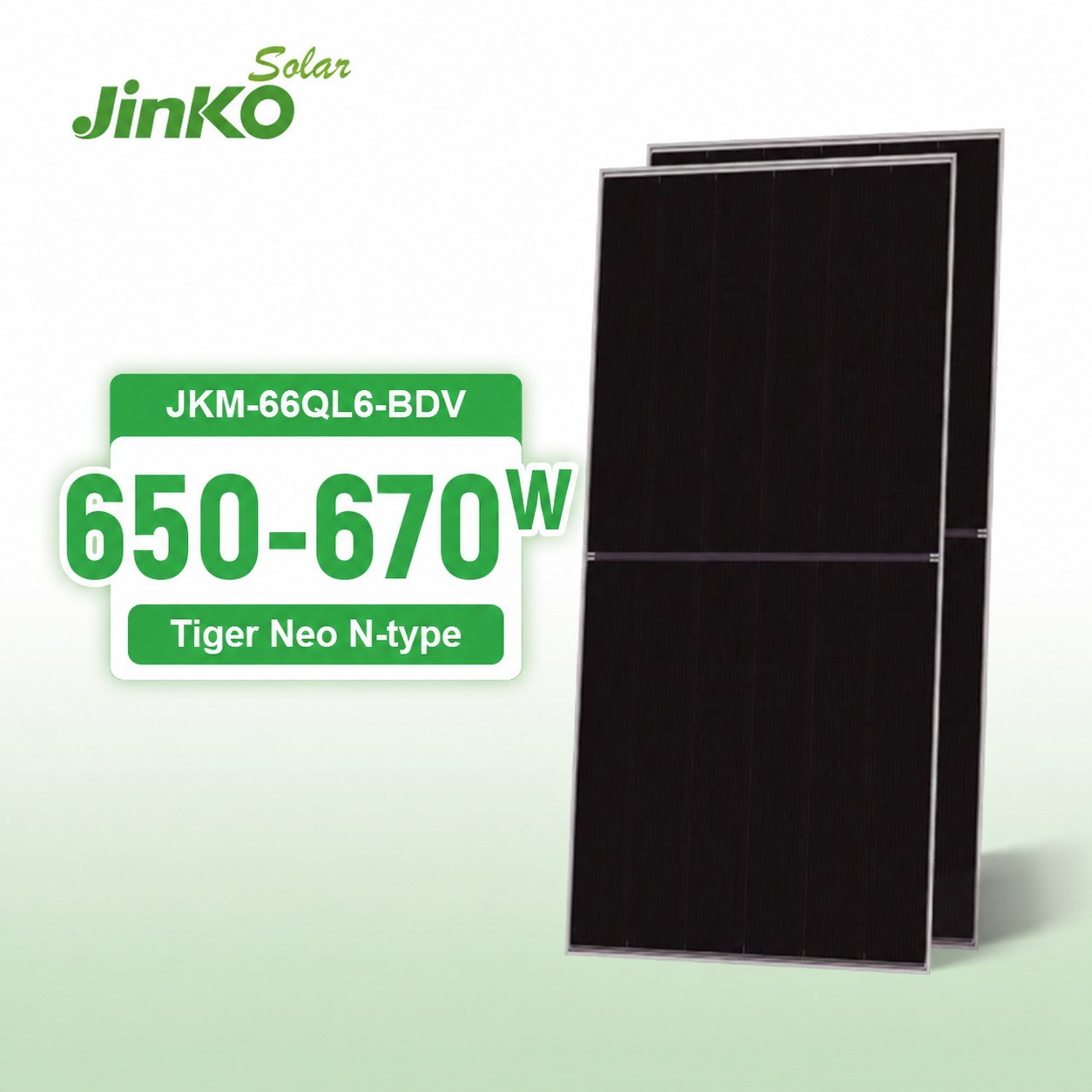
Industrial Generation
Precision-matched N-Type bifacial solar arrays engineered directly to complement industrial hybrid storage systems and commercial battery racks without communication divergence.
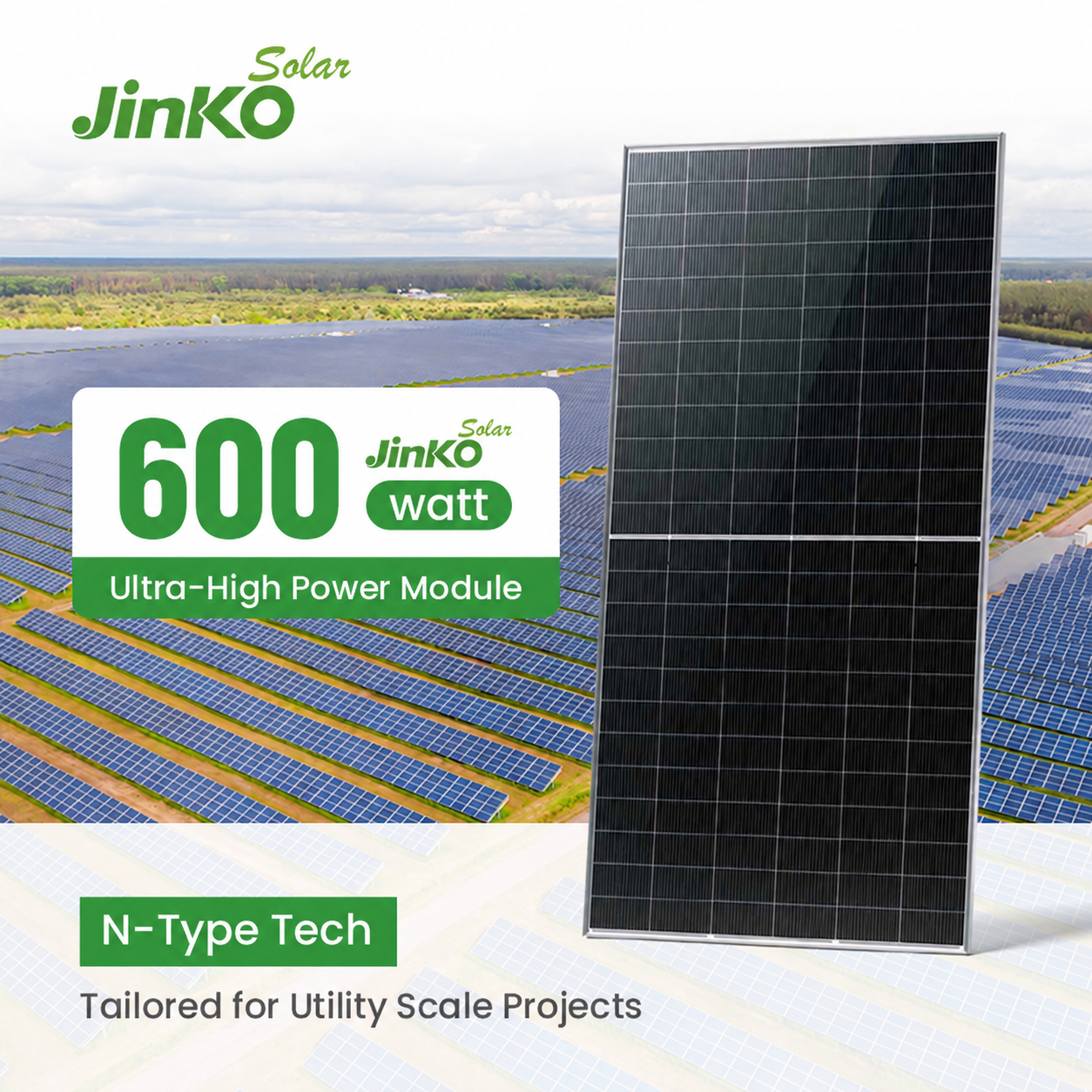
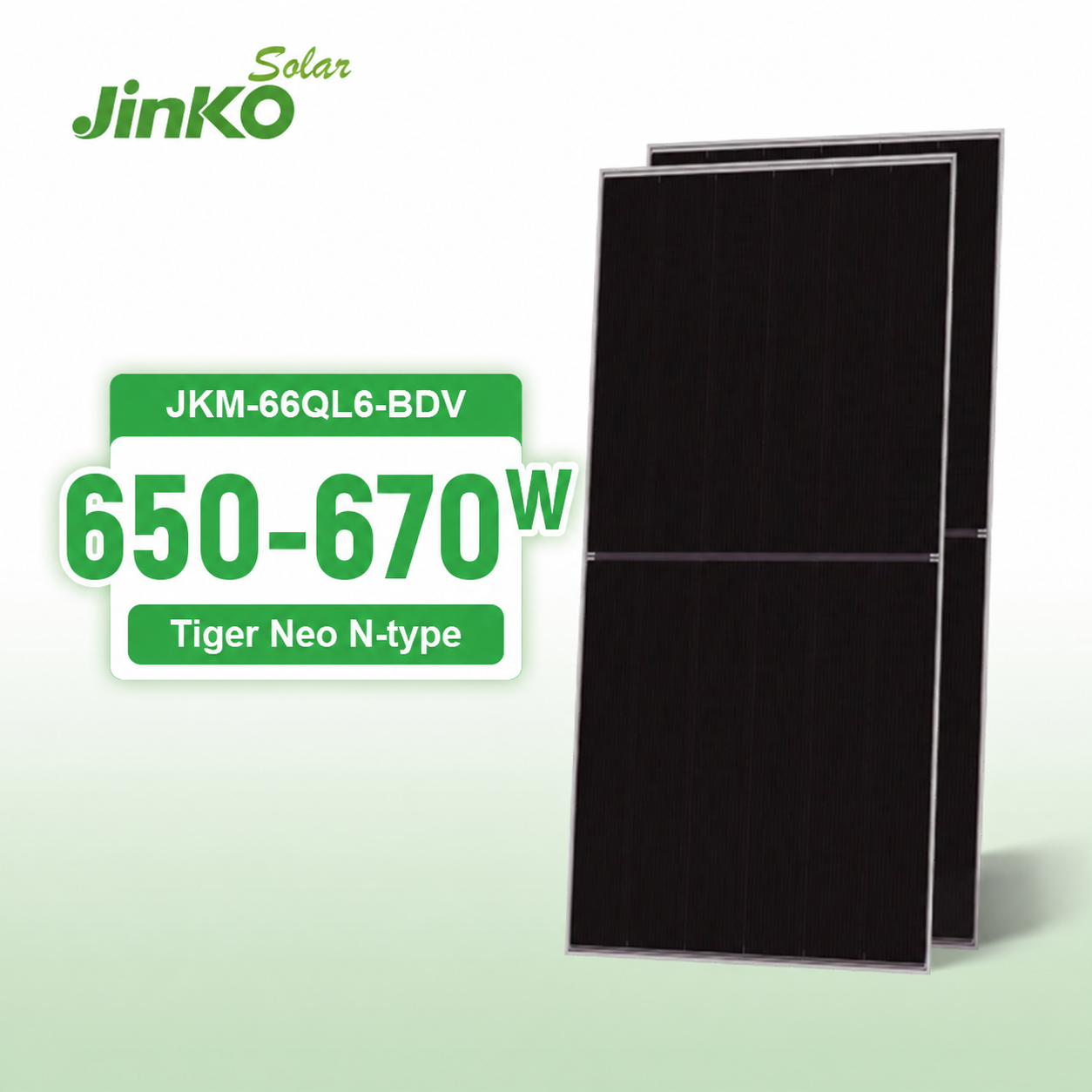
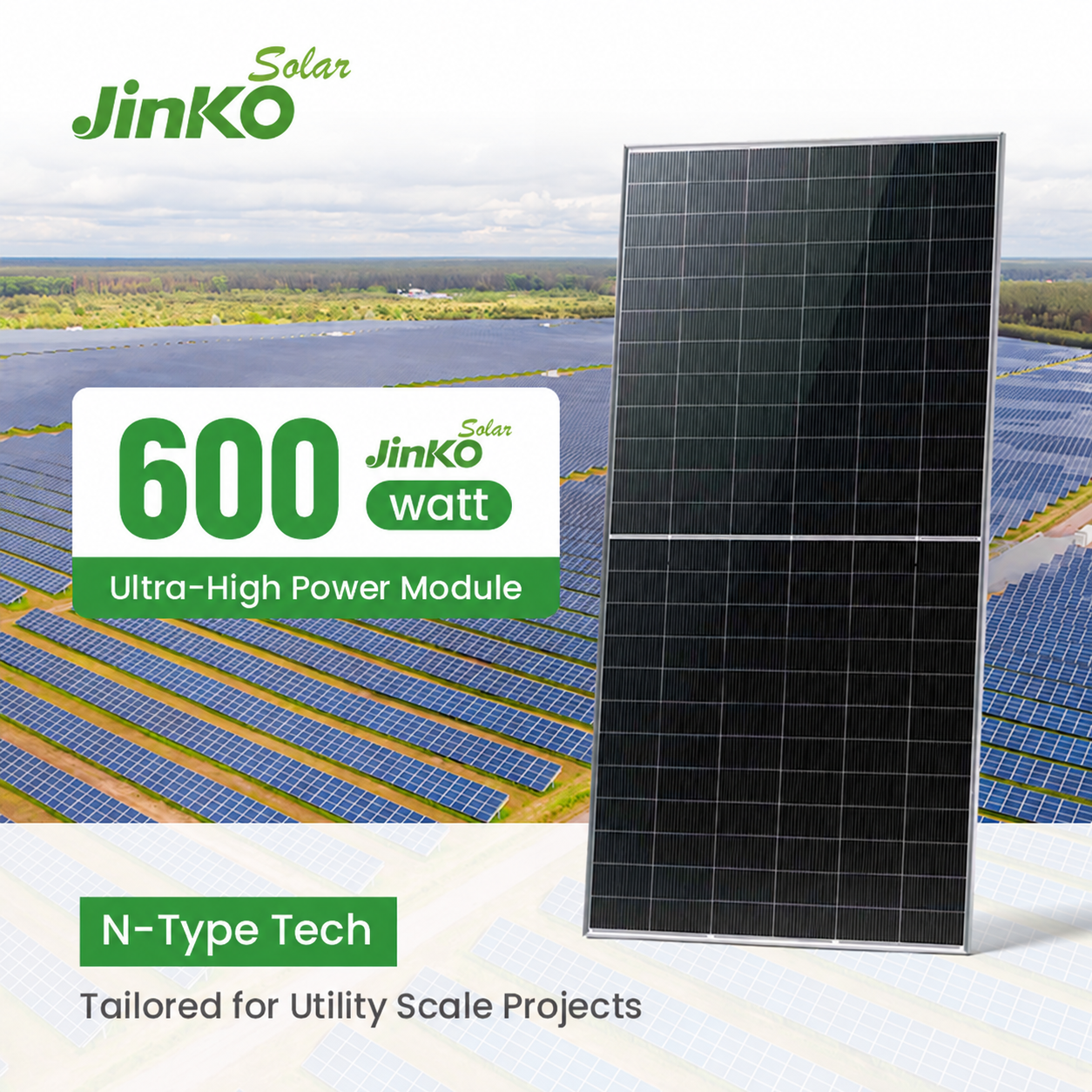
Microgrid energy storage systems (BESS) are transitioning from simple passive backup reserves to active, intelligent grid-forming power generation assets. In an operational context characterized by utility tariff instability, weak distribution grids, and remote off-grid extraction demands, decentralized microgrid configurations enable autonomous power quality correction, localized frequency regulation, and uncompromised energy security.
At the center of microgrid dependability is the synergy between generation (such as high-efficiency N-Type TOPCon bifacial modules), conversion (hybrid bi-directional inverters), and electro-chemical retention (LiFePO4 and advanced deep-cycle colloidal matrices). The global supply chain now ranks original equipment manufacturers (OEMs) and turnkey integration suppliers on their technical capability to resolve inter-device latency, BMS-to-PCS handshaking integrity, and closed-loop thermal containment under harsh environmental cycling.
Evaluating tier-one microgrid manufacturing capacity requires engineering-focused metrics beyond mere nameplate assembly capacity. When international engineering, procurement, and construction (EPC) firms and global distributors vet microgrid partners, evaluation models prioritize five fundamental criteria:
Factories deploying automated prismatic LiFePO4 cells with laser impedance grouping that consistently yield 6,000 to 8,000 cycles at 80% to 90% Depth of Discharge (DoD).
Native algorithmic handshaking over CAN 2.0B and RS-485 Modbus RTU, assuring automatic millisecond current derating to eliminate high-voltage disconnection faults.
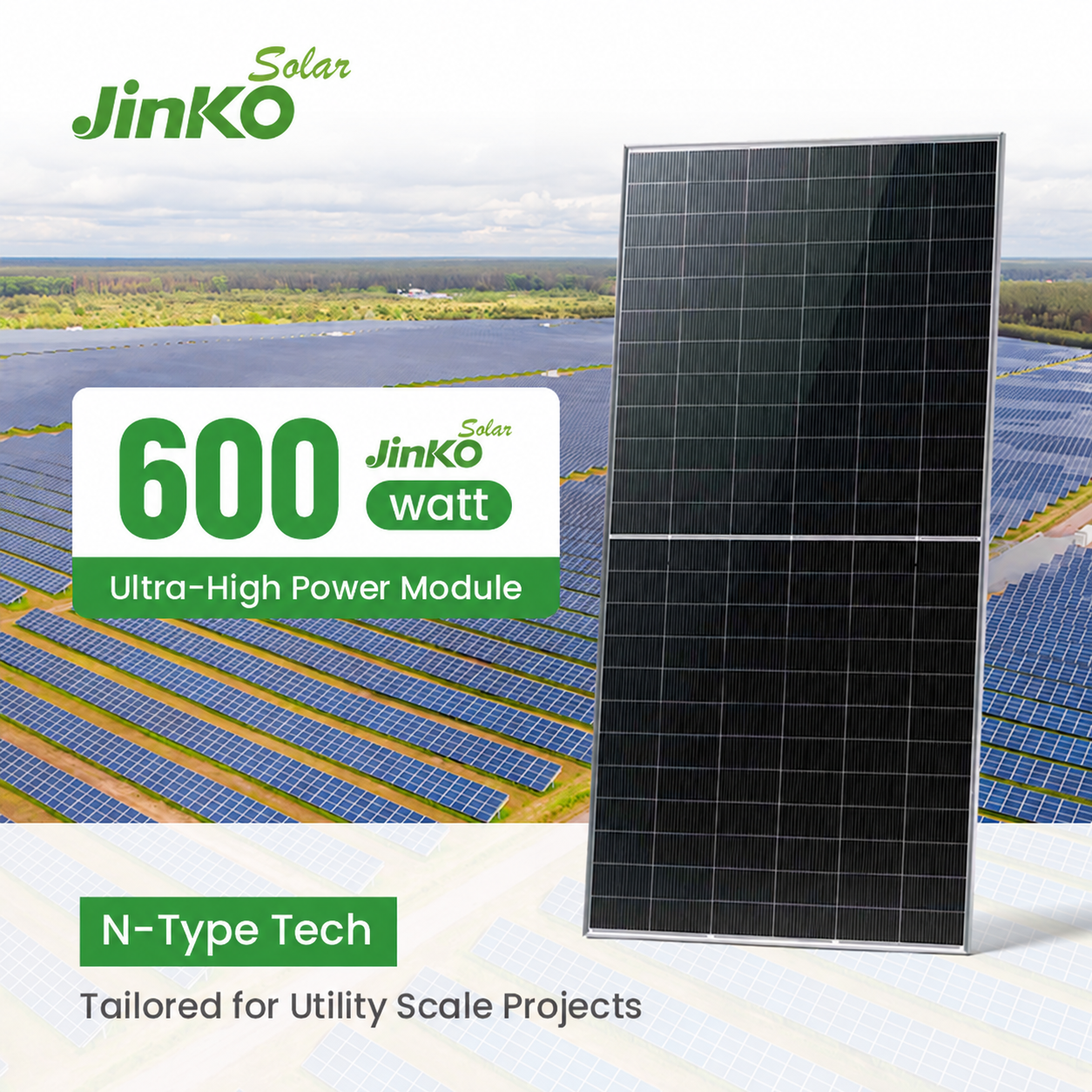
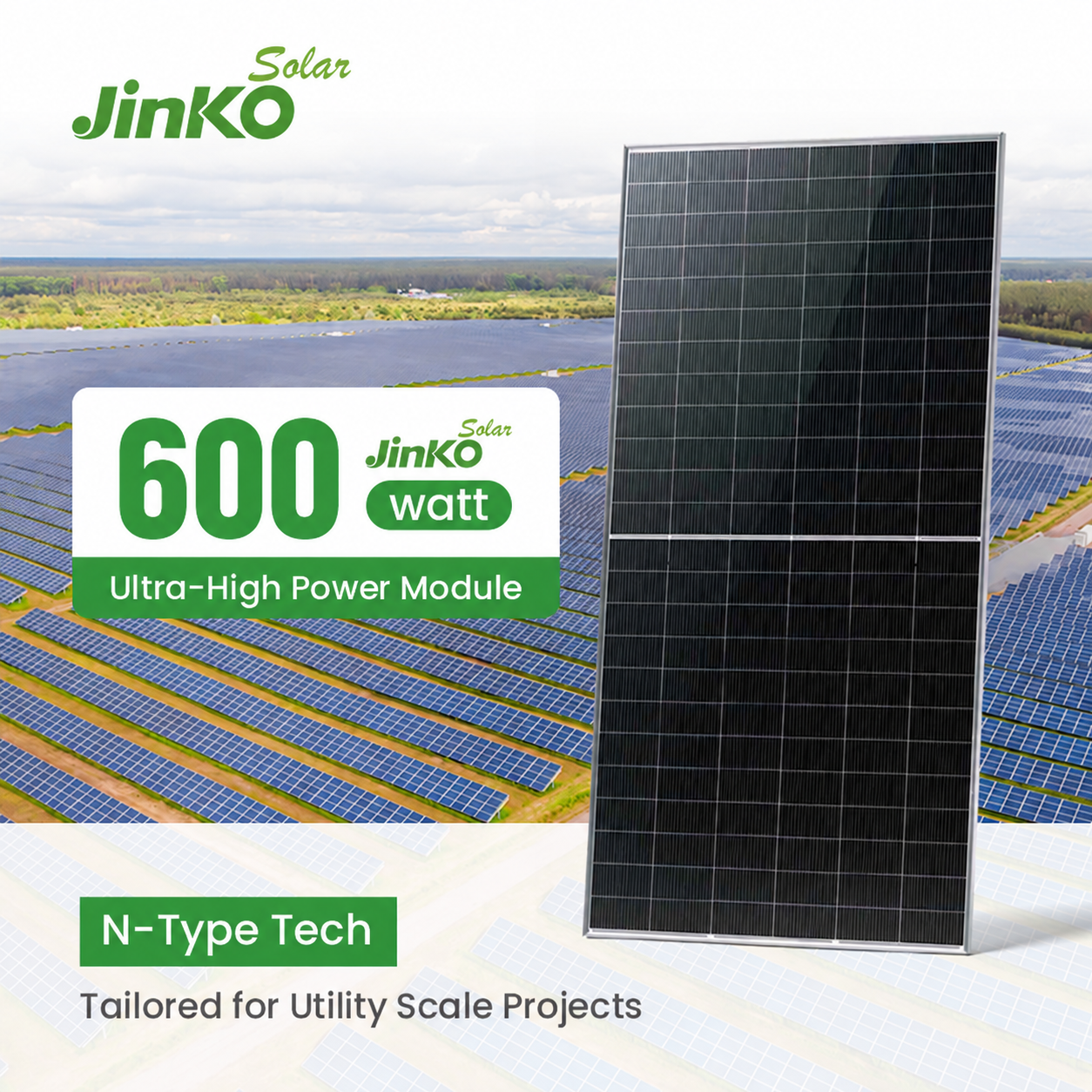
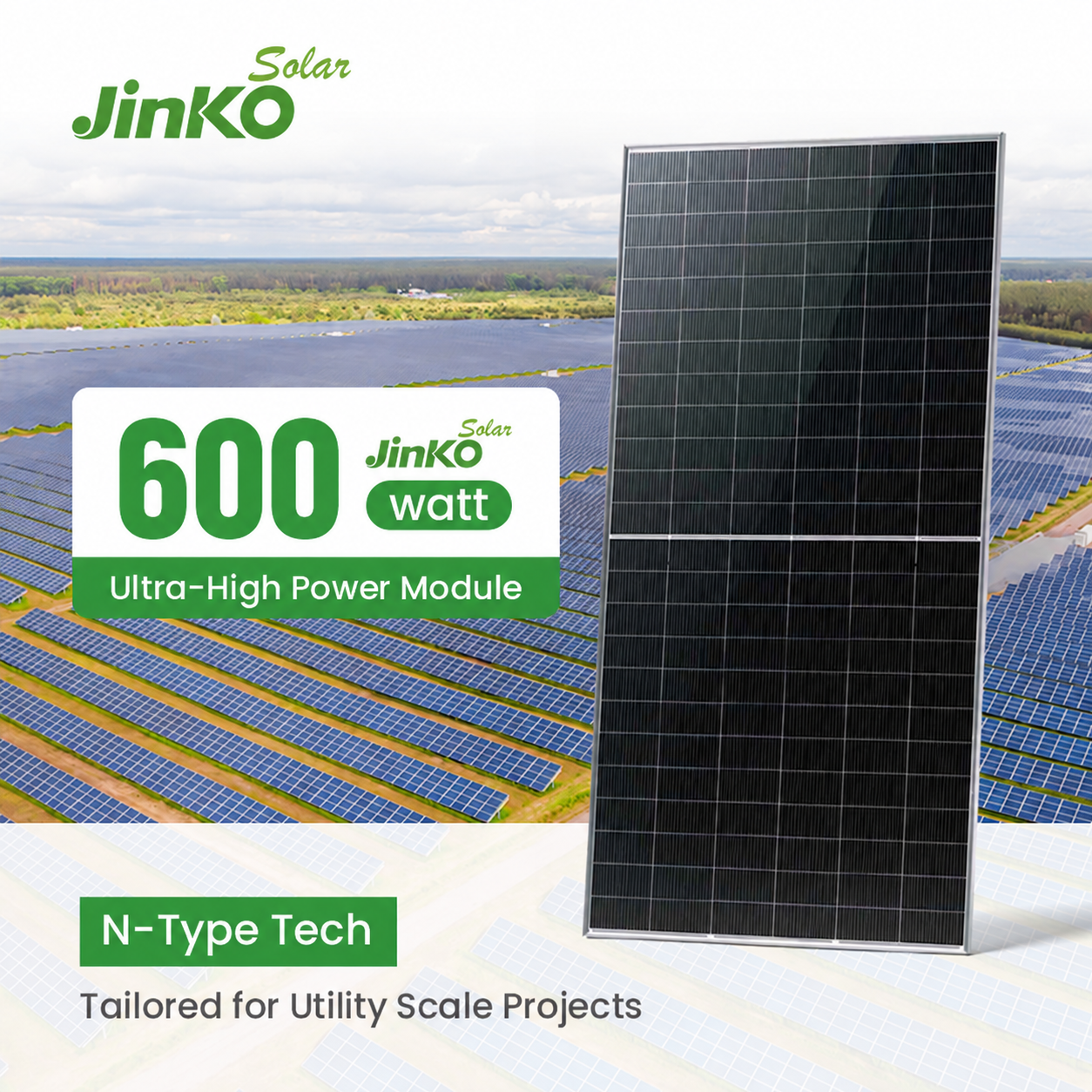
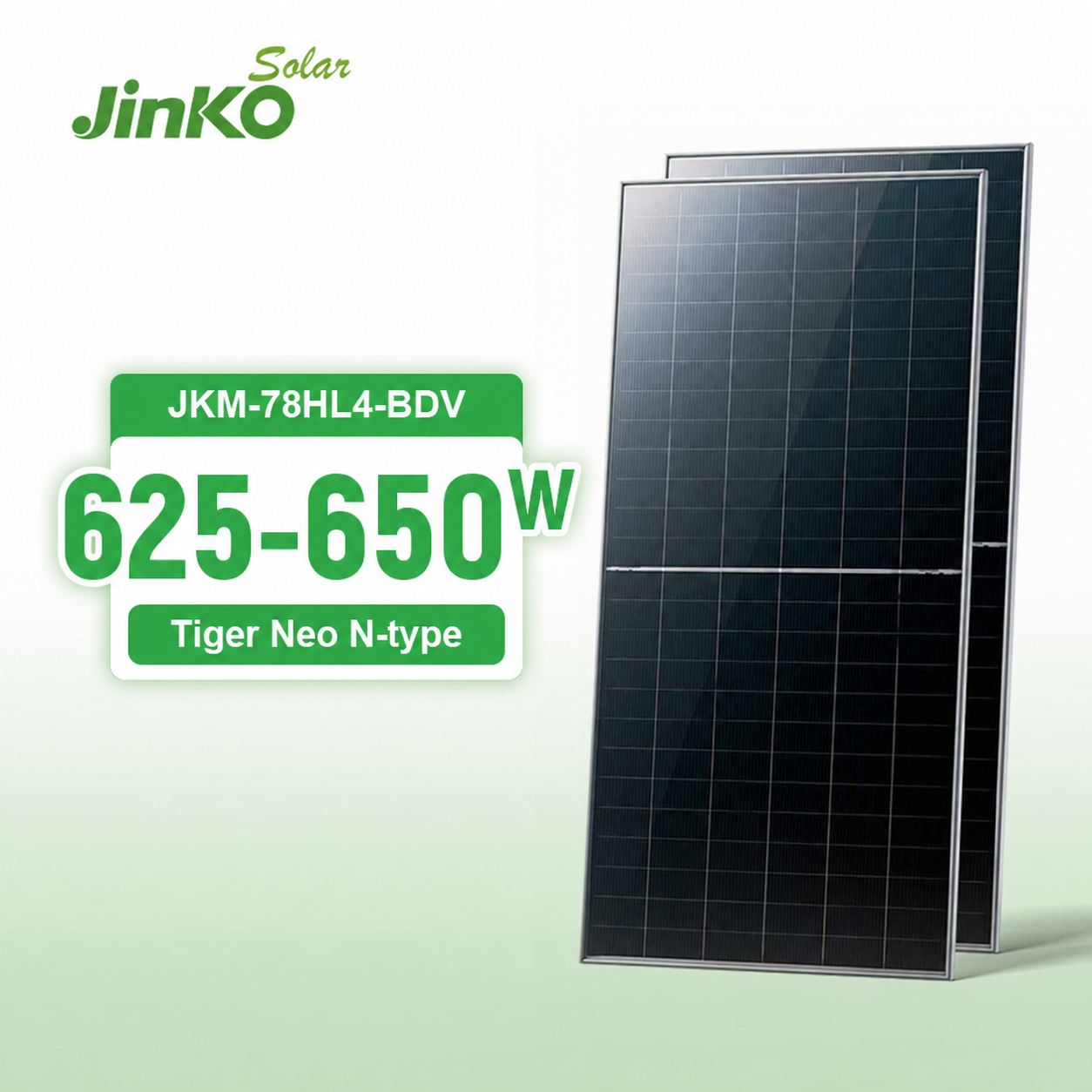
Ability to furnish turnkey hybrid architectures pairing Tier-1 generation (Jinko), multi-mode hybrid conversion (Deye), and matched LFP storage without third-party finger-pointing.
Below is a comparative technical matrix illustrating how factory models differentiate across key procurement attributes in utility, industrial, and distributed microgrid projects:
| Manufacturer Archetype | Primary Battery Chemistries | PCS Architecture | Communication Protocol | Target Microgrid Scale | Custom Clearance DG Readiness |
|---|---|---|---|---|---|
| Direct Cell Megafactories | LiFePO4 Prismatic (Blade/High-Ah) | External PCS Required | Proprietary RS485 / Modbus | 10 MWh - 100 MWh Utility | UN38.3, MSDS Only |
| Pure Inverter Specialists | Vendor Neutral (No Cells) | String & Central Hybrid PCS | Sunspec, Modbus TCP/IP | 5 kW - 500 kW Commercial | CE, UL1741, IEEE 1547 |
| Turnkey Integrator / VOLT Model | LiFePO4 + Deep-Cycle GEL | Integrated Pre-tested Hybrid PCS | Factory Pre-mapped CAN / RS485 | 5 kWh - 1 MWh Hybrid Sites | Turnkey Marine Class 9 DG Certified |
| Module Conglomerates | N-Type TOPCon / HJT (PV Focus) | Third-party Inverter Bundling | Standard Inverter Protocols | Rooftop to Solar Farms | IEC 61215, IEC 61730 |
International B2B purchasers face shifting economics and technological updates. Sourcing teams are transitioning away from unbundled, piecemeal purchasing due to on-site commissioning delays and warranty misalignment. Key procurement trends include:
A. Monolithic Hybrid Integration: Sourcing solar modules, hybrid inverters, and battery racks from single-window integration suppliers eliminates communication debugging on site. When the battery BMS, solar MPPT tracking, and hybrid PCS share verified engineering pin-outs, installation labor drops by up to 40%.
B. Adoption of High-Voltage (HV) Stackable Architecture: While 48V/51.2V low-voltage (LV) systems remain common for residential microgrids under 20 kWh, commercial microgrids are shifting to high-voltage series stacks (200V–800V DC). HV architecture reduces cable cross-section requirements, minimizes internal thermal losses, and increases round-trip efficiency (RTE) above 95.5%.
C. Stringent Hazard Class 9 Marine Certification: Global maritime safety organizations and customs authorities enforce strict adherence to UN38.3 test summaries, special provision declarations, and DG container packaging. Tier-one suppliers now provide end-to-end DG documentation packets to prevent port hold-ups.
Microgrids operate under dynamic renewable swings and irregular loads. The next phase of technology is driven by three main advancements:
Grid-Forming Inverters vs. Grid-Following Systems: Conventional solar inverters require an active utility grid voltage reference. Modern microgrid installations mandate grid-forming hybrid inverters capable of creating an autonomous synthetic voltage and frequency baseline, supporting seamless, zero-millisecond islanding during utility dropouts.
Aerosol and Multi-Stage BMS Safety Protocols: Beyond cell-level thermal stability, next-generation battery cabinets integrate multi-point temperature monitoring, aerosol-based fire suppression, and automated pressure relief valves certified under UL9540A and IEC 62619 standards.
Hybridization with Advanced Deep-Cycle GEL: While LFP dominates daily deep cycling, severe temperature regions (from -25°C to +55°C) often incorporate deep-cycle colloidal GEL banks alongside LFP. This setup prevents low-temperature lithium plating while lowering total capital expenditure for secondary emergency reserves.
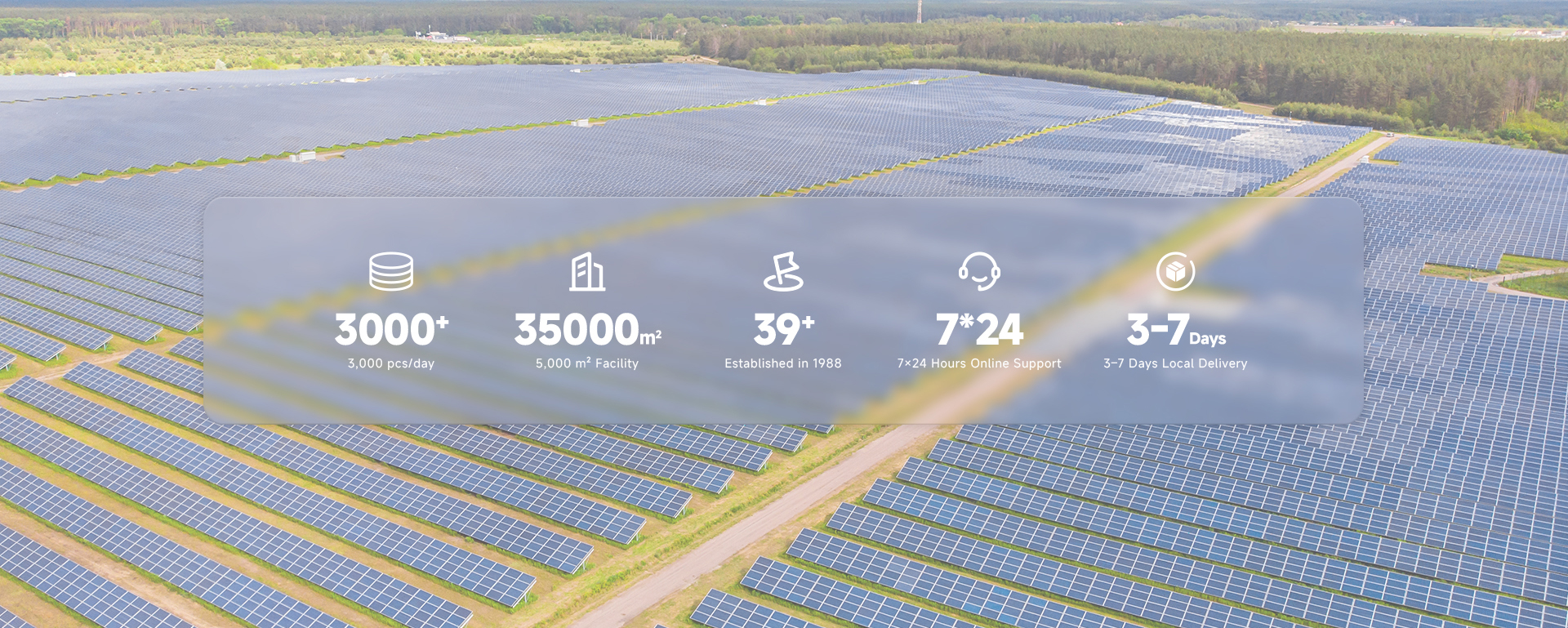
Hangzhou VOLT New Energy Technology Co., Ltd. eliminates common export risks: protocol mismatches, transit documentation delays, and disconnected after-sales support.

Every LFP battery and Deye hybrid inverter undergoes physical communication pairing (CAN/RS485) before crating. We ensure correct DIP address calibration and zero initial BMS communication errors.

Fully certified export operations covering UN38.3 reports, marine MSDS, dangerous goods packaging certificates, and consolidated container packing for mixed modules, inverters, and batteries.

Our engineers calculate specific load curves, surge multipliers, backup hours, and array stringing parameters, supplying unified wiring schematics and protection ratings for every shipment.

Direct supply partnerships with Jinko Solar and Deye, paired with our proprietary ANTOFO and VOLT energy storage manufacturing lines, provide tier-one pricing with flexible MOQ options.


Technical guidance for EPC project directors, engineering wholesalers, and renewable energy distributors.
Before packing, our Hangzhou quality technicians connect your specific battery module string to the corresponding Deye hybrid inverter over CAN bus and RS485 ports. We confirm handshake recognition, verify cell voltage reads, test charge/discharge cutoffs, and record DIP switch maps so the system connects without protocol errors on site.
Yes. Consolidating full systems saves substantial ocean freight. Because LiFePO4 batteries are classified under UN3480 Class 9 Dangerous Goods, we issue certified DG packaging certificates and combine them alongside non-hazardous PV modules and inverters within maritime cargo safety regulations.
LFP batteries offer the best lifecycle value for daily deep-cycling solar systems (6,000+ cycles at 90% DoD). However, deep-cycle colloidal GEL batteries are a proven, budget-conscious choice for sub-zero climates (-20°C without heating jackets), telecom backup, and emergency reserves where deep cycles occur irregularly.
We trace every module, inverter, and battery by serial number on our proforma invoices. Battery packs use strictly Grade-A cells matched by capacity and internal resistance, backed by factory warranties (up to 10 years on LFP, 5 years on Deye inverters, and 25-30 years linear performance on Jinko N-Type PV panels).