High-Efficiency PV Modules for Industrial OPzV Solar Arrays
Tubular gel OPzV chemistry requires disciplined, temperature-compensated charging regimes. VOLT New Energy engineers and exports tier-1 bifacial monocrystalline solar panels precisely sized for industrial battery banks.
Understanding OPzV Chemistry: The Pinnacle of Stationary Lead-Acid Reliability
In modern renewable energy infrastructure, storage safety, operational durability, and lifecycle reliability outweigh theoretical energy density. While lithium-ion technologies have gained massive visibility in passenger electric mobility and space-constrained residential systems, OPzV (Ortsfest Panzerplatte Verschlossen) tubular gel batteries remain the gold standard for critical infrastructure, telecom base transceiver stations (BTS), off-grid microgrids, utility transmission substations, and extreme desert or tropical solar installations.
The term OPzV is derived from German DIN standards: Ortsfest (Stationary), Panzerplatte (Tubular armored positive plate), and Verschlossen (Valve-regulated sealed system). Unlike standard Flat-Plate AGM (Absorbent Glass Mat) batteries or flooded OPzS cells that require periodic distilled water maintenance, OPzV cells integrate three breakthrough engineering attributes:
- Die-Cast Tubular Armor Spines (Panzerplatte): The positive active material (lead dioxide, PbO2) is encapsulated inside high-tensile woven polyester gauntlets. Pressurized high-pressure die casting (up to 150 bar) ensures that the lead-calcium-tin (Pb-Ca-Sn) alloy spine is void-free and crystalline-dense, preventing positive grid shed and intergranular corrosion during cyclic deep discharging.
- Thixotropic Fumed Silica Gel Electrolyte: High-purity sulfuric acid is immobilized into an elastic thixotropic silica gel structure. This matrix eliminates acid stratification, guarantees uniform ionic diffusion across the entire electrode height, and prevents dry-out under high ambient operating conditions.
- Internal Oxygen Recombination Efficiency (>98%): During float charging, oxygen generated at the positive plate diffuses through micro-fissures in the gel directly to the negative sponge lead plate, where it recombines back into water, eliminating water loss and rendering the cell virtually maintenance-free across its operational lifespan.
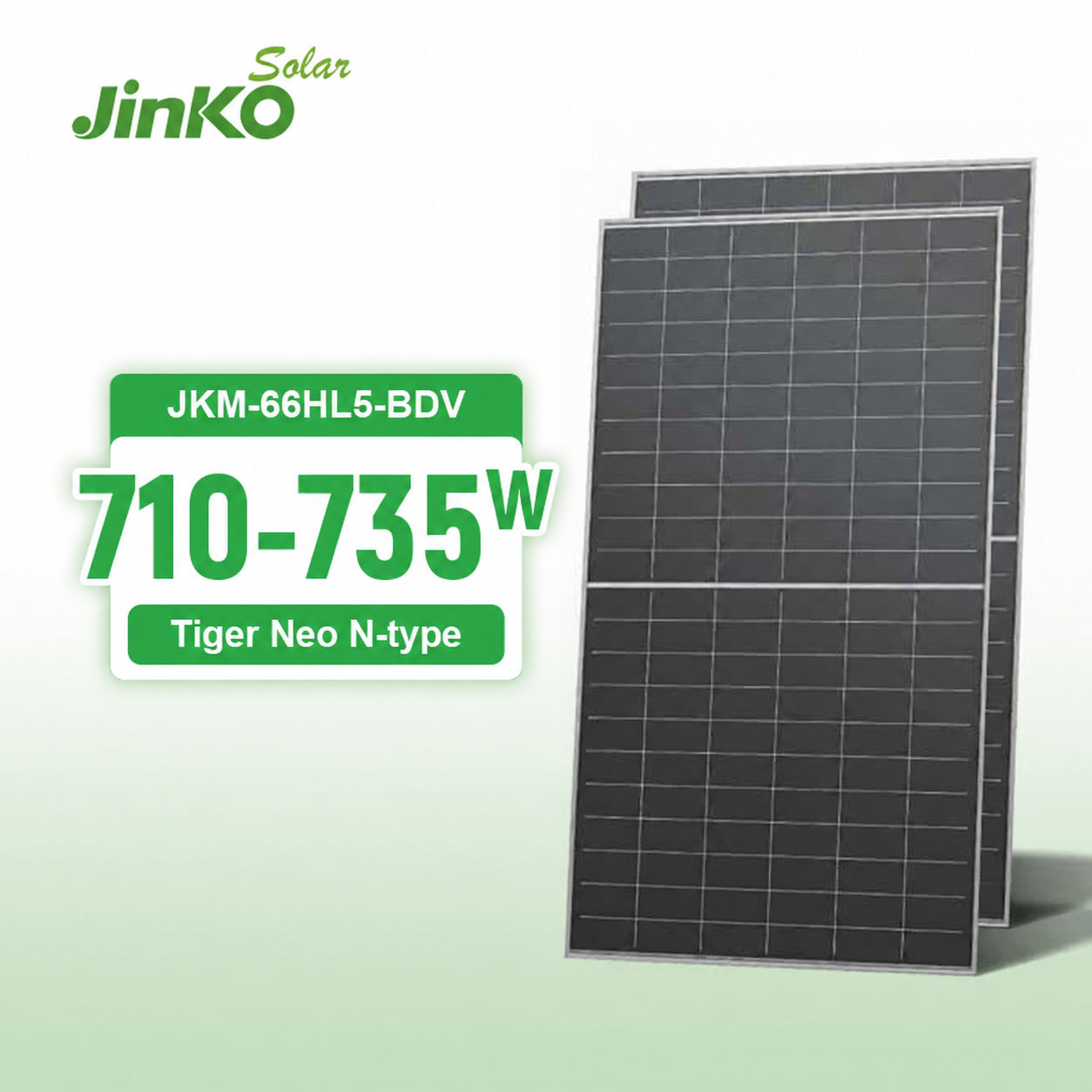
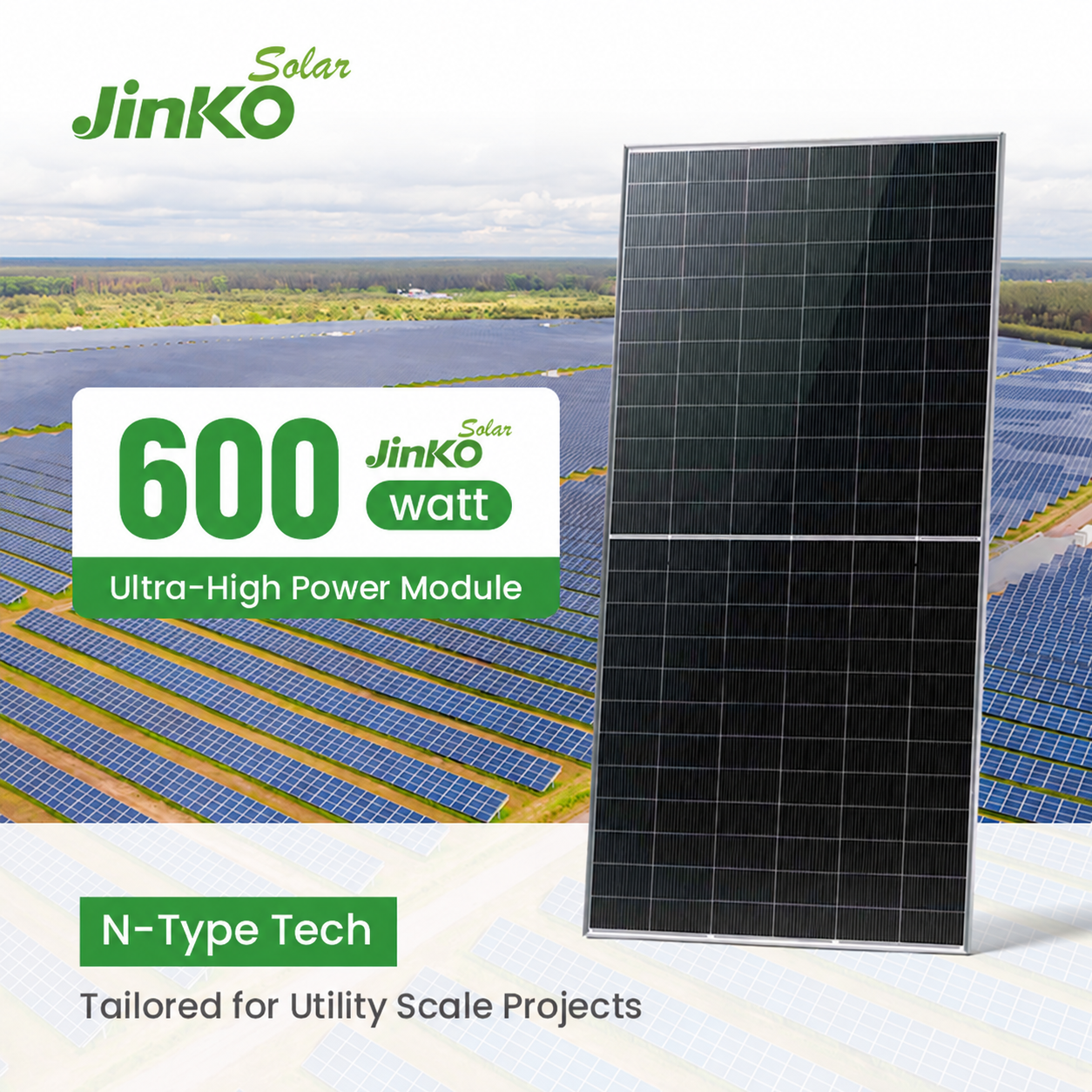
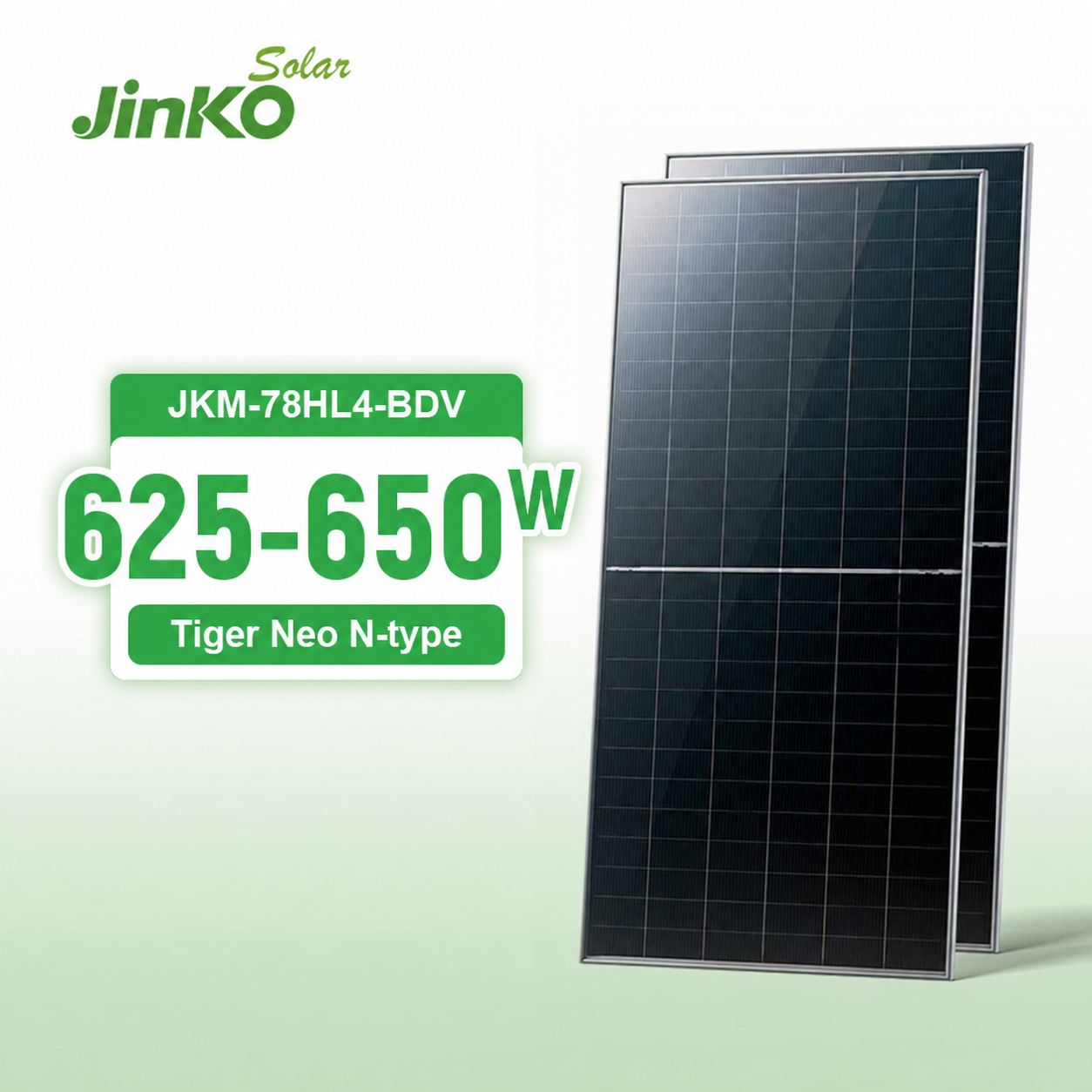
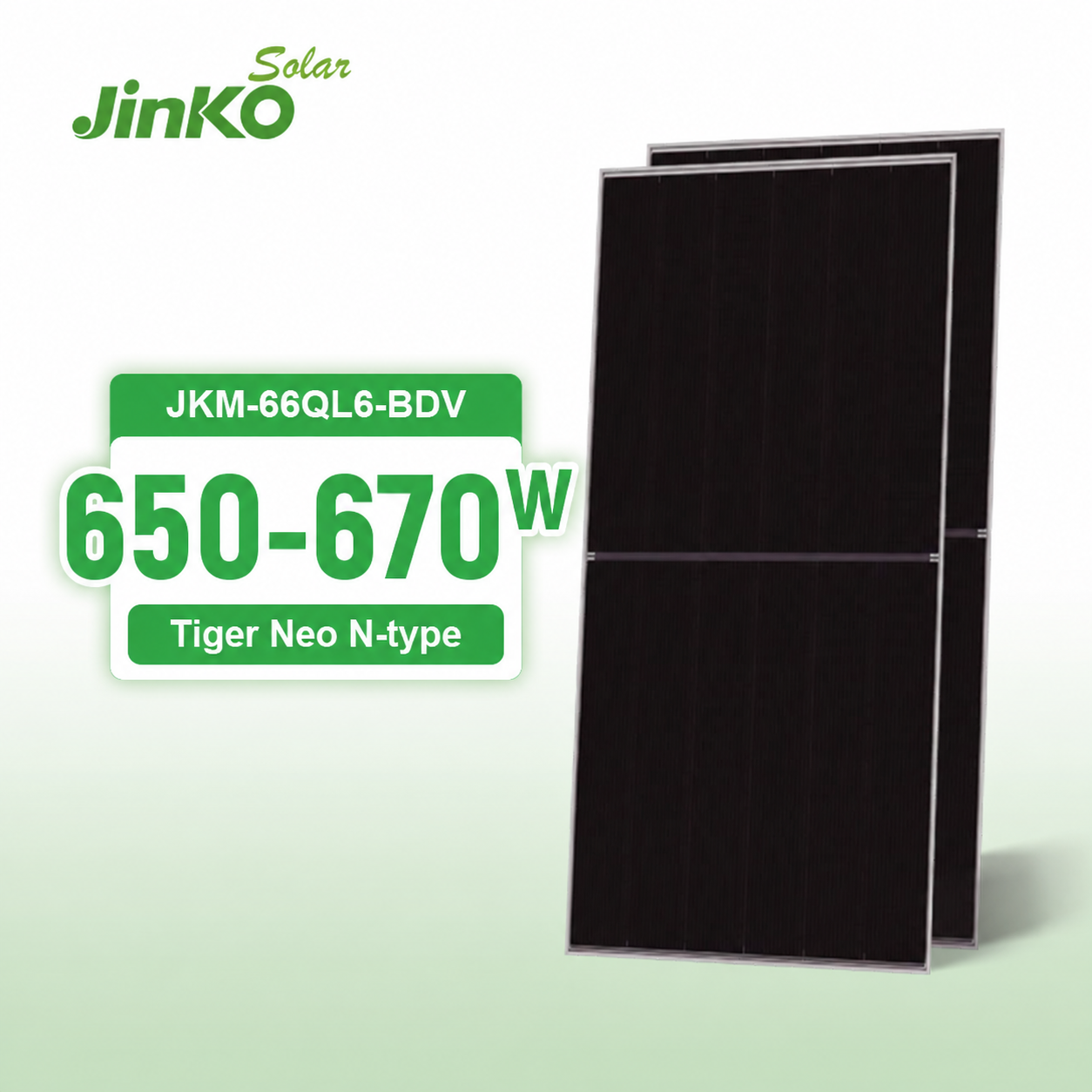
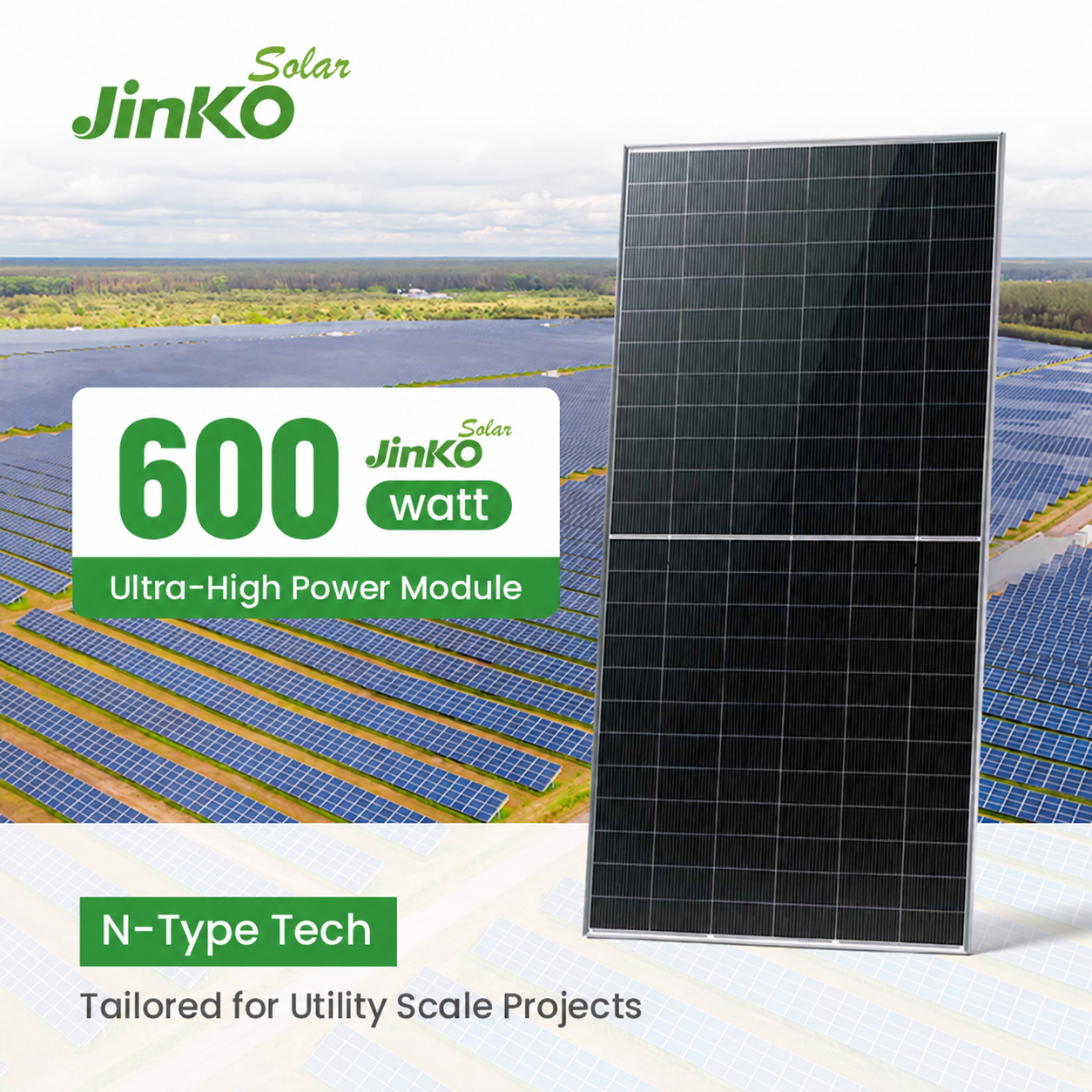
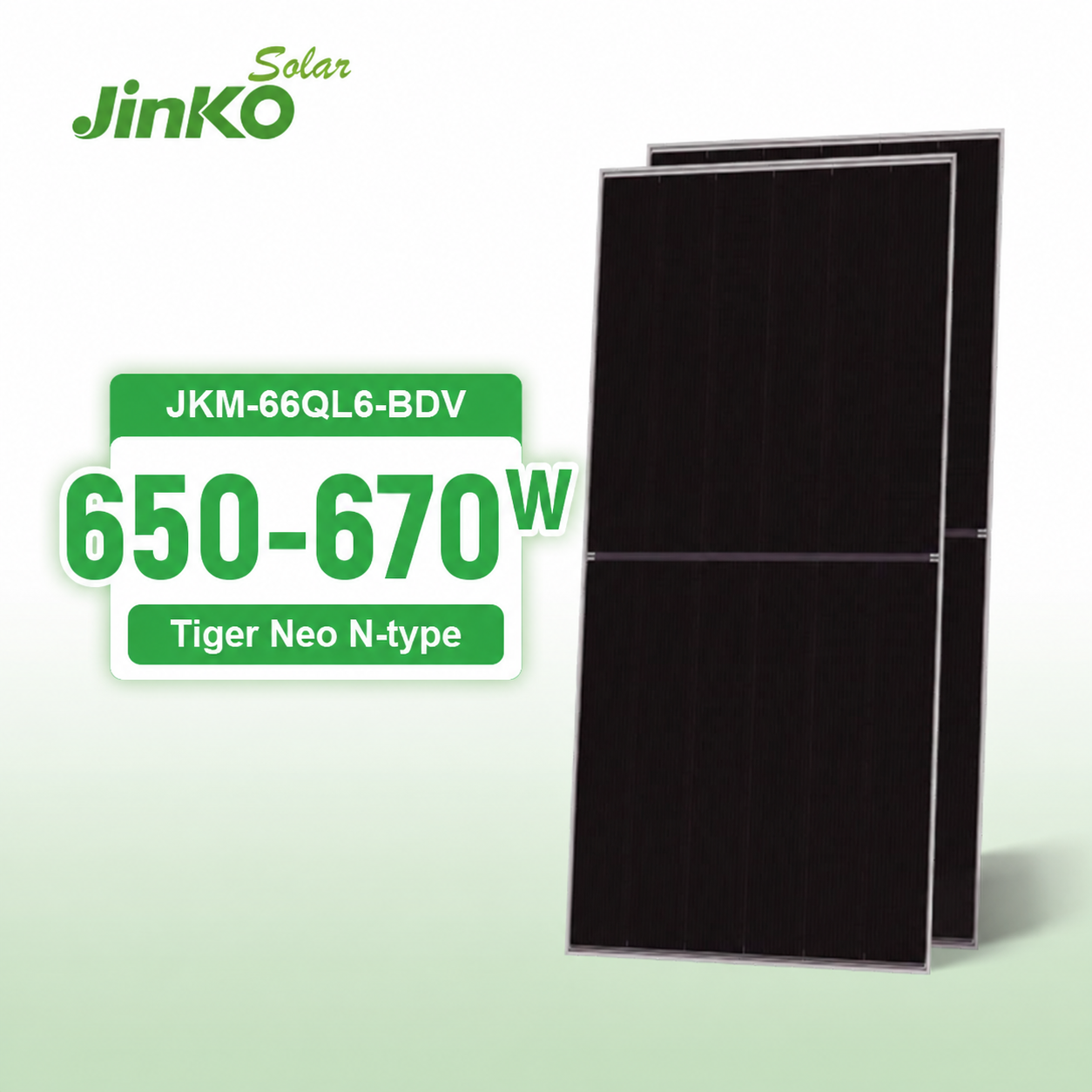
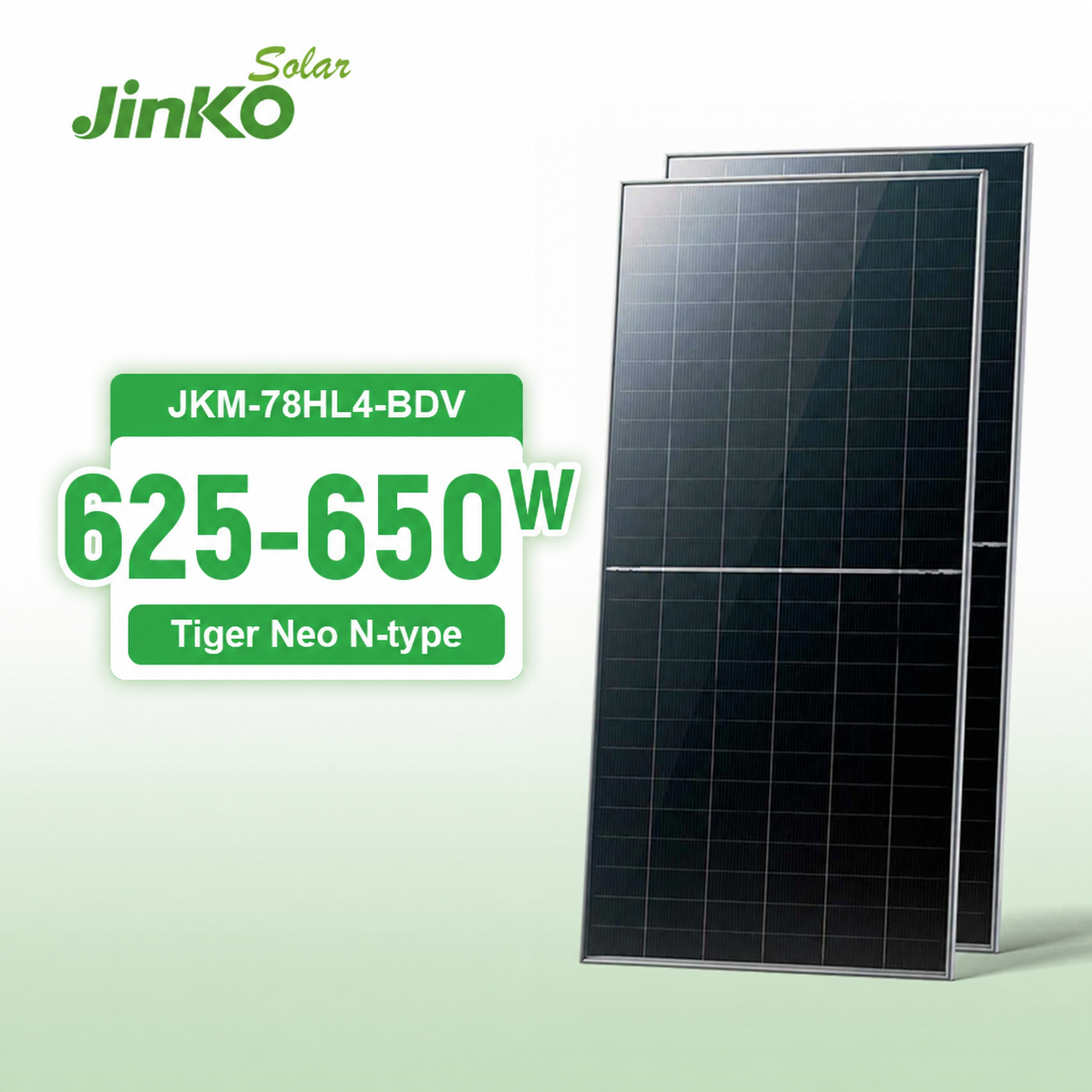
When coupled with high-efficiency bifacial photovoltaic generators—such as the Jinko N-Type dual-glass panels cataloged above—and precision-controlled Deye hybrid solar inverters, OPzV storage banks deliver unmatched resilience against extended grid outages, partial state of charge (PSoC) degradation, and extreme temperature swings without requiring climate-controlled HVAC enclosures.
Top 10 OPzV Solar Battery Manufacturers & Factories Worldwide
Evaluated by manufacturing automation, metallurgical alloy purity, DIN/IEC compliance, global field track records, and B2B export integration capability.
The global benchmark in industrial storage engineering. Hoppecke's automated production lines in Germany maintain strict adherence to DIN 40742 standards, producing tubular gel cells delivering over 3,000 cycles at 50% DoD with industry-leading thermal resilience.
Specializing exclusively in long-duration renewable energy and utility stationary storage. BAE uses low-antimony and antimony-free alloy formulas with patented tubular gauntlet weaves, making their cells the premiere choice for solar microgrids across extreme latitudes.
The historical inventor of gel battery technology (dryfit). Exide's European factories produce the A600 OPzV line, celebrated for outstanding deep discharge recovery characteristics and horizontal installation capability for telecom cabinets.
Leading solar integration and export powerhouse. VOLT New Energy pairs industrial-grade OPzV cells and deep-cycle colloidal solutions with Tier-1 Jinko bifacial panels and Deye hybrid inverters. Every shipment undergoes pre-shipment cell impedance, capacity sorting, and turnkey system sizing for EPC clients across 100+ nations.
A massive tier-one manufacturing titan with vast automated facilities. Narada's OPzV series is deployed by major telecom network operators and solar microgrids worldwide, known for high volumetric energy efficiency and robotic grid-casting reliability.
Operating advanced automated tubular manufacturing lines imported from Europe. Sacred Sun's OPzV cells feature proprietary positive plate formulations and microporous separators, excelling in high-temperature equatorial telecom and mining deployments.
One of the world's largest lead battery exporters, operating multi-national production complexes. Leoch's OPzV batteries offer exceptional cost-per-cycle economics and robust availability for large-scale utility UPS and off-grid tenders.
A key vendor for global green telecom operators. Shoto's deep-cycle OPzV products integrate advanced silica nanogel and automated cast-on-strap (COS) assembly, delivering consistent cycling durability under continuous float conditions.
A veteran storage manufacturer with high-capacity production lines. Vision Group provides 2V single-cell and 12V modular OPzV solutions engineered with high-tin lead alloys to retard corrosion in off-grid solar and railway signaling networks.
Renowned for heavy-duty industrial backup power and substations across harsh northern climates. Coslight's OPzV design excels in sub-zero charge acceptance and deep recovery resilience, backed by certified ISO/TÜV automated manufacturing facilities and comprehensive technical support.
OPzV Tubular Gel vs. Standard AGM vs. LiFePO4
Understand electrochemical trade-offs to select the optimal technology for remote, utility, and harsh-environment energy storage.
| Performance Parameter | OPzV Tubular Gel | Standard Flat-Plate AGM | LiFePO4 (LFP Lithium) |
|---|---|---|---|
| Cycle Life @ 80% DoD (25°C) | 2,000 – 2,500 Cycles | 500 – 700 Cycles | 4,000 – 6,000 Cycles |
| Design Float Life (20°C) | 18 – 20+ Years | 5 – 8 Years | 10 – 15 Years (Cell Degrade) |
| Thermal Stability / Operating Temp | -20°C to +55°C (No HVAC required) | -10°C to +40°C (Sensitive to heat) | 0°C to +45°C (Requires BMS heater/HVAC) |
| Thermal Runaway & Fire Hazard | Zero Risk (Non-flammable electrolyte) | Low Risk (Thermal dry-out risk) | Mitigated by BMS (Flammable electrolyte risk) |
| BMS Electronic Dependency | Zero (Self-regulating chemistry) | Zero | Critical (Failure causes cell death/hazard) |
| Partial State of Charge (PSoC) | High Resistance (Gel prevents acid layer) | Poor (Rapid sulfation) | Excellent |
| Deep Discharge Recovery (0V / 100%) | Superior (DIN 43539-T5 compliance) | Moderate to Poor | Permanent BMS lockout / cell damage |
| End-of-Life Circular Recyclability | 99%+ Established Global Infrastructure | 99%+ Established | <10% Commercial recycling availability |
Emerging Trends in Industrial Energy Storage Procurement
How utility EPCs, off-grid developers, and telecommunication giants are recalibrating battery technology selections amid supply chain volatility and safety mandates.
1. High-Heat Remote Microgrids
Desert and tropical solar projects in MENA, Sub-Saharan Africa, and Latin America are moving away from lithium systems due to the staggering auxiliary power draw and maintenance failures of containerized air conditioners. OPzV's 55°C ceiling eliminates cooling overhead entirely.
2. Stringent Fire Codes in Critical Nodes
Data centers, airport radar towers, mining facilities, and substations are facing severe fire-safety restrictions. OPzV tubular gel requires zero NFPA 855 hazard suppression infrastructure, dramatically lowering regulatory approval timelines and insurance premiums.
3. Solid-State "Silicon-Gel" Evolution
Leading manufacturers are transitioning from pure fumed silica to polymer-doped nano-silica electrolyte composites. This next-generation solid-state gel retards internal dendrite formation and unlocks deep cycle counts approaching 3,500 cycles at 80% DoD.
4. Circular ESG Recyclability Mandates
With European and North American circular economy compliance laws tightening, battery importers must prove post-lifecycle disposal routes. Lead-acid metallurgy boasts a 99% circular recovery ecosystem, avoiding the heavy ESG liabilities currently facing lithium disposal.
Engineered Solar & Energy Storage Supply Chains
Hangzhou VOLT New Energy Technology Co., Ltd. eliminates component mismatch and export friction by supplying pre-commissioned, turnkey photovoltaic and storage systems across 100+ countries.

Verified Electrical Compatibility
We configure charge voltage coefficients, temperature compensation probes, and float profiles between inverters (e.g. Deye) and storage banks prior to export, eliminating field start-up faults.

Rigorous Pre-Shipment QC
Every cell batch is checked for internal resistance (mΩ), open circuit voltage consistency, terminal seal integrity, and pressure valve calibration with verified inspection logs provided to the client.

Turnkey DG Export Logistics
We manage Class 9 and non-hazardous maritime dangerous goods packaging, UN38.3 dossiers, and MSDS documentation, enabling single-container consolidation of PV modules, inverters, and batteries.

System Sizing & EPC Diagrams
Our engineers provide complete string calculation sheets, single-line wiring diagrams (SLD), DC circuit breaker sizing, and rack layout configurations customized to project geographical coordinates.
Frequently Asked Procurement & Engineering Questions
Direct technical answers to clarify chemistry specifications, inverter settings, logistics compliance, and lifecycle maintenance.