
High-Performance Equipment Portfolio
Featured Commercial & Utility N-Type Modules
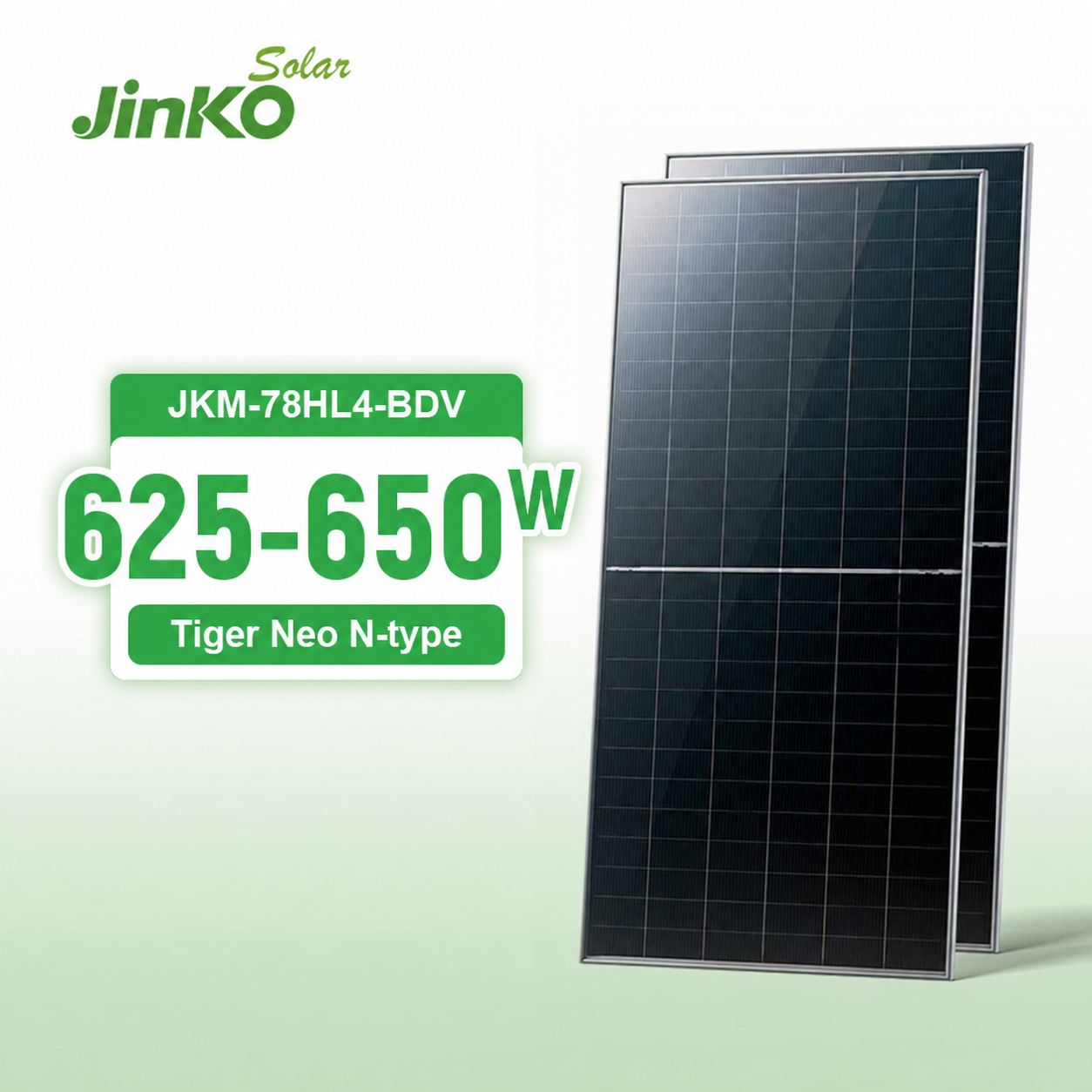
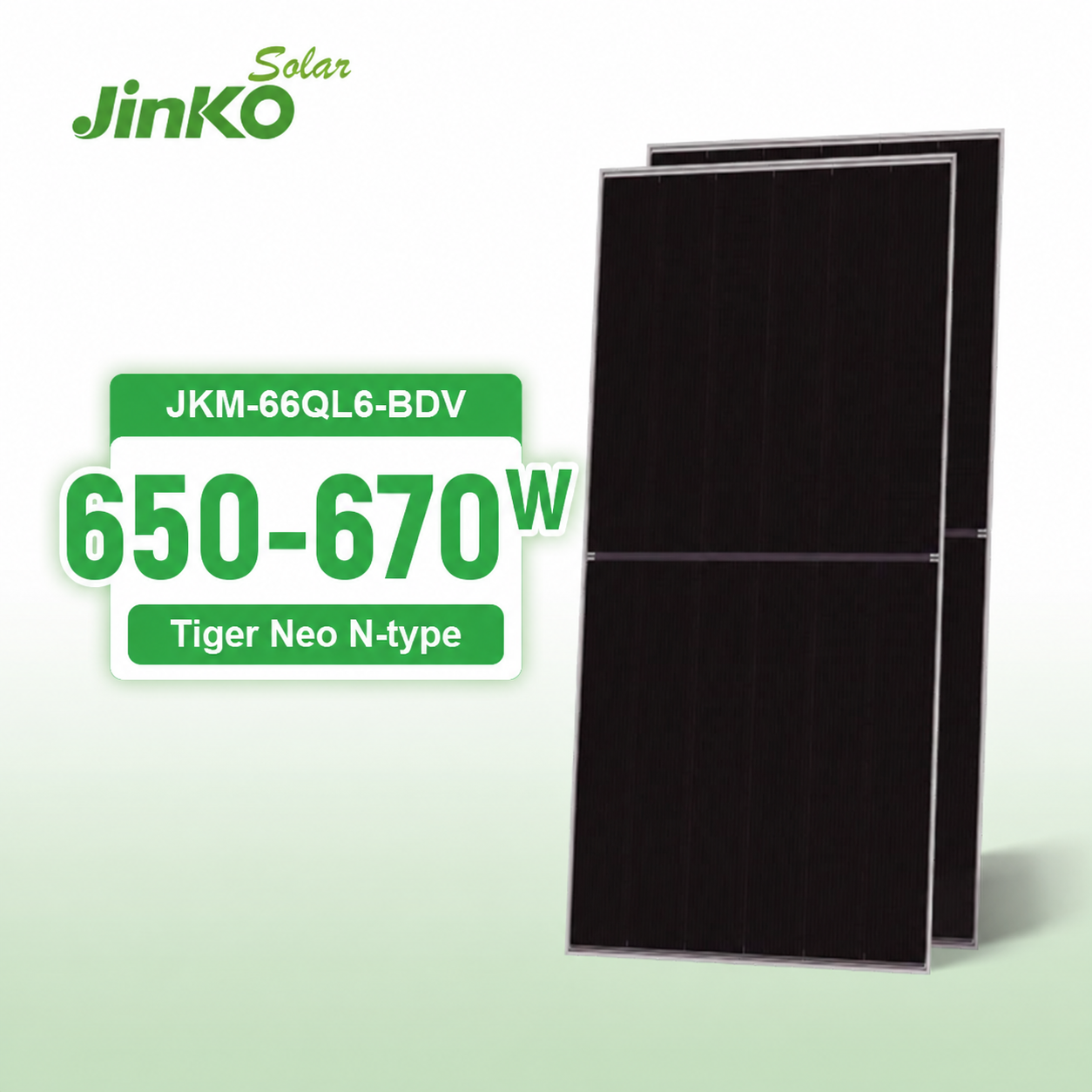
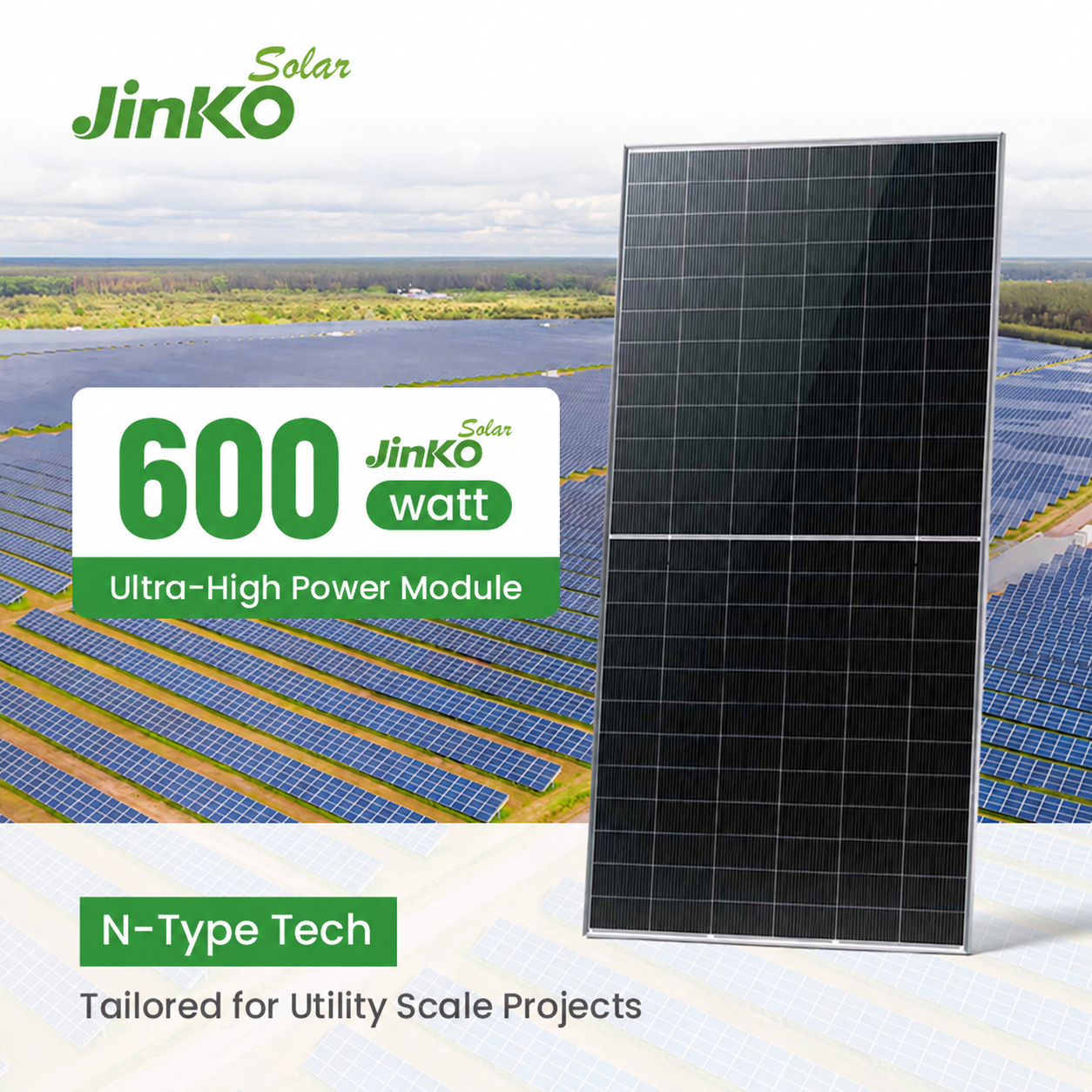
Heavy-Duty Architectural

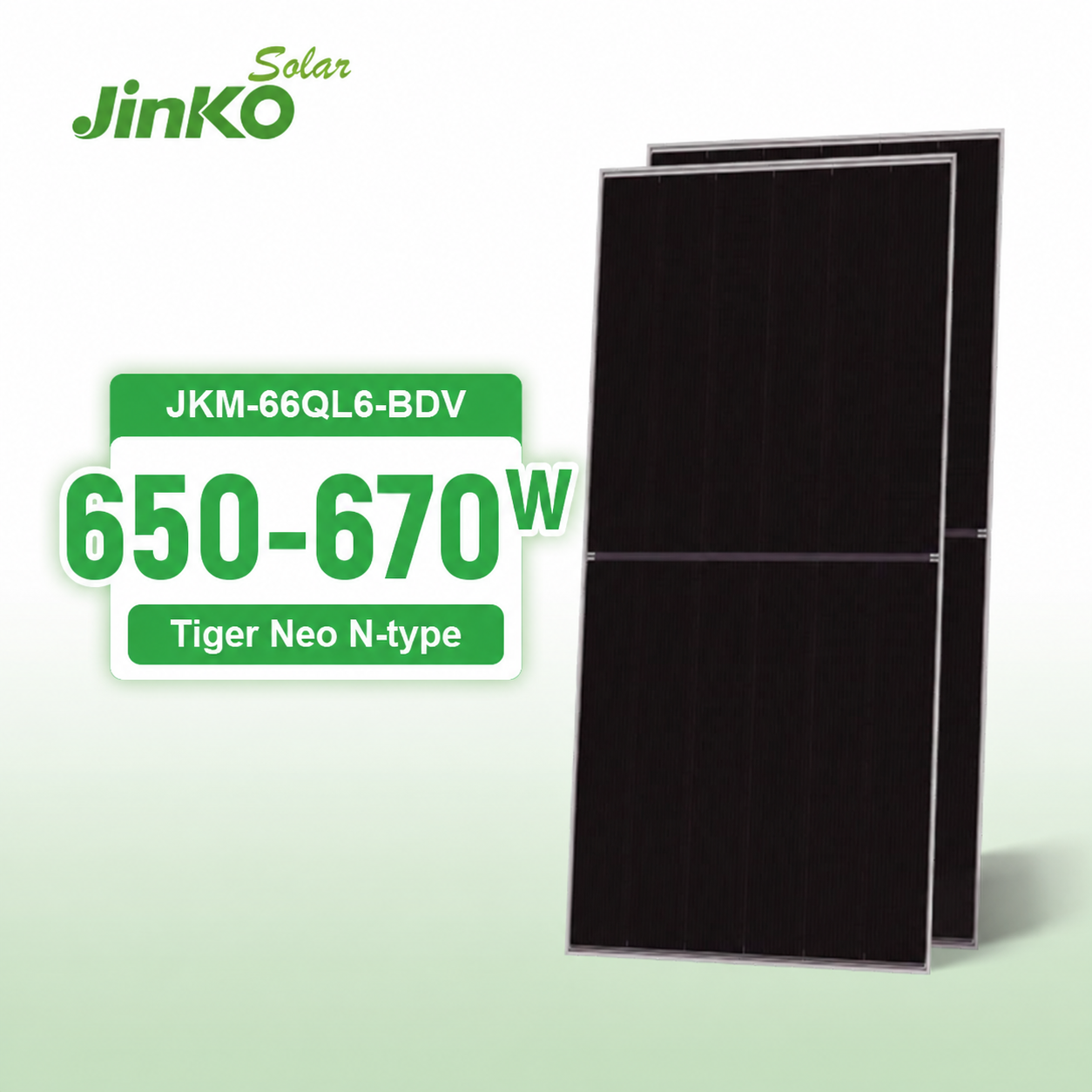
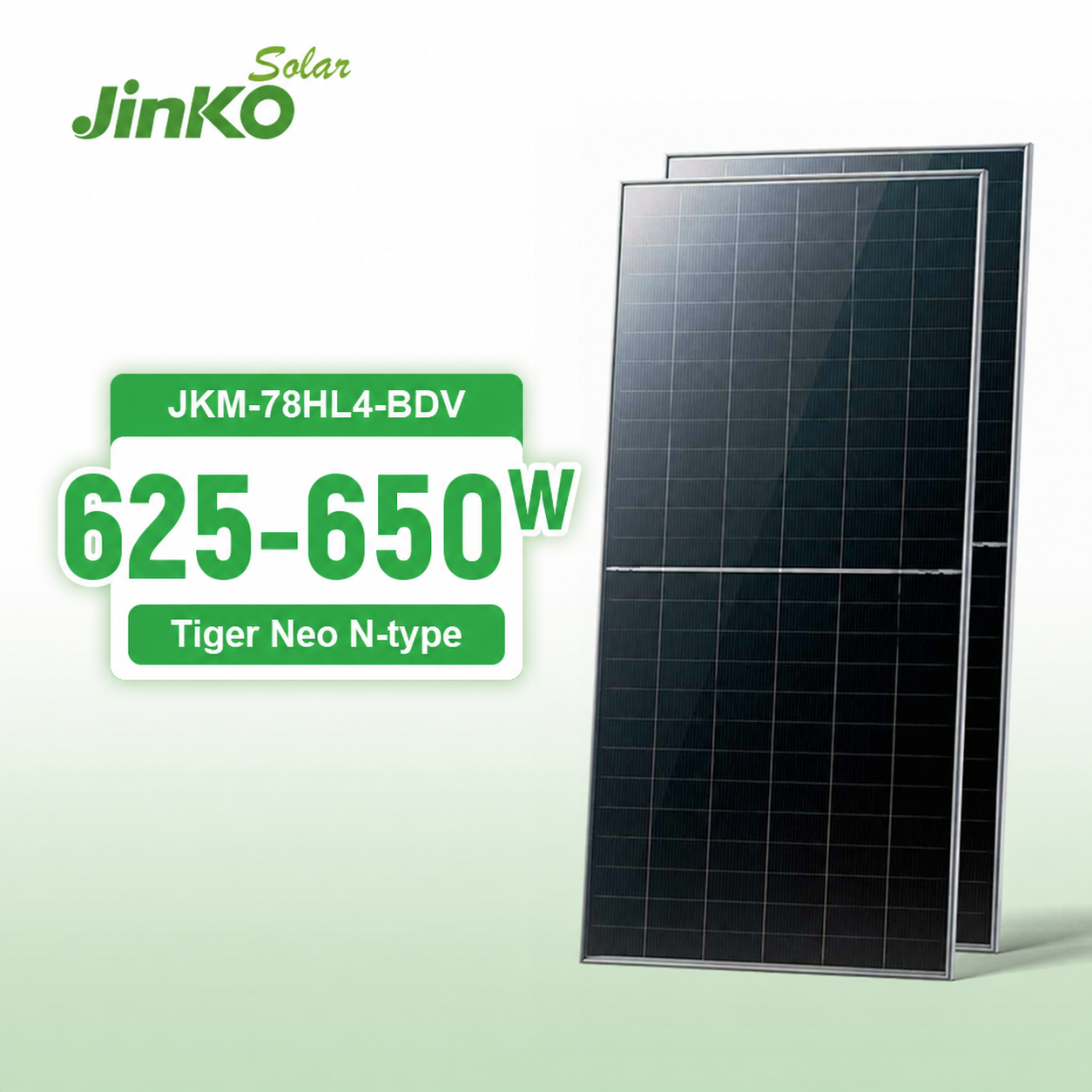



Comprehensive Strategic Whitepaper: Navigating Global PV Cell & Module Procurement
The global solar energy ecosystem has entered an era governed entirely by real-world Levelized Cost of Electricity (LCOE) optimization, spatial efficiency, and long-term asset bankability. As utility developers, EPC conglomerates, and local distributors scour the market for the Top 10 Photovoltaic Solar Cell Manufacturer & Exporter options, technological differentiation has decisively shifted away from legacy P-type PERC (Passivated Emitter and Rear Cell) toward advanced N-type silicon architectures. Understanding the microscopic cell design, industrial degradation kinetics, and supply chain integrity is fundamental to securing bankable, high-yield solar infrastructure over a 30-year lifecycle.
1. Technology Evolutionary Path: N-Type TOPCon vs. HJT vs. Tandem Perovskites
In the present landscape of crystalline silicon photovoltaics, Tunnel Oxide Passivated Contact (TOPCon) has crystallized as the industrial standard for utility and distributed generation. By incorporating an ultra-thin (1.5 to 2.0 nm) silicon oxide tunneling layer capped with heavily doped polycrystalline silicon, TOPCon cells radically diminish surface carrier recombination velocity. This architectural breakthrough yields operational cell efficiencies consistently surpassing 25.0%, translating directly into commercial module ratings between 580W and 670W.
Concurrently, Heterojunction Technology (HJT) continues to represent an elite tier for specialized projects demanding ultra-low temperature coefficients (-0.26%/°C) and superior bifaciality factors hovering near 90%. However, TOPCon maintains a commanding lead in commercial viability due to its capital expenditure compatibility with existing monocrystalline wafer lines and superior mechanical resistance to thermal cycle micro-fractures. Forward-looking procurement directors must also monitor monolithic perovskite-silicon tandem cells, currently demonstrating laboratory-scale power conversion efficiencies beyond 33%. While tandem configurations hold monumental promise, commercial-scale field deployments will remain anchored on N-Type TOPCon and dual-glass bifacial encapsulations throughout the next 5 to 7 operational cycles.
| Cell Technology Architecture | Average Mass-Production Cell Efficiency | Bifaciality Factor | Temperature Coefficient (Pmax) | First-Year Degradation | Primary Industrial Use-Case |
|---|---|---|---|---|---|
| Legacy P-Type PERC | 22.8% – 23.2% | 65% – 70% | -0.35% / °C | < 2.0% | Phasing out; budget low-yield regional projects |
| N-Type TOPCon | 24.8% – 25.6% | 80% – 85% | -0.30% / °C | < 1.0% | Global baseline for Utility, Commercial & Rooftop |
| Silicon Heterojunction (HJT) | 25.2% – 25.8% | 85% – 92% | -0.26% / °C | < 1.0% | High-temperature regions, constrained footprints |
| Perovskite-on-Silicon Tandem | 28.0% – 32.0% (Pilot) | 70% – 80% | -0.22% / °C | Under Evaluation | Next-generation commercialization (2027+) |
2. Future Procurement Trends in the Global PV Supply Chain
Strategic solar panel and cell procurement is no longer simply a transaction governed by upfront price-per-watt (US$/W). Shrewd EPC buyers are systematically factoring in systemic operational parameters. The market is witnessing four decisive purchasing shifts:
First, the complete dominance of dual-glass bifacial modules. In utility installations and large-scale agricultural agrivoltaic systems, the albedo gain from surrounding ground conditions (such as light sand, concrete, or snow) generates an additional 10% to 25% energy yield. The adoption of 2.0mm + 2.0mm semi-tempered glass profiles ensures that mechanical load capacity resists wind loads up to 2400 Pa and snow loads of 5400 Pa while mitigating water vapor ingress that induces Potential Induced Degradation (PID).
Second, zero-tolerance policies on Light-Induced Degradation (LID) and Light-and-elevated Temperature-Induced Degradation (LeTID). P-type wafers suffer significantly from boron-oxygen defect complexes under sunlight exposure. N-type silicon wafers are doped with phosphorus, fundamentally eliminating the boron-oxygen recombination pathway. Importers are securing modules with guaranteed linear power warranties guaranteeing no less than 87.4% nominal power output at year 30.
Third, full balance-of-system (BOS) integration compatibility. Procuring modules without validating electrical coordination with current inverter topology and energy storage protocols is a widespread operational bottleneck. High-wattage cells (such as 630W to 670W units utilizing 210mm or 182mm rectangular wafers) feature short-circuit currents (Isc) surpassing 17A to 18A. Buyers must pre-validate inverter maximum power point tracking (MPPT) inputs, DC-to-AC ratios, string combiner fuses, and energy storage charge parameters to prevent clipping losses or thermal shutdowns.
3. Essential B2B Procurement FAQ
Why is N-Type TOPCon inherently superior to P-Type PERC for large-scale procurement?
N-Type silicon uses phosphorus doping instead of boron. This structural variance eliminates boron-oxygen complexing responsible for Light-Induced Degradation (LID). Additionally, TOPCon boasts a substantially lower temperature coefficient (-0.30%/°C vs. -0.35%/°C), enabling systems to generate up to 2-3% more actual kilowatt-hours under high-temperature ambient operational environments. Combined with an 80-85% bifaciality factor compared to PERC's 70%, TOPCon significantly drops project LCOE.
How do buyers protect themselves against cell micro-cracks and PID during ocean transport?
Micro-cracking typically results from poor automated stringing, insufficient EVA/POE cross-linking, or severe mechanical vibration during rough sea voyages. Procurement frameworks must enforce strict factory electroluminescence (EL) testing before and after module flash tests. Furthermore, dual-glass packaging with POE (Polyolefin Elastomer) encapsulation provides vastly superior water-vapor barrier properties than conventional EVA backsheets, virtually eradicating sodium-ion migration and PID failures in humid coastal ports.
What international compliance certifications are mandatory for seamless customs clearance?
Tier-1 exporters must provide certified test dossiers conforming to IEC 61215 (terrestrial PV module design qualification) and IEC 61730 (photovoltaic module safety qualification). In the European Union, CE conformity and TÜV Rheinland/SÜD markings are required. For North American corridors, UL 61730 is essential. When consolidating panels with lithium storage or power electronics, verified UN38.3 transport safety documents, Material Safety Data Sheets (MSDS), and Dangerous Goods (DG) packaging approvals are mandatory.
Can customized container consolidation mix solar panels, inverters, and battery systems?
Yes. Turnkey exporters manage engineered pallet staging to combine high-efficiency solar modules (such as Jinko N-Type panels) alongside matching Deye hybrid inverters and low-voltage or high-voltage LiFePO4 energy storage packs within unified shipping containers. This minimizes landed logistics overhead, streamlines customs single-entry filings, and ensures unified communication protocols between the BMS and inverter upon field commissioning.
How does the bifaciality factor translate into commercial financial yields?
Bifaciality indicates the ratio of power produced from the rear surface relative to the front surface under identical standard test conditions. An 80% bifaciality factor means the rear side operates at 80% of front-side rated efficiency. When installed over high-albedo surfaces such as white TPO membrane roofs, light gravel, or desert sand, this increases aggregate energy yields by up to 20%, dramatically expediting financial amortization timelines for commercial project developers.
Enterprise Execution Excellence
Why Global Importers & EPCs Partner With Us
Rigorous Pre-Shipment QC
Double EL testing, visual framing audits, and comprehensive factory flash testing data ensure zero defective micro-fractured cells reach your installation sites.
System-Level Interoperability
We verify DC MPPT windows, short-circuit current ranges, and battery BMS-to-inverter communication protocols (CAN/RS485) before cargo leaves the factory floor.
DG-Grade Export Logistics
Full support for Class 9 Dangerous Goods sea freight, UN38.3 dossiers, MSDS validation, and damage-proof pallet packaging for rapid customs clearance.
Rapid Engineering Response
Bilingual technical support offering complete array string sizing, electrical one-line diagrams, and warranty coordination within a 24-hour turnaround window.
Bankability & Tier-1 Sourcing
Navigating debt financing and international institutional guarantees requires indisputable Tier-1 bill-of-materials. We align wholesale buyers directly with globally rated manufacturing lines, verified supply histories, and fully transparent raw material provenance.
Extreme Environmental Ruggedness
From ammonia-heavy agricultural livestock installations to severe salt-mist desert solar farms, our N-type dual-glass modules are engineered to endure. Anti-reflective, self-cleaning glass surfaces minimize soiling losses and maximize operational generation up-time.
Turnkey Energy Storage Packaging
Eliminate procurement fragmentation. We match your photovoltaic module arrays with optimized low-voltage or high-voltage LiFePO4 battery banks and high-efficiency Deye hybrid inverters, providing a unified, warrantied power ecosystem configured for long service lives.
Ready to Optimize Your Solar Power Infrastructure?
Connect with our senior photovoltaic system engineers. Request comprehensive specification sheets, commercial volume pricing, and consolidated shipment timelines today.