High-Yield N-Type Modules Matched for Single Phase Inverters
In residential and small commercial single-phase string and hybrid systems, pairing inverters with high-power bifacial N-type monocrystalline solar modules ensures optimal MPPT tracker efficiency, maximum low-light generation, and zero clipping losses.
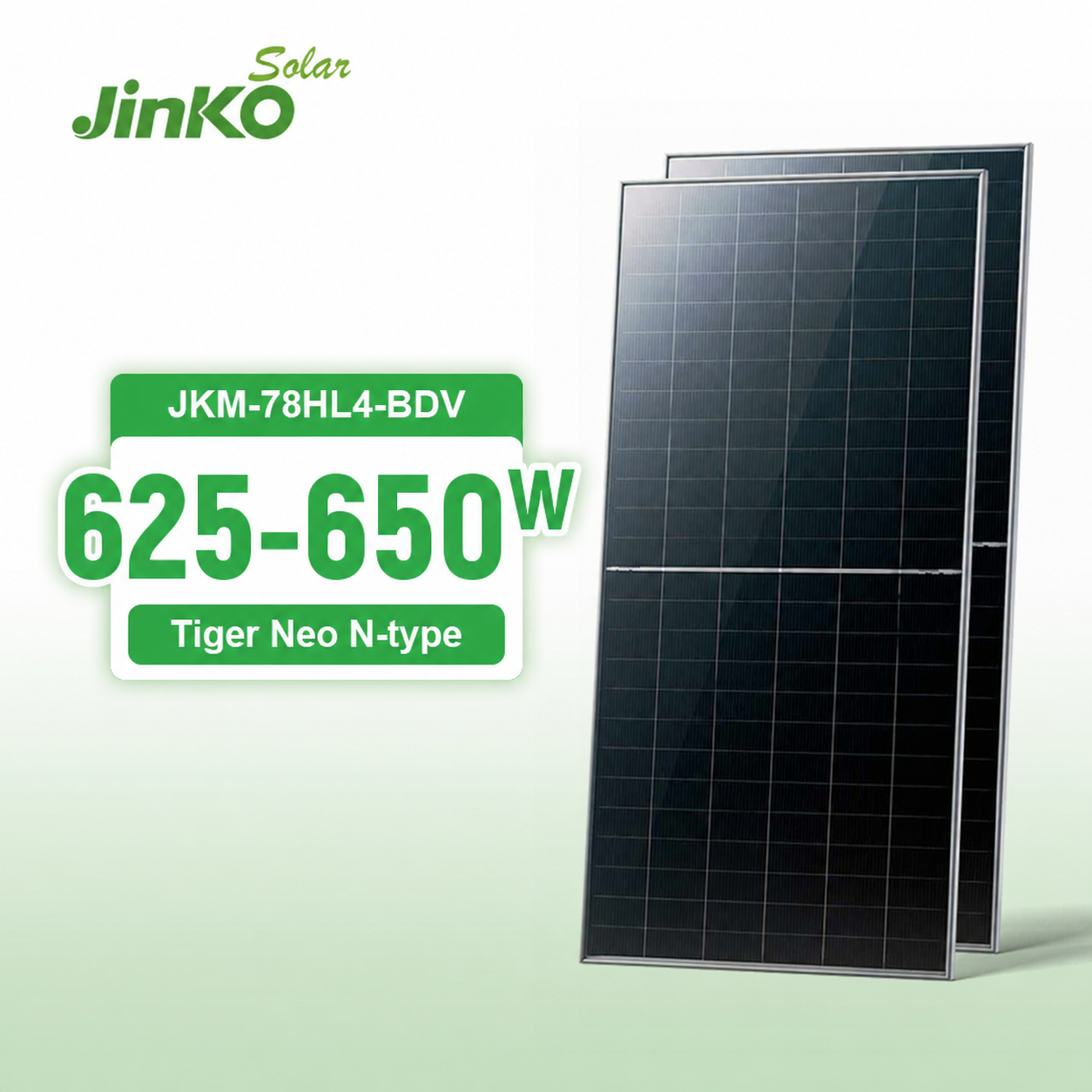
Jinko N-Type Bifacial Double Glass PV Panels 650W / 645W / 630W
- ✓ Dual-glass architecture with anti-PID assurance
- ✓ 80%±5% bifacial factor, up to 25% rear gain
- ✓ Recommended for Deye 5kW-8kW single phase
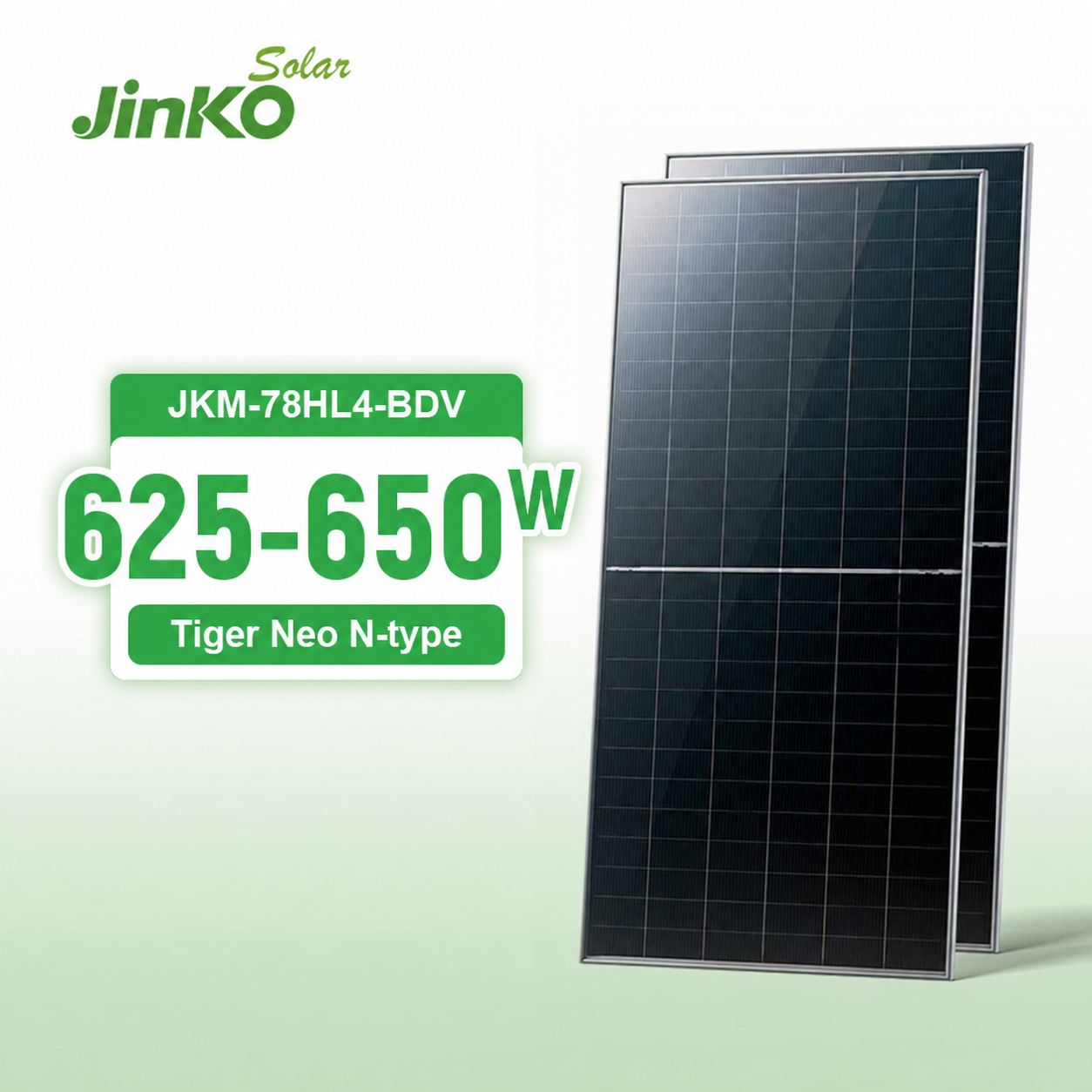
Jinko N-Type Bifacial PV Modules 630W / 625W / 635W (Stock Available)
- ✓ Factory prime warehouse ready for urgent export
- ✓ SMBB Technology with low temperature coefficient
- ✓ Matched with 1-phase hybrid battery inverters
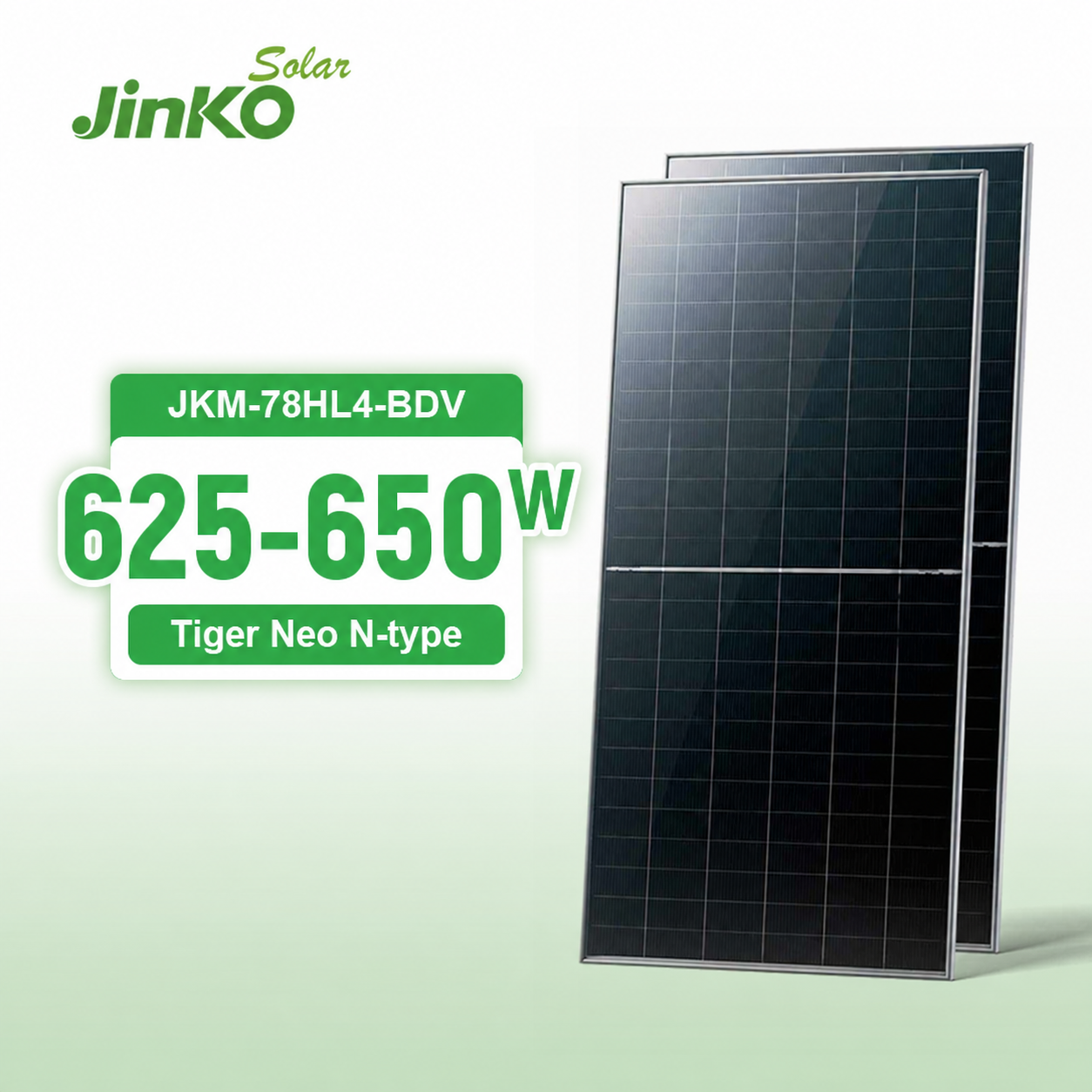
Jinko N-Type Dual Glass Solar Modules 650W / 640W / 630W
- ✓ Severe weather endurance (5400Pa front / 2400Pa back)
- ✓ High Voc design reducing string cable losses
- ✓ High-efficiency monocrystalline TOPCon cells
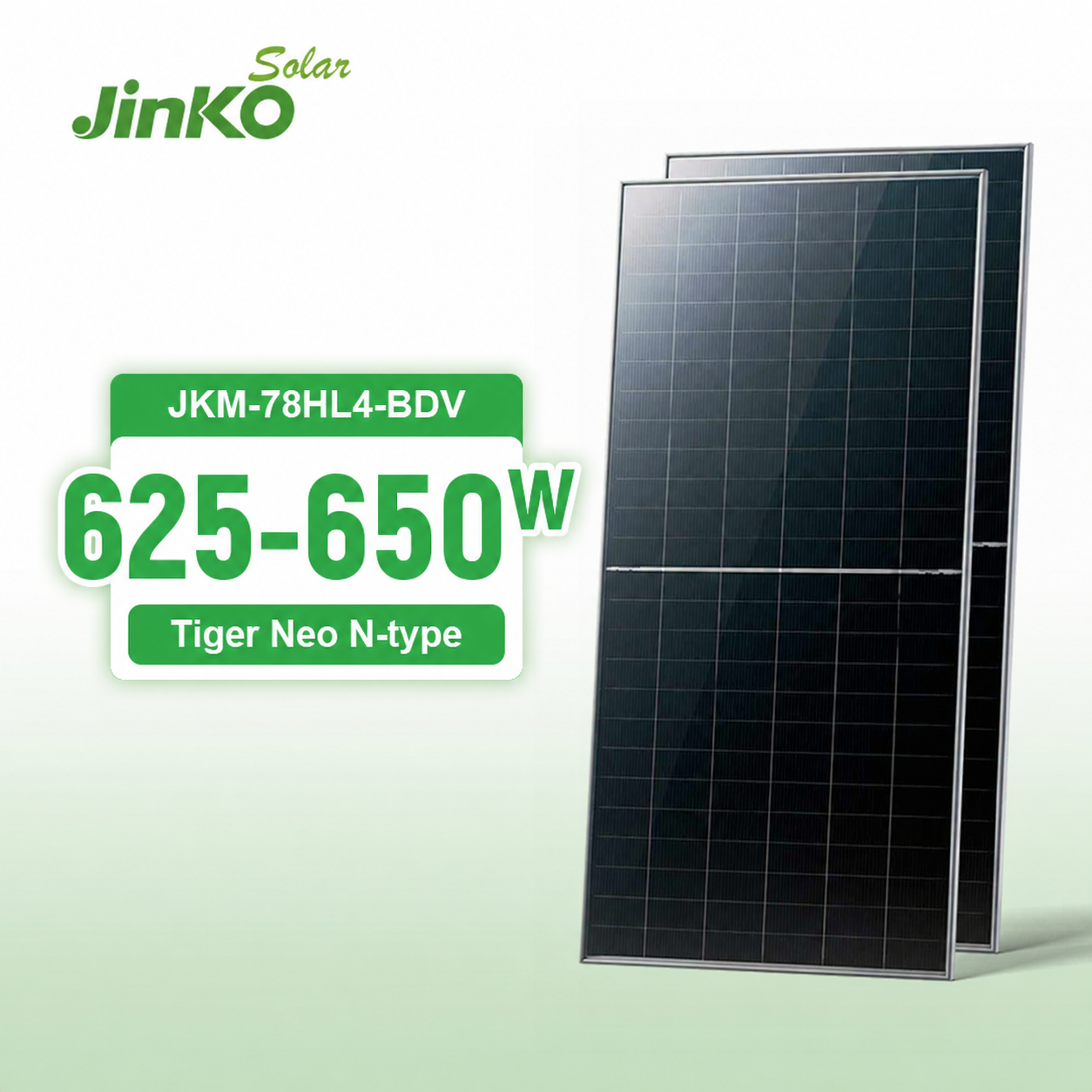
Jinko Bifacial PV Panels 630W / 640W / 635W Monocrystalline Module
- ✓ Optimized current output matching 16A/20A MPPTs
- ✓ Enhanced shading tolerance via half-cell layout
- ✓ 30-year linear performance warranty
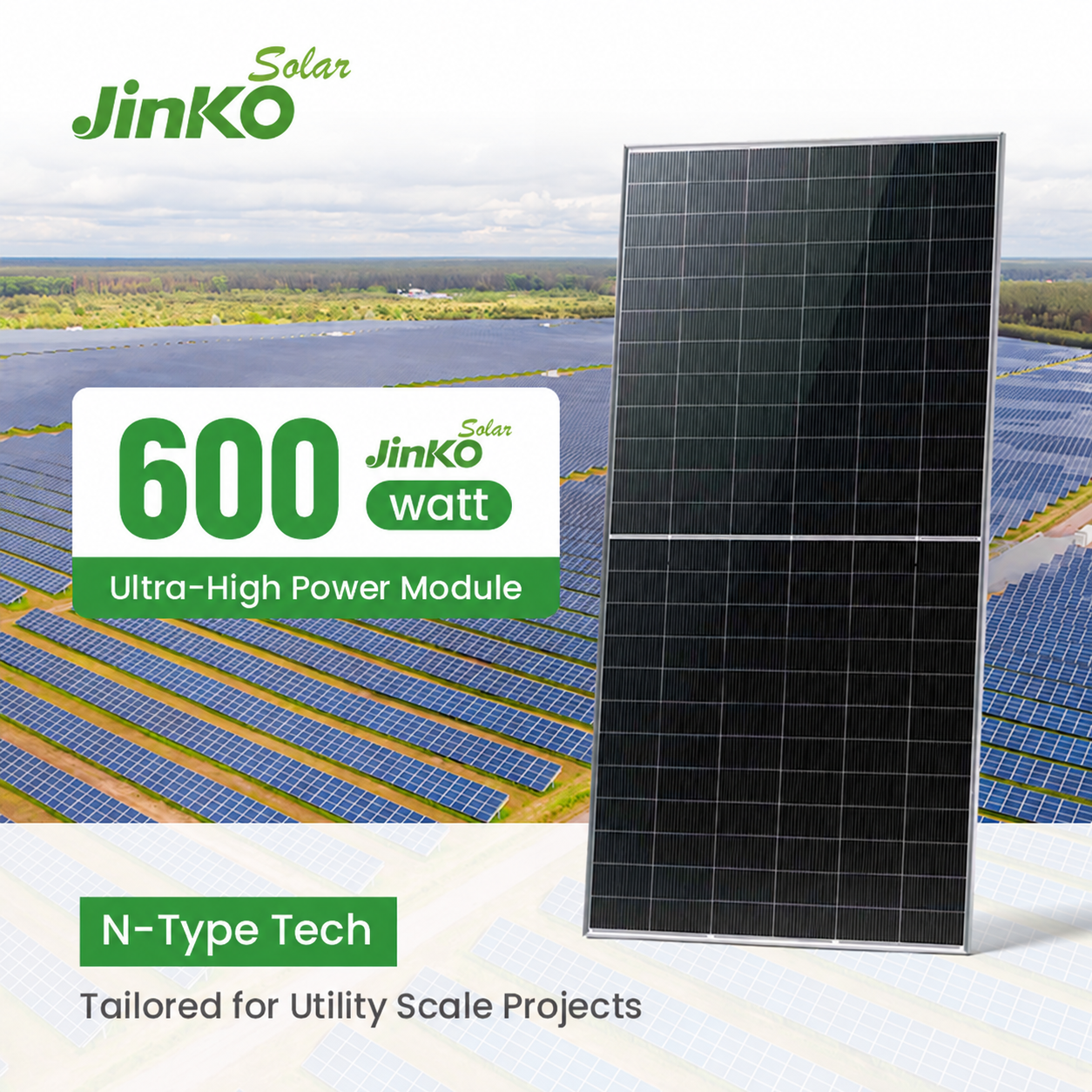
Jinko 580W / 590W / 600W N-Type Double Glass High-Efficiency Panels
- ✓ Ergonomic form factor for residential sloped roofs
- ✓ Zero Light Induced Degradation (LID) TopCon
- ✓ Compatible with single-phase low-voltage inverters
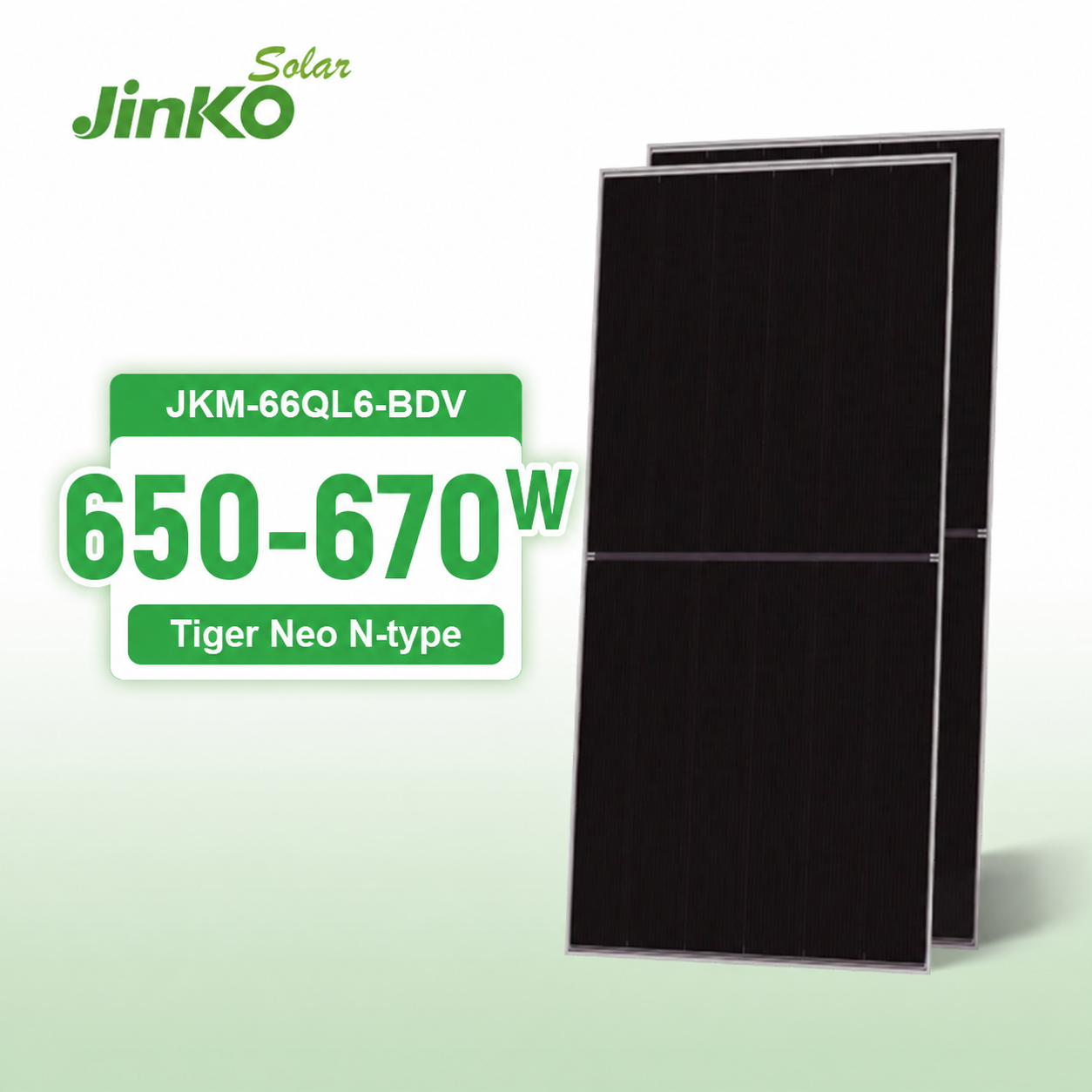
Jinko Wholesale PV Modules 650W / 660W / 670W Bifacial N-Type
- ✓ High-density energy output for large single-phase arrays
- ✓ Micro-crack resistant cell interconnect design
- ✓ Ideal for agricultural irrigation & pump systems
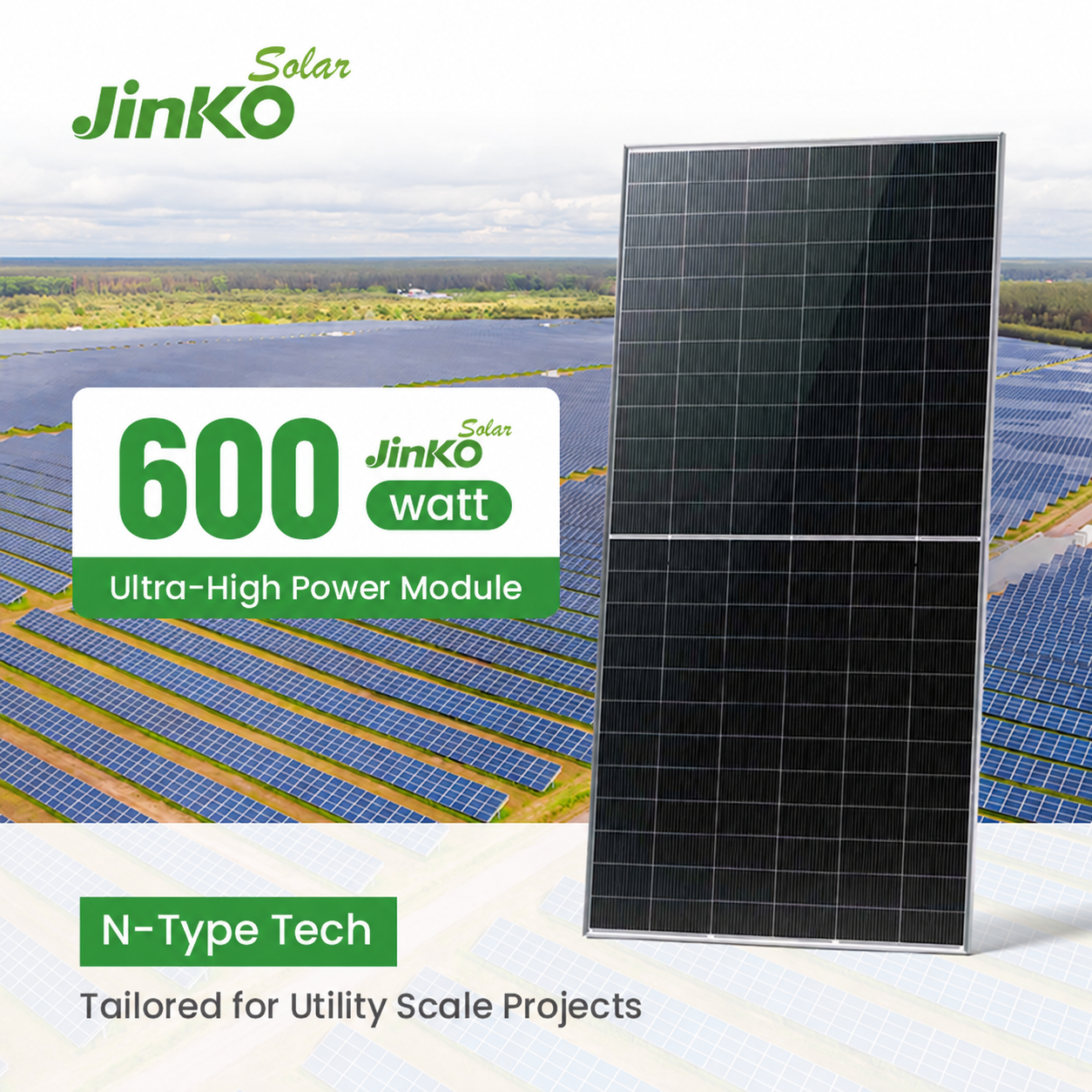
Jinko N-Type Bifacial Monocrystalline PV Panels 580W–600W
- ✓ High conversion efficiency exceeding 22.8%
- ✓ Reduced BOS costs for residential micro-grids
- ✓ Excellent performance under tropical diffuse light
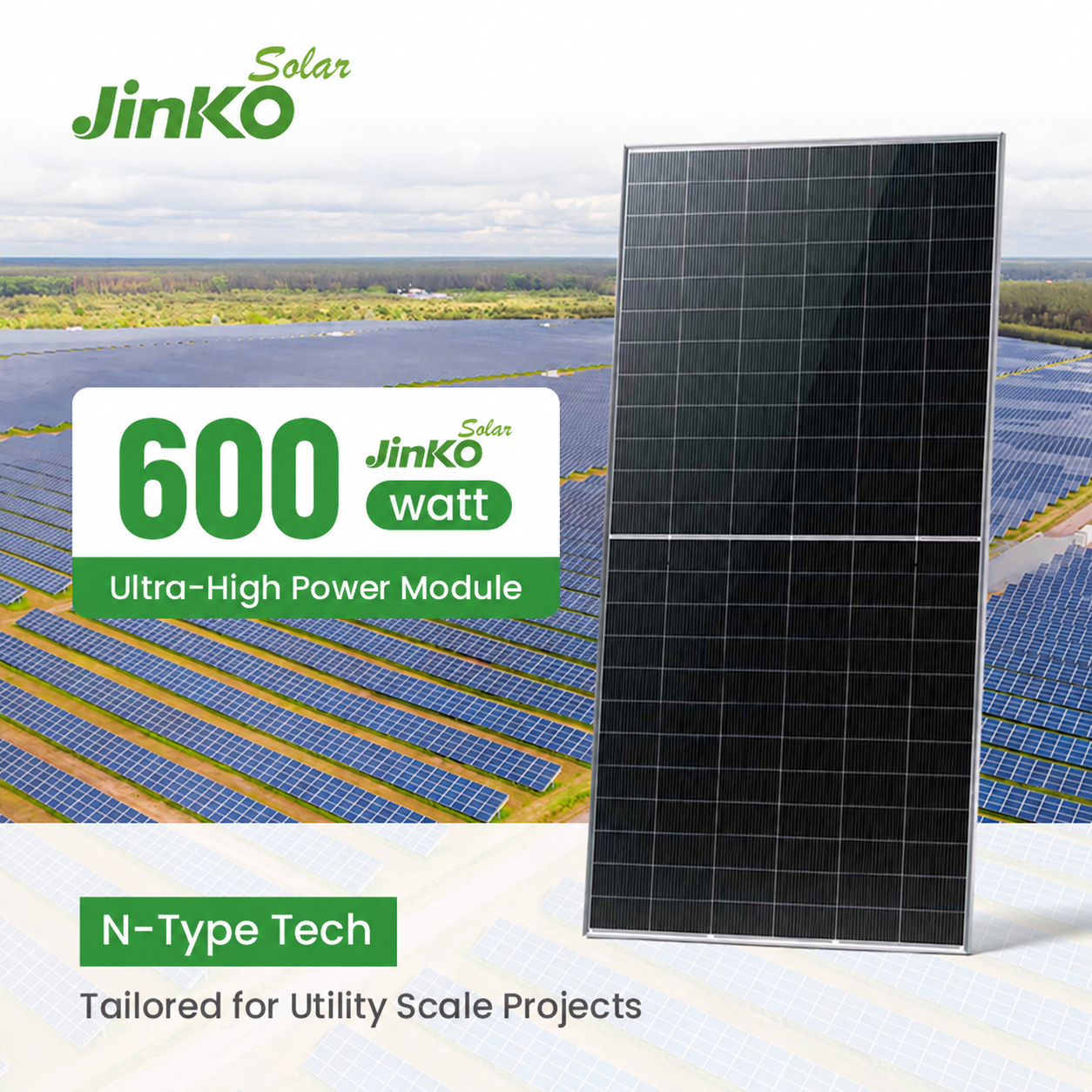
Jinko Wholesale Dual Glass Monocrystalline Modules 580W / 590W / 600W
- ✓ Standardized container packing for overseas shipping
- ✓ IP68 junction boxes with bypass diodes
- ✓ Directly paired with VOLT LFP battery packages
The Global Landscape of Single Phase Solar Inverters
Decentralized energy transition, residential electrification, and the global boom of solar-plus-storage (ESS) have placed the single-phase inverter at the epicenter of procurement decisions. Operating across single-phase grids (typically 220V/230V in Europe, Australia, Asia, and Africa, and split-phase 120V/240V in the Americas), modern single-phase inverters are no longer mere DC-to-AC conversion boxes. They have evolved into intelligent energy management hubs orchestrating multi-channel MPPT tracking, battery electrochemical interfaces, generator control, and micro-grid islanding within milliseconds.
For international importers, distributors, and engineering contractors (EPCs), selecting the right manufacturer demands a deep evaluation beyond nameplate wattage. It requires balancing topology architecture (high-frequency transformerless vs. low-frequency isolated), battery-coupling compatibility (low-voltage 48V/51.2V vs. high-voltage 200V-500V DC stacks), firmware adaptability, anti-islanding compliance (UL1741 SA/SB, VDE-AR-N 4105, G98/G99, AS/NZS 4777.2), and export supply-chain stability.
1. Top 10 Single Phase Inverter Manufacturers & Exporters Worldwide
Based on global shipment volumes, field reliability ratings, technological innovation in hybrid topology, warranty settlement efficiency, and exporter supply-chain responsiveness, the following 10 manufacturers represent the pinnacle of single-phase photovoltaic and energy storage conversion hardware:
| Manufacturer / Brand | HQ / Production | Core Single-Phase Power Range | Dominant Inverter Topologies | Primary Export Markets | Key Technological Edge |
|---|---|---|---|---|---|
| Deye (Ningbo Deye) | Ningbo, China | 3kW – 16kW (Single Phase / Split Phase) | Low-Voltage Hybrid, On-Grid String, AC Coupler | Europe, South Africa, Latin America, Middle East, Asia | World-leading low-voltage 48V battery hybrid technology; up to 16kW single-phase output; generator peak-shaving port. |
| Growatt | Shenzhen, China | 1kW – 10kW | String Inverters, Dual-MPPT Hybrids, Off-Grid | Europe, Brazil, Southeast Asia, South Africa, Australia | Broad consumer portfolio; highly cost-competitive residential MIN and SPH series with integrated DC disconnects. |
| Ginlong Solis | Ningbo, China | 0.7kW – 10kW | Single Phase String Inverters, Hybrid ESS | UK, Europe, India, Latin America, Australia | Ultra-wide MPPT operational voltage range down to 50V; exceptional thermal performance and high string current (up to 16A/32A). |
| Sungrow Power | Hefei, China | 2kW – 8kW | Residential High-Efficiency String & HV Hybrids | Europe, Australia, Latin America, APAC | Exceptional build quality; native high-voltage battery architecture; rapid plug-and-play installation mechanisms. |
| GoodWe | Suzhou, China | 1.5kW – 8kW | DNS/MS String Series, ES/EM Low-Voltage Hybrids | Europe, Australia, Brazil, South Africa, MENA | Seamless UPS-grade emergency power switching (<10ms); elegant industrial die-cast aluminum aesthetics and heat-pipe cooling. |
| Huawei (FusionSolar) | Shenzhen, China | 2kW – 6kW (SUN2000 Series) | Smart PV String with HV Battery Interface | Europe, Latin America, Asia-Pacific | Chip-level AI-powered Arc Fault Circuit Interrupter (AFCI); integrated battery interface ready for high-voltage LUNA2000. |
| SolarEdge Technologies | Herzliya, Israel | 3kW – 11.4kW (HD-Wave) | DC-Optimized Inverters, StorEdge Hybrids | North America, Western Europe, Australia | Module-level power electronics (MLPE); granular optimization and compliance with stringent NEC 2020/2023 rapid shutdown. |
| Enphase Energy | Fremont, USA | 240W – 384W (Per Module Microinverter) | Distributed Microinverters, IQ8 Grid-Forming | North America, Europe, Australia | Decentralized architecture eliminating single-point inverter failure; grid-forming micro-grid functionality without battery backup. |
| SMA Solar Technology | Niestetal, Germany | 1.5kW – 6kW (Sunny Boy Series) | Transformerless String, Sunny Island Off-Grid | Germany, Central Europe, Australia, North America | Pioneering German engineering standards; outstanding grid stability algorithms; exceptional long-term field survivability. |
| Victron Energy | Almere, Netherlands | 0.5kW – 15kVA (MultiPlus / Quattro) | Low-Frequency Inverter/Chargers, Marine & Off-Grid | Global Marine, Africa, Remote Off-Grid, RV Markets | Heavy-duty toroidal transformer with extreme surge capacity; open-source programming; the undisputed gold standard for off-grid. |
2. Strategic Evaluation of Leading Manufacturing Paradigms
Deye: The Global Hybrid Inverter Powerhouse
In the realm of single-phase energy storage inverters, Ningbo Deye Inverter Technology Co., Ltd. has established unprecedented dominance across international markets that experience intermittent grids or surging retail electricity rates (e.g., South Africa, Poland, Germany, Ukraine, Lebanon, and Brazil). Deye's flagship single-phase hybrid inverters (SUN-3.6/5/6/8/10/12/16K-SG01/02/03/04LP1-EU) revolutionized the sector by achieving an astonishing 16kW maximum AC output on a single-phase connection—a capacity previously restricted to three-phase commercial units.
Crucially for system integrators, Deye adopts a low-voltage 48V/51.2V battery bus architecture. While high-voltage battery topologies are favored by some European brands, 48V systems provide system owners with safer installation parameters, modular parallel scalability up to 16 units, and lower cell replacement costs. Deye inverters feature a dedicated auxiliary port configurable as a micro-inverter AC input, smart load output, or automatic generator starter with peak-shaving functionality.
Solis & Growatt: String Inverter Cost-Optimization Champions
For standard grid-tied PV systems without energy storage, Ginlong Solis and Growatt offer the highest return on investment (ROI). Solis leverages its single-phase mini and dual-MPPT series with input operating voltages as low as 50V, enabling earlier morning wake-up and later evening shutdown. Furthermore, their input current capability has expanded up to 16A–18A per string, making them fully compatible with the latest ultra-high-efficiency M10 and G12 large-format solar wafers found in 580W–670W N-type bifacial modules.
SolarEdge & Enphase: Premium Distributed Architecture
In mature markets governed by strict residential safety codes—such as the United States (NEC 690.12 Rapid Shutdown requirements) and specific European jurisdictions—SolarEdge and Enphase occupy a premium tier. SolarEdge relies on DC power optimizers attached behind each panel coupled with a lightweight, high-efficiency HD-Wave fixed-string inverter. Enphase distributes AC conversion completely across the array using its IQ7 and IQ8 microinverters, converting DC power to AC directly beneath each PV module. While their upfront capital expenditure ($/W) is 40%–60% higher than string or hybrid alternatives, they eliminate shading mismatches and high-voltage DC hazards on rooftops.
3. Future Procurement Trends in Single Phase Inverters (2025–2030)
Procurement directors must look beyond existing catalog datasheets. As global power grids encounter higher distributed solar penetration and consumers demand total home electrification (EV chargers, heat pumps, backup generators), single-phase inverter procurement is shifting under four major structural trends:
Higher DC Current Capacities (>18A–20A)
Module manufacturers have standardized on 182mm (M10) and 210mm (G12) rectangular wafers, pushing PV operating currents (Imp) beyond 14A–17A. Future-proof single-phase inverters must provide at least 16A to 20A usable MPPT input current to prevent thermal clipping and maximize bifacial rear gain.
Consolidation to "Storage-Ready" Hybrids
Pure grid-tied string inverters are rapidly losing market share to hybrid-ready and storage-equipped models. Even in territories with stable grids, declining feed-in tariffs (FiTs) and dynamic time-of-use (ToU) billing incentivize buyers to install hybrid inverters that allow retrofitting 48V LFP batteries at later stages without replacing the inverter.
Native VPP & Dynamic Grid Compliance
Grid operators in Europe, Australia, and North America increasingly mandate dynamic export limitation, reactive power regulation (cos φ control), and Virtual Power Plant (VPP) aggregation through standardized protocols like IEEE 2030.5, OpenADR, and SunSpec Modbus over Ethernet or 4G IoT modules.
Sub-10ms UPS Emergency Islanding
Standard solar inverters take 1 to 5 seconds to isolate and generate backup power during a grid outage. Modern single-phase hybrids feature integrated transfer switches that achieve seamless sub-10ms transfer times, preventing home computers, servers, and sensitive refrigeration equipment from rebooting.
AI-Powered AFCI & Rapid Shutdown
Safety regulations are becoming non-negotiable worldwide. Procurement tenders now explicitly require built-in DC Arc Fault Circuit Interrupters (AFCI) powered by machine learning algorithms capable of detecting series arcing faults over 100-meter cables while suppressing nuisance tripping caused by ambient inverter switching noise.
Full Supply Chain Container Consolidation
B2B importers are migrating away from fragmented sourcing. Sourcing inverters from one vendor, modules from another, and batteries from a third leads to protocol mismatches, freight overhead, and customs clearance delays. The prevailing trend favors procurement partners who supply certified, matched, and container-consolidated packages.
4. Technological Evolution: Next-Gen Inverter Engineering
The rapid transformation of single-phase power conversion is underpinned by hardware and software breakthroughs. Understanding these core engineering trends enables procurement teams to assess product roadmaps effectively:
A. Transition to Silicon Carbide (SiC) and Gallium Nitride (GaN) Semiconductors
Traditional single-phase inverters rely heavily on silicon-based insulated gate bipolar transistors (IGBTs) operating at switching frequencies between 16kHz and 25kHz. Next-generation hybrid inverters are aggressively adopting SiC MOSFETs and GaN power switches capable of switching at 100kHz or higher. The advantages are transformative: internal power losses are reduced by up to 40%, Euro-efficiency curves exceed 98.2%, and inductive passive components (chokes, inductors, transformers) shrink significantly in weight and volume. This has allowed Deye and other pioneers to engineer 12kW single-phase inverters that weigh under 35kg, permitting single-person wall mounting.
B. Advanced Thermal Management: Natural Convection vs. Smart Forced-Air
Thermal throttling is the primary cause of yield degradation during summer peak hours. Leading manufacturers are optimizing heat-dissipation geometry. Low-wattage string inverters (1kW–5kW) increasingly deploy die-cast aluminum heat sinks utilizing natural convection without external fans, eliminating acoustic noise and mechanical failure points. High-capacity hybrids (6kW–16kW) employ smart, multi-stage temperature-controlled IP65-rated brushless fans with reverse-spin self-cleaning routines that blow away accumulated dust in arid or agricultural regions.
C. BMS Integration and Bidirectional DC-DC Converter Topologies
In low-voltage hybrid inverters, the bidirectional DC-DC converter connecting the 48V nominal battery bank to the 400V internal DC bus is the most critical stress component. Engineering advancements have introduced soft-switching resonant topologies (such as LLC and dual active bridge) that maintain peak round-trip efficiency (RTE) above 95.5%. Simultaneously, inverter microcontrollers now maintain pre-flashed libraries of CAN bus and RS485 communication protocols, allowing instantaneous plug-and-play handshakes with leading Tier-1 battery management systems.
Why Tier-1 Solar Buyers Partner with Hangzhou VOLT New Energy
Hangzhou VOLT New Energy Technology Co., Ltd. is not merely a supplier; we are an engineering-driven supply chain integrator based in Zhejiang, China. We bridge the critical technical and logistical gap between Chinese component manufacturing giants and commercial B2B importers across 100+ countries.
Pre-Shipment Protocol Verification
We eliminate "Error 08 / BMS Communication Failures" on job sites. Every inverter and LFP battery batch undergoes end-to-end CAN/RS485 handshake testing, DIP switch configuration, and pinout verification in our facility before container stuffing.
DG-Certified Mixed Shipments
Consolidate Jinko bifacial solar modules, Deye hybrid inverters, and VOLT own-brand LFP / GEL batteries into a single ocean container. We handle all UN38.3 test reports, Class 9 Dangerous Goods maritime packaging, and MSDS customs clearance documents seamlessly.
Direct Tier-1 Factory Alliances
As premier distribution partners of Deye and Jinko Solar, we offer authorized, original-factory grade-A serial numbers, direct factory warranties, and prioritized stock allocation during tight global silicon or chip supply conditions.
Engineering Sizing & Schematics
Provide our engineering team with your daily load profile (kWh), local insolation data, and grid conditions. We generate comprehensive single-line diagrams (SLD), cable sizing schedules, DC over-paneling ratios, and parameter setting blueprints within 24 hours.
Frequently Asked Questions on Single Phase Inverter Procurement
Direct technical answers addressing the real-world operational challenges encountered by solar purchasing agents, distributors, and EPC contractors.
1. What is the fundamental difference between Low-Voltage (48V) and High-Voltage (HV) single-phase hybrid inverters?
2. How do high-power N-type bifacial modules (like Jinko 580W–670W) impact single-phase MPPT selection?
3. What communication protocol handshakes are critical between inverters and lithium storage batteries?
4. Can single-phase inverters be paralleled to form a three-phase microgrid or scale up single-phase capacity?
5. What export certifications and grid compliance standards are required for customs clearance and grid interconnection?
- European Union: CE conformity, EN 50549-1, VDE-AR-N 4105 (Germany), UTE C15-712-1 (France), and G98/G99 (United Kingdom).
- North America: UL 1741 SA/SB (IEEE 1547:2018 grid compliance), CSA C22.2, and FCC Part 15 Class B emissions.
- Australia & New Zealand: AS/NZS 4777.2:2020 listing on the Clean Energy Council (CEC) approved register.
- Latin America & South Africa: INMETRO certification (Brazil), NRS 097-2-1 (South Africa), and SEC approval (Chile).
6. What is the typical warranty procedure and after-sales protocol for international inverter shipments?
Ready to Optimize Your Solar Equipment Supply Chain?
Whether you require full container loads (FCL) of Deye single-phase inverters, Tier-1 Jinko N-type bifacial modules, matched LFP storage racks, or custom-engineered turnkey systems, Hangzhou VOLT delivers factory-direct pricing, guaranteed compatibility, and seamless global export logistics.