Global Export Markets
Deep Cycle Life @ 80% DoD
BMS Inverter Closed-Loop QC
Class 9 DG Logistics Ready
High-Efficiency Generation & Storage Deployments
Direct factory-matched photovoltaic modules and energy storage blocks designed for zero-error commissioning across residential, agricultural, and industrial mini-grid topologies.
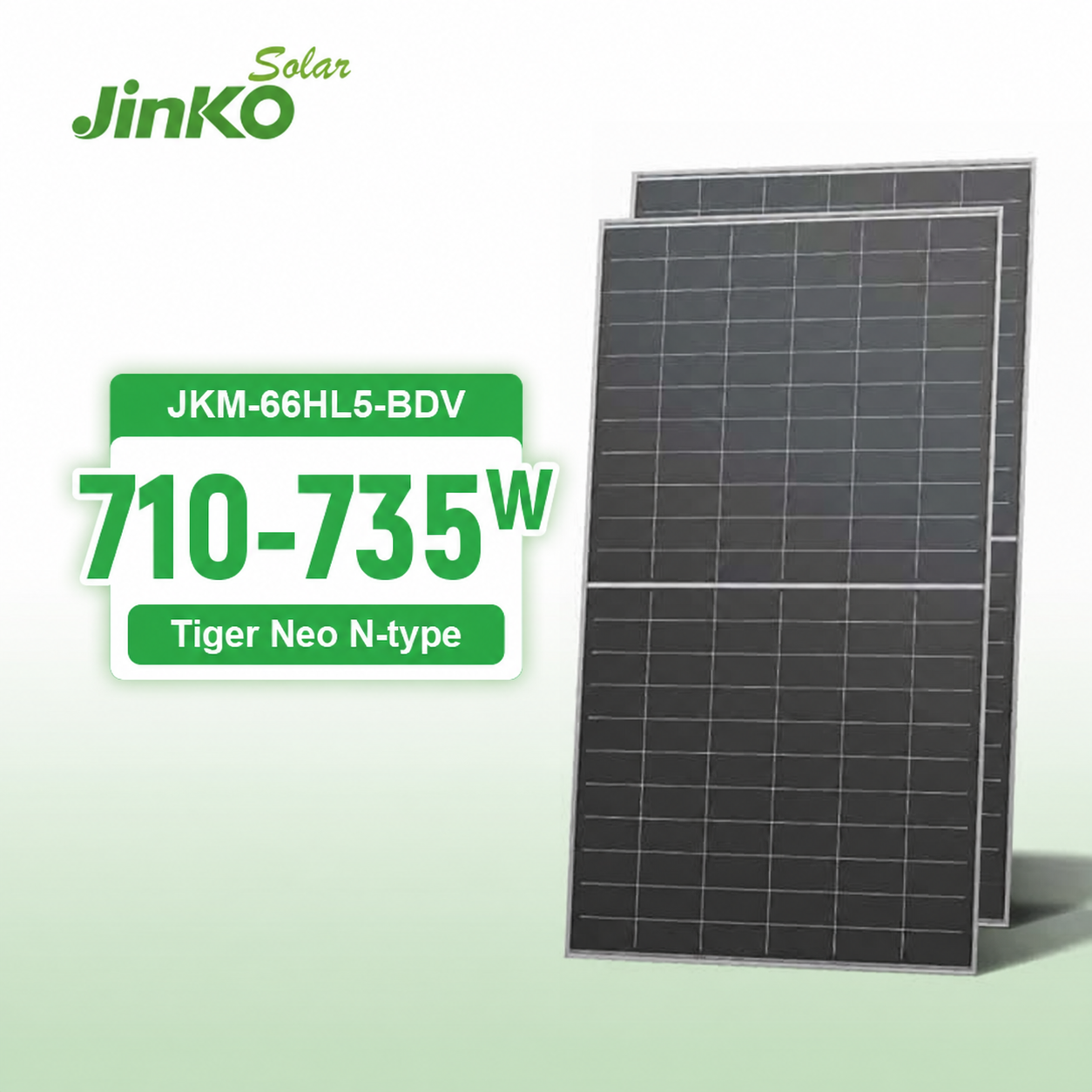
Jinko N Type Solar Panels 700W 710W 730W 725W TOPCon Bifacial Photovoltaic Module
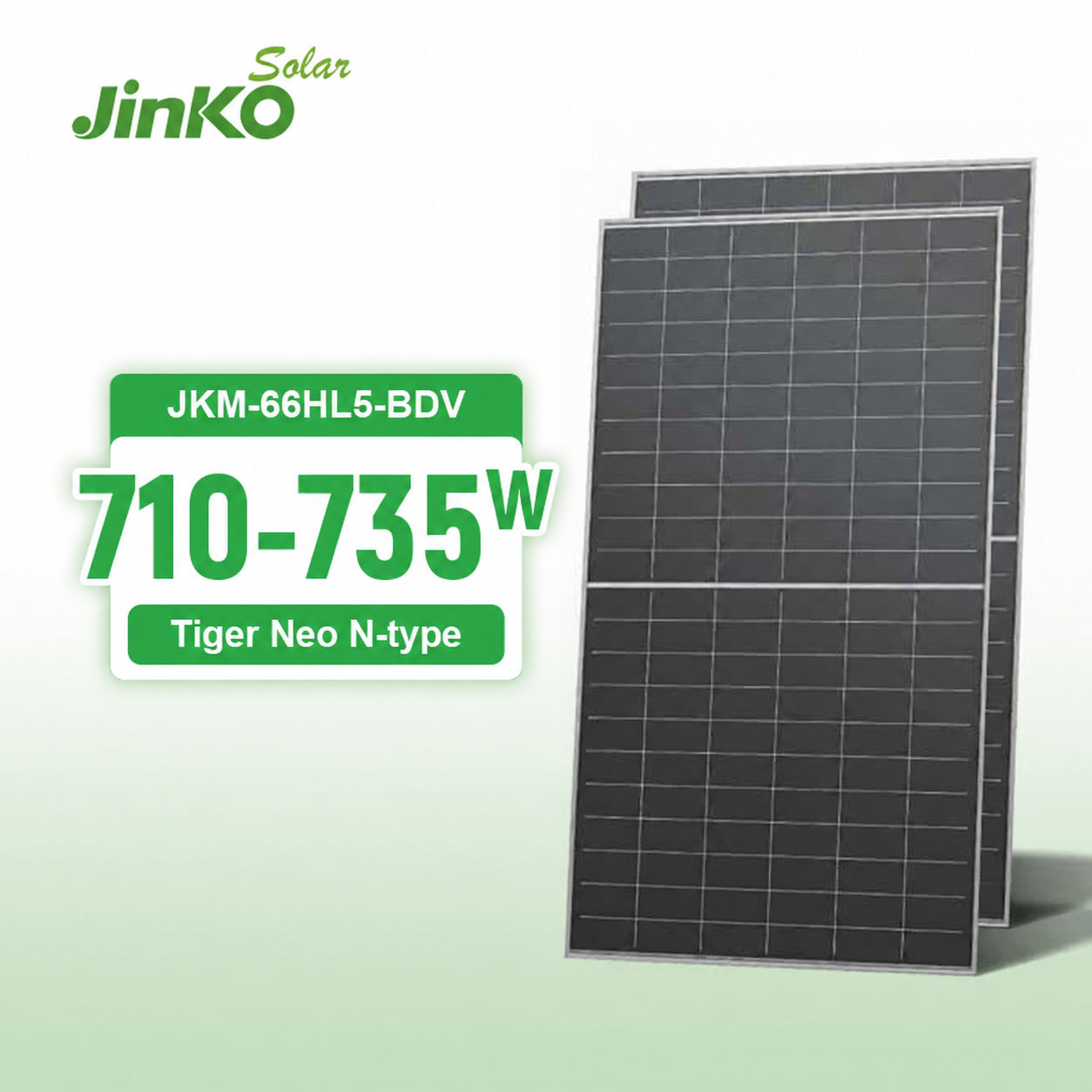
Jinko N Type Bifacial Pv Solar Panels 720W 710W 715W Dual Glass Industrial Module
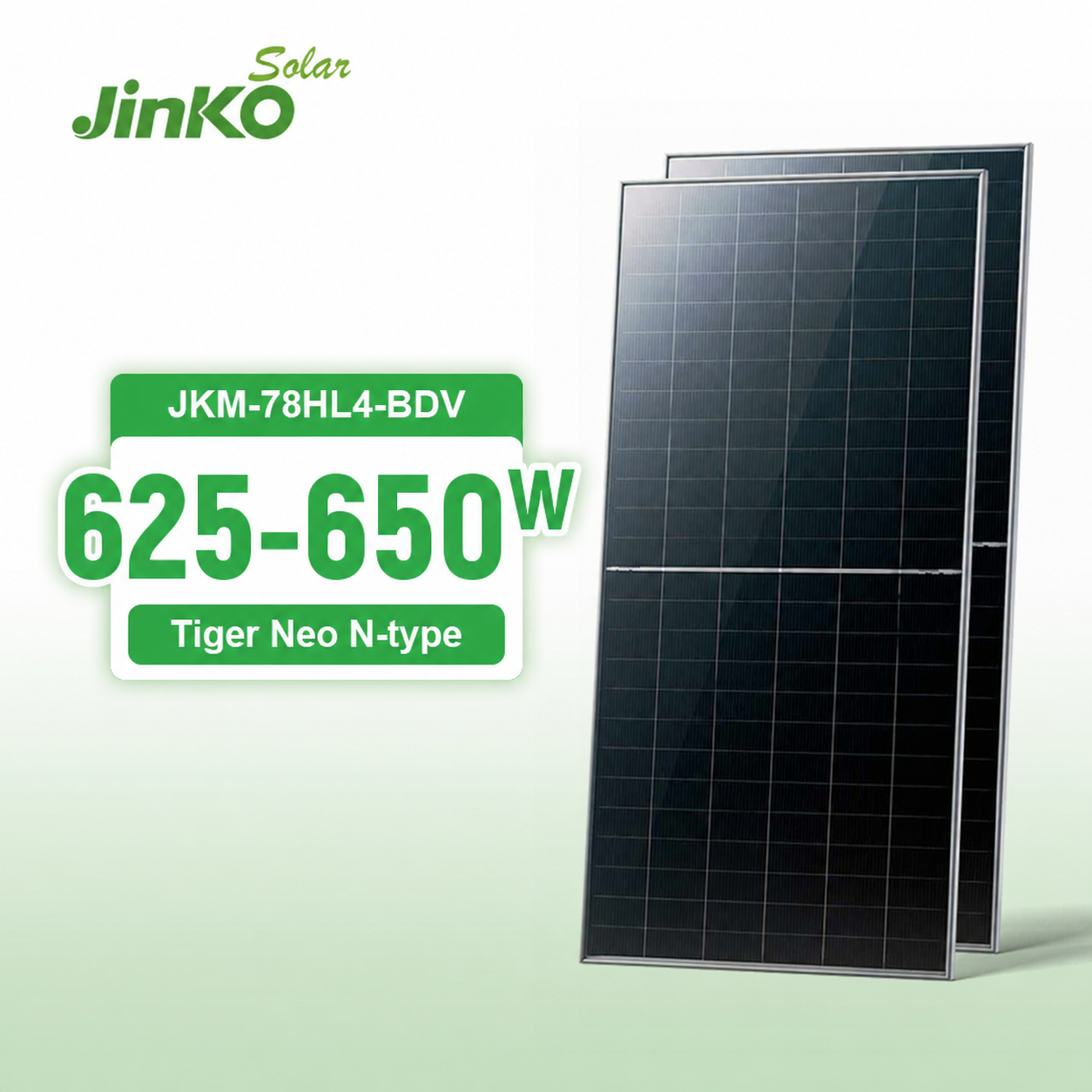
Jinko N Type Bifacial Pv Panels 650W 630W 645W Double Glass High Efficiency Module
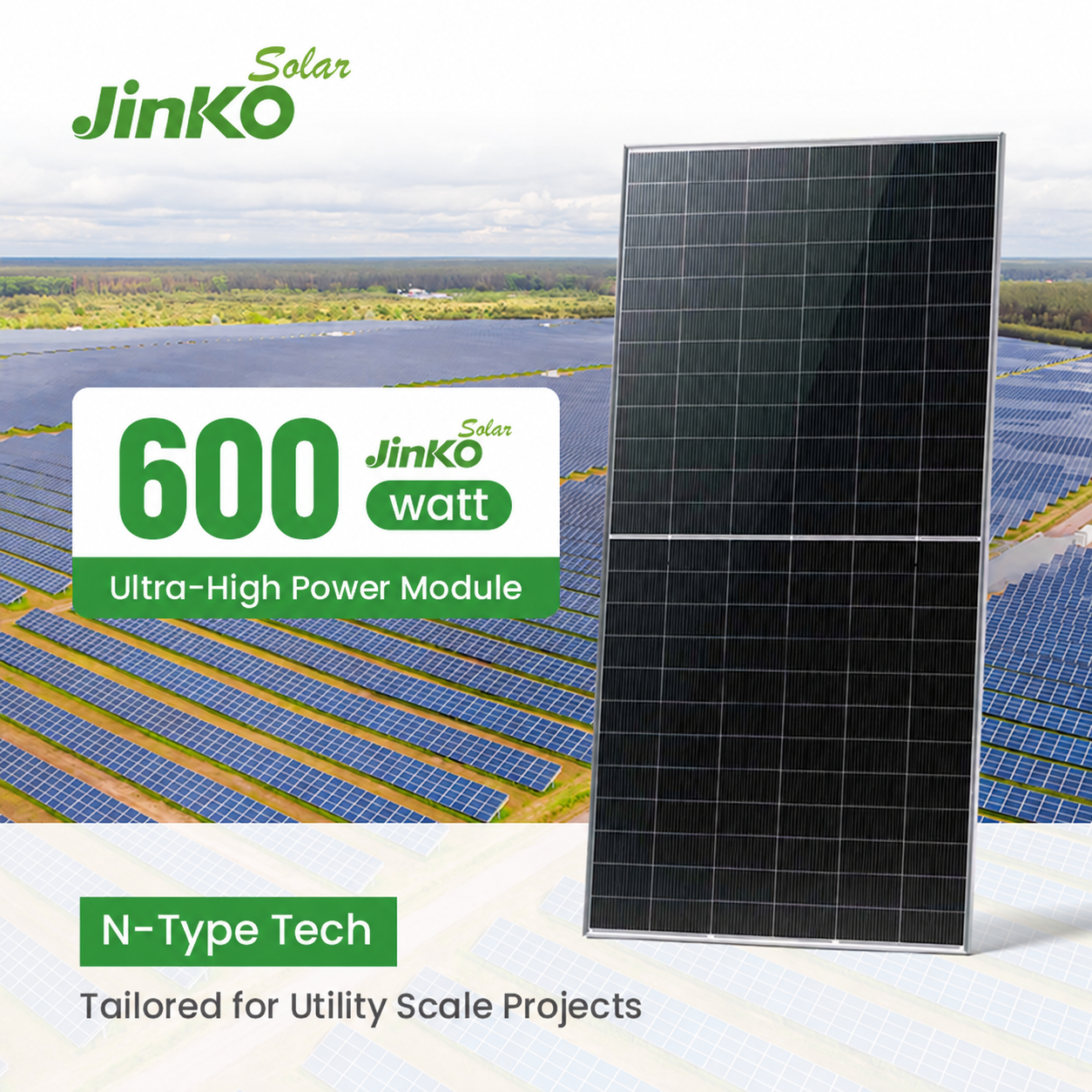
Jinko N Type Solar Modules 600W 580W 585W 590W Bifacial High Efficiency PV Panel
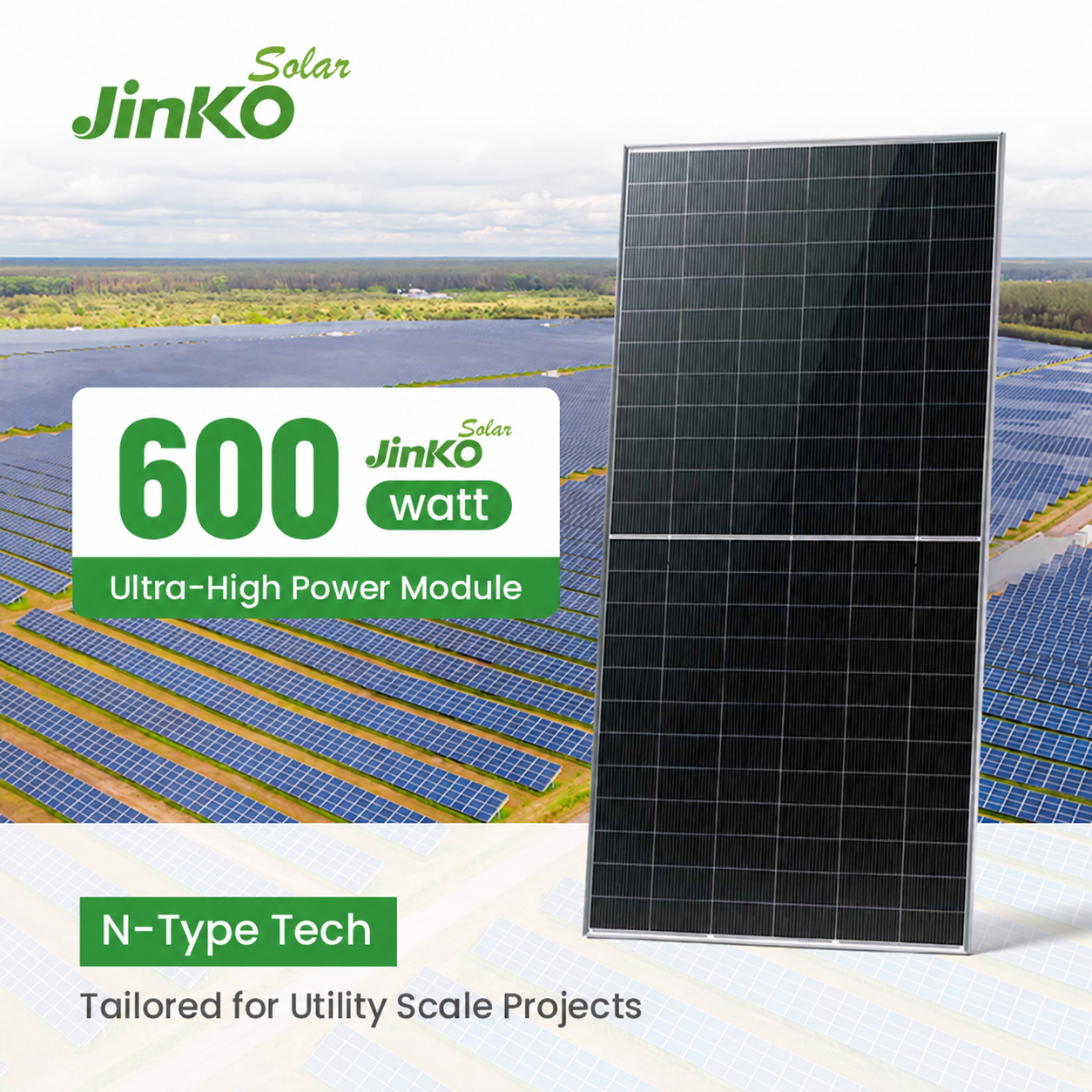
Jinko N Type Bifacial 600W 580W 590W Dual Glass Photovoltaic Solar Panel
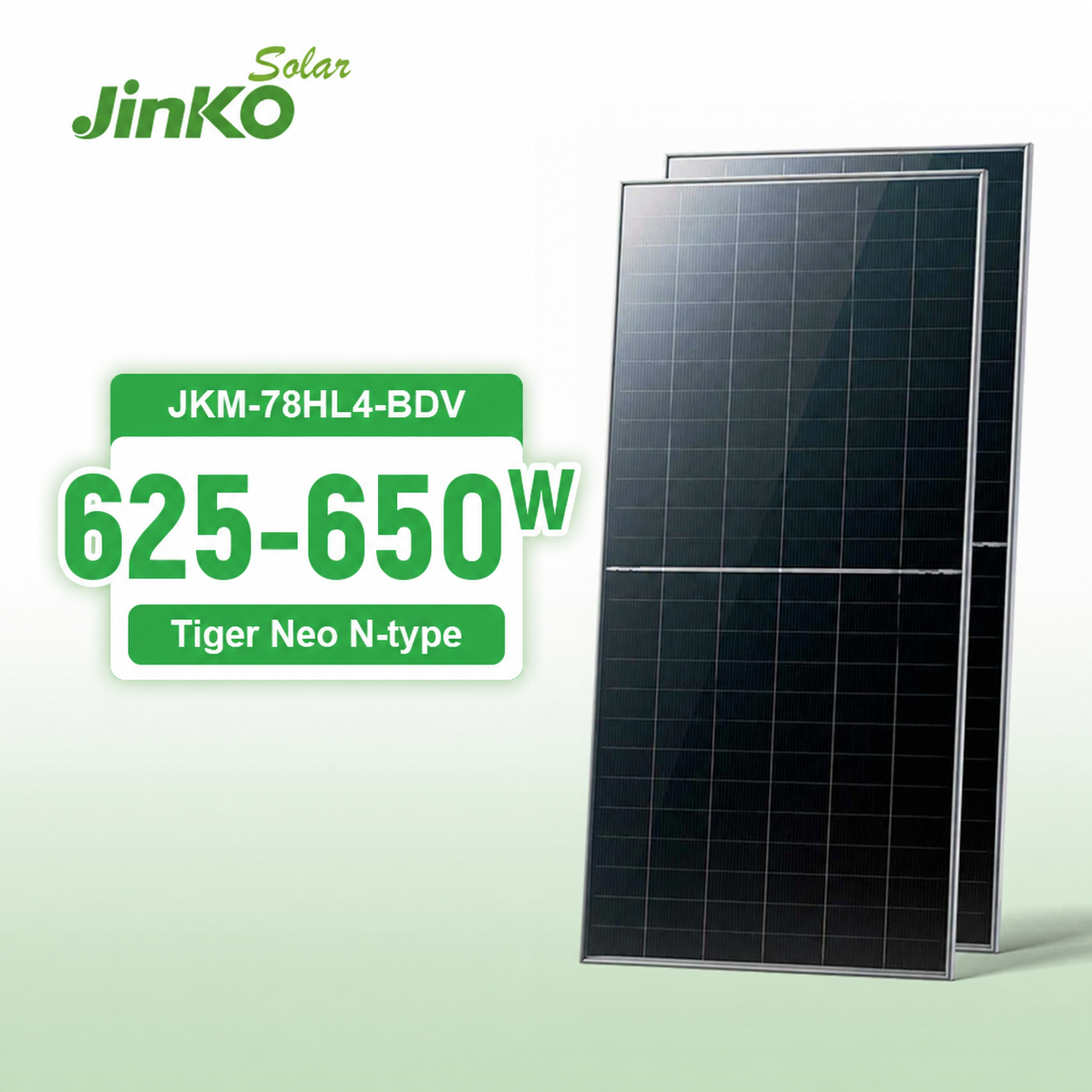
Jinko Monocrystalline Pv Panels 650W 625W 640W Dual Glass Solar Module
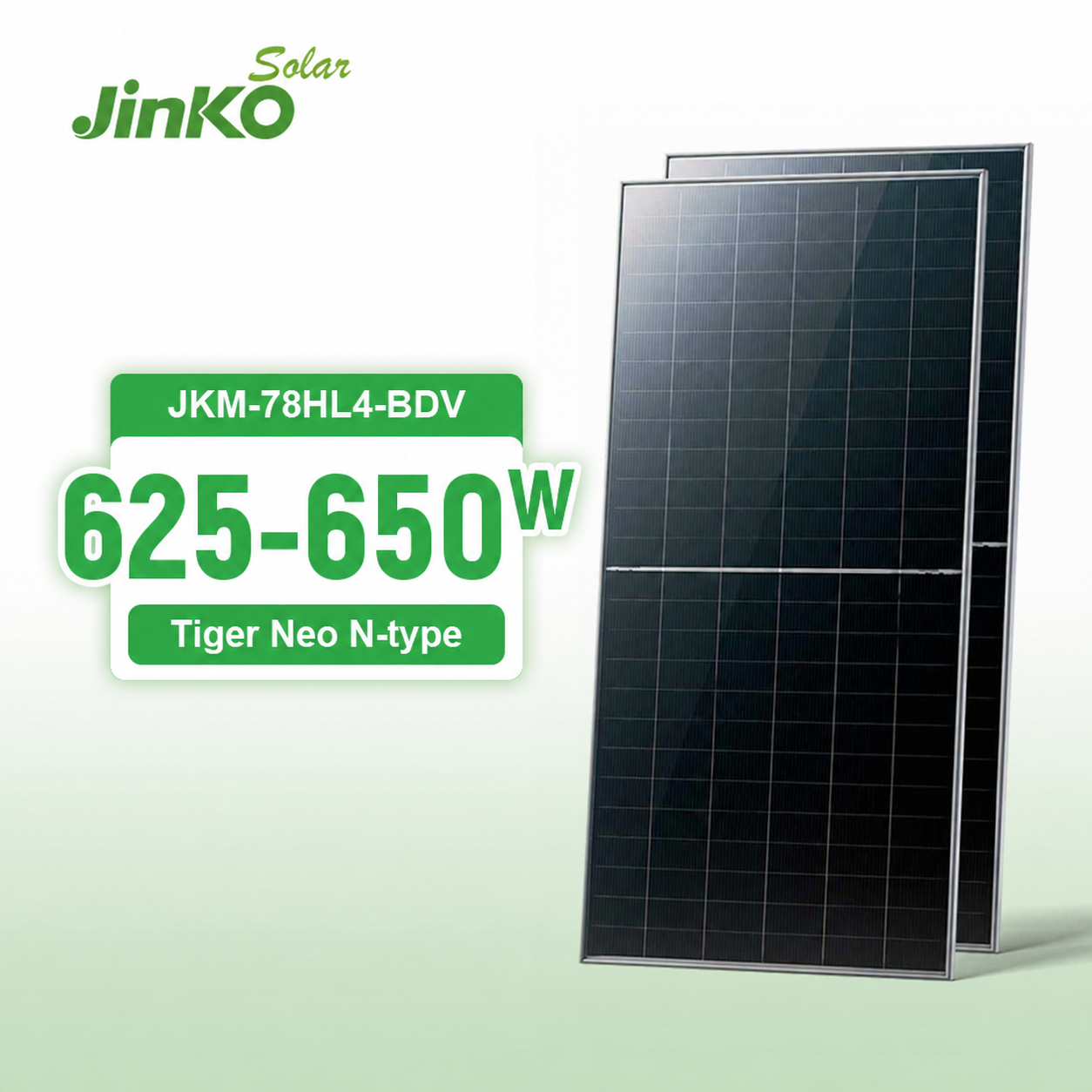
Jinko N Type Solar Panels 625W 640W 635W Monocrystalline PV Module
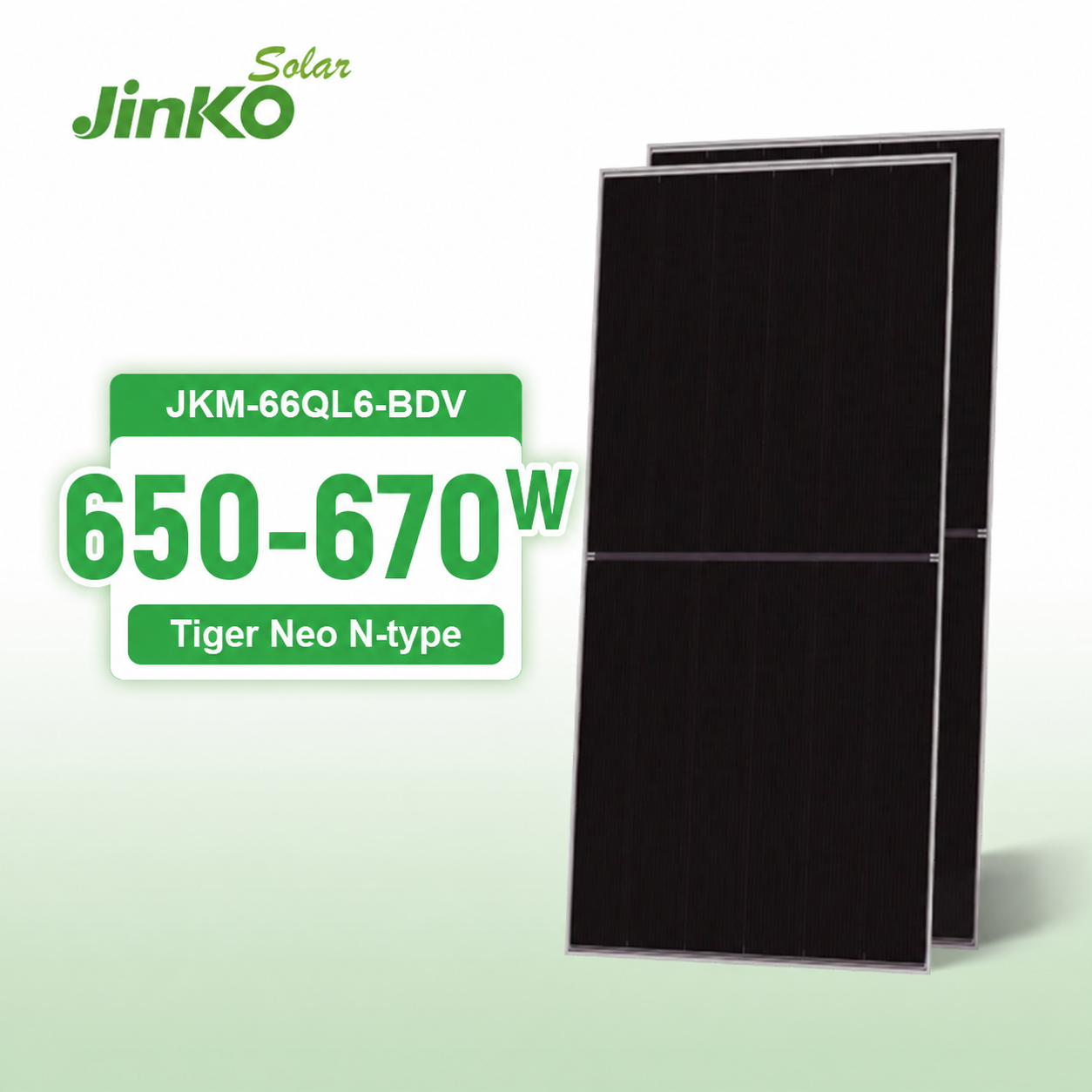
Jinko Wholesale Pv Modules 650W 660W 670W Bifacial Double Glass N Type Panel
Engineering Architecture: 12V LiFePO4 Cell Chemistry & Thermal Physics
A rigorous examination of volumetric energy density, thermodynamic stability, and solid electrolyte interphase (SEI) dynamics in stationary energy storage.
The international shift from legacy deep-cycle lead-acid (AGM/GEL) batteries to Lithium Iron Phosphate (LiFePO4 / LFP) chemistry is driven by fundamental thermodynamic and electrochemical principles. In off-grid solar energy systems, telecommunications backup infrastructure, recreational marine transport, and low-voltage residential mini-grids, 12V nominal battery banks operate under demanding duty cycles characterized by unpredictable solar irradiance, fluctuating loads, and prolonged exposure to elevated temperatures.
At the crystallographic level, LiFePO4 features an ordered olivine structure (Pnma space group) with strong covalent P-O bonding within the octahedral (PO4)3- polyanion framework. This chemical bond structure suppresses oxygen release at elevated operational temperatures, effectively preventing the catastrophic thermal runaway reactions characteristic of high-nickel chemistries such as NMC (Nickel Manganese Cobalt) or NCA. While NMC exhibits exothermic breakdown thresholds starting around 210°C, LiFePO4 remains structurally and thermodynamically stable well beyond 270°C to 300°C.
From an operational standpoint, 12V lithium iron phosphate packs eliminate the chronic degradation mechanisms that plague lead-based chemistry: acid stratification, sulfation resulting from partial state of charge (PSoC) operation, and negative plate dry-out. An LFP bank can dwell in a partial state of charge indefinitely without capacity memory effects or terminal cell crystallization. This architectural resilience drastically cuts the Levelized Cost of Storage (LCOS) over a 10-year operating horizon.
| Evaluation Parameter | Prismatic 12V LiFePO4 (VOLT) | Deep Cycle GEL (VRLA) | Traditional Flooded Lead-Acid |
|---|---|---|---|
| Cycle Life (@ 80% DoD, 25°C) | 6,000+ Cycles (Residual 80%) | 1,200 – 1,500 Cycles | 500 – 800 Cycles |
| Usable Discharge Depth (DoD) | 90% – 100% Usable Capacity | 50% Max Recommended | 50% Max Recommended |
| Gravimetric Energy Density | 130 – 160 Wh/kg | 30 – 40 Wh/kg | 25 – 35 Wh/kg |
| Round-Trip Coulombic Efficiency | > 95% System Efficiency | 75% – 82% | 70% – 78% |
| Partial State of Charge (PSoC) Tolerance | Immune to Sulfation Degradation | Causes Irreversible Sulfation | Rapid Capacity Degradation |
| BMS & Telemetry Communication | Integrated CAN / RS485 / Bluetooth | None (Passive Voltage Only) | None (Manual Hydrometer Required) |
| Environmental Hazard / Venting | Hermetically Sealed, Zero Outgassing | Minimal (Regulated Valve) | Emits Explosive H₂ Gas |
Why International Buyers Partner with VOLT New Energy
Headquartered in Hangzhou, Zhejiang, Hangzhou VOLT New Energy Technology Co., Ltd. resolves the core risks faced by renewable energy importers: BMS protocol mismatch, unverified cell health, and customs delays.
B2B importers, EPC system integrators, and electrical wholesalers frequently experience margin erosion caused by low-tier battery suppliers. Typical pain points include mismatched baud rates with hybrid solar inverters, inflated Ah capacity labels derived from second-life automotive cells, and logistical rejections at destination ports due to non-compliant dangerous goods documentation. VOLT New Energy operates a vertically integrated export supply ecosystem dedicated to eliminating operational and financial risk.

Closed-Loop Protocol Validation
Every battery batch is paired and dynamically bench-tested with leading inverters including Deye, Growatt, Victron, and Solis via CANbus and RS485 to guarantee plug-and-play field integration.

Strict Grade-A Cell Sourcing
We mandate brand-new prismatic cells sourced directly from tier-1 manufacturers. Cells undergo 100% secondary sorting for capacity consistency, voltage matching (within 2mV), and AC IR variance (<0.05mΩ).

Certified Class 9 DG Logistics
Certified export packaging with full UN38.3, MSDS, and maritime safety declarations. We consolidate mixed loads of batteries, Jinko solar panels, and inverters within single high-cube containers.

B2B Engineering Assistance
From initial DC string load profiling to customized schematics and parameter setting files, our bilingual technical team delivers end-to-end support within a verified 24-hour response window.
12V Lithium Battery Sourcing Trends: 2025 to 2030
Anticipating structural supply chain evolutions, regulatory compliance shifts, and architectural innovations shaping international B2B battery trade.
Purchasing managers and supply chain directors must navigate an evolving manufacturing and regulatory landscape. Over the next five years, global procurement strategies for 12V and low-voltage energy storage components will be defined by three structural trends:
1. Sodium-Ion Parity vs. LFP Consolidation
While Sodium-Ion (Na-ion) battery manufacturing expands, Lithium Iron Phosphate maintains superior volumetric density and proven 6,000-cycle life for high-demand cycling. Tier-1 China factories are achieving unprecedented LFP economies of scale, establishing a cost floor that makes 12V LFP systems the undisputed standard for off-grid and backup installations.
2. Digital Product Passports & Traceability
Regulatory frameworks such as the European Union Battery Regulation (EU 2023/1542) demand granular lifecycle traceability, recycled lithium content auditing, and carbon footprint declarations. Importers must align with advanced Chinese manufacturers capable of furnishing verified traceability audits, cell-level serial numbering, and ISO-certified documentation.
3. Factory-Integrated Hardware Bundling
The historical practice of procuring solar panels, inverters, and battery banks from disparate vendors is declining due to field failure rates. Smart procurement favors consolidated purchasing from integrated Chinese exporters like VOLT New Energy, where panels, Deye inverters, and LFP storage banks are pre-calibrated and shipped as harmonized turnkey kits.
Procurement directors are shifting focus from initial capital expenditure (CAPEX) per nominal kWh to holistic Total Cost of Ownership (TCO) and warranty serviceability. By selecting standardized 12V modules that support both standalone 12V loads and flexible 2S2P (24V) or 4S4P (48V) bank configurations, distributors minimize SKU complexity while addressing diverse market segments—from telecom cabinets to residential backup arrays.
Technological Innovations Shaping 12V Lithium Systems
How embedded firmware advancements, active cell balancing, and cold-weather thermal management are redefining battery reliability standards.
The modern 12V lithium battery has evolved far beyond a simplistic array of plastic-wrapped cells inside an ABS casing. Industrial-grade manufacturing incorporates complex embedded electronics, precision mechanical damping, and dynamic thermal protection algorithms designed to safeguard electrochemical longevity.
Self-Heating for Sub-Zero Charging
Charging lithium cells below 0°C risks metallic lithium plating on the graphite anode, inducing internal short circuits. Advanced 12V systems integrate silicone heating pads governed by BMS logic. When an incoming charge current is detected in freezing temperatures, power is redirected to warm the core cells to 5°C before normal charging commences.
Active BMS Cell Balancing (1A - 2A)
Traditional passive balancing dissipates excess energy as heat through resistors at low currents (30mA–50mA), which is insufficient for high-capacity 100Ah, 200Ah, or 300Ah packs. Next-generation smart BMS architectures employ active capacitive or inductive balancing, transferring energy from higher-voltage cells to lower-voltage cells to preserve cell equilibrium.
IoT Telemetry & Cloud Fleet Diagnostics
Integrated Bluetooth 5.0 and RS485 communication protocols enable commercial installers and end-users to inspect cell voltages, State of Charge (SoC), State of Health (SoH), temperature sensor readouts, and cycle counts in real time via dedicated smartphone applications or remote cloud-linked supervisory monitoring.
Frequently Asked Questions: 12V Lithium Sourcing
Clear, unvarnished engineering and logistical answers to the most common inquiries submitted by international B2B battery purchasers.
What are the exact differences between Grade-A and Grade-B LiFePO4 cells?
Can 12V LiFePO4 batteries be connected in series to construct 24V or 48V banks?
What documentation is required to clear Class 9 dangerous goods through maritime customs?
How does low-temperature charging protection function in extreme climates?
How do Deye hybrid and off-grid inverters communicate with 12V and low-voltage lithium batteries?
What are the minimum order quantities (MOQ) and lead times for OEM/ODM private labeling?
Ready to Optimize Your Solar & Energy Storage Supply Chain?
Connect directly with Hangzhou VOLT New Energy’s engineering team. Whether you need single container pricing, protocol compatibility checks for hybrid inverters, or custom OEM pack manufacturing, our technical specialists respond within 24 hours.