N-Type TOPCon
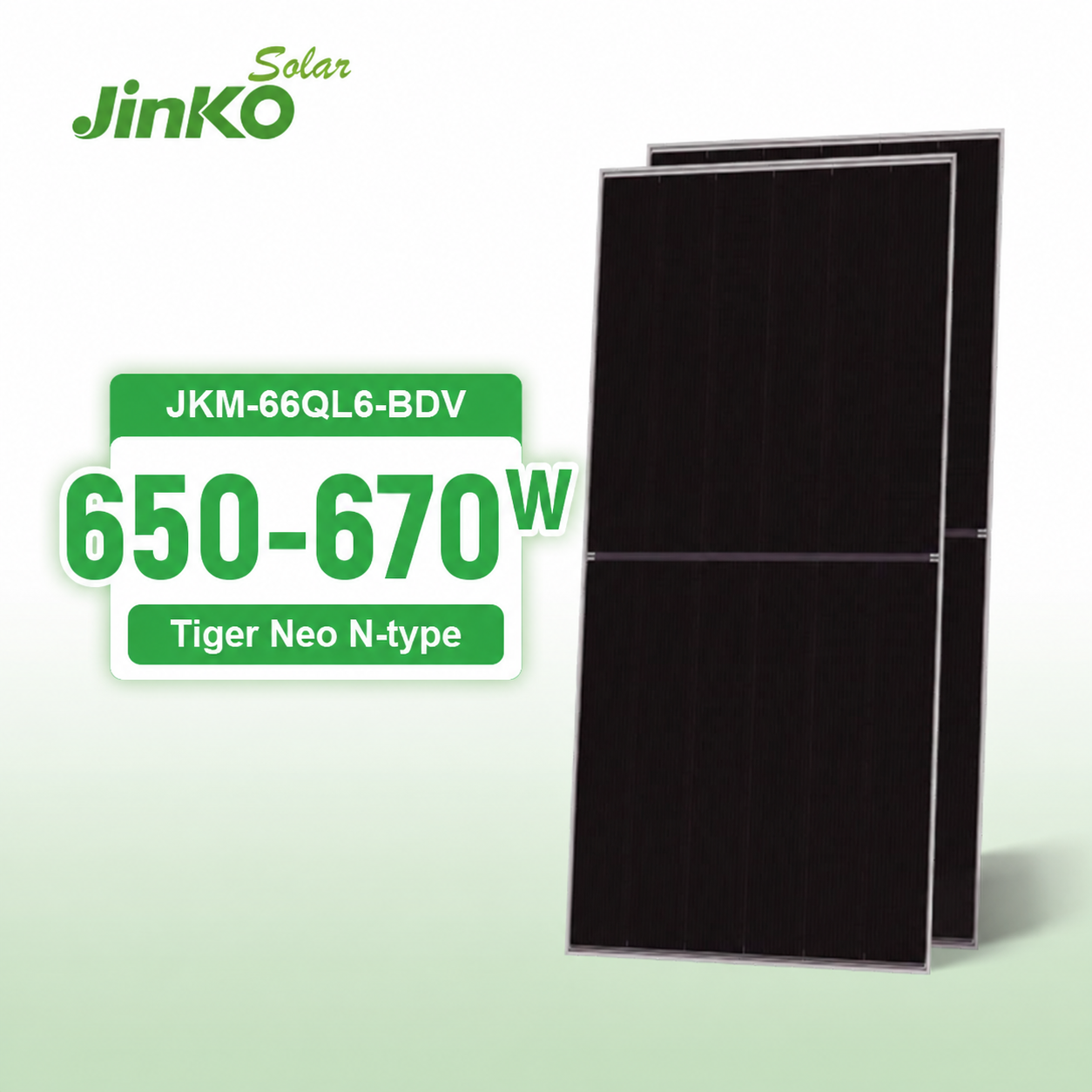
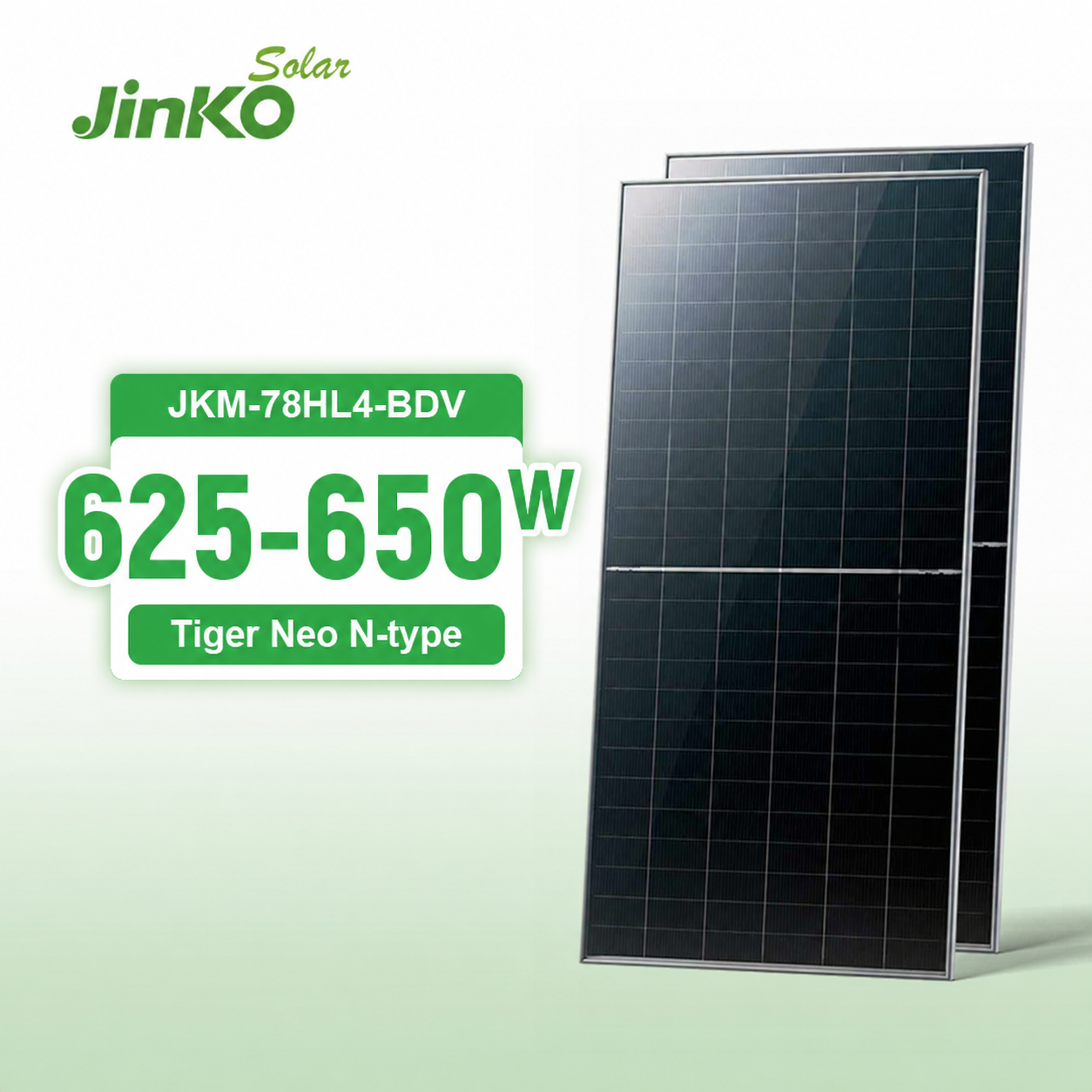
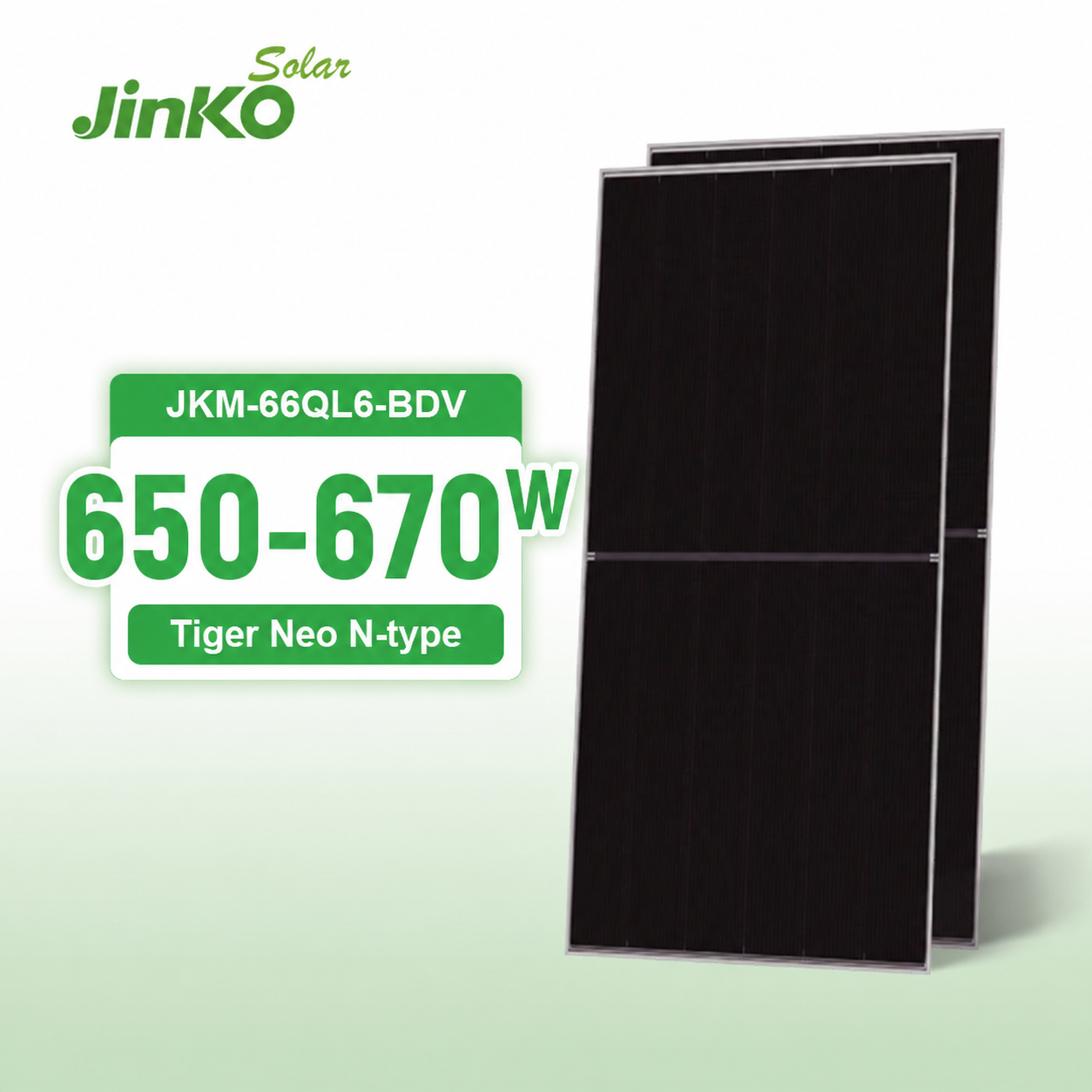
Jinko Monocrystalline 650W-670W Bifacial Dual Glass
- Efficiency: Up to 22.8%
- Dual Glass Bifaciality: 80% ± 5%
Direct factory supply chain portfolios featuring industry-leading high-output bifacial modules, engineered specifically to handle high input currents (Imp >16A) on modern commercial and residential hybrid inverter topologies.
As power densities climb and decentralized grids expand, the technological divide between standard converters and advanced multi-MPPT, grid-forming smart inverters defines project Levelized Cost of Electricity (LCOE).
The transition from silicon IGBTs to Silicon Carbide (SiC) MOSFETs elevates switching frequencies beyond 50 kHz. This reduces core heat losses by 42%, shrinks magnetics and inductor physical footprints by 35%, and achieves unprecedented European Weighted Efficiencies topping 98.6% across high-frequency switching cycles.
Modern grid codes (such as IEEE 1547-2018 and EN 50549-10) demand rapid active voltage regulation. Future-ready solar inverters have abandoned pure grid-following phase-locked loops (PLL) in favor of Virtual Synchronous Generator (VSG) control, providing autonomous black-start capabilities and real-time frequency dampening during severe islanding faults.
DC arc faults present massive fire risks on high-voltage 1100V-1500V arrays. Next-gen inverter architectures integrate onboard DSPs running deep machine learning Fast Fourier Transforms (FFT). By detecting background harmonic noise signatures under 2.5 microseconds, nuisance trips are eliminated while extinguishing arcing faults up to a 200m string length.
| Evaluation Parameter | Legacy Topology (Standard PV String) | Next-Gen Multi-MPPT Architecture | B2B Yield Differential |
|---|---|---|---|
| DC Input Current (per string) | 11.0A – 12.5A (Bottlenecked) | 16.0A – 22.5A (Continuous) | Full capture of 182mm/210mm wafer outputs (+8-12%) |
| Internal Thermal Management | Traditional Forced Fan Coolers | Natural Convection + Smart Heat Dissipaters | 0dB silent residential operation; extended 15-year lifecycle |
| BMS Communications Bus | Static RS485 Hardwired | Dual Isolated CAN 2.0B / Cloud EMS API | Zero communication dropouts; instant handshake with LFP/HV |
| DC/AC Inverter Overload Ratio | 1.15 to 1.25 | 1.50 to 2.00 | Massive reduction in Levelized Cost of Energy (LCOE) |
International distribution houses and engineering procurement conglomerates face evolving regulatory standards, volatile maritime freight corridors, and stricter compliance mandates.
Purchasing components in silos is no longer viable. EPCs demand certified compatibility between high-amperage bifacial modules and inverter MPPT input stages. With rear-side gain boosting panel currents beyond 18 Amps under peak albedo, mismatched inverters experience severe current clipping, sacrificing up to 14% of gross kilowatt-hour potential.
Exporting across Latin America, the European Union, South Africa, and Southeast Asia requires deeply localized firmware. Whether managing Germany's VDE-AR-N 4105, the UK's G99, or South Africa's NRS 097, global buyers select exporters capable of injecting factory-flashed grid code presets prior to sea consolidation to avoid catastrophic installation delays.
Container optimization is the cornerstone of gross margin defense. Sourcing mixed configurations—integrating hazardous Class 9 UN38.3 lithium iron phosphate battery enclosures alongside heavy photovoltaic pallets and precision inverters—mandates exhaustive dangerous goods documentation, factory packing guarantees, and complete FOB/CIF ocean clearing support.
Eliminating systemic cross-border procurement failures through deep engineering validation, accredited quality control protocols, and verified tier-one component ecosystems.

We eliminate "BMS Communication Timeout" errors. Every low-voltage (48V/51.2V) and high-voltage energy storage bank is systematically tested against inverter firmware via CAN/RS485 handshake pins prior to container dispatch.

Our onsite engineering team performs EL testing for micro-cracks on modules, insulation impedance tests on inverters, and cell voltage differential checks on storage modules. Comprehensive video/photo inspection files accompany each bill of lading.
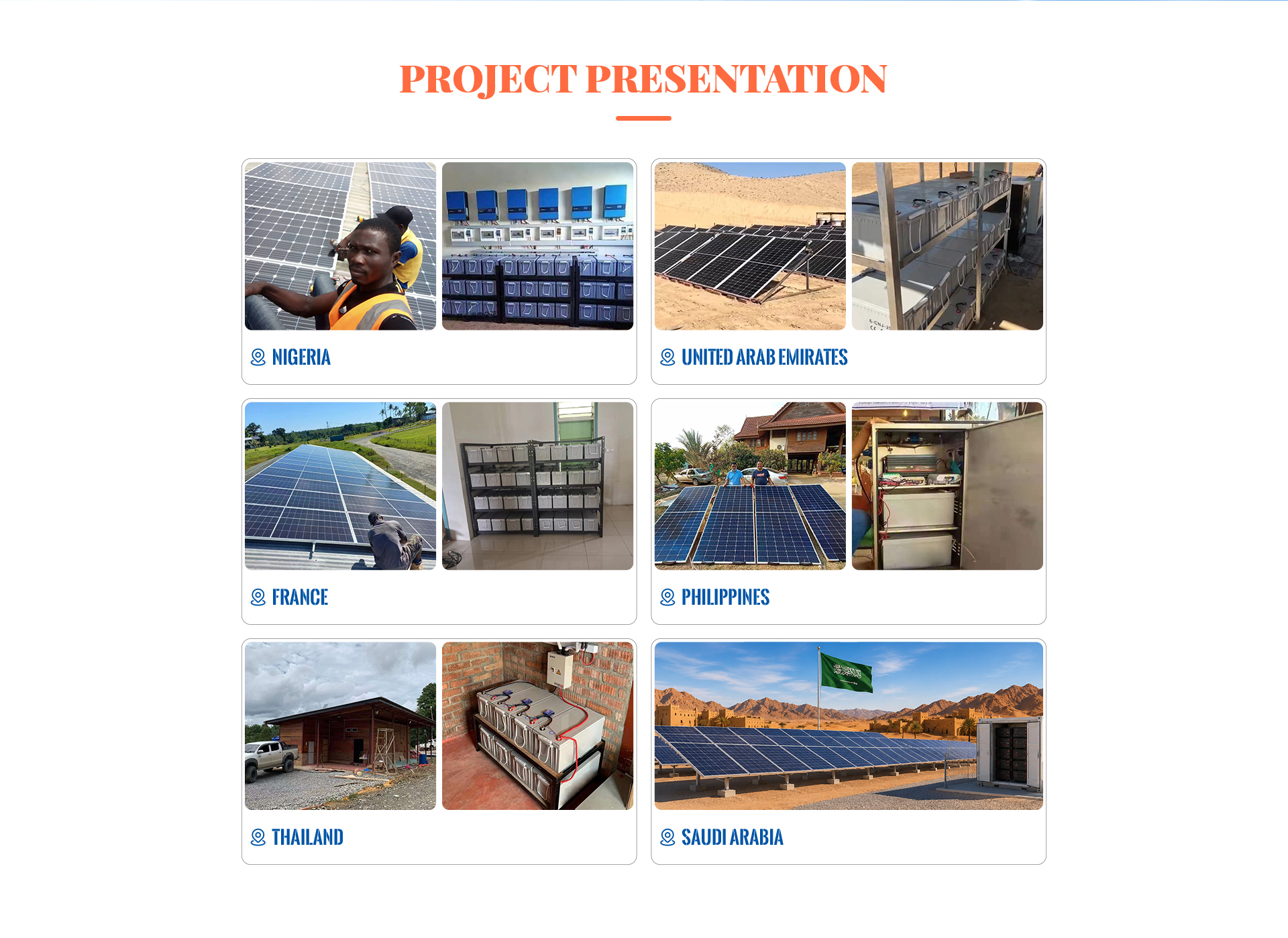
Handling Class 9 Dangerous Goods requires institutional rigor. We provide full UN38.3 test summaries, certified MSDS portfolios, and specialized shock-absorbent packaging, seamlessly consolidating multi-brand pallets into single high-cube containers.
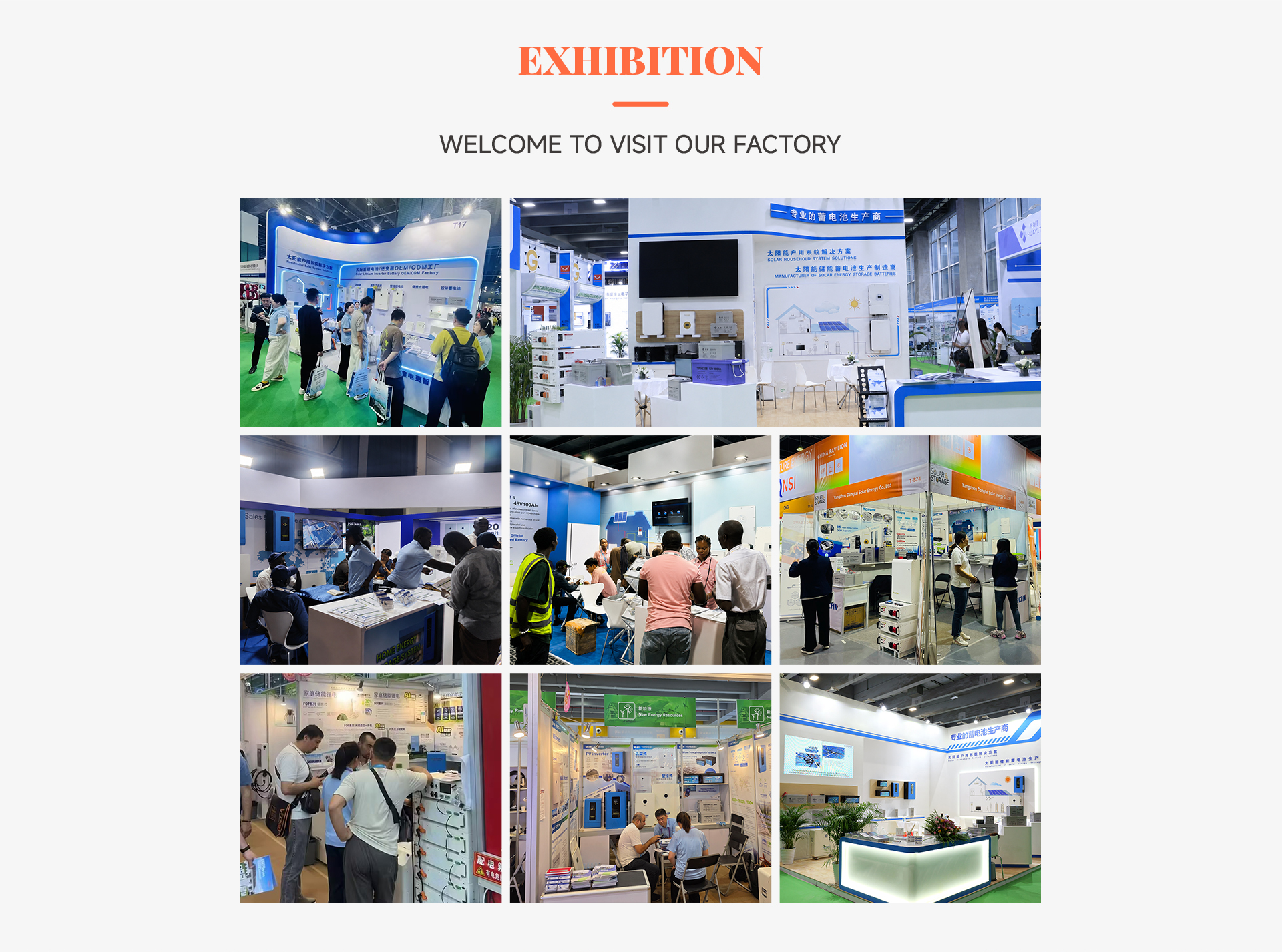
From initial load profile assessment and MPPT string voltage design to complete Single-Line Diagrams (SLD) and remote firmware commissioning, our bilingual electrical engineers assist your team through every project lifecycle.
Clear, technically exhaustive answers addressing integration, grid certification, logistics protocols, and warranty operations for global buyers.
Connect directly with our engineering and procurement team for bespoke project sizing, factory-direct volume pricing, and guaranteed protocol verification.
Contact Us