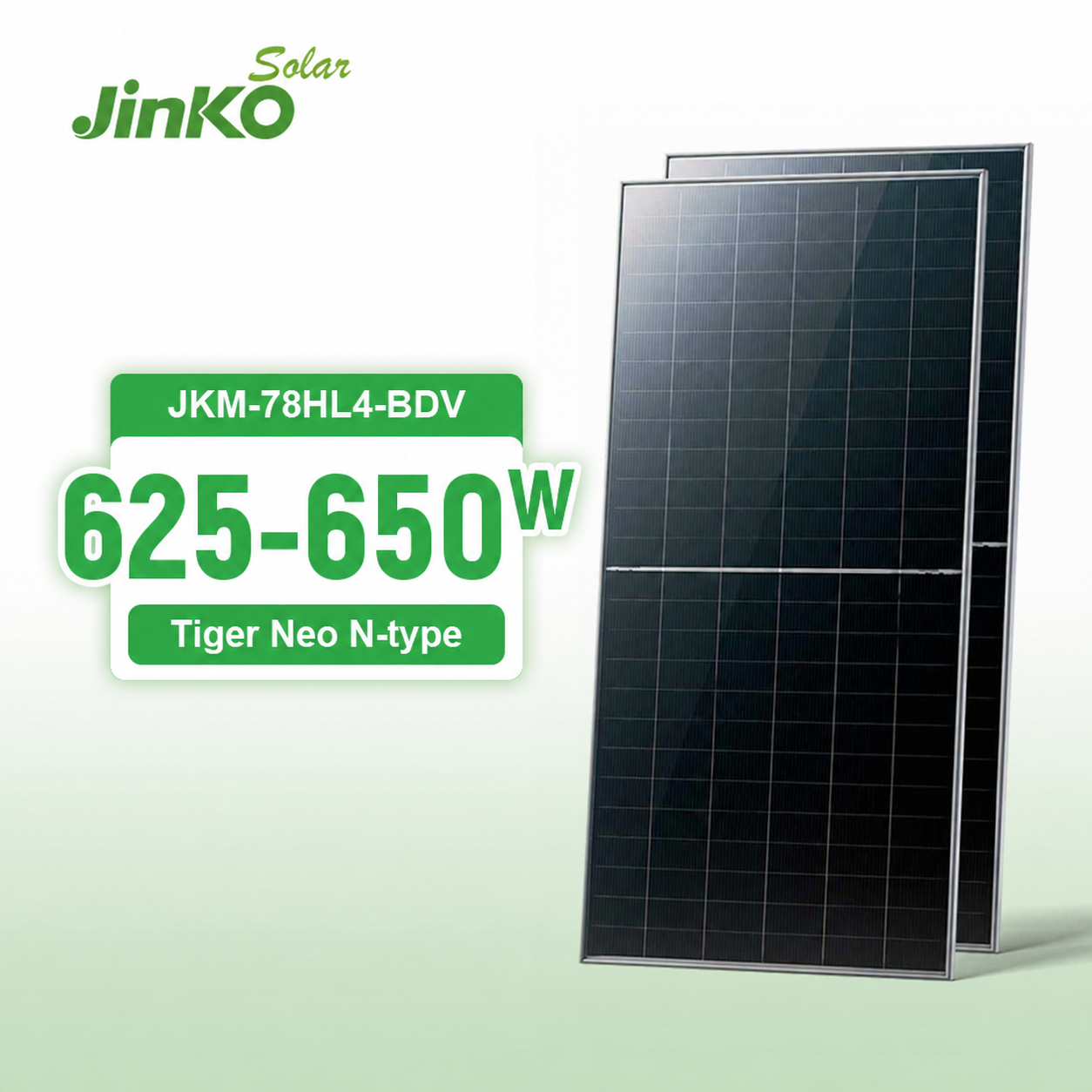
 Bifacial High Efficiency
High-Efficiency Photovoltaic Modules
Featured Mono PERC & N-Type TOPCon Modules in Global Stock
Precision-engineered cell architecture, multi-busbar (MBB) half-cut technology, and heavy-duty dual glass packaging compliant with IEC 61215/61730 standards.
Bifacial High Efficiency
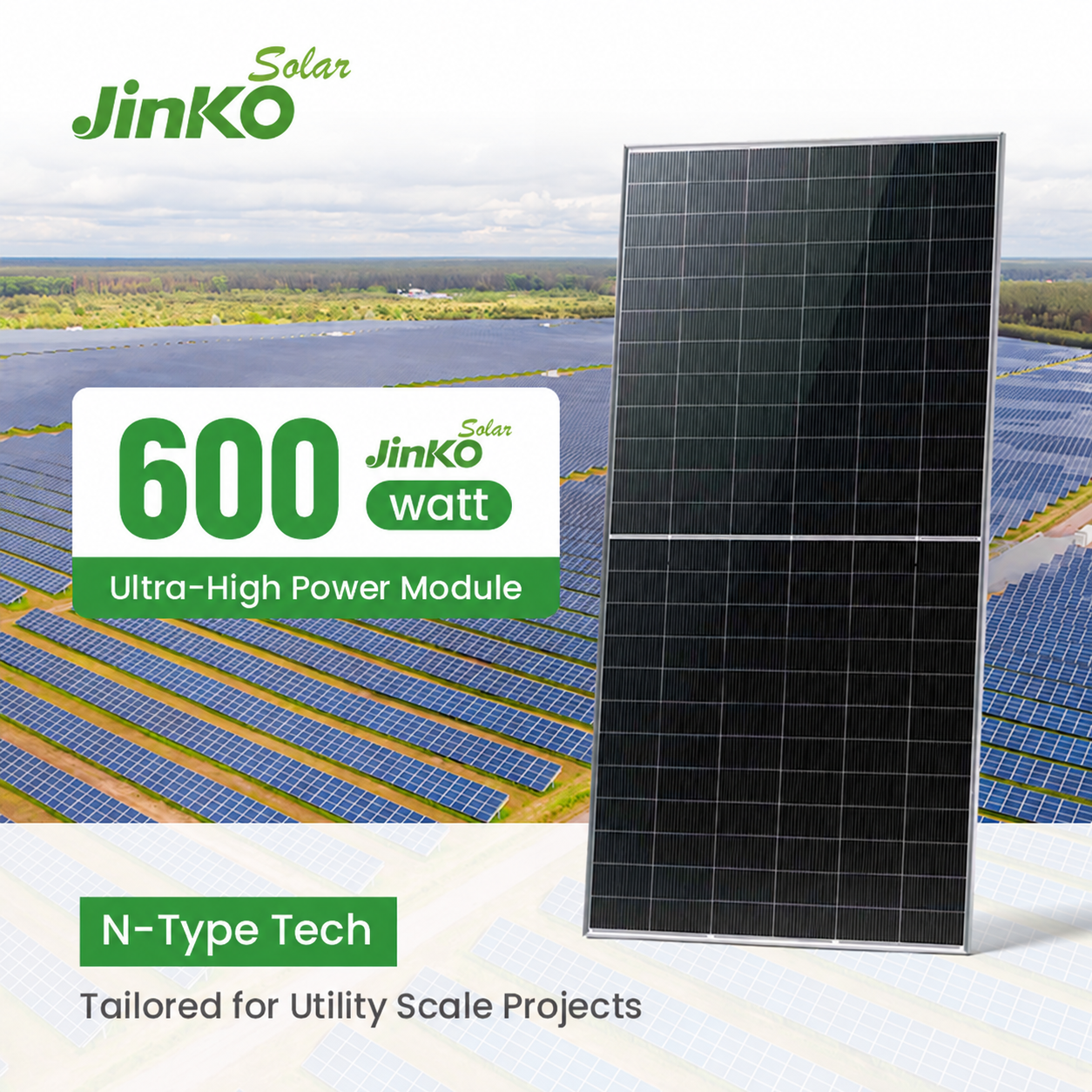 Dual-Glass Commercial
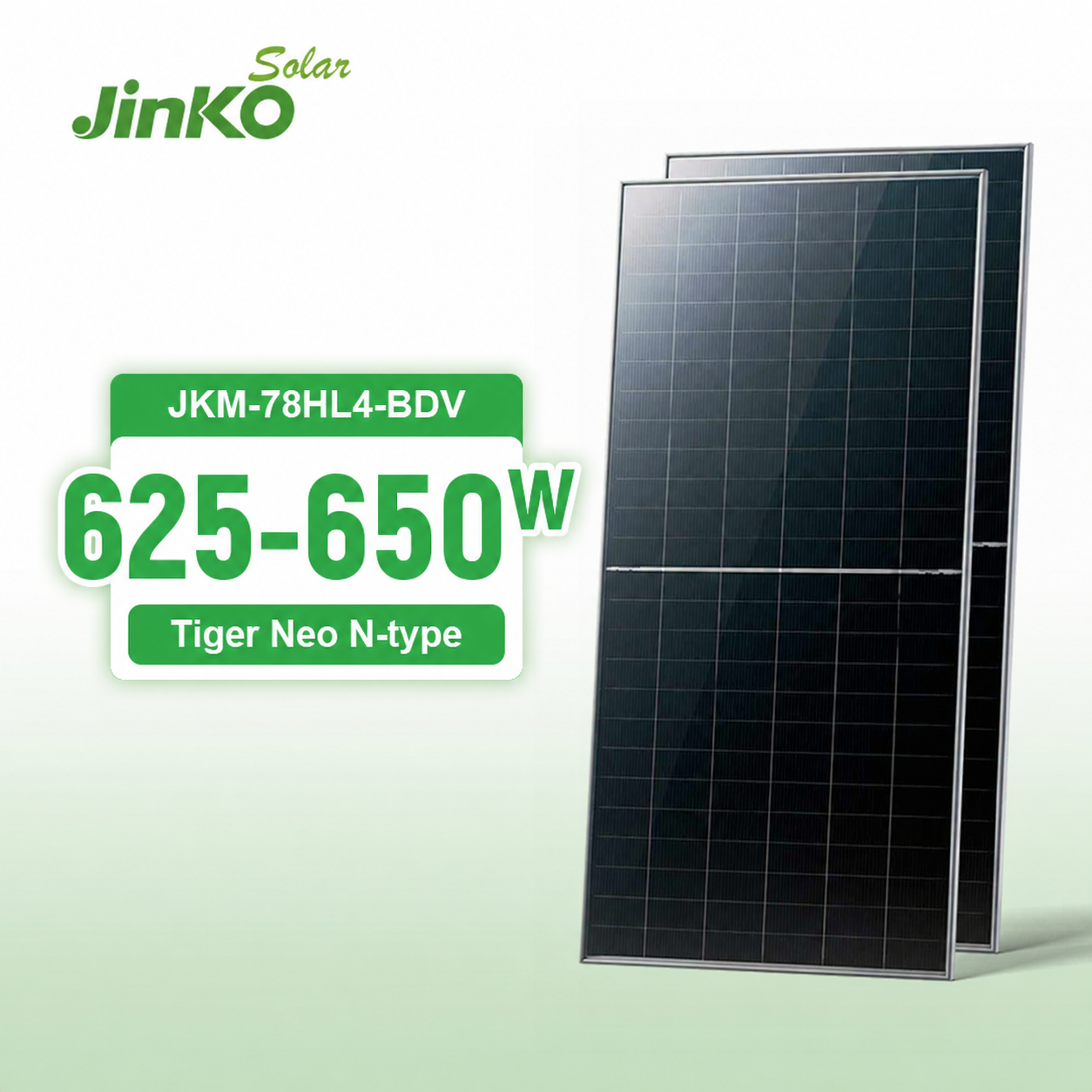
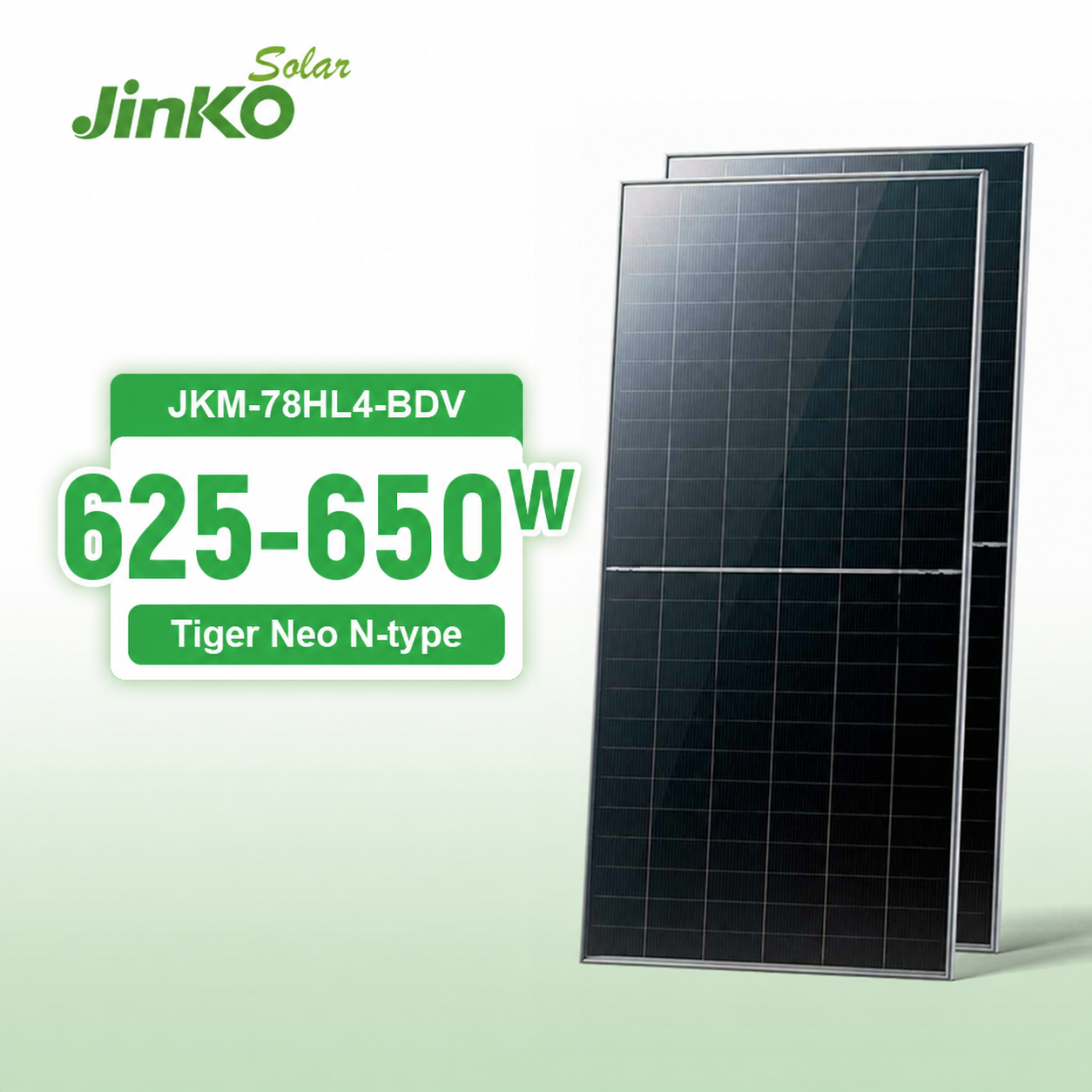
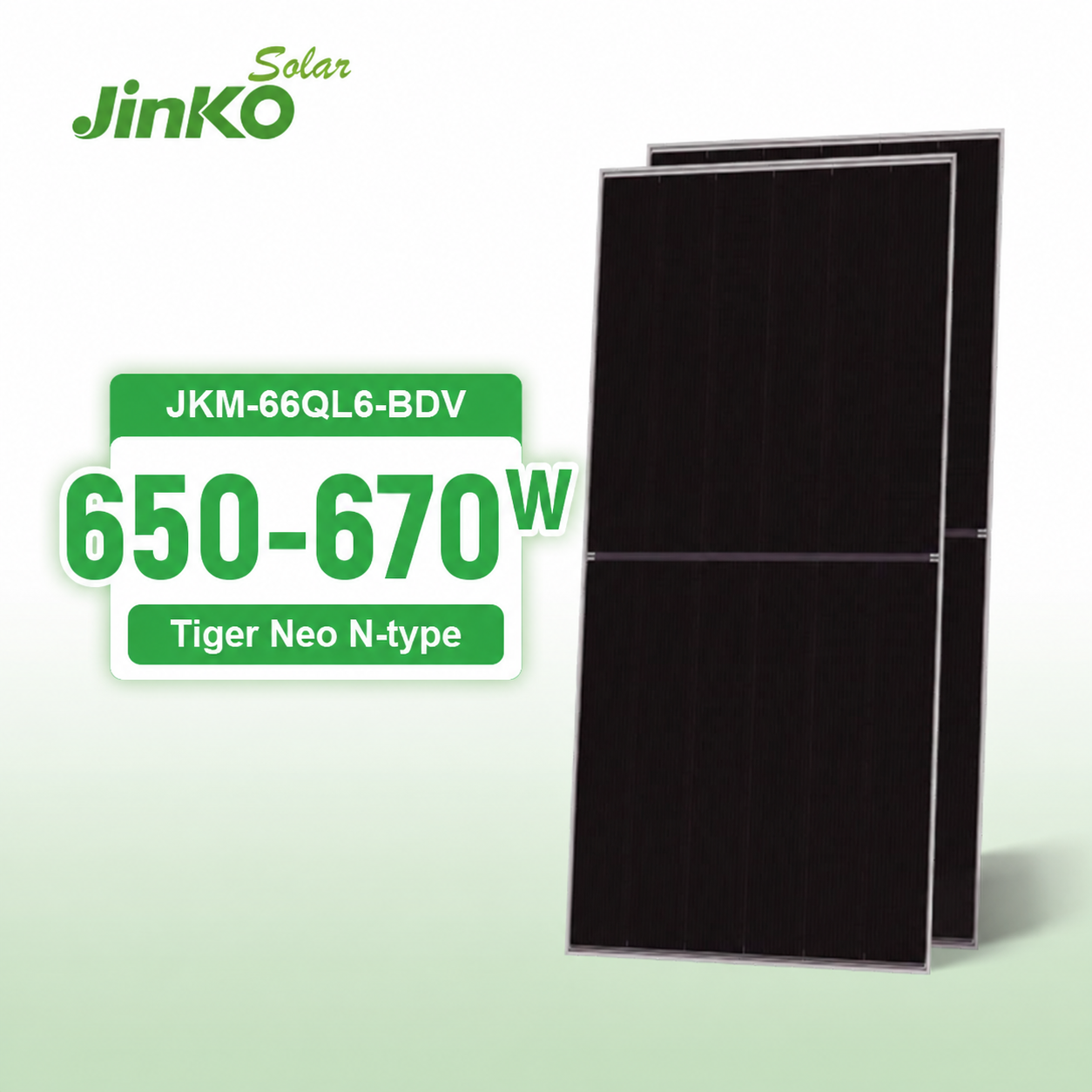 Heavy-Duty Output
650W - 670W
Ultra High Power
Jinko Monocrystalline Solar Panels 650W 660W 670W Bifacial High Efficiency Dual Glass Solar Module for Home Roof
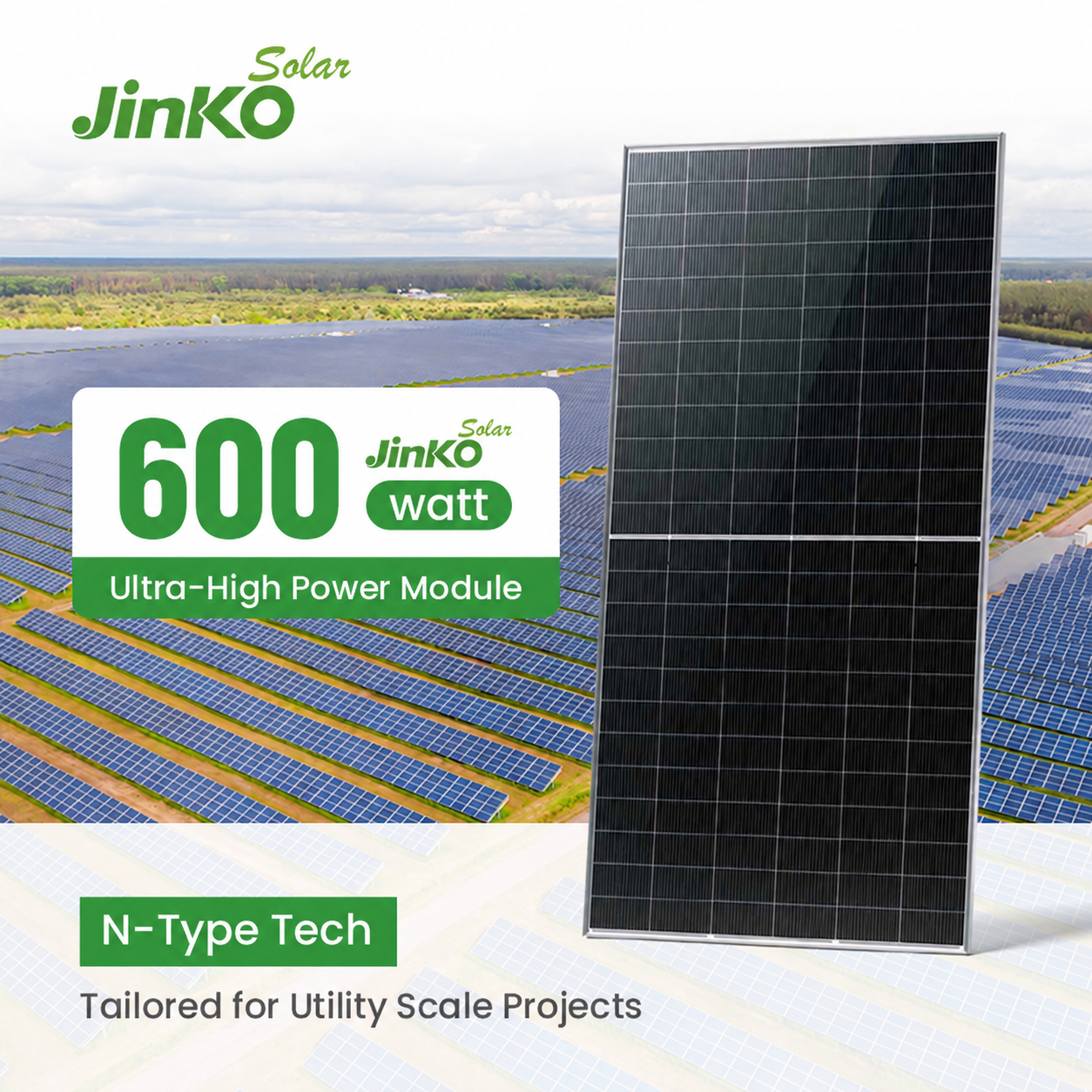 Fast Export Stock
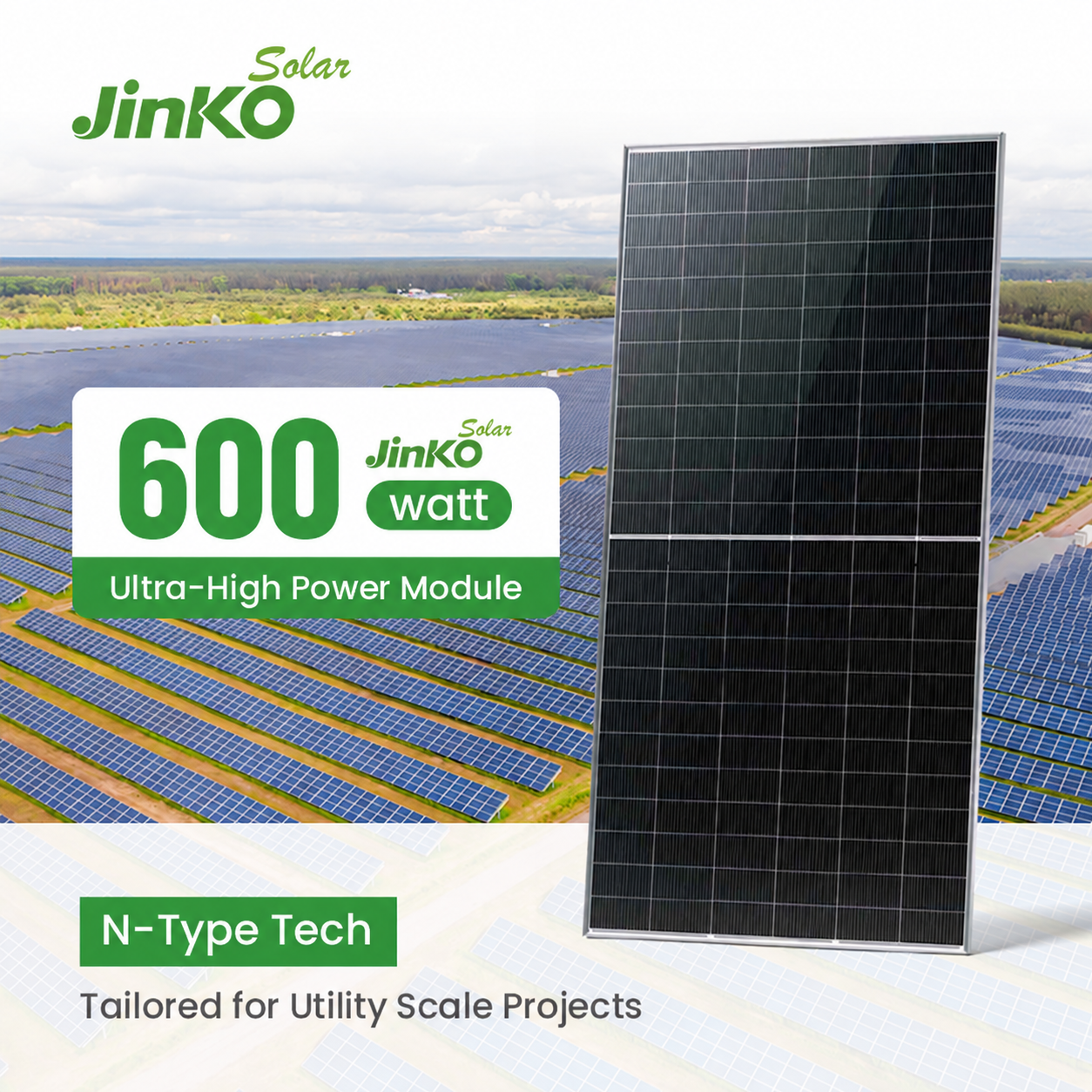 TOPCon Matrix
585W - 600W
Low LID/PID
Jinko N Type Bifacial Photovoltaic Panels 600W 585W 595W TOPCon Solar Module for Commercial
 Rooftop Architectural
 Agri-PV Resistant
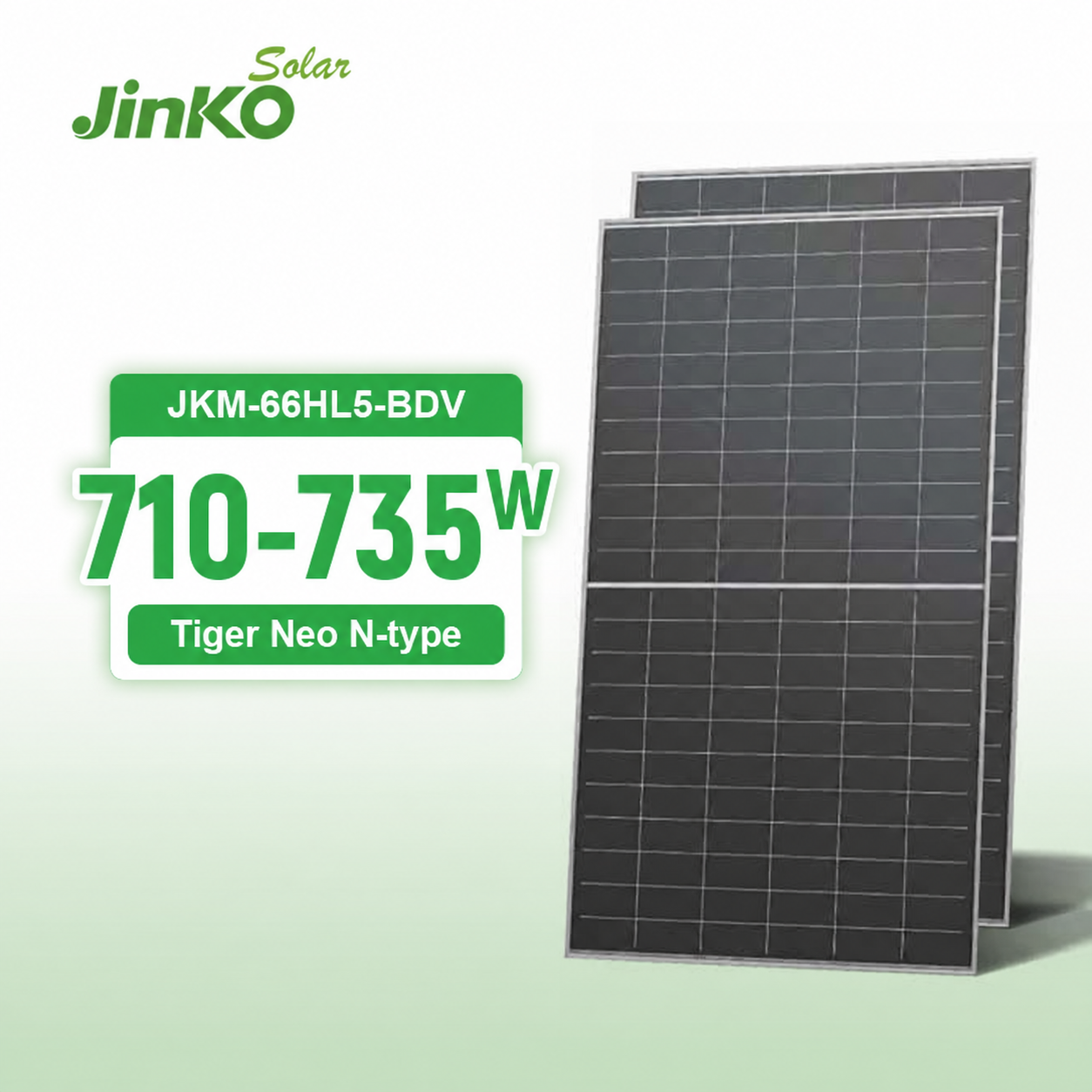 Flagship 700W+ Utility
100+
Countries & Regions Exported
22.8%
Average Module Efficiency
100%
Pre-Shipment EL & BMS Checked
<24h
Technical Sizing Response
Executive Engineering Summary: The global solar industry is witnessing an accelerated migration from traditional Passivated Emitter and Rear Cell (P-Type Mono PERC) silicon architectures toward Tunnel Oxide Passivated Contact (N-Type TOPCon) and Heterojunction (HJT) technologies. As a top China PV exporter and storage system integrator, Hangzhou VOLT New Energy supplies tier-1 tier-grade mono panels while coordinating the exact electrical matching between high-current modules, MPPT inverter tracking ranges, and lithium battery storage systems.
Semiconductor & Cell Physics
Mono PERC vs. TOPCon: The Silicon Physics & Efficiency Shift
A comprehensive analysis of recombination losses, temperature coefficients, and Levelized Cost of Electricity (LCOE).
Passivated Rear Recombination
Mono PERC revolutionized solar manufacturing by introducing an aluminum oxide dielectric passivation layer on the rear surface, reflecting unabsorbed light back into the silicon absorber layer and significantly suppressing rear metal-interface electron recombination.
Theoretical Efficiency Limit: ~24.5%
Quantum Tunneling Mechanics
N-Type TOPCon deploys an ultra-thin 1.5nm silicon oxide tunnel layer capped by heavily doped poly-silicon. This structure forms an electron-selective contact that eliminates contact metal recombination while facilitating frictionless majority-carrier charge transport.
Commercial Efficiency Peak: 22.8% – 23.5%
Thermal Coefficient Dynamics
Traditional Mono PERC operates with a Pmp temperature coefficient of approximately -0.34%/°C to -0.36%/°C. Modern N-Type architectures reduce this degradation rate to -0.29%/°C to -0.30%/°C, generating up to 3.5% higher kilowatt-hour yield in tropical, arid, and high-ambient regions.
Superior Tropical & Desert ROI
BOS (Balance of System) Integration: Inverter String & MPPT Synergy
Modern high-wattage modules (580W to 730W) utilize large-format 182mm (M10) and 210mm (G12) wafers, driving operating currents (Imp) upwards of 13A to 18A. EPC procurement teams must carefully verify inverter string compatibility. At Hangzhou VOLT New Energy, we cross-calculate voltage windows (Voc at minimum design temperatures) and short-circuit currents (Isc) against Deye hybrid and string inverters to ensure maximum system uptime without thermal MPPT clipping.
Complete Hardware Compatibility Guaranteed Prior to Shipment
| Evaluation Parameter | Standard Mono PERC (P-Type) | High-Efficiency N-Type TOPCon | Heterojunction (HJT) |
|---|---|---|---|
| Wafer Type & Dopant | P-Type Silicon (Boron-doped) | N-Type Silicon (Phosphorus-doped) | N-Type Monocrystalline (Amorphous Si) |
| Bifaciality Factor | 70% ± 5% | 80% – 85% | 85% – 95% |
| Light Induced Degradation (LID) | 1.5% – 2.0% first year (Boron-Oxygen) | < 1.0% (Zero B-O Complex) | < 0.8% |
| Annual Linear Degradation | ~0.55% / year (84.8% at 25 yrs) | ~0.40% / year (87.4% at 30 yrs) | ~0.30% / year (88.0% at 30 yrs) |
| Temperature Coefficient (Pmax) | -0.34% to -0.36% / °C | -0.29% to -0.30% / °C | -0.26% / °C |
| Procurement Capital Cost ($/Wp) | Lowest upfront baseline | Nominal 2-4% premium (Fastest LCOE payback) | 12-18% CAPEX premium |
Procurement Forecast 2025–2030
Emerging Solar Sourcing Trends for Global EPCs & Distributors
Strategic supply chain indicators shaping utility investments, commercial installations, and microgrid engineering.
N-Type Market Dominance
TOPCon module manufacturing capacity in China has surpassed 75% of new production lines, making P-Type PERC a niche choice for budget-constrained projects while TOPCon sets the global bidding standard.
Dual-Glass Standardisation
Single-glass transparent backsheets are rapidly being replaced by 2.0mm+2.0mm dual-tempered glass. Dual-glass completely prevents moisture ingress, zeroing PID risks and resisting chemical degradation in coastal or farm settings.
Traceability & ESG Compliance
Strict customs requirements across North America, the EU, and Australia demand comprehensive supply chain auditing. Leading China manufacturers provide fully documented supply chains from quartz silica to finished cell assembly.
Turnkey PV + BESS Bundling
Procuring raw solar panels alone introduces field friction. International importers increasingly favor system integrators like VOLT New Energy who package tier-1 modules with matched Deye inverters and certified LFP storage banks.
Why Partner With Us
China Direct Manufacturing & Integration Strengths
Removing international trade friction through technical engineering verification, bonded warehousing, and certified logistics.

Protocol & Electrical QC
Every photovoltaic pallet and paired LFP battery bank undergoes strict pre-shipment testing. We verify cell electroluminescence (EL) cracks, VOC/ISC electrical parameters, and RS485/CAN communication protocols before export packing.

Export-Ready DG Logistics
Lithium energy storage products ship under strict Class 9 Dangerous Goods sea freight with authentic UN38.3, MSDS, and dropping tests. We consolidate solar panels, hybrid inverters, and battery racks in single 40ft HQ containers to save freight costs.

Global Project Footprint
From residential retrofit systems across Germany, Poland, and the UK to agricultural off-grid pumps in Chile and Nigeria, our solar and energy storage configurations are operational in over 100 countries worldwide.

End-to-End System Sizing
Our experienced application engineers provide direct B2B consultation, assisting distributors and EPCs with PVsyst generation simulations, string configuration layouts, DC cabling gauges, and overcurrent circuit protection diagrams.
Procurement Due Diligence
Frequently Asked Questions for PV Module Importers
Direct technical and operational answers to address common challenges in customs, compatibility, and warranties.
What is the actual yield difference between Mono PERC and N-Type TOPCon in high-temperature environments?
In operating climates where rooftop or ground-mount cell temperatures routinely exceed 45°C to 65°C, N-Type TOPCon delivers 3% to 5% higher aggregate kWh output than standard P-Type Mono PERC. This is driven by TOPCon's lower temperature coefficient (-0.29%/°C vs -0.35%/°C) and superior low-light irradiance response during dawn, dusk, and overcast conditions.
How do you protect solar modules against micro-cracks and glass breakage during ocean shipping?
All export pallets are vertically packed using reinforced composite corner posts, heavy corrugated edge protectors, and automated multi-layer stretch film wrapping. Pallet dimensions are mathematically matched to 40ft High Cube container door clearances and internal wall widths to eliminate ocean transit movement. Every module undergoes double-stage Electroluminescence (EL) inspection prior to pallet sealing.
Can I combine high-current 600W+ solar panels with hybrid inverters and residential batteries?
Yes. However, engineers must verify that the inverter's Maximum Usable Input Current per MPPT matches or exceeds the module’s Imp (typically 13A–15A on 182mm cells, and up to 17A+ on 210mm cells). At Hangzhou VOLT New Energy, we coordinate the sizing of Jinko solar panels directly with Deye hybrid inverters and our LFP battery storage series to prevent current clipping and ensure instantaneous battery charging sync.
What international certifications accompany your export shipments?
All modules comply with IEC 61215 (Design Qualification) and IEC 61730 (Module Safety Qualification), certified by TÜV Rheinland / TÜV SÜD, alongside CE, RETIE, and UL1703 marks where specified. When shipping bundled storage solutions, our lithium batteries carry verified UN38.3, MSDS, and CE-LVD/EMC certifications to ensure frictionless customs processing.
Can small-to-medium distributors order mixed containers of panels, inverters, and batteries?
Yes. One of VOLT New Energy's core B2B advantages is consolidated mixed-load fulfillment. Rather than forcing clients to buy full container loads (FCL) of a single product line, our Hangzhou consolidation warehouse allows buyers to combine tier-1 solar panels, Deye hybrid inverters, and LFP battery packs in one compliant container with single-bill-of-lading clearance.
Ready to Scale Your Solar Supply Chain?
Get in touch with our engineering and procurement team for verified factory tier pricing, factory audit documentation, container consolidation plans, or tailored PV + BESS system matching.