High-Performance N-Type Monocrystalline Photovoltaic Modules
Engineered for utility ground mounts, commercial & industrial (C&I) carports, and high-yield agricultural arrays. Certified to IEC 61215, IEC 61730, CE, and UL standards.
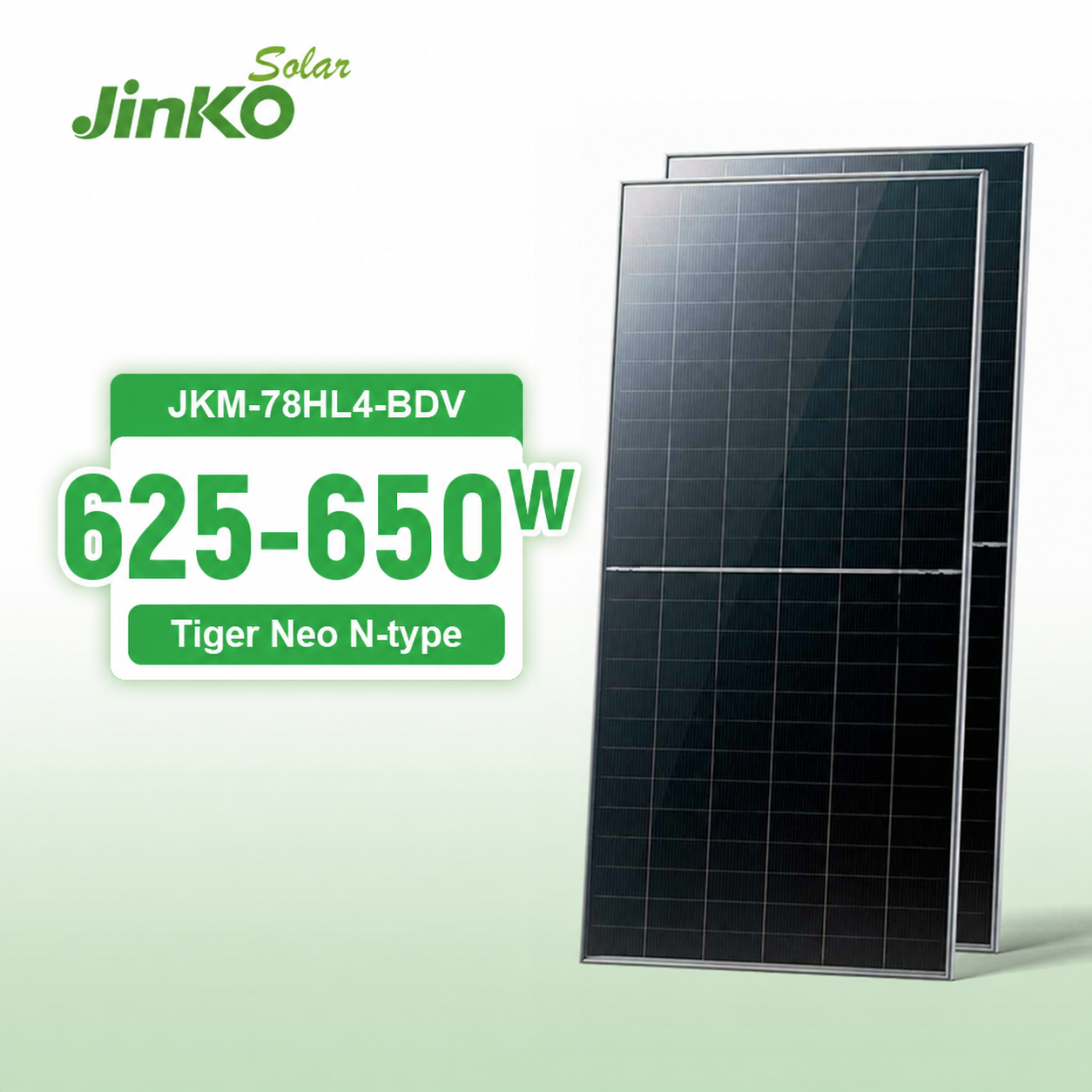
Jinko High Efficiency Bifacial Pv Panels 625W 635W 645W Double Glass N-Type Solar Panel for Farm
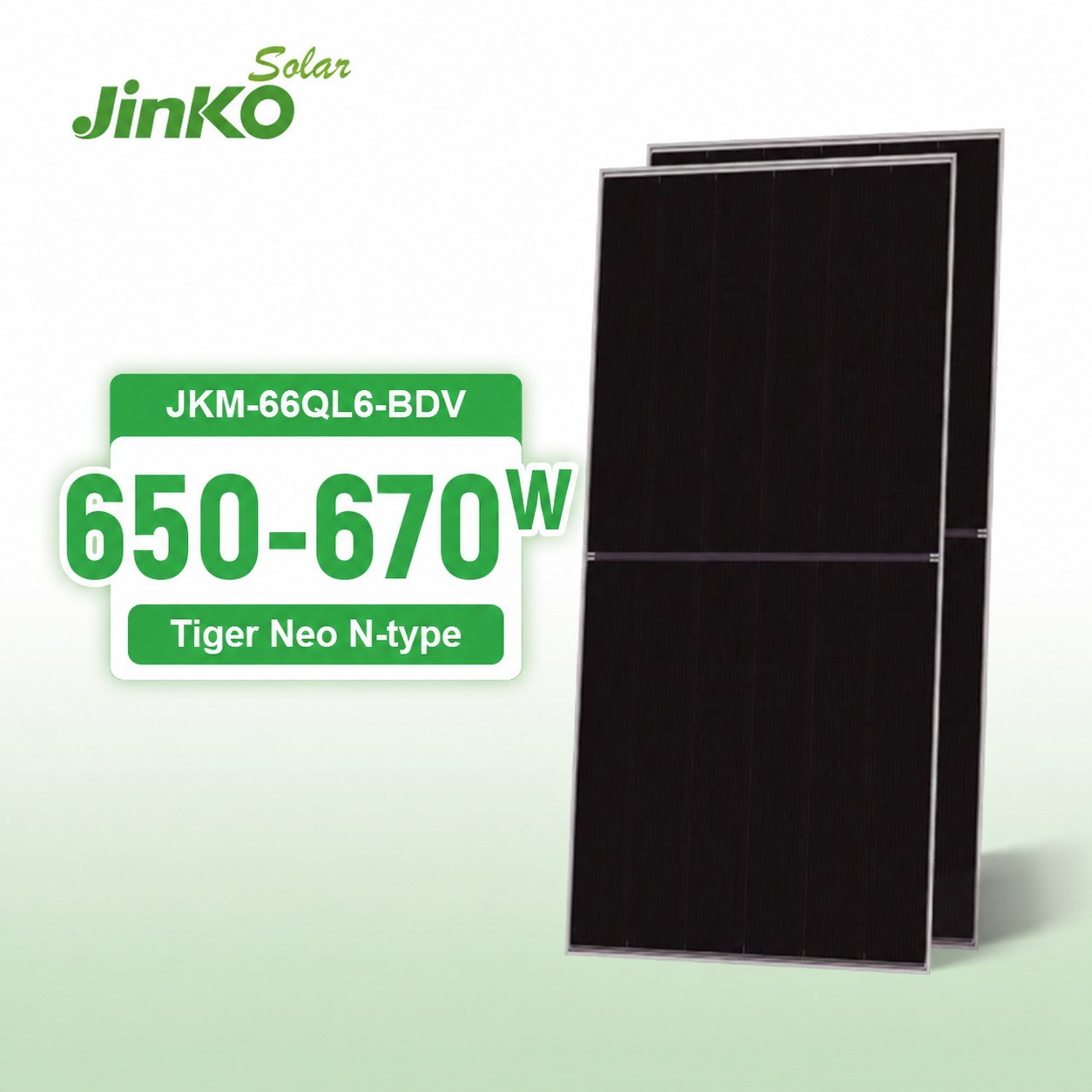
Jinko Panneau Solaire 660w 650W 660W 670W N Type Bifacial Dual Glass Photovoltaic Panel for Industrial
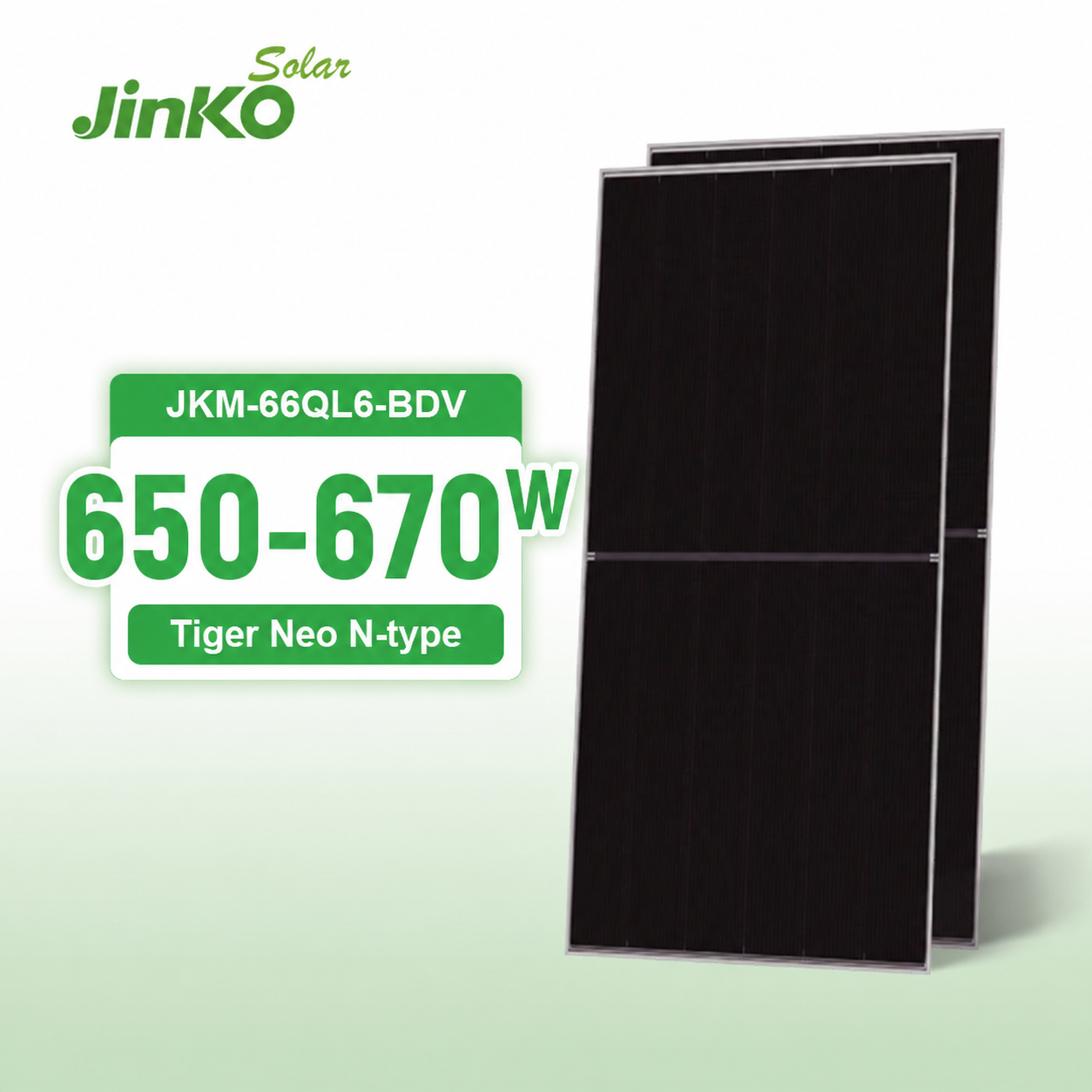
Jinko N Type Bifacial Pv Modules 650W 660W 670W Double Glass Solar Photovoltaic Panel for Commercial
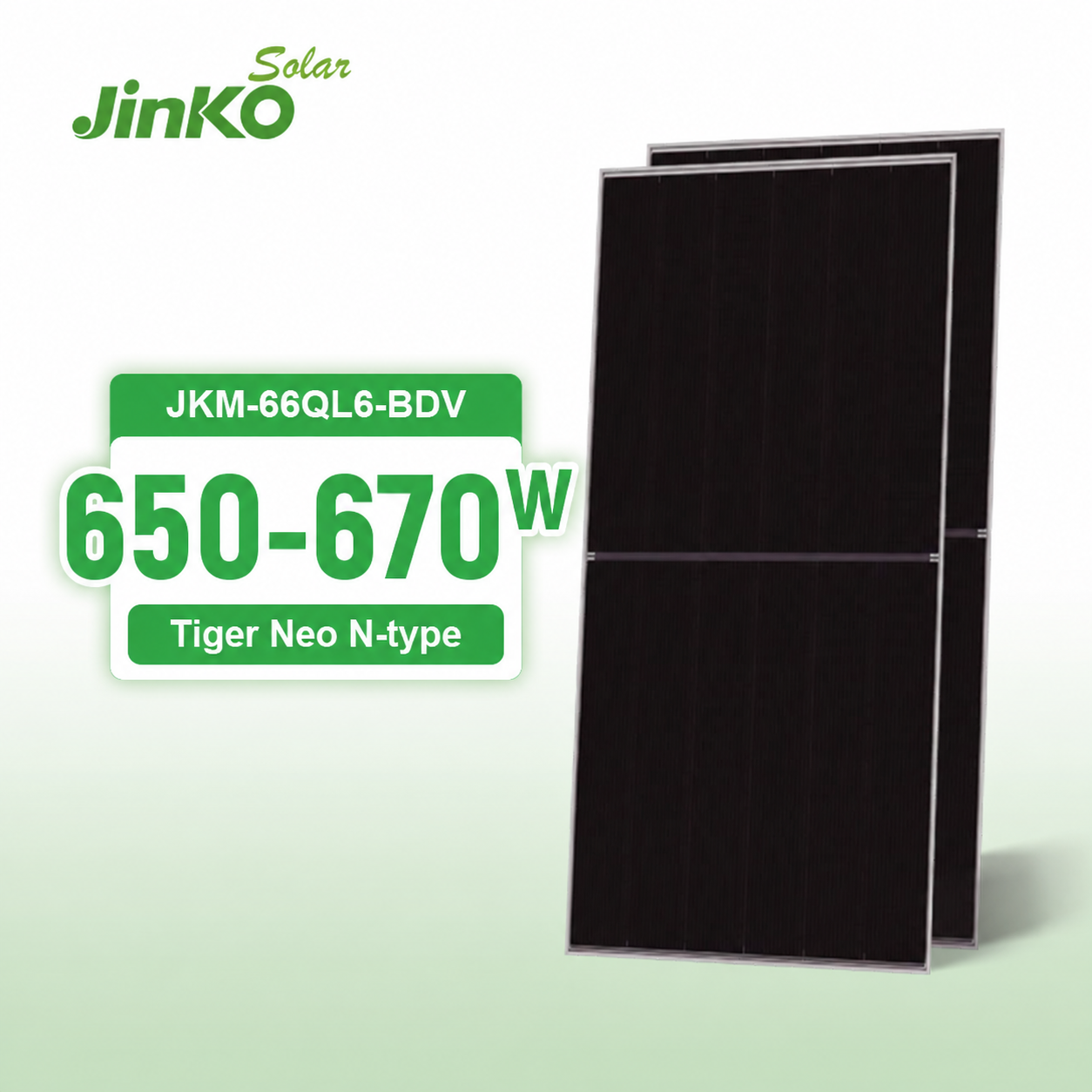
Jinko Bifacial Panneau Solaire 650w 660W 670W Dual Glass Monocrystalline Solar Module for Rooftop
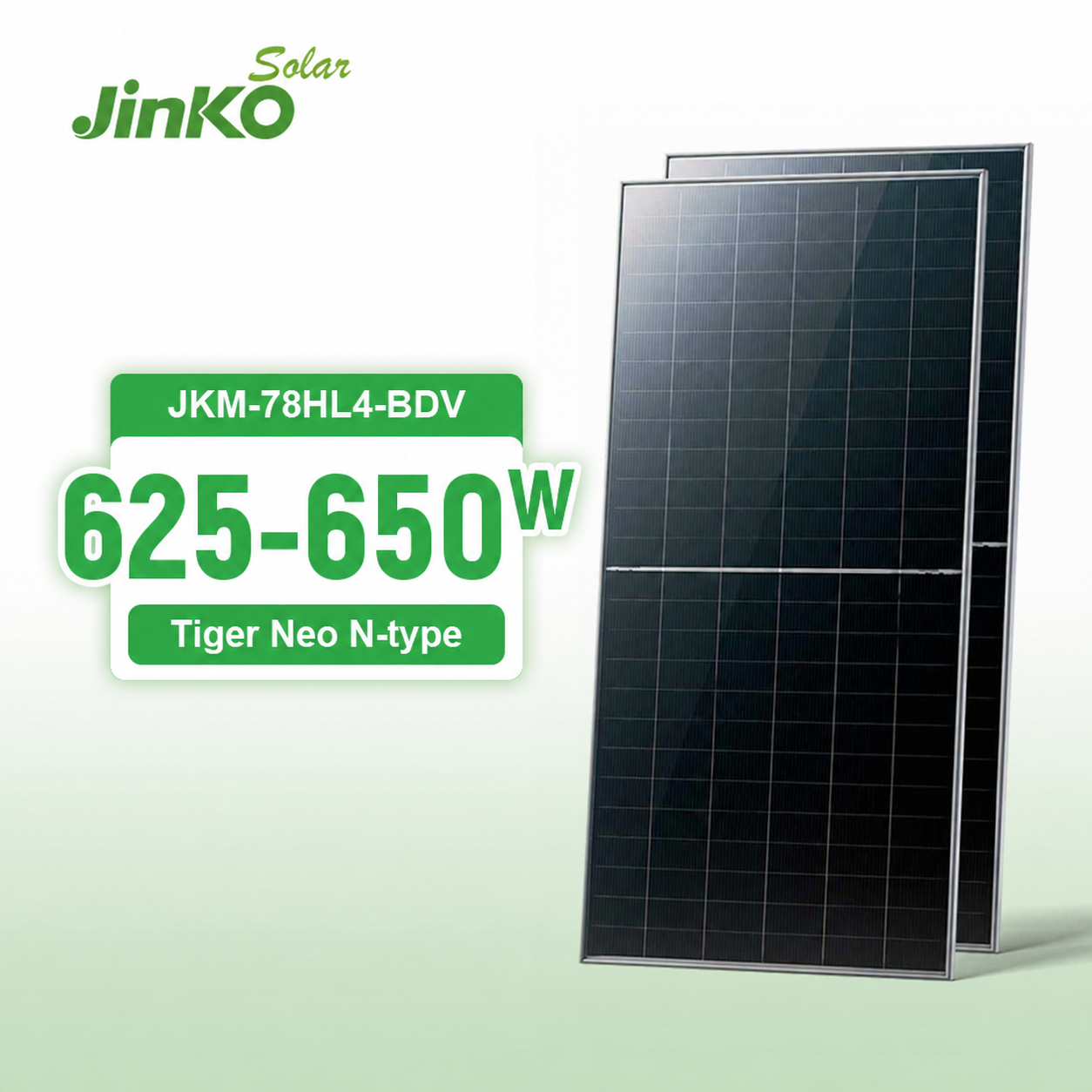
Jinko N Type Solar Panels 625W 640W 635W Monocrystalline Panneau Solaire Bifacial PV Module for Home Roof
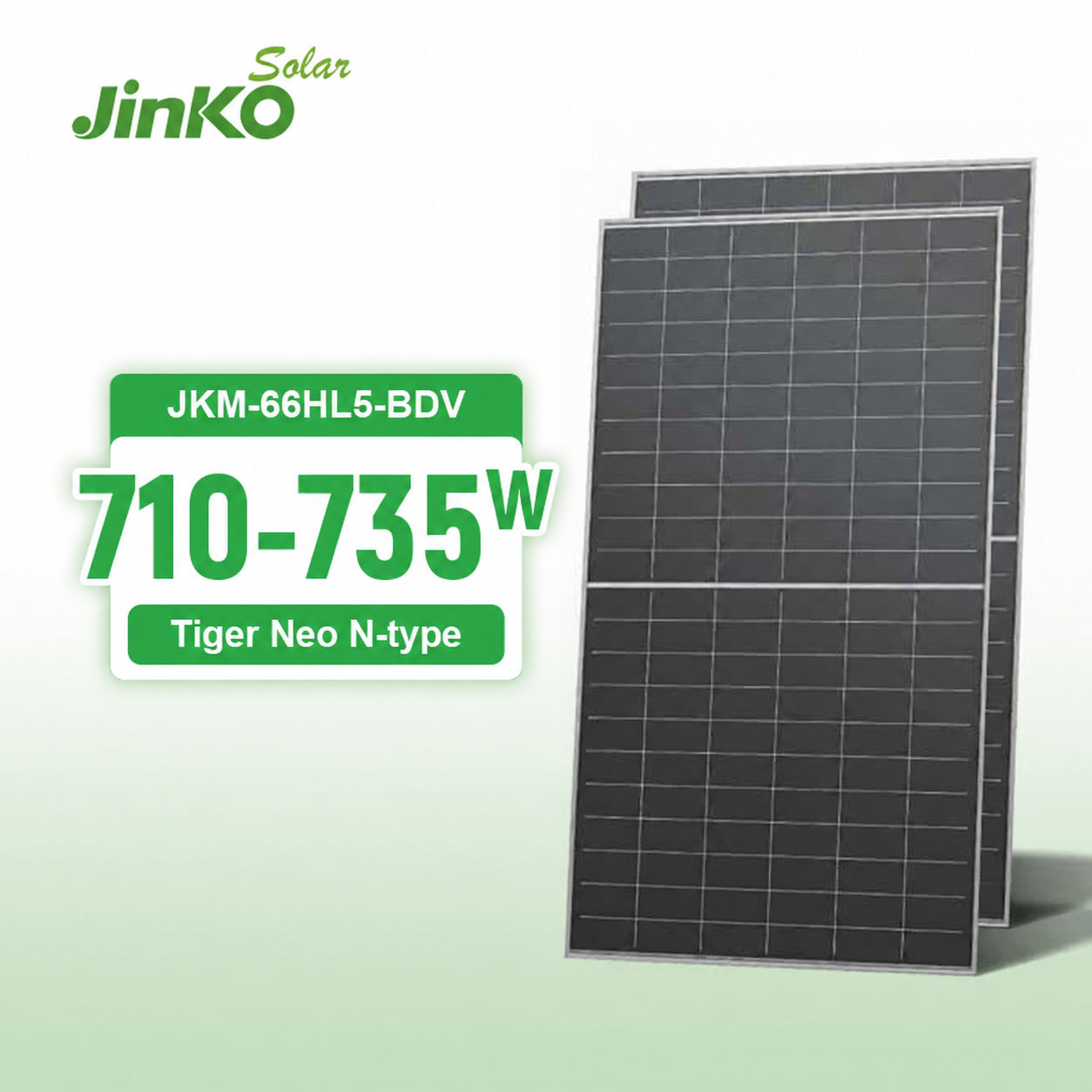
Jinko N Type Bifacial Pv Solar Panels 720W 710W 715W Dual Glass Industrial Photovoltaic Panneau Solaire
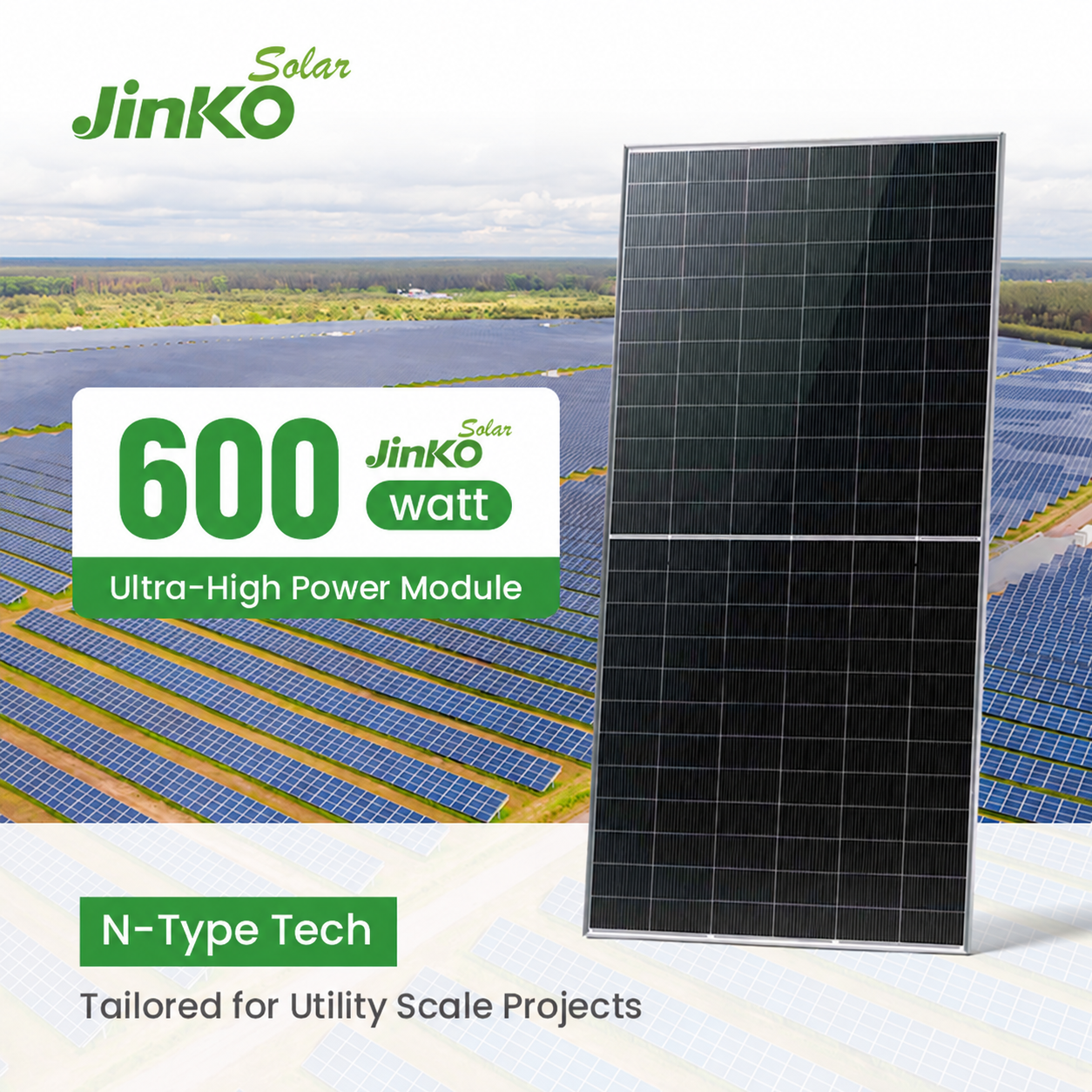
Jinko Solar Panels 580W 590W 600W N Type Double Glass High Efficiency Solar Panel for Commercial
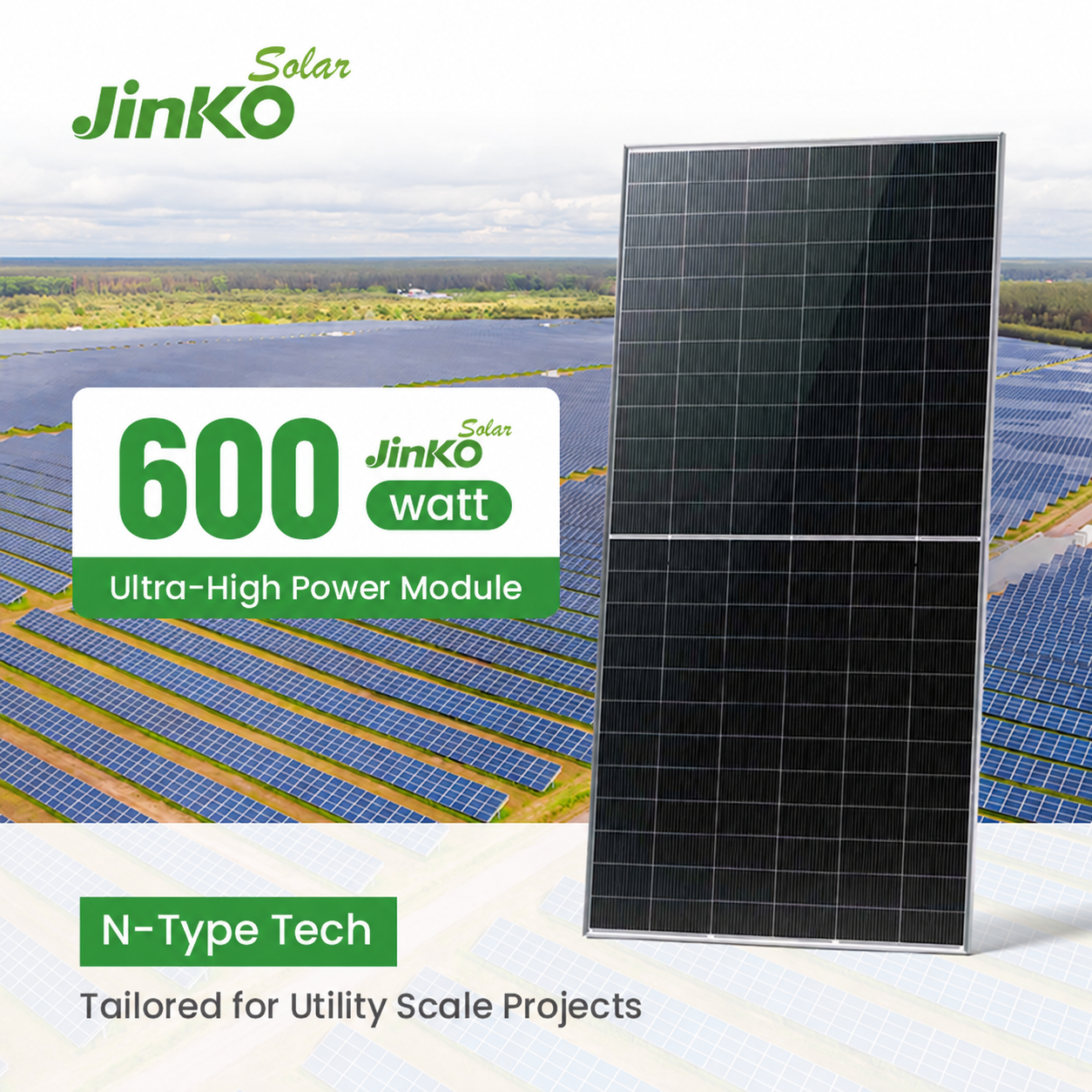
Jinko N Type Solar Modules 600W 580W 585W 590W Bifacial Monocrystalline High Efficiency PV Panel for Solar Farm
The Paradigm Shift in Monocrystalline Silicon: From P-Type PERC to N-Type TOPCon and Heterojunction (HJT)
The photovoltaic manufacturing landscape in China has undergone an unprecedented metallurgical and crystalline architecture revolution. The systemic sunset of conventional P-type Passivated Emitter and Rear Cell (PERC) technology is no longer a forward-looking prediction; it is an accomplished industrial reality. For EPC contractors, project developers, and institutional solar importers, understanding the semiconductor quantum mechanics and practical degradation kinetics between P-type Boron-doped wafers and N-type Phosphorus-doped substrates is the cornerstone of securing asset bankability and minimizing the Levelized Cost of Electricity (LCOE).
In standard P-type silicon wafers, the interaction between minority carrier Boron dopants and residual interstitial Oxygen forms Boron-Oxygen (B-O) vacancy defects under immediate illumination. This phenomenon, scientifically recognized as Light-Induced Degradation (LID), along with Light-and-elevated-Temperature-Induced Degradation (LeTID), historically compromised newly commissioned utility arrays by 1.5% to 3.0% within the initial 48 hours of field exposure. Conversely, N-type monocrystalline silicon utilizes Phosphorus as its predominant dopant. Because Phosphorus does not react with interstitial Oxygen, N-type architecture is inherently immune to B-O LID complexes, maintaining near-zero initial stabilization losses.
At the architectural level, TOPCon leverages an ultra-thin (1.2–1.5 nm) tunnel silicon oxide (SiO₂) layer combined with a phosphorus-doped polycrystalline silicon (poly-Si) capping film. This creates an electronic passivated contact structure that drastically suppresses surface carrier recombination velocity down to less than 5 cm/s. The physical manifestation of this engineering is an immediate surge in the solar cell's open-circuit voltage (Voc) surpassing 735 mV, compared to the stubborn 685–695 mV threshold characteristic of standard PERC. When scaled into industrial 182mm (M10) and 210mm (G12) rectangular wafers, TOPCon panels routinely achieve volume manufacturing module efficiencies in excess of 22.5% to 23.23%.
| Engineering Metric | Legacy P-Type PERC | State-of-Art N-Type TOPCon | Heterojunction (HJT) | Perovskite-Silicon Tandem (Projected) |
|---|---|---|---|---|
| Substrate Doping | Boron-doped (p-Si) | Phosphorus-doped (n-Si) | Phosphorus-doped (n-Si) | Dual Bandgap Monolithic |
| Commercial Module Efficiency | 20.8% – 21.4% | 22.3% – 23.3% | 22.5% – 23.5% | 26.5% – 29.0% |
| Temperature Coefficient (Pmax) | -0.34% to -0.38%/°C | -0.29% to -0.30%/°C | -0.26% to -0.28%/°C | -0.24%/°C |
| Bifaciality Factor (Back/Front) | 70% ± 5% | 80% ± 5% | 85% – 95% | 75% – 85% |
| Initial 1st Year Degradation | 2.0% – 2.5% | ≤ 1.0% | ≤ 1.0% | Under Standardization |
| Annual Degradation (Y2-Y30) | 0.55%/year | 0.40%/year | 0.35%/year | ~0.50%/year |
| LID / LeTID Susceptibility | Moderate to High | Virtually Zero | Zero (Immune) | Phase Stability Dependent |
Another profound advantage for utility and commercial installations is the module's temperature coefficient of maximum power (Pmax). While legacy mono panels display coefficients ranging from -0.35%/°C to -0.38%/°C, top-tier Chinese N-type TOPCon monocrystalline modules mitigate this thermal drop to -0.29%/°C to -0.30%/°C. In desert climates or high-albedo utility zones (such as northern Chile, Saudi Arabia, or Western Australia) where PV junction operating temperatures routinely reach 60°C to 65°C, this 0.08%/°C variance translates directly into a real-world energy harvest boost of 2.8% to 3.5% over the midday peak window.
Future Procurement Trends & Manufacturing Innovations (2025–2030)
Critical strategic forecasts for Tier-1 supply contract negotiations, container utilization engineering, and component BOM auditing.
Rectangular Wafers (182R / 210R) & 0BB
The industry has pivoted rapidly from standard M10 squares to rectangular wafers (182R x 199mm / 182R x 210mm). This format optimizes shipping space inside standardized 40-foot High-Cube (40HQ) marine containers, lifting container packing capacity from 15.5 tons to the maritime legal threshold and boosting per-container direct power payload by up to 8.2%. Concurrently, zero-busbar (0BB) metallization is eliminating traditional ribbon shadows, lowering internal series resistance while conserving critical silver paste consumption.
Dual-Glass & POE Encapsulation Dominance
Due to severe climate volatility, institutional EPCs are enforcing Bill of Materials (BOM) mandates that transition from transparent backsheet modules to 2.0mm+2.0mm heat-strengthened, anti-reflective dual glass. Furthermore, standard Ethylene Vinyl Acetate (EVA) encapsulants undergo cross-linking hydrolysis in damp-heat conditions, releasing corrosive acetic acid. Premium tier factories are enforcing pure Polyolefin Elastomer (POE) or co-extruded EPE layers on the cell front, completely eradicating Potential-Induced Degradation (PID).
PV + Energy Storage Coupled Sizing
Procurement strategies no longer treat monocrystalline solar panels in isolation. Forward-thinking distributors source PV arrays optimized specifically to the direct-current input envelopes, MPPT tracking voltages, and cold-weather Voc ceilings of hybrid inverters. By coupling N-type panels directly with Deye hybrid inverters and low-voltage (48V/51.2V) or high-voltage (HV) lithium iron phosphate (LiFePO4) battery systems, balance-of-system (BOS) electrical mismatches are pre-resolved at the factory level.
Hangzhou VOLT New Energy: End-to-End System Integration & Stringent Quality Protocol
Headquartered in the high-tech industrial corridor of Hangzhou, Zhejiang Province, Hangzhou VOLT New Energy Technology Co., Ltd. operates as an authoritative supply chain manager, Tier-1 solar exporter, and turn-key clean energy system integrator. While commoditized trading firms merely pass along factory boxes, VOLT functions as an engineering bridge. We protect international distributors, utility EPC developers, and commercial installers across more than 100 countries from the severe operational pitfalls of international PV procurement: component mismatch, undetected cell microcracking, and customs-stalling shipping discrepancies.
Every single container of monocrystalline modules managed by our facility undergoes an audited, multi-stage Quality Assurance (QA) routine prior to port containerization:
Dual Electroluminescence (EL)
100% inline EL testing before thermal lamination and after aluminum framing. Eliminates hidden microcracks, cold solder joints, finger interruptions, and sub-surface crystal dislocations.

Class AAA Solar Simulator
Every panel is flashed under Standard Test Conditions (STC: 1000W/m², 25°C, AM1.5G). We provide serialized flash-test reports ensuring zero negative power tolerance (0 to +3% positive sorting).
Anti-Microcrack Logistics
Engineered vertical wooden crating with corner edge-protectors and moisture barriers. Container stowage plans are modeled to absorb dynamic maritime harmonic vibrations during ocean transit.
BMS & Inverter Handshake
Complete balance-of-system validation. When consolidating solar panels with Deye hybrid inverters and VOLT LFP battery banks, communication protocols (CAN/RS485) and DC fuses are validated before sailing.
Frequently Asked Engineering & Procurement Questions (FAQ)
Authoritative technical answers to address structural integrity, electrical sizing, and global logistics standards.
What are the exact electrical considerations when matching 600W–720W monocrystalline modules with Deye hybrid inverters?
How does bifacial dual-glass module yield behave over varying ground albedos?
Why is POE (Polyolefin Elastomer) encapsulation critical for bifacial double-glass solar panels?
What documentation and certifications are required to clear customs in the EU, Latin America, and Africa?
What are the best practices for preventing microcracks during international ocean transport and site unloading?
How does Hangzhou VOLT New Energy manage factory warranty claims for international B2B buyers?
Engineered PV Supply Chain. Zero Compromise.
Whether you require full container loads (FCL) of N-Type Monocrystalline panels or a consolidated, pre-tested solar-plus-storage container with Deye hybrid inverters and LFP lithium batteries, our technical engineering team in Hangzhou is ready to review your single-line diagram and deliver a bankable quotation.
Inquire Now