Industry Technical Whitepaper

Top China Solar Battery Pack Manufacturers & Manufacturer Directory

A rigorous engineering evaluation of Tier-1 LiFePO4 battery pack assembly, cell grading protocols, BMS closed-loop integration, and bifacial TOPCon photovoltaic co-generation architecture.

Procurement Executive Brief

Navigating China's Energy Storage Manufacturing Ecosystem

For international engineering, procurement, and construction (EPC) contractors, solar distributors, and renewable utility project managers, navigating China’s commercial and residential solar battery manufacturing landscape requires an understanding beyond simple kilowatt-hour quotes. The global shift from standalone lead-acid and colloidal gel systems toward smart Lithium Iron Phosphate (LiFePO4) storage demand seamless interoperability with high-efficiency photovoltaic generation.

6,000+
Standard Life Cycles (0.5C / 80% DoD)
95%
Round-Trip Efficiency (RTE)
100+
Global Export Hubs Served
<15ms
Hybrid Inverter Seamless Transfer
Matched Generation Engineering

High-Yield Photovoltaic Arrays for Battery Storage Charging

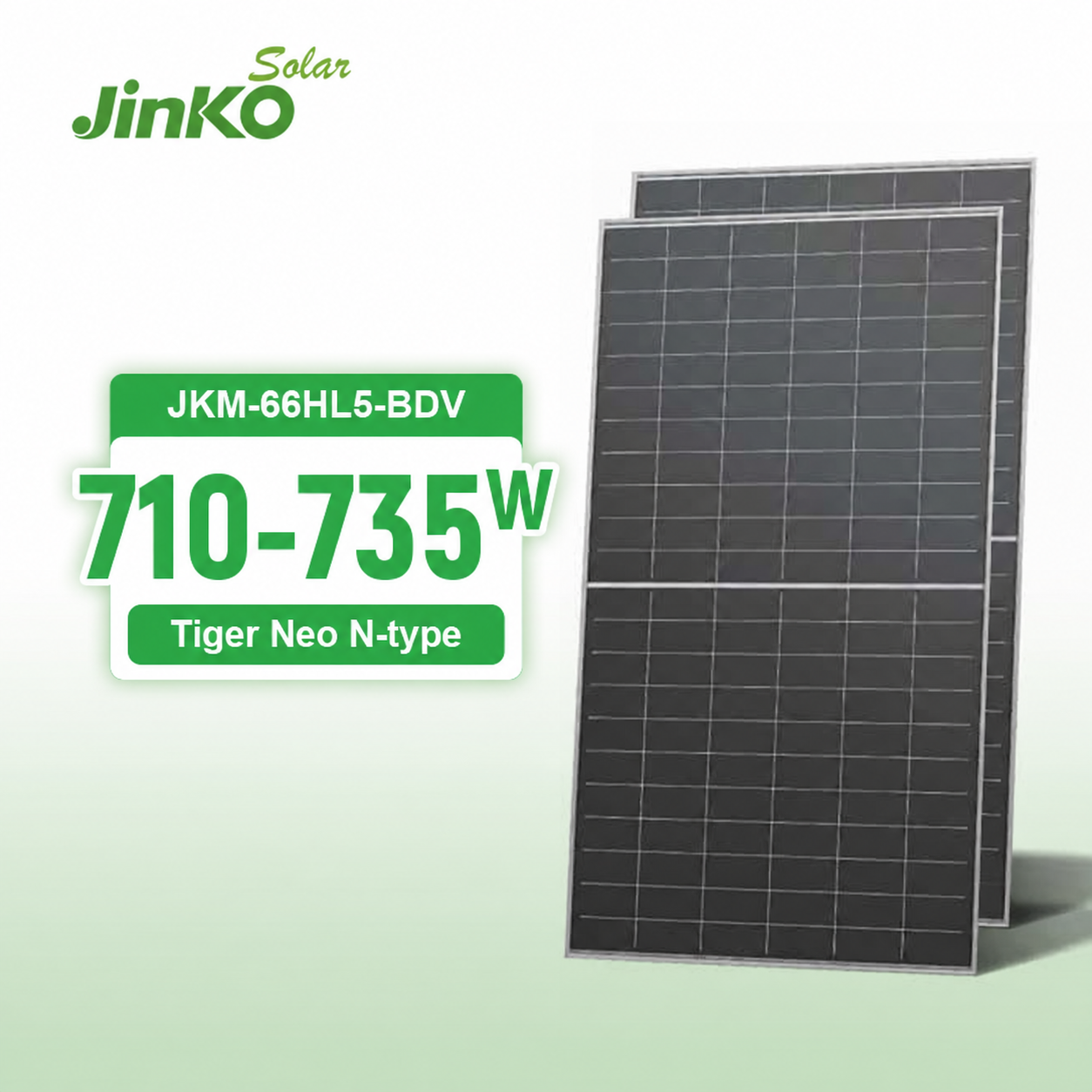
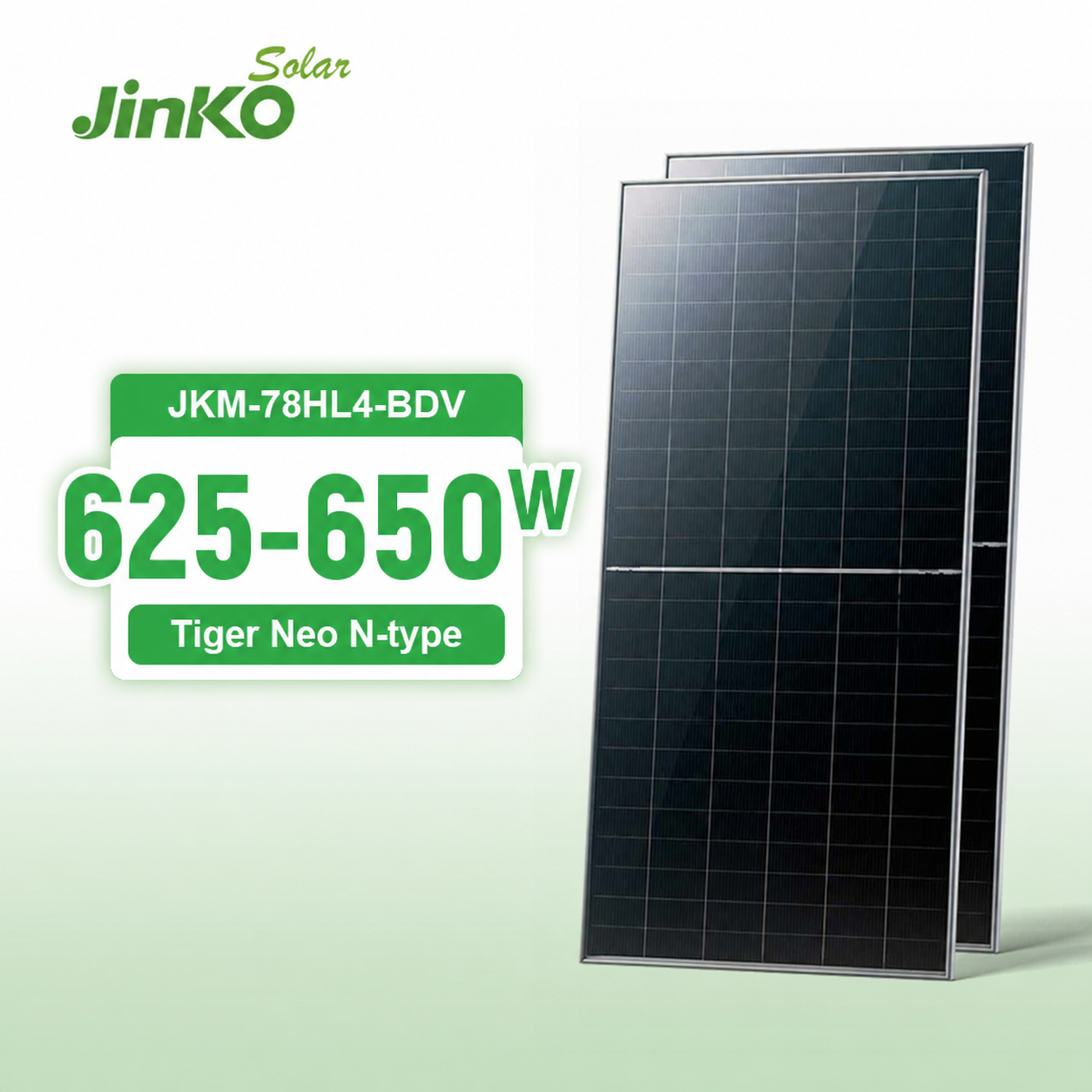
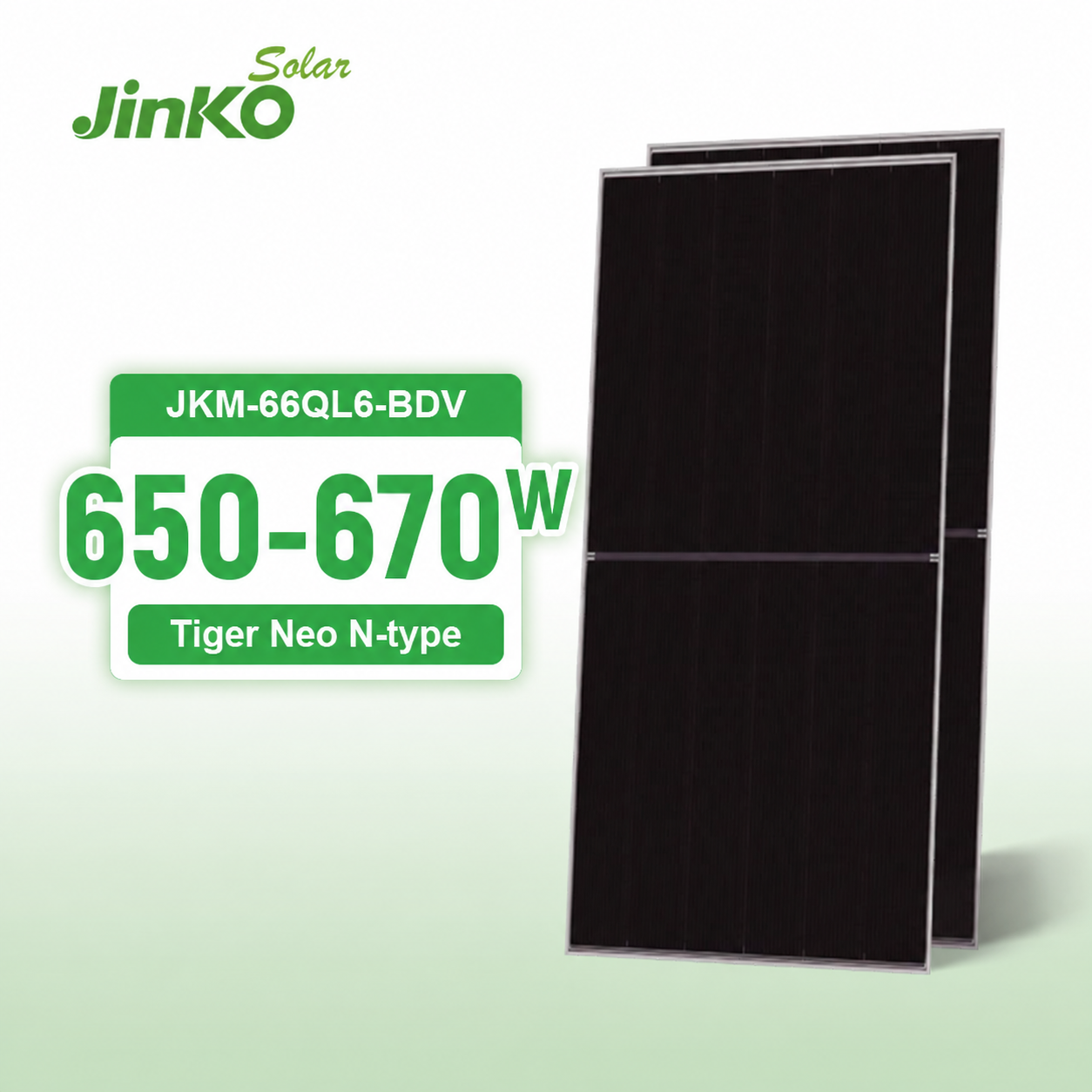
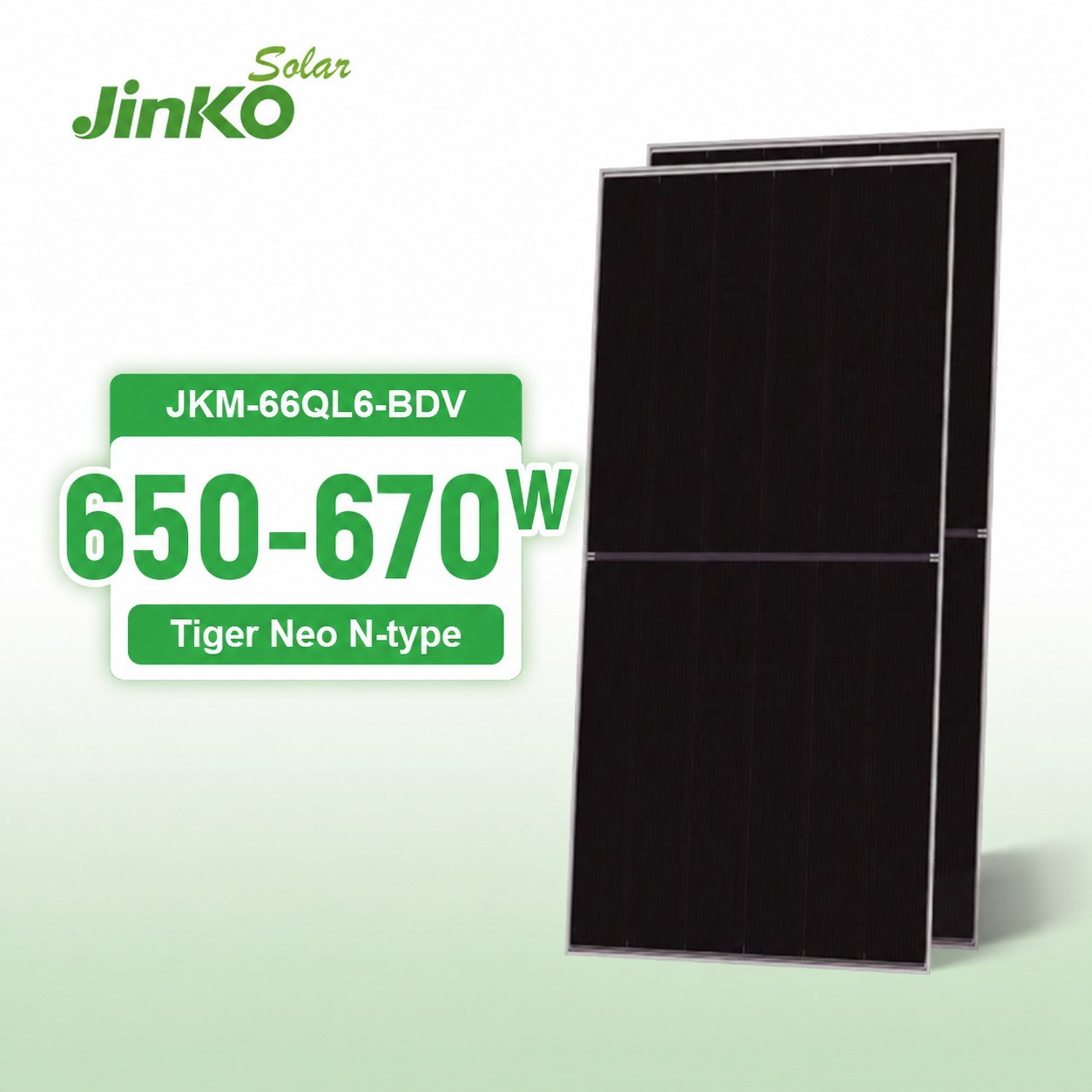
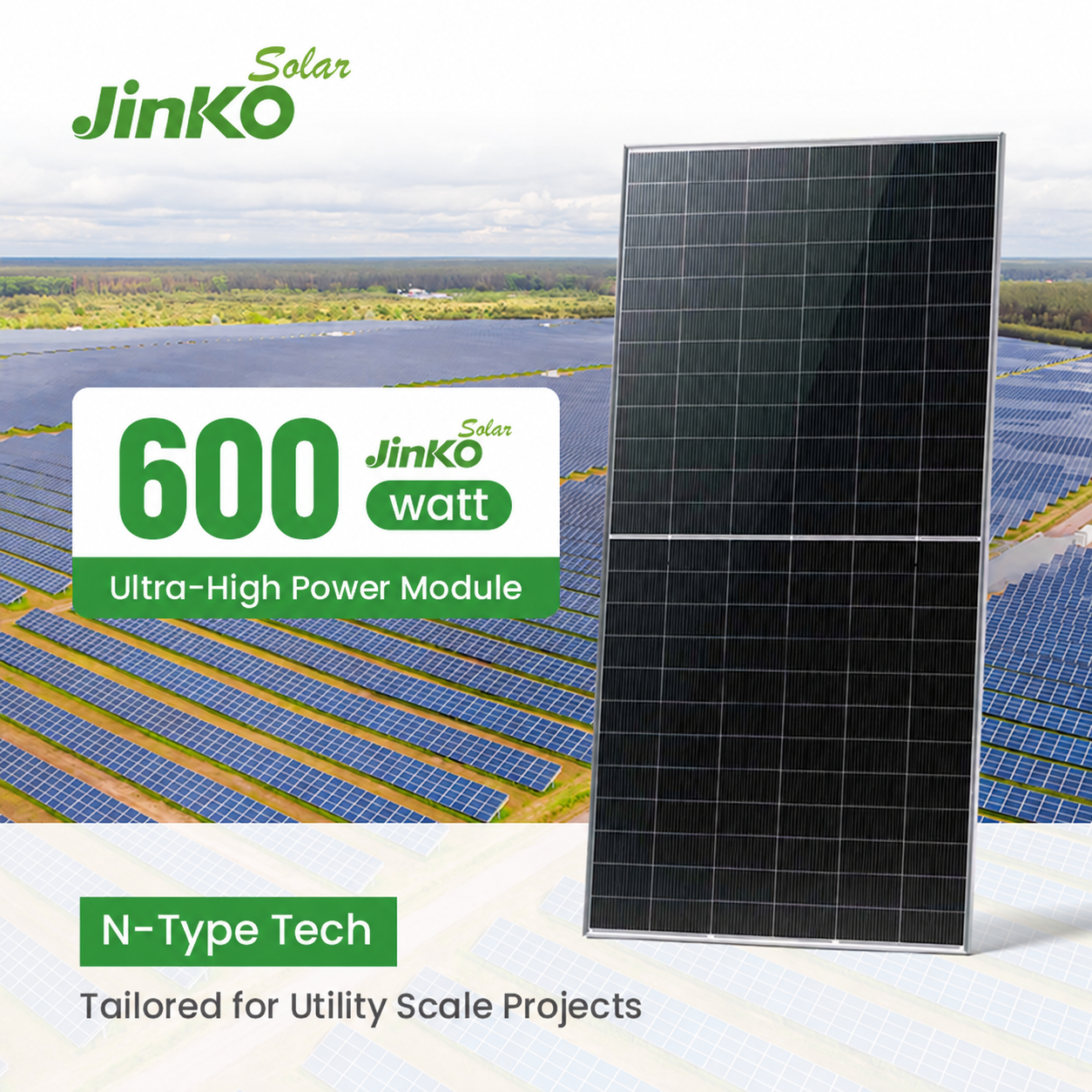
Solar storage efficiency relies directly on matching array output characteristics (VOC, ISC, and temperature coefficients) with battery storage charge controllers. Below are eight industry-benchmark N-Type TOPCon bifacial modules optimized for hybrid ESS microgrids, commercial peak-shaving, and residential energy storage systems.

Get a Quote
Engineering Whitepaper • Manufacturing Deep Dive

Cell Sourcing, BMS Architecture, and Pack Fabrication Standards

The gap between a Tier-1 solar battery pack manufacturer and an unverified pack assembler lies in three engineering pillars: prismatic cell sorting, Battery Management System (BMS) communications firmware, and multi-tier thermal runaway mitigation.

Grade-A EV Prismatic Cells vs. Repurposed B-Stock

A reliable solar battery pack relies on matched capacity, impedance, and open-circuit voltage (OCV). Leading China manufacturers enforce laser code traceability on every Lithium Iron Phosphate cell (typically 3.2V 100Ah, 280Ah, or 314Ah format), eliminating repurposed secondary cells. Packs constructed with variance under ±1.5% Internal Resistance (IR) maintain balanced capacity over 6,000 deep discharge cycles.

Proprietary Active Balancing BMS

While budget pack makers rely on passive resistive heat-dissipative balancing limited to 30mA–50mA currents, high-tier manufacturers deploy active balancing micro-controllers with inductive energy transfer capable of 1A to 2A balancing current. This prevents localized cell over-voltage truncation during peak solar charge cycles and prolongs calendar aging by 40%.

Integrated Aerogel Thermal Barriers

To pass UL 9540A and IEC 62619 thermal abuse testing, premium solar pack designs sandwich high-temperature ceramic or nano-silica aerogel blankets between adjacent cells. This isolates any cell-level defect, preventing thermal runaway propagation to adjacent modules within residential wall-hung or rack-mounted enclosures.

Evaluation Parameter Tier-1 Factory-Grade Battery Pack Low-Cost Assembly Pack Procurement Impact
Cell Chemistry & Origin Brand new Grade-A LiFePO4 cells with full QR trace matrix (CATL, EVE, REPT) Unverified Grade-B, recycled telecom, or second-life traction cells Guarantees 10-year design life without severe cell swell or early capacity drop
BMS Protocol Architecture Pre-configured CANbus 2.0B / RS485 for Deye, Victron, GoodWe, Solis Generic, fixed protocol; unverified software baud-rate handshakes Eliminates field inverter communication faults and unmonitored charging risks
Busbar & Interconnects Laser-welded pure nickel or nickel-plated copper busbars with silicone strain relief Bolted mechanical spade terminals susceptible to thermal expansion loosening Prevents high-resistance hotspots, thermal breakdown, and nuisance breaker tripping
Dangerous Goods Compliance UN38.3 test reports, full MSDS, Drop Test, DG Class 9 seaworthy wooden crates Standard general-cargo repackaging without UN certifications Avoids port rejection, shipping confiscation, and destination customs clearance fines
Strategic Sourcing Horizon

Future Procurement Trends for Solar Battery Packs (2025–2030)

The global solar storage market is moving away from fragmented component sourcing. Procurement strategies are evolving along four operational paths.

1. High-Voltage (HV) Architecture Sourcing

While 48V/51.2V low-voltage systems remain common for residential retrofits, utility and commercial buyers are turning to 160V–800V DC high-voltage stackable battery towers. Operating at higher voltages reduces DC cabling cross-sections, curtails copper line losses by up to 65%, and boosts overall inverter conversion efficiency beyond 98.2%.

2. Digital Battery Passport & Lifecycle Verification

Driven by European Union regulations (EU 2023/1542) and global ESG standards, international buyers now require real-time digital provenance on pack supply chains. Tier-1 China manufacturers are integrating embedded QR identities and IoT-linked telemetry that log cell cycle count, carbon footprint calculation, and cathode mineral sourcing directly on factory test benches.

3. Co-Packaged System Bundling

Sourcing battery packs as isolated elements creates field integration challenges. EPCs now procure integrated kits that combine Tier-1 N-Type TOPCon panels, matched hybrid inverters (such as Deye single/three-phase architectures), pre-terminated DC high-current cables, and rapid-shutdown safety gear inside single consolidated containers.

R&D Roadmap

Technological Trajectories: Chemistry, Form Factor & BMS

China's energy storage supply chain accounts for over 75% of global cell refinement and pack fabrication. Key engineering innovations are actively transforming the market.

Cell Upsizing: The Shift to 314Ah & 587Ah Form Factors

The solar storage industry is moving from standard 280Ah cells toward 314Ah prismatic units in identical geometric footprints, enabling a 12% boost in rack energy density. For utility-scale and commercial systems, 587Ah and 628Ah ultra-large cells are cutting balance-of-system (BOS) wiring, thermal piping joints, and assembly time, driving down Levelized Cost of Storage (LCOS).

Sodium-Ion (Na-Ion) Commercialization for Cold Climates

While LiFePO4 remains the primary choice for energy density and cycle longevity, sodium-ion battery chemistry is gaining ground for installations in sub-zero climates (down to −40°C) and lower-cost base stations. Sodium packs bypass lithium price volatility and show virtually zero risk of thermal runaway, expanding the options available to procurement teams.

Edge Computing & Cloud-Connected AI BMS

Modern BMS platforms now feature real-time edge processing for electrochemical impedance spectroscopy (EIS). By continuously monitoring cell impedance patterns, AI-driven firmware can predict localized internal micro-short circuits up to two weeks before thermal degradation occurs, shifting preventative maintenance from reactive to proactive.

Liquid-Cooled Thermal Management Integration

Air-cooled residential and industrial battery cabinets are giving way to closed-loop liquid thermal systems. By maintaining cell temperature differentials under 2.5°C across an entire 15kWh to 215kWh pack array, liquid cooling avoids hot-spot degradation and improves round-trip efficiency during high C-rate charging in desert or tropical environments.

Enterprise Advantage

Why Global EPCs & Distributors Partner with VOLT New Energy

Based in Hangzhou, Zhejiang, Hangzhou VOLT New Energy Technology Co., Ltd. provides international buyers with verified, tested, and fully documented solar-plus-storage solutions, helping streamline complex cross-border procurement.

01

Pre-Shipment Protocol Matching

We physically test battery packs with target inverters (Deye, Victron, Solis, Growatt) via CAN/RS485 prior to export packing, verifying auto-recognition, baud-rate matching, and fault telemetry before containers depart.

02

Class 9 Dangerous Goods Logistics

Lithium energy storage exports require strict dangerous goods compliance. We provide complete UN38.3, MSDS, Drop-Test documentation, and custom packaging, preventing border-clearance disruptions across more than 100 countries.

03

Consolidated System Containers

Avoid dealing with multiple vendors for separate components. We assemble turnkey systems—Tier-1 Jinko TOPCon bifacial modules, Deye hybrid inverters, and LFP storage banks—into unified, balance-checked container shipments.

04

Dedicated Engineering Support

Our multilingual technical team delivers comprehensive load-profile sizing, array voltage validation, string schematics, and remote commissioning support within a verified 24-hour response window.

Procurement Due Diligence

Frequently Asked Questions for B2B Battery Pack Buyers

Practical, engineering-focused answers to the technical, legal, and operational questions international procurement teams ask before issuing an LOI or Purchase Order.

How do we verify our solar battery pack uses genuine Grade-A cells instead of Grade-B or secondary stock?
Factory verification requires three primary steps: 1) Individual cell QR-code data matching manufacturer OCV (Open Circuit Voltage), AC/DC internal resistance (≤0.35mΩ on 280Ah cells), and original factory batch dates; 2) Factory cell-sorting test sheets verifying capacity spread under ±1.0%; and 3) Physical laser-welded terminal inspection. Grade-B cells often feature ground-down, re-etched QR codes or manually welded terminal studs. At VOLT New Energy, we provide traceable cell reports with each shipment.
What are the key BMS communication parameters required for closed-loop inverter integration?
Closed-loop communication relies on matching the physical pinout (typically RJ45 Pins 4 & 5 for CAN-H / CAN-L or Pins 1 & 2 for RS485), matching baud rates (usually 500kbps for CAN; 9600bps or 19200bps for RS485), and aligning software protocols (e.g., Pylontech, Deye, or Growatt CAN protocol formats). With closed-loop comms configured, the BMS dynamically governs inverter charge/discharge current based on cell temperature, state of charge (SoC), and high/low cell voltage limits, avoiding reliance on general open-circuit voltage estimates.
What shipping regulations apply when importing LiFePO4 battery packs via ocean freight?
Lithium battery packs are categorized as Class 9 Dangerous Goods under UN3480 (lithium-ion batteries shipped alone) or UN3481 (shipped with/in equipment). Ocean carriers require: 1) A certified UN38.3 test summary confirming thermal, vibration, shock, short-circuit, impact, overcharge, and forced discharge safety; 2) A current MSDS; 3) A certified Dangerous Goods Cargo Declaration; and 4) UN-certified wooden shipping crates with proper Class 9 diamond placards. We handle end-to-end DG documentation for seamless port clearance.
How should we size N-Type TOPCon bifacial arrays to match a 48V/51.2V residential storage bank?
Sizing requires checking the hybrid inverter’s Maximum Power Point Tracking (MPPT) voltage window alongside the battery's maximum continuous charge current. For example, a 51.2V 200Ah battery bank (10.24kWh) is well matched with a 0.5C charge rate (100A), accepting up to ~5.2kW of direct DC charging. Using 585W–600W Jinko N-Type bifacial panels, a series string of 8–10 modules delivers ~400V–500V VOC, keeping the inverter operating in its most efficient conversion band during both bulk charging and load support.
What warranty validation and cycle-life degradation guarantees are standard across Tier-1 Chinese suppliers?
Standard Tier-1 warranties cover 5 to 10 years or a guaranteed throughput (e.g., 6,000 cycles at 80% Depth of Discharge [DoD] at 25°C, retaining at least 70% of initial capacity). Warranty validation requires maintaining system operational telemetry, ensuring operating temperatures remain between 0°C and 45°C, and verifying that the battery bank has not been operated in uncommunicated, uncontrolled charge modes. At VOLT New Energy, we back our systems with serial-number tracking and factory-coordinated component replacement support.

Accelerate Your Solar Storage Procurement Project

Whether you are sourcing custom-branded LiFePO4 battery modules, multi-megawatt C&I storage containers, or full container-load packages of high-efficiency Jinko bifacial modules and Deye hybrid inverters, our engineering team is here to support your specifications.

Get a Quote