Top Trusted 200Ah LiFePO4 Battery Supplier & Exporters
Global engineering whitepaper and B2B procurement benchmark for commercial, industrial, and high-yield residential lithium iron phosphate energy storage architectures.
6,000+
Cycles @ 80% Depth of Discharge
100+
Export Destination Markets
<0.2mΩ
Prismatic Cell Internal Delta Match
100%
Pre-Shipment Inverter BMS Verification
Industrial Portfolio
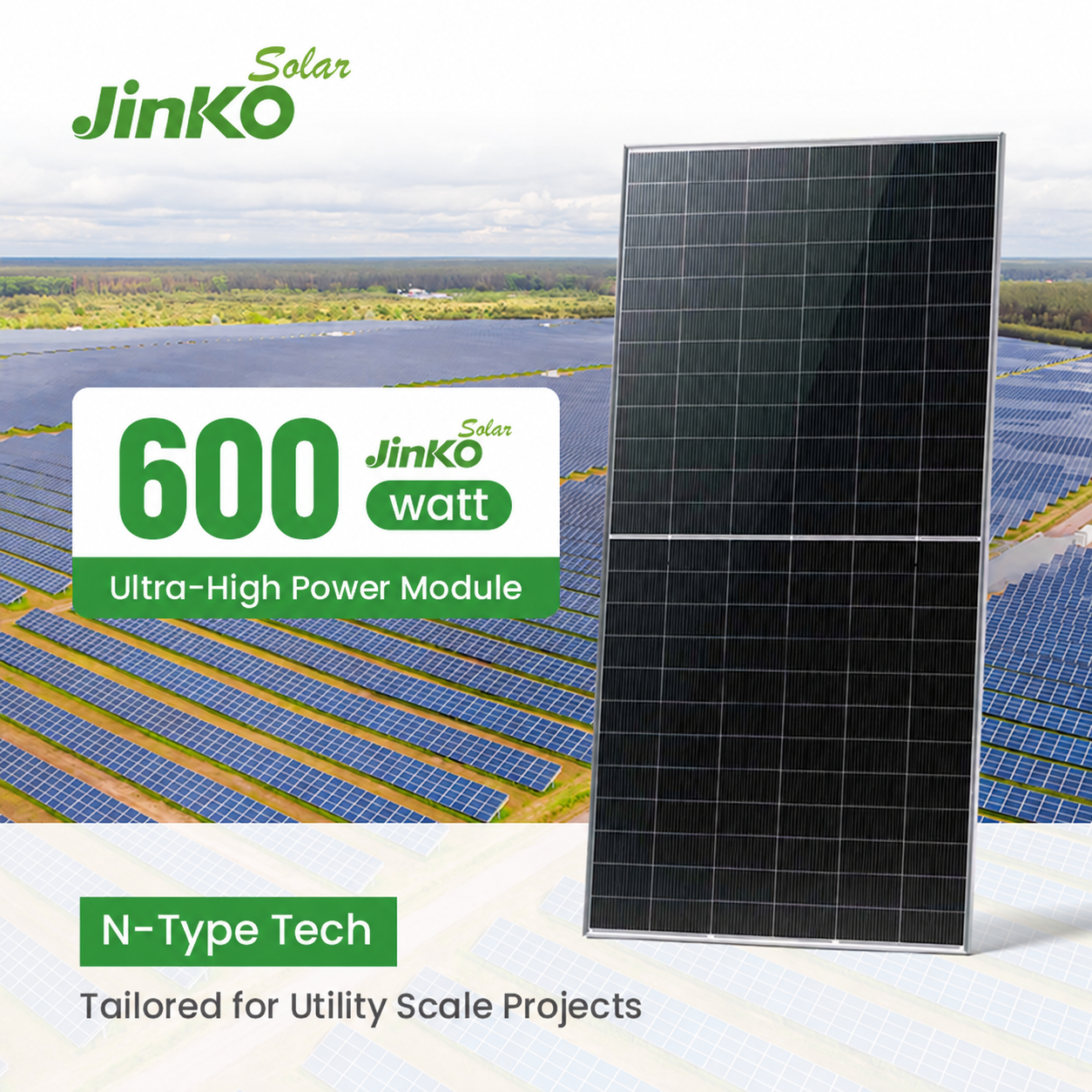
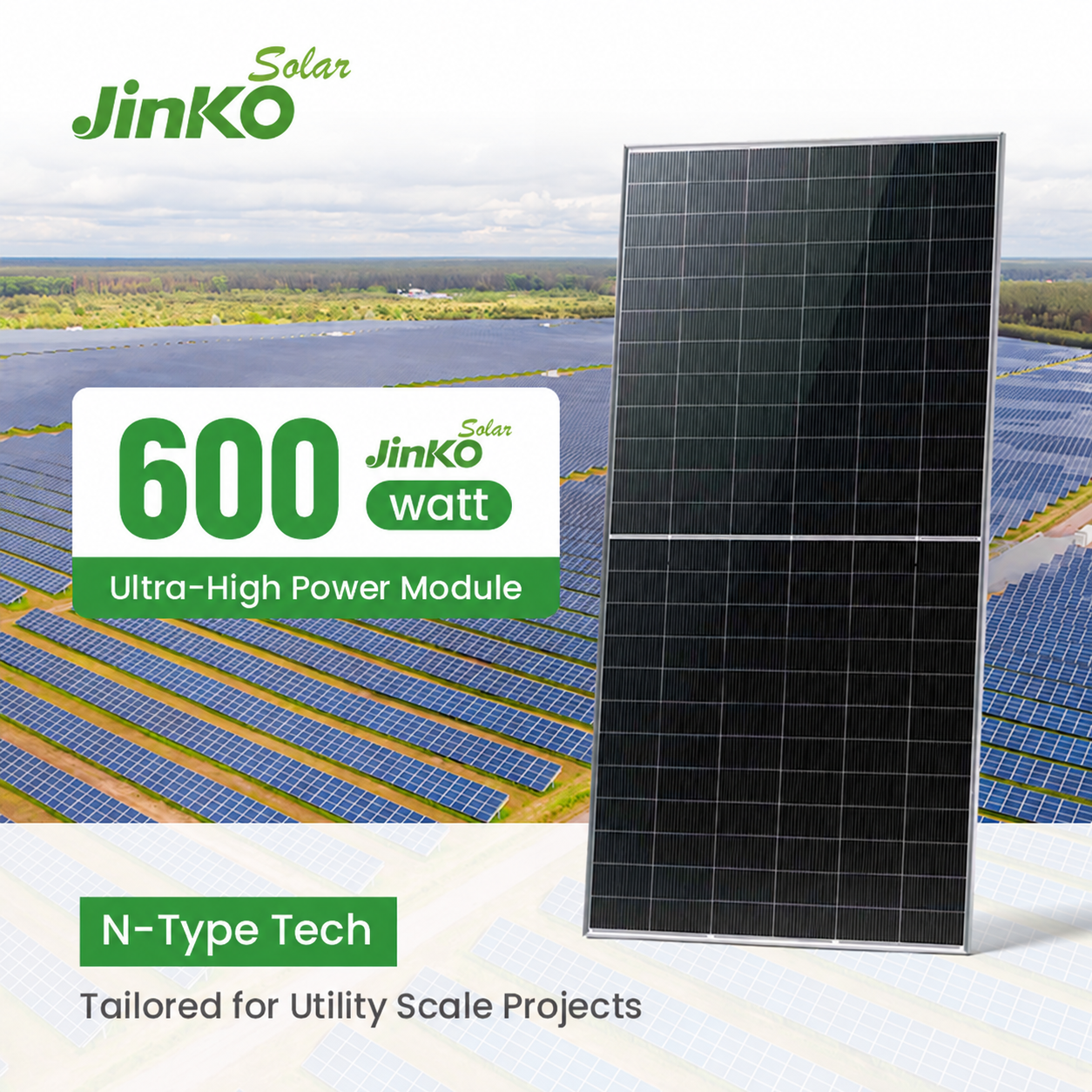
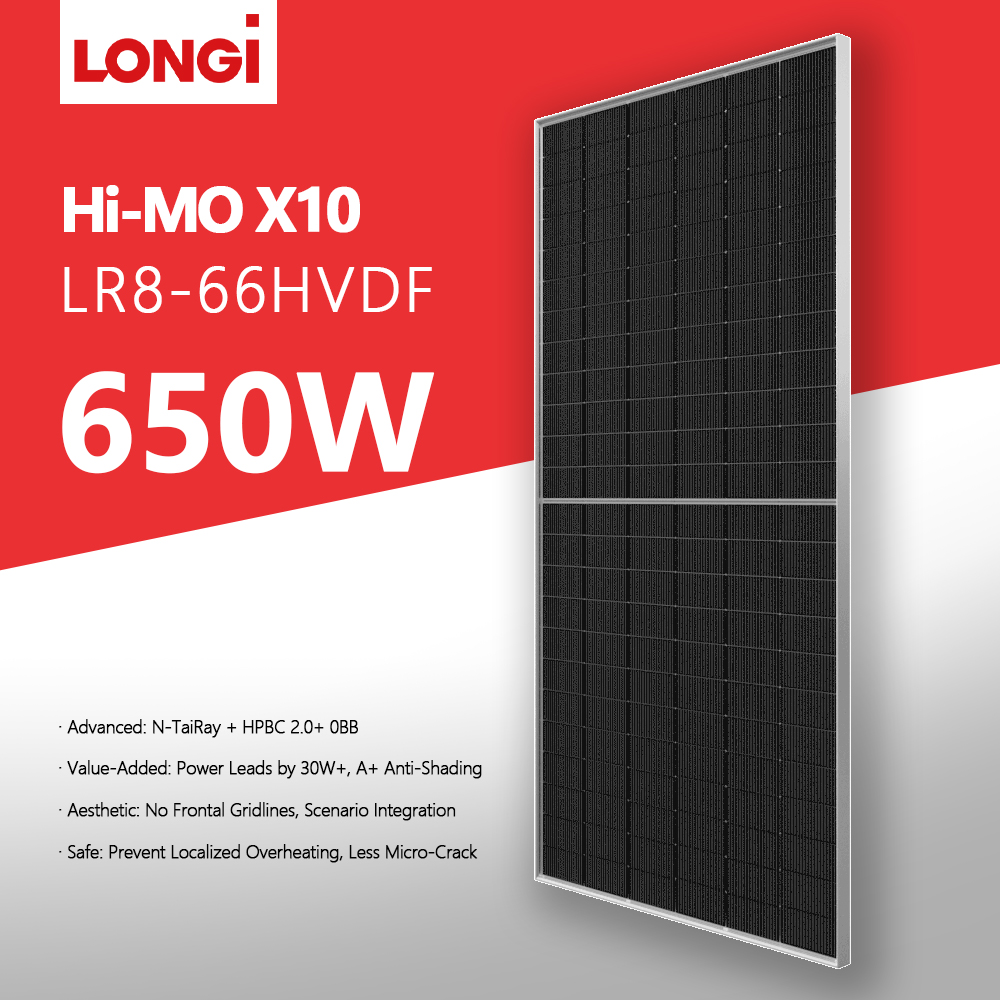
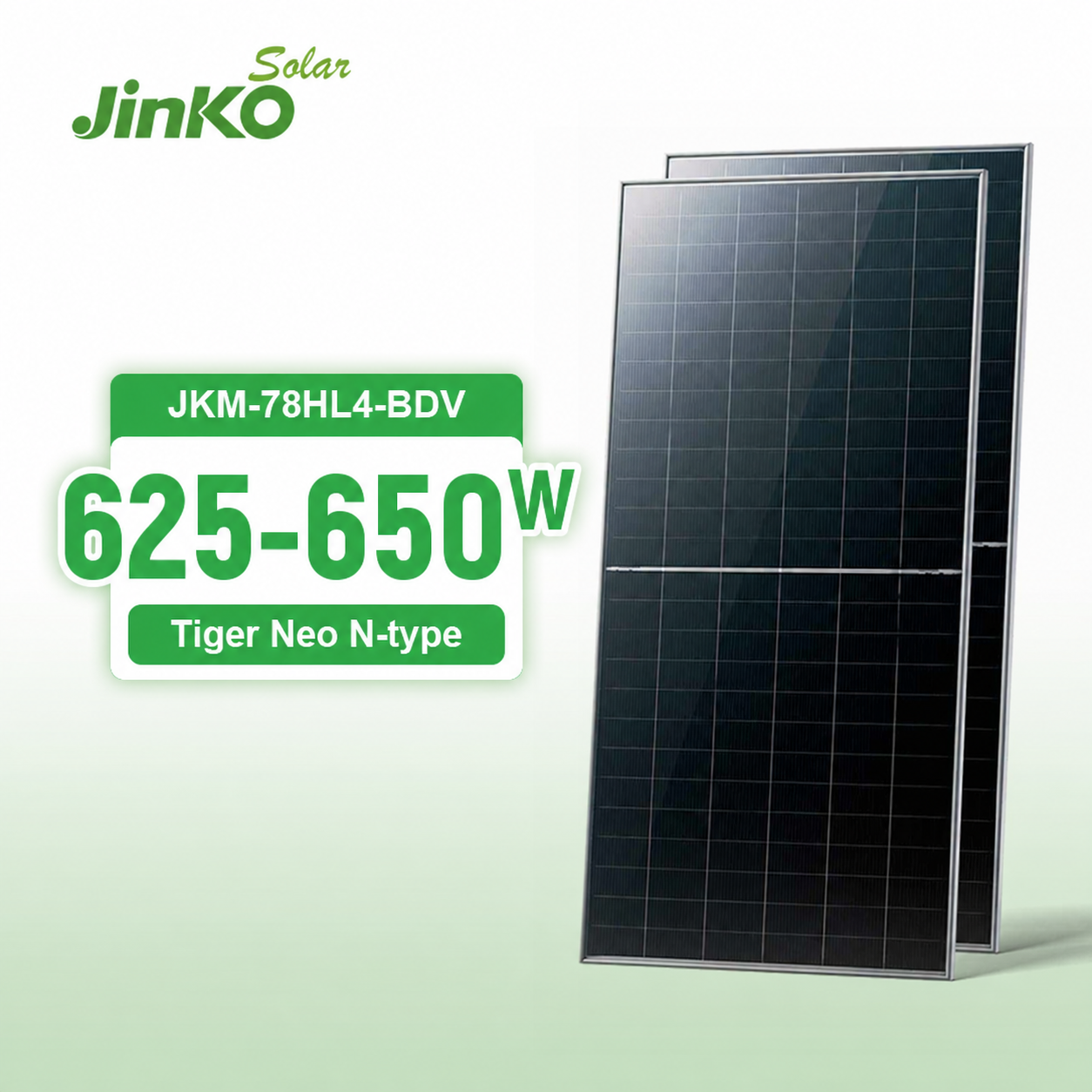
Verified 200Ah-Ready Solar & Storage Integrations
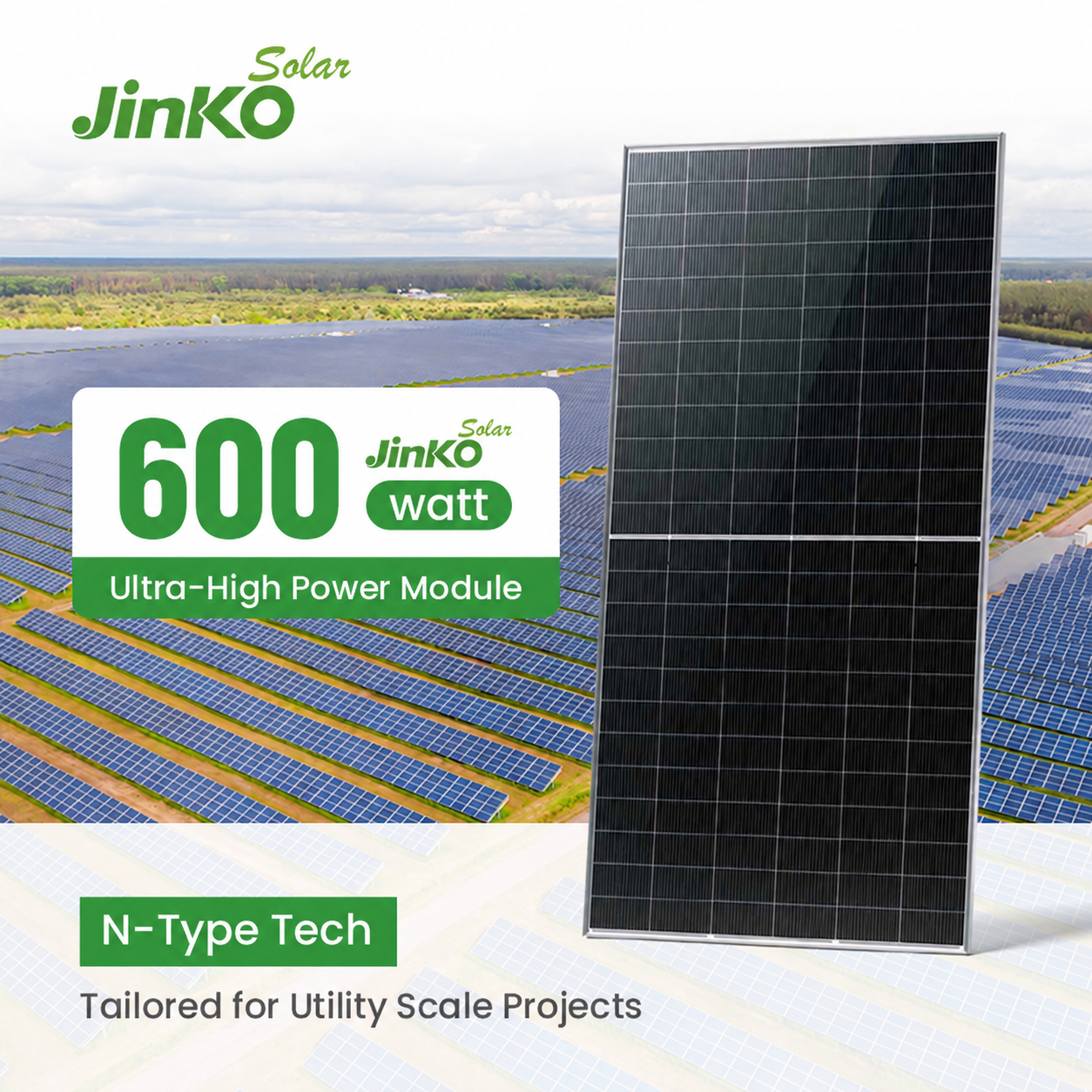
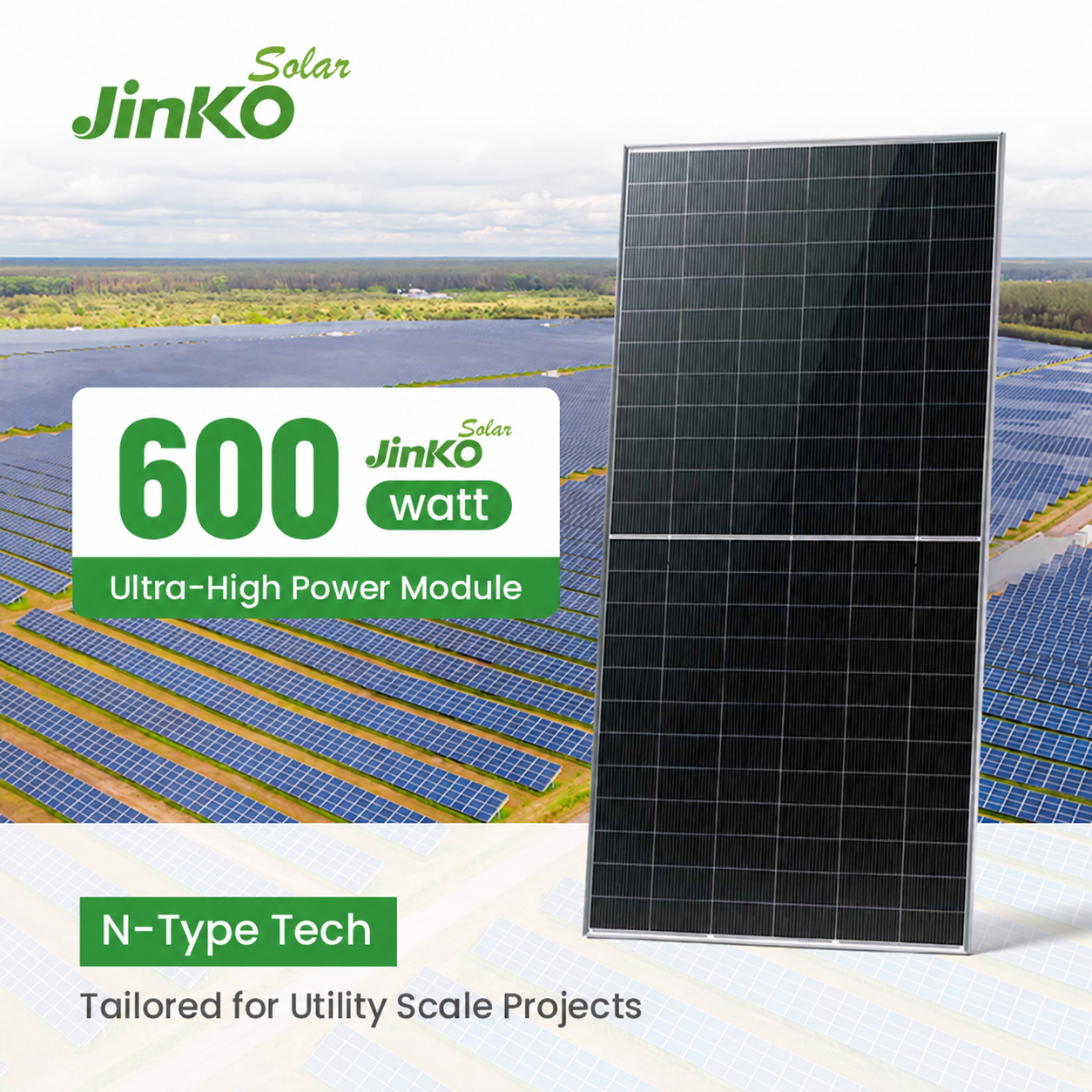
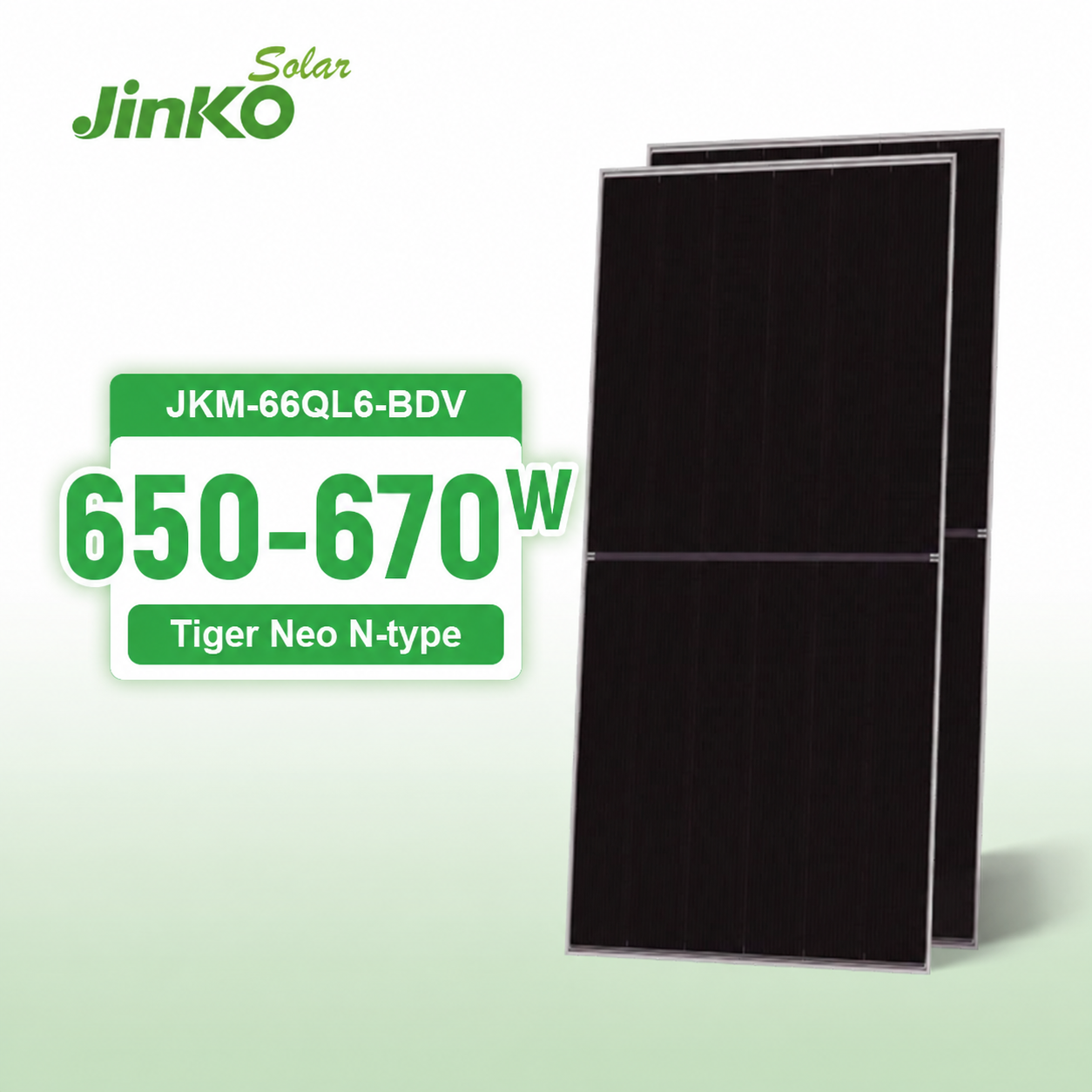
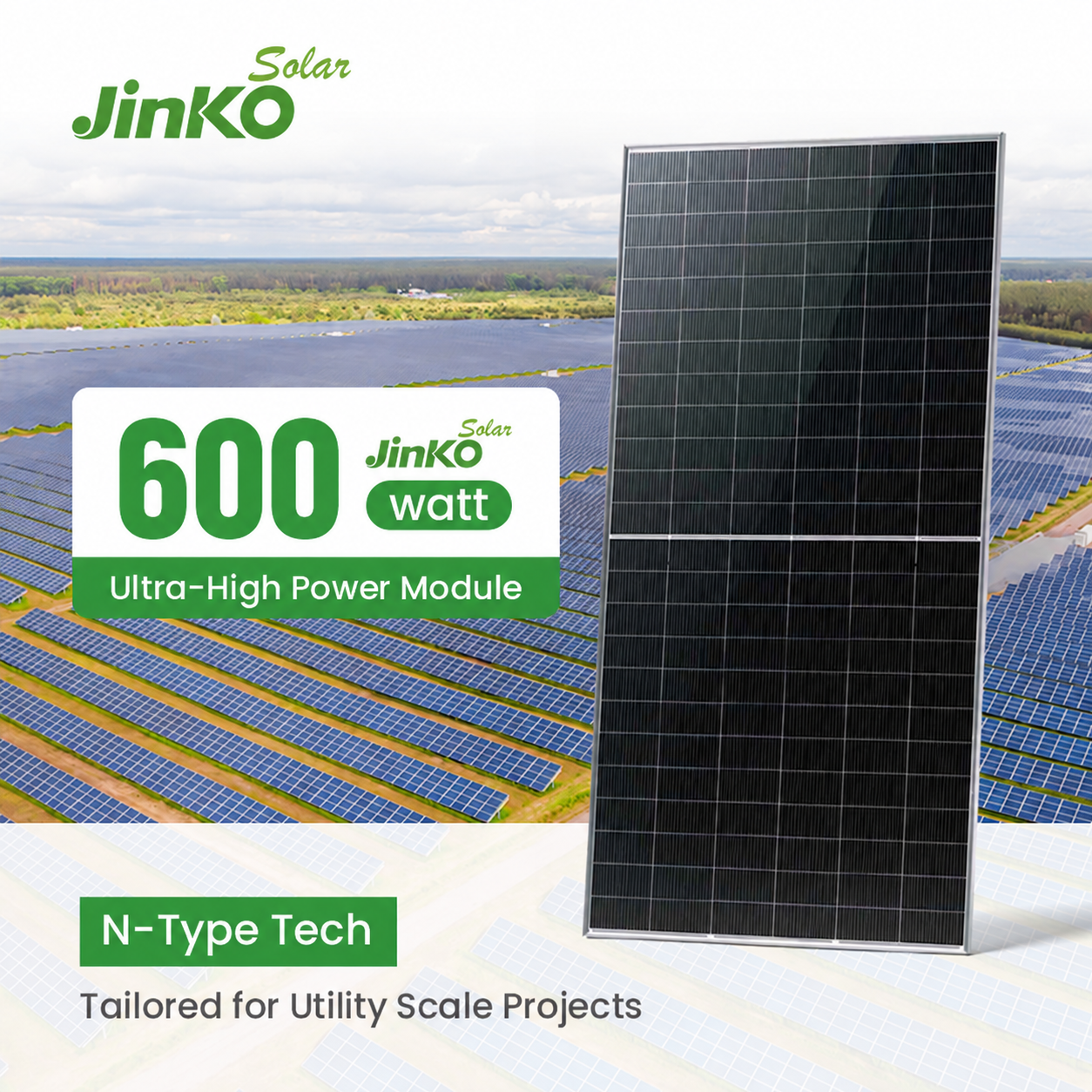
Seamlessly pair top-tier high-efficiency PV arrays with 48V/51.2V 200Ah LiFePO4 storage cabinets. Engineered for multi-MPPT tracking, zero communication downtime, and optimized levelized cost of energy (LCOE).
Architectural Analysis of 200Ah LiFePO4 (Lithium Iron Phosphate) Storage Platforms
In the rapidly modernizing landscape of utility decentralization and commercial resilience, the 200Ah LiFePO4 battery pack (predominantly deployed in 51.2V 16S1P configurations to deliver 10.24 kWh per unit) has established itself as the global industry benchmark. Unlike passenger EV battery formats that balance extreme energy density against heightened thermal risks, stationary energy storage systems (BESS) require unyielding cycle stability, intrinsic chemical inertness, and deterministic degradation trajectories over 10-to-15-year operational lifespans.
As leading exporters and system integrators based in Hangzhou, China, VOLT New Energy builds its stationary 200Ah storage architectures exclusively upon automotive-grade prismatic lithium iron phosphate cells. Prismatic aluminum-cased cells offer mechanical advantages that cylindrical (e.g., 21700 or 32700) or pouch variants cannot match in large-capacity assemblies: rigid outer housings that counter volumetric swelling during lithiation/delithiation, robust laser-welded copper/aluminum busbar junctions that minimize localized contact resistance, and explosion-proof directional pressure relief vents that eliminate catastrophic cascading failures.
Thermal & Chemical Stability Profile
Lithium iron phosphate (LiFePO4) exhibits an olivine crystal lattice bonded by strong covalent P-O bonds. This molecular geometry remains physically intact up to thermal runaway thresholds exceeding 270°C (518°F), far surpassing nickel-manganese-cobalt (NMC) chemistries which decompose exothermically at 150°C–210°C with self-sustaining oxygen release. Consequently, our 200Ah modules operate reliably in high-ambient environments throughout the Middle East, Sub-Saharan Africa, and Latin America without requiring parasitic, high-maintenance active liquid refrigeration.
Dynamic Balancing & Impedance Matching
Cell balancing is the defining engineering boundary between premature string dropouts and 6,000-cycle field longevity. Every cell inside our 200Ah packs undergoes high-precision automated sorting: alternating current internal resistance (ACIR) delta is maintained below 0.20 mΩ, and static voltage variance is bounded within ±2.0 mV across the entire state of charge (SoC) spectrum. When paired with active balancing BMS hardware (1A to 2A balancing currents), pack capacity divergence is mitigated throughout multi-year deep cycling.
Comparative Matrix: 200Ah LiFePO4 vs. Legacy Deep-Cycle Technologies
Future Sourcing & Procurement Trends in the LiFePO4 Supply Chain
B2B energy procurement is undergoing a generational shift. Importers, EPC contractors, and regional wholesalers can no longer operate on simple spot-market buying. Regulatory pressures, raw material supply dynamics, and intelligent grid interconnection requirements are fundamentally transforming the technical criteria for sourcing 200Ah lithium iron phosphate packs.
1. Rise of Factory-Integrated Direct Procurement
Historical reliance on multi-tiered brokers is collapsing. EPCs are prioritizing direct partnerships with technical supply integrators like Hangzhou VOLT New Energy. Direct factory sourcing guarantees uncompromised Tier-1 cell provenance (EVE, CATL, REPT or Gotion cells), eliminates grey-market repackaged B-grade cells, and ensures complete traceability via laser-etched QR matrix codes. Transparent sourcing preserves factory warranties and ensures consistent cell batching essential for parallel multi-unit installations.
Closed-loop communication is no longer optional. Modern grid-tied and microgrid projects demand instantaneous state-of-charge (SoC), individual cell voltage deviations, and temperature telemetry transmitted to inverters like Deye, Victron, and Growatt via CAN 2.0B and RS485 backbones. Procurement specifications now mandate pre-flashed, multi-protocol BMS boards that configure with inverter firmware in the field without requiring custom serial-line reprogramming.
International maritime and customs authorities have sharply tightened maritime scrutiny of Class 9 Dangerous Cargo. Sourcing contracts that fail to supply legitimate UN38.3 test summaries, certified dangerous goods (DG) packaging certificates, and verified drop-test documentation risk indefinite port impoundments, catastrophic carrier fines, and voided marine transit insurance. Proactive importers now audit logistics and dangerous cargo certification before issuing proforma deposit transfers.
4. Emergence of Sodium-Ion Coexistence & Ultra-High Capacity Cells
While Sodium-ion (Na-ion) chemistry is making inroads in extreme sub-zero standby telecom power, LiFePO4 maintains an overwhelming commercial lead in solar cycling efficiency, high volumetric capacity, and lifecycle economics. Concurrently, the sector is adopting larger 280Ah and 314Ah formats for megawatt-scale utility deployments, while the 200Ah form-factor remains the unchallenged sweet spot for 10kWh to 80kWh commercial and residential setups due to manageable unit handling, 1C discharge margins, and standard 19-inch server-rack dimensions.
Engineered Quality Control & Global Trade Assurance
Importers lose operational margin on three systemic risks: mismatched battery-inverter communication protocols, incomplete Class 9 customs clearances, and slow technical response. Our Hangzhou engineering team eliminates those risks.
Pre-Shipment Inverter Matching
Every 200Ah battery system is verified against our on-site inverter library (including Deye, Growatt, and Luxpower). BMS firmware, baud rates, and CAN/RS485 pin-outs are bench-tested to guarantee plug-and-play field startup.
Class 9 DG Logistics Mastery
Complete documentation packages supplied for every sea, rail, and air consignment: fully validated UN38.3 reports, current MSDS/SDS sheets, Drop Test packaging certifications, and maritime Dangerous Goods declarations.
Consolidated System Sourcing
Streamline import overheads by bundling matched Tier-1 Jinko/LONGI PV modules, 200Ah LiFePO4 batteries, inverters, and DC combiners into unified 20GP or 40HQ export containers with zero wasted dimensional freight volume.
Cell Grade-A Provenance
Zero tolerance for reconditioned, disassembled, or B-grade inventory. Every 200Ah cell provides traceable factory barcode serialization, verified internal resistance, and factory-issued capacity test reports.
Answers to critical technical, financial, and logistical questions encountered by overseas distributors, EPC installers, and utility project managers.
1. Why is the 51.2V 200Ah (16S) architecture superior to a 48V (15S) configuration?
A nominal 51.2V architecture utilizes 16 cells in series (16 x 3.2V = 51.2V), providing 10.24 kWh of total rated energy per 200Ah unit. Older telecom packs frequently used 15S (48.0V nominal), which drops the battery pack's operational cutoff voltage dangerously close to the inverter's low-voltage trip point (approx. 42V–44V). The 16S architecture ensures full utilization of the LiFePO4 discharge plateau, optimizes inverter DC-AC conversion efficiency, and perfectly matches the factory charge algorithm profiles of leading hybrid inverter brands.
2. How do your 200Ah battery BMS platforms communicate with Deye, Victron, and Growatt inverters?
Our intelligent BMS units feature dual CAN 2.0B and RS485 RJ45 communications ports, pre-loaded with selectable protocol libraries. When connected to a Deye hybrid inverter, selecting protocol profile '00' automatically enables the inverter to dynamically adjust charging current based on cell temperature, state-of-charge, and max permissible absorption voltages. Hardware dip switches or onboard LCD touchscreen menus allow installers to swap protocols within seconds without requiring laptop firmware flashing.
3. What is the maximum recommended parallel expansion for your 200Ah server rack and powerwall units?
Up to 15 or 16 units can be connected in parallel without requiring an external centralized master controller, delivering up to 163.8 kWh of combined storage. In these arrays, standard multi-drop RJ45 communication cables synchronize pack states, designating Module #1 as the master communication conduit to the inverter. For commercial applications requiring greater than 160 kWh, we deploy high-voltage commercial ESS cabinets equipped with high-voltage master BMS controllers and DC busbar panelboards.
4. What compliance certificates are mandatory for customs clearance in Europe and North America?
For maritime and intermodal transit, UN38.3 test reports (including altitude simulation, thermal shock, vibration, impact, external short circuit, and forced discharge) accompanied by compliant MSDS and certified packaging drop-test sheets are mandatory worldwide. For European Union grid connection, compliance with EN IEC 61000-6-1/3 (EMC), EN 62477-1 (LVD safety), and IEC 62619 (secondary lithium cells for industrial applications) is required. For the USA and Canada, modules comply with or are built from UL 1973 and UL 9540A tested cell assemblies.
5. How does temperature affect the charging and discharging of 200Ah LiFePO4 batteries?
Like all lithium-ion chemistries, LiFePO4 cannot be charged below 0°C (32°F) without causing irreversible lithium metal plating on the graphite anode, which degrades cell health and induces short-circuit hazards. Our advanced 200Ah models incorporate low-temperature BMS cutoff sensors, as well as optional internal PTC silicon heating pads. When charging current is introduced in sub-zero environments, the incoming energy is first diverted to internal heating until the core reaches +5°C, after which full charging current is safely engaged. Discharge operates efficiently between -20°C and +60°C.
6. What is the difference between 0.5C and 1.0C charge/discharge ratings in practical operation?
A C-rate defines the speed of charge or discharge relative to battery capacity. For a 200Ah battery, a 0.5C rate equals 100A (delivering approx. 5.12 kW of continuous output), while a 1.0C rate equals 200A (delivering approx. 10.24 kW of continuous output). For residential and light commercial storage, cycling at 0.5C preserves cell health and ensures cycle counts exceed 6,000 cycles. Our BMS platforms support 100A continuous charging, 150A–200A peak discharge for dynamic motor and compressor starting loads, and instant millisecond electronic fuse trip protection at 300A+.
7. How can B2B buyers verify they are receiving genuine Grade-A brand new cells?
All cells inside our assemblies feature clean, intact factory Data Matrix QR codes laser-engraved by Tier-1 manufacturers (EVE, CATL, REPT). These QR codes reveal the original cell manufacturer, chemistry, production facility, and date of manufacturing. Furthermore, we provide testing reports detailing the AC internal resistance (mΩ), zero swelling on aluminum casings, and automated cell-matching grading data before assembly into server-rack or wall-mount shells.
8. What are the key warranty terms and failure resolution procedures for international orders?
We back our 200Ah energy storage systems with an industry-standard 5-to-10-year prorated performance warranty guaranteeing at least 70% retained capacity at cycle milestones. In the rare event of an operational failure, our engineering team logs into the system remotely via inverter/BMS telemetry to diagnose cell metrics. Modular spare parts—including plug-and-play BMS control boards, DC circuit breakers, and replacement cell blocks—are stocked and air-shipped promptly to minimize client downtime.
Ready to Scale Your Solar & Storage Distribution?
Direct factory pricing, comprehensive technical data sheets, compatibility tables, and container packing plans for your target market. Contact our engineering and export team today.