High-Yield Energy Storage & TOPCon Photovoltaic Modules
Seamlessly pair containerized battery energy storage systems (BESS) with industry-leading TOPCon bifacial PV strings. Factory-validated electrical curves, zero-PID degradation guarantee, and guaranteed BMS-inverter protocol synchronization.
Engineering Excellence: Anatomy of a Turnkey Containerized BESS
Modern electrical grids and heavy industrial operations demand dynamic frequency regulation, peak shaving, and black-start resilience. As a premier containerized battery storage factory and integration supplier, Hangzhou VOLT New Energy engineers standard ISO 10ft, 20ft, and 40ft containerized battery energy storage systems (BESS) using prismatic Lithium Iron Phosphate (LiFePO4) chemistry. Understanding the interior architecture of an industrial BESS enclosure is critical for EPCs, project developers, and utility operators seeking 20-year operational viability.
High-Density LFP Cell Matrix
Utilizing tier-one automotive-grade 280Ah and 314Ah prismatic LFP cells. Each pack integrates laser-welded busbars, precision shunt sensors, and cell-level compression fixtures that prevent mechanical expansion during ultra-deep C-rate charge cycles.
Three-Tier BMS Architecture
From Slave BMS (BMU) monitoring cell voltages and thermistors, to Master BMS (BCU) tracking rack currents, up to Array Control Units communicating via Modbus TCP/IP, IEC 60870-5-104, and CAN bus protocols directly with the Power Conversion System (PCS).
Multi-Stage Fire Mitigation
Multi-layered fire mitigation conforming to NFPA 855 and UL 9540A. Early gas detection (CO, H2, smoke) prompts automatic enclosure isolation, aerosol or Novec 1230 clean agent release, and back-up dry sprinkler water deluge infrastructure.
Liquid Cooling vs. Forced-Air HVAC: Thermal Equilibrium Dynamics
Thermal stability directly governs capacity degradation, round-trip efficiency (RTE), and cycle lifetime. While legacy container designs relied on heavy HVAC air blowers that left internal pack temperature deltas as high as 8°C to 10°C, modern VOLT New Energy containerized solutions incorporate micro-channel liquid-cooling cold plates running glycol-water coolant. This closed-loop fluid circuit maintains internal cell-to-cell thermal variations within ≤2.5°C across the entire container, curbing parasitics by 30% and extending system operational lifespan beyond 15 years under daily cycling.
| System Metric | Legacy Forced-Air 40ft BESS | VOLT Advanced Liquid-Cooled 20ft BESS | Procurement Advantage |
|---|---|---|---|
| Volumetric Energy Density | 1.8 MWh – 2.5 MWh / 40ft | 3.72 MWh – 5.0 MWh / 20ft | 50% footprint reduction; cuts on-site civil works costs |
| Cell Temperature Delta (ΔT) | ≤ 8°C - 10°C | ≤ 2.5°C | Eliminates localized thermal hotspots and premature cell retirement |
| Auxiliary Power Consumption | High (Constant high-CFM fans) | Low (Variable frequency chiller pump) | Improves overall Round-Trip Efficiency (RTE) by 2.5% to 4.0% |
| Fire Compliance Standards | Basic smoke/thermal relays | UL 9540, UL 9540A, NFPA 855, NFPA 68/69 | Streamlined municipal permitting and insurance approval |
| Protection Rating | IP54 Enclosure | IP55 / IP65 Modular Battery Compartments | Complete resistance against coastal humidity and desert sandstorms |
Strategic Procurement Trends: How Utility & C&I Buyers Source BESS
As international power grids decarbonize, procurement executives and EPC engineers have shifted their evaluation metrics from simple upfront capital expenditure ($/kWh) toward Levelized Cost of Storage (LCOS), long-term bankability, and comprehensive degradation predictability. Navigating international supply chains requires anticipating regulatory and technological shifts.
Transition to 314Ah+ High-Capacity Prismatic Cells
Global utility procurement is pivoting away from 280Ah toward 314Ah and 320Ah cells without increasing container envelope dimensions. This reduces system balance-of-plant (BOP) costs, electrical wiring junctions, and installation footprints by over 18%.
1500V DC High Voltage Standardization
Moving from 1000V to 1500V DC topologies minimizes resistive losses across long cabling runs, reduces PCS converter sizing, and enhances the operational efficiency of large-scale renewable generation tied to central solar farms.
Pre-Integrated "Drop-and-Play" Architecture
B2B buyers reject lengthy on-site assembly. Modern containerized storage is fully pre-integrated, pre-wired, and wet-tested at the factory. Once craned onto concrete foundation pads, systems require only DC/AC coupling and SCADA fiber connection.
Demand for String PCS Topologies
Rather than singular monolithic central inverters, C&I installations favor modular rack-level string PCS converters. If an individual battery rack develops a fault, it isolates automatically while the remaining 90% of the container remains operational.
Rigorous Dangerous Goods (DG) Logistics Trackability
Maritime transport of containerized lithium requires stringent UN38.3 test reports, certified marine fire-baffle containers, and specialized Class 9 DG documentation. Factory-managed freight drastically reduces port detention liabilities.
Why Global Importers Partner with Hangzhou VOLT New Energy
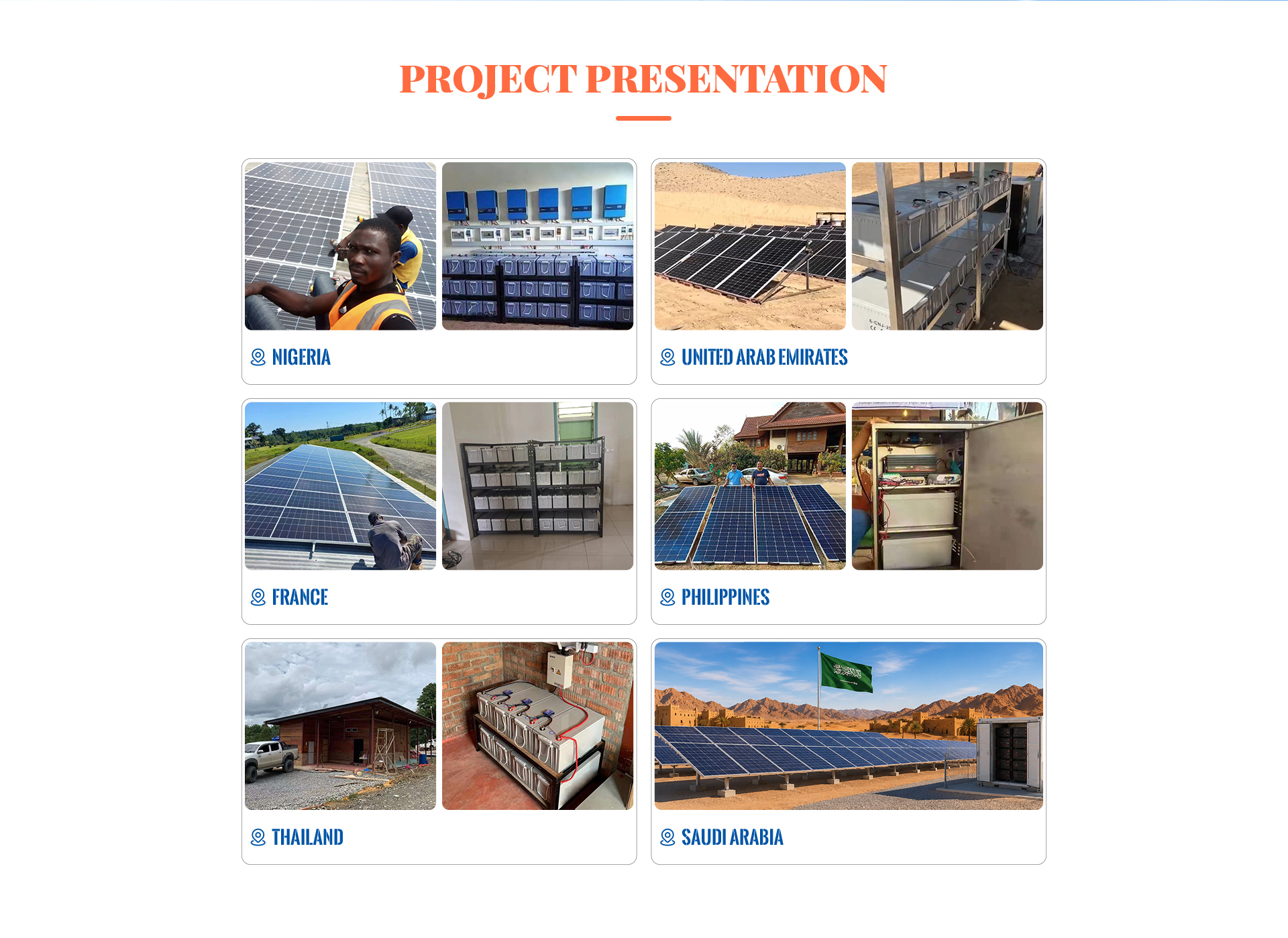
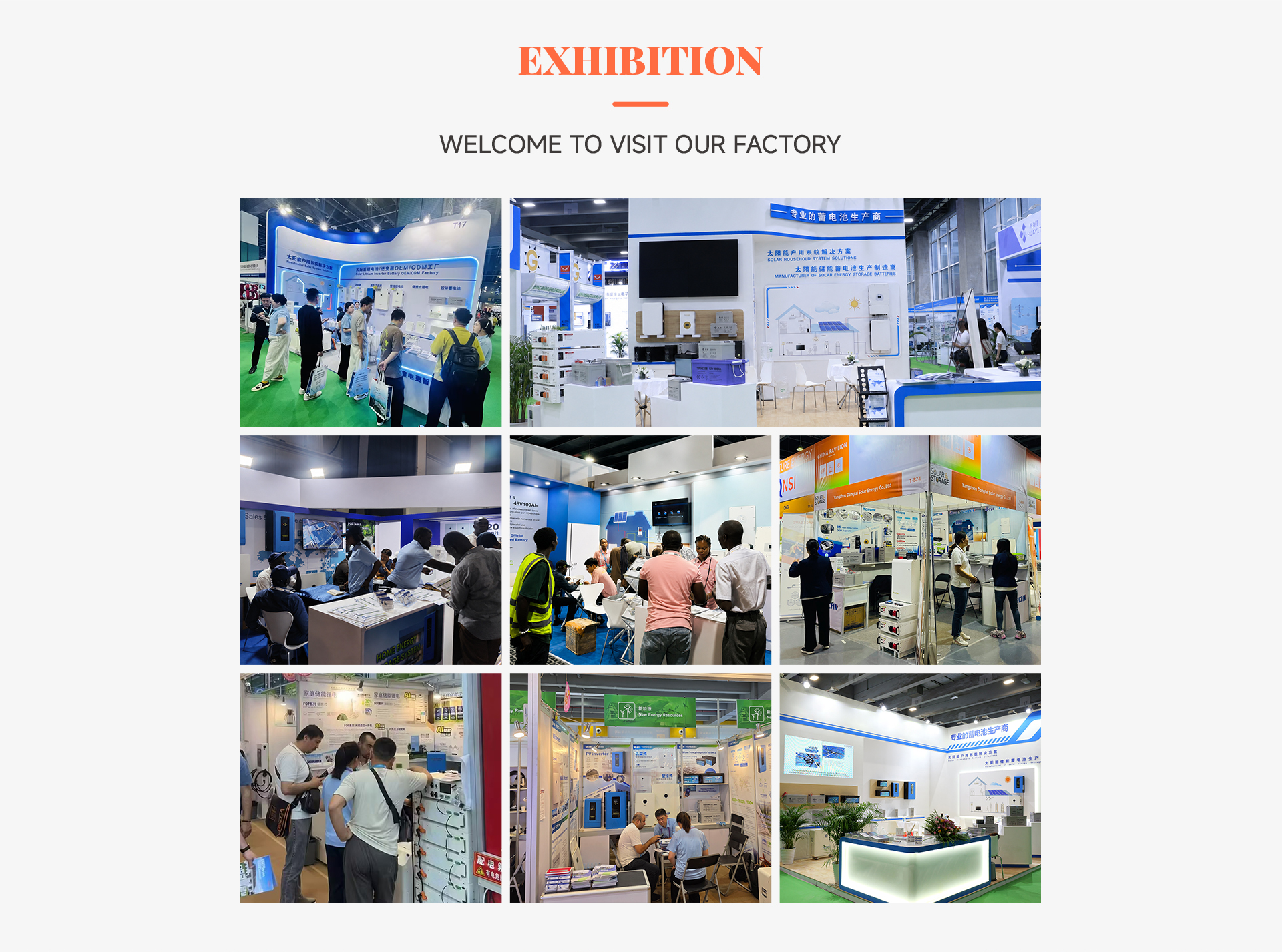
Hangzhou VOLT New Energy Technology Co., Ltd. serves as an end-to-end solar storage system integrator and export partner headquartered in Hangzhou, Zhejiang. We bridge the critical gap between raw equipment manufacturing and field installation success. A major failure point for energy storage importers is protocol incompatibility—where inverters reject battery BMS registers on-site. Our operational workflow eradicates this hazard before freight departure.


Pre-Shipment Hardware Synchronization
We test every containerized BESS configuration against brand partner PCS/inverters (including Deye, Megarevo, and Sungrow). Pin-outs, baud rates, and CAN/RS485 communication protocols are fully mapped before loading.
Turnkey Solar + Storage Kit Sizing
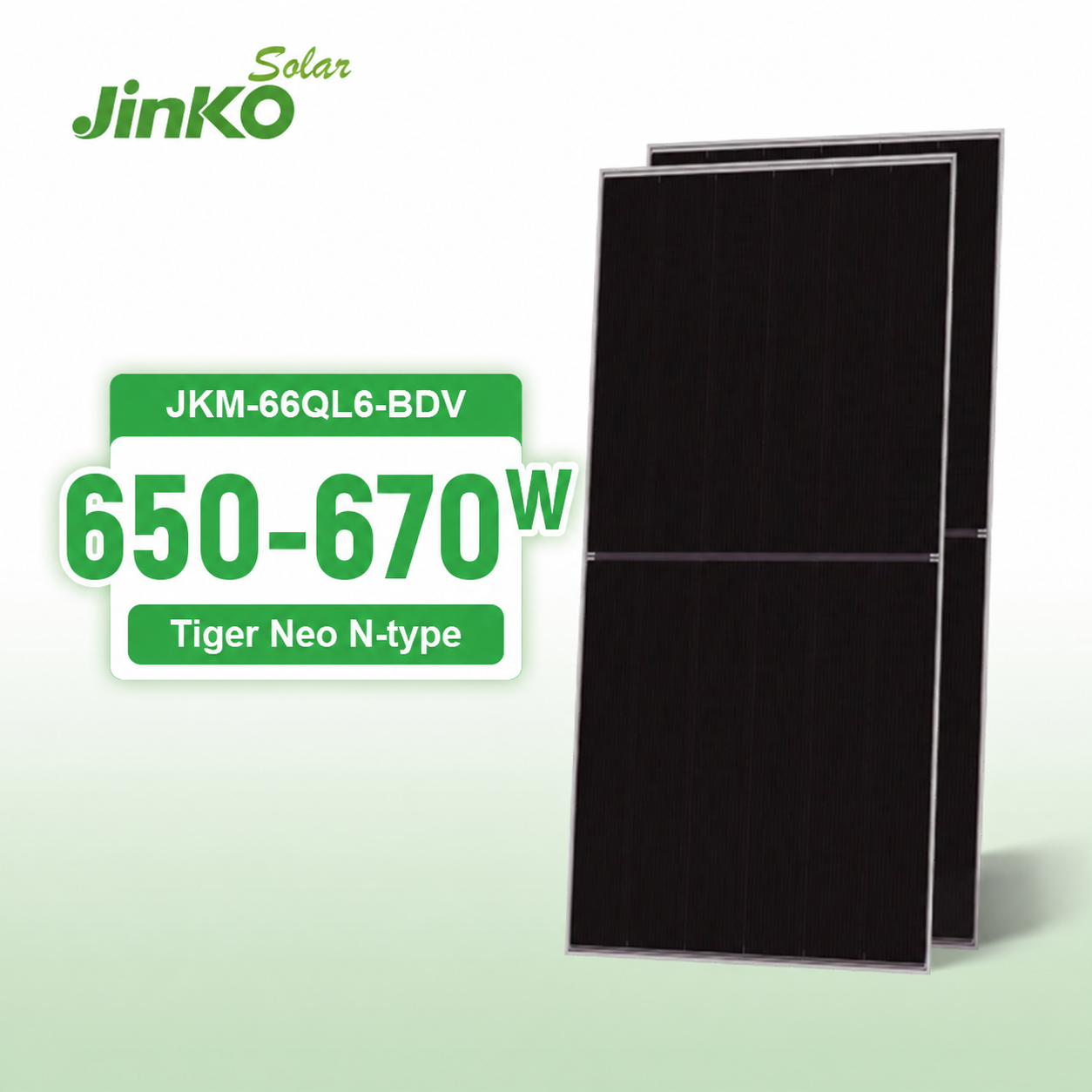
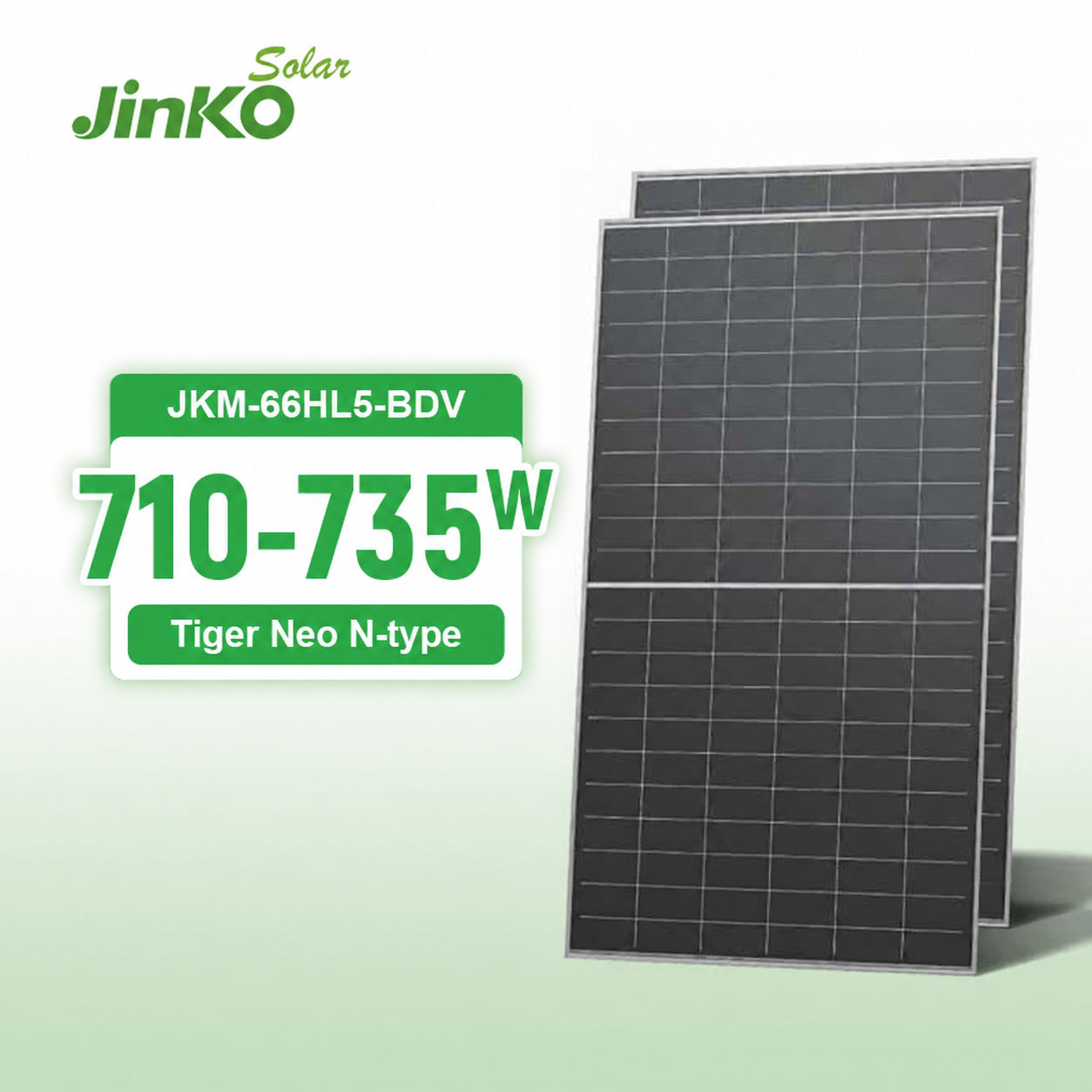
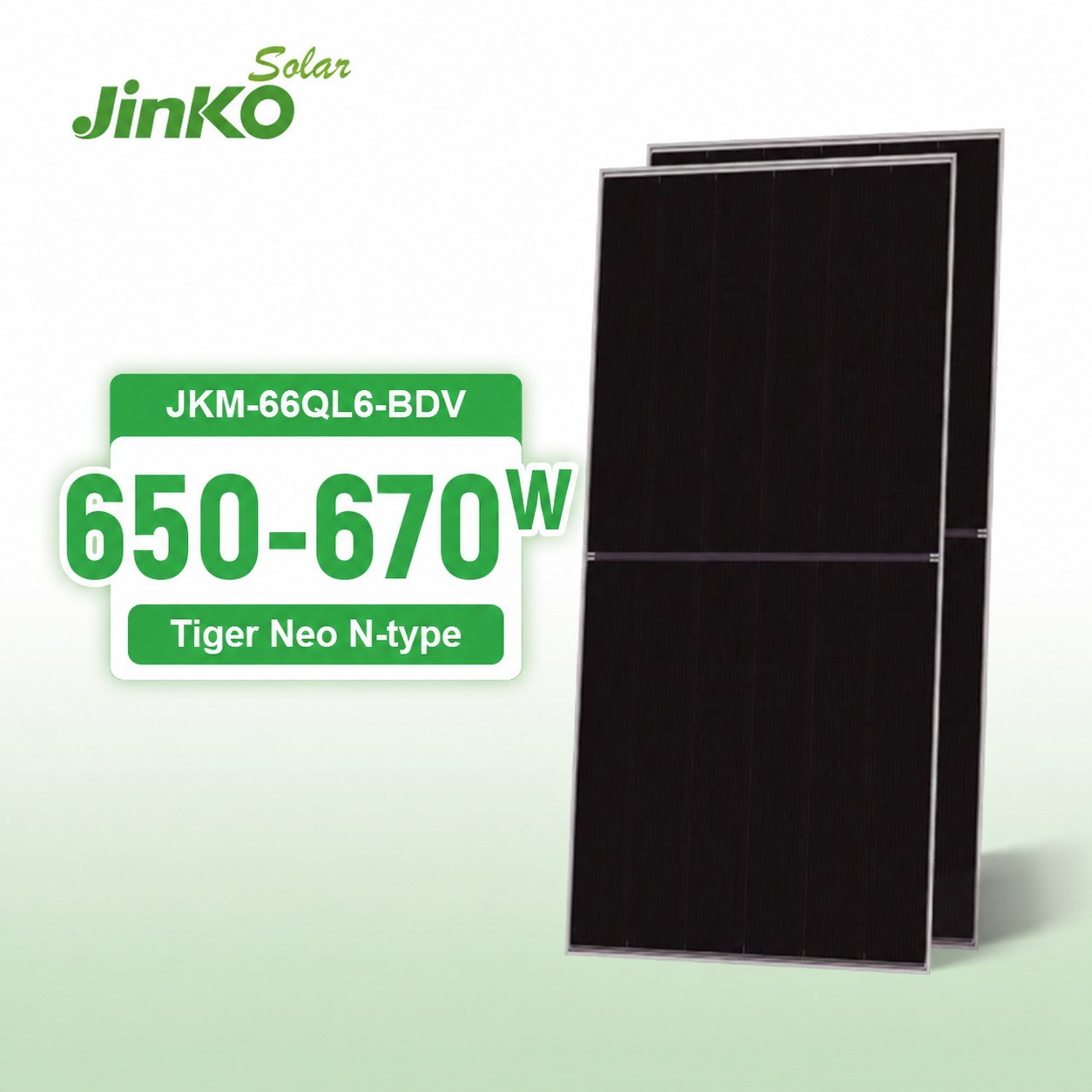
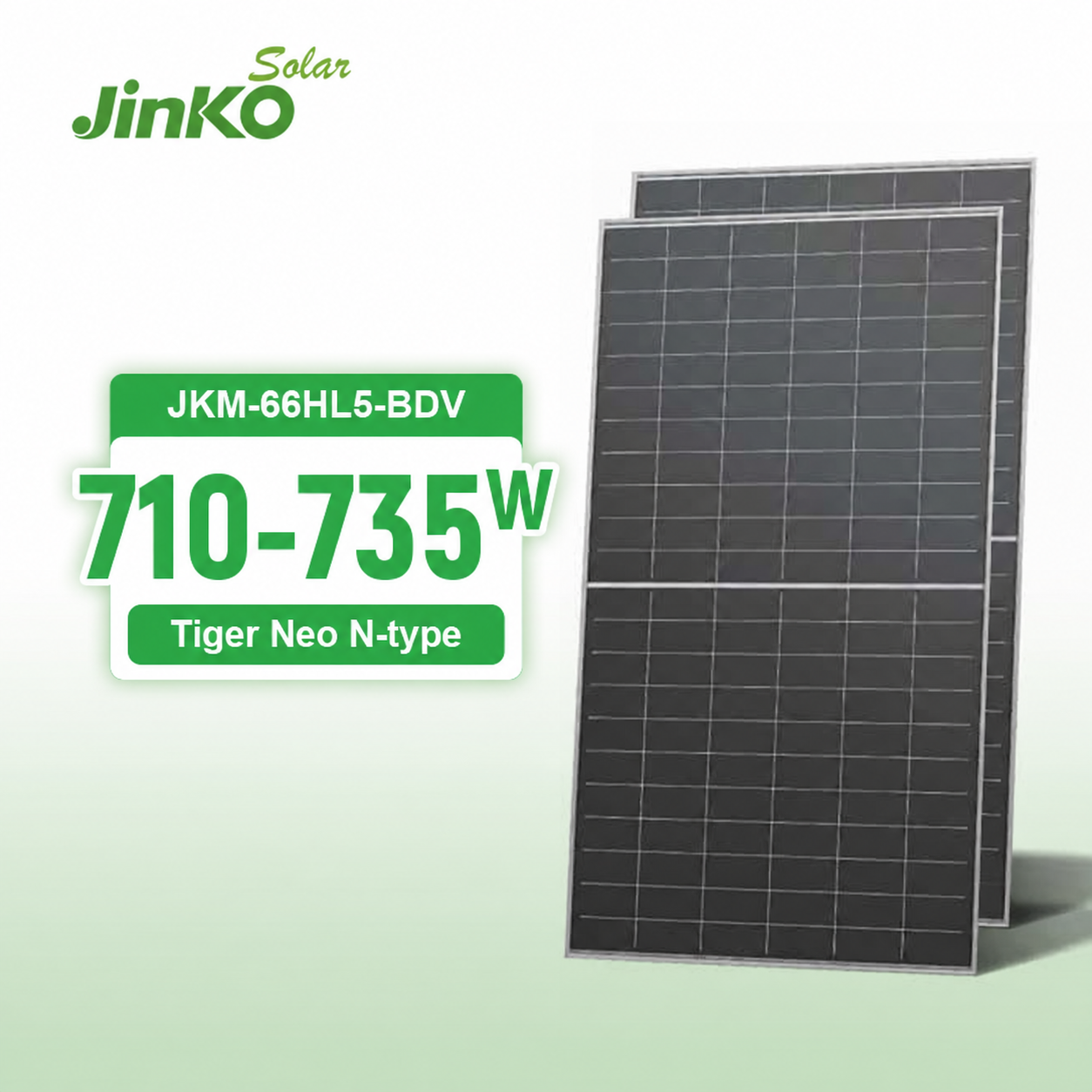
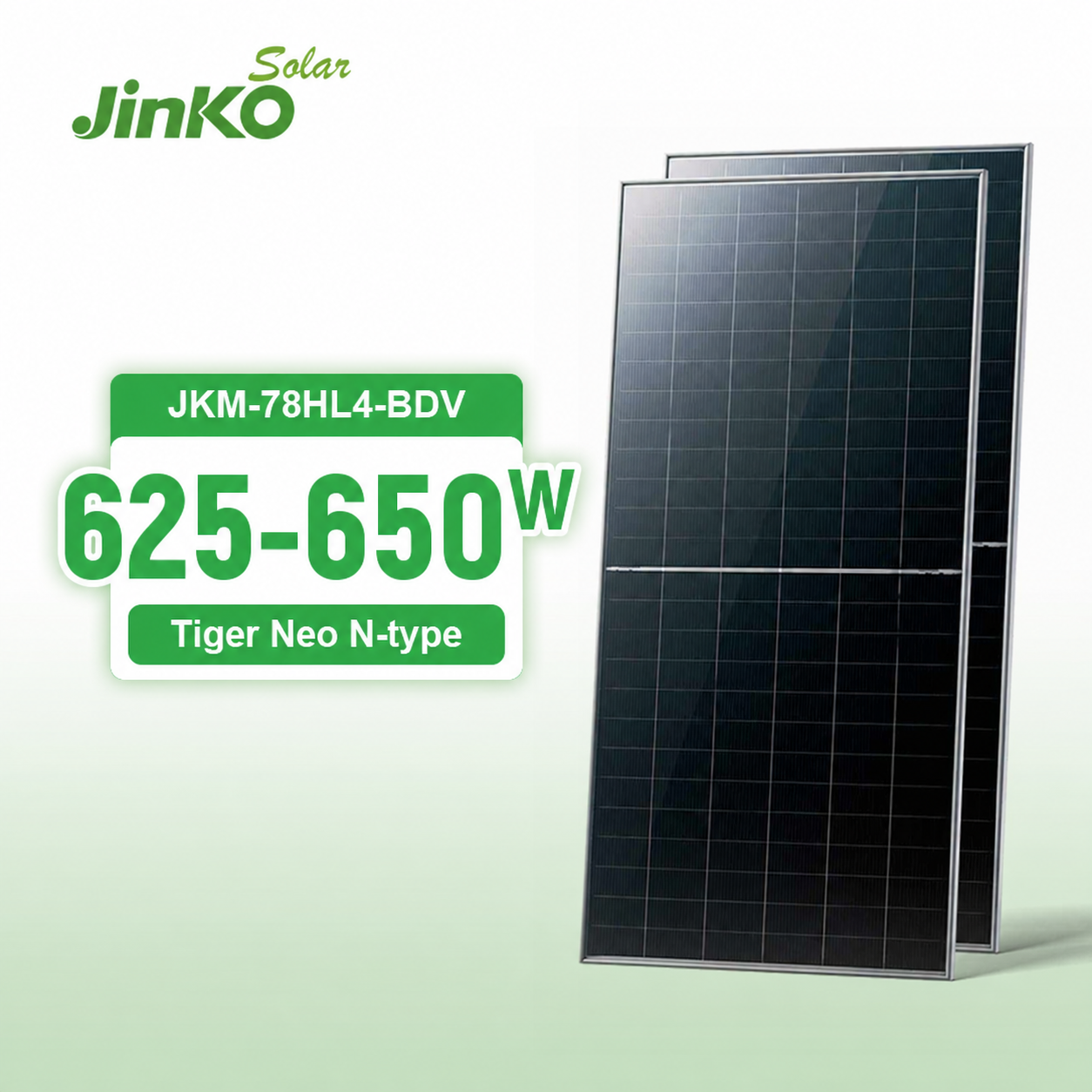
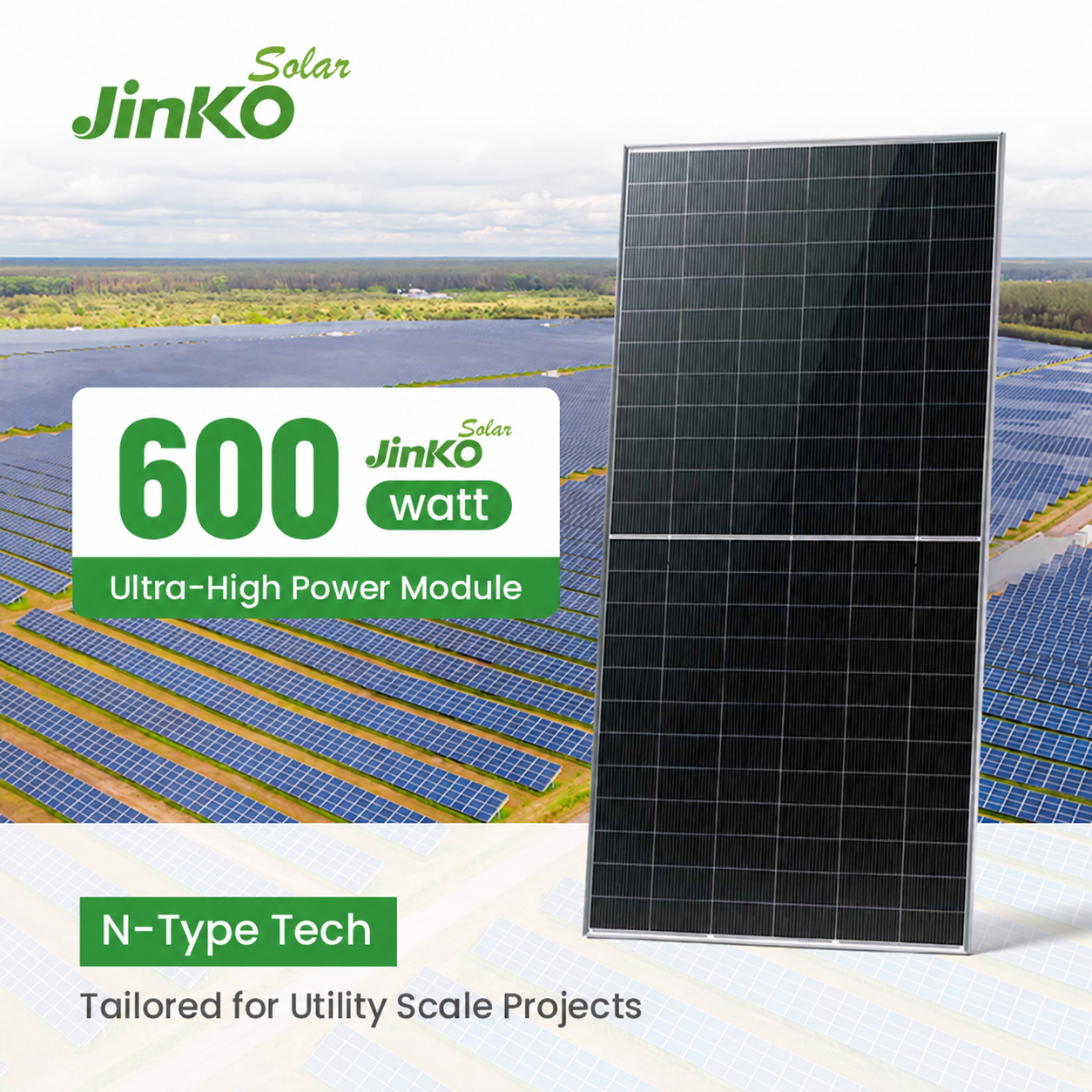
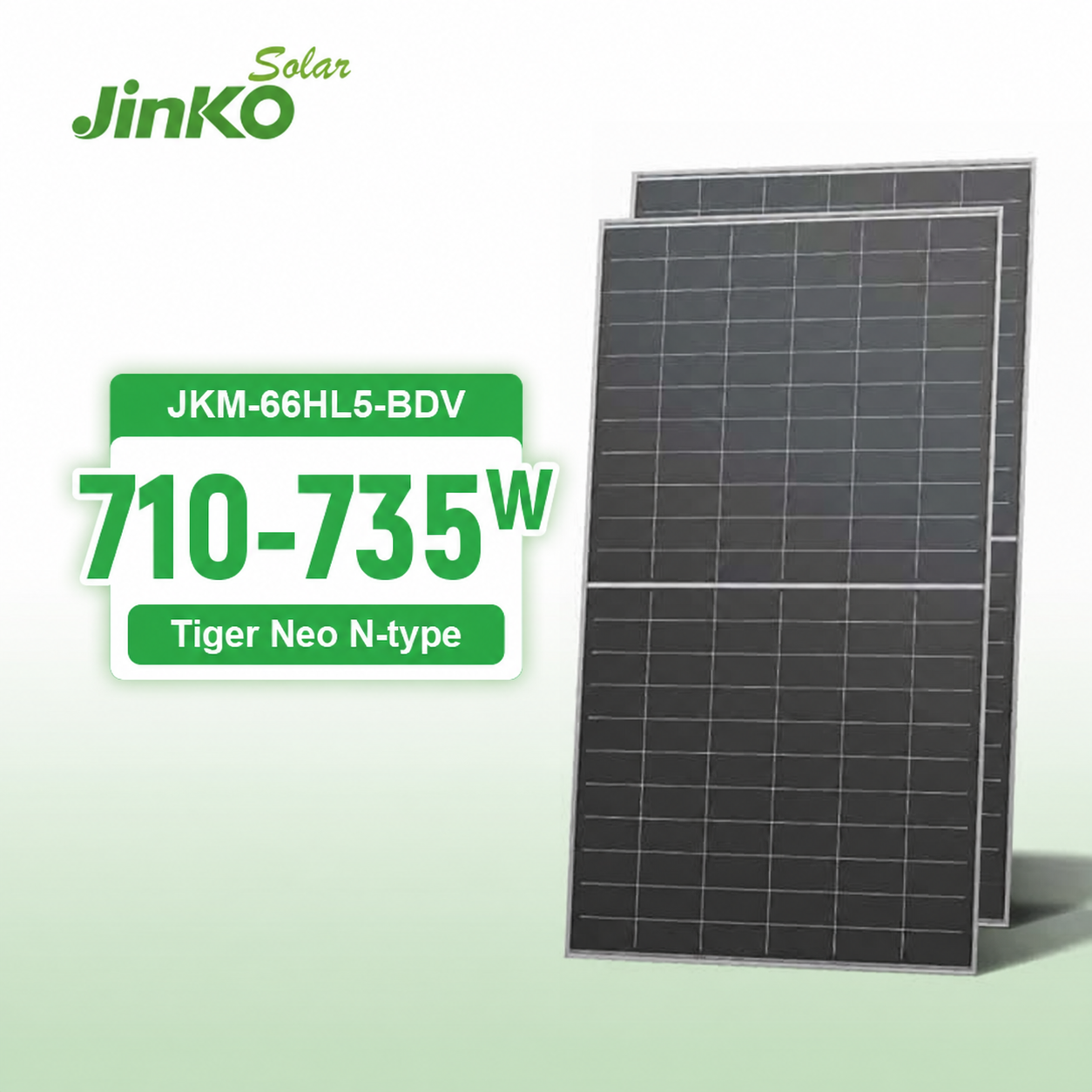
Our engineering department analyzes local irradiation curves, factory load profiles, and peak demand charges to engineer a unified BOM—including tier-one Jinko solar modules, containerized storage, switchgear, and AC distribution.
International Compliance & Bankability
Products carry original manufacturer warranties, backed by international CE, IEC 62619, IEC 61215, TÜV, and UN38.3 test documentation required by institutional project financiers and local electrical grid compliance authorities.
The Future of Industrial Storage: Grid-Forming & AI-Driven EMS
The energy storage industry is entering a high-autonomy era. Beyond passive peak shaving, modern containerized systems serve as dynamic grid stabilizers capable of synthetic inertia injection and black-start coordination.
1. Grid-Forming (GFM) Inverter Controls
Legacy storage systems operate in "grid-following" (GFL) mode, synchronizing current injection to an established grid voltage angle. As high-penetration renewable microgrids displace thermal turbines, containerized storage must transition to grid-forming algorithms. GFM inverters function as true voltage sources, maintaining voltage amplitude and frequency during islanding events, and providing synthetic inertia within milliseconds of network faults.
2. AI-Powered Cloud Energy Management Systems (EMS)
Advanced containerized installations now deploy digital-twin EMS platforms. These systems analyze wholesale day-ahead spot market pricing, real-time meteorological forecasts, and internal battery degradation models to execute automated arbitrage. Cloud predictive analytics detect anomalous cell self-discharge patterns up to 30 days before thermal events can manifest.
Frequently Asked Questions: Procurement, Engineering & Logistics
Clear, uncompromised technical answers addressing common procurement inquiries from global distributors, EPCs, and renewable energy installers.
What is the standard lead time for a 20ft or 40ft containerized BESS?
Standard engineering, fabrication, cell sorting, integration, and factory acceptance testing (FAT) typically requires 6 to 9 weeks. Custom container designs with specialized third-party switchgear or severe climate ratings (e.g., C5 marine anti-corrosion) take approximately 10 to 12 weeks.
How are containerized lithium systems handled under international maritime law?
Lithium energy storage containers are classified as Class 9 Miscellaneous Dangerous Goods (UN 3536, Lithium batteries installed in cargo transport unit). Hangzhou VOLT New Energy prepares full DG declarations, UN38.3 test summaries, and MSDS documentation to ensure customs clearance across Europe, the Americas, Africa, and APAC.
Can your containerized BESS integrate with on-site diesel generators?
Yes. Our integrated hybrid inverters and containerized EMS controllers feature dedicated dry contacts and digital frequency-sensing relays to control auto-generator start/stop functions, optimizing fuel consumption by keeping generators running solely within their peak fuel-efficiency window.
What warranties are provided on cell degradation and container enclosures?
We provide a 10-year performance warranty on the LFP battery racks (guaranteeing remaining capacity ≥70% at 10 years based on standard cycling profiles). The structural ISO container, thermal management system, and auxiliary fire suppression hardware carry comprehensive 5-year warranties backed by serial-numbered factory documentation.
How do you resolve BMS and PCS communication mismatches?
All battery management systems are pre-flashed and bench-tested with the specific PCS communication protocols before export. We verify parameter mapping for over 150 data registers—including Over-Voltage Protection, State of Charge (SoC), State of Health (SoH), and Max Permissible Charge/Discharge limits.
What are the foundation and site civil requirements?
Containerized BESS systems require a level, reinforced concrete strip or pad foundation engineered to support system weight (up to 32 metric tons for a fully equipped 40ft enclosure). Underground conduits must be laid for DC/AC bus cables, auxiliary power feeds, and high-speed fiber-optic SCADA connections.
Design Your Turnkey Megawatt Energy Storage System
Consult with Hangzhou VOLT New Energy's senior BESS application engineers. Share your load curves, grid parameters, or single-line diagrams, and receive a complete engineering proposal, battery sizing schedule, and itemized CIF freight quotation.
Get Catalog