Featured Photovoltaic Generation & Matched Storage Units
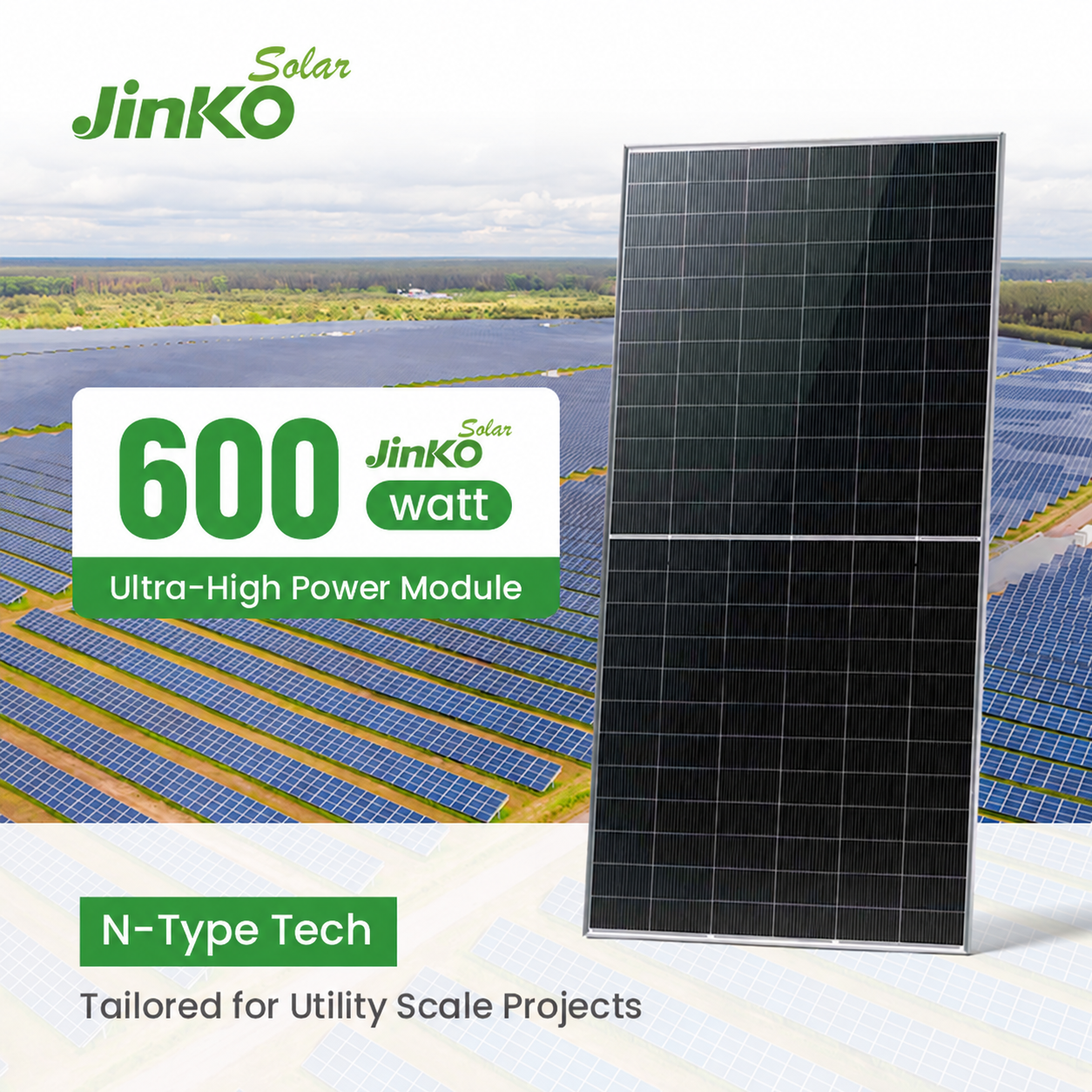
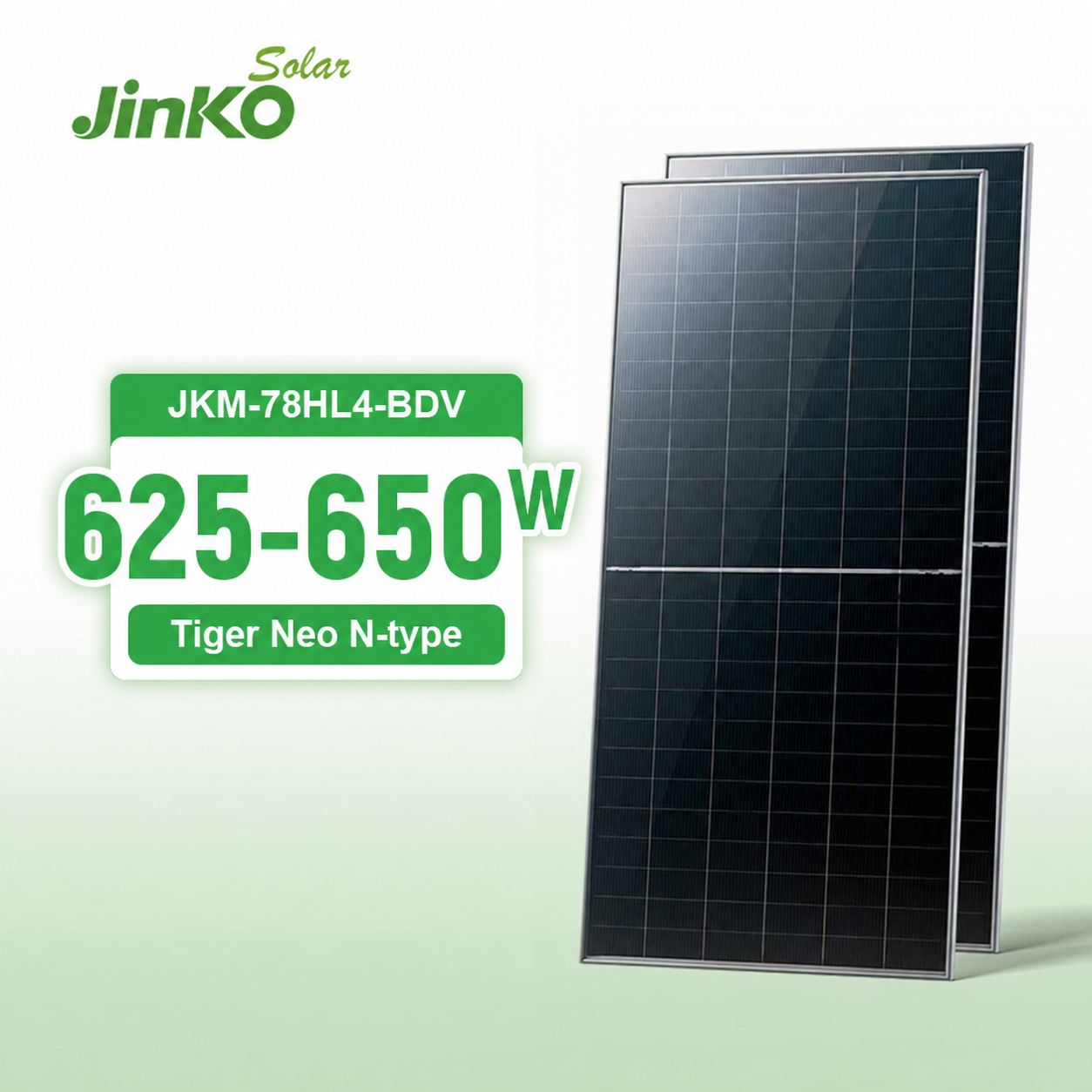
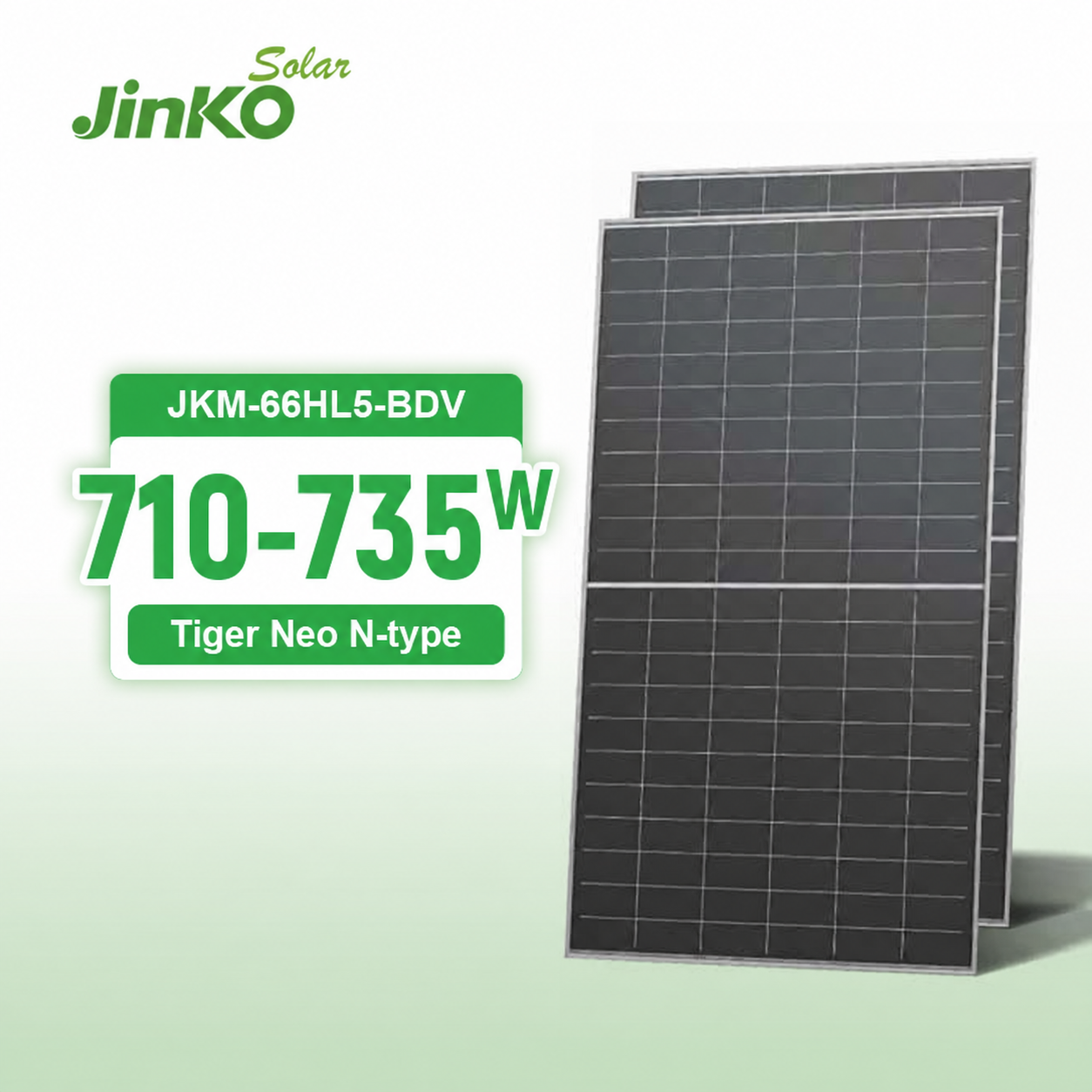
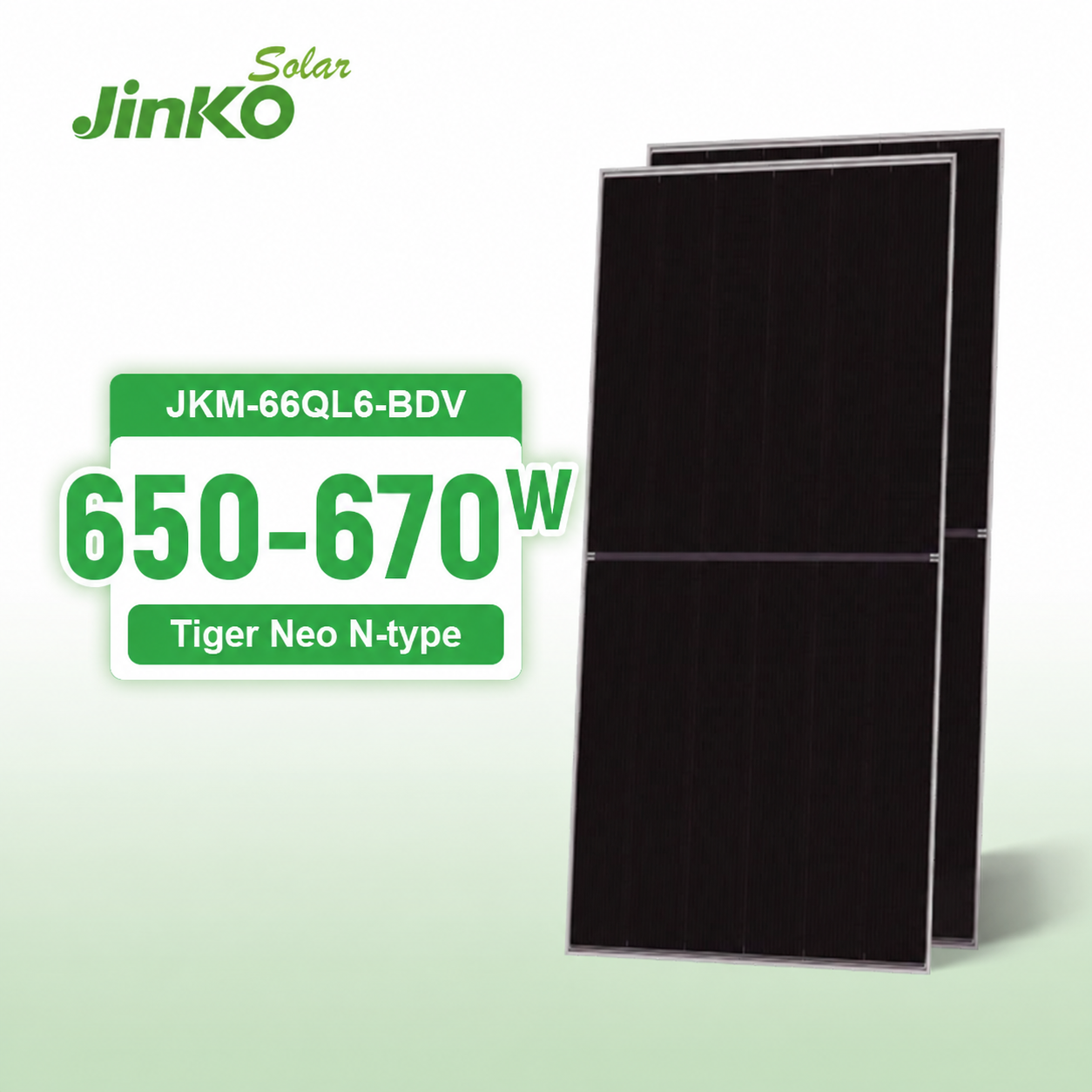
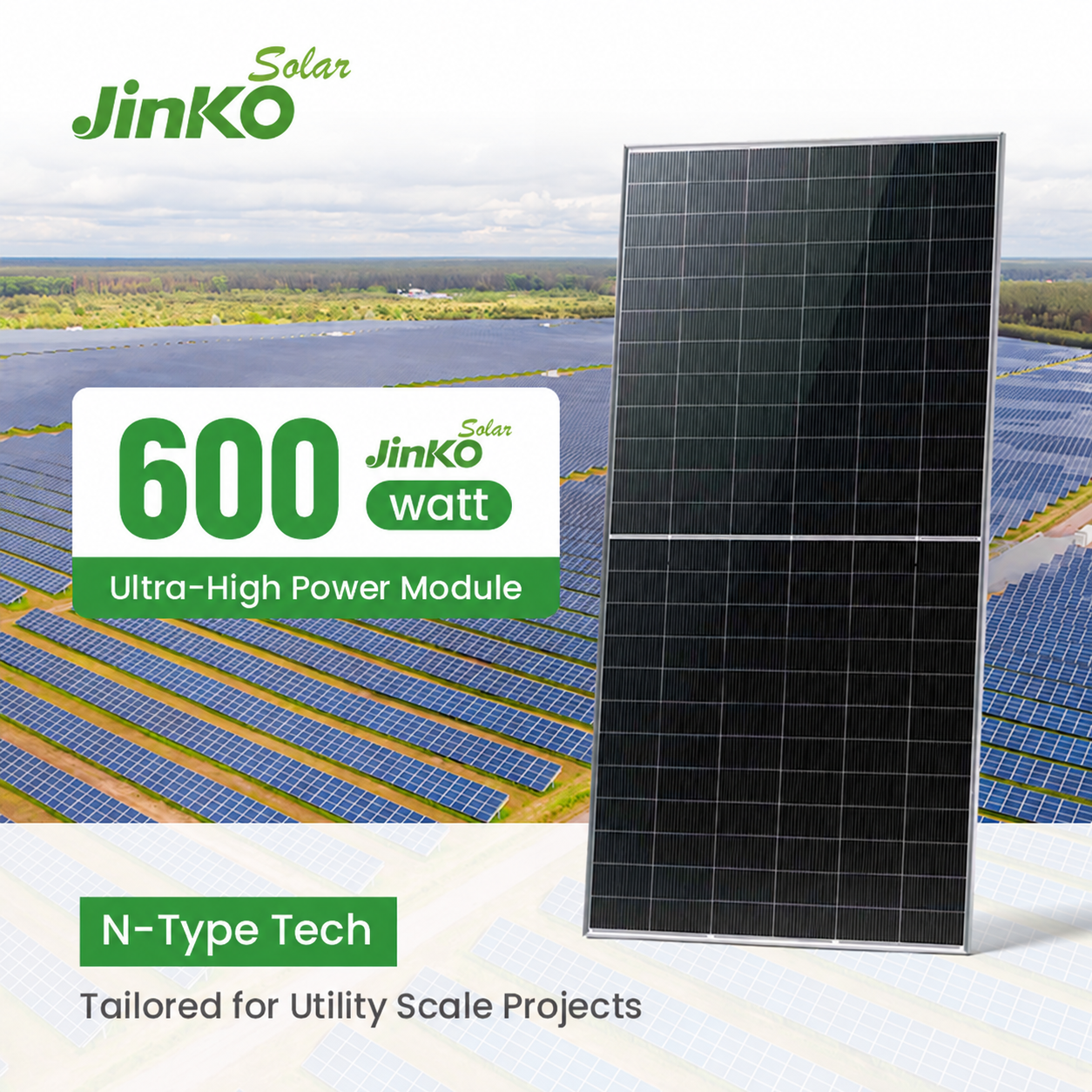
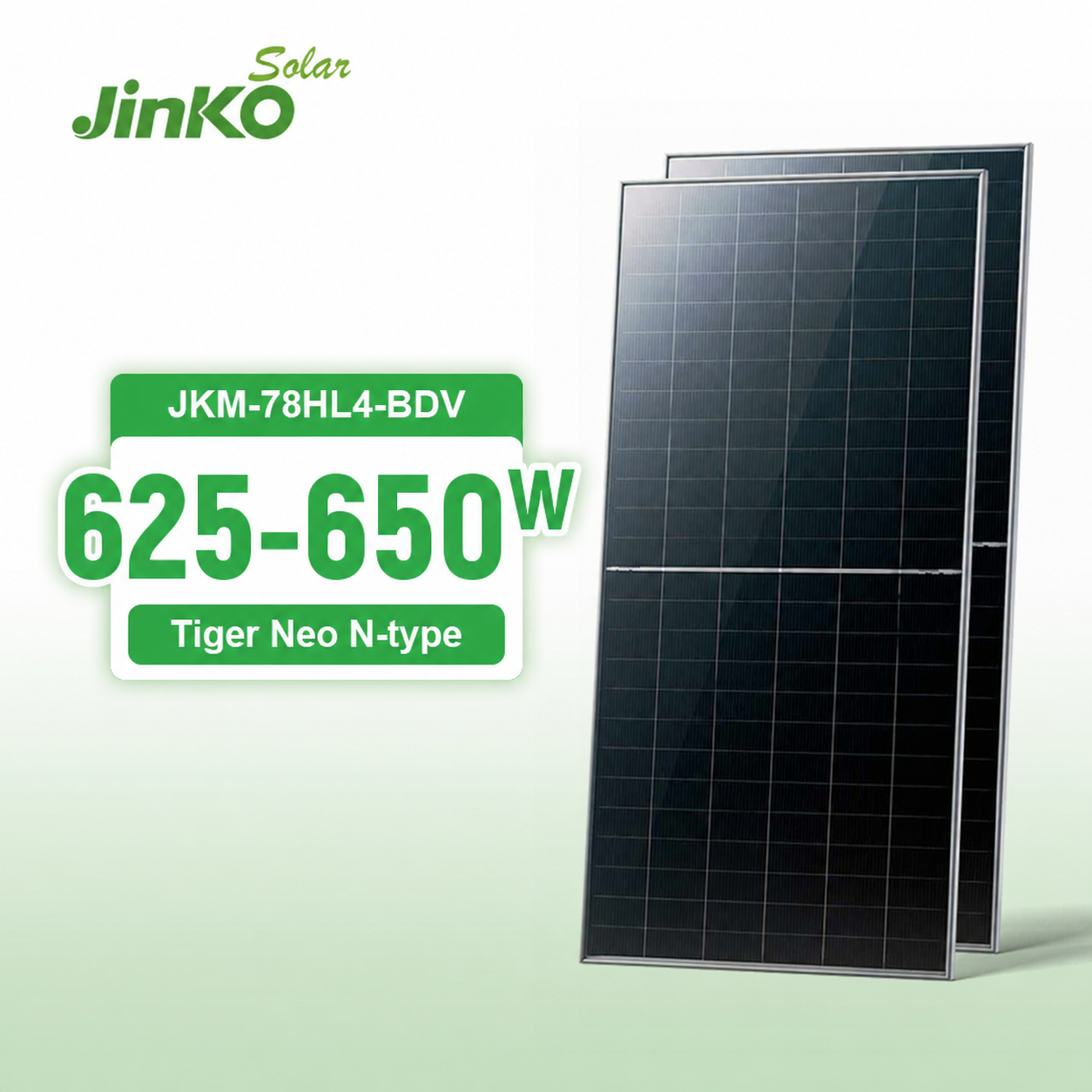
Seamless system-level operation requires matching high-cycle lead carbon battery banks with tier-1 dual-glass bifacial modules and intelligent hybrid inverters. Explore our ready-to-ship solar arrays optimized for international utility, commercial, and residential projects.
The Physics and Electrochemistry of Lead-Carbon Storage Technology
In modern grid-interactive microgrids, telecom base stations, and utility-scale energy storage systems (BESS), the limitations of standard valve-regulated lead-acid (VRLA) batteries have historically been well documented: rapid capacity fade driven by irreversible negative plate sulfation during Partial State of Charge (PSoC) operation. Hangzhou VOLT New Energy Technology Co., Ltd. addresses this operational bottleneck by engineering advanced Lead Carbon batteries. By integrating nanoscale activated carbon materials—possessing exceptionally high specific surface areas (exceeding 1500 m²/g)—into the negative active mass (NAM), our lead-carbon cells create an asymmetric internal supercapacitor parallel to the classic electrochemical reaction.
Overcoming the PSoC Failure Mechanism
Conventional deep-cycle GEL and AGM batteries deteriorate quickly when operated continuously without reaching a 100% full saturation charge. In solar applications, overcast days or irregular solar irradiance force energy storage into prolonged PSoC cycling. During discharge, fine lead sulfate (PbSO₄) crystals form on the sponge lead negative plate. Without immediate full recharging, these fine crystals recrystallize into coarse, dense, electrochemically inert lead sulfate structures that permanently insulate the grid, drastically increasing internal resistance ($R_i$) and causing early battery death.
The incorporation of capacitive carbon in our lead-carbon negative electrode alters this dynamic completely. The carbon matrix provides a dual benefit: First, it acts as an electrostatic double-layer capacitor, absorbing and releasing high-current pulses without triggering localized electrochemical stress. Second, it suppresses the growth of large, non-conductive PbSO₄ crystals, maintaining plate conductivity and allowing our lead carbon cells to achieve over 4,200 cycles at 70% Depth of Discharge (DoD), an endurance curve approaching standard lithium iron phosphate (LiFePO4) chemistries while preserving absolute safety against thermal runaway.
Direct Electrochemical Comparison Matrix
To provide EPC procurement engineers with quantitative parameters, the following data reflects bench-tested performance parameters across major battery storage chemistries deployed in commercial solar projects:
| Electrochemical Metric | Standard Flooded / AGM | Deep Cycle GEL (Colloidal) | Industrial Lead-Carbon | Lithium Iron Phosphate (LFP) |
|---|---|---|---|---|
| Cycle Life (70% DoD @ 25°C) | 600 – 900 Cycles | 1,200 – 1,800 Cycles | 3,800 – 4,500 Cycles | 4,500 – 6,000 Cycles |
| PSoC Cycle Endurance | Extremely Poor (Sulfation in 60d) | Moderate (Requires Periodic Boost) | Superior (Continuous Operation) | Exceptional |
| Thermal Stability Window | -10°C to +40°C | -20°C to +50°C | -25°C to +55°C | 0°C to +45°C (Requires BMS Heating) |
| Thermal Runaway Hazard | Low (Venting Risk) | Virtually Zero | Absolute Zero (Non-Combustible) | Mitigated via Certified BMS |
| Round-Trip Energy Efficiency | 78% – 82% | 82% – 85% | 88% – 92% | 95% – 98% |
| Recyclability & Closed Loop | >98% Mature Global Network | >98% Standard Smelting | >98% Closed Loop Circularity | ~50% Emerging Pyrometallurgy |
| Initial Capital Expenditure ($/kWh) | Lowest ($) | Low ($$) | Moderate ($$$) | Higher ($$$$) |
As illustrated in the comparative performance matrix, Lead-Carbon operates as the premier techno-economic bridge. In jurisdictions where lithium transport is strictly restricted, or where fire safety codes (such as NFPA 855) impose severe spatial setbacks and expensive clean-agent suppression infrastructure, Lead-Carbon represents the lowest Levelized Cost of Storage (LCOS) alternative over a 15-year lifecycle.
Future Procurement Trends in Lead Carbon Energy Storage
Shifts in maritime freight regulations, raw material geopolitics, and circular economy compliance are redefining how global B2B buyers procure high-capacity storage banks.
Strict Fire Codes & Lithium De-risking
Commercial facilities, indoor storage projects, and underground substations in Europe and North America increasingly demand non-propagating, intrinsically safe battery chemistries. Lead-carbon contains no flammable organic electrolytes, allowing project permits without massive hazardous-materials insurance overheads.
Consolidated Multi-Component Sourcing
Tier-1 solar EPC contractors are actively moving away from multi-vendor fragmentation. Procurement trends show a decisive shift toward single-source factory integrators who supply matched modules (such as Jinko TOPCon), pre-configured Deye hybrid inverters, and certified storage racks in a single unified shipping container.
Mandated Closed-Loop Recycling
With stringent sustainability mandates (like the EU Battery Regulation), institutional buyers require complete cradle-to-grave traceability. Lead-carbon boasts an established worldwide recycling chain with a 99% hydrometallurgical recovery rate, insulating importers from future recycling levy penalties.
Technological Horizons: Next-Generation Lead-Carbon
Continuous advancements in material science are expanding lead-carbon energy density and dynamic charge acceptance (DCA).
Graphene & CNT Hybrid Matrices
By doping the negative plate's activated carbon with multi-walled carbon nanotubes (MWCNTs) and graphene oxide sheets, electron percolation thresholds are dramatically lowered. This engineering leap accelerates dynamic charge acceptance up to 3C rates during solar irradiance surges.
Bipolar Plate Architectures
Moving from conventional prismatic internal lugs toward flat bipolar substrate configurations reduces parasitic current resistance by up to 60%. This yields higher volumetric energy density ($Wh/L$), shrinking cabinet footprints for containerized utility ESS projects.
Nanogel Silica Colloidal Electrolytes
Integrating thixotropic fumed silica into the sulfuric acid electrolyte prevents acid stratification under continuous high-temperature discharge. The resulting nanogel structure ensures maintenance-free operation across harsh Middle Eastern and African climates without drying out.
Enterprise Competence & Global Export Assurance
Hangzhou VOLT New Energy Technology Co., Ltd. eliminates international procurement risk through strict engineering qualification, certified factory partnerships, and comprehensive logistics management.

Pre-Shipment Hardware Compatibility
We bench-test every inverter-to-battery communication loop before packing. Whether deploying low-voltage 48V banks or high-voltage commercial stacks, our engineers align CAN / RS485 protocols, voltage cut-offs, and BMS dip switches to ensure error-free commissioning on site.

Rigorous Electrical QA Benchmarks
Every cell batch undergoes internal resistance screening, automated capacity cycling, and high-voltage dielectric insulation tests. We supply video reports, serial number tracking records, and factory flash test sheets before container sealing.

Export-Ready Dangerous Goods Logistics
From complete Class 9 DG maritime documentation to non-hazardous chemical declarations for gel and lead carbon batteries, we handle UN38.3, MSDS, and maritime packaging declarations to ensure swift destination customs clearance without demurrage.

Full Turnkey System Architecture
Rather than selling isolated parts, we calculate daily load curves, sun-hour variations, and autonomy requirements. Our engineers provide CAD single-line diagrams (SLD), DC circuit breaker sizing, and mounting hardware layouts for your local installation crews.
Frequently Asked Engineering & Sourcing Questions
Clear, practical answers addressing common procurement specifications, logistics hurdles, and system matching inquiries.
How does Lead-Carbon battery cycle life compare to LiFePO4 in real solar deployments?
While high-end LiFePO4 batteries achieve 5,000–6,000 cycles under controlled 25°C laboratory conditions, real-world field conditions often involve elevated ambient heat (35°C–45°C) which accelerates lithium capacity degradation unless climate-controlled. Industrial Lead-Carbon consistently delivers 3,800–4,200 cycles at 70% DoD across broader temperature limits (-25°C to +55°C) without requiring auxiliary HVAC parasitic consumption, yielding a highly competitive overall Levelized Cost of Storage (LCOS).
Can Deye hybrid inverters be configured to charge Lead-Carbon battery banks?
Yes. Deye single-phase (e.g., 5kW, 8kW, 12kW) and three-phase (e.g., 10kW, 15kW, 50kW) hybrid inverters support customized battery charge/discharge voltage parameters. On the Deye touchscreen, our engineers pre-program the "Lead-Acid / Custom" profile: setting bulk charge, absorption voltage (typically 14.1V–14.4V per 12V block), float voltage (13.5V–13.8V), and low-voltage cut-offs. We deliver complete step-by-step parameter setup guides with every consolidated shipment.
What international documentation is required for Lead-Carbon battery ocean freight?
Unlike lithium batteries which must ship strictly under Class 9 UN3480 Dangerous Goods regulations, sealed valve-regulated Lead-Carbon and Colloidal GEL batteries that pass vibration, pressure differential, and temperature tests under IMDG Code Special Provision 238 can frequently ship as non-restricted / non-hazardous ocean cargo. Hangzhou VOLT New Energy provides certified MSDS, Safe Transport of Chemical Goods certificates, and factory test reports recognized by major shipping lines (COSCO, Maersk, MSC) to simplify clearance.
Can we mix Jinko solar panels and battery storage in a single consolidated container?
Consolidated mixed container loads are our core competency. We engineer weight and volume distribution plans in 20GP or 40HQ containers: bottom-loading heavy lead-carbon or GEL battery pallet banks on reinforced flooring, while securing pallets of Jinko N-Type dual glass modules and inverter boxes above with anti-vibration strapping. This saves international importers tens of thousands of dollars in multiple LCL handling fees and destination terminal charges.
What is the recommended Maximum Depth of Discharge (DoD) for commercial microgrids?
For optimal balance between usable storage capacity and 10–12 year service life, we recommend configuring your inverter cut-off at 70% DoD. However, in the event of extended grid outages or prolonged rain, our Lead-Carbon cells safely endure 80% to 90% deep discharge without catastrophic sulfation, provided the solar array or standby generator recharges the system promptly back into operational state.
How are warranty claims handled across international territories?
All products carry formal manufacturer warranties: Jinko PV modules feature 12-year product and 30-year linear performance warranties; Deye inverters feature 5 to 10-year warranties; and our energy storage batteries carry formal commercial warranties stated on your proforma invoice. We maintain digital manufacturing batch records and dispatch replacement units or spare PCB components directly on subsequent container dispatches or via expedited air courier when field issues arise.
Request an Engineered Storage & PV Configuration
Provide your required daily kilowatt-hour (kWh) demand, peak inverter load, and destination port. Our technical sales engineers in Hangzhou will deliver a complete, matched system bill of materials, compatibility report, and freight quote within 24 hours.