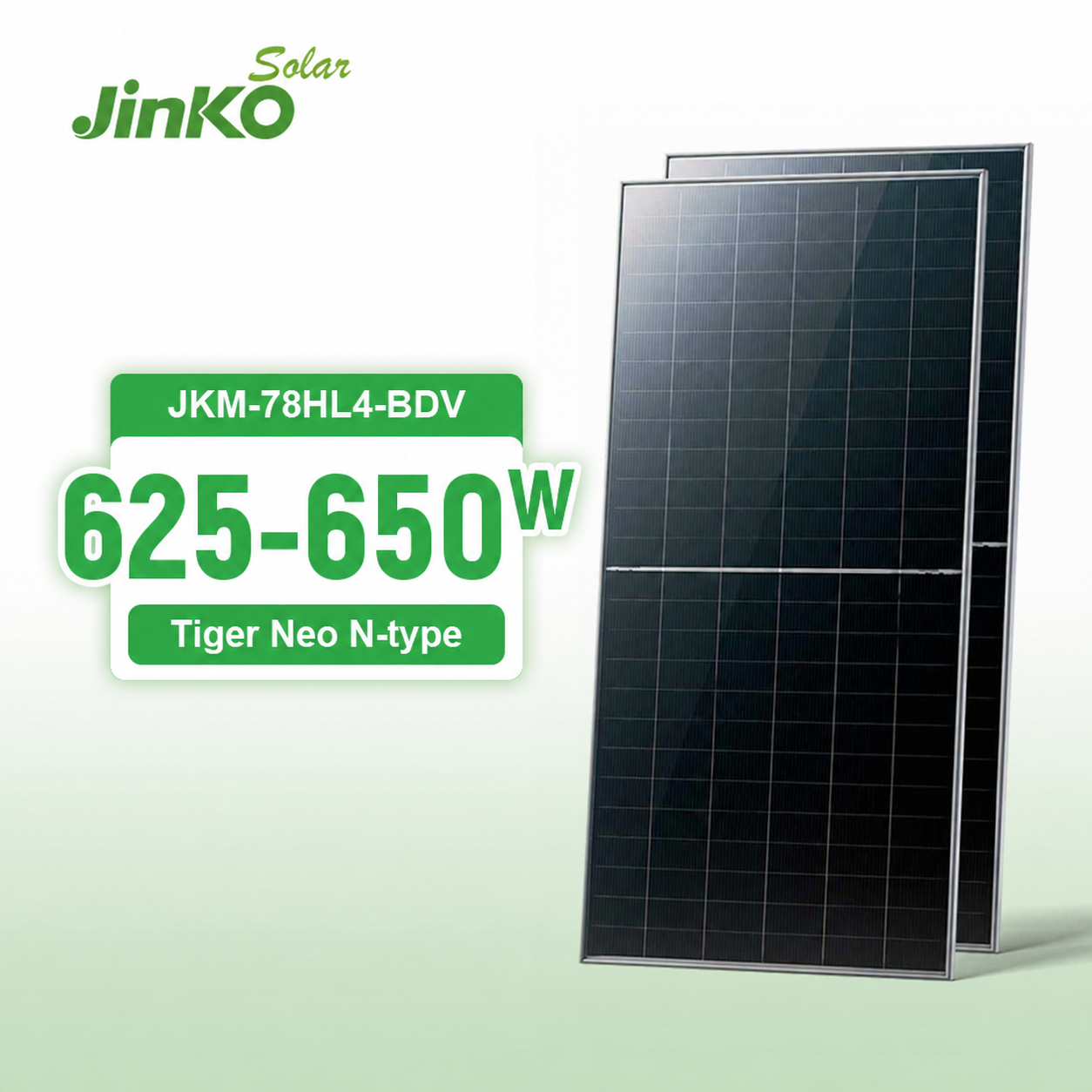
Matched System Integration Components
Factory-Verified Turnkey Solar Array Modules
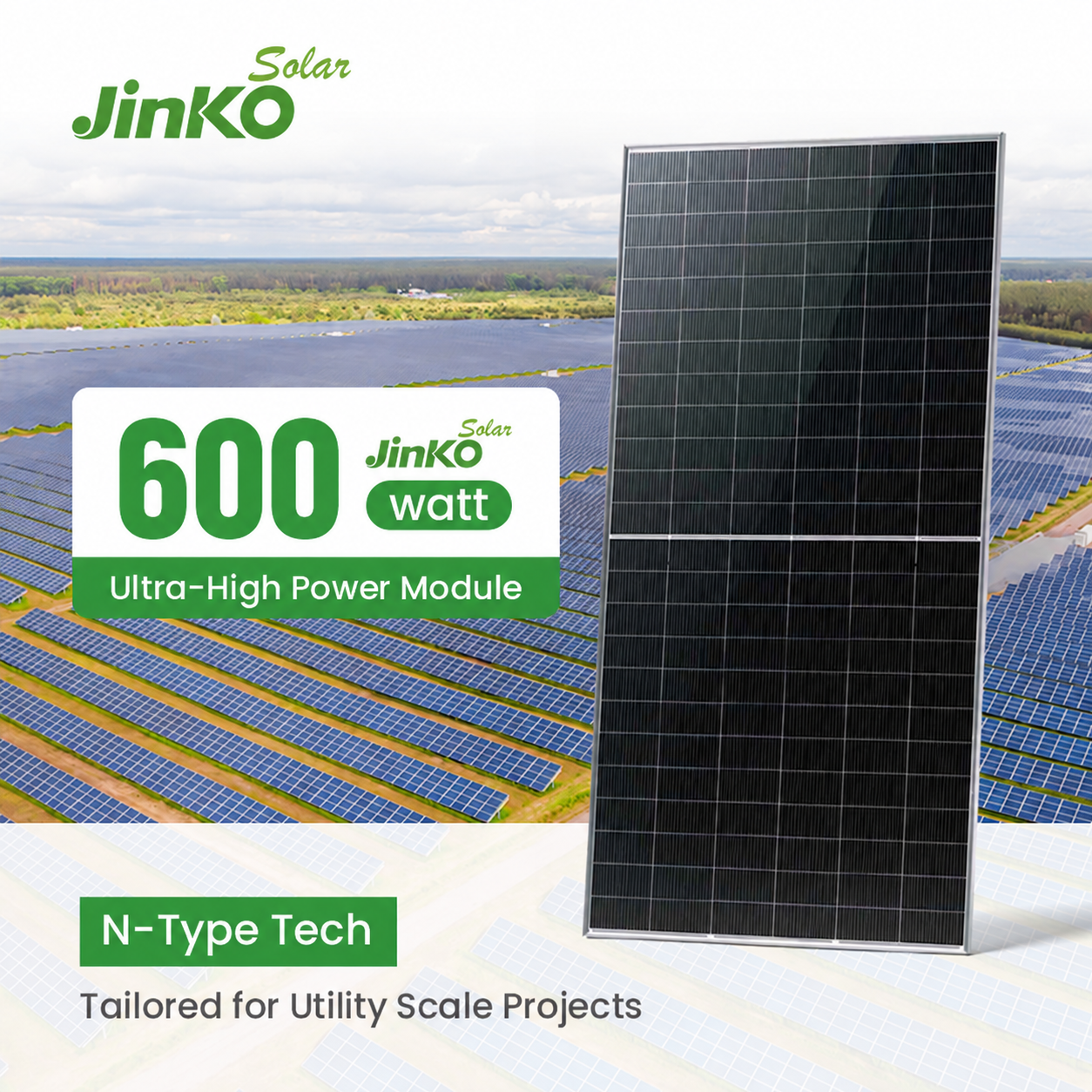
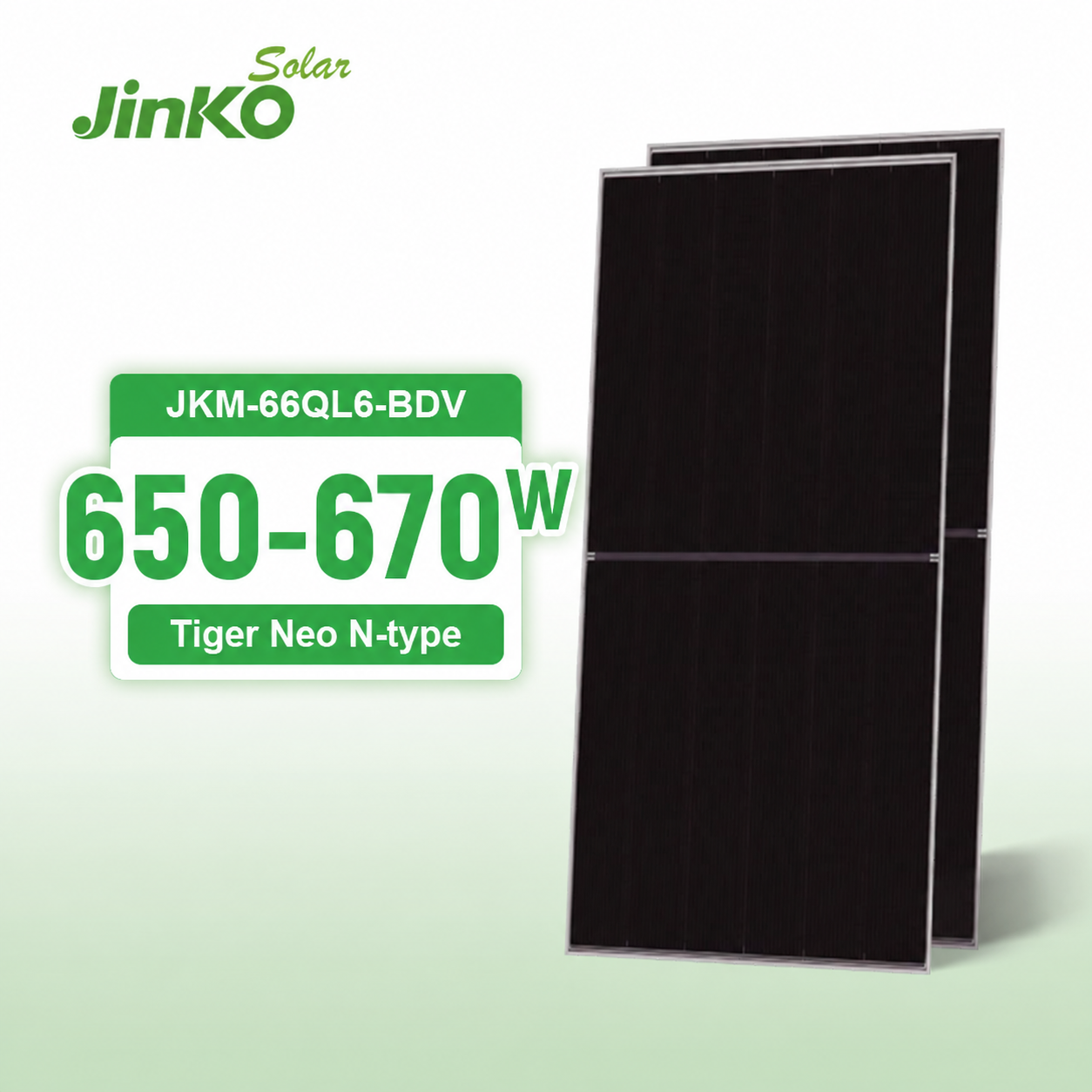
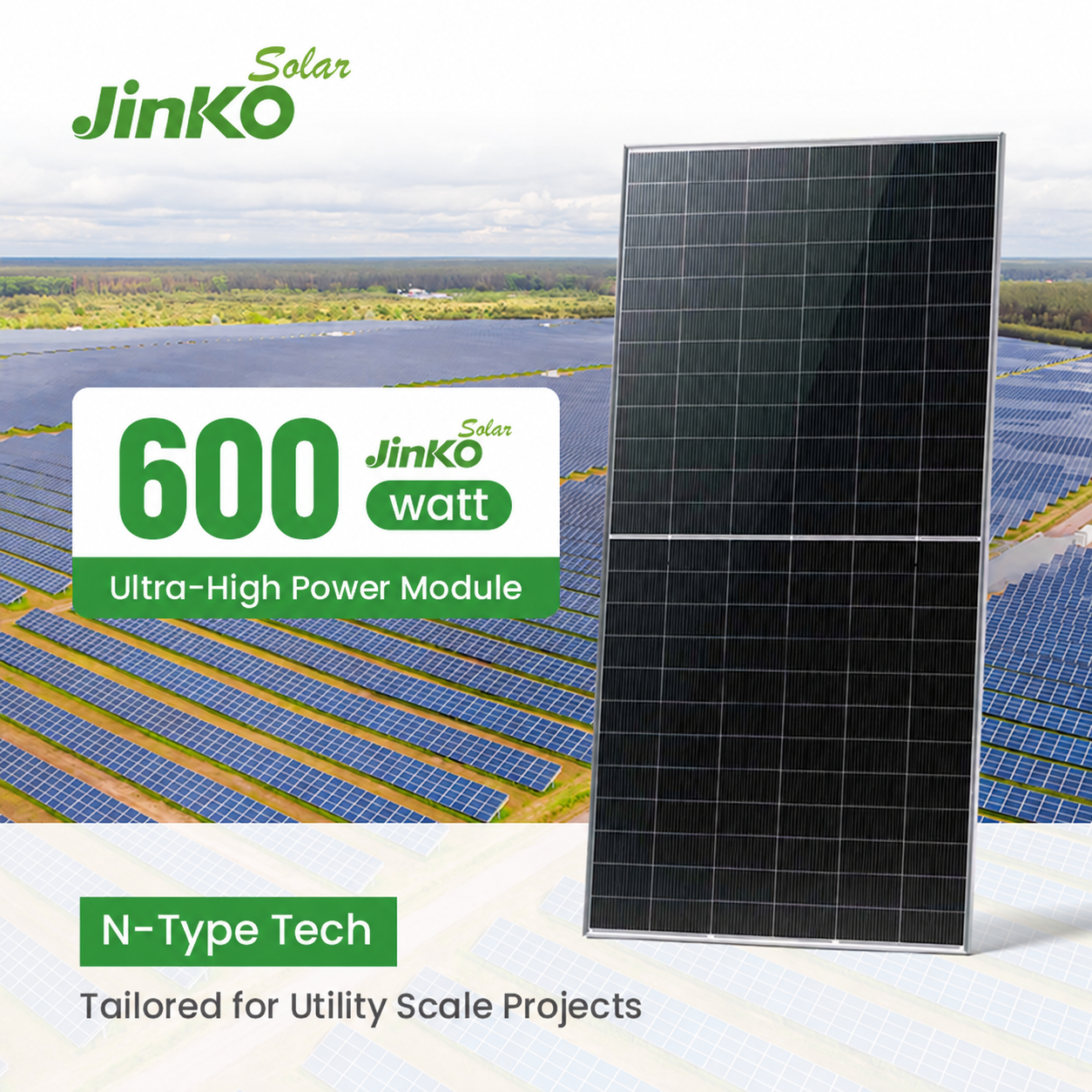
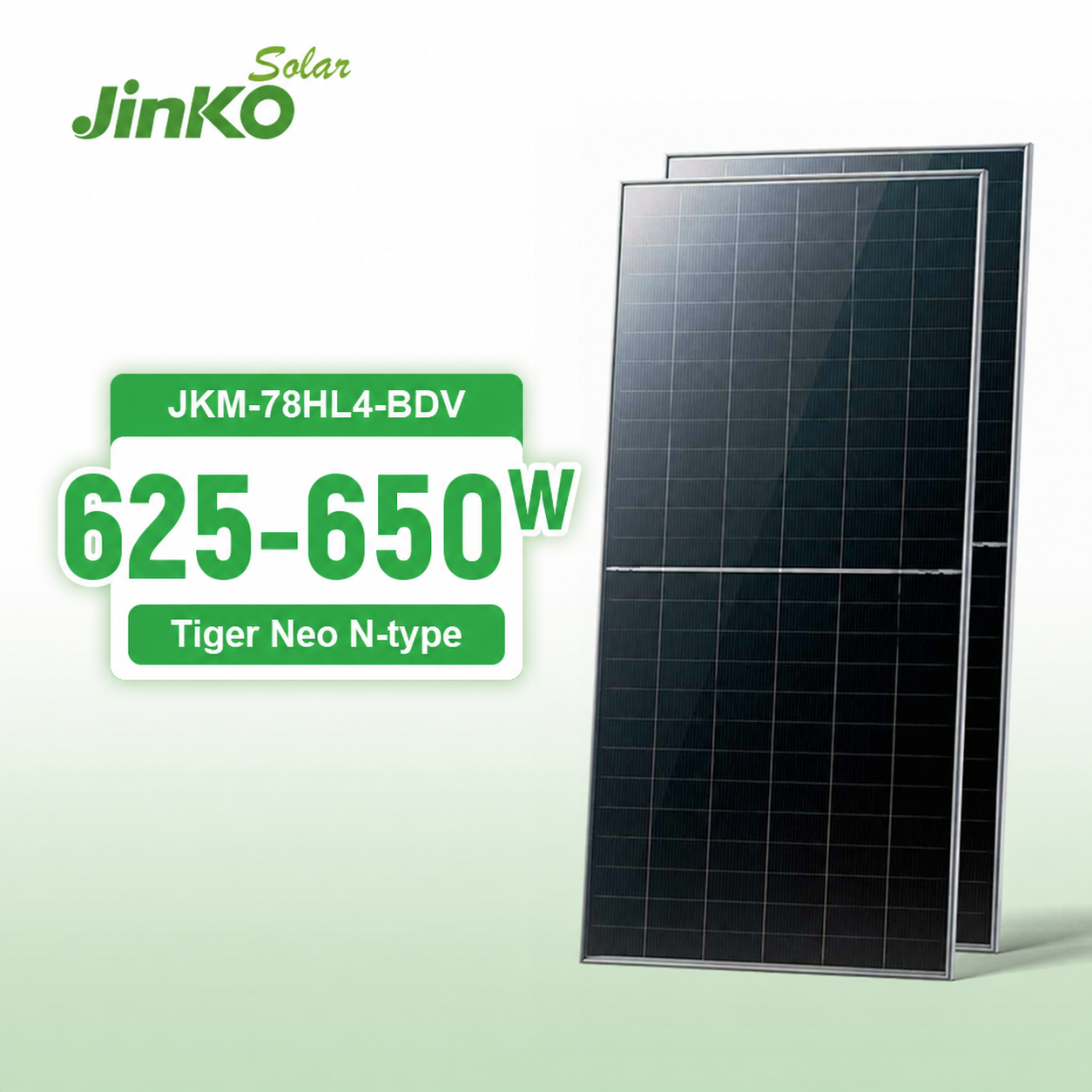
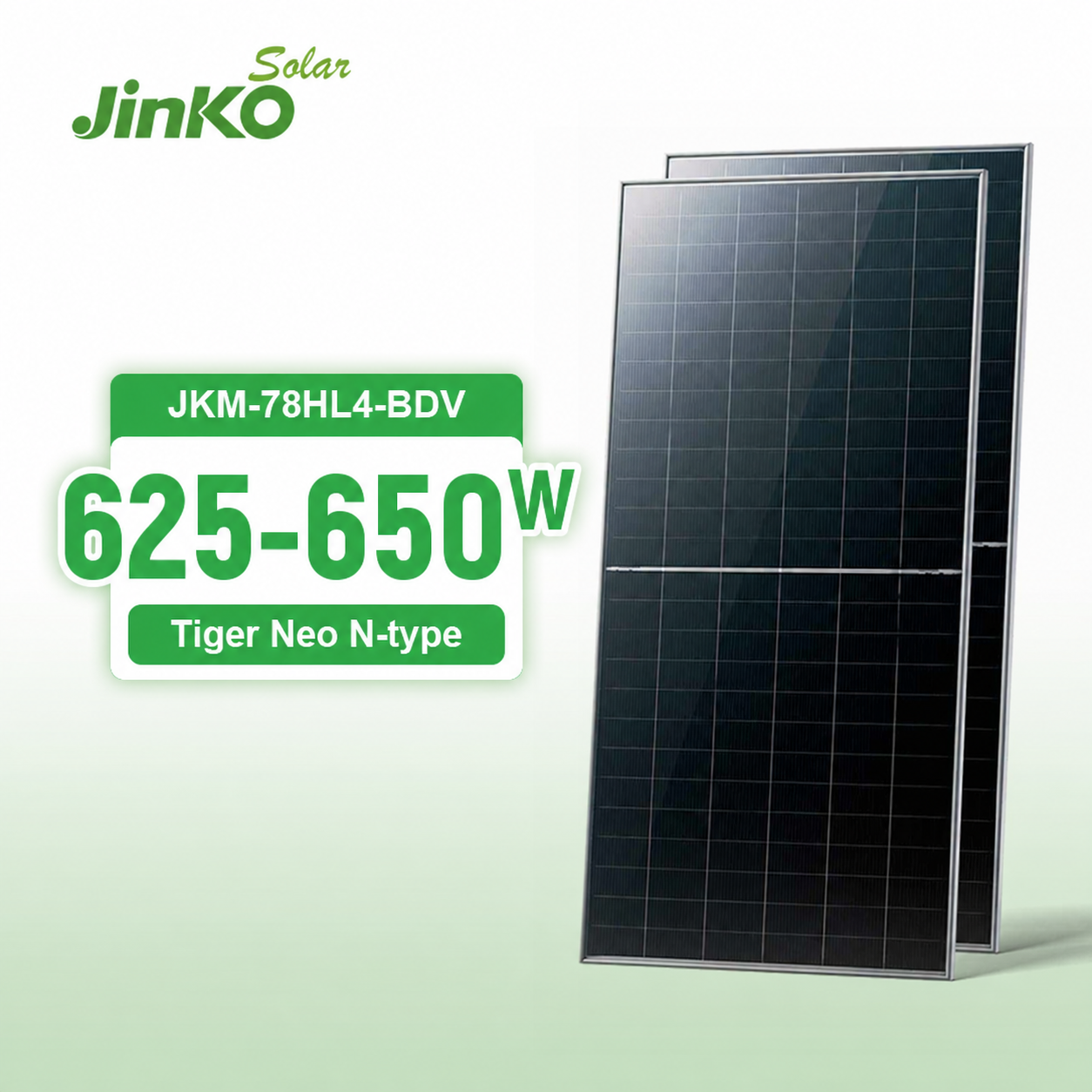
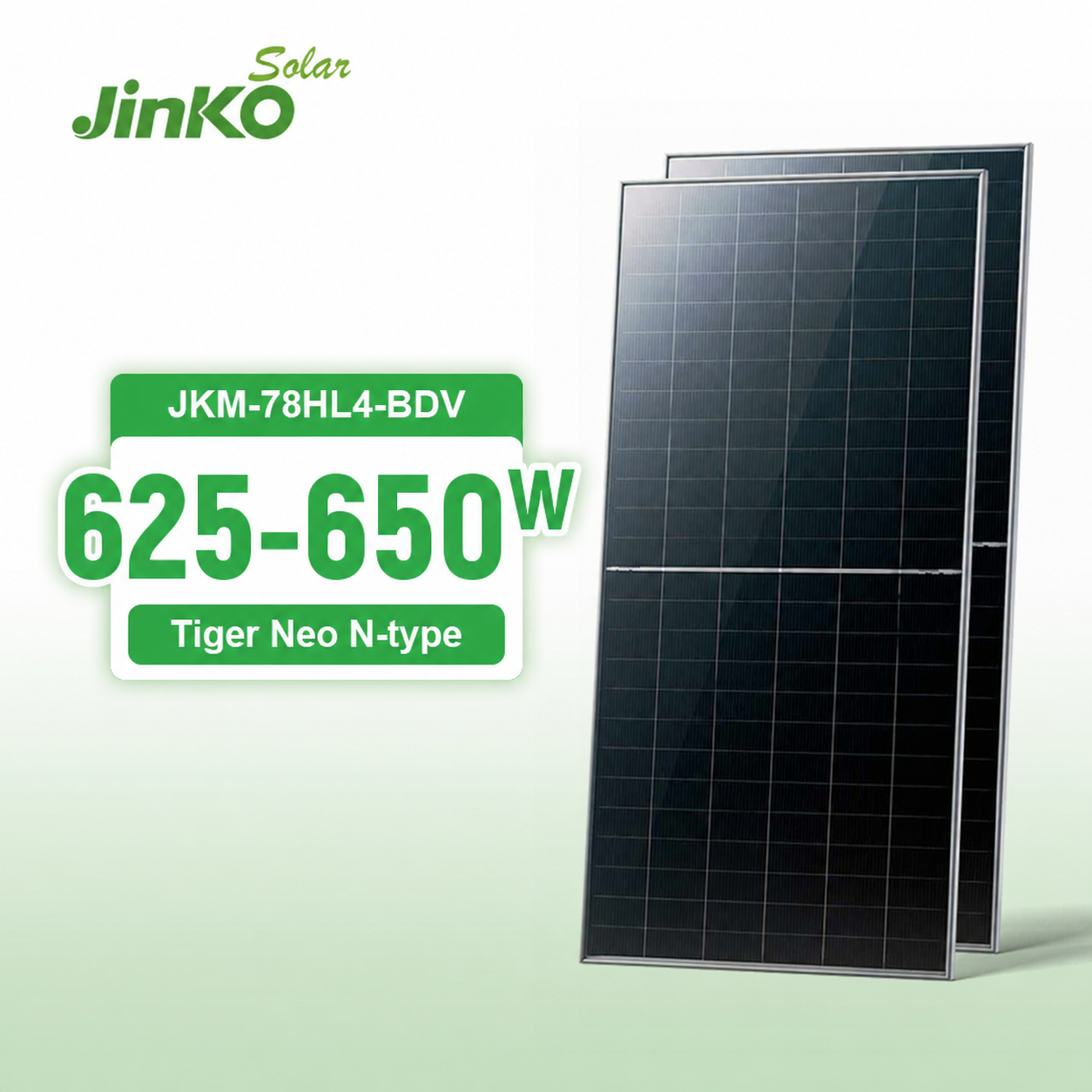
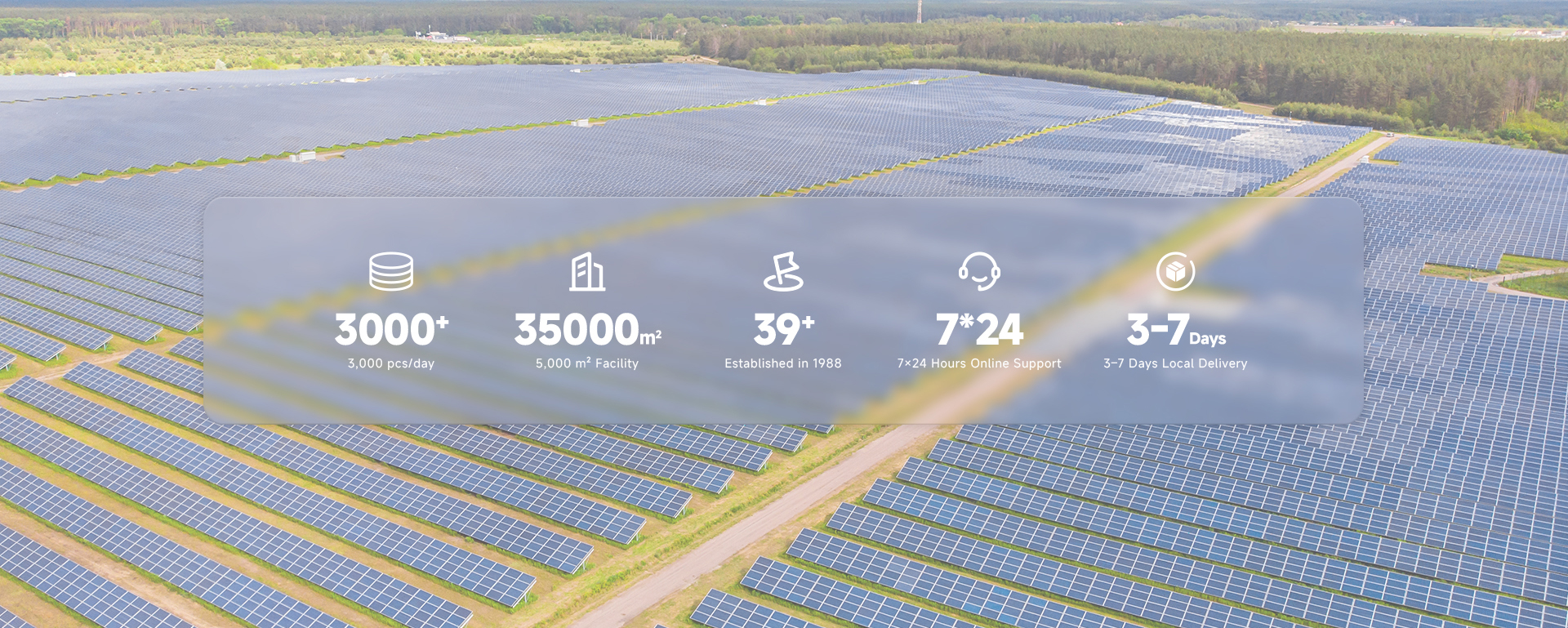
Direct from Tier-1 production lines, these high-efficiency N-Type bifacial photovoltaic modules are pre-engineered to match our standard 48V/51.2V and High-Voltage (HV) rack-mount LiFePO4 battery banks via Deye hybrid inverters, eliminating MPPT clipping and balancing Balance-of-System (BOS) capital expenditure.
Technical Architecture Whitepaper
Why Server Rack LiFePO4 Dominates Modern Energy Storage
In mission-critical telecom installations, commercial microgrids, and decentralized residential solar plants, the standard 19-inch rack-mounted lithium iron phosphate (LiFePO4) architecture has replaced lead-acid and wall-hung battery configurations as the industry benchmark for safety, density, and modular scalability.
The global energy storage ecosystem is experiencing a structural pivot. Engineering, Procurement, and Construction (EPC) contractors and high-volume distributors no longer evaluate battery systems solely on upfront CapEx per kilowatt-hour ($/kWh). Instead, procurement decisions are dictated by Levelized Cost of Storage (LCOS), volumetric footprint efficiency, thermal runaway tolerance, and deterministic closed-loop communication with hybrid inverter topologies.
Standardized 19-inch 3U/4U/5U rack-mount LiFePO4 modules (such as 48V 100Ah, 51.2V 100Ah, and 51.2V 200Ah configurations) provide unmatched mechanical stability and thermal management. Compared to monolithic residential wall-hung batteries, server rack configurations feature distinct thermal airflow corridors between stacked units, isolated high-current busbars, and field-replaceable modular Battery Management System (BMS) boards, drastically reducing the Mean Time to Repair (MTTR).
Furthermore, the inherent chemical stability of the LiFePO4 olivine crystal structure ($\text{LiFePO}_4$) provides an iron-phosphate covalent bond far stronger than the cobalt-oxide bonds found in NMC or NCA chemistries. Even under mechanical puncture, external short circuit, or thermal stress exceeding 270°C, oxygen release does not occur, virtually eliminating self-sustaining thermal runaway risk in closed indoor plant rooms.
Integrated multi-cabinet server rack battery arrays deployed alongside high-efficiency hybrid inverters for industrial continuous backup.
Critical Engineering Parameter: The 15S vs. 16S Cell Topology Divide
A critical distinction in rack-mount LiFePO4 sourcing is cell series configuration: 15S (48.0V nominal, 54.0V charge cutoff) versus 16S (51.2V nominal, 57.6V charge cutoff). While legacy telecom systems historically utilized 15S packs to mimic 4-unit 12V lead-acid strings, modern Tier-1 hybrid solar inverters (e.g., Deye, Luxpower, Victron) operate with peak DC-to-AC conversion efficiency when fed by 16S architectures. Sourcing 16S packs provides a broader operational discharge curve, prevents premature low-voltage inverter cutoffs under heavy dynamic motor surges, and yields 6.6% additional usable capacity from the identical cell ampere-hour rating.
Enterprise Manufacturing Authority
VOLT New Energy: Precision Production & Supply Chain Rigor
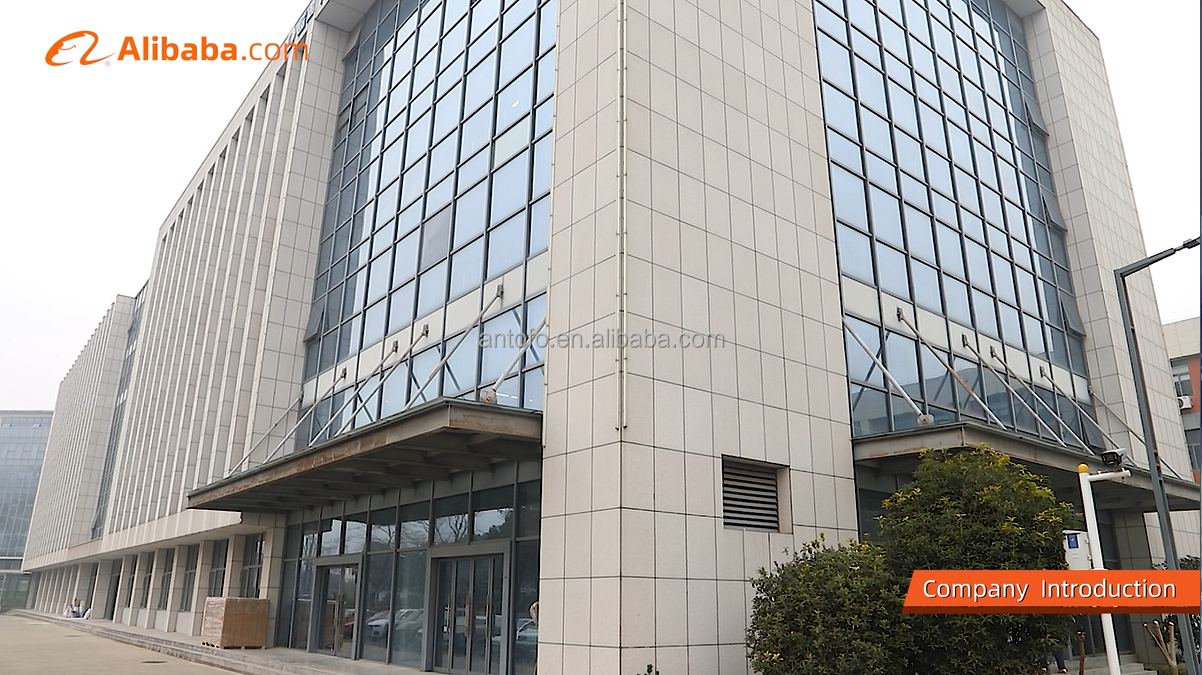
Headquartered in Hangzhou, Zhejiang, Hangzhou VOLT New Energy Technology Co., Ltd. bridges the gap between raw manufacturing capability and turnkey system reliability. Every cell, module, and cabinet is verified across four automated inspection milestones before export clearance.

Grade-A Cell Sorting Rigor
We source only 100% brand-new Grade-A prismatic cells (EVE, CATL, REPT). Each cell undergoes a four-parameter sorting process: Open Circuit Voltage (ΔOCV ≤ 1mV), Internal AC Resistance (ΔAC-IR ≤ 0.05mΩ), and capacity consistency matching to ensure zero early-pack degradation.

Automated Laser Welding
Modules are assembled using robotic fiber laser welders, replacing screw-down terminals with solid aluminum-copper busbars. This process eliminates loose terminal resistance, withstands high vibration during sea transport, and keeps joint temperature below 42°C under continuous 1C discharge.
Pre-Shipment Protocol Verification
The primary cause of on-site RMA claims is inverter-battery communication failure. VOLT New Energy connects every production batch to actual Deye, Growatt, and Victron inverters, testing CAN 2.0B / RS485 closed-loop handshake, DIP switch addressing, and dynamic charge-limit cutoffs.

Consolidated Cargo Freight
We resolve the maritime dangerous goods (Class 9 DG) puzzle. Tier-1 Jinko solar panels, Deye inverters, and our LiFePO4 rack batteries are consolidated into balanced 20ft/40ft HQ containers with UN38.3, MSDS, and drop-tested packaging, saving buyers up to 32% in destination port handling charges.
Need custom OEM front-panel branding, custom CANbus protocols, or multi-rack sizing?
Contact Us
Technical Specification Benchmark
Standard Rack Configurations vs. High-Voltage Stacks
Compare mechanical dimensions, cycle performance, BMS architecture, and optimal application scenarios across our core server rack product matrix.
| Specification Parameter | 48V 100Ah (3U Rack) | 51.2V 100Ah (3U Standard) | 51.2V 200Ah (5U High-Density) | High-Voltage (HV) Stack (100Ah) |
|---|---|---|---|---|
| Nominal Energy | 4.80 kWh | 5.12 kWh | 10.24 kWh | 20.48 kWh – 61.44 kWh (Scalable) |
| Cell Chemistry & Series | LiFePO4 / 15S Prismatic | LiFePO4 / 16S Prismatic | LiFePO4 / 16S 200Ah Prismatic | LiFePO4 / 64S – 192S Series Stacks |
| Nominal Voltage Range | 42.0V – 54.0V DC | 44.8V – 57.6V DC | 44.8V – 57.6V DC | 160V – 600V DC High-Voltage Bus |
| Continuous Discharge / Peak | 50A / 100A (3 sec) | 100A / 150A (15 sec) | 100A / 200A (15 sec) | 50A / 100A continuous |
| Cycle Life (@ 25°C, 80% DoD) | ≥ 4,500 Cycles | ≥ 6,000 Cycles | ≥ 6,500 Cycles | ≥ 8,000 Cycles (Active Thermal) |
| BMS Balancing Method | Passive (35mA bleed) | Passive (50mA) or Active (1A) | Active Dynamic Equalizer (1.5A) | Master-Slave Central Active Balancing |
| Inverter Handshake | RS485 / RS232 | CAN 2.0B / RS485 / Modbus RTU | Dual CAN 2.0B / RS485 / Wi-Fi | CAN Bus High-Speed Isolated |
| Target Application | Telecom BTS, Off-Grid Backup | Residential PV + Deye Hybrid | Luxury Villas, Micro-Commercial | C&I Factories, Peak Shaving, EV Charging |
| Compliance Standard | CE, UN38.3, MSDS | IEC 62619, UL 1973, CE-LVD | IEC 62619, UL 1973, UN38.3 | UL 9540A, IEC 62619, CE, VDE 2510 |
Industry Horizon
Emerging Engineering Trends in Rack Battery Manufacturing
Technological disruption is accelerating in energy storage factories. Sourcing managers and EPC leaders must align procurement cycles with these four macro-engineering shifts occurring across China's leading manufacturing clusters.
Migration to 314Ah+ Prismatic Cells
The era of 100Ah and 280Ah cells is yielding to the 314Ah / 320Ah form factor. By adopting 314Ah cells with zero footprint increase, factory engineers achieve a 12% to 15% increase in cabinet volumetric energy density, lowering enclosure sheet metal, busbar copper mass, and terminal labor per megawatt-hour.
Active Energy-Transfer Balancing
Legacy passive balancing burns excess cell energy as heat via resistors, limited to 30mA–60mA balancing currents. Advanced 2025+ server rack BMS units employ inductive or capacitive 1A–2A active balancing, shuffling charge between highest and lowest cells during both charging and discharging states, boosting usable capacity by up to 9% over 10-year lifespans.
Cloud-Edge AI Predictive Diagnostics
Modern BMS boards integrate on-board microcontrollers executing lightweight electrochemical models. Coupled with 4G/Wi-Fi telemetry, modules upload second-by-second voltage delta, temperature gradients, and coulombic counts to cloud dashboards, enabling predictive cell-level failure warnings 72 hours before thermal anomaly manifestations.
Strategic Sourcing Playbook
How EPCs & Distributors Audit Chinese Battery Factories
Avoid common procurement pitfalls: capacity inflation, repackaged secondary cells, and uncertified BMS firmware. Follow this standardized four-stage factory audit protocol developed by VOLT New Energy's quality assurance engineering division.
1. Cell Provenance and Traceability Matrix
The single highest determinant of rack-mount battery safety and cycle life is the cell grade. In Tier-2 and unverified factories, recycled electric vehicle (EV) cells or downgraded Grade-B/C cells are frequently masked behind counterfeit inkjet QR codes. A genuine Tier-1 manufacturer must provide:
- Original factory laser-etched Data Matrix QR codes that decode cleanly to the cell manufacturer's batch registry (e.g., EVE Energy, CATL, REPT Battero).
- Traceable factory test reports confirming capacity, OCV, and AC internal resistance before cell shipping.
- Zero physical swelling: cell prism casing thickness must remain strictly within nominal millimeter specifications without indentation or terminal discoloration.
2. Structural Integrity, Enclosure Gauge & Fire Containment
A high-performance server rack battery module is not simply a battery pack inside a generic metal chassis. It is a certified electrical pressure vessel. During procurement audits, check the following mechanical parameters:
- Cold-Rolled Steel Thickness: Minimum 1.5mm to 2.0mm gauge to avoid cabinet rack deformation when stacking 10 to 15 modules vertically (totaling > 500 kg).
- Internal Isolation: Epoxy fiberglass (FR4) or aerogel insulation barrier plates situated between each prismatic cell to prevent electrical shorting and thermal cascade propagation.
- Integrated Aerosol Fire Suppression: Advanced industrial rack enclosures incorporate built-in thermal-activated aerosol fire extinguishing cartridges capable of flooding the 3U/4U interior within 3 seconds of detecting temperature exceeding 170°C.
Pre-Shipment Milestone: Mandatory High-Pot Insulation & Aging Reports
Never authorize balance of payment without reviewing the 100% full-charge/discharge automated aging curve of your exact production batch. At VOLT New Energy, every module is subjected to a minimum 1.0 complete charge-discharge test in temperature-controlled chambers (25°C ± 2°C), followed by a 2,500V DC High-Pot dielectric withstand test between positive live rails and chassis ground for 60 seconds (leakage current < 2mA).
Procurement Knowledge Base
Frequently Asked Questions by Professional Sourcing Teams
Direct, engineering-backed answers addressing protocol compliance, customs clearance, parallel expansion limits, and warranty verification.
How do VOLT rack-mount LiFePO4 batteries communicate with Deye, Victron, and Solis hybrid inverters?
Our rack modules utilize smart multi-protocol BMS boards pre-flashed with universal CANbus 2.0B and RS485 communication firmware. Pin 4/5 (CAN High/Low) and Pin 1/2 or 7/8 (RS485 A/B) are factory matched to Deye and other Tier-1 inverter RJ45 communication ports. Through front-panel 4-pin or 6-pin DIP switches, installers select the corresponding protocol profile (e.g., Deye Protocol 00, Victron VE.Can, Growatt, or Pylontech standard). Before dispatch, our Hangzhou engineering test bench verifies closed-loop parameter telemetry (Real-time SoC, Pack Voltage, Highest/Lowest Cell Temp, Max Allowable Charge/Discharge Amps) to ensure plug-and-play synchronization on day one.
What is the maximum number of rack battery modules that can be connected in parallel?
For standard 51.2V low-voltage configurations, our BMS architecture supports up to 15 to 16 modules in direct parallel without an external battery combiner controller, delivering up to 163.8 kWh of localized storage. The master module negotiates communication upstream to the inverter while querying sub-modules via RS485 cascading links. When scaling beyond 16 packs (e.g., commercial microgrids up to 32–64 packs), we integrate an intelligent Master Battery Combiner Box (BCB) featuring isolated high-current busbars, individual DC circuit breakers, and centralized protocol aggregation.
How are lithium batteries classified and documented for ocean freight and customs clearance?
Rack-mount LiFePO4 batteries are classified as UN 3480, Class 9 Miscellaneous Dangerous Goods (DG) under international maritime IMDG codes. Hangzhou VOLT New Energy provides a complete legal documentation dossier with every export consignment: Official UN38.3 Test Report, UN38.3 Test Summary (T1–T8 test verifications including altitude simulation, vibration, shock, external short circuit, and forced discharge), Material Safety Data Sheet (MSDS), Dangerous Goods Transport Certificate (Dangerous Goods Performance Packaging Certificate issued by China CIQ), and certified seaworthy wooden crate packaging with approved Class 9 hazard diamond labels.
What is the difference between Grade-A and Grade-B prismatic cells, and how can buyers verify?
Grade-A cells meet 100% of the manufacturer's strict electrochemical thresholds for automotive and high-tier energy storage applications (full rated capacity, internal resistance delta ≤ 0.1mΩ, capacity retention ≥ 80% after 6,000 cycles at 0.5C). Grade-B cells are factory rejects with slight capacity shortfalls (e.g., 96Ah instead of 100Ah), internal resistance variances, or aesthetic casing imperfections. Grade-B cells experience rapid divergence in series strings, causing the BMS to trip early on cell under-voltage. VOLT guarantees 100% Grade-A provenance through original factory certificates, intact manufacturer QR codes, and traceable factory batch test logs.
Can we consolidate Jinko solar panels, inverters, and battery racks in a single container?
Yes. One of VOLT New Energy's primary competitive advantages is mixed-cargo container consolidation. Conventional battery factories cannot supply Tier-1 solar panels, while solar module makers do not manufacture specialized server rack batteries. Our logistics division handles specialized Class 9 DG maritime declarations while loading Tier-1 Jinko N-Type PV modules, Deye hybrid inverters, and VOLT LiFePO4 rack cabinets into a unified 40ft HQ container. This eliminates separate freight bookings, cuts destination clearing agency fees in half, and guarantees system component compatibility.
What warranty terms apply to VOLT rack batteries, and how is RMA after-sales handled?
Our rack mount LiFePO4 series comes with an industry-standard 10-Year Pro-Rata Performance Warranty or 6,000 cycle throughput guarantee at 80% DoD. Every module is indexed by a unique laser-engraved serial number linked to its initial testing data. If an anomaly occurs, our engineering team in Hangzhou analyzes the BMS telemetry log file remotely within 24 hours. Replacement BMS boards, active balancers, or cell modules are dispatched via DHL/FedEx air courier directly to the distributor or installer, minimizing system downtime.
Macro-Supply Dynamics
The Future of B2B Energy Storage Procurement
Strategic supply chain insights to optimize inventory holding costs, mitigate raw lithium carbonate price volatility, and navigate tightening ESG carbon footprint documentation.
Index-Linked Cell Pricing Contracts
Distributors and tier-1 EPC contractors are transitioning away from fixed spot quotes toward Lithium Carbonate ($Li_2CO_3$) index-linked quarterly supply agreements. Sourcing directly through integration partners like VOLT enables transparent pricing reflecting raw mineral commodity shifts with guaranteed production slot reservations.
Pre-Packaged Microgrid Containers
The market is shifting from loose component sourcing toward pre-racked, pre-cabled turnkey ESS cabinets (e.g., 50kW / 100kWh or 100kW / 215kWh). These factory-tested cabinets feature integrated HVAC or liquid cooling, automated fire suppression, and grid-tied inverters, cutting on-site installation labor by up to 75%.
Digital Battery Passports & ESG
With the European Union Battery Regulation (EU 2023/1542) entering enforcement phases, procurement departments must audit manufacturers for digital battery passport readiness, recycled lithium content auditing, and carbon intensity per kWh of cell manufacturing. VOLT is actively establishing certified supply chain traceability for European port clearance.
Engineer Your Turnkey Solar-Storage Solution Today
Whether you are an EPC contractor requiring custom high-voltage server racks, a distributor seeking OEM private labeling, or an installer seeking containerized solar kits (Jinko Panels + Deye Inverters + VOLT LiFePO4 Racks), our Hangzhou engineering desk delivers custom single-line diagrams, protocol mapping, and landed CIF cost quotes within 24 business hours.