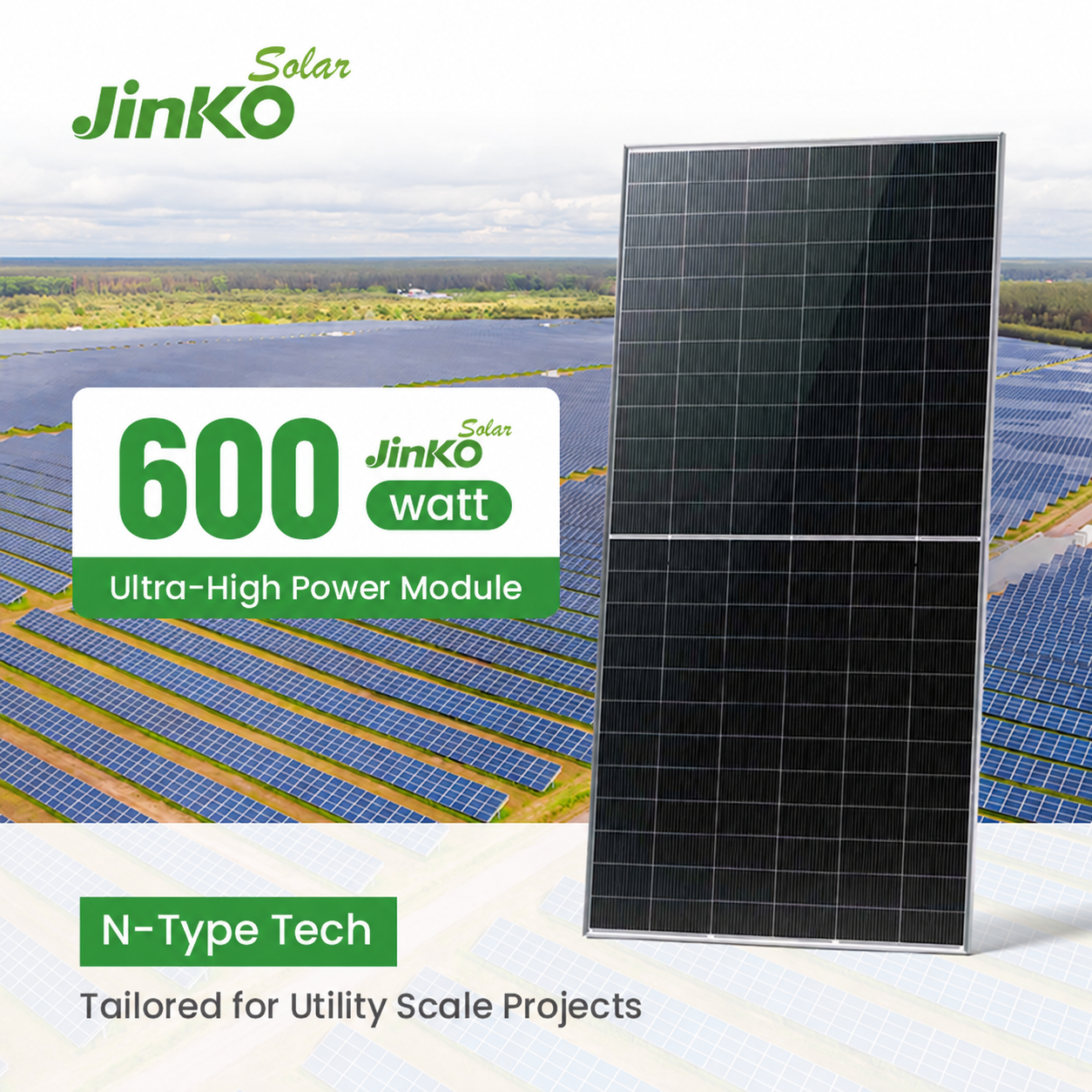
N-Type TOPCon PV
Jinko N Type Solar Modules 600W 580W Bifacial
Ultra-low temperature coefficient (-0.30%/°C) optimizing yield in San Pedro Sula's high ambient heat.
View SpecificationsPre-tested and fully certified components engineered for seamless integration across factory floors, cold-chain warehouses, and off-grid facilities in Honduras.
Ultra-low temperature coefficient (-0.30%/°C) optimizing yield in San Pedro Sula's high ambient heat.
View Specifications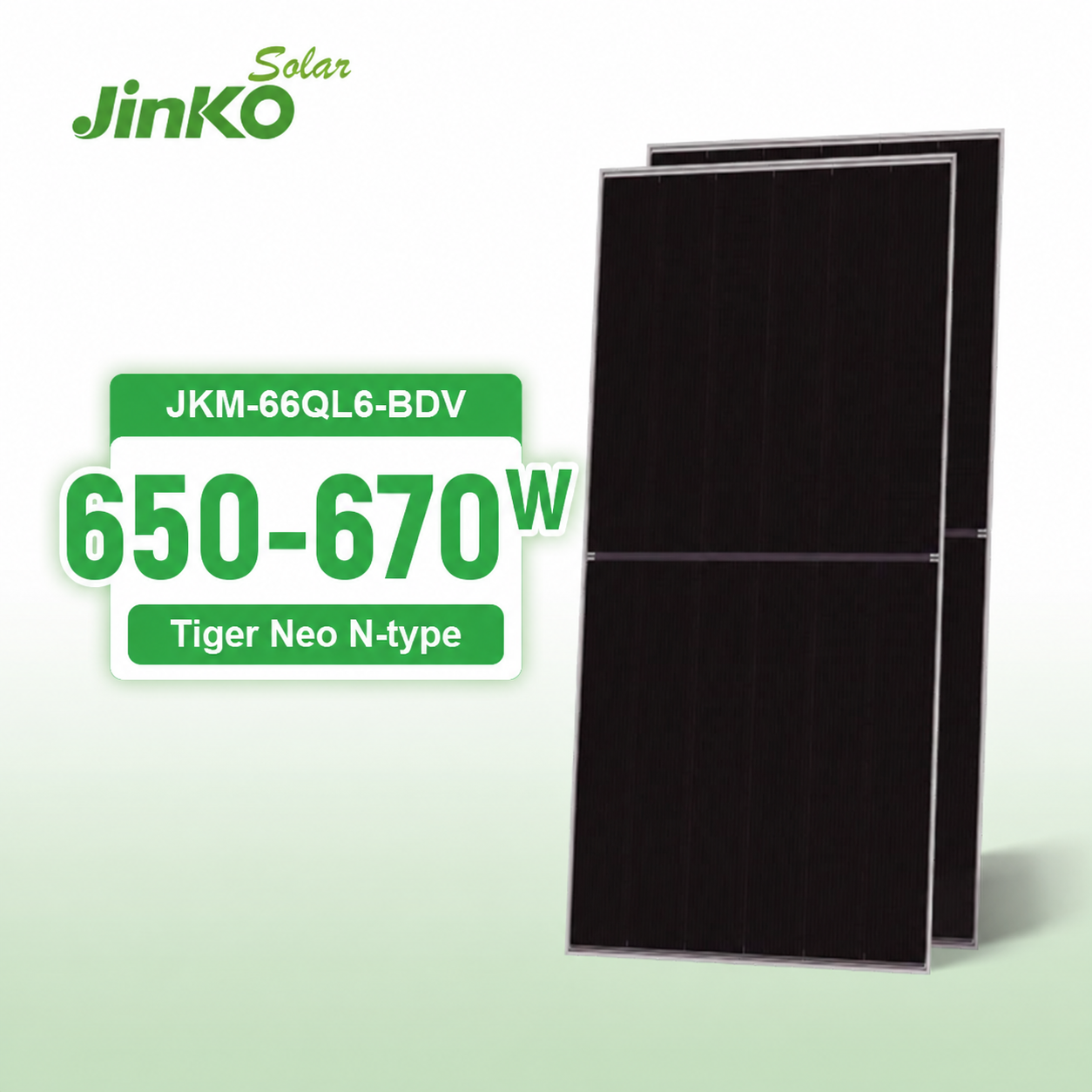
Heavy-duty dual glass architecture built for large maquiladora rooftop installations and logistics parks.
View Specifications
Enhanced albedo reflection capture with anti-PID degradation under high tropical humidity conditions.
View Specifications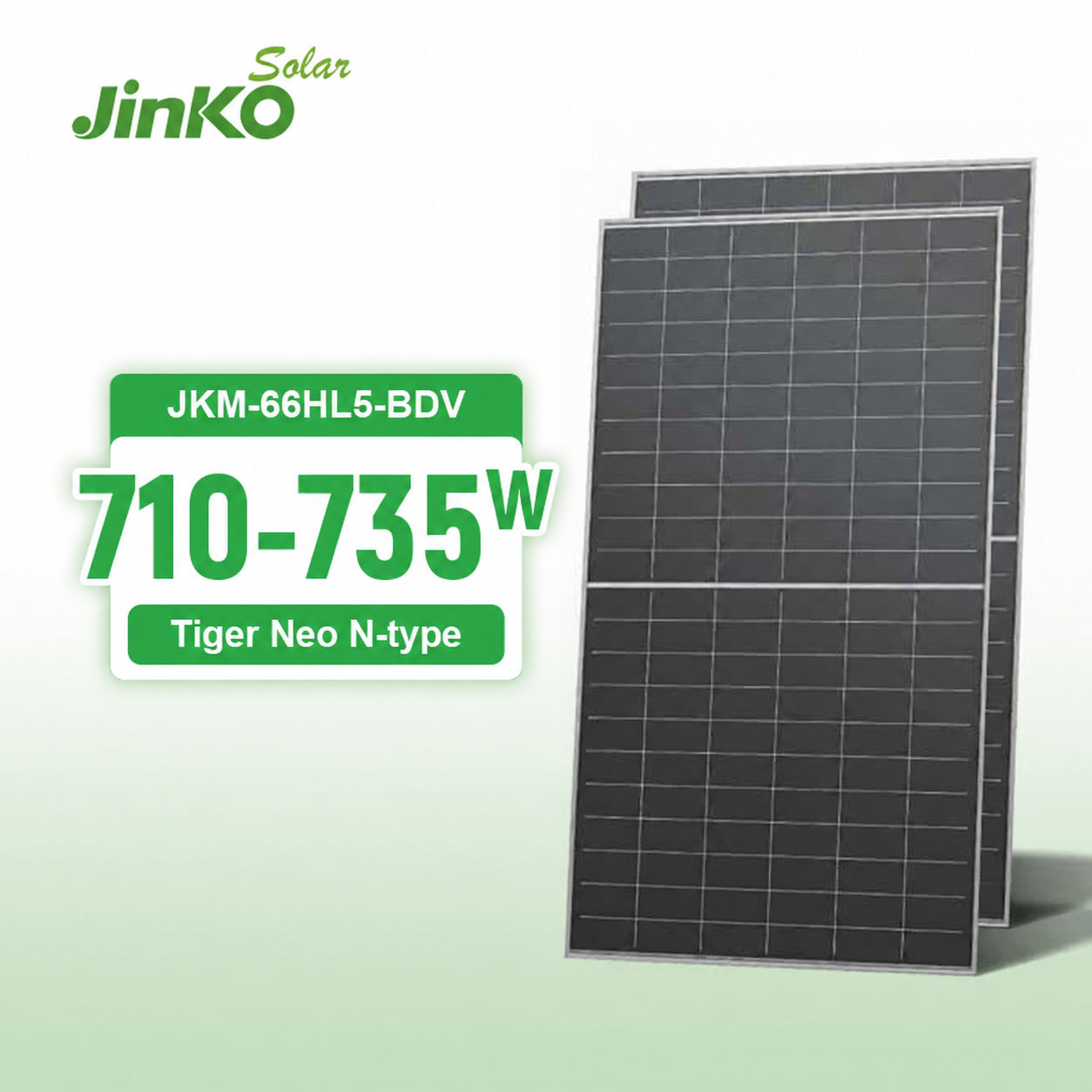
Maximum surface area power density designed to minimize structural balance of system (BOS) capital costs.
View Specifications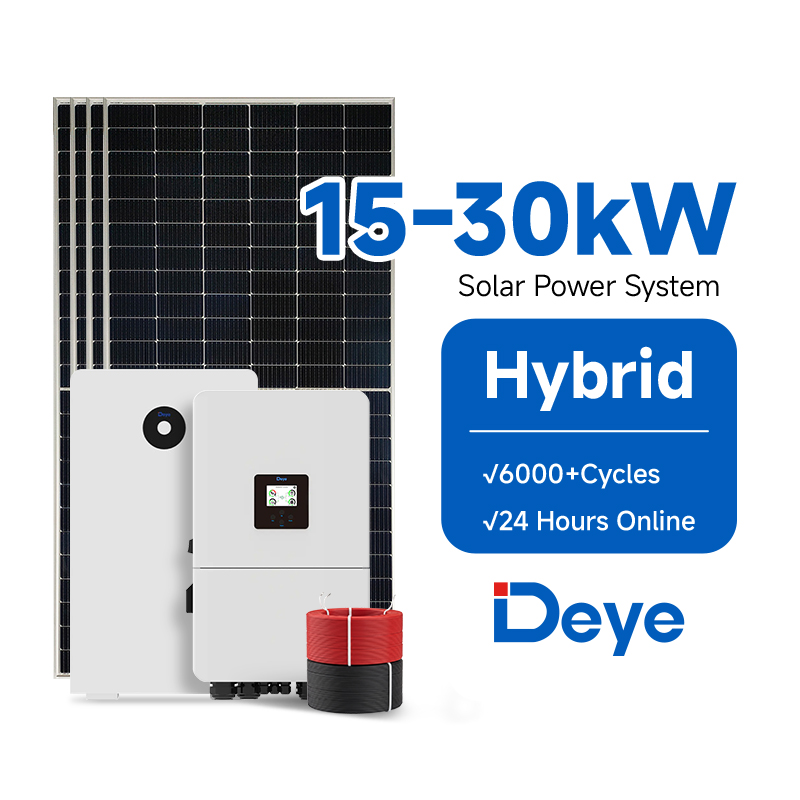
5kW to 30kW matched energy storage units with sub-4ms UPS transfer speeds to protect sensitive equipment.
View Specifications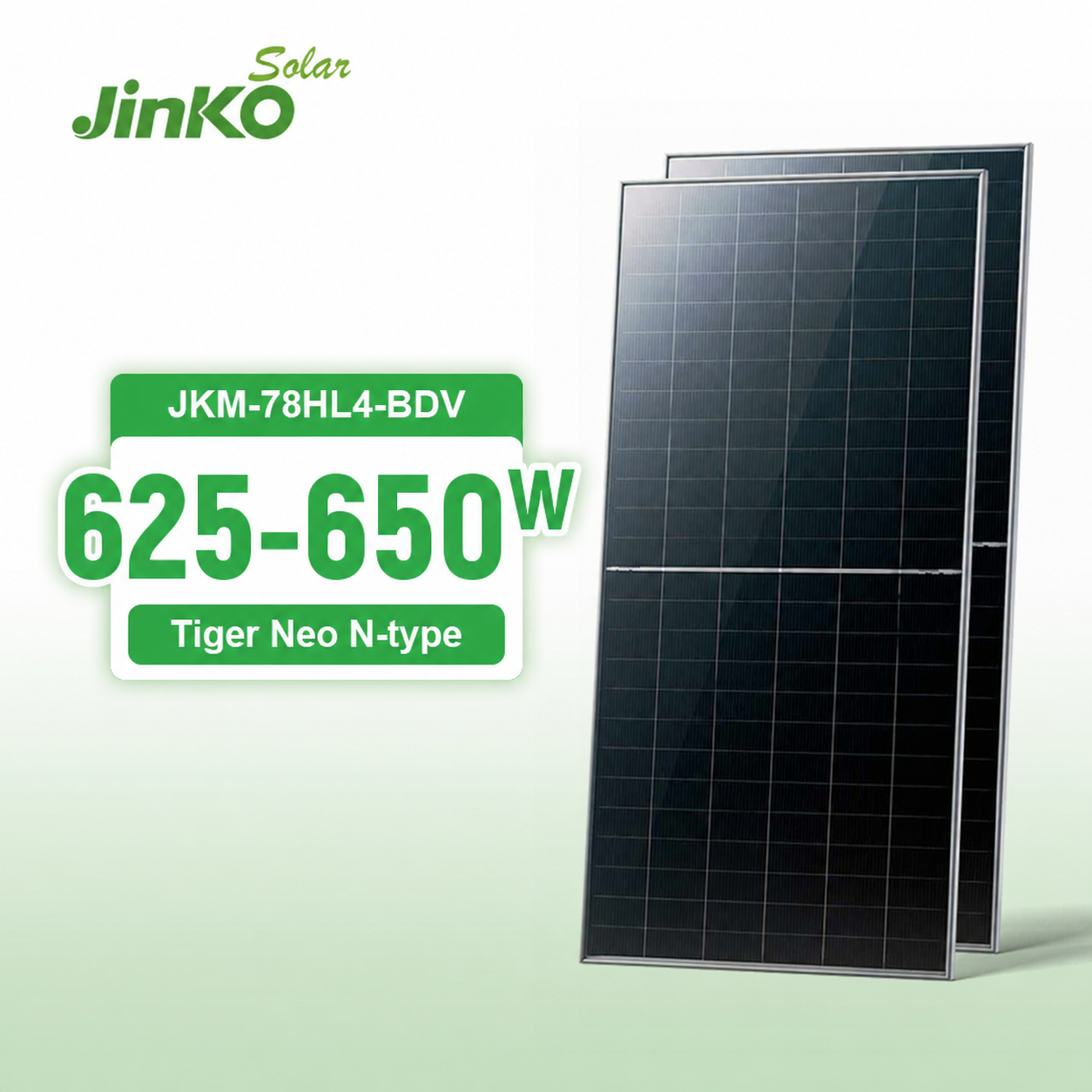
Double-glass mechanical integrity resistant to Category 1–3 Caribbean hurricane wind load stresses.
View Specifications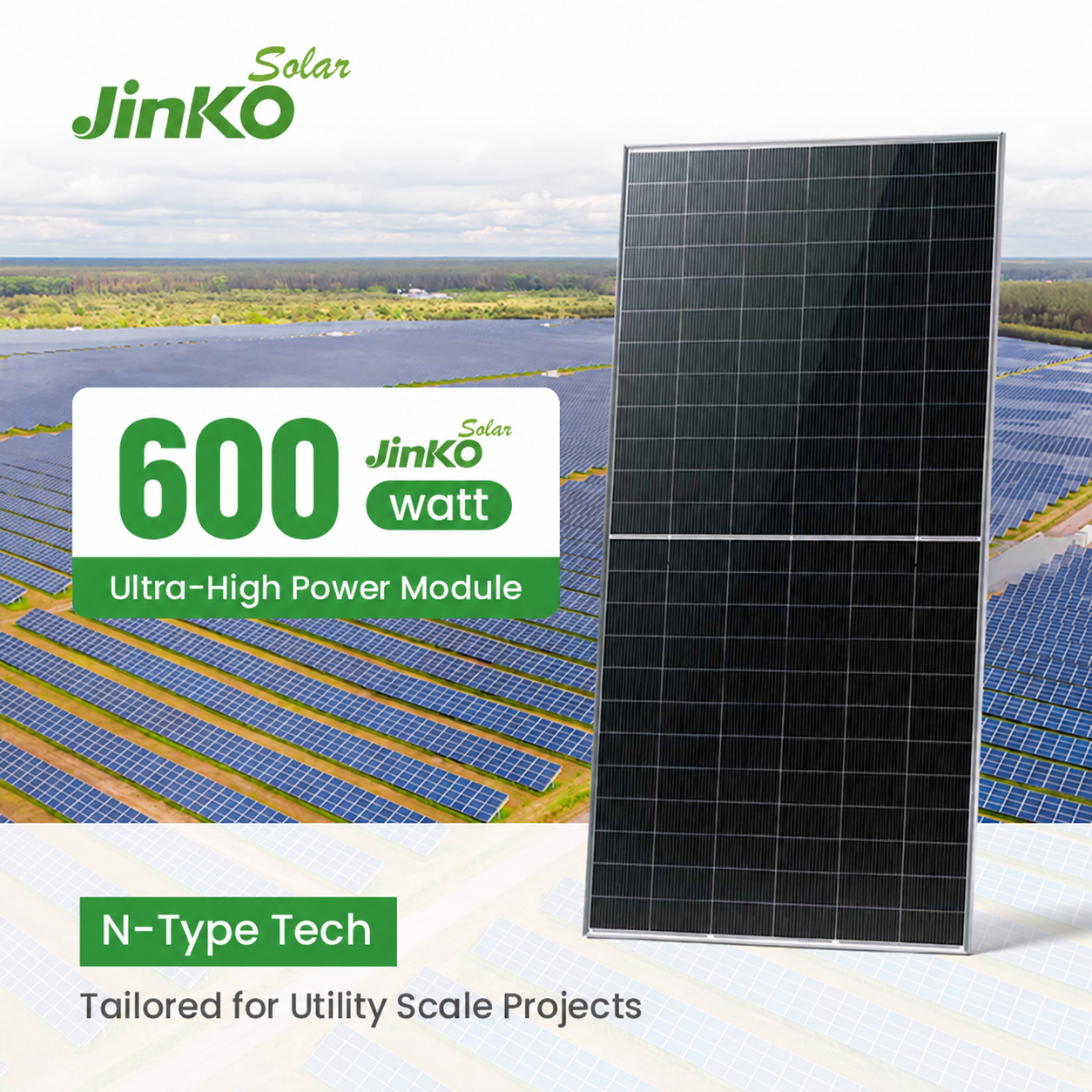
Optimized for high-temperature degradation resilience, delivering exceptional LCOE over 30 operating years.
View Specifications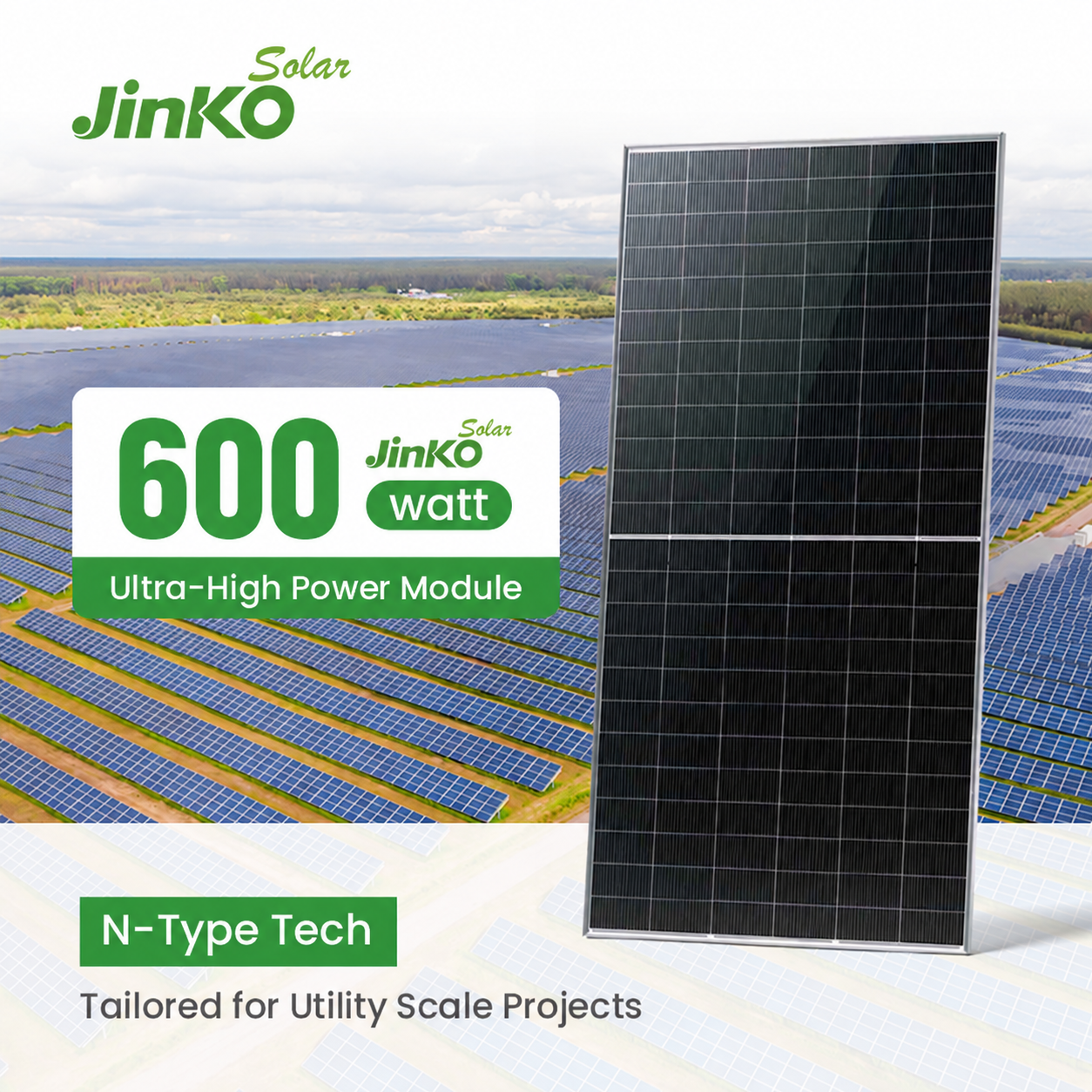
Integrated multi-busbar technology suppressing microcracking risk in seismic and vibrating factory settings.
View SpecificationsAs the economic locomotive of Honduras, San Pedro Sula generates over 60% of the nation’s gross domestic product. The surrounding Sula Valley houses critical manufacturing infrastructure—from automated textile maquiladoras and heavy chemical processing plants to agro-industrial cold-storage supply chains. However, this dense industrial ecosystem remains critically exposed to chronic transmission constraints on the Empresa Nacional de Energía Eléctrica (ENEE) grid. Frequent voltage sags, brownouts, and rolling load shedding translate directly into disrupted automated assembly lines, ruined temperature-sensitive goods, and catastrophic production downtime.
For decades, local enterprises have leaned on legacy valve-regulated lead-acid (VRLA) and deep-cycle GEL batteries to bridge unexpected generator switchover intervals. Yet, under the merciless climatological profile of the Cortés department—where ambient summer temperatures consistently exceed 36°C (97°F) with relative humidity above 85%—lead-based chemistry degrades exponentially. Arrhenius rate equations dictate that for every 10°C rise above 25°C, lead-acid float life is halved. Under San Pedro Sula conditions, lead-acid systems fail in as few as 14 to 22 months, suffering plate sulfation, thermal runaway, and rapid loss of amp-hour capacity.
Furthermore, standard 12V LiFePO4 battery modules configured in parallel and series banks (forming robust 24V, 48V, or high-voltage commercial ESS arrays) boast a 95% round-trip efficiency (RTE) compared to the sluggish 75–80% of GEL banks. This significant gain reduces the parasitic air conditioning loads needed to cool battery storage rooms in tropical industrial facilities across Choloma, Villanueva, and San Pedro Sula proper.
| Technical Characteristic | Standard VRLA / GEL Battery | VOLT Industrial 12V LiFePO4 Battery | Direct Impact on Sula Valley Operations |
|---|---|---|---|
| Cycle Life (80% Depth of Discharge) | 400 – 600 cycles | 6,000+ cycles @ 0.5C rate | 10+ years daily cycling vs. replacing GEL banks every 18 months |
| Thermal Tolerance Envelope | Degrades rapidly >28°C; high thermal runaway risk | Operational from -20°C to +60°C; heat-resistant BMS | Eliminates costly dedicated continuous AC cooling inside battery rooms |
| Usable Energy Capacity | 50% recommended limit (peukert effect losses) | 100% usable (flat discharge voltage plateau) | Reduces total footprint and floor structural loading by 65% |
| Charge Acceptance Speed | 8 to 12 hours (multi-stage bulk/absorption) | 1.5 to 2.5 hours (up to 1C fast charge capability) | Full recharge during short ENEE grid restoration windows |
| Weight & Handling Footprint | ~30–32 kg per 12V 100Ah block | ~11–13 kg per 12V 100Ah block | Low shipping weight via Puerto Cortés; rapid installation handling |
| BMS Communications | Passive chemistry; no digital feedback | Integrated RS485/CAN bus; dual-layer MCU protection | Direct telemetry handshake with Deye, Victron, and Schneider inverters |
Engineered to deliver uninterrupted operational power, fuel savings, and resilience against continuous grid instability.
Sewing lines, laser fabric cutters, and pneumatic control valves suffer major downtime during ENEE voltage spikes and brownouts. Parallel 12V LiFePO4 packs combined with Deye 3-phase hybrid inverters provide immediate zero-transfer (<4ms) ride-through, avoiding thread snapping, equipment resets, and lost operator production hours.
Surrounding farms and meat/produce distribution hubs in Villanueva and El Progreso cannot endure temperature drops in cold lockers. Our 12V lithium arrays handle heavy compressor startup inductive surges without dropping below cutoff voltage thresholds, safeguarding fresh exportsbound for Puerto Cortés.
Rising diesel fuel prices and constant maintenance on standby generators strain industrial bottom lines. By integrating high-cycle LiFePO4 storage banks, the generator runs only at its optimum thermal efficiency point to charge the cells quickly, reducing fuel consumption by 40% to 65% across regional facilities.
Honduras continues to modernize its national energy framework under the Clean Energy Act (Ley de Promoción a la Generación de Energía Eléctrica con Recursos Renovables), encouraging behind-the-meter (BTM) distributed generation for commercial and industrial users. Several macro-economic vectors are accelerating the deployment of 12V and low-voltage lithium battery systems throughout San Pedro Sula:
1. Escalating Demand Charges & Time-of-Use (ToU) Penalties: Industrial consumers are penalized heavily for peak-window energy draws. By deploying smart LiFePO4 storage charged during daytime solar peaks with Jinko TOPCon bifacial modules, facilities automatically discharge during peak tariff hours, lowering their monthly utility bills substantially.
2. Rapid Obsolescence of Flooded and Sealed Lead-Acid: Plant maintenance supervisors are discarding old battery rooms requiring acid hydrometer checks, toxic degassing ventilation, and continuous water replenishing. Sealed, zero-maintenance 12V LiFePO4 drop-in replacements remove OSHA safety concerns and catastrophic acid spill contamination hazards.
3. Advanced Inverter Protocol Synchronization: Modern installations demand closed-loop communication between the Battery Management System (BMS) and smart hybrid inverters such as Deye, Growatt, and Victron. Hangzhou VOLT New Energy builds integrated protocol chipsets directly supporting CAN and RS485 interfaces. This enables the inverter to dynamically adapt its charge voltage and current limits based on individual cell health and temperature, eliminating nuisance BMS trips.
We eliminate supply chain bottlenecks, compatibility mismatches, and freight compliance obstacles for B2B distributors and EPCs.

Every single battery bank undergoes strict BMS-to-inverter communication matching (CAN/RS485) and parameter testing prior to dispatch, preventing on-site commissioning delays in Honduras.

Full capacity discharge audits, IR cell balancing, internal insulation verification, and comprehensive photo/video inspection reports are shared before containers depart the warehouse.
Full UN38.3 test summaries, MSDS documentation, and certified Class 9 dangerous goods ocean freight packaging directed straight into Puerto Cortés with container consolidation options.
Bespoke system sizing, electrical schematics, string voltage calculations, and direct remote technical assistance in English/Spanish for engineering contractors and field installers.
Practical guidance addressing customs clearance at Puerto Cortés, inverter integration, and tropical thermal management.
Lithium Iron Phosphate (LiFePO4) batteries are classified under international maritime safety regulations as Class 9 Dangerous Goods (UN3480 for stand-alone batteries or UN3481 when packed with equipment). As experienced exporters, Hangzhou VOLT New Energy supplies the complete export documentation package required by ocean shipping lines and Honduran customs (Administración Aduanera de Honduras - Aduanas Honduras) at Puerto Cortés.
This includes verified UN38.3 testing reports, certified Material Safety Data Sheets (MSDS), Dangerous Goods Declarations (DGD), and certified export crating with proper hazardous labeling. Once arriving at Puerto Cortés, goods can typically be cleared and trucked down the CA-5 highway into San Pedro Sula industrial zones within 48 to 72 hours under regular customs brokerage channels.
Yes. Our premium 12V lithium series is engineered specifically with advanced internal BMS circuitry that accommodates up to 4 units in series (creating a 48V nominal system) and up to 4 units in parallel (4S4P configuration), delivering scalable bank capacity up to 800Ah. Prior to configuring in series, each 12V unit must be fully charged individually to balance cell voltages.
For larger commercial applications across San Pedro Sula requiring 100kWh or more, we also supply dedicated 48V/51.2V rack-mounted and floor-standing ESS cabinets with built-in multi-module master-slave BMS coordination to ensure uniform current distribution across parallel branches.
Our intelligent BMS architecture integrates multi-protocol firmware directly compatible with Deye low-voltage (48V) single-phase and three-phase hybrid inverters (SUN-5K/8K/10K/12K-SG04LP3 series). We configure and verify the CAN or RS485 communication protocols before shipment.
Upon connection, the Deye inverter automatically recognizes the battery bank’s State of Charge (SoC), maximum charge/discharge current limits, voltage windows, and internal cell temperatures. This closed-loop configuration prevents battery overcharge, optimizes solar clipping utilization, and allows automated startup of external diesel backup generators via the inverter's dry contact relays.
San Pedro Sula frequently experiences temperatures exceeding 35°C with high relative humidity. Our lithium iron phosphate chemistry features thermal decomposition thresholds over 270°C, ensuring broad thermal stability far superior to NMC or lead-acid alternatives. Internal multi-sensor temperature probes on our BMS dynamically adjust charge currents if internal heat climbs, protecting cell longevity.
Furthermore, our battery casings and terminals are treated with protective conformal coatings to resist corrosion from humid tropical air. We provide a full manufacturer-backed performance warranty (up to 5 to 10 years depending on the model and duty cycle) fully valid for installations throughout Central America.
Yes, mixed container consolidation is one of our most valued services for Honduran EPCs and distributors. Sourcing batteries, inverters, and PV modules from separate factories typically creates logistic mismatches, higher port handling fees, and increased risk of component incompatibility.
At our Hangzhou logistics integration hub, we consolidate Jinko N-Type solar modules, Deye hybrid inverters, VOLT lithium batteries, DC circuit breakers, and specialized cables into a single 20ft or 40ft HQ container. This consolidation minimizes overall freight costs per watt, streamlines customs paperwork at Puerto Cortés, and guarantees that every component has been tested to work together out of the box.
Send our engineering team your facility load profile, expected backup hours, or container supply specifications. We provide complete system sizing, single-line wiring diagrams, and formal CIF Puerto Cortés quotations within 24 hours.