6,000+
Cycles @ 80% DoD
100+
Countries Supplied
24.5%
Max Solar Efficiency
100%
Pre-Shipment Tested
Integrated Solar & Storage Architecture
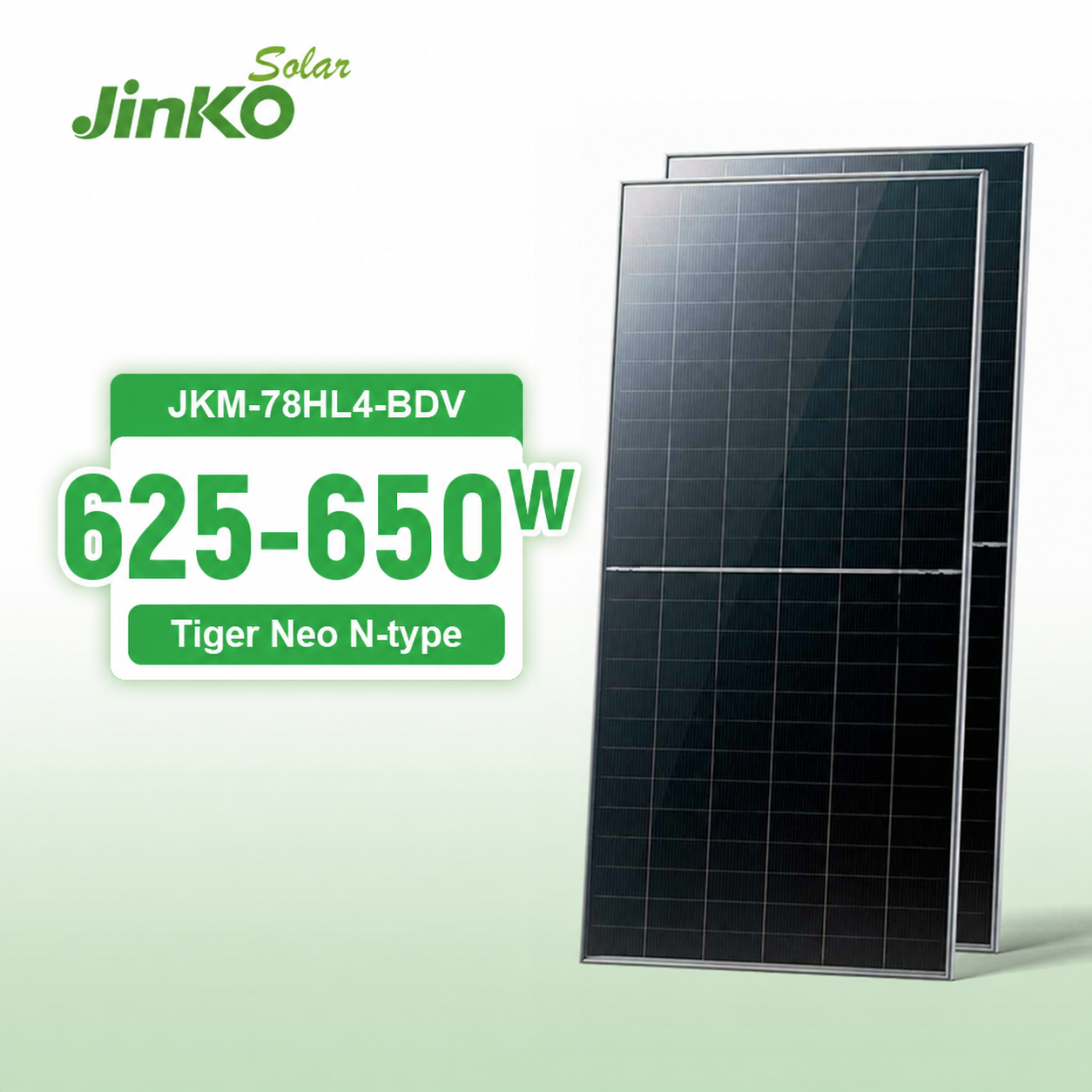
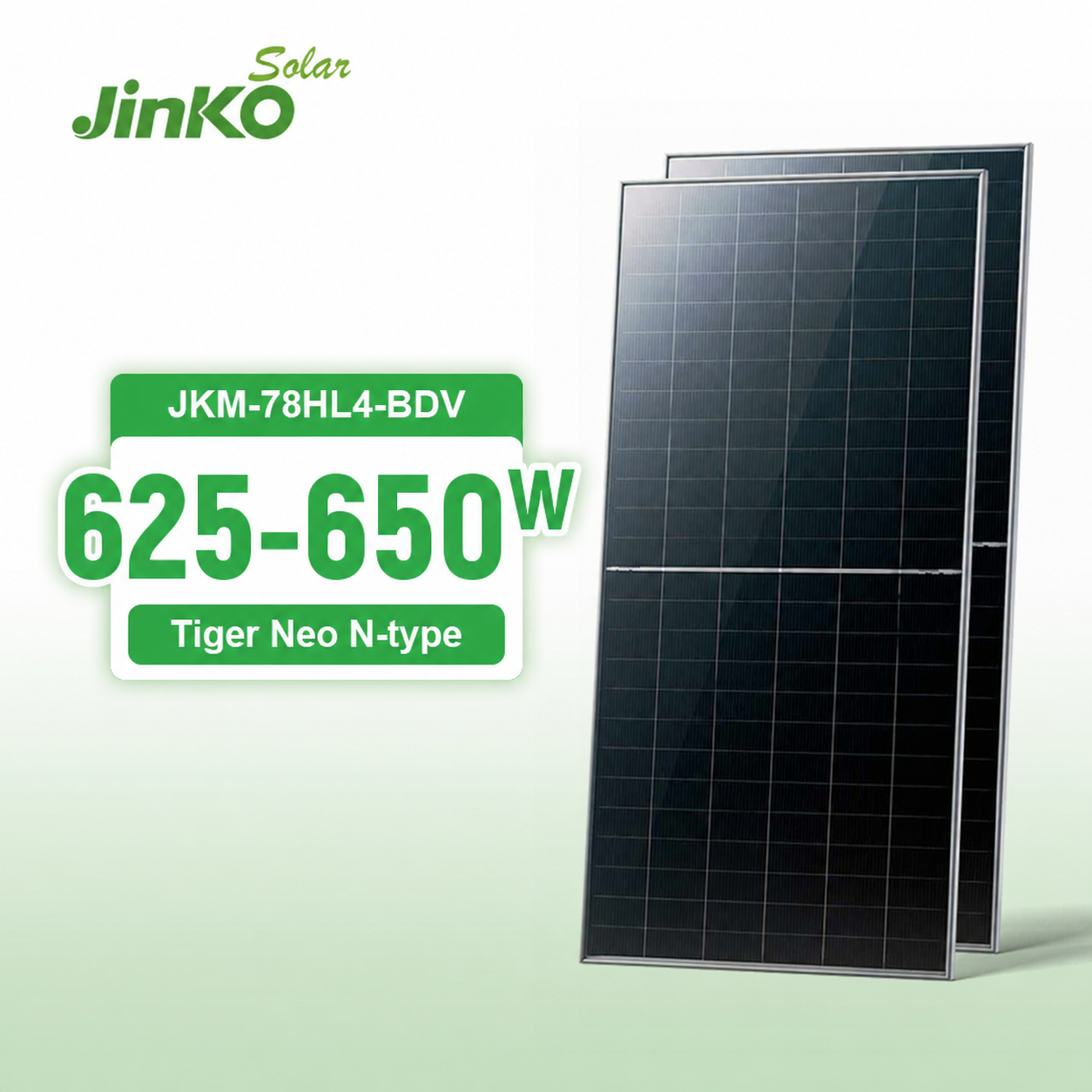
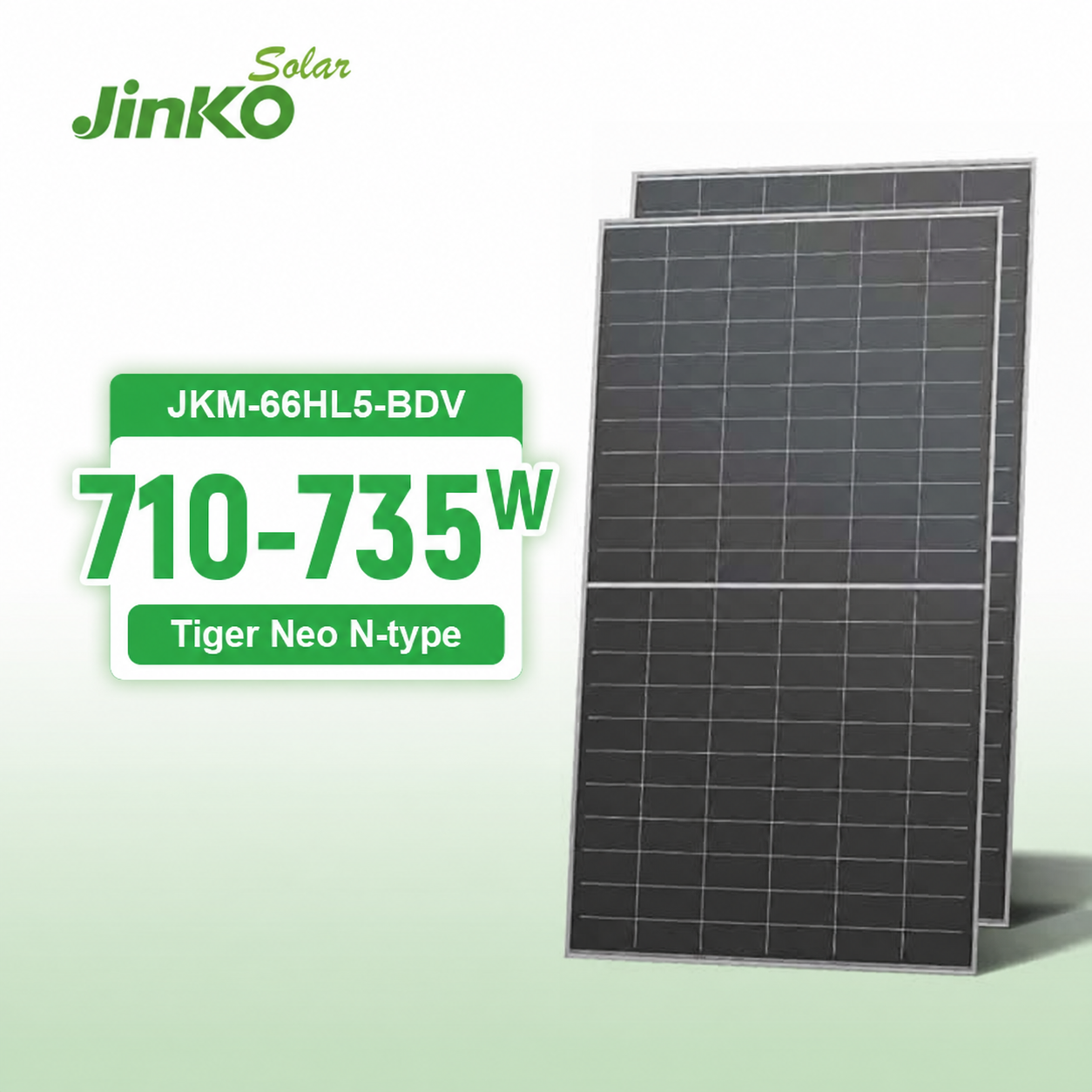
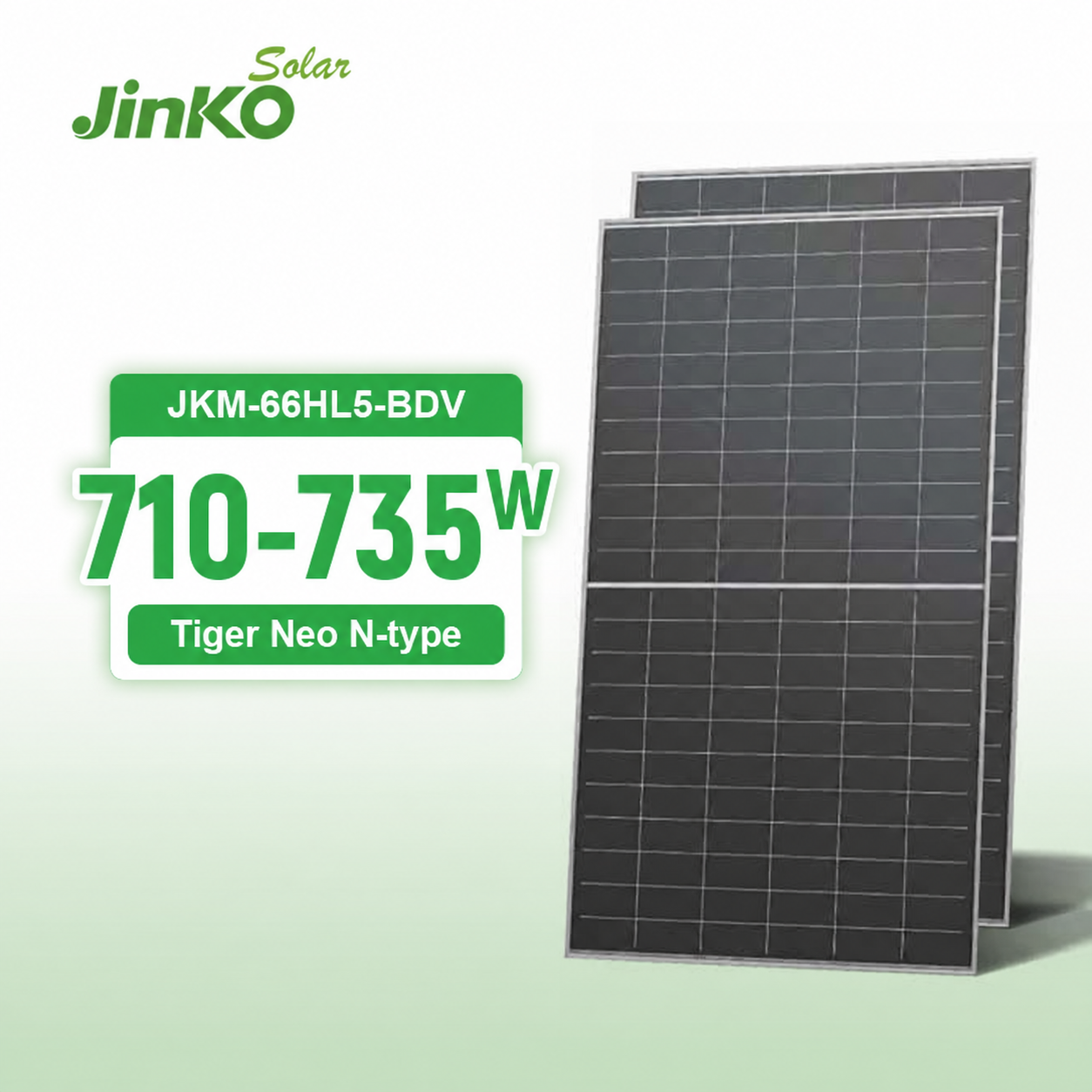
High-Efficiency Modules Matched for 12V & 48V Lithium Systems
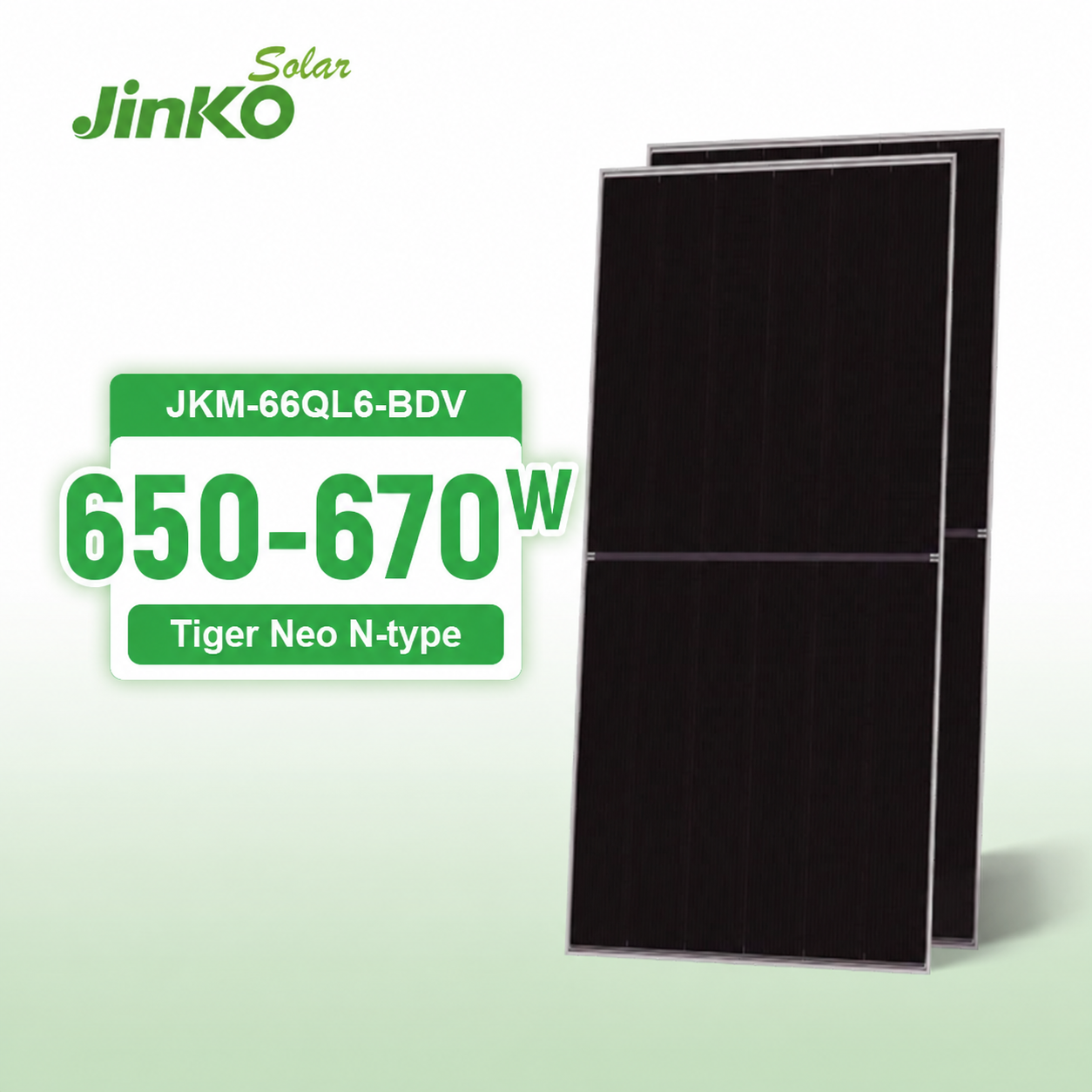
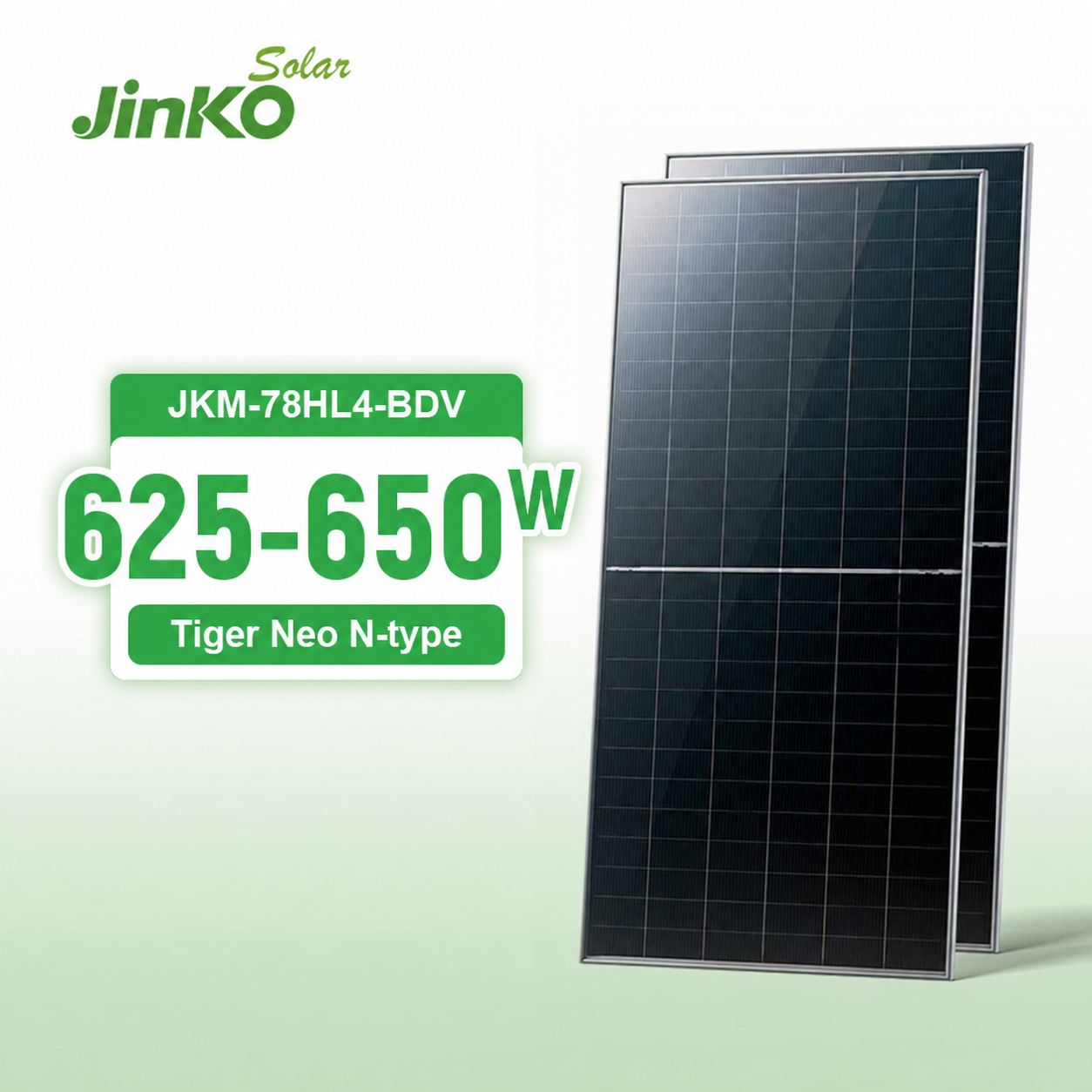
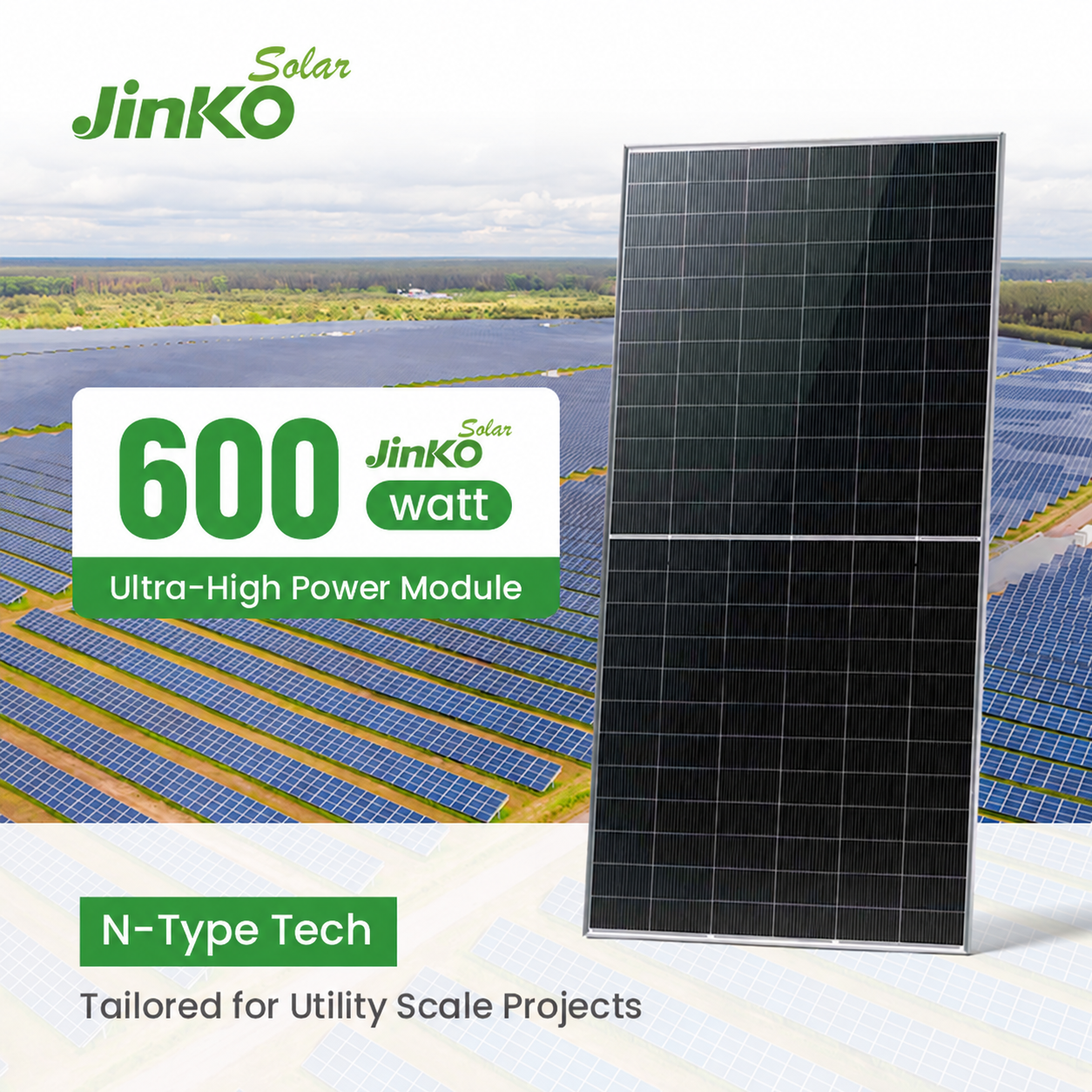
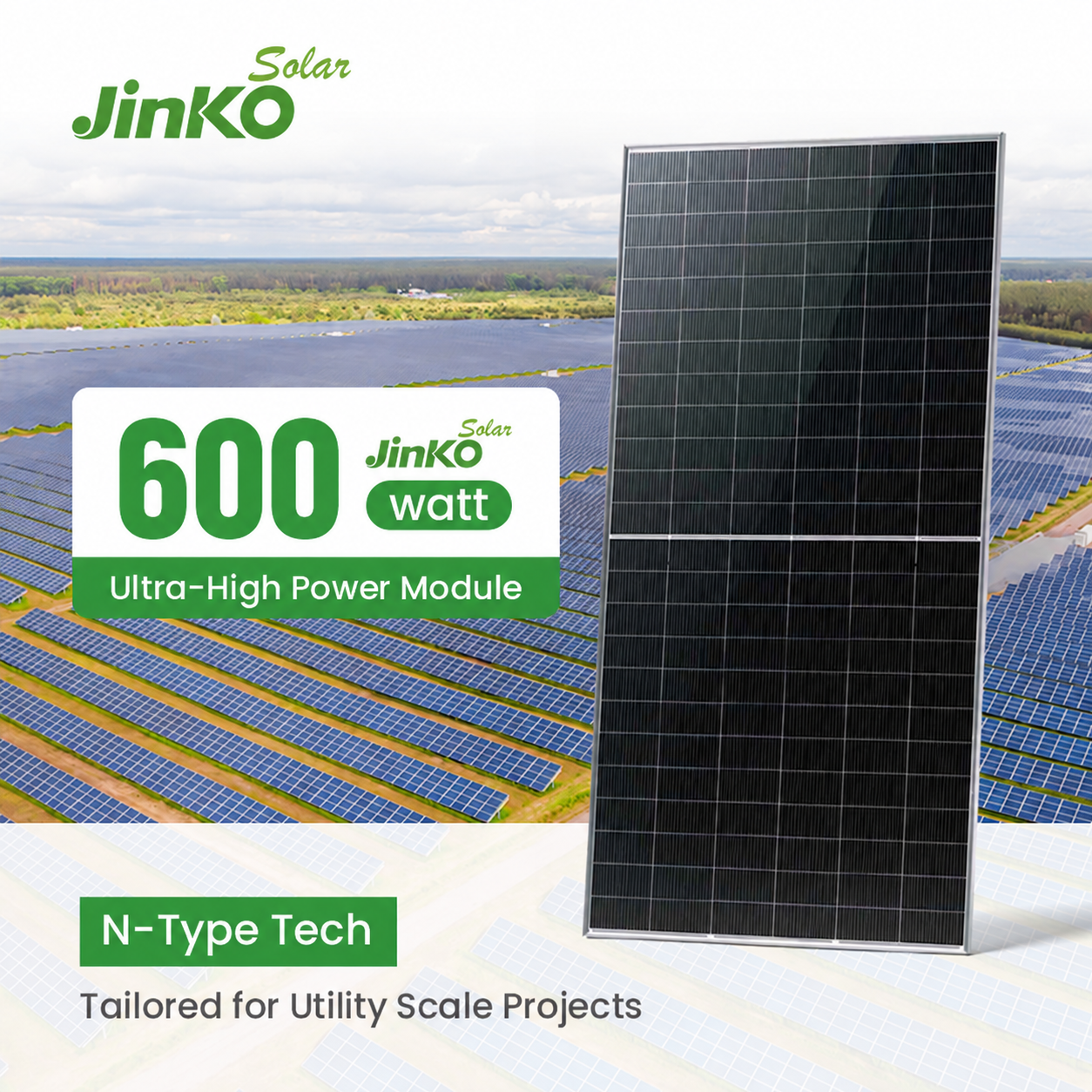
Combining high-capacity 12V LiFePO4 battery banks with world-class N-Type TOPCon dual-glass photovoltaic modules to ensure high specific yield under intense Turkish solar irradiance.
Technical Engineering White Paper
12V Lithium Iron Phosphate (LiFePO4) vs Conventional Lead-Acid in Anatolian Operating Climates
As the Republic of Turkey accelerates its decentralized renewable integration under EPDK regulations, engineering procurement specialists and solar installers face severe operating bottlenecks with legacy lead-acid and colloidal gel batteries. In geographical zones spanning from the high thermal swings of Central and Eastern Anatolia (exceeding 40°C diurnal shifts) to the saline, humid coastal stretches of the Aegean and Mediterranean, battery chemistry stability determines long-term Levelized Cost of Storage (LCOS).
Hangzhou VOLT New Energy manufactures and exports engineered 12V LiFePO4 batteries utilizing prismatic Grade-A lithium iron phosphate cells. Unlike standard consumer lithium configurations or traditional VRLA/GEL batteries, our 12.8V nominal packs feature integrated smart Battery Management Systems (BMS) with hardware-level dual protection, active cell balancing, and CAN/RS485 industrial communication interfaces natively compatible with Deye hybrid inverters, Victron energy units, and Growatt off-grid platforms.
Engineering Benchmark: A standard 12V 100Ah Deep Cycle GEL battery provides only 500-800 cycles at 50% Depth of Discharge (DoD) before severe capacity degradation occurs, suffering up to 40% thermal derating above 35°C. In contrast, our 12V Grade-A LiFePO4 modules deliver over 6,000 continuous cycles at 80% DoD, maintaining a 98% round-trip coulombic efficiency with zero maintenance.
| Operating Parameter | Legacy Deep Cycle GEL (Colloidal) | VOLT Industrial 12V LiFePO4 Battery | Engineering Benefit for Turkish Installers |
|---|---|---|---|
| Nominal Voltage & Working Window | 12.0V (10.5V - 13.8V cut-off) | 12.8V (10.0V - 14.6V stable plateau) | Flat discharge curve prevents inverter low-voltage dropouts |
| Usable Energy @ 1C Discharge | 50% - 60% rated capacity | 95% - 100% rated capacity | Halves physical battery footprint on site |
| Cycle Life (80% DoD @ 25°C) | 400 - 650 cycles | > 6,000 cycles (remaining 80% SOH) | Eliminates bi-annual battery replacements across rural sites |
| High-Temperature Resilience | Thermal runaway risk > 50°C | Stable olivine crystal structure up to 270°C | Survives scorching Mediterranean summer ambient heat |
| Weight / Energy Density | Approx. 30 kg / 1.2 kWh (40 Wh/kg) | Approx. 11.2 kg / 1.28 kWh (114 Wh/kg) | 65% weight reduction: cuts shipping costs and cabin payload |
| BMS Protection & Telemetry | None (External fuses only) | Integrated Smart BMS (CAN / RS485 / Bluetooth) | Real-time cell balancing, temp sensors, over-current cut |
Architectural Compatibility: 12V Modular Stacks to 48V High-Yield Microgrids
Turkish EPC contractors frequently require flexible architectures that can transition from localized 12V DC auxiliary circuits to 24V or 48V series banks for off-grid hybrid power plants. Our 12V series is engineered with heavy-duty copper busbars, internal insulation barriers, and BMS units calibrated to handle high inrush currents without latching into protection fault modes. Whether deployed as a standalone 12V 100Ah/200Ah power source for marine yachts in Muğla or grouped in 4S4P configurations to drive a 48V 10kW Deye hybrid inverter in an off-grid agricultural pumping plant in Konya, our system ensures seamless voltage matching and zero protocol friction.
Localized Application Scenarios
Engineered for Turkey's Industrial, Maritime & Solar Demands
Precision-matched battery systems deployed across high-demand sectors throughout Istanbul, the Aegean Riviera, Central Anatolia, and the Mediterranean agricultural basin.
Marine & Yachting Auxiliaries
Hermetically sealed IP65/IP67 casings resist saline corrosion and constant vibrational stress. Supplies clean, non-sagging DC power for navigation avionics, bilge pumps, winches, and domestic refrigeration on yachts and commercial boats.
Bodrum, Marmaris, Göcek, Antalya
Caravan & Tiny House Living
Rapid C-rate charging allows Turkish campers and tiny house owners to charge from 10% to 100% within 2 hours from MPPT solar controllers or vehicle alternators without overheating or releasing explosive outgassing inside passenger compartments.
İzmir, Muğla, Bolu, Sakarya
Agri-Solar Irrigation & Storage
Deep-well pumps and cold storage facilities run continuously during peak tariff hours. High-power 12V LiFePO4 packs buffer intermittent solar generation, powering VFDs and submersible pumps across large-scale farm holdings.
Konya Ovası, Adana, Şanlıurfa
Telecom & Grid Blackout Backup
Critical GSM towers, mountain microwave repeaters, and commercial data nodes demand automated switchover. 12V modular racks deliver immediate un-interruptible power during severe winter grid drops in mountainous regions.
Eastern Anatolia, Bursa, Istanbul
Macro Dynamics & Import Trade
Turkish Solar Market Trends & Customs Import Regulations
Navigating the transition toward lithium energy storage under current Turkish Ministry of Trade, TSE, and EPDK frameworks.
01
Shift from GEL to LiFePO4 Batteries
Skyrocketing electricity tariffs set by EPDK (Enerji Piyasası Düzenleme Kurumu) have shortened the ROI of residential and commercial solar storage projects to under 3.5 years in Turkey. Turkish installers are aggressively replacing lead-acid and GEL batteries with 12V and 48V LiFePO4 because of their zero-maintenance lifespan, 98% charge efficiency, and high usable capacity under continuous high-temperature discharge.
02
Customs, TAREKS & TSE Compliance
Importing lithium iron phosphate batteries under HS Code 8507.60.00.00.00 into Turkish customs (Ambarlı, Gebze, Alsancak, Mersin) requires stringent TAREKS e-surveillance compliance. Our shipments include complete manufacturer declarations of conformity, CE certifications, IEC 62619 safety test reports, and factory quality audit documentation to ensure seamless clearance without demurrage or customs rejection.
03
Class 9 Dangerous Goods Maritime Logistics
Lithium batteries cannot be treated as regular containerized freight. VOLT New Energy provides certified Class 9 dangerous goods sea shipping with UN-approved packaging (UN3480), UN38.3 vibration and thermal shock reports, valid Safety Data Sheets (MSDS), and sea freight container weight certificates (VGM), delivering direct to major Turkish seaports with full bill-of-lading transparency.
The Hangzhou VOLT Advantage
Why Tier-1 Turkish Importers Choose VOLT New Energy
From component verification in Hangzhou to direct port arrival in Istanbul and Mersin, we eliminate protocol failures and documentation risks.
Pre-Shipment Protocol Matching
Every batch undergoes simulated hardware-in-the-loop communication tests with Deye, Victron, and Growatt inverters via CAN/RS485 prior to packaging, ensuring immediate plug-and-play handshakes on Turkish job sites.
Grade-A Prismatic Cells
We strictly utilize 100% brand-new, factory-matched Tier-1 LiFePO4 cells with laser-welded copper studs, ensuring precise internal impedance balancing (≤0.05mΩ variance) and zero swelling across multi-year cycles.
Consolidated Container Loading
We consolidate 12V lithium batteries, Jinko N-Type solar panels, and hybrid inverters into single FCL containers from Ningbo/Shanghai to Turkey, maximizing freight volume efficiency and minimizing customs port handling tariffs.
Bespoke OEM/ODM Branding
Custom ABS drop-in replacement enclosures, IP67 heavy metal rack-mount cases, screen-printed customer logos, Turkish language packaging, and custom-tuned BMS parameter limits for Turkish domestic distributor brands.
Procurement & Technical Clarifications
Frequently Asked Questions by Turkish Energy Storage Buyers
Direct technical and commercial answers tailored for Turkish solar equipment importers, engineers, and supply chain managers.
Can your 12V lithium batteries be wired in series to create 24V or 48V banks for solar inverters?
Yes. Our industrial 12V LiFePO4 batteries are equipped with heavy-duty smart BMS units that support up to 4 units in series (creating a 48V / 51.2V nominal bank) and up to 4 units in parallel (4S4P architecture). The internal MOSFET switches and balance circuits are designed to withstand inter-battery voltage variations. For larger commercial energy storage, we also manufacture native 48V / 51.2V rack-mount and wall-mounted battery systems that feature dedicated master-slave communication protocols for multi-stack setups.
What import documentation do you provide for Turkish Customs (TAREKS / TSE inspection)?
We provide a complete export dossier required by Turkish customs authorities under HS Code 8507.60.00.00.00. This includes authentic Manufacturer CE Declarations of Conformity, IEC 62619 safety testing reports, UN38.3 test summaries, Class 9 Dangerous Goods transport certification, and detailed technical data sheets in English. These documents enable your customs broker to register the import batch smoothly in the TAREKS system and avoid inspection delays.
How do your 12V lithium batteries behave during freezing winter conditions in Central & Eastern Anatolia?
Charging standard lithium cells below 0°C causes dangerous lithium plating, which permanently degrades capacity and risks internal short circuits. Our BMS is programmed with Low-Temperature Charging Protection that automatically stops charging current when internal cell temperatures drop below 0°C, while allowing discharge down to -20°C. For extreme cold regions such as Erzurum, Sivas, or Ankara, we also supply optional internal self-heating PTC pads that use incoming solar power to gently warm the cells to +5°C before initiating the charging cycle.
Are your battery BMS protocols directly compatible with Deye and other hybrid inverters common in Turkey?
Yes. Our communications-enabled battery systems feature dual CANbus and RS485 ports flashed with multi-protocol firmware. They communicate natively with Deye, Victron Energy, Growatt, Voltronic, Solis, and GoodWe inverters. Prior to dispatch, our testing engineers match the pin-out configuration (e.g., standard RJ45 cable assignments) and pre-configure the DIP switches to ensure an instant handshake upon initial system power-up.
Can we mix and ship 12V lithium batteries with Jinko solar panels in the same sea container?
Yes. While lithium batteries are classified as Class 9 Dangerous Goods (UN3480) and solar modules are standard general cargo, our maritime DG consolidation team handles combined container bookings. We secure the certified dangerous goods packaging in compliance with IMO / IMDG maritime codes, allowing Turkish importers to optimize freight container utilization by combining Jinko TOPCon bifacial panels, Deye hybrid inverters, and 12V/48V lithium batteries into a single Bill of Lading.
What is the typical shipping transit time from your factory to Turkish ports (Istanbul, İzmir, Mersin)?
Direct sea freight routes from Ningbo or Shanghai port to Turkish gateway ports (Ambarlı/Istanbul, Alsancak/Aliağa/İzmir, and Mersin Port) typically take between 28 and 38 days depending on the shipping line (e.g., MSC, COSCO, Maersk). We provide advance shipping notices, draft bills of lading, and container tracking details so your customs broker can initiate pre-clearance filings prior to vessel docking.
Looking for a Reliable 12V Lithium Battery Manufacturing Partner for Turkey?
Whether you need custom-branded 12V 100Ah/200Ah LiFePO4 batteries for caravan and marine distributors, or complete megawatt-scale solar + storage container shipments, our Hangzhou engineering and export team is ready to assist with sizing, documentation, and pricing.